

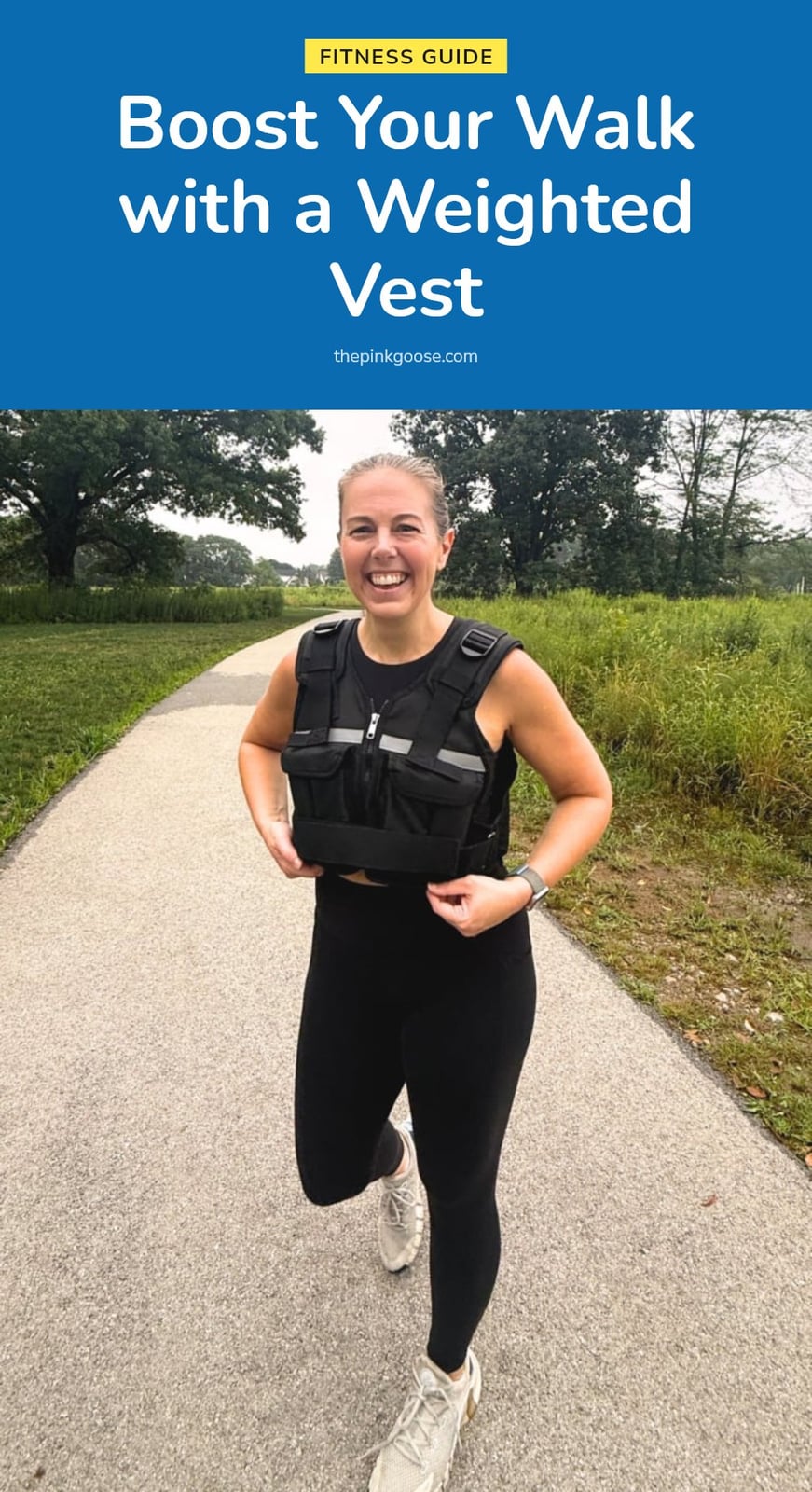
You love walking for fitness, but maybe you want a little more challenge without running or hitting the gym. A weighted vest can be a safe, effective way to boost calorie burn, strengthen bones, and improve cardiovascular health while you walk. This article covers how to choose the right vest, start with the proper weight, and progress gradually to avoid injury.
Key Takeaways
- Start with a vest weighing 5-10% of your body weight and increase only after your body adapts.
- Maintain good posture with shoulders back and core engaged to prevent strain.
- Begin with 15-20 minute walks 2-3 times per week, then gradually increase duration and weight.
- Stop immediately if you feel sharp pain in your back, knees, hips, or ankles.
- Consult a healthcare professional before starting if you have back pain, joint issues, osteoporosis, or cardiovascular conditions.
Why Walk With a Weighted Vest?
Walking with a weighted vest adds resistance that increases both calorie expenditure and cardiovascular demand compared to walking without one. The extra load also stimulates bone remodeling, which can help improve bone mineral density, a benefit especially relevant for post-menopausal women. Because a vest distributes weight evenly around your torso, it keeps your natural gait intact and is generally safer than carrying hand weights or strapping on ankle weights, which can throw off your stride and stress your joints.
Essential Gear for Weighted Vest Walking
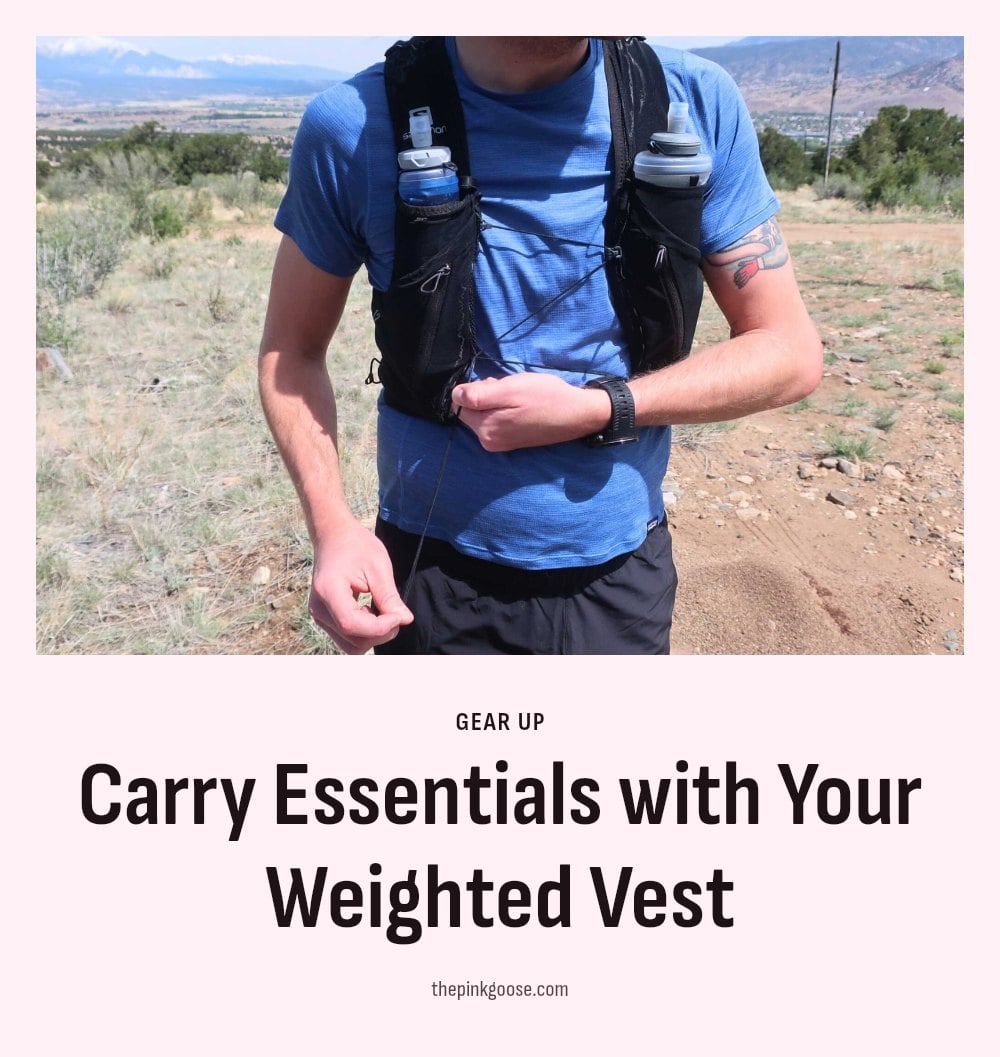
To get the most out of weighted vest walking, you need a few key items.
- Weighted vest: Look for one that fits snugly and offers adjustable weight so you can increase the load gradually as you get stronger.
- Supportive walking shoes: The extra load puts more demand on your feet and joints, so choose shoes with good cushioning and arch support.
- Breathable workout clothes: You will heat up faster with the vest on, so moisture-wicking fabrics help keep you comfortable.
- Water bottle: Staying hydrated is even more important when you are carrying extra weight.
How to Start Walking Safely with a Weighted Vest
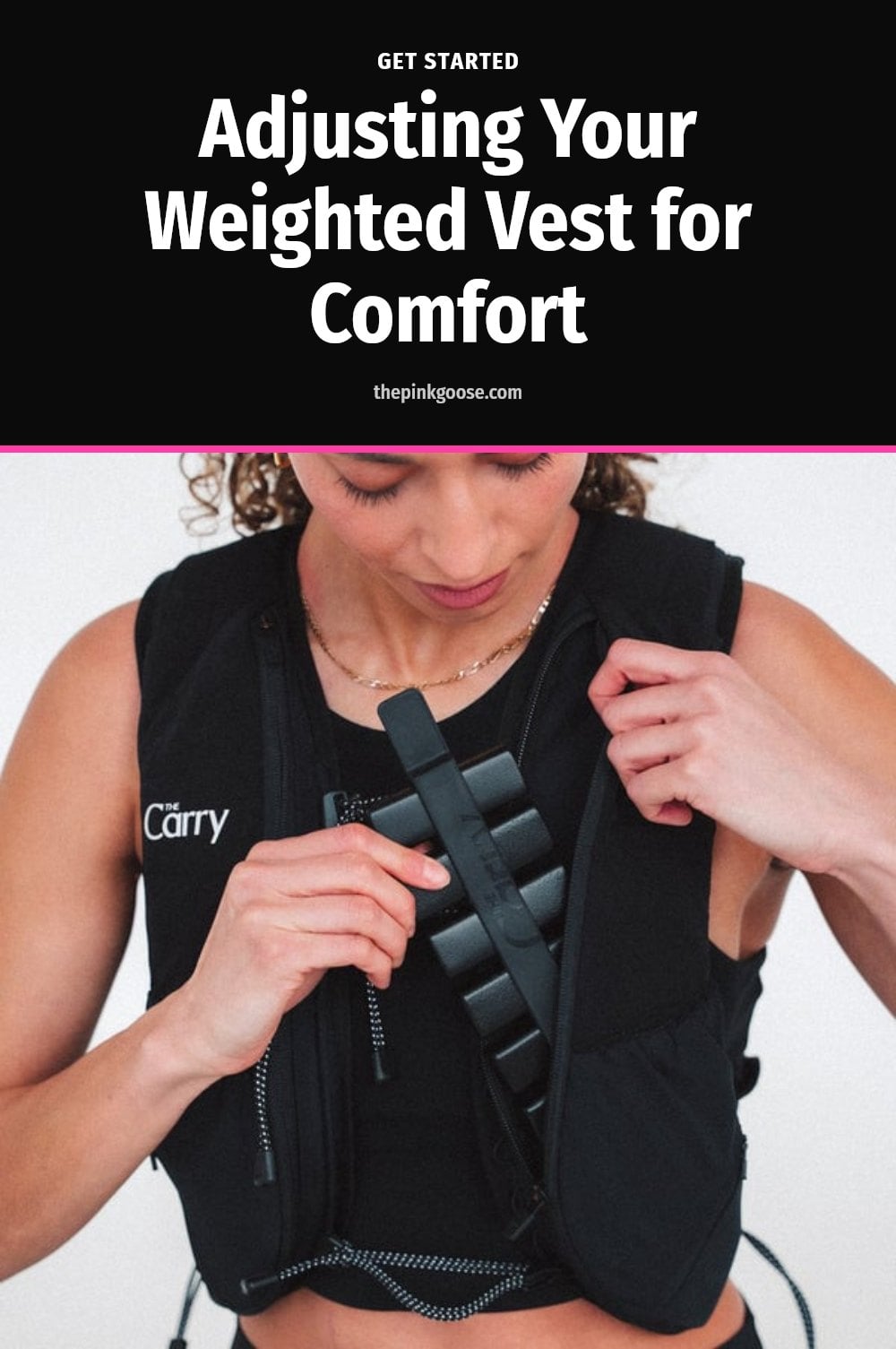
- Choose the right vest: Pick a vest that fits snugly against your torso without restricting your arms or shoulders. It should not shift around when you move.
- Start with a light load: Begin with a weight that equals 5-10% of your body weight. For a 150-pound person, that means 7.5 to 15 pounds. Going heavier too soon is the most common cause of injury.
- Warm up first: Spend 5 minutes doing dynamic stretches like leg swings, walking lunges, or arm circles. After your walk, cool down with 5 minutes of gentle stretching to help your muscles recover.
- Focus on posture: Keep your shoulders back, chest open, and core engaged throughout the walk. Avoid slouching or leaning forward to compensate for the weight, which can strain your lower back.
- Keep walks short at first: Start with 15-20 minute sessions, 2-3 times per week. Your body needs time to adapt to the added load before you extend the duration.
- Increase weight only after you adapt: Once you can comfortably walk for 30-45 minutes at your current weight for a couple of weeks, you can add 1-2 pounds. Never increase weight and duration at the same time.
Best Tips for Weighted Vest Walking
- Listen to your body: Stop immediately if you feel sharp pain in your back, knees, or hips. That is your body telling you something is off.
- Check your posture regularly: Every few minutes, do a quick scan: shoulders back, chest open, core tight. It is easy to start slouching as you get tired.
- Stay hydrated: Drink water before you head out, take sips during your walk, and rehydrate afterward. The extra weight makes you work harder, so you lose more fluids.
- Choose your terrain wisely: Start on flat, even pavement or a track. Once you are comfortable, you can try gentle inclines, but avoid uneven ground until you have solid control of your form.
- Progress one thing at a time: Increase either your walk duration or your vest weight, never both in the same week. This gives your body a chance to adapt without overloading it.
Common Weighted Vest Walking Mistakes to Avoid
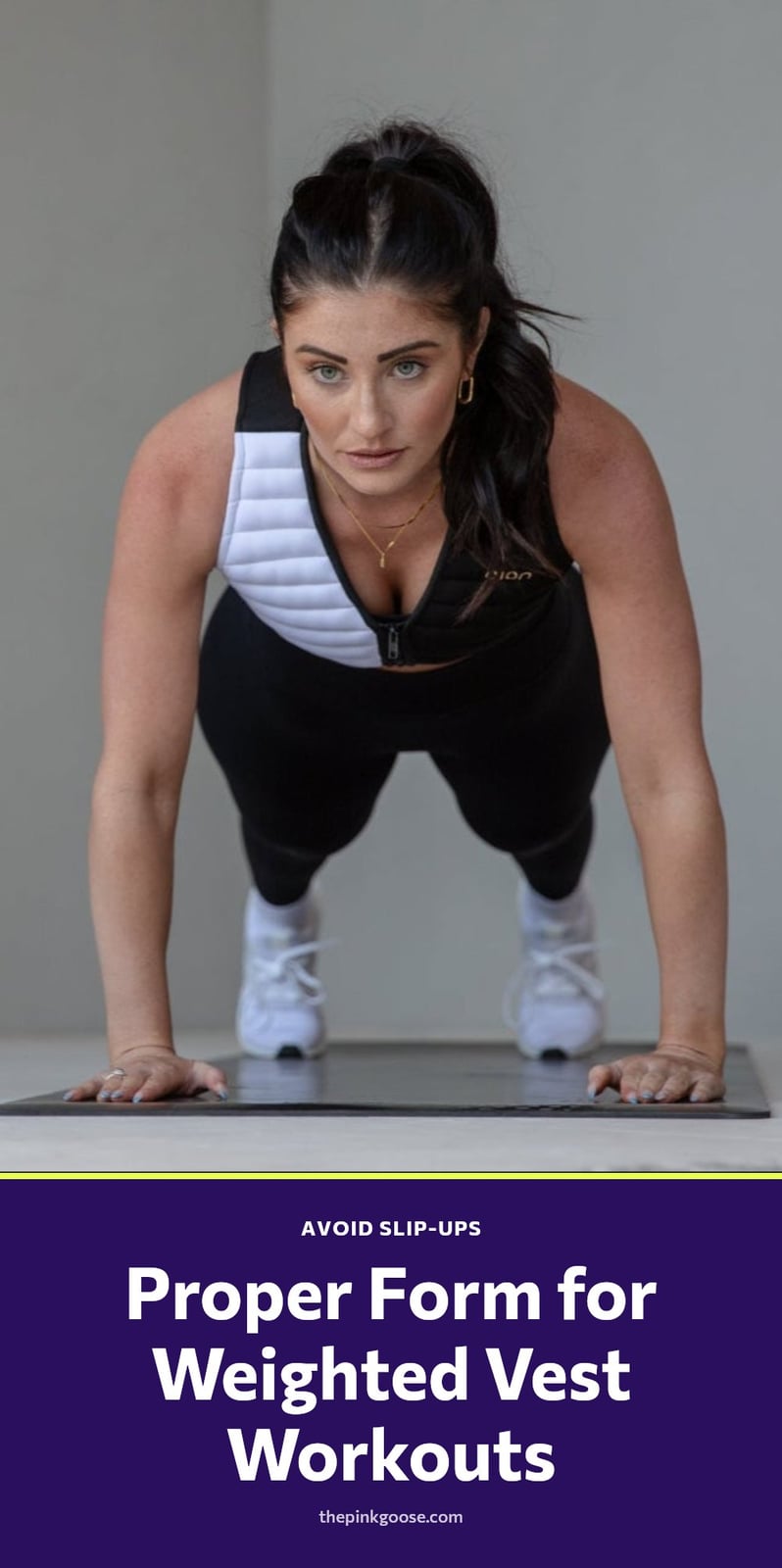
Starting with too much weight is the fastest way to invite injury. Always begin light, at 5-10% of your body weight, and increase only after your body adapts. Ignoring proper form is another common mistake. Slouching or leaning forward to compensate for the load can strain your back and joints. Keep your shoulders back, chest open, and core engaged throughout your walk.
Not allowing your body enough time to adjust to the added load often leads to pain. Give yourself several weeks at one weight before moving up. A poor vest fit causes chafing and uneven weight distribution. Make sure your vest fits snugly and doesn’t shift when you move. Avoid using ankle or wrist weights for walking. They alter your natural gait and increase joint strain, unlike a vest that distributes weight evenly across your torso.
Timeline for Progression and What to Expect
Initial phase (Weeks 1-4): Start with 15-20 minute walks, 2-3 times a week, using a vest at 5-10% of your body weight. Focus on form and comfort before increasing duration.
Intermediate phase (Weeks 5-8): Gradually increase walk duration to 30-45 minutes while keeping the same vest weight. Let your body adapt to the longer effort before adding more load.
Advanced phase (After 8 weeks): If you feel comfortable, slowly increase vest weight by small increments, such as 1-2 pounds, or extend your walk time further. Never increase weight and duration at the same time.
Cost: Weighted vests vary widely, from $30 to $150 or more, depending on the brand, material, and weight capacity. An adjustable vest often offers the best value for progression.
When to Consult a Healthcare Professional
Consult a healthcare professional before using a weighted vest if you have pre-existing conditions such as back pain, joint issues, osteoporosis, or cardiovascular problems. They can help determine a safe starting point for your specific health profile.
Stop using the vest and seek medical advice if you experience persistent pain, sharp or dull, in your back, knees, hips, or ankles during or after use. Also discontinue use if you feel lightheaded, dizzy, or experience chest pain while wearing the vest. If you are unsure about the appropriate starting weight or how to progress safely, a doctor or physical therapist can provide personalized guidance.
Frequently Asked Questions
Can I wear a weighted vest every day?
It is not recommended to wear a weighted vest every day, especially when starting. Your body needs time to adapt to the added load, and rest days help prevent overuse injuries. Many people find 2-3 times per week is enough to see benefits while allowing for recovery.
What are the benefits of walking with a weighted vest?
Walking with a weighted vest increases calorie expenditure and cardiovascular demand compared to walking without one. The extra load also stimulates bone remodeling, which may improve bone mineral density, a benefit especially relevant for post-menopausal women. Additionally, it can improve balance and stability over time.
How heavy should a weighted vest be for beginners?
For beginners, a common recommendation is to start with a vest that is 5-10% of your body weight. For example, if you weigh 150 pounds, that would be 7.5 to 15 pounds. Starting light allows your muscles, joints, and cardiovascular system to adapt safely before you increase the load.
Can a weighted vest help with weight loss?
Weighted vests can support weight loss efforts by increasing the number of calories burned during a walk compared to walking without one. However, they are not a standalone solution. Consistent use alongside a balanced diet and overall active lifestyle is what drives sustainable weight loss.
Is a weighted vest good for bone density?
Yes, wearing a weighted vest during walking can contribute to improved bone mineral density, particularly in post-menopausal women. The added impact and load stimulate bone remodeling, which helps maintain or increase bone strength. For those with osteoporosis, consult a healthcare professional before starting.
What’s the difference between a weighted vest and ankle weights?
A weighted vest distributes weight evenly across your torso, which is generally safer for walking because it maintains your natural gait and posture. Ankle weights can alter your walking mechanics and increase strain on your hip and knee joints. For walking, a weighted vest is the preferred option.
Final Thoughts
To get the most out of weighted vest walking, start light and stay consistent. Expect to spend the first few weeks focusing on form and comfort with short walks before increasing duration or weight. With patience and attention to your body’s signals, this simple addition can make your daily walks more effective and rewarding.
This article is for general informational purposes only and does not constitute medical or professional advice. Always consult a healthcare professional before starting a new fitness routine, especially if you have pre-existing conditions such as back pain, joint issues, osteoporosis, or cardiovascular problems.
