

You have probably heard about sea moss and its reputation as a mineral-rich superfood. But adding it to your routine is not as simple as tossing it into a smoothie. A few common mistakes, from improper cleaning to taking too much, can turn a promising supplement into a gritty, ineffective, or even risky addition. This article covers the most frequent errors and how to avoid them so you can use sea moss safely and effectively.
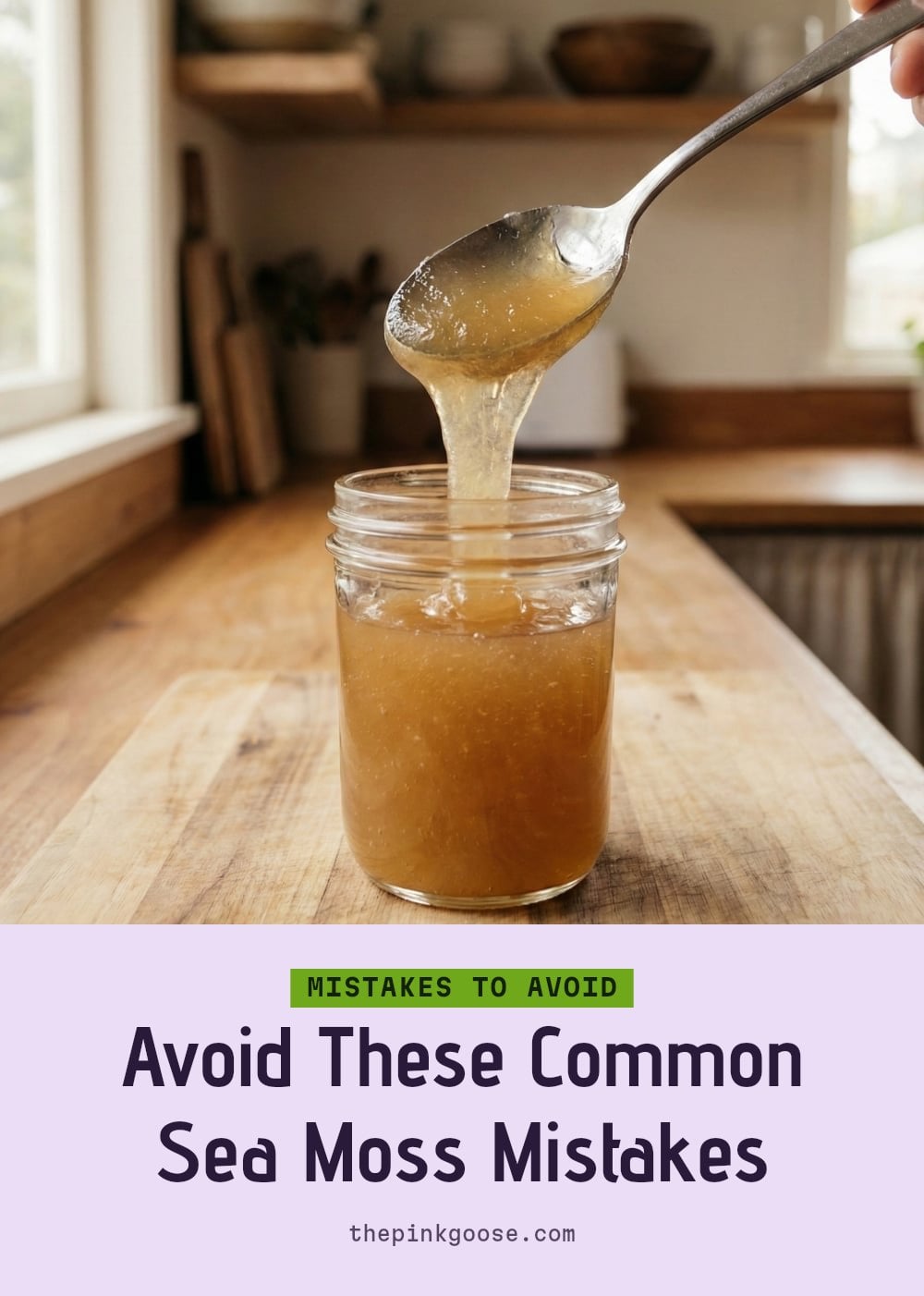
Key Takeaways
- Thoroughly rinse and soak raw sea moss for 12-24 hours, changing the water several times.
- Start with a small serving of 1-2 tablespoons of gel per day to assess your tolerance.
- Store homemade sea moss gel in an airtight container in the fridge and use within 2-3 weeks.
- Source sea moss from a reputable supplier who shares origin and testing information.
- Consult a healthcare professional before use if you have a thyroid condition or take medication.
Why Sea Moss Requires Careful Preparation
Sea moss has become a popular superfood, but it can cause problems if you don’t prepare it correctly. Improper cleaning leaves grit and salt in the final product, while insufficient soaking affects texture and nutrient availability. Getting the dosage wrong, especially with iodine, is another common pitfall. Learning the right techniques helps you avoid these issues and get the most out of this mineral-rich algae.
Understanding the Risks of Improper Sea Moss Use
What Goes Wrong and Why
Uncleaned sea moss: Raw sea moss comes straight from the ocean, so it naturally contains sand, salt, and other impurities. If you skip a thorough rinse, those end up in your gel, making it gritty and unpleasant.
Insufficient soaking: Soaking is not optional. Without 12-24 hours in water, the moss stays tough and doesn’t expand properly. This makes it harder to blend into a smooth gel and may reduce how well your body can access its nutrients.
Overconsumption: Sea moss is naturally high in iodine. While iodine supports thyroid function in the right amounts, too much can disrupt it, potentially leading to hyperthyroidism or hypothyroidism. Stick to small servings.
Poor sourcing: Sea vegetables absorb metals from their environment. Sea moss harvested from polluted waters can contain lead, arsenic, or cadmium. Buying from a supplier who tests for contaminants reduces that risk.
Essential Tools for Preparing Sea Moss Gel

You only need a few items to make sea moss gel at home. Here is what each one does.
- Raw dried sea moss: The starting point. Choose a reputable supplier who can tell you where and how it was harvested.
- Filtered water: Tap water may contain chlorine or other additives that affect the gel. Filtered water keeps the flavor neutral and the texture consistent.
- Blender: A standard blender works fine. You need enough power to break the soaked moss into a completely smooth, pourable gel.
- Airtight container: Glass jars are ideal. A tight seal keeps the gel fresh and prevents it from absorbing other odors in the fridge.
Step-by-Step: Making Your Own Sea Moss Gel
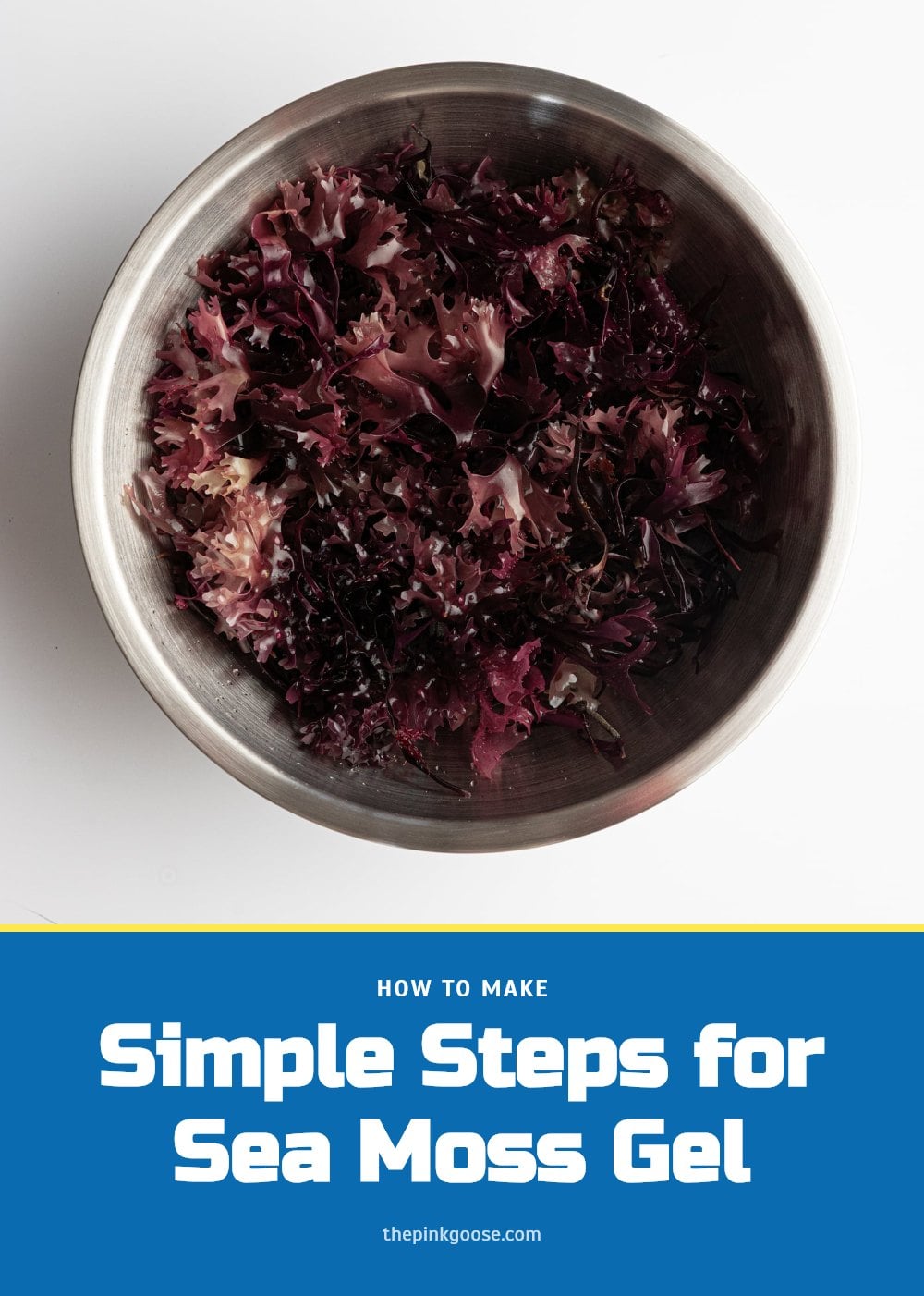
Making sea moss gel at home is straightforward once you know the sequence. These steps focus on thorough cleaning and proper soaking, which are the parts most people get wrong.
- Rinse the sea moss: Place the dried moss in a colander and run cool filtered water over it. Use your fingers to separate the strands and rub off any visible debris or salt crystals. Keep rinsing until the water runs clear.
- Soak for 12-24 hours: Transfer the rinsed moss to a bowl and cover it with fresh filtered water. The moss will expand significantly, often doubling or tripling in size. Change the water every 4-6 hours to pull out excess salt and any remaining impurities. If the water starts to smell fishy, discard the batch and start over.
- Blend until smooth: Drain the soaked moss and add it to your blender. Pour in fresh filtered water at a ratio of about 1 part moss to 2 parts water. Blend on high for 60-90 seconds, scraping down the sides as needed, until the mixture is completely smooth with no visible flecks.
- Store properly: Pour the gel into an airtight glass jar and seal it tightly. Keep it in the refrigerator, where it will stay fresh for 2-3 weeks. If you see mold or a sour smell develops, throw it out.
Common Sea Moss Preparation and Usage Blunders
Not cleaning properly: Rinse raw sea moss under running water several times to remove grit and salt. Even a little leftover sand ruins the texture.
Insufficient soaking: Soak for at least 12-24 hours in filtered water, changing the water every few hours. The moss should double or triple in size before you blend it.
Over-consuming: Start with 1-2 tablespoons of gel per day. Too much can lead to excessive iodine intake, which may affect your thyroid.
Ignoring source quality: Buy from reputable suppliers who provide origin and testing information. Poor sourcing increases the risk of heavy metal contamination.
Expecting instant results: Sea moss is a supplement, not a miracle cure. Consistent use alongside a balanced diet is what matters.
Smart Tips for Incorporating Sea Moss into Your Diet

Taste test: Properly prepared sea moss gel should have a mild, almost neutral taste. If it smells fishy or off, discard it.
Smoothie boost: Add 1-2 tablespoons of gel to your daily smoothie. It blends in without changing the flavor much.
Thickening agent: Stir a spoonful into soups, stews, or homemade salad dressings for a thicker, creamier texture.
Topical application: Apply a thin layer of gel directly to your skin or hair as a hydrating mask. Rinse after 10-15 minutes.
Storage savvy: Keep your homemade gel in an airtight glass jar in the refrigerator. Use it within 2-3 weeks for best quality.
When to Consult a Healthcare Professional About Sea Moss
If you have a pre-existing thyroid condition, talk to your doctor before adding sea moss to your diet. The same goes if you are pregnant, breastfeeding, or taking any medication.
Stop using sea moss and see a healthcare professional if you notice a rapid heart rate, anxiety, unexplained weight changes, or digestive upset. These can be signs of excessive iodine or a reaction to contaminants.
If you suspect heavy metal contamination from your sea moss or experience any unusual symptoms, seek medical advice promptly.
Frequently Asked Questions
What does properly prepared sea moss taste like?
When cleaned and soaked correctly, sea moss has a mild, almost neutral taste. It should not be strong or fishy. If your sea moss gel smells off or has a noticeable fishy odor after soaking, it may be spoiled and should be discarded.
How can I tell if my sea moss is wildcrafted?
Wildcrafted sea moss is harvested from its natural ocean environment, but the term is not always reliable. Look for a supplier who provides clear information about the harvest location and ideally offers third-party testing for contaminants. Relying solely on a ‘wildcrafted’ label without verification is a common mistake.
Can I use sea moss every day?
Yes, many people use sea moss daily, but it is important to keep your serving size moderate. A typical recommendation is 1-2 tablespoons of gel per day. Using it daily without adjusting the amount can lead to excessive iodine intake, so start small and listen to your body.
What are the signs of too much iodine from sea moss?
Signs of excessive iodine intake can include a rapid heart rate, anxiety, unexplained weight changes, or digestive upset. If you notice any of these symptoms after adding sea moss to your routine, stop using it and consult a healthcare professional.
Is sea moss safe for everyone?
Sea moss is not safe for everyone without caution. Individuals with thyroid conditions, those who are pregnant or breastfeeding, and people taking medications such as blood thinners or thyroid drugs should talk to a doctor first. Anyone with shellfish allergies should also exercise caution due to potential cross-reactivity.
Final Thoughts
My tip: stick with a small daily serving of 1-2 tablespoons of gel and pay attention to how your body responds. Realistic expectations matter here. Sea moss can be a helpful addition to a balanced diet, but it is not a quick fix for serious health issues. If you follow proper preparation steps and start low and slow, you will give yourself the best chance to enjoy its potential benefits without the common pitfalls.
This article is for general informational purposes only and does not constitute medical advice. Sea moss may affect individuals differently, especially those with thyroid conditions or other health concerns. Always consult a qualified healthcare professional before adding sea moss or any new supplement to your routine, particularly if you are pregnant, nursing, or taking medication.
