

You do not need hours of quiet time to understand yourself better. In just ten minutes a day, simple exercises can help you see your emotions, values, and reactions more clearly. This article walks you through a few practical practices you can start today, along with common pitfalls to avoid and tips for staying on track.

Key Takeaways
- Dedicate 5-10 minutes daily to mindful breathing or journaling.
- Ask trusted people for honest feedback to reveal blind spots.
- Identify your core values and check if your actions align.
- Expect gradual shifts in self-understanding over weeks and months.
- Seek professional support if self-reflection brings persistent distress.
What is Self-Awareness and Why Does It Matter?
Self-awareness is your ability to see your own thoughts, emotions, values, strengths, and weaknesses clearly. It is a foundational skill for personal growth because it directly improves emotional intelligence, decision-making, and relationships. The good news is that cultivating self-awareness does not require hours of your day. Simple, consistent daily practices, even just 10 minutes, are highly effective and can fit into any schedule.
Simple Tools for Your Self-Awareness Journey
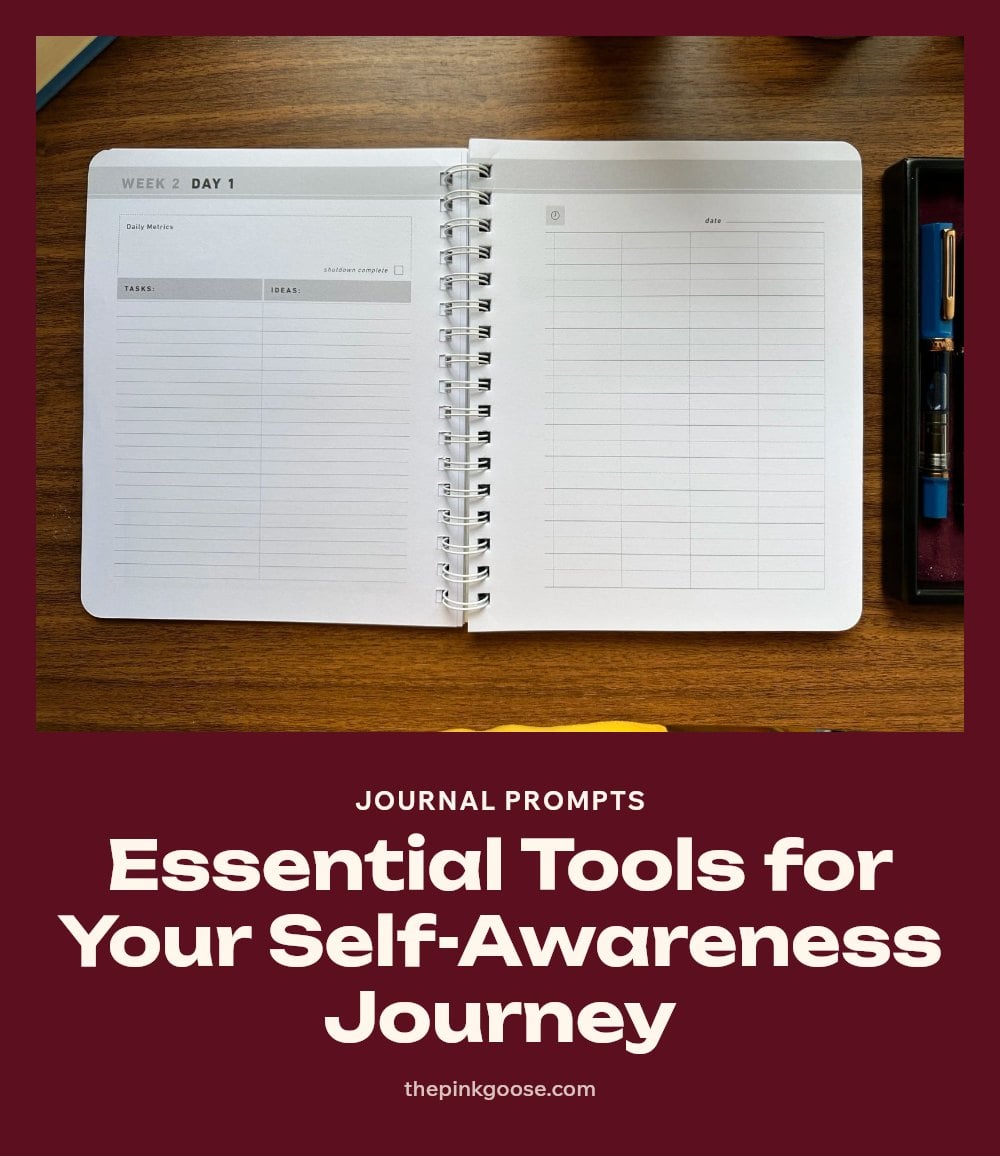
You do not need much to start. Here is what I keep on hand:
- Journal or notebook: Essential for recording thoughts, feelings, and patterns over time.
- Pen: Writing by hand helps me process more deeply than typing.
- Timer: Helpful for keeping practice sessions to a set length, like 5 or 10 minutes.
- Quiet space: A spot without distractions allows for focused reflection.
Daily 10-Minute Practices to Boost Your Self-Awareness
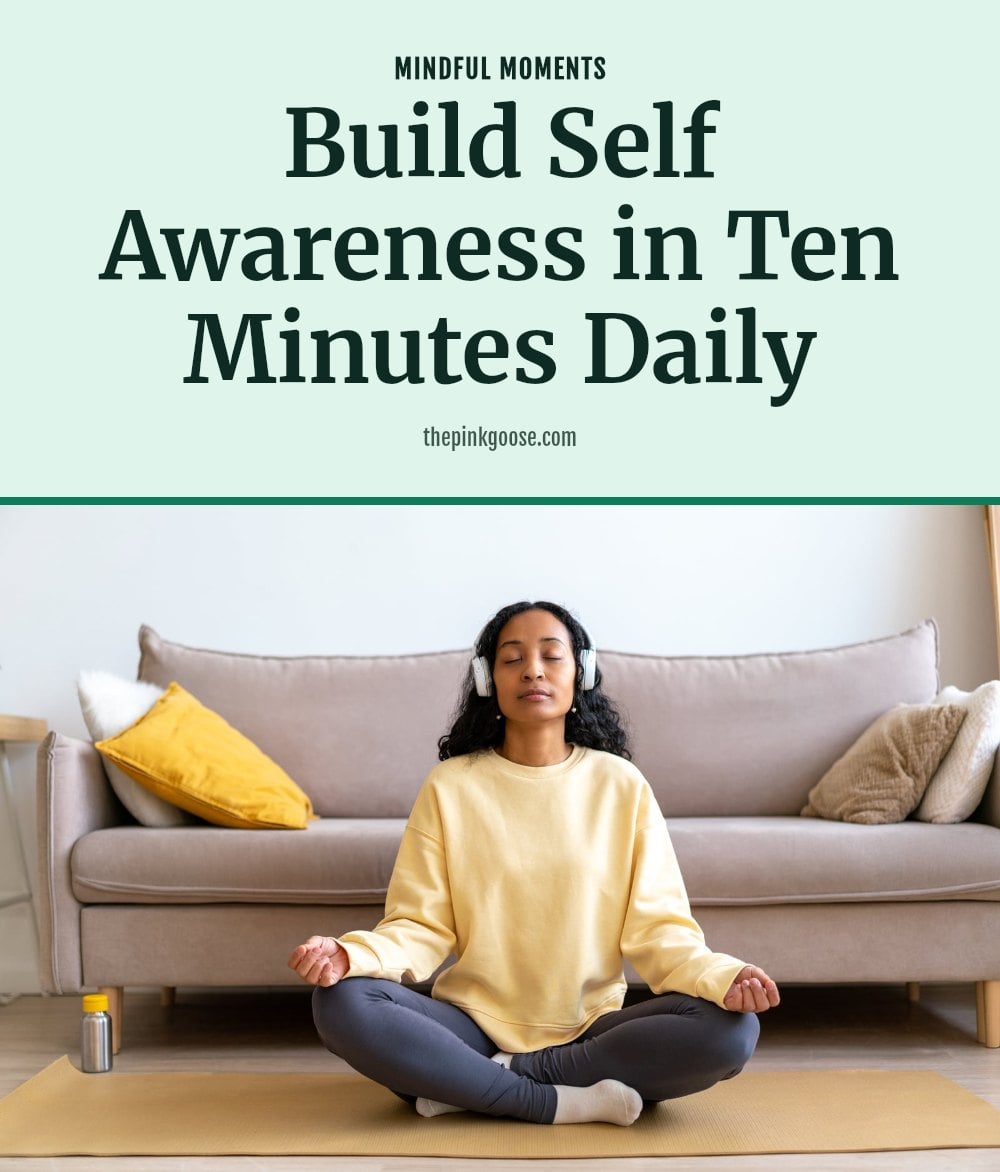
You can build real self-awareness in just 10 minutes a day. Here is a routine I have found effective:
- Start with mindful breathing: Sit quietly and focus on your breath for 2-3 minutes. This centers your attention on the present moment and calms your mind.
- Journal your thoughts and feelings: Spend 5-7 minutes writing freely about what is on your mind. Do not edit or judge, just get it down.
- Reflect on a recent reaction: Pick one decision or reaction from your day and ask yourself “why” you acted that way. This uncovers underlying motivations and beliefs.
- Name your emotions: Throughout the day, pause and label the emotion you are feeling, frustration, excitement, worry. Naming it increases emotional awareness.
- Observe physical sensations: Notice where you hold tension in your body (shoulders, jaw, stomach). Physical sensations often connect to emotional states and stress levels.
Beyond Reflection: Cultivating External Self-Awareness
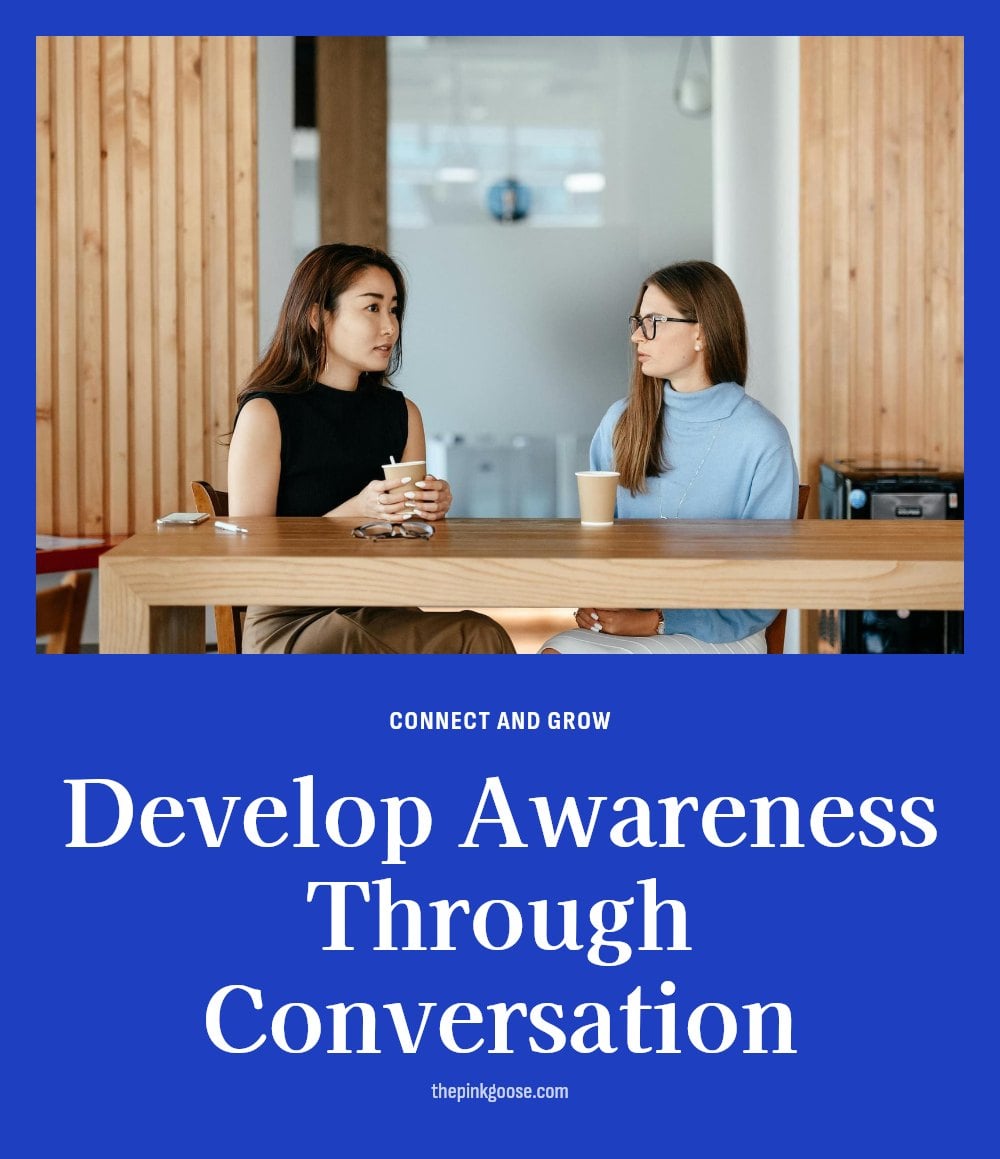
Internal reflection is only half the picture. External self-awareness, understanding how others see you, is just as important. Here are methods I use regularly:
Seek Feedback from Trusted People
Ask a close friend, family member, or colleague for honest input on how you come across. My tip: Ask open-ended questions like “What’s one thing I could do better?” This invites useful, specific answers rather than a simple “fine.”
Align Actions with Core Values
Write down your top 3-5 values (honesty, creativity, family, etc.). Then check if your daily choices match them. When there is a gap, you know where to adjust.
Observe Your Impact on Others
Pay attention to how people respond to you in conversations. Do they lean in or pull back? Do they seem engaged or distracted? Their reactions are real-time feedback on your communication style.
Common Self-Awareness Pitfalls to Avoid
Believing self-awareness is a destination: It is an ongoing practice, not a goal to achieve. Treat it like a daily habit, not a finish line.
Confusing self-awareness with self-absorption: Self-awareness is about understanding yourself, not obsessing over every thought. Keep the focus on growth, not rumination.
Ignoring feedback from others: External perspectives reveal blind spots you cannot see alone. Ask a trusted friend for honest input and listen without defending.
Focusing only on weaknesses: A balanced view includes your strengths too. Acknowledge what you do well alongside areas for improvement.
Trying to change everything at once: Small, consistent efforts yield better results than overhauling your entire life in a week. Pick one practice and stick with it for a month.
Pro Tips for a Deeper Self-Awareness Practice
Be gentle with yourself: Self-awareness can bring uncomfortable truths to light. Approach the process with the same compassion you would offer a friend.
Don’t judge yourself harshly: Self-reflection is for observation, not self-criticism. Notice your patterns without labeling them as good or bad.
Don’t compare your journey: Everyone’s path to self-awareness is unique. What works for someone else may not work for you, and that is fine.
Embrace discomfort: Growth often happens outside your comfort zone. When a reflection feels uncomfortable, stay with it for a moment longer.
Integrate it into your routine: A few minutes daily is more effective than sporadic long sessions. Attach your practice to an existing habit, like morning coffee or bedtime.
How Long Does It Take to See Results and What’s the Cost?
Consistent daily practice, even for a few minutes, will show gradual improvements in self-understanding over weeks and months. You will notice small shifts in how you react and make choices before any big breakthroughs.
The practices are largely free. You need only a journal and pen. The primary investment is your time and commitment, not your wallet.
When to Seek Professional Support
If self-reflection uncovers significant emotional distress that persists or worsens, consider speaking with a mental health professional. The same applies if you experience persistent negative thought patterns that interfere with daily life.
If you notice symptoms of mental health conditions like severe anxiety or depression, professional support is appropriate. A therapist or counselor can provide guidance, coping strategies, and a safe space to process what comes up.
Frequently Asked Questions
What is the difference between internal and external self-awareness?
Internal self-awareness is how clearly you see your own values, passions, reactions, and impact on others. External self-awareness is how well you understand the way other people view you. Both are important, and you can build them through reflection and by seeking feedback from people you trust.
How long does it take to develop self-awareness?
With consistent daily practice, even just a few minutes, you can start to notice gradual improvements in self-understanding over weeks and months. Small shifts in how you react or make decisions often come before any big breakthroughs. Patience and regular effort are key.
Can self-awareness improve my relationships?
Yes, self-awareness can strengthen relationships. By understanding your own emotions and reactions, you can communicate more clearly and respond thoughtfully instead of impulsively. External self-awareness, like knowing how you come across, also helps you adjust your behavior in ways that build trust and connection.
Is self-awareness the same as being self-absorbed?
No, they are different. Self-awareness is about understanding yourself to grow and improve, while self-absorption involves obsessing over your own thoughts or feelings. A healthy self-awareness practice keeps the focus on learning and growth, not on endless self-focus.
What if I uncover uncomfortable truths about myself?
Uncomfortable truths are a normal part of the process. Approach them with compassion, just as you would for a friend. If the feelings become overwhelming or persist, consider speaking with a mental health professional who can help you work through them in a supportive way.
Can self-awareness help with decision-making?
Yes, self-awareness supports better decision-making. By understanding your values and motivations, you can make choices that align with what truly matters to you. Reflecting on past reactions also helps you recognize patterns and make more intentional decisions in the future.
Final Thoughts
Start with one practice that feels manageable, like two minutes of mindful breathing or a short journal entry. Keep it consistent, and over weeks you will notice small shifts in how you react and the choices you make. Self-awareness is a gradual process, so be patient and gentle with yourself along the way.
This article is for general informational purposes only and is not a substitute for professional advice. If you experience persistent emotional distress, negative thought patterns, or symptoms of a mental health condition, please consult a qualified mental health professional.