

You deserve a night that’s just for you. A cozy evening in is the perfect way to reset when you’re feeling overwhelmed or just need a break from the daily grind. This article covers simple, actionable self-care ideas to help you create a relaxing and nourishing night at home, from setting the mood to choosing the right activities.
Key Takeaways
- Create a comfortable environment with soft lighting, blankets, and calming scents.
- Choose activities that bring you joy, like reading, journaling, or gentle stretching.
- Silence your phone and avoid multitasking to fully focus on relaxation.
- Limit screen time before bed to improve your sleep quality.
- Remember that self-care is essential for your mental and physical health, not a luxury.
What Are the Best Self-Care Ideas for a Cozy Night In?
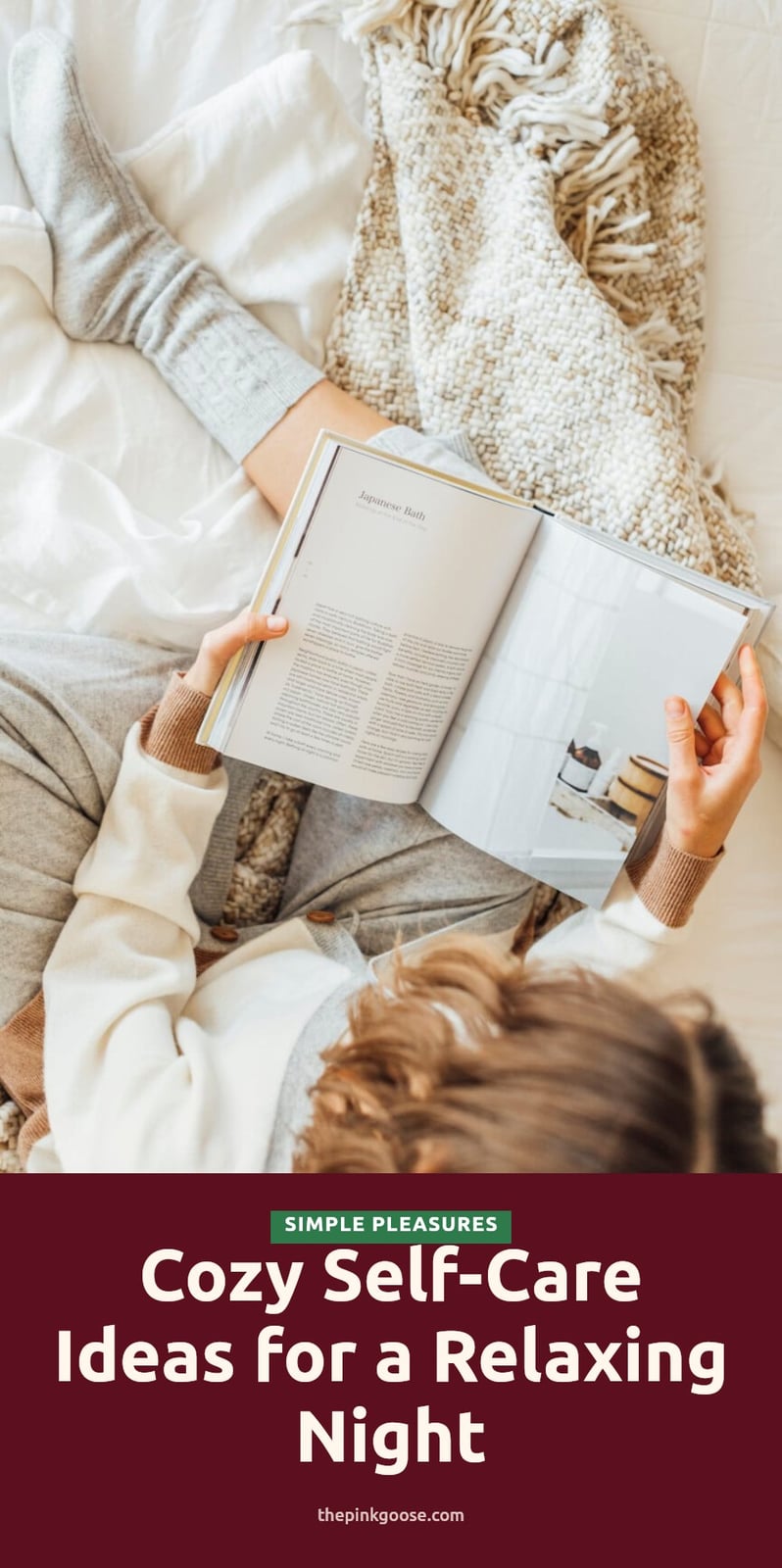
For me, a cozy night in is all about intentionally choosing activities that nourish my mind, body, and spirit. I start by creating a comforting environment with dim lights, soft textures, and pleasant scents. Then I engage in low-stress activities like reading, gentle stretching, mindful journaling, or a warm bath. The goal is to disconnect from external pressures and reconnect with yourself, fostering peace and well-being.
Essentials for Your Perfect Cozy Self-Care Night
I always gather a few key items before my self-care night starts. Here’s what I like to have on hand:
- Comfortable blankets or throws for ultimate coziness.
- Pillows for extra support and comfort.
- Candles or fairy lights to create soft, ambient lighting.
- An essential oil diffuser for calming aromas.
- Bath salts or bubble bath for a relaxing soak.
- Herbal tea or hot chocolate ingredients for a warm beverage.
- A journal and pen for mindful reflection.
- Books or magazines for quiet reading.
- Art supplies like coloring books or a sketchpad for creative expression.
- Face masks or other skincare products for a pampering touch.
Set the Scene: Creating Your Self-Care Sanctuary
Before you start any activity, set the scene. Here’s my go-to routine:
- Dim the lights: Use lamps or candles for soft, warm lighting. Avoid harsh overhead lights.
- Silence your phone: Put it on ‘do not disturb’ to minimize interruptions.
- Wear comfortable clothing: Pajamas or loungewear help signal relaxation.
- Hydrate: Pour water, herbal tea, or another comforting beverage.
- Engage multiple senses: Play calming music, light a scented candle, and wrap up in a soft blanket to deepen relaxation.
1. Indulge in a Warm, Relaxing Bath or Shower
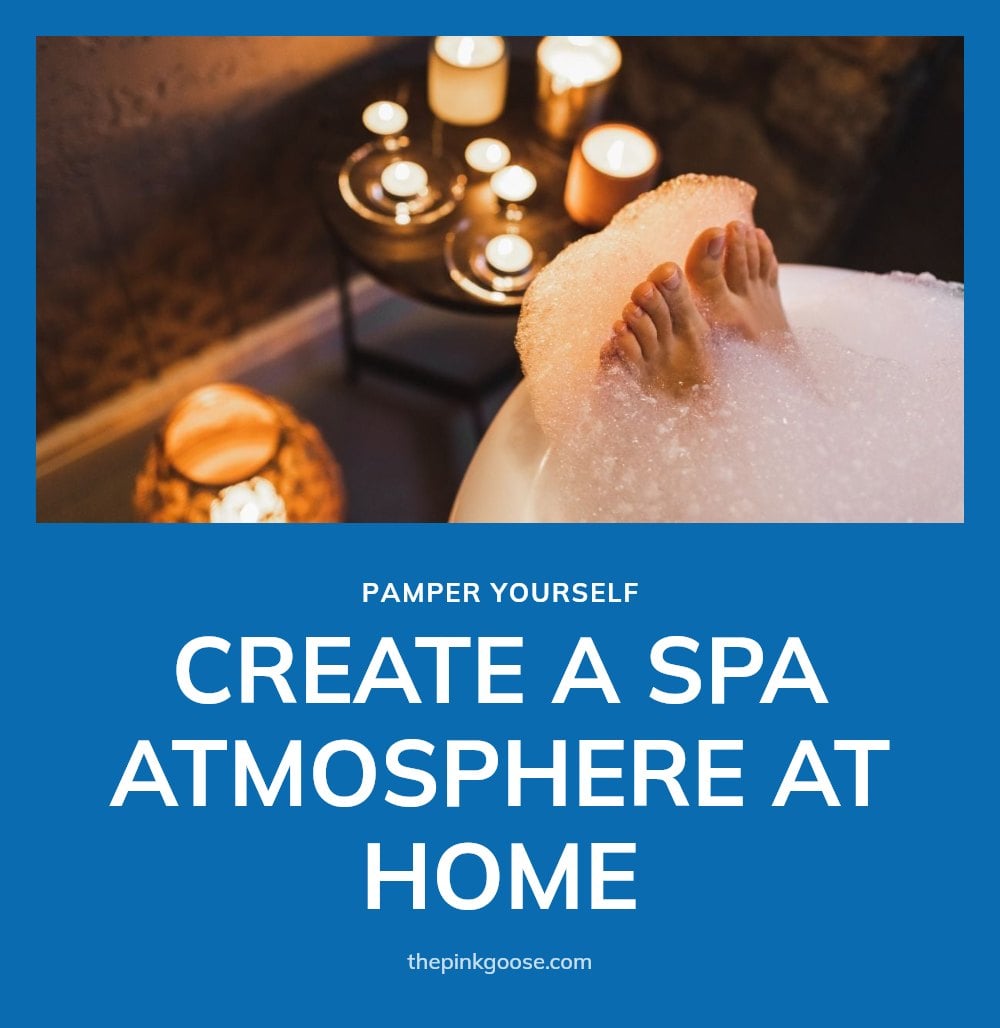
A warm bath or shower is a classic self-care move that works wonders for muscle relaxation and stress relief. My tip: Add some Epsom salts, essential oils (like lavender), or a luxurious bubble bath to elevate the experience. Dim the lights, put on some calming music, and just let the warm water melt away your day.
2. Lose Yourself in a Good Book or Journal
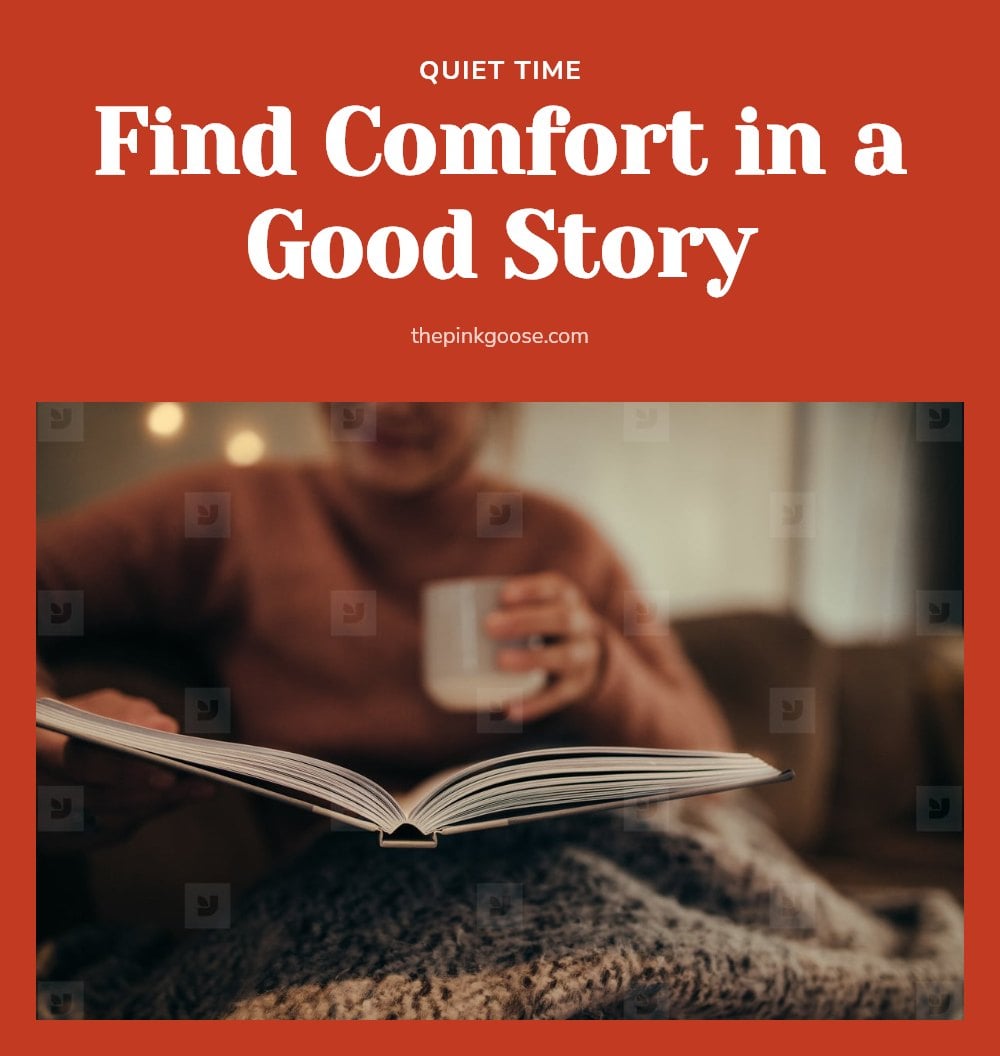
Reading for pleasure is one of my favorite ways to disconnect. Grab that novel you’ve been meaning to read or flip through a comforting magazine. If you’re feeling reflective, journaling can be incredibly therapeutic. It helps quiet the mind and process thoughts without judgment. My tip: Don’t feel pressured to write perfectly; just let your thoughts flow onto the page.
3. Engage Your Creative Side or Gentle Movement
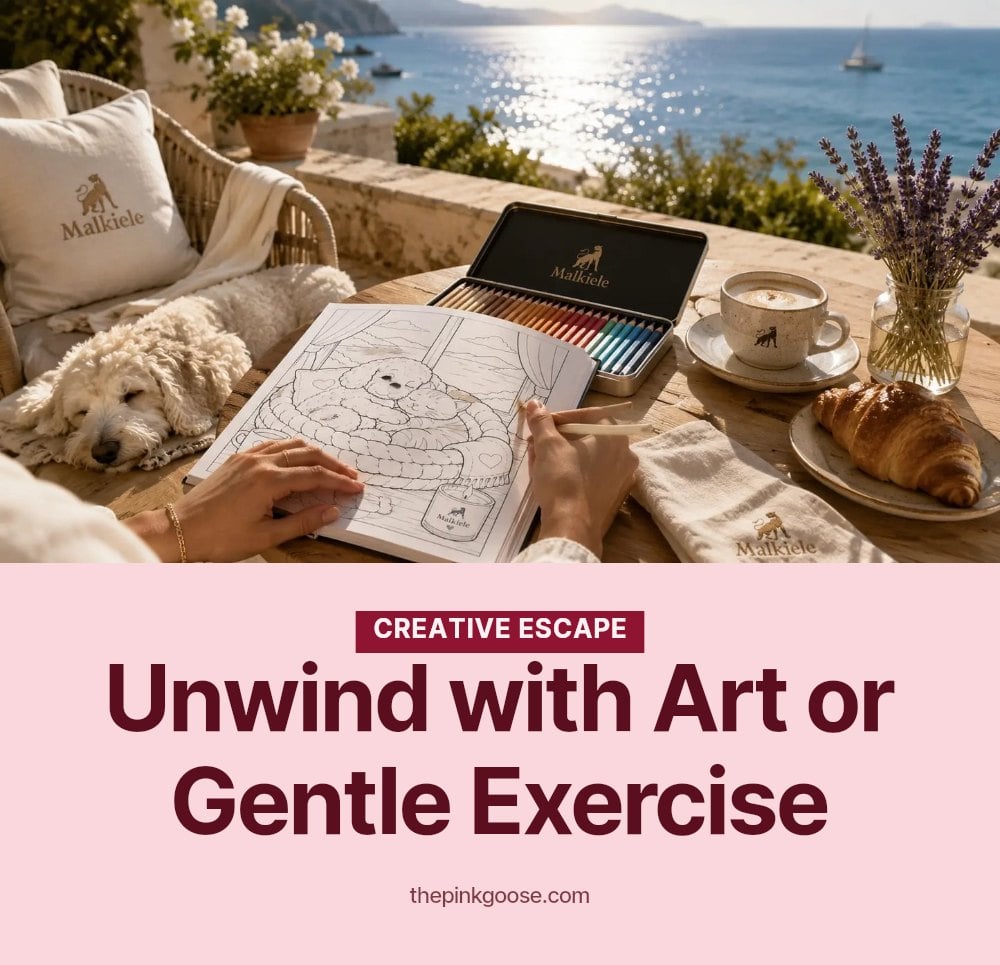
Creative outlets like coloring, drawing, or a simple craft are a fantastic form of active relaxation. You don’t need to be an artist; the process itself is the self-care. Alternatively, gentle stretching or a short yoga flow can release physical tension and help you feel more grounded. Tip: Listen to your body and only do what feels good.
4. Savor a Comforting Meal or Snack
Preparing a simple, comforting meal or snack can be a truly nurturing act. Think warm soup, a delicious sandwich, or even just a bowl of your favorite ice cream. The key is to enjoy it mindfully, savoring each bite without distractions. Good to know: Make it easy on yourself. This isn’t the night for a gourmet feast unless that truly relaxes you.
Common Self-Care Mistakes to Avoid
Viewing self-care as a luxury: It’s essential for mental and physical health, not an indulgence. Filling self-care time with chores: This time is for you, not your to-do list. Comparing your routine to others’: Your self-care is unique to your needs. Over-scheduling activities: Keep it flexible and enjoyable, not another task. Ignoring your true needs: Choose activities that genuinely bring you joy and relaxation, not what you think you ‘should’ do.
Frequently Asked Questions
How long should a self-care session be?
Self-care can be as short as 15 minutes or as long as several hours. The key is to choose a duration that fits your schedule and allows you to fully engage without feeling rushed. Even a brief break can be effective.
Is self-care the same as being selfish?
No, self-care is not selfish. Taking time to recharge is essential for maintaining your mental and physical health, which allows you to show up better for others. It is a necessary practice, not an indulgence.
What if I don’t have much time for self-care?
If you are short on time, focus on one small activity. Try a five-minute journaling session, a warm cup of tea enjoyed in silence, or a few gentle stretches. Consistency matters more than duration.
Can self-care improve my sleep?
Yes, many self-care practices can improve sleep quality. Limiting screen time before bed, taking a warm bath, and engaging in relaxing activities like reading or gentle yoga can help signal your body that it is time to wind down.
Should I plan my self-care activities?
Planning can be helpful to ensure you make time for yourself, but keep it flexible. Avoid over-scheduling or turning self-care into another task. Let your mood guide your choice of activity for the night.
Final Thoughts
My advice is to pick just one or two activities that truly appeal to you and give yourself permission to enjoy them without guilt. Realistically, even 15 minutes of intentional relaxation can make a difference, so don’t worry if you don’t have a whole evening. The goal is to reconnect with yourself and leave feeling more peaceful.
This article is for general informational purposes only and does not constitute medical or professional advice. If you are experiencing persistent stress, anxiety, or other mental health concerns, please consult a qualified healthcare professional.
