
You don’t need a spa budget to feel like you’re truly taking care of yourself. A self-care lifestyle is built on simple, free habits that you can weave into your everyday routine to support your physical, mental, and emotional health. This article covers practical, low-cost practices, from sleep and movement to mindfulness and connection, that help prevent burnout and make you feel genuinely nurtured without spending a dime.

Key Takeaways
- Prioritize 7-9 hours of consistent sleep each night for foundational recovery.
- Move your body daily with short walks or stretching, no gym needed.
- Spend 10-15 minutes outdoors to lower cortisol and boost well-being.
- Journal or practice mindfulness for a few minutes to process emotions.
- Set clear boundaries to protect your time and energy from draining commitments.
What Is a Self-Care Lifestyle?
A self-care lifestyle means weaving intentional, mindful practices into your daily routine to support your physical, mental, and emotional health. It’s about making deliberate choices to meet your needs, often through free or low-cost habits, rather than occasional splurges. This sustainable approach helps prevent burnout and fosters overall well-being without relying on expensive products or services.
1. Prioritize Quality Sleep

Aim for 7-9 hours of consistent, quality sleep each night. Sleep is the foundation of physical and mental recovery, so prioritize it like any other essential task.
Create a relaxing bedtime routine: dim the lights, avoid screens, and read a book instead. This signals your body that it’s time to wind down.
My tip: Even on weekends, try to stick to a similar sleep schedule. Keeping your wake-up time consistent helps regulate your body’s natural rhythm, making it easier to fall asleep and wake up refreshed.
2. Move Your Body Daily

Engage in regular physical activity, even short bursts like a 15-minute walk. Moving your body significantly reduces stress and improves mood by releasing endorphins.
You don’t need a gym membership or fancy equipment. A brisk walk around the block, a quick stretching session, or a few minutes of dancing in your living room all count.
My tip: Find an activity you genuinely enjoy, dancing to your favorite music, stretching, or walking with a friend. When you look forward to it, you’re far more likely to stick with it.
3. Connect with Nature
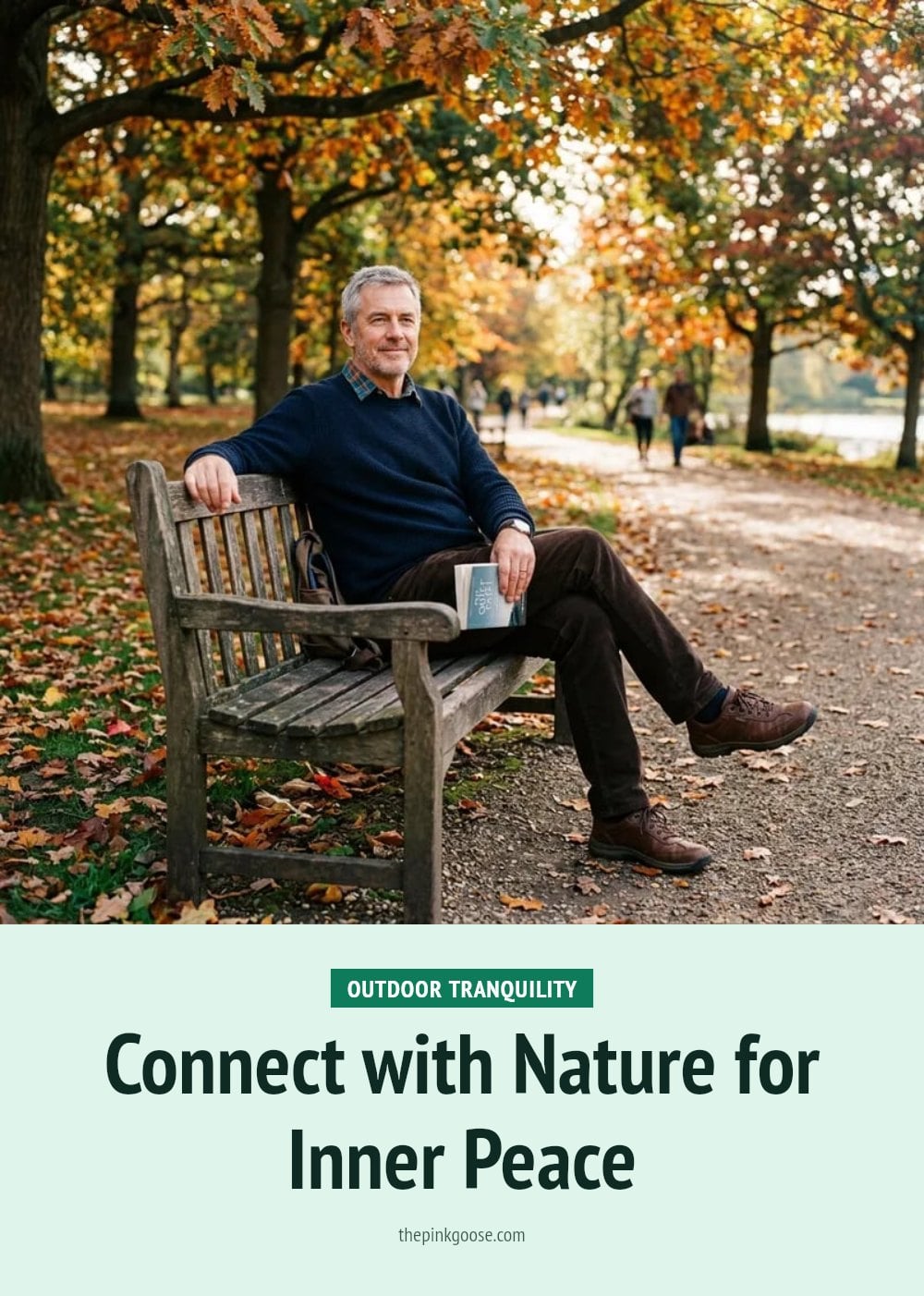
Spend at least 10-15 minutes outdoors daily, whether in your backyard, a local park, or just sitting by an open window. Time in nature has been shown to reduce cortisol levels and improve feelings of well-being.
Fresh air and natural light can reset your mood and help you feel more grounded, even on a busy day.
Tip: Leave your phone inside and just observe the sounds, sights, and smells around you. Let your mind wander without digital distractions for a few minutes.
4. Practice Mindfulness
Incorporate mindfulness or deep breathing exercises for just a few minutes each day. This practice can enhance your focus and reduce anxiety by calming your nervous system. You don’t need an app or a cushion.
Good to know: Try a body scan meditation where you mentally check in with each part of your body from head to toe, or simply focus on your breath for five minutes when you wake up or before bed. Even two minutes of slow, deep breaths during a busy afternoon can reset your stress levels.
5. Hydrate Your Body

Staying adequately hydrated by drinking enough water throughout the day supports your digestion, energy levels, and even your mood. Keep a reusable water bottle on your desk or in your bag to remind yourself to sip regularly. Aim for small, consistent amounts rather than chugging a liter at once.
Pro move: If plain water feels boring, add slices of lemon, cucumber, or a handful of berries for a refreshing, naturally flavored twist. Herbal teas count toward your fluid intake too.
6. Journal Your Thoughts
Journaling is a free and effective way to process your emotions and gain self-awareness. You don’t need a fancy journal; any notebook and pen will do. The act of writing helps your brain organize thoughts that feel tangled.
Quick tip: Try a ‘brain dump’ where you write down everything on your mind without judgment for five minutes. Or focus on three things you’re grateful for that day. Either approach can shift your perspective and release mental clutter.
7. Set Healthy Boundaries
Setting clear boundaries in relationships and with your commitments is crucial for emotional self-care. Learn to say ‘no’ to things that drain your energy or don’t align with your priorities. This might mean declining a last-minute request or limiting time with people who exhaust you.
Tip: Remember, protecting your time and energy isn’t selfish; it’s essential for your well-being. Start with one small boundary this week, like turning off work notifications after a certain hour.
8. Engage in Hobbies

Engage in free or low-cost hobbies that bring you joy and a sense of accomplishment. Reading, drawing, knitting, or learning a new skill online are all great options. Tip: Visit your local library for free books, workshops, or even museum passes. The key is to choose an activity you look forward to, not one that feels like another task.
9. Connect with Loved Ones
Connecting with supportive friends and family combats feelings of isolation and boosts your mood. Even a quick phone call, video chat, or a walk together can make a real difference. Good to know: Plan a regular, simple check-in with someone you care about, like a weekly coffee date or a virtual game night. Consistency builds stronger bonds.
10. Practice Gratitude
Regularly practicing gratitude can shift your perspective and improve overall happiness. Take a few moments each day to think about things you are thankful for. Pro move: Keep a gratitude jar where you write down one thing you’re grateful for each day and read them at the end of the month. It turns abstract appreciation into a tangible, uplifting ritual.
11. Declutter Your Space
A tidy living space can lead to a tidier mind, reducing stress and improving focus. Start small: declutter one drawer or a small corner of a room. Quick tip: Donate items you no longer need; it’s a win-win for you and someone else. Clearing physical clutter often clears mental clutter too.
Common Self-Care Mistakes to Avoid
Many people think self-care requires a big budget, but the most effective practices are often free: sleeping well, hydrating, moving your body. Treating self-care as a reward you earn after a hard day misses the point. It is a daily necessity, not a prize for productivity. Neglecting basic needs like sleep or water in favor of a face mask or a bath can backfire. Start with one or two simple habits instead of trying to overhaul your entire routine at once. Guilt has no place here. You deserve to prioritize your well-being without apology. Finally, know the difference between self-care and escapism. True self-care addresses your needs and helps you recharge. Escapism avoids problems, leaving you drained later. Stick with what genuinely supports you.
Frequently Asked Questions
How often should I practice self-care?
Self-care works best as a daily practice, even if it’s just for a few minutes. The goal is to weave small, intentional actions into your routine, like hydrating, taking a short walk, or journaling, so they become as natural as brushing your teeth. Consistency over time brings the most benefit, not occasional big efforts.
Can self-care really be free?
Yes, many of the most effective self-care habits cost nothing. Prioritizing sleep, moving your body, spending time outdoors, journaling with any notebook and pen, and practicing gratitude are all free. The key is shifting your mindset away from buying products and toward simple, consistent actions that support your well-being.
What if I don’t have much time for self-care?
Start with micro-actions that take five minutes or less: a quick breathing exercise, a short walk around the block, or writing down one thing you’re grateful for. Even small moments add up. Over time, you can gradually expand when you find pockets of time, but consistency with tiny habits is more sustainable than trying to do too much at once.
Is self-care the same as being selfish?
No, self-care is about maintaining your own well-being so you can show up better for others. Setting boundaries, getting enough rest, and managing your stress are essential for your health and your relationships. Taking time for yourself isn’t selfish. It’s necessary for long-term balance and preventing burnout.
How do I start a self-care routine?
Pick one simple habit you can realistically do every day, like drinking a glass of water first thing in the morning or taking a five-minute walk. Attach it to an existing part of your routine, such as after brushing your teeth or during a lunch break. Once that feels automatic, add another small practice. Avoid trying to overhaul everything at once.
Final Thoughts
Start with just one or two habits that feel manageable, like a 15-minute walk or a few minutes of deep breathing. Consistency matters more than intensity, and you may notice small shifts in your mood and stress levels within a week or two. The key is to treat these practices as daily necessities, not occasional rewards, and to adjust them as your needs change. Your self-care routine is yours alone, keep it simple, keep it free, and keep it going.
This article is for general informational purposes only and does not constitute medical or professional advice. If you are experiencing persistent stress, anxiety, or other mental health concerns that interfere with daily life, please consult a qualified mental health professional. Always listen to your body and seek guidance when needed.