

If you have sensitive skin, shaving can feel like a gamble between smooth legs and red, bumpy irritation. The good news is that with the right prep and technique, you can get a close shave without the aftermath. This article covers the essential steps to shave comfortably, from pre-shave exfoliation to post-shave care, so you can avoid razor burn and ingrown hairs for good.
Key Takeaways
- Exfoliate gently 12-24 hours before shaving to help prevent ingrown hairs.
- Soften skin and hair with warm water for 2-3 minutes before you start shaving.
- Always use a sharp razor blade and replace it every 5-10 shaves.
- Shave in the direction of hair growth to minimize irritation on sensitive skin.
- Moisturize immediately after shaving with a gentle, fragrance-free lotion or oil.
Achieving a Smooth Shave on Sensitive Skin
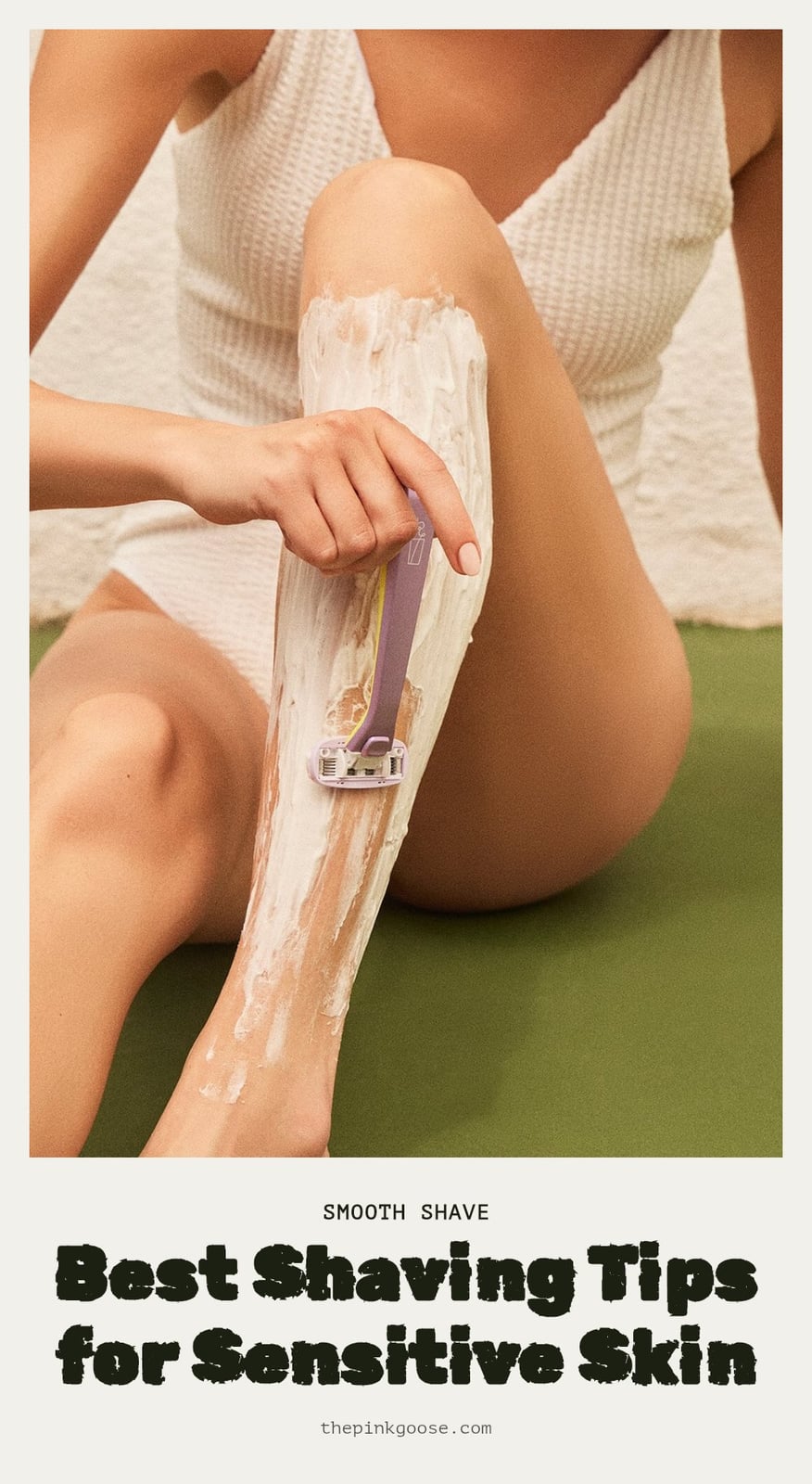
A smooth, irritation-free shave on sensitive skin comes down to three things: preparation, technique, and aftercare. Always start by softening skin and hair with warm water. Use a sharp razor paired with a lubricating shaving product, and shave with the grain to minimize tugging. Finish by moisturizing and avoiding harsh products to prevent razor burn and ingrown hairs.
1. Exfoliate Gently Before Shaving
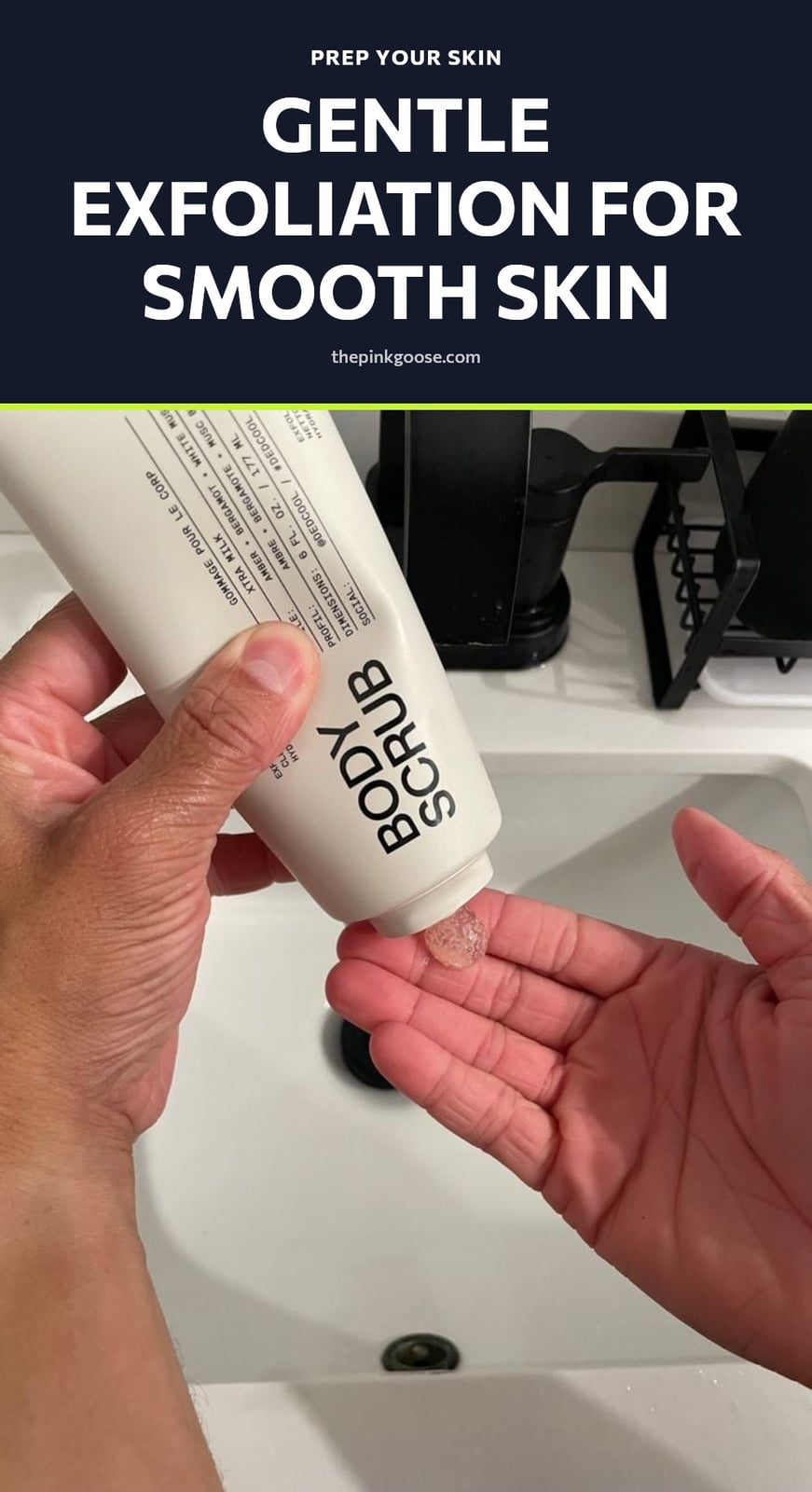
I’ve found that gentle exfoliation 12-24 hours before shaving is key for sensitive skin. It removes dead skin cells that can trap hairs and cause ingrown hairs.
My tip: Use a mild physical exfoliant or a gentle chemical exfoliant with salicylic acid to prep your skin without causing irritation. Wait the full 12-24 hours so your skin can recover before the razor touches it.
2. Soften Skin and Hair with Warm Water

Before you pick up a razor, spend 2-3 minutes in a warm shower or bath. Warm water softens your hair and opens pores, making the hair much easier to cut. This step significantly reduces friction and tugging, which is essential for preventing irritation on sensitive skin.
3. Use a Fresh, Sharp Razor Blade

A dull razor blade is the number one cause of razor burn, nicks, and irritation because it tugs at hair instead of cutting it cleanly. Switching to a fresh blade makes an immediate difference in comfort and results.
Tip: Change your blade every 5-10 shaves, or at the first sign of dullness or discomfort. For very sensitive skin, a single-blade razor or one with fewer blades can be less irritating than multi-blade options.
4. Apply a Quality Shaving Product

Never dry shave or shave with just water. A good shaving cream, gel, or oil creates a protective barrier between your skin and the razor. This barrier lets the blade glide smoothly without causing microscopic nicks that lead to irritation.
My tip: Look for hypoallergenic, fragrance-free formulas designed for sensitive skin. Apply a generous layer so you have full coverage on every area you plan to shave.
5. Shave With the Grain
Shaving against the grain can give a closer shave, but it significantly increases the risk of irritation and ingrown hairs, especially for sensitive skin. I always recommend shaving in the direction of hair growth, or with the grain.
This minimizes tugging on the hair follicle and reduces the likelihood of those uncomfortable bumps. You may not get the absolute closest shave, but your skin will thank you.
6. Use Light, Even Pressure

It is tempting to press hard, thinking it will give you a closer shave. In reality, it just leads to nicks and irritation. The razor is designed to do the work, so let it.
Tip: Use light, even pressure and let the sharp blade glide effortlessly. You will be surprised how effective it is without the harshness.
7. Rinse Your Razor Frequently
During your shave, rinse your razor blade frequently under warm water. This prevents hair and product buildup from clogging the blades. A clogged blade becomes less effective and increases friction against your skin.
A clean blade ensures a cleaner, smoother cut every time. I usually rinse after every few strokes to keep it working well.
8. Moisturize Immediately After Shaving
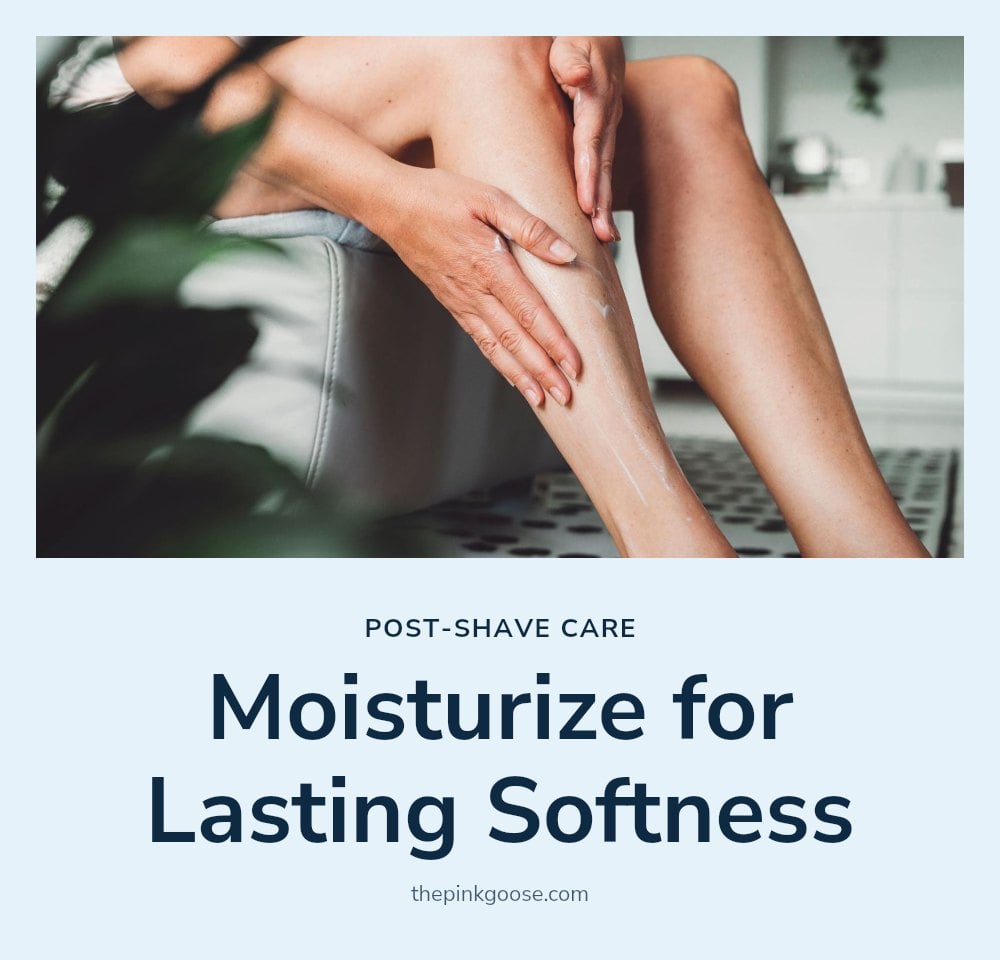
Moisturize immediately after rinsing off your shaving product. Shaving strips your skin’s natural moisture barrier, and a gentle, fragrance-free lotion or oil helps restore it, preventing dryness and irritation. Good to know: Look for ingredients like aloe vera, shea butter, or hyaluronic acid for extra soothing.
9. Avoid Tight Clothing Post-Shave
Avoid wearing tight clothing right after shaving. Tight fabrics create friction against freshly shaved, sensitive skin, which can lead to irritation and ingrown hairs. Pro move: Opt for loose, breathable fabrics like cotton for a few hours to let your skin breathe and recover.
10. Store Your Razor Properly
Store your razor in a dry place where it can air out, not in a puddle in the shower. This prevents rust and, more importantly, bacterial growth on the blade. Quick tip: A razor holder or a shelf outside the direct shower spray works perfectly.
11. Don’t Share Razors
Never share your razor. It might seem obvious, but it’s a personal hygiene item that can easily spread bacteria and infections, exactly what your sensitive skin doesn’t need. Keep your razor yours, and encourage others to do the same. A clean blade on a clean body is the only way to shave safely.
When to Consult a Dermatologist
These tips can make a real difference, but sometimes your skin needs more than a careful routine. If you are consistently dealing with severe issues, a dermatologist can help you find the right approach.
Consult a dermatologist if you experience:
- Frequent, severe razor bumps (pseudofolliculitis barbae) that do not improve with proper technique.
- Persistent ingrown hairs that become painful, inflamed, or infected.
- Recurring skin infections in the areas you shave.
- Excessive redness, burning, or pain that does not subside after shaving.
Frequently Asked Questions
Can I shave every day if I have sensitive skin?
You can shave as often as you like, but for sensitive skin, shaving every 1-3 days is usually enough to keep things smooth without overdoing it. Shaving too frequently can strip your skin’s natural moisture and lead to irritation. Listen to your skin and give it a break if you notice redness or discomfort.
What’s the best way to prevent ingrown hairs?
To prevent ingrown hairs, exfoliate gently 12-24 hours before shaving to remove dead skin cells that can trap hairs. Shave in the direction of hair growth, and avoid shaving over the same area multiple times. After shaving, moisturize and avoid tight clothing that can rub against the skin and push hairs back in.
Is it better to shave with hot or cold water?
Warm water is best for preparing your skin to shave. Soaking in warm water for 2-3 minutes softens the hair and opens pores, making the razor glide more easily. Cold water can tighten the skin and hair, which may lead to more tugging and irritation. Stick with warm water for the shave itself.
What kind of razor is best for sensitive skin?
A single-blade razor or a razor with fewer blades can be less irritating for very sensitive skin because it reduces the number of passes over the same area. Multi-blade razors can sometimes cause more tugging and irritation. Look for a sharp, clean blade and change it regularly, regardless of the type you choose.
Can I use body lotion as a post-shave moisturizer?
You can use body lotion as a post-shave moisturizer, but choose one that is fragrance-free and gentle. Heavily fragranced or alcohol-based lotions can sting and irritate freshly shaved skin. Look for soothing ingredients like aloe vera, shea butter, or hyaluronic acid to help restore your skin’s barrier.
How often should I change my razor blade?
Change your razor blade every 5-10 shaves, or at the first sign of dullness. A dull blade tugs at hair instead of cutting it cleanly, which is a primary cause of razor burn and nicks. If you shave less frequently, you might get more uses out of a blade, but don’t push it past the point where it feels smooth.
Final Thoughts
For the best results, build a consistent routine around preparation and aftercare. Start by exfoliating the day before, then shave after a warm shower using a sharp blade and a good shaving cream. Expect a smooth shave that lasts 1-3 days, but don’t expect perfection overnight if your skin is prone to irritation. Stick with these habits, and your skin will thank you.
This article is for general informational purposes only and does not constitute medical or professional advice. Individual skin types and conditions vary, so consult a dermatologist or healthcare provider for persistent or severe skin issues, such as frequent razor bumps or infections.