

If you are looking for a natural way to hydrate dry skin or hair, shea butter is a powerhouse ingredient worth trying. This fat, extracted from the nuts of the African shea tree, is loaded with fatty acids and vitamins that soften and smooth. In this article, I break down the differences between raw and refined shea butter and share practical tips for using it effectively.
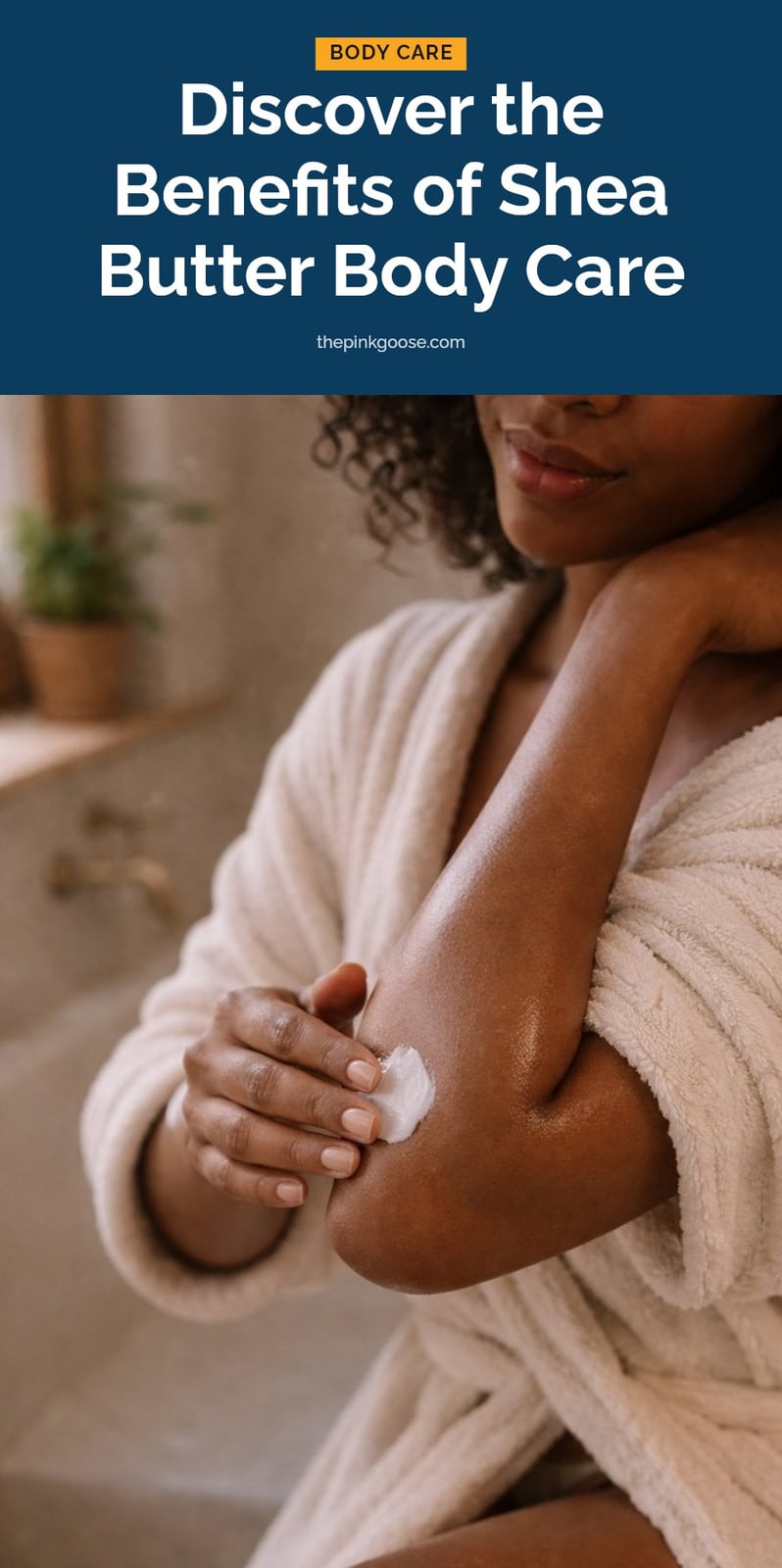
Key Takeaways
- Unrefined shea butter retains more vitamins A, E, and F than refined versions.
- Refined shea butter has a neutral scent and smoother texture, ideal for DIY blends.
- Warm a pea-sized amount between your palms before applying to damp skin.
- Store shea butter in an airtight container in a cool, dark place.
- Perform a patch test before widespread use, especially if you have sensitive skin.
What is Shea Butter and Why Is It Good for You?
Shea butter is a natural fat extracted from the nuts of the African shea tree (Vitellaria paradoxa). It’s packed with fatty acids like oleic and stearic acid plus vitamins A, E, and F, making it a powerful moisturizer for both skin and hair. You’ll find it in two main forms: raw (unrefined) and refined. Each type has distinct benefits, so knowing the difference helps you pick the right one for your routine.
Raw vs. Refined Shea Butter: What’s the Difference?
Raw and refined shea butter serve different purposes. Here is how they compare:
| Property | Raw (Unrefined) | Refined |
|---|---|---|
| Processing | Minimally processed, no chemicals | Bleached, deodorized, chemically extracted |
| Nutrient content | High in vitamins A, E, F | Reduced vitamin concentration |
| Color | Off-white to yellowish | White |
| Scent | Nutty, smoky, earthy | Neutral, virtually odorless |
| Texture | Grainy, needs warming | Smooth, spreads easily |
Tip: Keep raw shea butter for body care where you want the full nutrient profile, and refined for DIY lotions where a neutral base works better.
Why Choose Unrefined Shea Butter?
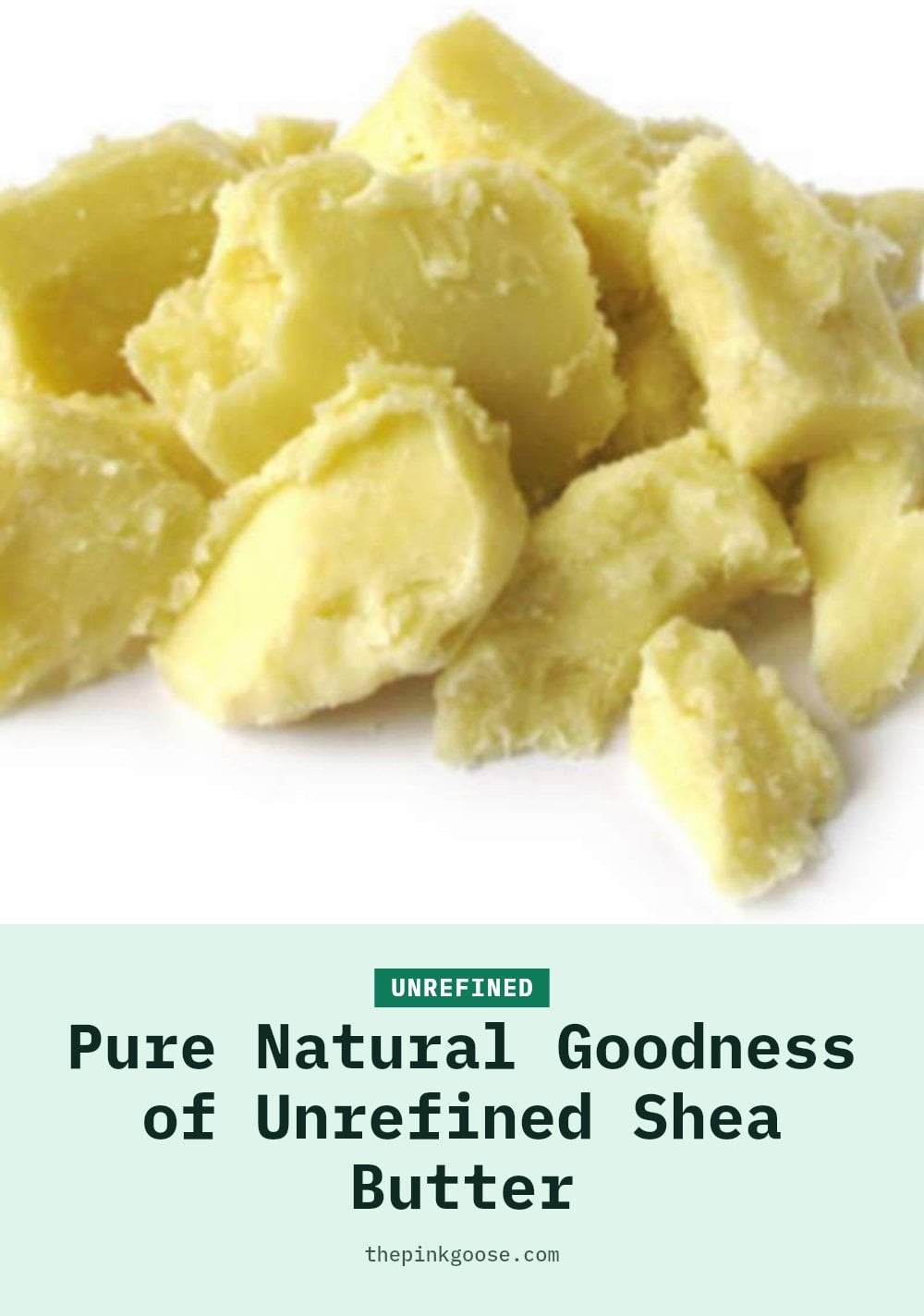
Why Choose Unrefined Shea Butter
Unrefined shea butter is the closest to nature you can get. It’s rich in vitamins A, E, and F, which work together to deeply moisturize and support skin repair. The natural aroma is a distinct nutty, smoky, or earthy scent, and the color ranges from off-white to yellowish. Because it’s minimally processed, it retains maximum beneficial compounds. I reach for unrefined shea butter when my skin needs intense hydration, especially on dry elbows, knees, and cuticles. A little warmth between my palms melts it instantly, and it sinks in without feeling heavy.
When to Opt for Refined Shea Butter
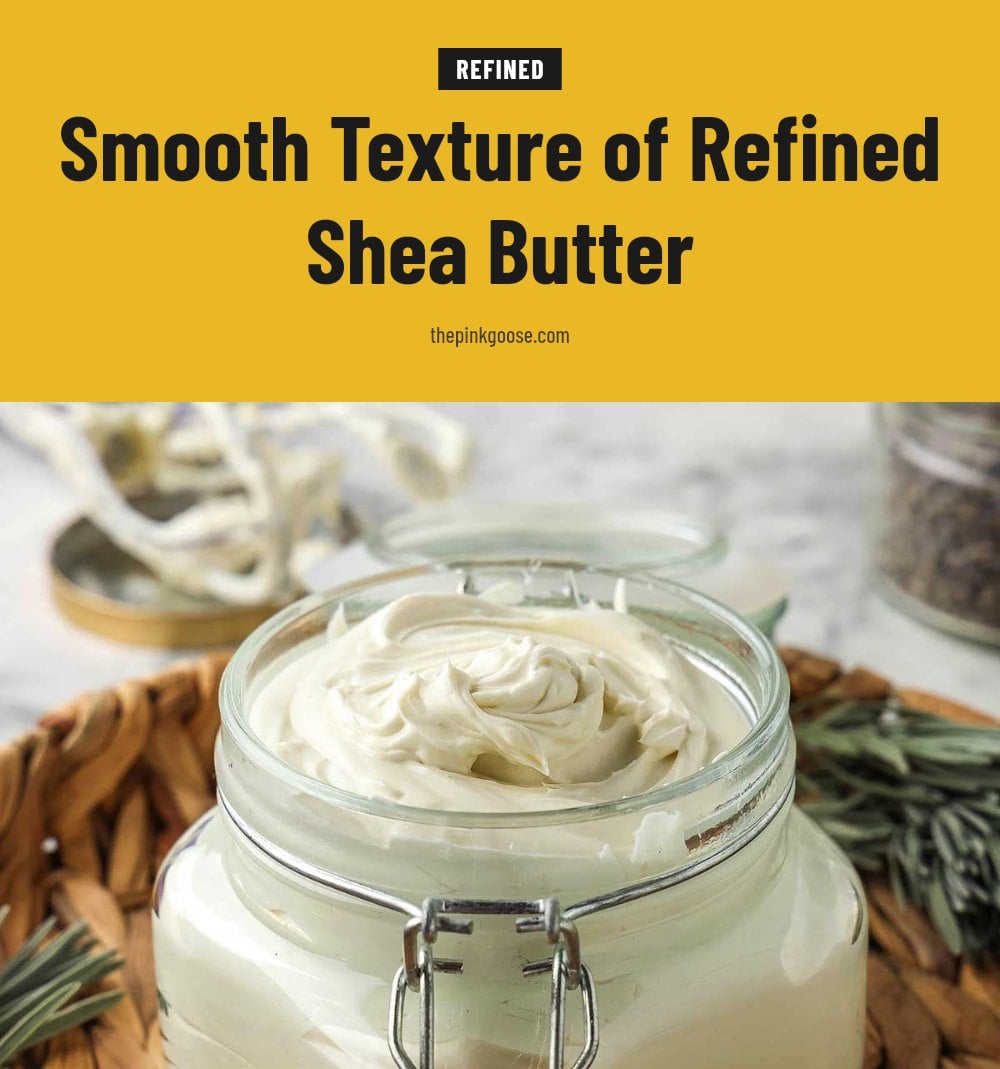
When to Opt for Refined Shea Butter
Refined shea butter goes through processing that strips its natural color and scent, leaving it white and virtually odorless. The texture is much smoother than raw shea butter, which makes it easier to blend into DIY creams, lotions, and balms. If you’re sensitive to strong smells or want a neutral base for adding your own essential oils, refined is the way to go. Just keep in mind that refining can reduce some beneficial compounds like vitamins. I use refined shea butter for homemade lip balms and body butters where I want a silky finish and no scent interference.
Best Tips for Using Shea Butter Effectively
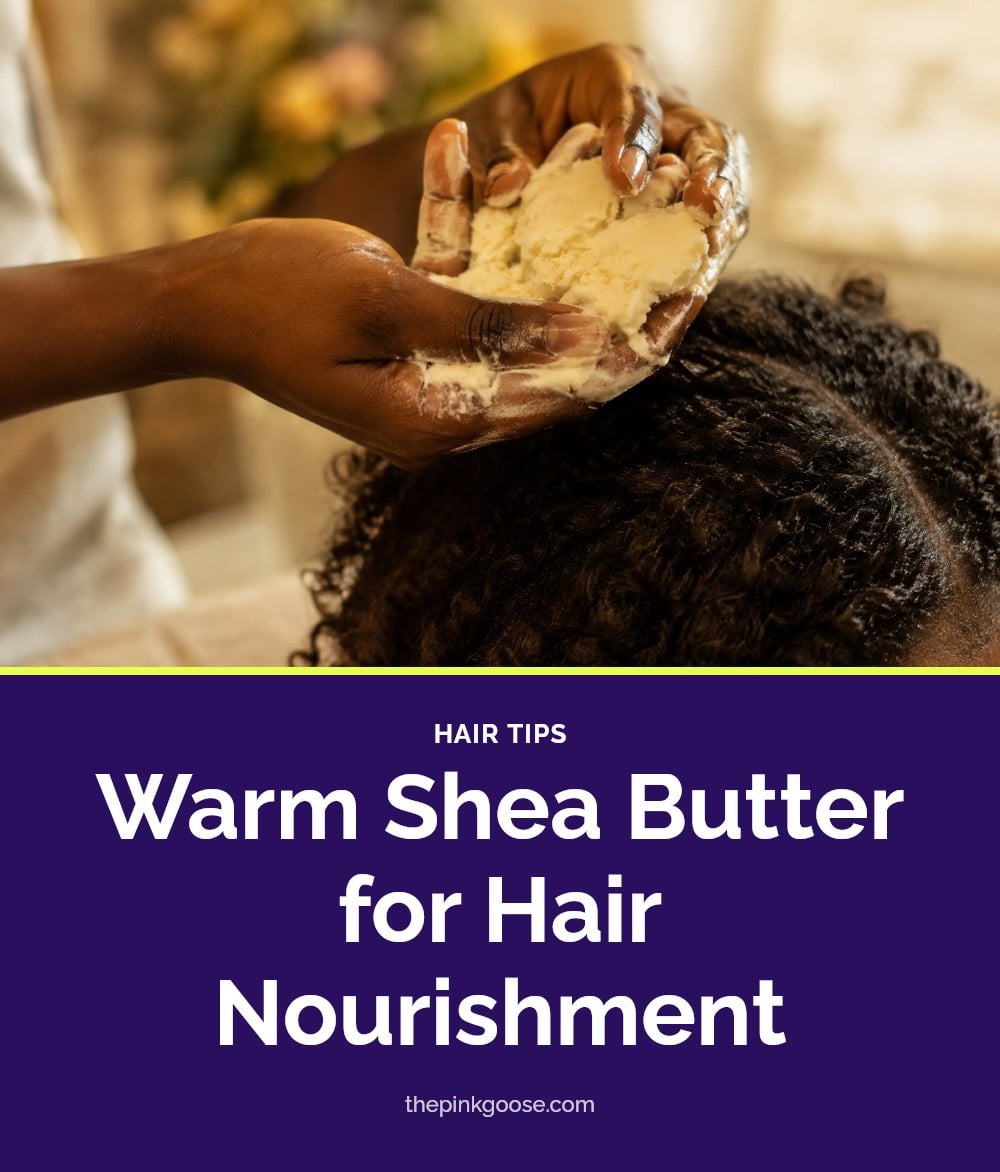
My tip: Warm a pea-sized amount between your palms for a few seconds until it softens. This makes it spread easily without tugging your skin.
- Apply to damp skin: Right after a shower, when your skin is still slightly wet, lock in moisture by smoothing shea butter over your body. It absorbs better and leaves a lasting softness.
- Patch test first: Dab a tiny amount on your inner arm and wait 24 hours. Even though shea butter is gentle, sensitive skin can react.
- Store properly: Keep it in a cool, dark cupboard in an airtight container. Heat and light can turn it rancid faster than you expect.
Common Shea Butter Mistakes to Avoid
- Not all shea butter is the same: Raw and refined versions have different textures, scents, and nutrient levels. Check the label before you buy.
- It’s not a miracle cure: Shea butter is an excellent moisturizer, but it won’t treat serious skin conditions like eczema or infections on its own.
- Skipping a patch test: Allergies can surface even with natural products. Test on a small area first, especially if you have known sensitivities.
- Storing in sunlight or heat: Direct light and high temperatures degrade the fatty acids and vitamins. Keep your shea butter in a cool, dark spot to preserve its quality.
When to Consult a Professional About Skin Issues
If you notice persistent redness, itching, or a rash after using shea butter, stop and see a dermatologist. Natural moisturizers are not a substitute for medical treatment. If you have a diagnosed nut allergy, talk to your doctor before using shea butter, though shea nut allergies are rare, caution is wise. For severe or chronic skin issues that don’t improve with consistent moisturizing, professional guidance is the safest next step.
Frequently Asked Questions
Is shea butter good for acne-prone skin?
Shea butter is considered non-comedogenic for most skin types, meaning it is unlikely to clog pores. However, everyone’s skin is different. If you have acne-prone skin, start with a small patch test on your jawline or behind your ear to see how your skin reacts before applying it to your whole face.
Can I use shea butter on my face every day?
Yes, you can use shea butter on your face daily, especially if your skin is dry. Apply a very small amount to damp skin after cleansing. Because it is rich and thick, a little goes a long way. If you notice any greasiness or breakouts, reduce the frequency to every other day.
What is the best way to store shea butter?
Store shea butter in an airtight container in a cool, dark place away from direct sunlight and high heat. A kitchen cabinet or a bathroom drawer works well. Proper storage helps preserve its beneficial properties and extends its shelf life.
How long does shea butter last?
Unrefined shea butter typically lasts 12 to 24 months when stored properly in a cool, dark place. Refined shea butter may have a similar shelf life. If it develops a rancid smell or changes in texture, it is time to replace it.
Is shea butter safe for sensitive skin?
Shea butter is generally safe for sensitive skin due to its gentle, moisturizing properties. However, because everyone’s skin is different, it is wise to perform a patch test on a small area first. If you experience any redness, itching, or irritation, discontinue use.
Final Thoughts
My recommendation: start with unrefined shea butter if you want the most nutrient-rich option, and switch to refined only if the natural aroma bothers you or you need a smoother base for a homemade lotion. You can expect immediate hydration after the first use, with deeper, longer-lasting softness appearing after a few weeks of daily application. Give it a try and see how your skin responds.