

Starting a skincare routine can feel overwhelming with so many products and steps out there. But the truth is, you only need three core steps to build a healthy foundation: cleansing, moisturizing, and sun protection. This article breaks down exactly how to choose the right products for your skin type, how to layer them morning and night, and what common pitfalls to avoid so you can see real results without the guesswork.

Key Takeaways
- Stick to the three essentials: a gentle cleanser, a moisturizer, and broad-spectrum SPF 30+ sunscreen.
- Cleanse twice daily, moisturize while skin is still damp, and apply sunscreen every morning as your final step.
- Know your skin type (normal, dry, oily, combination, or sensitive) to choose products that work with your skin.
- Expect visible improvements in skin health within 4 to 6 weeks of consistent daily use.
- Always patch test a new product on a small area before applying it to your whole face.
What is a Basic Skincare Routine?
A basic skincare routine is a simple set of daily steps to keep your skin healthy. The three core steps are cleansing to remove dirt and oil, moisturizing to hydrate and protect your skin barrier, and applying sunscreen to prevent UV damage. Consistency is key, and choosing products that match your specific skin type helps you get the best results without irritation.
Essential Products for Your Skincare Journey
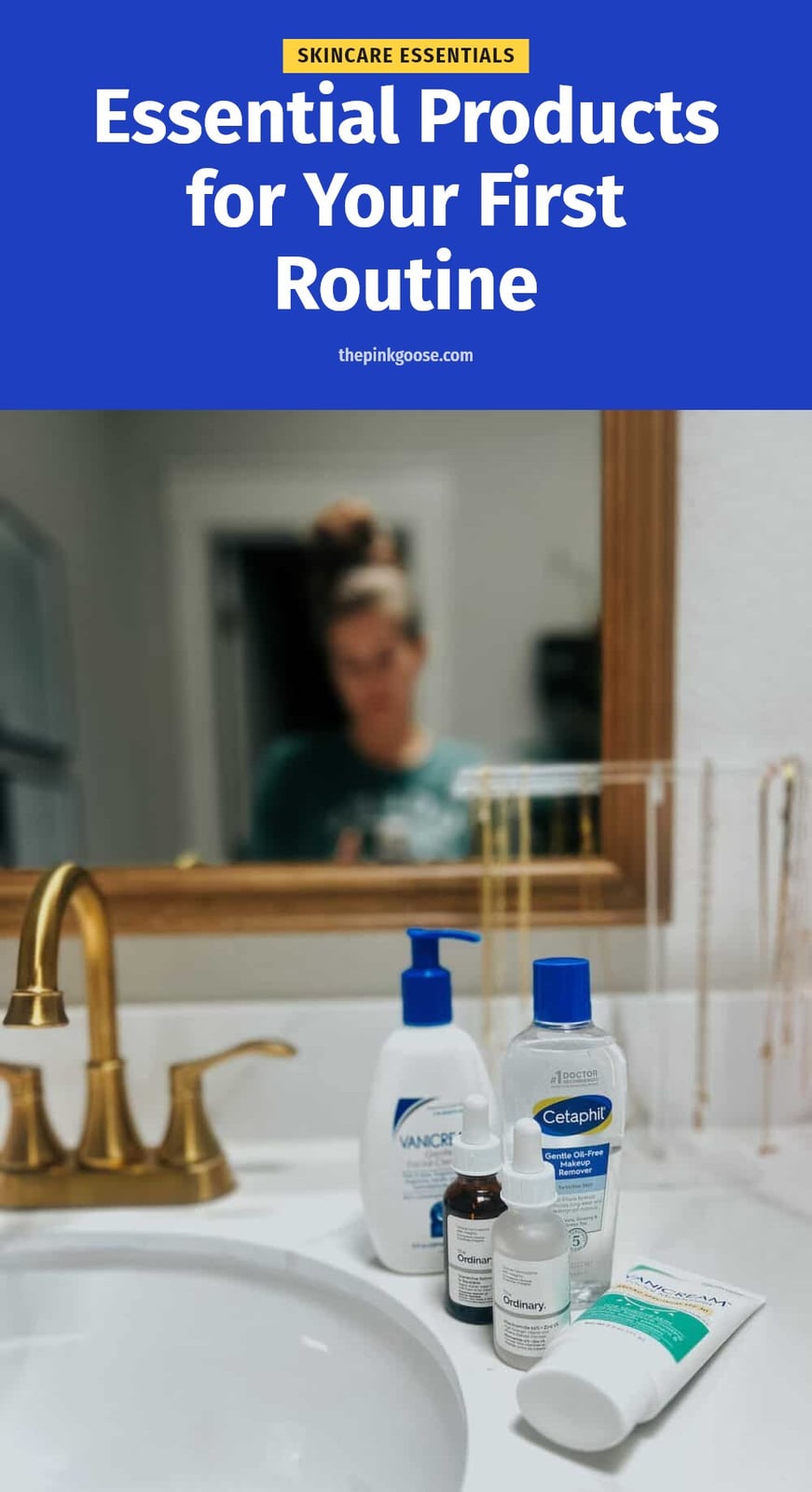
You only need three products to start a solid skincare routine.
- Gentle facial cleanser: Removes impurities, makeup, and excess oil without stripping your skin’s natural moisture.
- Moisturizer: Hydrates and strengthens your skin barrier, keeping it soft and balanced.
- Broad-spectrum SPF 30+ sunscreen: Protects against UVA and UVB rays to prevent sun damage, premature aging, and reduce skin cancer risk.
Your Simple Daily Skincare Routine: Morning and Night
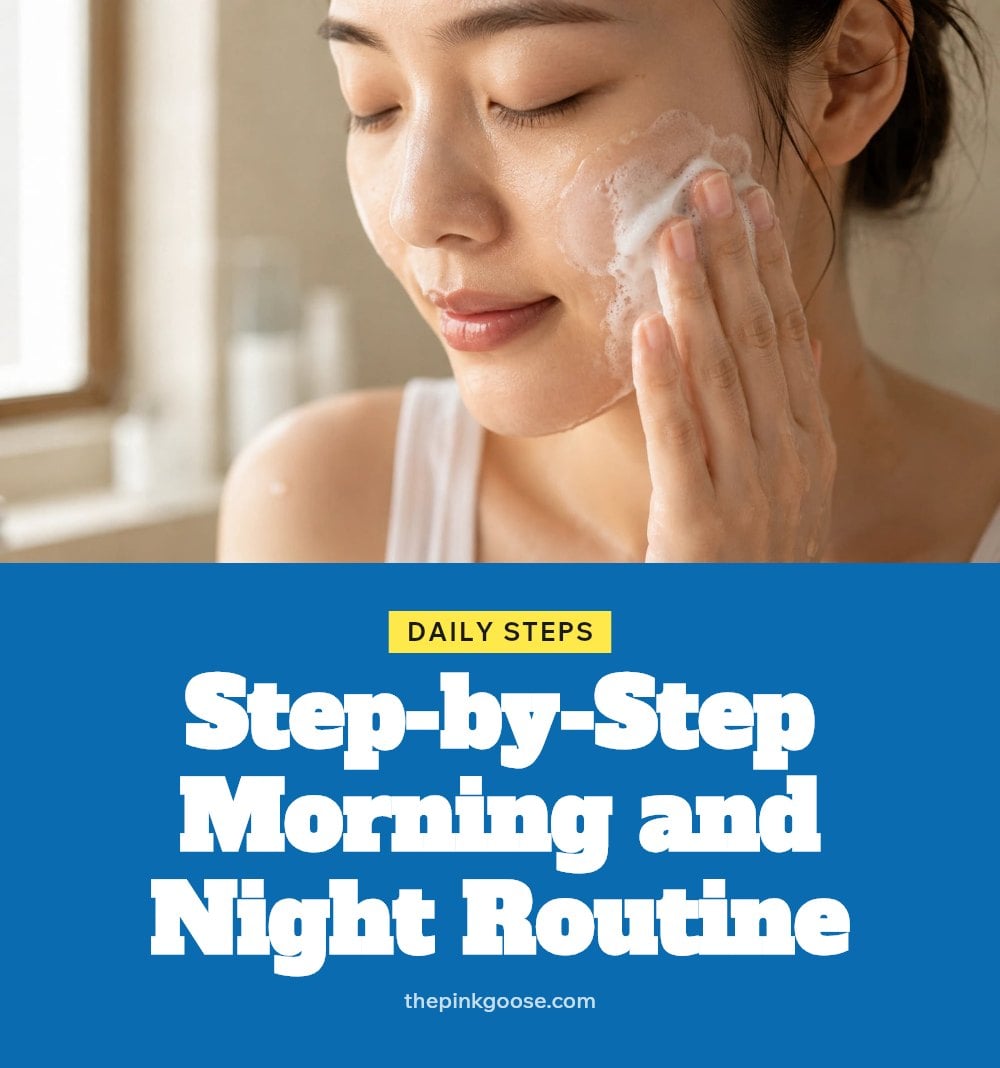
Start your morning by splashing your face with lukewarm water, then gently cleanse with a mild cleanser. Rinse with lukewarm water and pat your face dry with a soft towel, don’t rub, as that can irritate skin. Apply moisturizer immediately while skin is still slightly damp to lock in hydration.
- Apply moisturizer: Use a dime-sized amount and massage it into your face and neck using upward strokes. It will absorb as you continue your routine.
- Apply sunscreen: Broad-spectrum SPF 30+ sunscreen is your final morning step. Use a nickel-sized amount for your face and spread it evenly. Reapply every two hours if you’re outdoors or near windows.
Your evening routine starts with a thorough cleanse to remove the day’s buildup. Double cleanse if you wore makeup or sunscreen: first with an oil-based cleanser, then with your regular gentle cleanser. Follow with moisturizer just like in the morning, but skip the sunscreen. A simple rule for layering any additional products: apply them from thinnest consistency to thickest. For example, a watery serum goes on before a cream moisturizer, and an oil goes last.
Tip: Keep your cleanser and moisturizer in your shower or next to your sink as a visual reminder. Consistency matters more than perfection, so even a shortened version of this routine delivers results over time.
Understanding Your Skin Type for Better Results

Knowing your skin type helps you pick products that work with your skin instead of against it. The main types are normal, dry, oily, combination, and sensitive.
Dry skin often feels tight or flaky and benefits from richer moisturizers. Oily skin looks shiny and may need lightweight, non-comedogenic products. Combination skin has both oily and dry areas, so you may need different products for different zones. Sensitive skin reacts easily with redness or stinging, so gentle, fragrance-free formulas are usually best.
Products formulated for your specific skin type tend to deliver better results and cause fewer issues like breakouts or irritation.
Common Skincare Mistakes to Avoid

Over-cleansing or harsh cleansers: Washing your face more than twice a day or using a cleanser that leaves your skin feeling tight can strip natural oils and damage the skin barrier. Stick to a gentle cleanser morning and night.
Skipping sunscreen: UV damage happens even on cloudy days and through windows. Daily broad-spectrum SPF 30+ sunscreen is non-negotiable for preventing premature aging and reducing skin cancer risk.
Picking at blemishes: Touching or squeezing pimples can push bacteria deeper, cause scarring, and prolong healing. Leave blemishes alone or use a spot treatment instead.
Using unsuitable products: A product that works for a friend may not work for you. Using formulas not matched to your skin type can lead to dryness, breakouts, or irritation.
Expecting overnight results: Skincare requires consistency and time. Visible improvements typically appear within 4-6 weeks of daily use, so stick with your routine.
Smart Tips for a Successful Skincare Routine
Patch Test New Products: Before applying a new product to your entire face, test a small amount on your inner arm or behind your ear for a few days. This can help you spot a reaction before it affects your whole face.
Be Consistent: A simple routine done every morning and evening will show better results than a complex one you only follow sometimes. Consistency is what drives improvement.
Listen to Your Skin: If a product causes stinging, redness, or breakouts, stop using it. Your skin’s response is the best guide for what works.
Don’t Overdo It: More products don’t mean better skin. A basic cleanse-moisturize-protect routine is often enough. Adding too many steps can overwhelm your skin.
Consider Serums and Treatments: Once you have the basics down, you can add optional steps like a vitamin C serum in the morning or a retinol at night. Introduce them one at a time.
What to Expect: Timeline for Results and Product Costs
A basic skincare routine should be performed daily, morning and evening. Visible improvements in skin health typically appear within 4-6 weeks of consistent use. Product costs vary widely, with options available for every budget. Focus on quality and suitability over price or brand name. A drugstore cleanser that matches your skin type can work as well as a luxury one.
When to Consult a Dermatologist
If you experience severe redness, itching, burning, or swelling after using a product, discontinue use immediately and consult a dermatologist. Seek professional advice for persistent skin conditions like acne, eczema, or rosacea that don’t improve with over-the-counter products. If you notice changes in moles, unusual growths, or any new spots on your skin, see a dermatologist right away. A professional can help tailor a routine for complex skin needs or concerns.
Frequently Asked Questions
How often should I change my skincare products?
There is no set schedule for switching products. Stick with a routine for at least four to six weeks to see if it works for your skin. If you notice persistent irritation, breakouts, or dryness, consider swapping one product at a time to identify the cause.
Can I use the same products for morning and night?
Yes, you can use the same cleanser and moisturizer both morning and night. The only difference is that sunscreen should be applied in the morning as your final step. At night, you skip the sunscreen and can add a treatment product if you choose.
What’s the difference between a serum and a moisturizer?
A serum is a lightweight, concentrated product that targets specific concerns like hydration, brightening, or anti-aging. A moisturizer is thicker and designed to hydrate and seal your skin barrier. Serums are optional; moisturizers are a core step in any routine.
How do I know if a product is working for my skin?
After four to six weeks of consistent use, your skin should feel more balanced, hydrated, and comfortable without new breakouts or irritation. If you experience persistent redness, stinging, or breakouts, the product may not be right for your skin type.
Is it normal for my skin to purge when starting new products?
Purging can happen when you introduce active ingredients like retinoids or acids, as they speed up cell turnover. It typically appears as small breakouts in areas you usually break out. If the reaction is severe or lasts longer than six weeks, discontinue use and consult a dermatologist.
Final Thoughts
My tip: keep your routine simple and stick with it. Start with a gentle cleanser, a moisturizer that suits your skin type, and a reliable SPF 30+ sunscreen. Give it at least four to six weeks of daily use before judging the results, because skincare is a slow but steady process. The best routine is the one you can actually follow every day.
This article is for general informational purposes only and does not constitute medical or dermatological advice. Always consult a board-certified dermatologist or healthcare professional for persistent skin conditions, severe reactions, or before starting new treatments.
