

Do you ever feel like you are racing through each day, barely catching your breath? Slowing down is not about doing nothing; it is about making intentional choices to reduce your pace and be more present. This article covers five practical steps to reclaim your time and find more calm, from scheduling slow moments to pressing pause on technology.
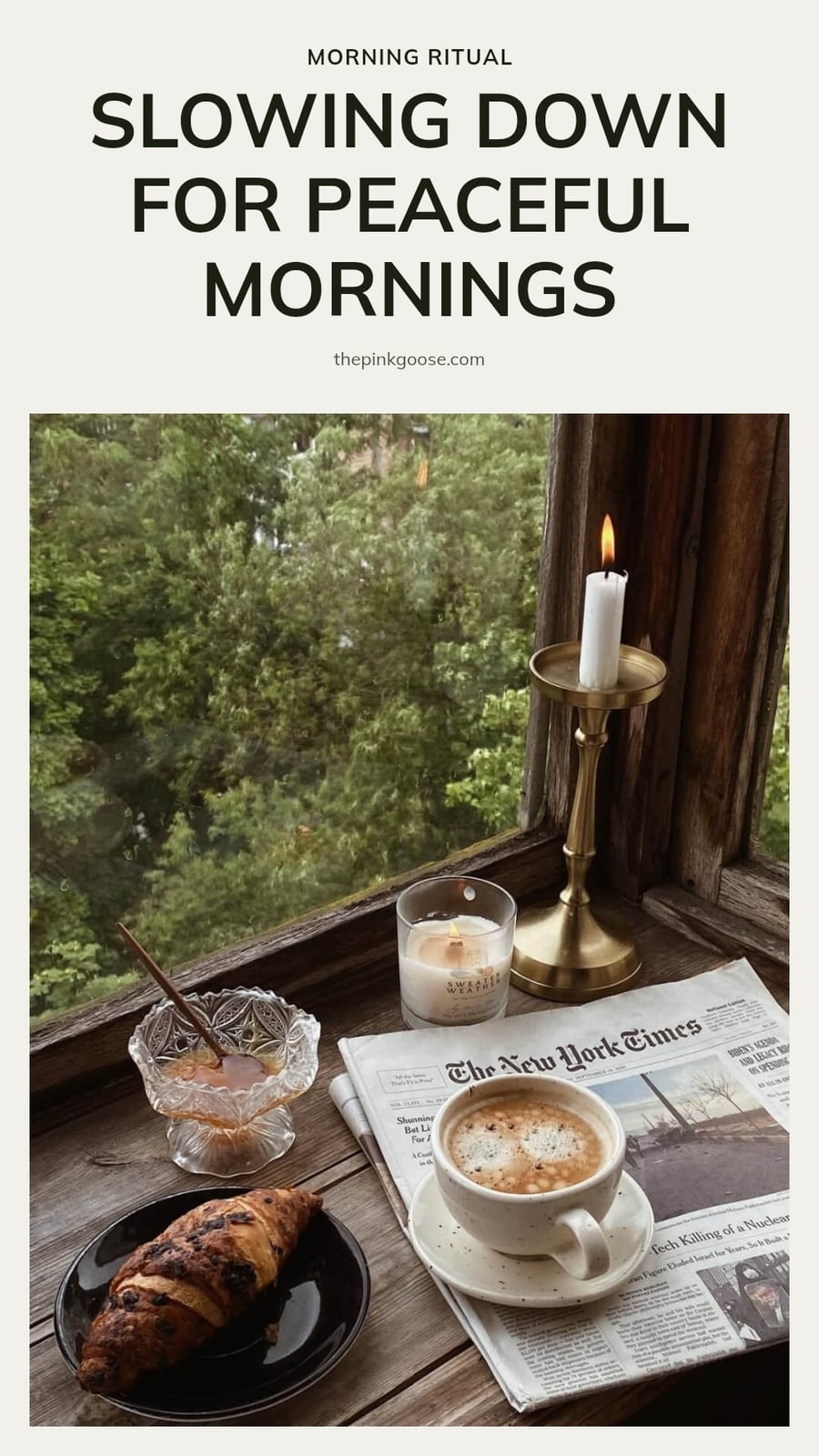
Key Takeaways
- Schedule 10-15 minutes of ‘slow time’ on your calendar each day for yourself.
- Read for enjoyment, choosing literature or poetry instead of only self-help books.
- Transform mundane tasks like dishes into opportunities for mindfulness and reflection.
- Intentionally disconnect from technology for a set period to be fully present.
- Start with one small change at a time to avoid overwhelm and build lasting habits.
What Does ‘Slowing Down’ Really Mean?
Slowing down means making intentional choices about how you spend your time and attention. It is not about inactivity or laziness, but about being fully present in each moment. The goal is to reduce stress and increase well-being by focusing on what truly matters, rather than rushing through your day on autopilot.
5 Actionable Steps to Embrace a Slower Pace
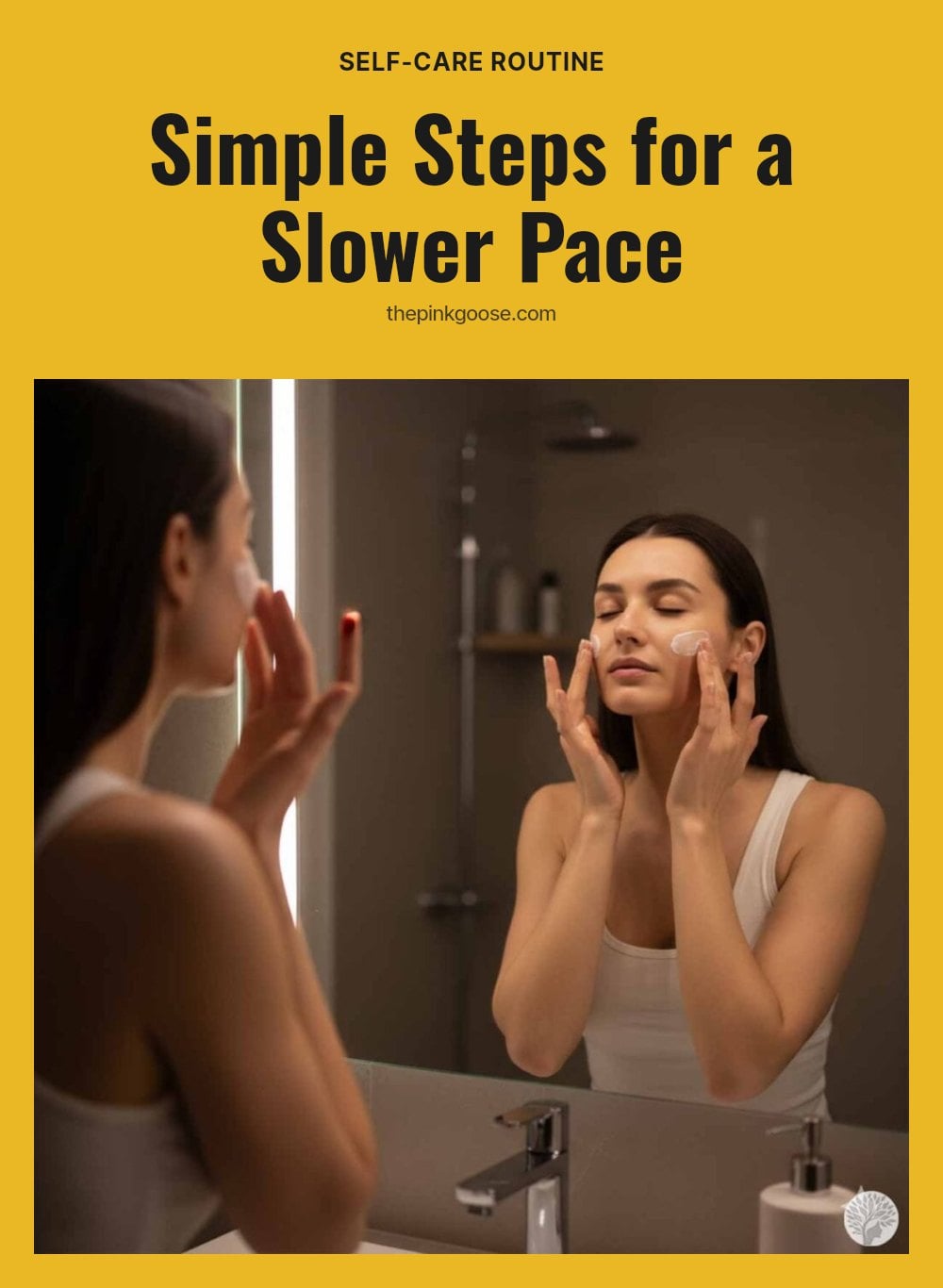
- Schedule slow time: Block out 10-15 minutes on your calendar each day just for yourself. Use this for a nightly skincare routine, a short walk, or any activity that prioritizes your well-being. Making it a scheduled event ensures you actually do it.
- Read for enjoyment: Pick up a novel, poetry, or a work of art that lets you escape. Skip the self-help section for now. Reading purely for pleasure slows your mind and gives you a break from constant information intake.
- Cultivate a hobby: Try drawing, writing poetry, hiking, or experimenting with a new recipe. These activities add personal meaning and depth to your life. They are for your own joy and self-discovery, not for anyone else.
- Reframe mundane tasks: Turn washing dishes, folding laundry, or grocery shopping into a mindful moment. Use these simple, repetitive actions to daydream, reflect on your day, or just focus on the sensation of the task. This transforms chores into a break rather than a burden.
- Take a technology pause: Intentionally block off 30 minutes to turn off your phone, TV, and laptop. Use that time to meditate, journal, or simply sit in silence. Unplugging reduces mental clutter and helps you reconnect with the present moment.
Here is the method in action: Malama Life demonstrates it in about 10 minutes. The how-to part starts at 1:58.
The Power of Presence: Why Slowing Down Matters
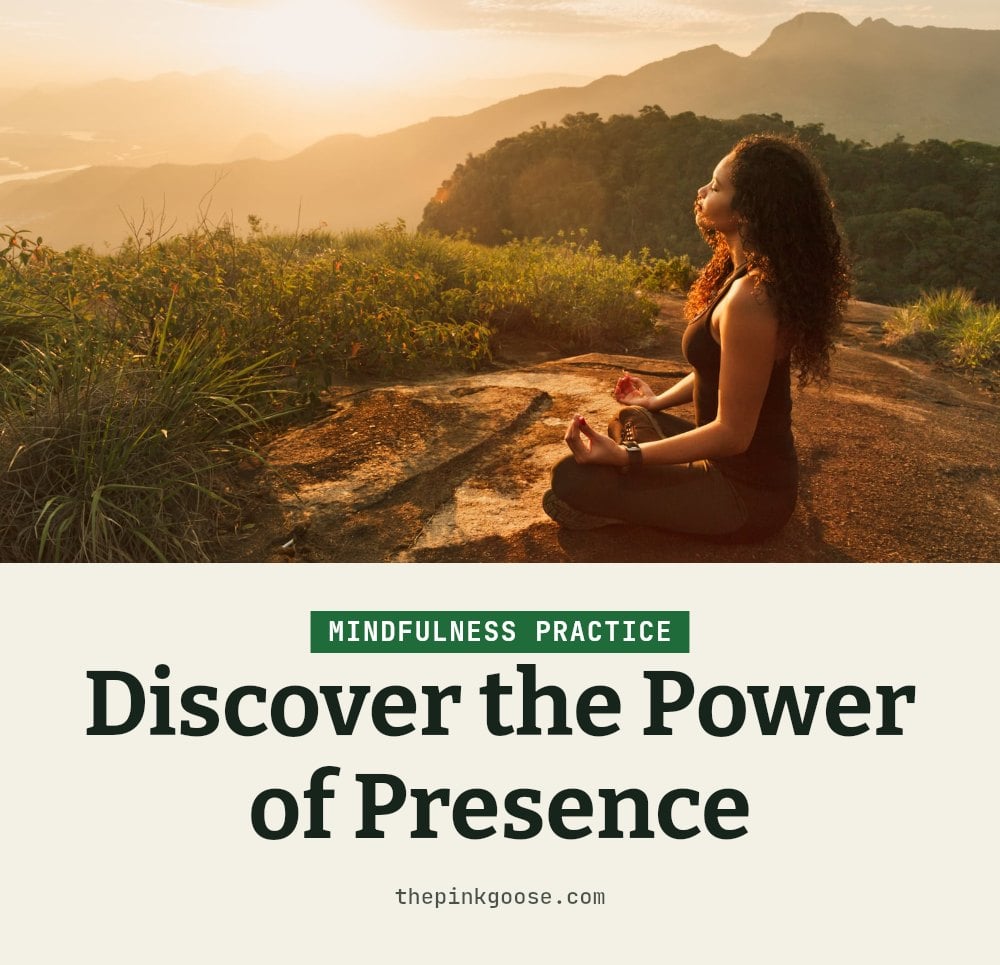
Mindfulness, or focusing on the present moment without judgment, directly reduces that feeling of being rushed. Taking short, intentional breaks throughout your day improves focus and cuts down on mental fatigue. Single-tasking, instead of juggling multiple things at once, leads to higher quality work and less stress.
Spending time outdoors, even a quick walk around the block, lowers stress hormones and lifts your mood. Deep breathing exercises activate your parasympathetic nervous system, which promotes a state of calm. These small practices add up, making a slower pace feel natural and sustainable.
Common Pitfalls When Trying to Slow Down
Believing it means being unproductive: Slowing down is about intentionality, not laziness. You can still accomplish what matters while being present.
Trying too many changes at once: Start with just one small habit, like a 10-minute tech pause. Adding too much too fast leads to overwhelm.
Confusing it with doing nothing: Slowing down is an active choice to focus on what matters, not aimless inactivity.
Underestimating digital stimulation: Constant notifications keep your brain in a high-speed mode. Set specific times to check your phone and email.
Not setting boundaries: Without clear limits on work and social obligations, you will always feel rushed. Learn to say no to commitments that don’t align with your priorities.
Expecting instant results: Lasting change takes weeks of consistent effort. Be patient with yourself and celebrate small wins.
Best Tips for Integrating a Slower Lifestyle
Prioritize self-care: Even a five-minute pause to stretch or sip tea counts. Small acts of care build a foundation for calm.
Declutter your space: Clearing a single drawer or countertop reduces visual noise and mental load. A tidier environment supports a quieter mind.
Engage in creative hobbies: Drawing, cooking, or gardening can trigger a flow state that lowers stress. Choose an activity purely for enjoyment, not output.
Move gently each day: A short walk or gentle yoga session helps manage stress hormones and lifts your mood. Consistency matters more than intensity.
Set work-life boundaries: Define a clear end to your workday and avoid checking emails after that time. This separation prevents burnout and protects personal time.
Journal to clear your mind: Writing for a few minutes each evening helps you process emotions and spot patterns. It’s a simple tool for mental decluttering.
What to Expect: Timeline and Investment
You can feel calmer after your first 10-minute slow session. Small practices offer immediate relief from the rush. Lasting changes, like reduced overall stress and better focus, build over several weeks of consistent effort.
The main investment is your time and attention, not money. A journal or a simple timer can help you stay on track, but no special tools are required. The real cost is choosing to pause.
When to Seek Professional Help
These strategies support general well-being, but they are not a replacement for medical care. If you experience persistent overwhelm, chronic fatigue, significant mood changes, or panic attacks, consult a healthcare professional. Severe stress symptoms require professional evaluation and treatment, not just lifestyle adjustments.
Frequently Asked Questions
How can I slow down when I have a demanding job?
Start by setting clear boundaries between work and personal life, such as turning off email notifications after a certain hour. Schedule short, intentional breaks during your workday, even if it is just five minutes to step away from your desk and breathe. Single-tasking on one project at a time can also reduce overwhelm and improve focus.
What if I feel guilty for taking time to slow down?
Guilt is common, but remind yourself that rest and reflection are essential for your well-being and long-term productivity. Reframe self-care as a necessary part of your routine, not a luxury. Start with small, guilt-free actions, like a five-minute pause to sip tea, and notice how they improve your mood and energy.
Is ‘slowing down’ the same as being unproductive?
No, slowing down is about intentionality, not laziness. You can still accomplish what matters while being fully present in each task. In fact, single-tasking and taking breaks often lead to higher quality work and less stress, making you more effective in the long run.
How long does it take to feel the benefits of slowing down?
You may feel calmer after your first 10-minute slow session. Small practices offer immediate relief from the rush. For more significant and lasting changes, such as reduced overall stress and better focus, consistent effort over several weeks is usually needed.
Can digital detox really help me slow down?
Yes, intentionally disconnecting from devices for a set period each day can reduce mental overstimulation and help you be more present. Even a short break, like 15 minutes without your phone, allows space for reflection, meditation, or simply enjoying the moment. Consistent digital detoxes can improve sleep quality and lower stress levels.
Final Thoughts
Start by picking just one of these steps, such as scheduling a 10-minute slow session or reading a novel for fun. You may feel calmer after your first attempt, but lasting changes in stress and focus build over several weeks of consistent effort. The key is to find what works for you and put it into action, one small choice at a time.
This article is for general informational purposes only and does not constitute medical or professional advice. If you experience persistent overwhelm, chronic fatigue, significant mood changes, or panic attacks, please consult a healthcare professional. These strategies are intended to support general well-being and are not a replacement for professional care.
