

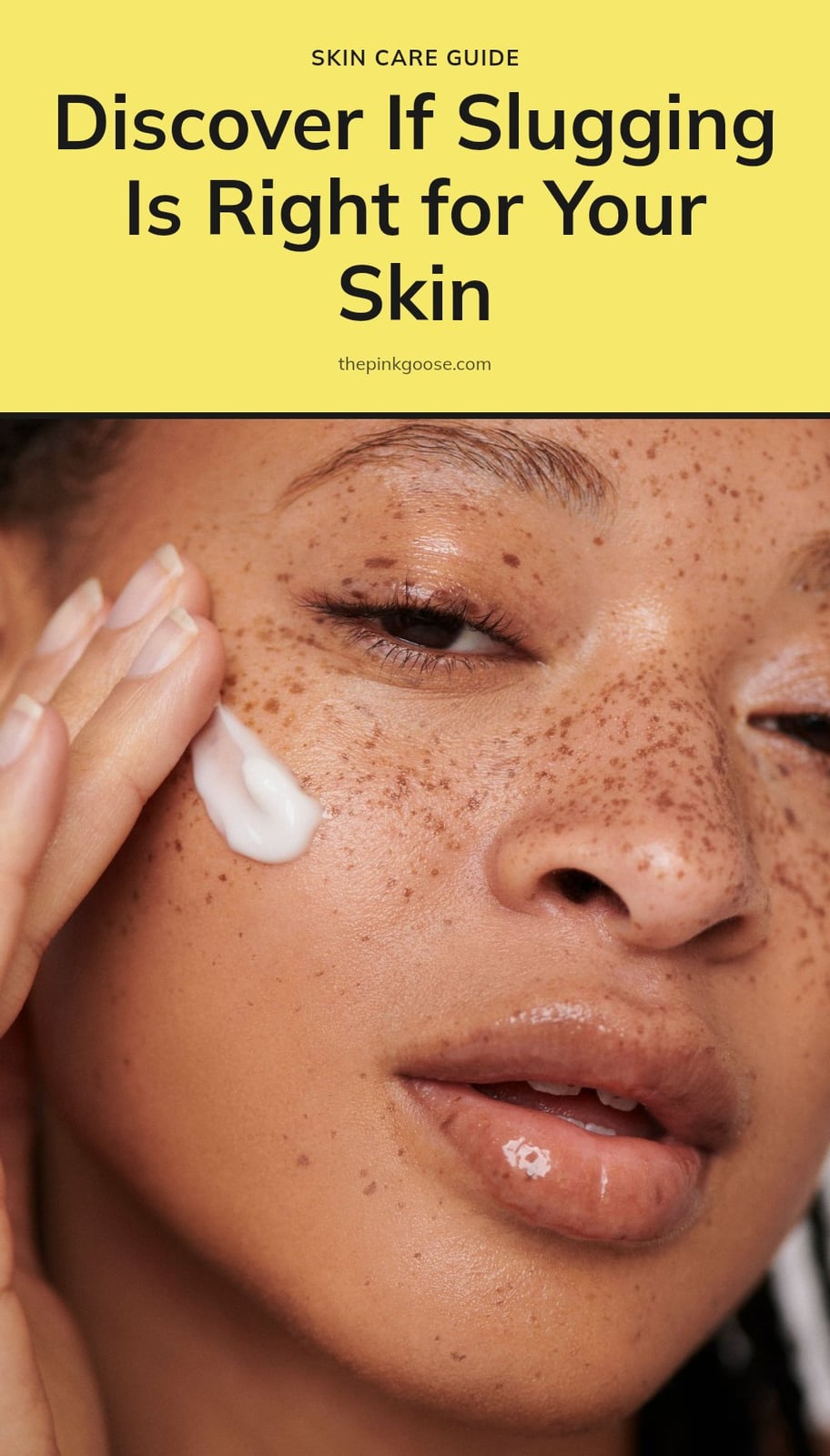
You’ve probably seen the term slugging popping up all over social media, and you might be wondering if this sticky-looking skincare trend is actually worth trying. The short answer is that slugging can be a game-changer for very dry or compromised skin, but it’s not for everyone. This article breaks down exactly what slugging is, who it works best for, and how to do it without causing breakouts or irritation.
Key Takeaways
- Slugging involves applying a thin layer of petroleum jelly as the final step in your nighttime routine.
- It works best for very dry, dehydrated, or damaged skin barriers, not for oily or acne-prone skin.
- Always apply slugging over clean, damp skin after hydrating serums and moisturizer.
- Start with 2 to 3 times a week and adjust based on how your skin reacts.
- Do not slug over strong active ingredients like retinoids or AHAs to avoid irritation.
What is Slugging and Why Are People Doing It?
Slugging means applying a thick layer of occlusive ointment, usually petroleum jelly, as the final step in your nighttime routine. The layer prevents transepidermal water loss, locking in moisture and supporting your skin’s natural barrier. It’s ideal for very dry or compromised skin, but it’s not for everyone, oily or acne-prone types may want to skip it.
1. You Have Very Dry or Dehydrated Skin
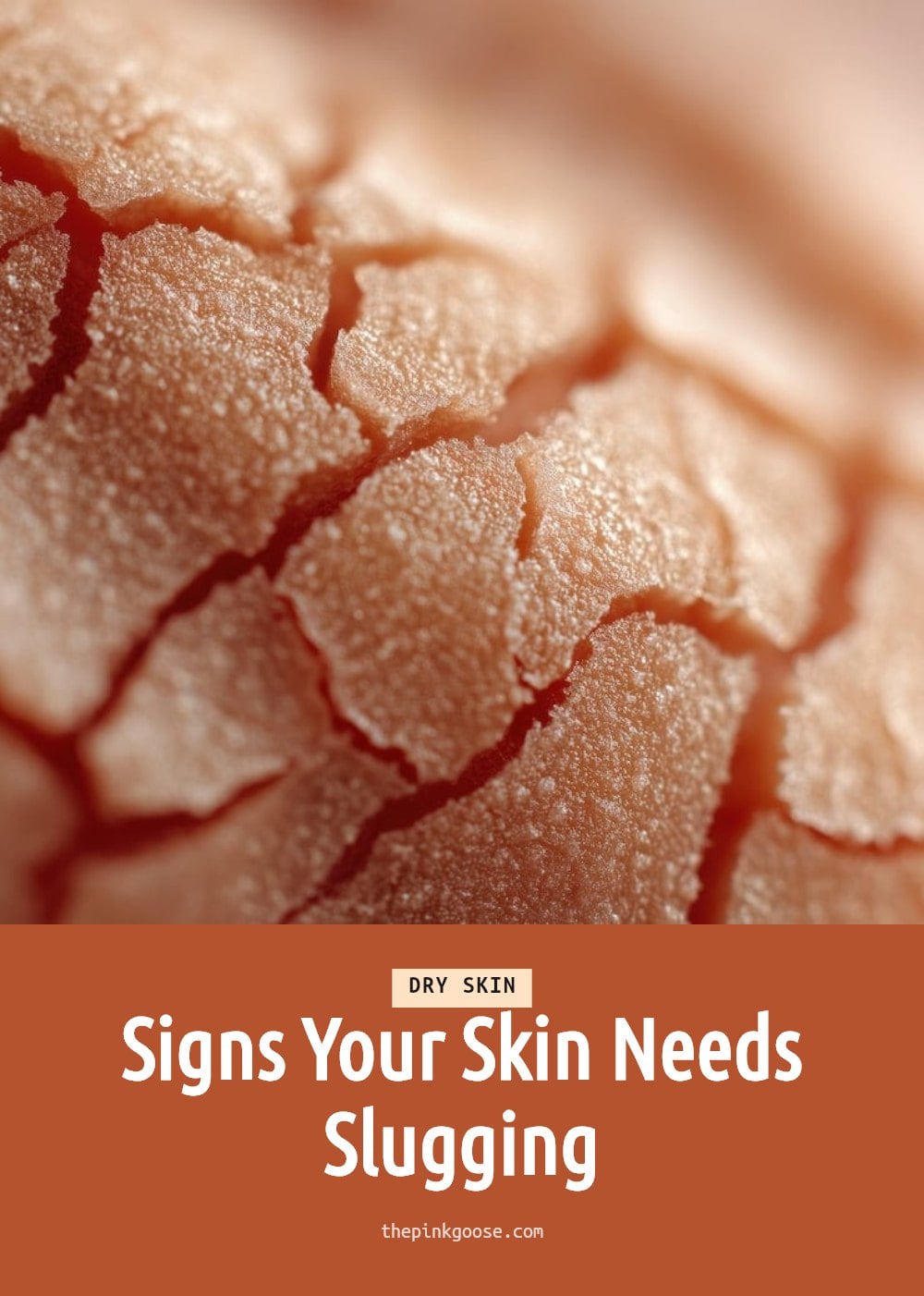
If your skin feels tight, flaky, or lacks moisture, slugging provides intense hydration by sealing in the products underneath. The occlusive barrier stops water from evaporating from your skin overnight, so you wake up noticeably softer.
- Apply a pea-sized amount of petroleum jelly over your moisturizer.
- Focus on the driest areas like cheeks or around the nose.
My tip: If you wake up with dry patches, slugging might be your new best friend. Try it two to three nights a week first.
2. Your Skin Barrier is Compromised
A damaged skin barrier often shows up as irritation, redness, and sensitivity. Slugging acts like a protective bandage, sealing the skin so it can heal and strengthen its natural barrier.
- The sealed environment reduces exposure to environmental irritants.
- It gives your skin a break from external stressors while you sleep.
Use it consistently on nights when your skin feels raw or reactive, and you’ll likely see less redness within a few days.
3. You Use Gentle Hydrating Products

Slugging works best when applied over hydrating serums like hyaluronic acid and a moisturizer. The occlusive layer locks in those beneficial ingredients, maximizing their effectiveness instead of letting them evaporate.
- Apply your hydrating layers to slightly damp skin first.
- Wait a minute for them to absorb, then seal with a thin layer of petroleum jelly.
My tip: Always apply your hydrating layers to slightly damp skin before slugging for maximum absorption. Damp skin draws in the humectants better.
4. You Don’t Use Strong Actives Daily
Tip: If you use retinoids, AHAs, BHAs, or Vitamin C in your routine, save slugging for nights when you skip those actives. The occlusive layer traps everything underneath and can drive those strong ingredients deeper into the skin, increasing their potency and the risk of irritation, especially if your skin is sensitive. On active-free nights, apply your hydrating serums and moisturizer first, then seal with a thin layer of occlusive. This way you get the barrier repair benefits without overloading your skin.
5. You Don’t Have Acne-Prone or Oily Skin
Petroleum jelly itself is non-comedogenic, but slugging can still trap excess oil and sweat under the occlusive layer, which may worsen breakouts for oily or acne-prone skin. If you have active acne, the sealed environment might encourage bacterial growth and lead to more congestion.
Caution: Before trying slugging, consider how easily your skin gets clogged. If you tend to see blackheads or whiteheads after rich creams, slugging is probably not for you. Stick to lighter hydrating layers instead.
6. You Can Cleanse Your Face Thoroughly

Always start with a clean face before slugging. Applying an occlusive over unwashed skin traps dirt, oil, and bacteria, which can lead to clogged pores or breakouts. A gentle, effective cleanser is essential. Good to know: Double cleansing helps remove all makeup and impurities so your skin is truly clean.
7. You Have the Right Occlusive Product
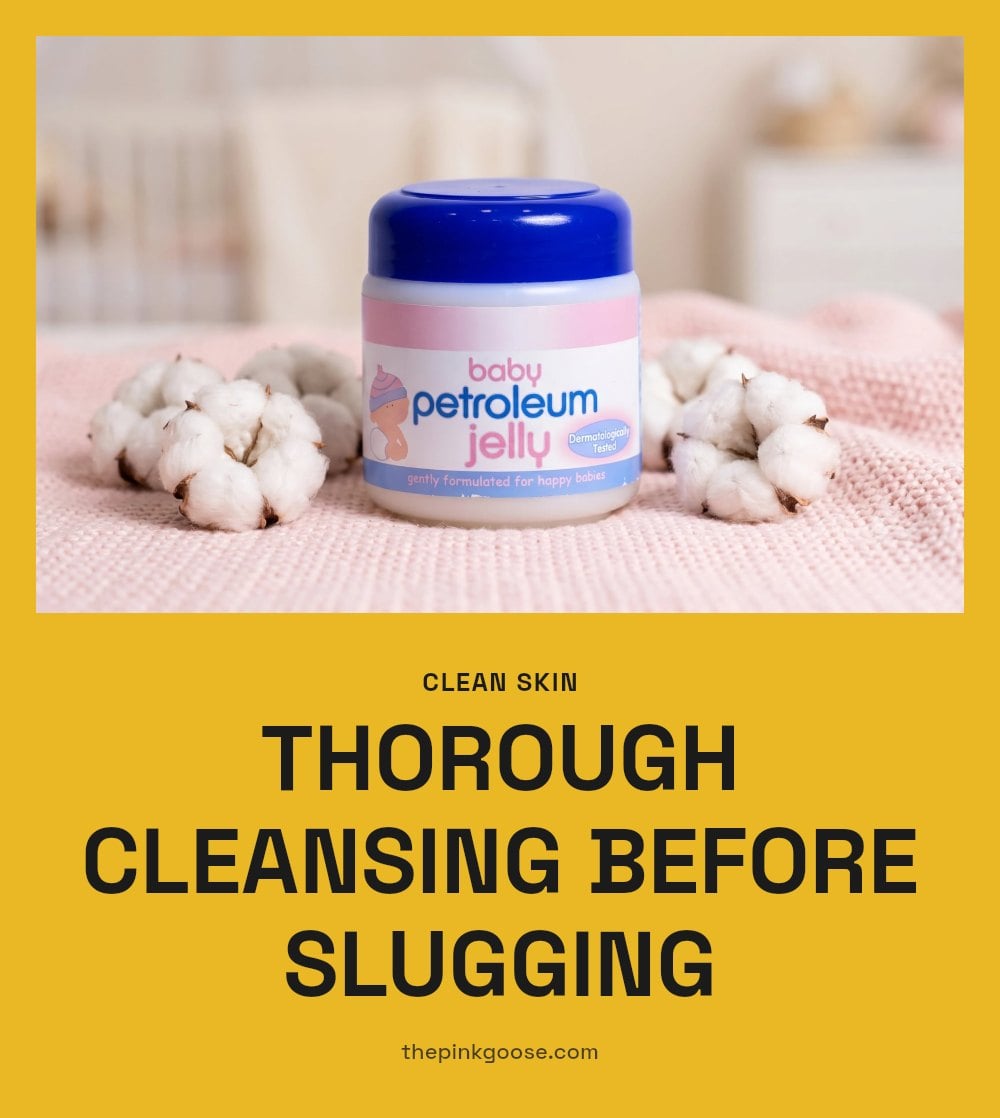
Petroleum jelly is the most common and effective occlusive for slugging because it is non-comedogenic and forms a strong barrier. Other thick balms or ointments with lanolin or ceramides can also work. Make sure the product is truly occlusive and seals moisture in, not just a rich moisturizer.
8. You Are Willing to Use a Clean Pillowcase
A thick layer of occlusive transfers to your pillowcase as you sleep. Using a clean one every night you slug prevents product buildup and the breakouts it can cause.
Pro move: Silk pillowcases reduce friction and absorb less product than cotton, keeping your face cleaner and your barrier intact.
9. You Can Start Slowly and Adjust
Do not start slugging every night, especially if your skin is new to occlusives. Begin with 2 to 3 times a week, or only on nights when your skin feels particularly dry.
Observe how your skin reacts after each session. Consistency supports barrier repair, but adjusting frequency based on your skin’s feedback prevents irritation.
10. You Understand It’s a Nighttime Treatment
Reserve slugging for your nighttime routine. The thick layer feels heavy and looks shiny, making it impractical for daytime wear under makeup or sunscreen.
While you sleep, the occlusive barrier locks in moisture and allows your skin to repair without interference from environmental factors.
11. You Have Realistic Expectations
Slugging supports hydration and barrier repair, but it does not cure acne or other skin conditions. It is an additional step, not a replacement for your regular moisturizer.
With consistent, appropriate use, you may notice improved hydration and barrier function within a few days to a week. Results depend on your skin’s starting condition and how well you follow the other steps.
Common Slugging Mistakes to Avoid
Applying to unwashed skin: Always cleanse thoroughly before slugging to avoid trapping dirt and bacteria.
Using too much product: A thin, pea-sized amount is sufficient for your entire face; more will just feel greasy and stain your pillow.
Slugging over strong active ingredients: This can increase potency and lead to irritation; use actives on alternate nights.
Believing it’s a cure-all: Slugging supports hydration and barrier repair, it doesn’t solve all skin problems.
Not adjusting frequency: If you have combination skin, you might only slug on dry areas or less frequently.
Frequently Asked Questions
How often should I slug?
Start with 2 to 3 times per week, especially if your skin is new to occlusives. You can increase the frequency to every night if your skin is very dry and tolerates it well, but pay attention to any signs of congestion or breakouts. For most people, a few nights a week is enough to maintain hydration.
Can slugging cause breakouts?
Petroleum jelly itself is non-comedogenic, meaning it does not clog pores. However, slugging can trap excess oil, sweat, or bacteria against the skin, which may worsen breakouts for those with oily or acne-prone skin. If you notice new pimples after slugging, reduce frequency or stop and consult a dermatologist.
What if I don’t have petroleum jelly for slugging?
You can use other thick, occlusive balms or ointments that contain lanolin or ceramides. Just make sure the product is truly occlusive and forms a protective seal over your skin. Avoid products with added fragrances or active ingredients that could cause irritation when sealed in overnight.
Is slugging good for aging skin?
Slugging can benefit aging skin by deeply hydrating and supporting the skin barrier, which tends to weaken with age. It helps reduce transepidermal water loss, keeping skin plump and reducing the appearance of fine lines caused by dryness. However, it does not directly target wrinkles or collagen production.
Can I slug during the day?
Slugging is best reserved for nighttime because the thick, shiny layer feels heavy and looks greasy under makeup or sunscreen. During the day, your skin is exposed to environmental factors like dust and pollution that could get trapped under the occlusive layer. Stick to nighttime use for the best results.
Final Thoughts
If your skin is feeling tight, flaky, or irritated, slugging is worth a try. My tip: Start with just two nights a week and see how your skin responds after a few days. You can gradually increase frequency if your skin stays clear and hydrated. With consistent, appropriate use, you should notice improved hydration and a stronger barrier within a week. Slugging is a simple, low-cost addition to your routine, but it’s not a cure-all, so keep your expectations realistic.
This article is for informational purposes only and does not constitute medical or dermatological advice. Every person’s skin is different, and what works for one may not work for another. If you have a persistent skin condition, severe irritation, or concerns about acne or rosacea, please consult a qualified dermatologist before trying slugging.