

If you’re an introvert, walking into a room full of people can feel like stepping onto a stage with no script. Small talk doesn’t have to be a performance, though. This article shares practical strategies to help you feel more at ease in casual conversations, from preparing a few go-to questions to knowing when it’s okay to step away.
Key Takeaways
- Prepare a few open-ended questions in advance to reduce anxiety before you start talking.
- Practice active listening by nodding and asking follow-up questions instead of planning your next line.
- Look for shared interests or common ground to build a genuine connection, even in brief chats.
- Have a graceful exit strategy ready so you never feel trapped in a draining conversation.
- Shift your focus from performing to being curious about the other person to take pressure off yourself.
Why Small Talk Matters (Even for Introverts)
Small talk is the social lubricant that makes casual interactions feel safe. It uses neutral topics like weather or hobbies to build rapport before you move to deeper conversations. For introverts, this can feel draining because it requires external processing. But you can shift your focus from performing to being genuinely curious. That small mindset change makes small talk more comfortable and even enjoyable.
1. Prepare a Few Go-To Questions
Having a few open-ended questions ready cuts anxiety before you even start talking. Focus on questions tied to the event or light current events so they invite longer answers.
- My tip: Try ‘What brought you here?’ or ‘What are you looking forward to tonight?’ These give the other person room to share something real.
2. Practice Active Listening
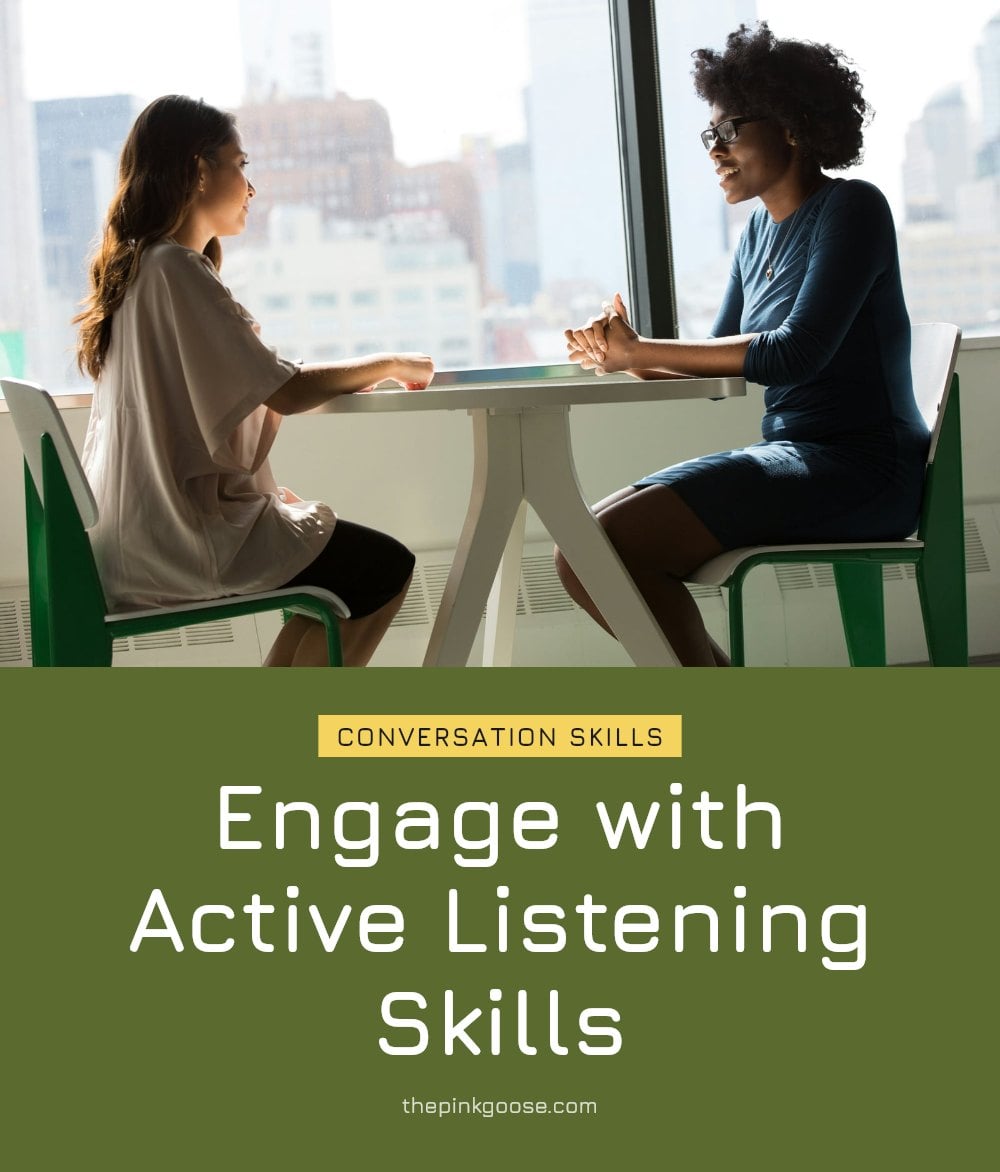
Active listening means you hear what the other person says instead of planning your next line. This lets you pick up cues and ask relevant follow-up questions that keep the conversation flowing.
- My tip: Nod, make eye contact, and offer small verbal affirmations like ‘That’s interesting!’ to show you’re engaged.
3. Ask Open-Ended Questions
Open-ended questions can’t be answered with a simple yes or no, so they encourage longer responses and keep the dialogue moving. They invite the other person to share more about their experiences.
- Tip: Instead of ‘Did you have a good weekend?’, try ‘What was the highlight of your weekend?’ That small change opens up the conversation.
4. Look for Common Ground
Listen for shared interests, experiences, or observations about your surroundings. That common ground becomes the foundation for a real connection, even if the conversation stays brief. Good to know: If they mention a hobby, share a similar interest you have or ask a curious question about theirs. This turns a surface-level chat into something that feels meaningful.
5. Focus on the Other Person

Shift your attention from your own performance to genuine curiosity about the other person. Asking questions about them naturally takes the pressure off you to come up with topics. Pro move: This makes the interaction feel less like an interrogation and more like a two-way exploration. You stop worrying about how you sound and start learning something new.
6. Maintain Comfortable Eye Contact
Maintain comfortable eye contact to show you are present and interested, but avoid staring. A natural gaze that breaks away occasionally signals confidence without intensity. Quick tip: Aim for a look that feels relaxed, not locked in. This simple shift keeps the conversation feeling safe and engaged.
7. Smile and Use Open Body Language

A genuine smile and open body language make you instantly more approachable. Avoid crossing your arms or turning away, as those signal disinterest. Tip: Keep your shoulders relaxed and face the person you are speaking with. This small adjustment invites them to keep talking and builds trust without a word.
8. Practice in Low-Stakes Situations
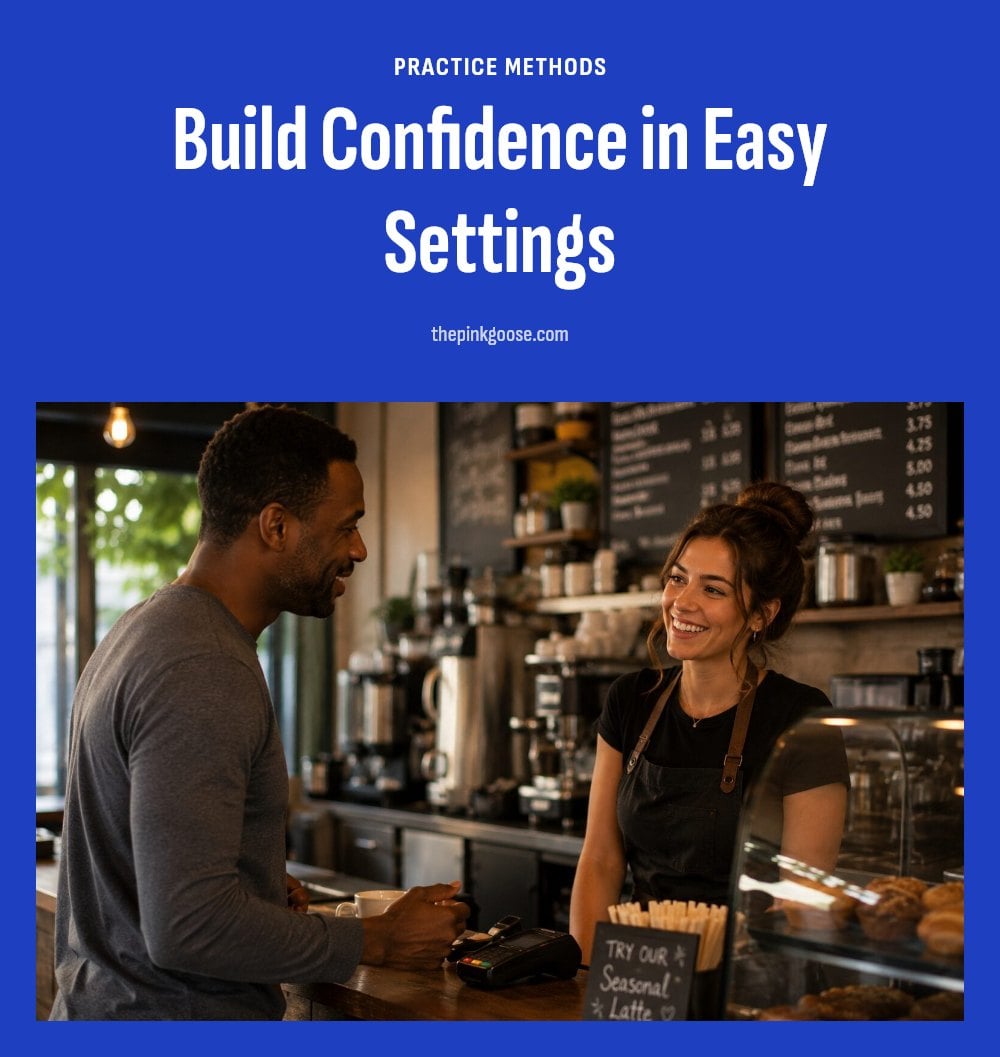
Start with brief, low-pressure interactions to build confidence for bigger events. A barista or cashier is perfect because the exchange is naturally short and low-stakes. Good to know: Ask your barista how their day is going or compliment a cashier on their outfit. Simple, quick, and zero risk if it doesn’t flow perfectly.
9. Know How to Gracefully Exit
Have an exit strategy ready so you never feel trapped in a conversation. Knowing you can leave gracefully reduces anxiety and lets you engage more freely. Pro move: Say something like, ‘It was lovely talking with you, I’m going to grab another drink,’ or ‘I see someone I need to say hello to.’ Normalize exiting when your energy wanes.
10. Don’t Apologize for Being Quiet
Never apologize for being quiet or introverted. Apologizing draws attention to your perceived shortcomings and makes you feel more self-conscious. Quick tip: Own your quiet moments. You don’t need to fill every silence, and silence can actually feel comfortable to others.
11. Be Curious, Not Performative
Shift your mindset from performing to being genuinely curious about the other person. This takes the pressure off and makes interactions feel more authentic and less draining. Tip: Think of small talk as an opportunity to learn something new, not an audition. Curiosity replaces anxiety.
Common Small Talk Mistakes to Avoid
Believing small talk is pointless or inauthentic: It’s a vital social lubricant for building connections, even brief ones. Dismissing it as fake misses its real purpose: creating a comfortable bridge to deeper interaction.
Trying to jump into deep conversations too quickly: Small talk is the warm-up. Respect the natural progression by starting with neutral topics like the event or shared surroundings.
Failing to ask follow-up questions: This leads to one-sided interactions. Show you’re listening by asking more about what they just shared.
Focusing too much on what to say next instead of listening: You’ll miss cues and opportunities for connection. Stay present in the moment.
Dominating the conversation: Allow for back-and-forth exchange. It’s a dialogue, not a monologue.
Bringing up highly controversial or deeply personal topics too early: Keep it light and neutral in the initial stages. Save politics, religion, or personal struggles for later, if at all.
Frequently Asked Questions
Why is small talk so draining for introverts?
Small talk requires a lot of external processing and energy expenditure, which can be especially tiring for introverts who tend to recharge in quieter, less stimulating environments. The constant need to think of topics, read social cues, and maintain engagement can quickly deplete your mental reserves.
How do I keep a conversation going if I run out of things to say?
If the conversation stalls, circle back to something the other person already mentioned and ask a follow-up question. For example, ‘You mentioned you’re into hiking, what’s the best trail you’ve been on recently?’ This shows you were listening and gives you a natural way to keep the dialogue flowing.
Is it rude to end a small talk conversation?
No, it’s not rude as long as you do it gracefully. Having an exit strategy prepared, like saying ‘It was lovely talking with you, I’m going to grab another drink,’ lets you leave without making the other person feel dismissed. It’s better to end a conversation politely than to force yourself to stay when your energy is fading.
What are some good topics for small talk?
Stick with neutral, non-controversial topics like the weather, current events, hobbies, or shared surroundings. Questions tied to the event you’re attending, such as ‘What brought you here tonight?’ or ‘What are you looking forward to today?’ are also safe and effective conversation starters.
Can I improve my small talk skills over time?
Yes, consistent practice is key. Start with low-stakes interactions, like chatting with a barista or cashier, to build confidence. Over time, these small wins add up, making you more comfortable and natural in larger social settings. The goal isn’t perfection, it’s genuine connection.
Final Thoughts
My tip: Start with one low-stakes interaction this week, like asking your barista how their day is going. That small win builds confidence for bigger events. Over time, consistent practice will make small talk feel less like a chore and more like a natural way to connect. Remember, you don’t need to be an extrovert to do this well. Just be curious, listen, and give yourself permission to step away when you need to.
