

If you’ve ever wondered whether toner is just an extra step or something your skin actually needs, you’re not alone. The truth is, modern toners are nothing like the harsh astringents from decades past. This article breaks down the main types of toner, what each does, and how to choose the right one for your skin.
Key Takeaways
- Modern toners hydrate, exfoliate, soothe, or balance skin, unlike old alcohol-based versions.
- Apply toner to damp skin right after cleansing for best absorption.
- Exfoliating toners with AHAs or BHAs can increase sun sensitivity; always use sunscreen.
- Alcohol-free toners are generally safer for dry or sensitive skin.
- Always patch test a new toner, especially exfoliating formulas, to check for reactions.
What Exactly Is Toner and Why Do You Need It?
Toners are liquid skincare products applied after cleansing and before serums or moisturizers. The modern versions are a far cry from the harsh, alcohol-based astringents of the past. Today, they’re designed to hydrate, exfoliate, soothe, or balance your skin, prepping it to absorb the next steps in your routine more effectively. The key is choosing the right toner for your specific skin type and concerns.
How Modern Toners Transform Your Skin
Restoring Your Skin’s Natural Balance
Cleansing can disrupt your skin’s natural pH, leaving it temporarily vulnerable. Toners help restore that balance, creating a neutral canvas for the products you apply next.
Boosting Absorption and Removing Residue
- Primer for your routine: By hydrating and prepping the skin, toners help serums and moisturizers penetrate more deeply and work more effectively.
- Second clean: Some toners can sweep away any residual impurities or makeup your cleanser might have missed, ensuring a truly clean face before you lock in moisture.
Finding Your Perfect Match: Toner Types for Every Skin Concern
Not all toners are created equal. Here’s a quick breakdown to help you match a toner to your skin’s needs.
| Type | Best For | Key Ingredients |
|---|---|---|
| Hydrating | Dry or sensitive skin | Hyaluronic acid, glycerin |
| Exfoliating | Acne-prone or dull skin | AHAs (glycolic, lactic) or BHAs (salicylic) |
| Soothing | Irritated or reactive skin | Rose water, chamomile, aloe vera |
| Balancing | Normal or combination skin | Alcohol-free, pH-restoring ingredients |
Choosing the right type makes all the difference in your results.
Your Skincare Toolkit for Toner Application
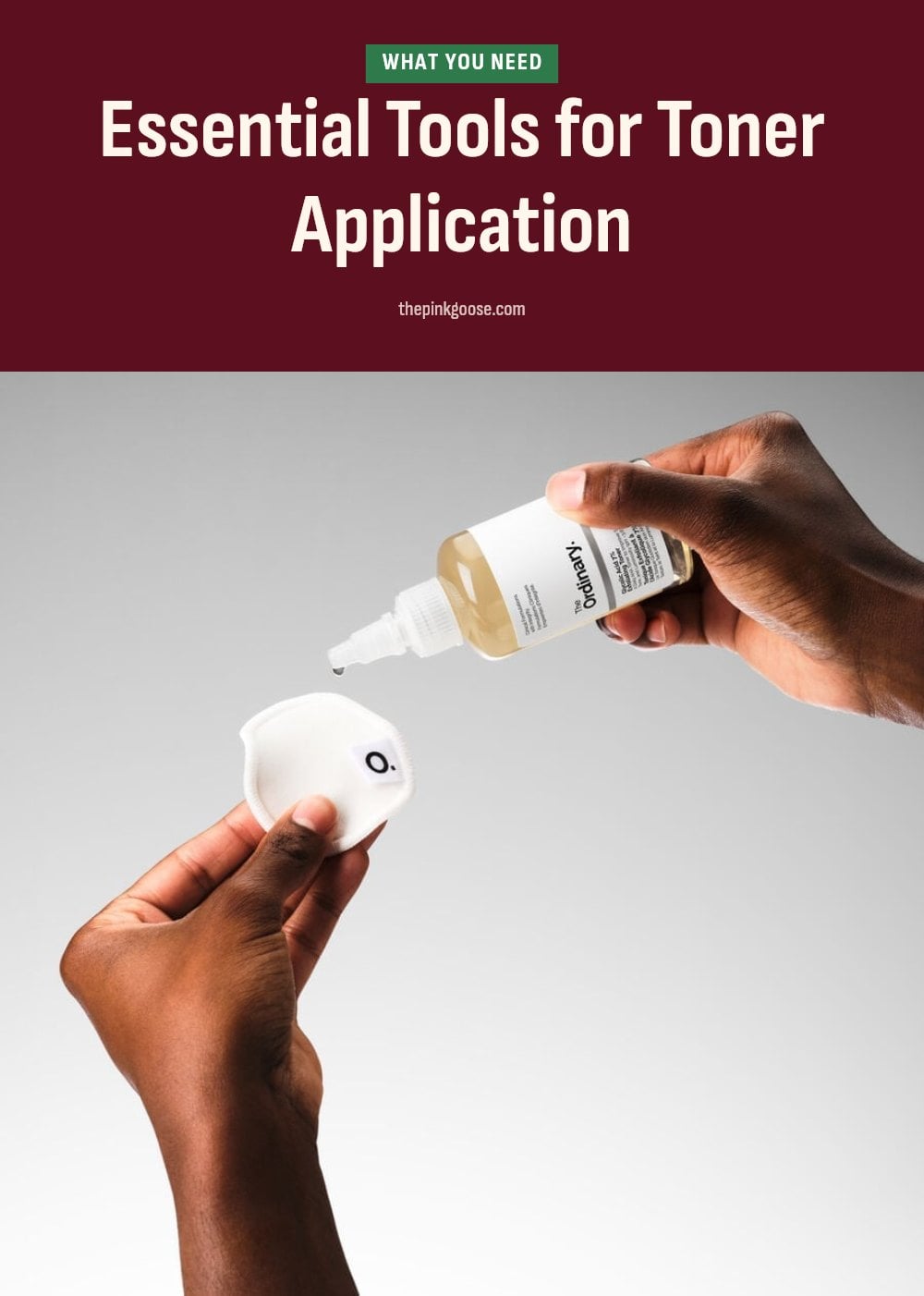
To get the most out of your toner, you’ll need a few basics:
- A gentle cleanser to prep your skin without stripping it.
- Your chosen toner, tailored to your skin’s needs.
- Cotton pads for application, or just your clean hands for a gentler patting method.
- Follow-up products: a serum, a moisturizer, and daily sunscreen (especially if your toner is exfoliating).
How to Properly Apply Toner for Best Results

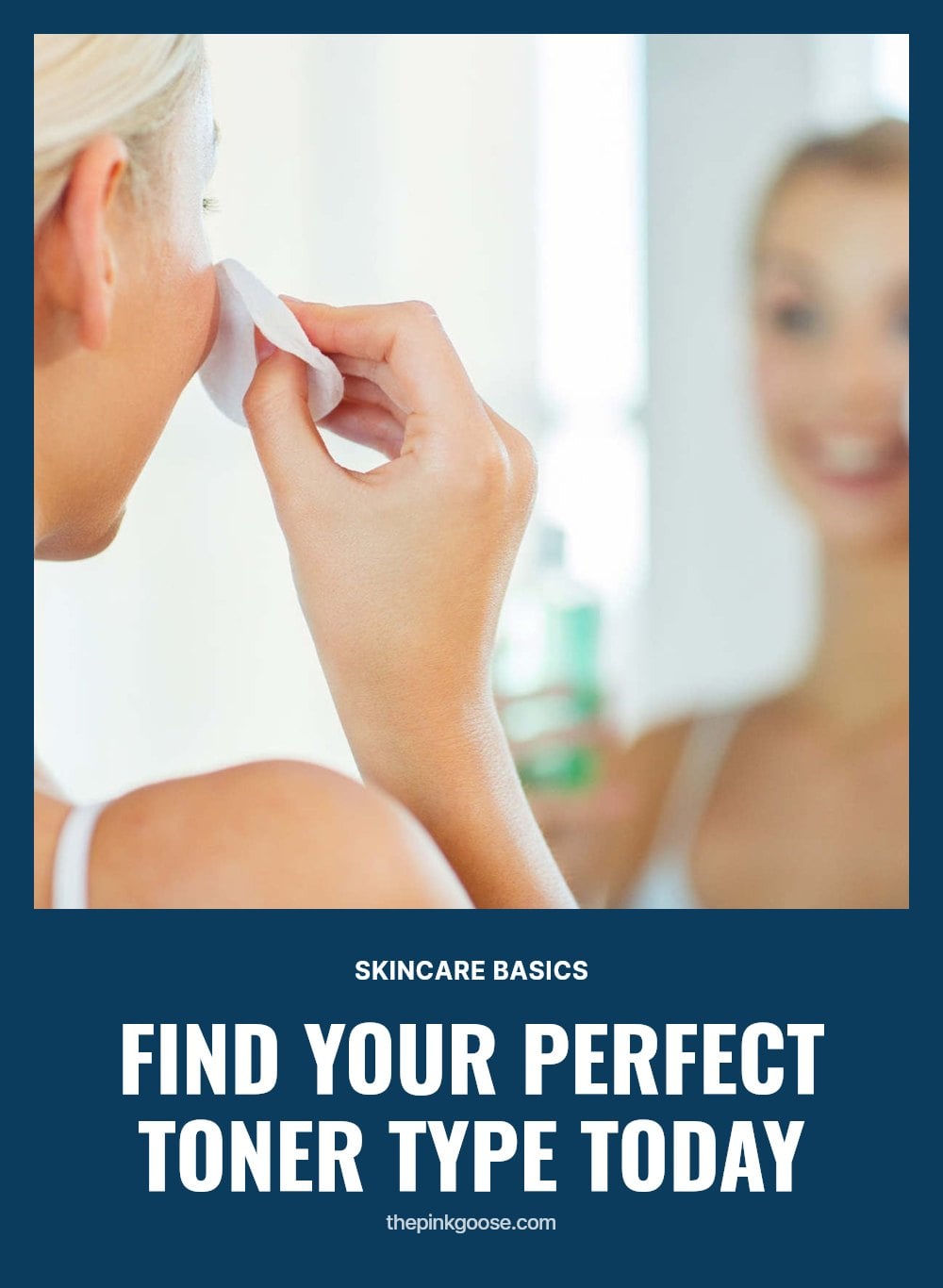
Start with a clean face. Wash with a gentle cleanser, then pat dry until your skin is still slightly damp, not dripping, just moist. This dampness helps the toner absorb deeper and work more effectively.
- Apply the toner: Pour a small amount onto a cotton pad or into your clean palms. If using a pad, sweep it gently over your face and neck in upward motions. If using hands, press the toner into your skin with light patting motions. Avoid rubbing or dragging.
- Wait a few seconds: Let the toner sink in for 15-30 seconds before moving to the next step. Your skin should feel refreshed, not sticky.
- Follow up immediately: While your skin is still slightly damp, apply your serum and moisturizer. This locks in the toner’s benefits and helps the next products penetrate better.
Use toner once or twice daily, depending on your skin’s tolerance. Some exfoliating toners are only recommended a few times a week, always check the product instructions.
Common Toner Mistakes to Avoid
Even a good toner can backfire if used the wrong way. Here are the most common slip-ups and how to avoid them.
- Using the Wrong Toner: Harsh, alcohol-based toners can strip dry or sensitive skin. Instead, choose a hydrating or soothing formula with ingredients like hyaluronic acid or aloe vera.
- Applying to Dry Skin: Toner works best on slightly damp skin. If you let your face dry completely after cleansing, you reduce absorption. Pat on toner while your skin is still moist.
- Over-Exfoliating: Exfoliating toners with AHAs or BHAs are potent. Use them only as often as the label says, and don’t layer them with other strong exfoliants like scrubs or retinol on the same night.
- Skipping Moisturizer: Toner, especially exfoliating types, can leave your skin barrier vulnerable. Always follow with a moisturizer to seal in hydration and protect your skin.
- Expecting Toner to Cleanse: Toner is a secondary step. It can remove leftover traces, but it won’t replace a thorough cleanse. Always remove makeup and wash your face first.
Pro Tips for Maximizing Your Toner’s Benefits
Get the most out of your toner with these simple strategies.
- Patch Test New Toners: Before using a new toner all over your face, apply a small amount behind your ear or on your jawline. Wait 24 hours to check for redness or irritation, especially with exfoliating formulas.
- Listen to Your Skin: Some toners can be used daily, others only a few times a week. If your skin feels tight, red, or starts peeling, cut back the frequency.
- Consider Alcohol-Free: For most skin types, alcohol-free toners are the safest bet. They hydrate and balance without stripping your skin’s natural moisture barrier.
- Sunscreen is Key: Exfoliating toners make your skin more sensitive to the sun. Apply a broad-spectrum sunscreen every morning, even if you only used the toner the night before.
When to Consult a Skincare Professional
Most toner issues resolve with a simple switch in product or routine, but some signs warrant a professional opinion.
- Persistent reactions: If you experience ongoing redness, burning, itching, or peeling after using a toner, stop using it and consult a dermatologist.
- Known skin conditions: If you have eczema, rosacea, or another chronic skin condition, ask a professional before adding a new toner, especially an exfoliating one.
- No improvement: If your skin concerns (like breakouts or dullness) don’t get better after a few weeks of consistent use, a dermatologist can help identify the root cause.
- Complex needs: For personalized advice on combining active ingredients or managing multiple concerns, a skincare professional is your best resource.
Frequently Asked Questions
Can I skip toner in my skincare routine?
Yes, you can skip toner. It is not a mandatory step. However, many people find that using a toner helps balance the skin’s pH after cleansing and improves how well serums and moisturizers absorb, so it can be worth trying if you want to optimize your routine.
How often should I use an exfoliating toner?
It depends on the product and your skin’s tolerance. Many exfoliating toners are designed for use once or twice daily, but if you are new to acids, start with every other day or a few times a week. Always follow the product’s instructions and reduce frequency if you notice irritation.
Is witch hazel good for all skin types?
Witch hazel is known for its astringent properties, which can be helpful for oily or acne-prone skin. However, it may be too drying or irritating for dry or sensitive skin types. If you have sensitive skin, look for alcohol-free witch hazel or choose a different soothing toner.
Can toner replace my cleanser?
No, toner is not a substitute for a proper cleanser. While some toners can help remove residual impurities or traces of makeup, they are not formulated to thoroughly cleanse the skin. Always wash your face with a gentle cleanser before applying toner.
What’s the difference between toner and essence?
Toners are typically applied right after cleansing to balance pH and prep the skin for subsequent products. Essences are usually lighter, water-based products applied after toner, designed to deliver active ingredients and boost hydration. The main difference is the step in the routine and their primary purpose.
Final Thoughts
For most people, adding a toner tailored to your skin type is a simple upgrade that can make the rest of your routine work better. If you have dry or sensitive skin, stick with a hydrating or soothing formula and avoid high-alcohol options. Expect to see subtle improvements in texture and hydration within a few weeks of consistent use. A good toner is a supporting player, not a cure-all, but it can make a real difference.
This article is for informational purposes only and does not constitute medical or professional skincare advice. Every person’s skin is different, and results may vary. If you have persistent skin issues, reactions, or a known skin condition, please consult a dermatologist or qualified skincare professional.
