

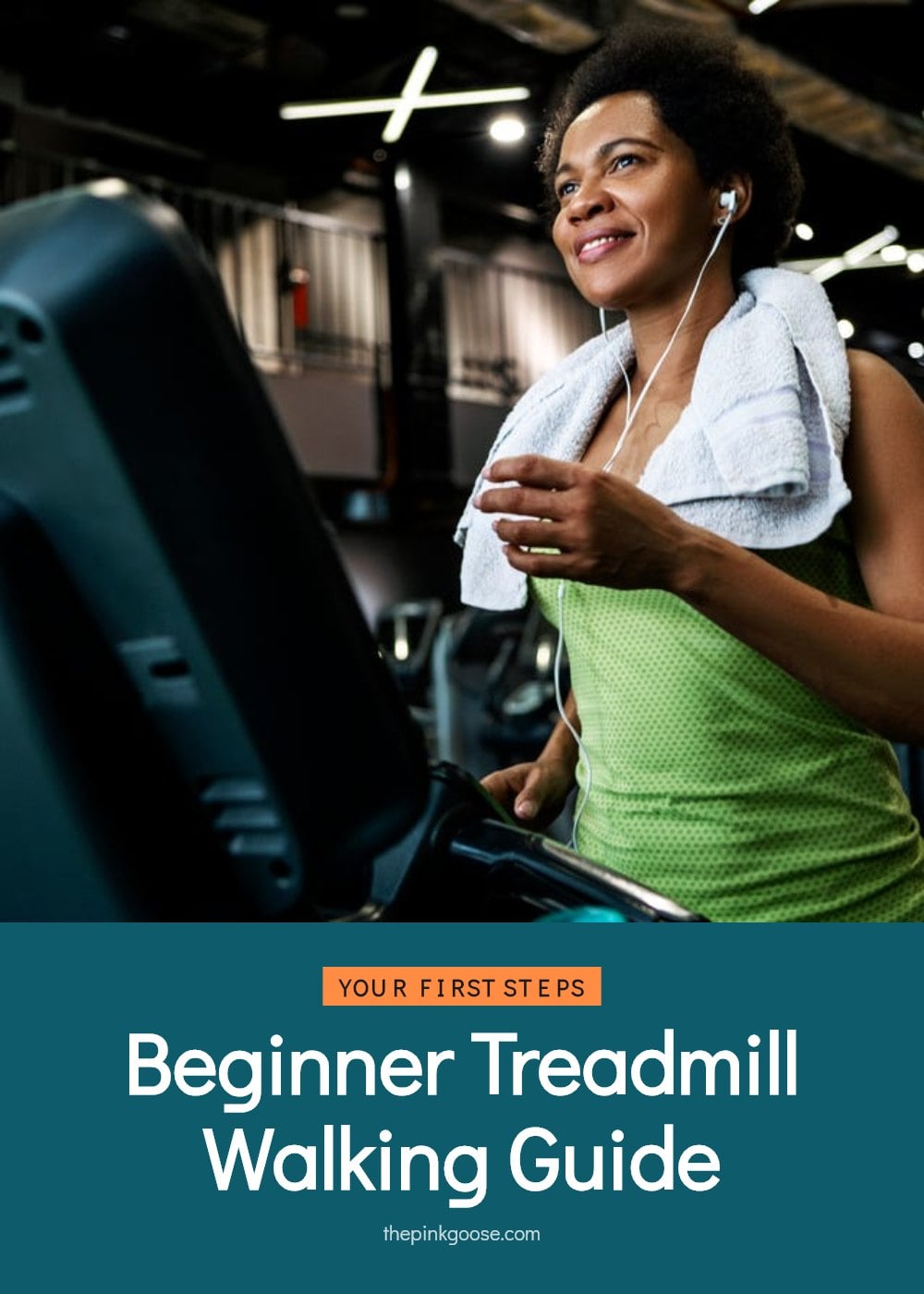
Starting a treadmill routine can feel a bit overwhelming with all those buttons and settings, but it’s one of the most beginner-friendly ways to get moving. The key is to start slow, listen to your body, and build up your endurance over time. This guide covers everything you need to know to start treadmill walking safely, from choosing the right speed and incline to creating a sustainable routine that fits your lifestyle.
Key Takeaways
- Start with a 5-minute warm-up at a slow pace, around 2 mph, before increasing intensity.
- Begin at a walking speed of 2.5 to 3.5 mph, where you can talk but not sing.
- Use a 1-2% incline to better simulate outdoor walking conditions.
- Aim for at least 150 minutes of moderate-intensity walking per week.
- Expect noticeable improvements in cardiovascular fitness within 4 to 6 weeks of consistent walking.
How to Start Treadmill Walking for Fitness
Start each treadmill session with a 5-minute warm-up at a slow pace, around 2 mph, to get your blood flowing. For the main workout, maintain a comfortable walking speed of 2.5 to 3.5 mph if you are a beginner. As your fitness improves, gradually increase the speed or add a slight incline. Always finish with a 5-minute cool-down at a slow pace to help your heart rate return to normal and reduce muscle soreness.
Essential Gear for Your Treadmill Workout
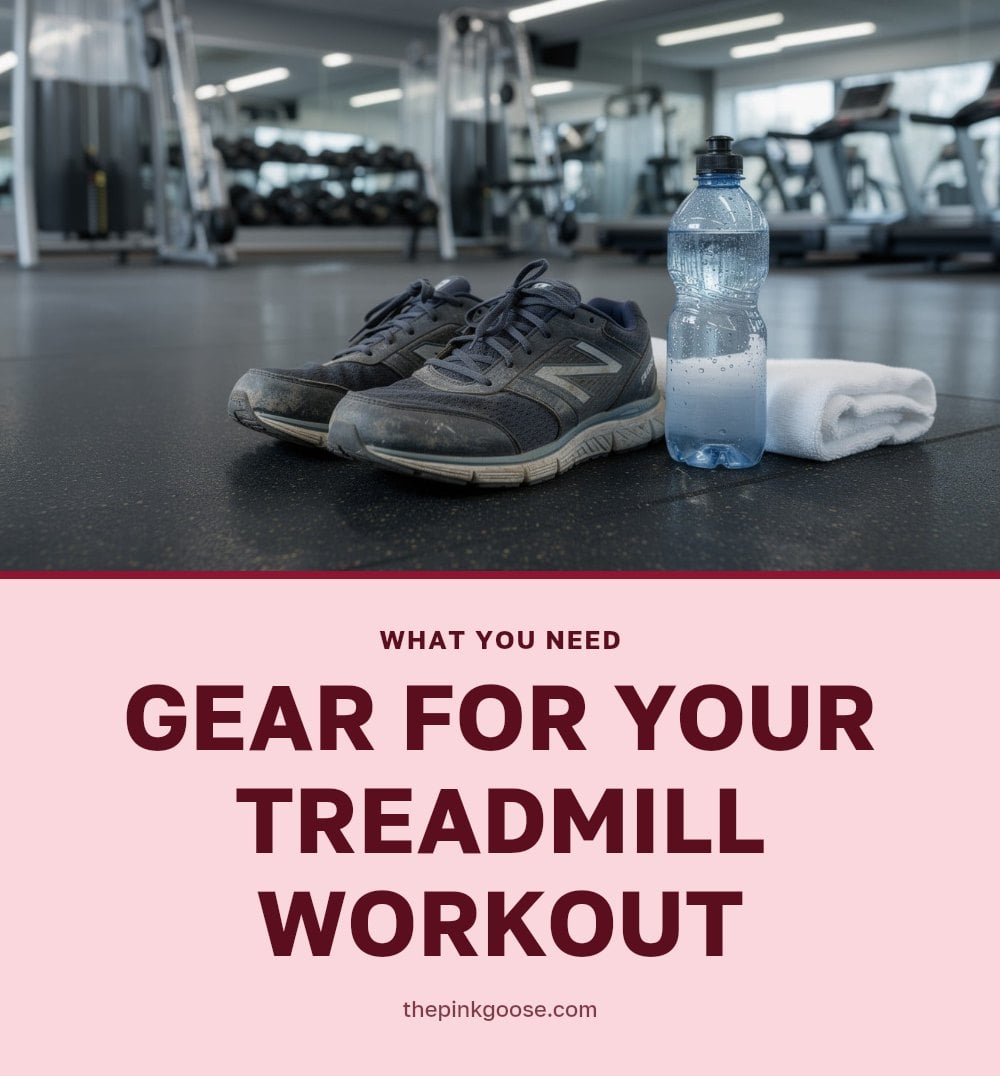
You need a few key items for a safe and comfortable treadmill workout.
- Treadmill: This is your primary tool for indoor walking workouts.
- Athletic shoes: Supportive, well-fitting shoes protect your feet and joints and help prevent injury.
- Comfortable clothing: Wear moisture-wicking fabrics that let you move freely.
- Water bottle: Staying hydrated before, during, and after your walk is essential.
- Towel: Keep one handy to wipe sweat from the console or your face.
Step-by-Step: Your First Treadmill Walking Session
Consult your doctor before starting: If you have any health conditions, have been inactive for a long time, or are pregnant, talk to your doctor first. This is especially important because treadmill walking is a new stress on your body, and a professional can confirm it is safe for you.
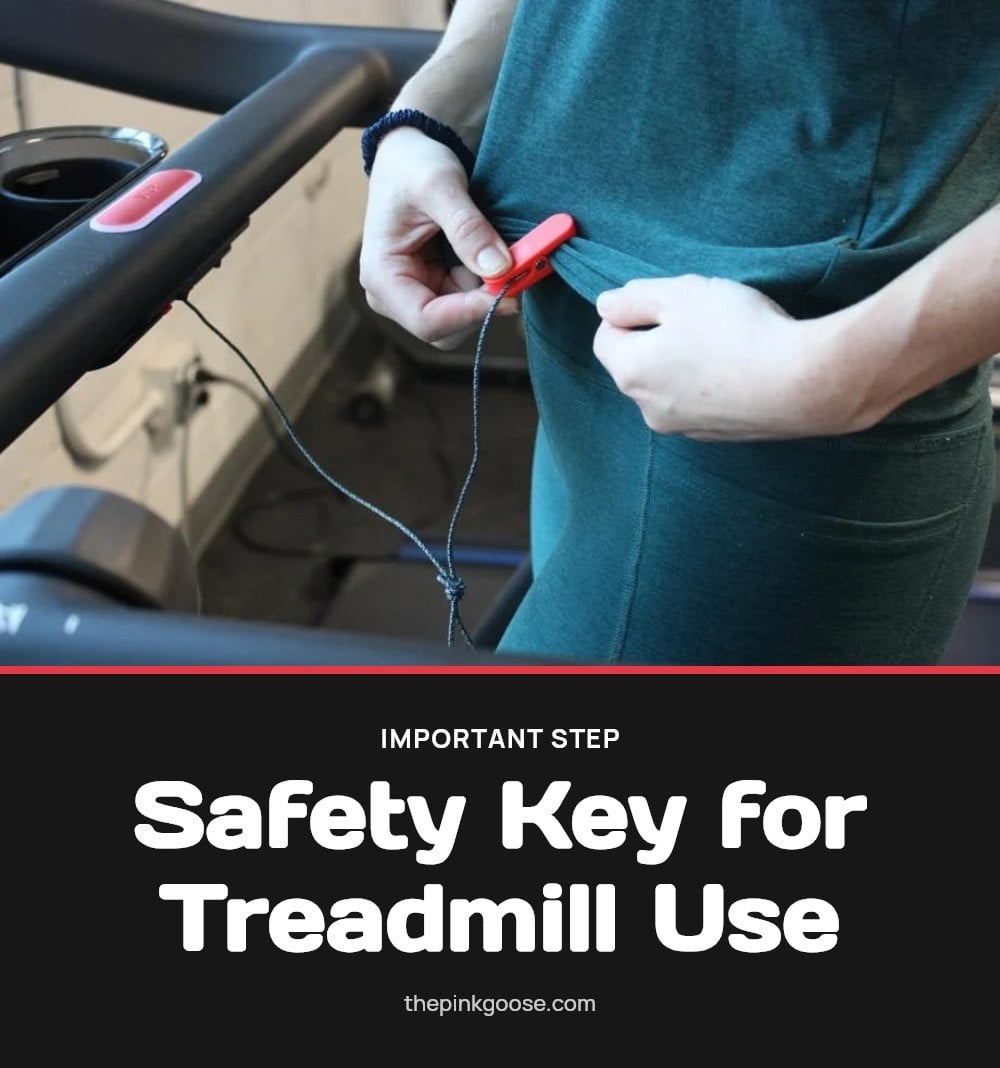
- Clip the safety key: Attach the safety key to your clothing before you step on. If you lose your balance, the key pulls out and stops the belt immediately. This is a simple step that prevents falls.
- Warm up for 5 minutes: Set the speed to 2 mph and the incline to 0%. Walk at this easy pace for the full 5 minutes. This gradually raises your heart rate and loosens your muscles, which reduces the risk of strain.
- Set your starting speed and incline: After the warm-up, increase the speed to 2.5 or 3 mph. Keep the incline at 0% for your first few sessions. You should be able to hold a conversation without gasping for air. If you cannot, slow the speed down by 0.3 mph.
- Check your posture: Stand tall with your shoulders back and down. Look straight ahead, not down at your feet. Engage your core by pulling your belly button slightly toward your spine. Let your arms swing naturally at your sides. Avoid leaning forward or backward.
- Cool down for 5 minutes: When your workout time is up, lower the speed back to 2 mph and the incline to 0%. Walk slowly for 5 minutes. This helps your heart rate return to normal gradually and can reduce muscle soreness afterward.
Understanding Speed and Incline for Effective Workouts
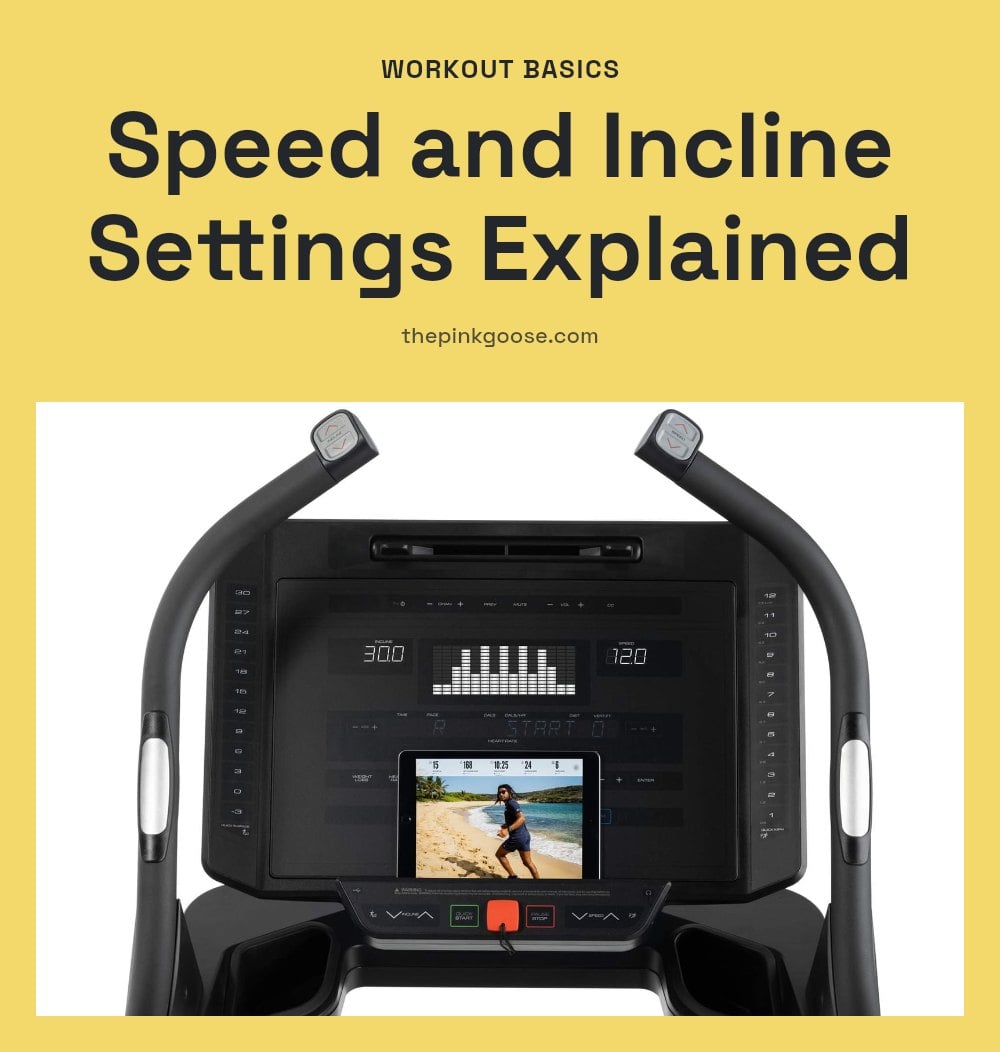
Choosing the right speed and incline helps you get the most from your walk without overdoing it.
Beginner walking speed
Start at a speed between 2.5 and 3.5 mph. This range feels like a natural, steady walk. A brisk pace where you can talk but not sing is considered moderate-intensity exercise.
Incline settings
Treadmill inclines typically range from 0% to 15% or more. A 1-2% incline can better simulate outdoor walking by accounting for air resistance. Beginners should start at 0% incline and add 1% only after they feel comfortable at a steady speed.
Progressing over time
Once you can walk at 3.5 mph for 30 minutes without strain, try increasing the incline by 1% or the speed by 0.5 mph. Small, gradual changes build stamina safely.
Common Treadmill Walking Mistakes to Avoid
Starting too fast or at a steep incline is a common mistake. It leads to quick fatigue and can strain your muscles. Begin at a speed of 2.5 mph with no incline, then increase gradually over several sessions.
Holding the handrails: Gripping the rails reduces calorie burn and throws off your posture. Use them only for balance when stepping on or off, not during the walk itself.
Skipping warm-up and cool-down: A 5-minute slow warm-up and a 5-minute cool-down help prevent injury and muscle soreness. Never skip them.
Poor footwear and posture: Worn-out shoes or sandals can cause discomfort. Wear supportive athletic shoes. Keep your shoulders back, core engaged, and look forward, not down at your feet.
Maximizing Your Treadmill Workout Results

Stay hydrated: Keep a water bottle handy and take small sips throughout your walk. Dehydration can cause fatigue and reduce performance.
Try interval training: Alternate 1 minute at a brisk pace (3.5-4 mph) with 2 minutes at a comfortable recovery pace. This improves cardiovascular fitness faster than steady-paced walking.
Be consistent: Aim for at least 150 minutes of moderate-intensity walking per week. That breaks down to 30 minutes, 5 days a week.
Use incline and speed for weight loss: Increasing the incline to 3-5% or adding short bursts of speed raises calorie burn without needing longer sessions.
Workout Frequency and When to Expect Results
For steady progress, schedule 3 to 5 treadmill sessions per week. Each session can last 20 to 45 minutes depending on your fitness level.
When to expect results: Many people notice improved cardiovascular fitness and endurance within 4 to 6 weeks of consistent walking. You may feel less winded during daily activities and recover faster between intervals.
Long-term benefits: Consistency matters more than intensity. Sticking with your routine for several months builds lasting changes in heart health, stamina, and body composition.
When to Consult a Doctor About Your Treadmill Routine
Before starting any new exercise program, consult your doctor, especially if you have a chronic condition, are pregnant, or have been inactive for a long time.
Stop immediately and seek medical help if you experience:
- Chest pain or pressure
- Severe shortness of breath
- Dizziness or lightheadedness
- Nausea during or after exercise
These symptoms may signal a serious issue. Do not continue until a healthcare professional clears you.
Frequently Asked Questions
How long should a beginner walk on a treadmill?
A good starting point for a beginner is 20 to 30 minutes per session. This includes a 5-minute warm-up, 10 to 20 minutes of steady walking at a comfortable pace, and a 5-minute cool-down. You can gradually increase the duration as your fitness improves.
Is walking on a treadmill as good as walking outside?
Yes, treadmill walking can be just as effective as walking outdoors for cardiovascular fitness and calorie burn. A slight incline of 1-2% can help mimic outdoor conditions by accounting for the lack of air resistance. The treadmill also offers the benefit of a controlled environment and adjustable settings.
Can I lose weight by just walking on a treadmill?
Yes, walking on a treadmill can contribute to weight loss, especially when combined with a healthy diet. To increase calorie expenditure, you can gradually raise the incline or speed. Consistency is key, and aiming for at least 150 minutes of moderate-intensity walking per week is a solid goal.
What is a good treadmill incline for beginners?
Beginners should start with the treadmill at 0% incline. Once you feel comfortable, you can add a slight incline of 1-2% to better simulate outdoor walking. Avoid steep inclines until you have built a solid foundation of fitness and stability.
How often should I use the treadmill as a beginner?
As a beginner, aim for 3 to 5 sessions per week. This frequency allows for consistent progress while giving your body adequate rest and recovery between workouts. Each session can last 20 to 45 minutes, depending on your current fitness level.
Final Thoughts
For the best results, stick with a consistent schedule of 3 to 5 sessions per week, each lasting 20 to 45 minutes. Remember that progress takes time, and many people see real improvements in their endurance and overall fitness within 4 to 6 weeks. The most important thing is to keep showing up and gradually challenge yourself as you get stronger.
This article provides general information for educational purposes only and is not a substitute for professional medical advice. Always consult your doctor before starting any new exercise program, especially if you have a chronic condition, are pregnant, or have been inactive for a long time. Stop exercising immediately and seek medical help if you experience chest pain, dizziness, or severe shortness of breath.
