

If you find yourself counting down the minutes on the treadmill, you are not alone. The key to making your cardio sessions fly by is to mix things up with speed changes, incline variations, and even stepping off the belt for a quick bodyweight break. This article covers several dynamic treadmill workout ideas that can keep you engaged and help you see better results, so you never have to suffer through a boring session again.

Key Takeaways
- Aim for 3-5 treadmill workouts per week for consistent progress.
- Incline walking at 5-8% targets glutes and hamstrings more than flat running.
- Fartlek intervals let you alternate between jogging and running based on how you feel.
- A pyramid climb gradually increases incline to 10-12% then decreases it.
- Always warm up for 5-10 minutes and cool down with stretching to prevent injury.
1. Warm-Up Walk
Start on a flat belt or a very low incline (0-1%) and set the speed to a comfortable 2-3 mph. Walk for 5-10 minutes, letting your heart rate rise gradually. Keep your arms loose and swinging naturally, and land heel-to-toe with each step.
- Time: 5-10 minutes
- Form cue: Swing arms lightly, shoulders relaxed, gaze forward
- Make it easier or harder: Adjust speed up or down by 0.5 mph, or keep the belt flat
2. Incline Power Walk
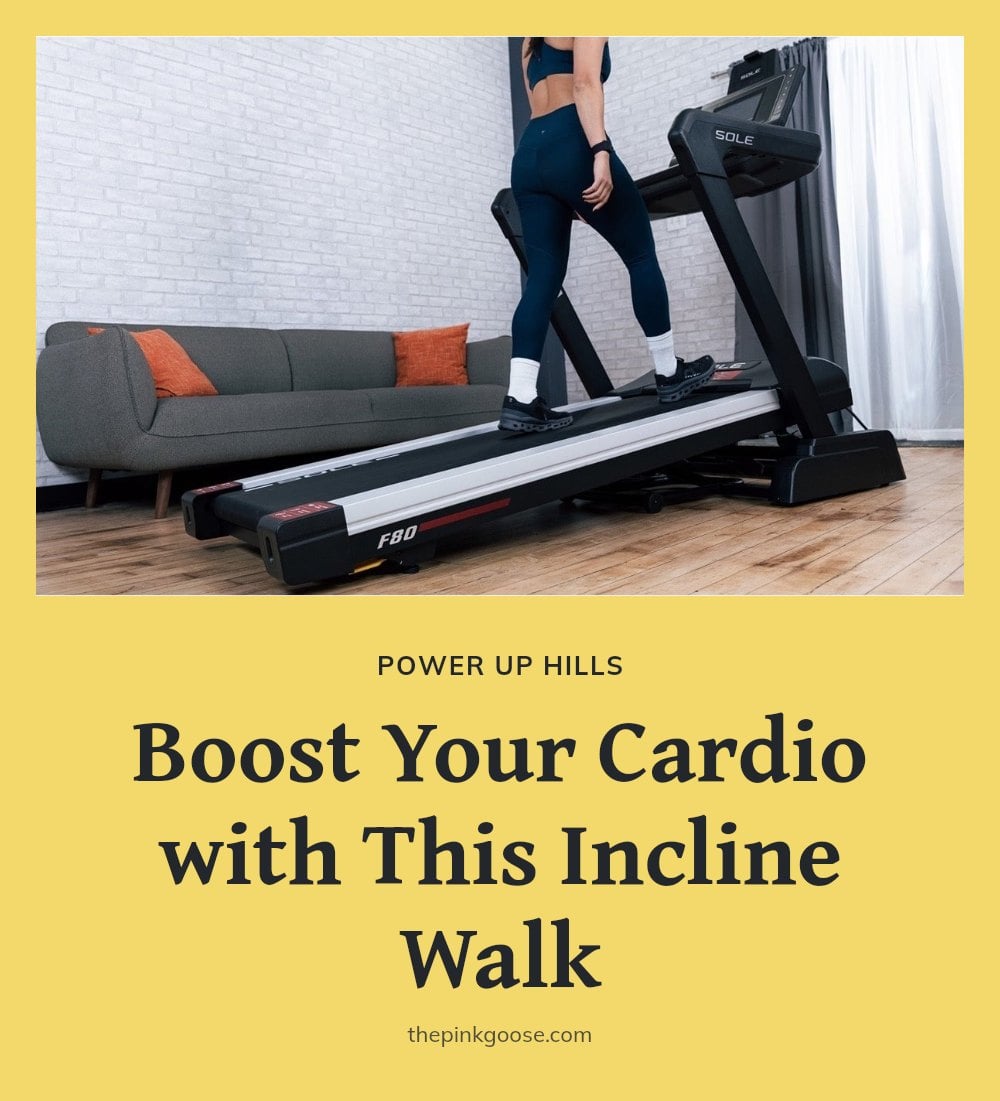
Raise the incline to 5-8% and pick a pace where you can still speak a few words but feel a little breathless. Push off from your toes with each step to engage your glutes and hamstrings. Keep your torso upright and avoid leaning on the handrails.
- Time: 15-30 minutes
- Form cue: Drive through your toes, squeeze glutes at the top of each step
- Make it easier or harder: Lower incline to 3-4% or increase to 10-12%; slow down or speed up by 0.5 mph
3. Speed Play (Fartlek) Intervals
Fartlek means “speed play” in Swedish. Alternate between comfortable jogging and short bursts of faster running, letting how you feel guide the pace. Try 2 minutes of jogging followed by 1 minute of running, and repeat for 20-30 minutes.
- Time: 20-30 minutes
- Form cue: Keep your stride short and quick during bursts, land midfoot
- Make it easier or harder: Extend jog intervals to 3 minutes or shorten to 1 minute; increase burst speed by 0.5-1 mph
4. Pyramid Climb

Set the treadmill to a steady walking or easy jogging speed. Every 2 minutes, raise the incline by 1% until you reach a peak of 10-12%. Hold that peak for 2-3 minutes, then lower the incline by 1% every 2 minutes back to flat.
- Time: 20-30 minutes total (10-15 up, 2-3 peak, 10-15 down)
- Form cue: Keep your pace constant; shorten your stride slightly as incline rises
- Make it easier or harder: Peak at 8% instead of 12%, or increase speed by 0.5 mph on the descent
5. Walk-to-Run Intervals
Start with a 3-minute brisk walk at a pace that feels challenging but sustainable. Then reduce speed to a light jog for 2 minutes. Repeat this cycle for 20-30 minutes, and as your fitness improves, gradually extend the jogging intervals.
- Sets and reps: 4-6 cycles of 3 min walk + 2 min jog
- Form cue: Keep your shoulders relaxed and land midfoot during the jog
- Make it easier or harder: Shorten the jog to 1 minute, or lengthen it to 3 minutes
6. Bodyweight Blast (Off-Treadmill)
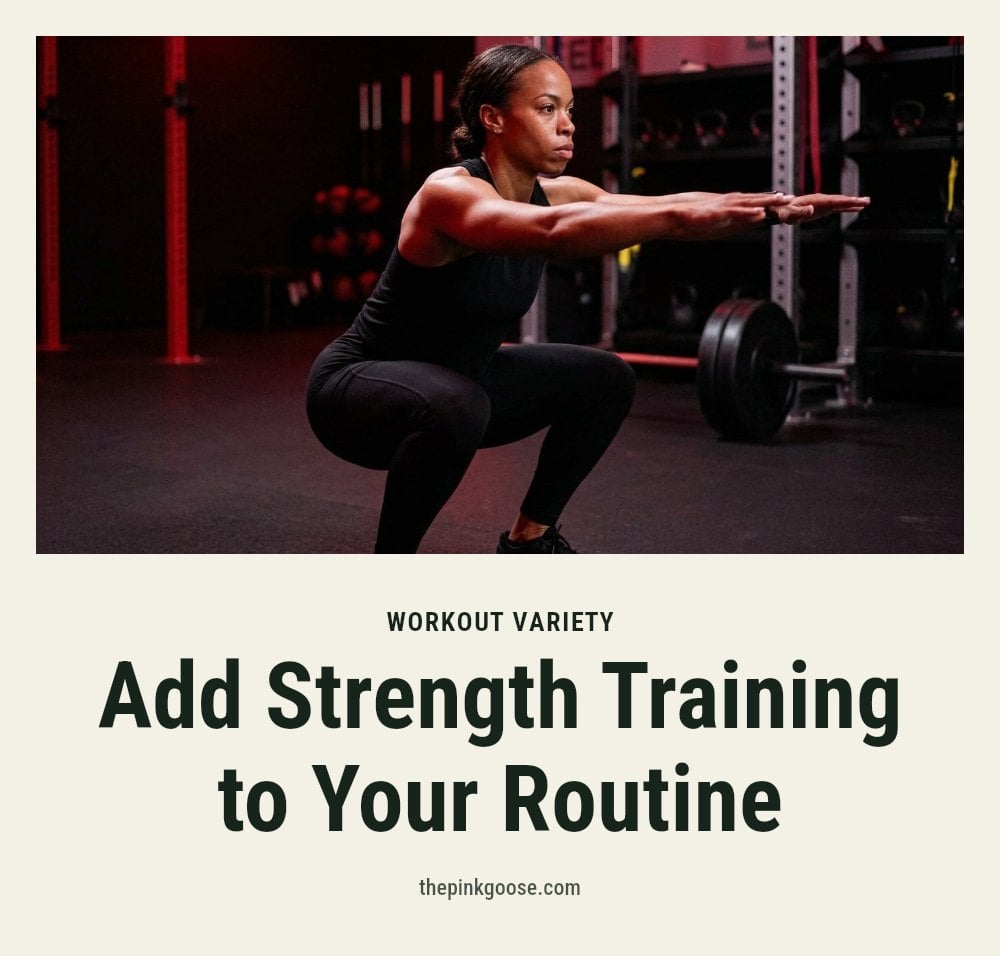
After completing your warm-up walk (5-10 minutes), step off the treadmill for a 2-3 minute bodyweight circuit. This adds strength work and breaks up the cardio monotony. Squats, lunges, and planks target your legs, glutes, and core all at once.
- Sets and reps: 3 rounds of 10-12 squats, 10 lunges per leg, 30-second plank
- Form cue: Keep your knees tracking over your toes during squats and lunges
- Make it easier or harder: Reduce reps to 8, or add 5 push-ups per round
7. Backward Walking Challenge
Set the treadmill to a very slow speed (1-2 mph) and hold the handrails for balance. Carefully walk backward for 30-60 seconds, then turn forward and walk normally for a minute. This challenges different leg muscles and improves balance.
- Sets and reps: 3-5 intervals of 30-60 seconds backward
- Form cue: Keep your torso upright and take short, controlled steps
- Make it easier or harder: Start with 20 seconds, or increase to 90 seconds
8. Cool-Down Walk and Stretch
Reduce the treadmill speed to 2-3 mph and the incline to 0%. Walk at this gentle pace for 5-10 minutes, letting your heart rate come down. After stepping off, stretch your hamstrings, quads, and calves, holding each stretch for 20-30 seconds.
- Time: 5-10 min walk + 5 min stretching
- Form cue: Breathe deeply and avoid bouncing during stretches
- Make it easier or harder: Walk for 3 minutes if short on time, or add a hip flexor stretch
Weekly Treadmill Workout Schedule
Aim for 3-5 treadmill workouts per week to build consistency. Mix and match the ideas from this article to keep your routine fresh and challenging.
| Day | Workout Idea | Notes |
|---|---|---|
| Monday | Incline Power Walk | Focus on glute engagement |
| Tuesday | Speed Play (Fartlek) | Listen to your body |
| Wednesday | Rest or light walk | Active recovery |
| Thursday | Pyramid Climb | Steady pace throughout |
| Friday | Walk-to-Run Intervals | Smooth transitions |
| Saturday | Bodyweight Blast | Includes treadmill walking intervals between sets of squats, lunges, and planks off the belt |
| Sunday | Rest or gentle walk | Listen to your body |
Take rest days when you need them. Your body adapts and grows stronger during recovery.
Common Treadmill Mistakes to Avoid
Holding onto the Handrails: This reduces calorie burn and can lead to poor posture. Let your arms swing naturally to engage your core and maintain balance.
Skipping Warm-Up and Cool-Down: Always dedicate 5-10 minutes to warm up and cool down to prevent injury and stiffness. A gentle start and finish help your body transition safely.
Doing the Same Workout Every Time: Variety challenges your body and mind. Mix up speed, incline, and workout types to avoid plateaus and boredom.
Ignoring Pain: Sharp or persistent discomfort is your body’s way of telling you to stop. Listen to it and adjust your pace, incline, or take a rest day.
Frequently Asked Questions
How often should I do treadmill workouts?
Aim for 3 to 5 treadmill sessions per week. Consistency matters more than intensity, so choose a frequency you can stick with. Rest days between workouts allow your muscles to recover and help prevent overuse injuries.
Can I lose weight just by using a treadmill?
Yes, using a treadmill can help with weight loss when combined with a balanced diet. Treadmill workouts burn calories, and varying the speed and incline can increase calorie burn. For best results, pair your cardio with strength training and a healthy eating plan.
What should I wear for a treadmill workout?
Wear comfortable workout clothing and supportive athletic shoes. Your shoes should fit well and provide cushioning for running or walking. A water bottle is essential for hydration, and you may also want headphones and a towel.
Is it bad to hold onto the treadmill handrails?
Yes, holding onto the handrails reduces the effectiveness of your workout by lowering calorie burn and encouraging poor posture. Let your arms swing naturally to engage your core and maintain balance. Only use the handrails when stepping on or off the treadmill.
How can I make my treadmill workout more challenging?
Increase the incline to engage different muscles, try interval training with short bursts of higher speed, or add bodyweight exercises like squats and lunges during walking intervals. You can also try backward walking at a slow speed for a new challenge.
Final Thoughts
Pick one or two of the workout ideas and try them this week. You might start with the incline power walk on Monday and the fartlek intervals on Wednesday. With consistent effort, you can expect to notice improvements in your endurance and overall fitness within a few weeks. The most important thing is to keep your routine fresh and listen to your body.
This article is for general informational purposes only and does not constitute medical or fitness advice. Before starting any new exercise program, consult a doctor or qualified fitness professional, especially if you have underlying health conditions. Stop immediately if you experience pain, dizziness, or shortness of breath.