

That red, angry pimple that shows up right before an important event is the worst. You want it gone fast, but the wrong move can make it stick around longer or leave a mark. This article covers the best ways to treat a pimple at home, the common mistakes that make things worse, and how to prevent future breakouts.
Key Takeaways
- Apply a spot treatment with salicylic acid or benzoyl peroxide directly to the pimple on clean, dry skin.
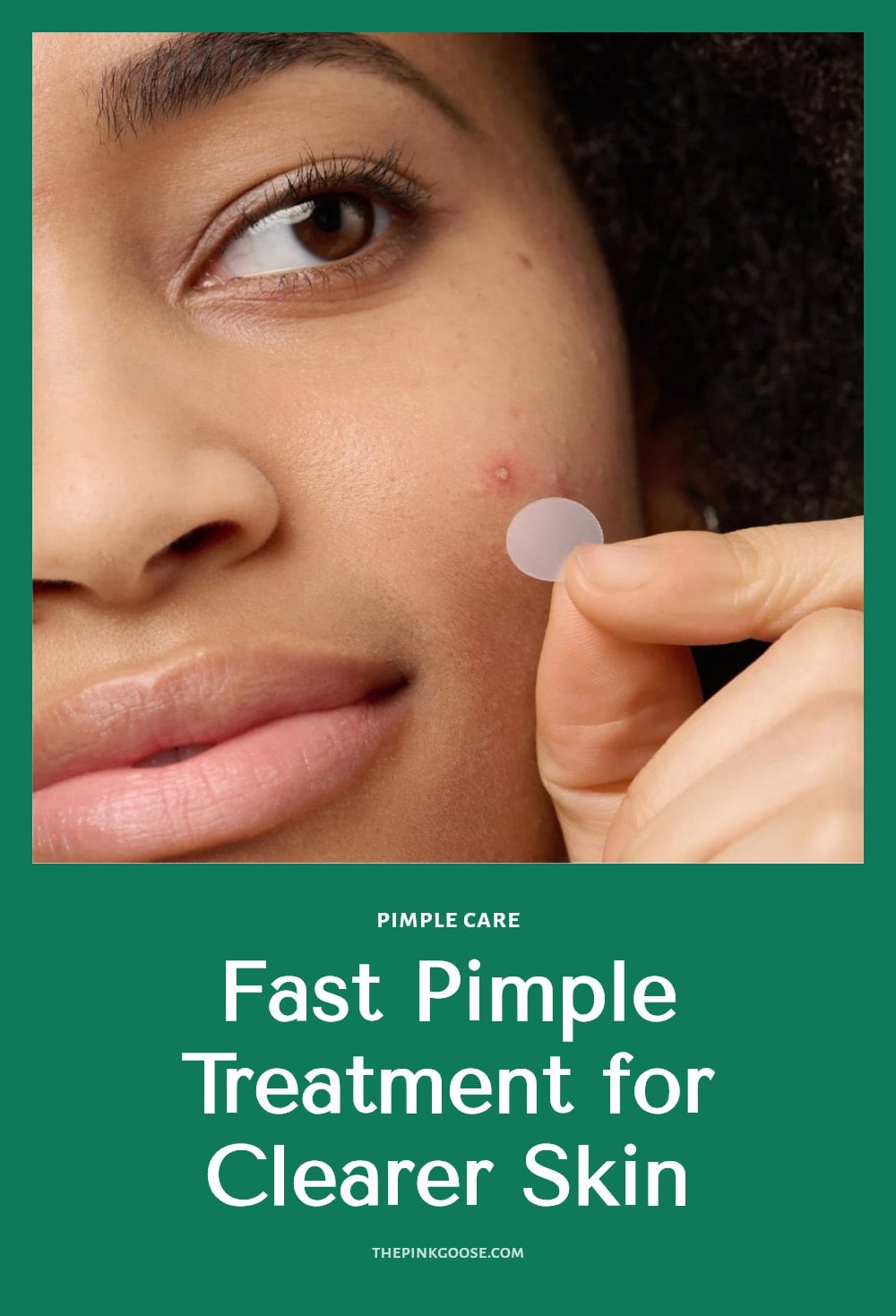
- Use a hydrocolloid patch on whiteheads or pimples that have come to a head to absorb fluid and prevent picking.
- Never pick, squeeze, or pop a pimple; it can cause scarring and make the infection worse.
- Cleanse gently twice a day with a mild cleanser and always follow with a non-comedogenic moisturizer.
- Wear sunscreen daily, especially when using active ingredients like salicylic acid or benzoyl peroxide.
How to Quickly Treat an Individual Pimple
When a pimple pops up, act fast. Apply a spot treatment with salicylic acid to exfoliate inside the pore or benzoyl peroxide to kill bacteria. For whiteheads, a hydrocolloid patch works best. It absorbs fluid, protects the blemish from picking, and creates a moist environment for healing.
Why Pimples Appear and How They Form
What Happens Beneath the Surface
A pimple starts when a hair follicle gets clogged with excess oil (sebum) and dead skin cells. This plug creates a perfect environment for bacteria, specifically Cutibacterium acnes, to multiply.
Your immune system responds with inflammation, which causes the redness, swelling, and tenderness you see. That’s why a pimple isn’t just a clogged pore. It’s an inflammatory reaction. Understanding this helps you choose treatments that target both the blockage and the bacteria.
Your Essential Pimple-Fighting Arsenal
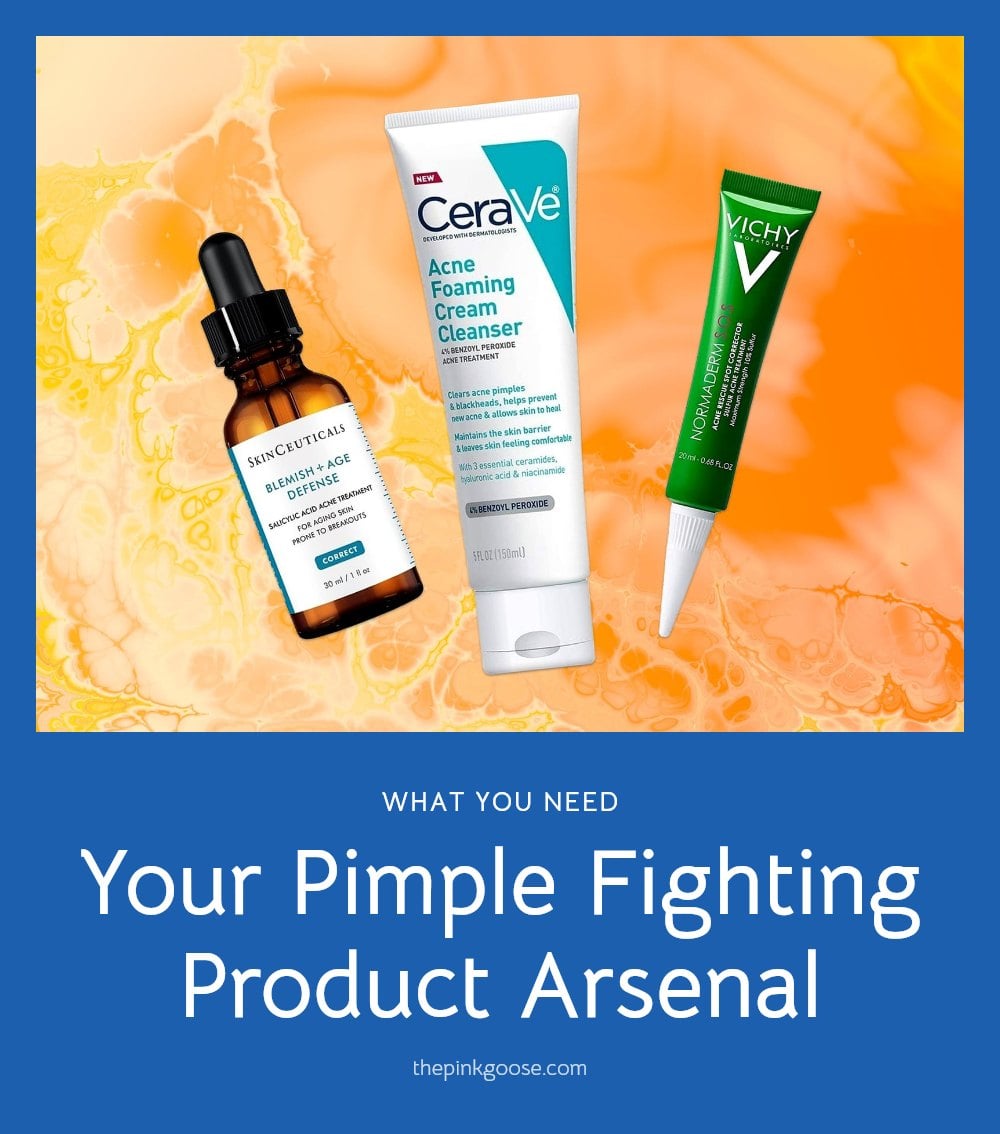
Keep these six items in your routine for effective pimple management.
- Mild facial cleanser: Gently removes excess oil and dirt without stripping the skin.
- Salicylic acid spot treatment: A BHA that unclogs pores and calms inflammation.
- Benzoyl peroxide spot treatment: Kills acne-causing bacteria and helps shed dead skin cells.
- Hydrocolloid pimple patches: Absorb fluid from whiteheads and shield the blemish.
- Non-comedogenic moisturizer: Keeps the skin barrier healthy without clogging pores.
- Sunscreen (SPF 30+): Daily protection is essential, especially when using active ingredients that increase sun sensitivity.
Effective Ways to Treat a Pimple at Home
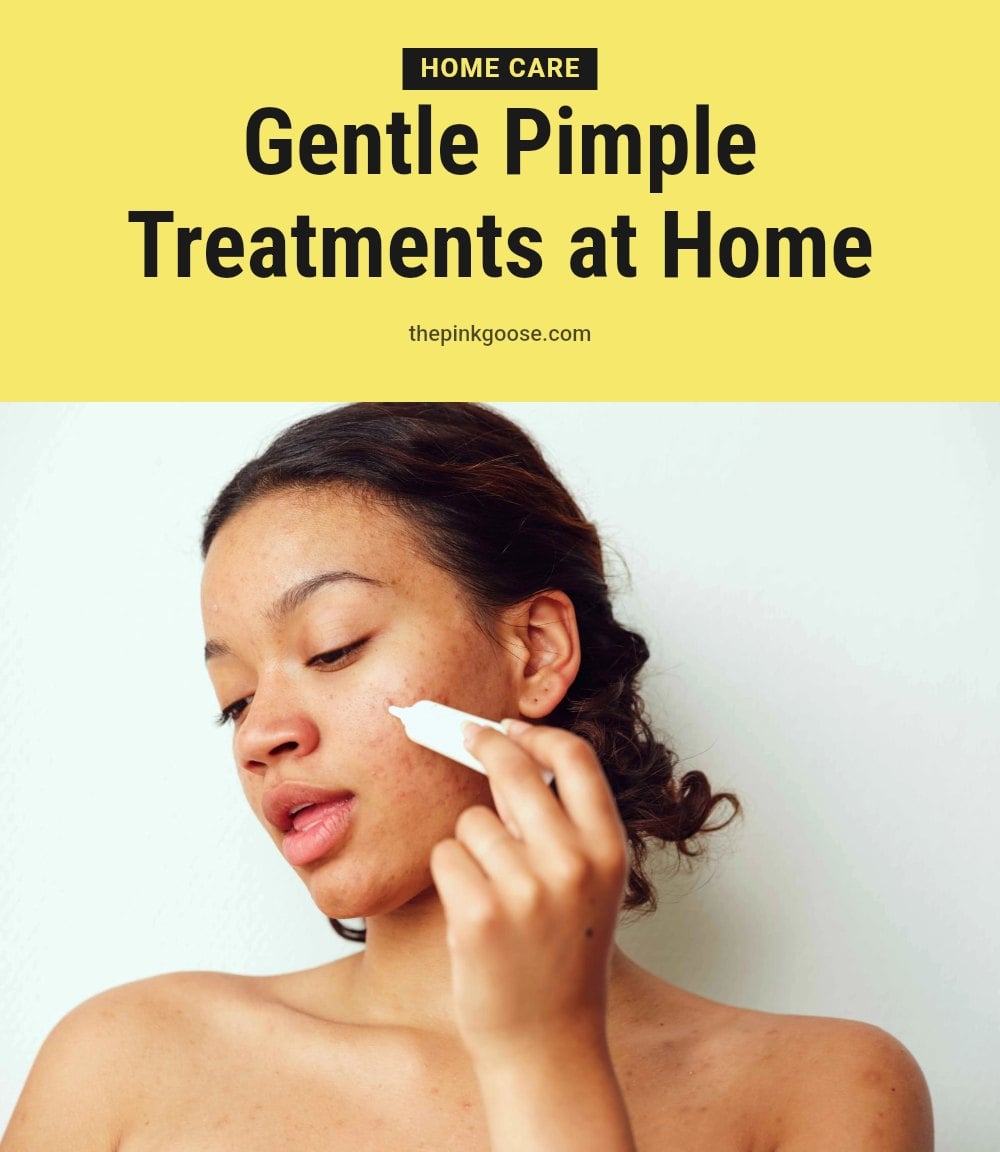
Start by gently cleansing the area with a mild cleanser and patting it dry. This removes surface bacteria and oil so the treatment can work.
Spot treat with active ingredients: Apply a thin layer of salicylic acid or benzoyl peroxide directly to the pimple. Use only a tiny amount, more doesn’t mean faster results and can cause irritation. My tip: Wait 2-3 minutes after applying before moving to the next step so the product absorbs.
Use a hydrocolloid patch on whiteheads: Stick it on a pimple that has come to a head. Leave it on for several hours or overnight. It draws out pus and fluid while protecting the spot from picking and bacteria.
Apply ice for inflamed pimples: Wrap an ice cube in a clean cloth and hold it on the pimple for 1-2 minutes. The cold constricts blood vessels, reducing swelling and redness.
Moisturize to protect your skin barrier: Even with active treatments, a non-comedogenic moisturizer prevents over-drying. Dry skin can trigger more oil production, which may lead to new breakouts.
Common Pimple Treatment Mistakes to Avoid
The biggest mistake is picking or squeezing a pimple. This pushes bacteria deeper, increases inflammation, and can cause permanent scarring or dark spots. Harsh scrubbing or over-exfoliating is another common error; it strips the skin and worsens irritation.
Mistake: Applying toothpaste or other unproven home remedies. These can cause chemical burns or contact dermatitis, making the pimple angrier. Using too many strong treatments at once, say, salicylic acid plus benzoyl peroxide plus a scrub, leads to excessive dryness and a compromised skin barrier.
Caution: Don’t neglect your overall routine while spot-treating. Skipping moisturizer or cleanser can trigger more oil production and breakouts. Stick to gentle basics alongside your targeted treatment.
Preventing Future Breakouts and Keeping Skin Clear
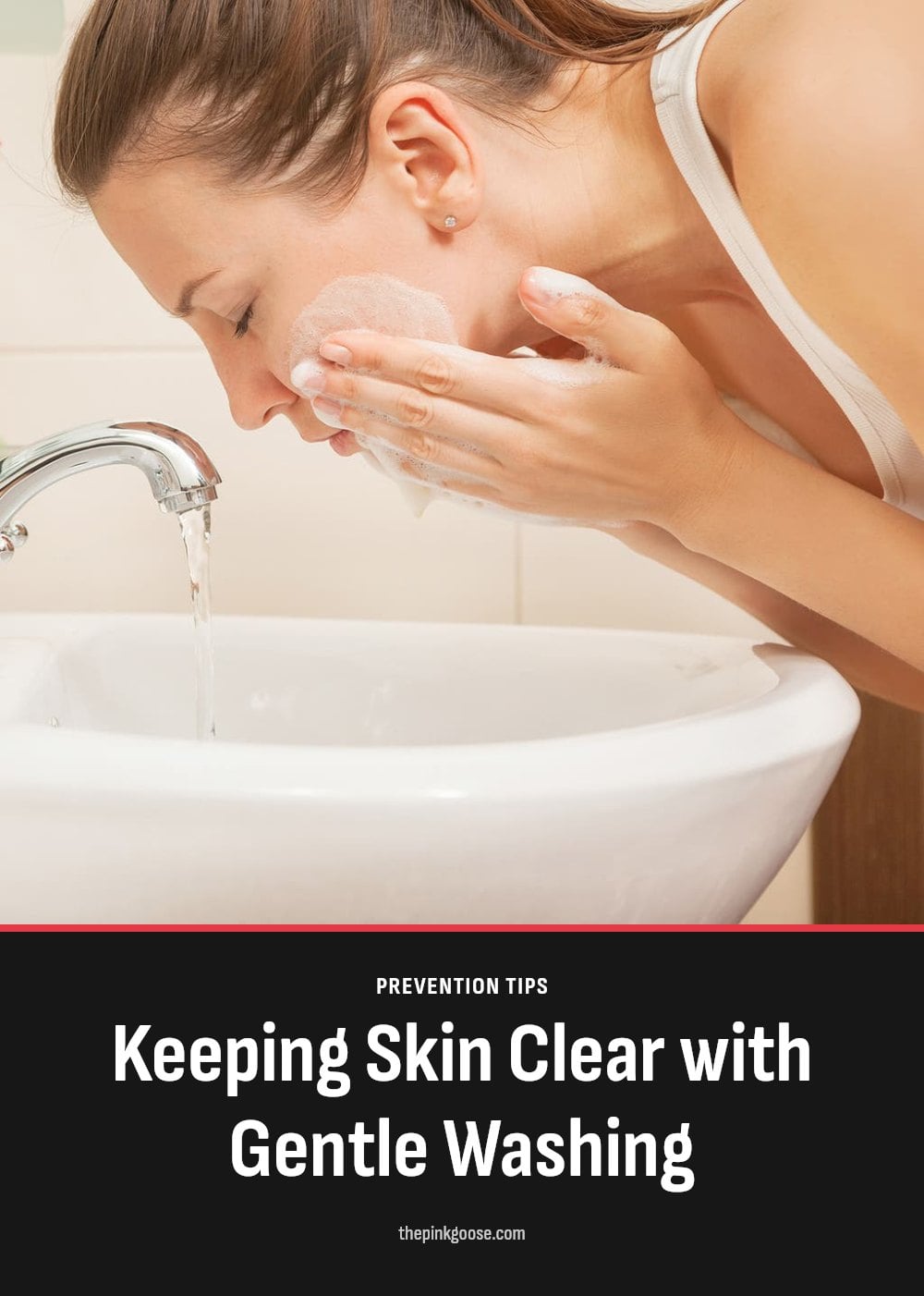
Prevention starts with a consistent, gentle routine. Cleanse twice daily with a mild, non-comedogenic cleanser to remove oil and debris without stripping. Follow with a non-comedogenic moisturizer to keep your skin barrier healthy, dry skin can overproduce oil, leading to more breakouts.
- Apply sunscreen daily: SPF 30 or higher is non-negotiable, especially if you use active treatments like salicylic acid or benzoyl peroxide, which increase sun sensitivity.
- Change pillowcases weekly: They collect oil, bacteria, and product residue that can transfer to your face overnight.
- Keep hands off your face: Touching transfers dirt and bacteria, and can irritate existing blemishes.
When to Consult a Dermatologist for Pimples
Most pimples can be managed at home, but some situations need a dermatologist. If breakouts are persistent, painful, or cover a large area of your face or body, professional guidance can help prevent scarring.
Seek help if: a single pimple becomes very large, extremely painful, or shows signs of infection, such as pus, fever, or spreading redness. Also, if a product causes severe redness, burning, itching, or swelling, stop using it immediately and consult a professional.
Frequently Asked Questions
How long does it take for a pimple to go away with treatment?
With consistent spot treatment, you may start to see improvement within 1 to 3 days. Full resolution of a pimple can take up to a week or more, depending on its size and severity. Patience is key, as picking or over-treating can prolong healing.
Can I use makeup over a pimple patch?
Yes, you can apply makeup over a pimple patch, but it works best with thin, clear patches. Apply the patch to clean, dry skin first, then gently pat makeup over it. Avoid rubbing, as this can lift the patch or irritate the blemish.
Are pimple patches effective on all types of pimples?
Hydrocolloid patches work best on whiteheads or pimples that have come to a head, because they absorb fluid. For deep, cystic pimples without a head, a patch with active ingredients like salicylic acid may help reduce inflammation, but the patch itself won’t draw anything out.
What should I do if a pimple is very painful or deep?
For a painful, deep pimple, avoid squeezing it. Apply a spot treatment with benzoyl peroxide or salicylic acid, and consider using an ice pack wrapped in cloth to reduce swelling. If the pain worsens, the pimple becomes very large, or you see signs of infection like spreading redness or pus, see a dermatologist.
Is it normal for a pimple to get worse before it gets better?
It is possible for a pimple to appear more inflamed in the first day or two of treatment. This can happen as active ingredients work to bring the pimple to a head or as your skin adjusts. If redness, burning, or irritation increases significantly, stop using the product and consult a professional.
Final Thoughts
Treating a pimple effectively comes down to patience and the right routine. Stick with a gentle cleanser, a targeted spot treatment, and a hydrocolloid patch when needed. Expect improvement in 1 to 3 days, but full healing can take up to a week. Keep your overall skincare consistent, and your skin will thank you.
This article is for general informational purposes only and is not a substitute for professional medical advice. Individual skin conditions vary, and what works for one person may not work for another. If you have persistent, painful, or severe breakouts, please consult a dermatologist or healthcare provider.
