

You know that puffy look that shows up right when you need to look your best? It’s frustrating, especially when you feel like you’re doing everything right. The truth is, some of the most common under-eye skincare habits can actually make puffiness worse. This article breaks down the biggest mistakes I see and gives you simple swaps to calm that area down.
From how you apply your products to what you eat before bed, small changes can make a real difference. I’ll walk you through what to stop doing, what to start doing, and how to build a routine that works with your skin, not against it.
Key Takeaways
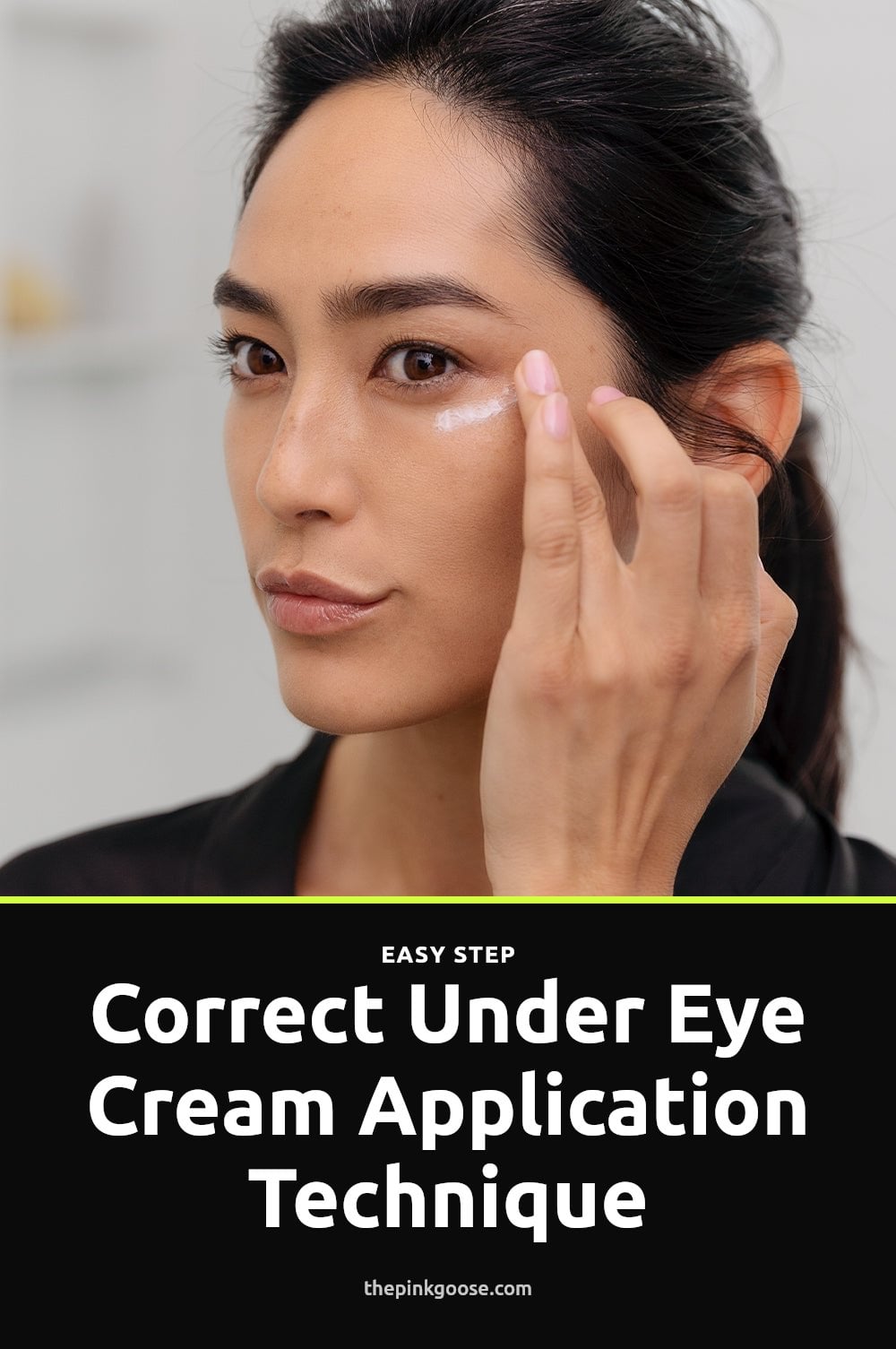
- Always pat under-eye products gently with your ring finger to avoid tugging.
- Cold compresses or chilled eye masks can temporarily reduce puffiness.
- Drink enough water and get 7-9 hours of sleep to prevent fluid retention.
- Use a broad-spectrum SPF daily to protect the delicate under-eye skin.
- If puffiness comes with pain or redness, see a doctor right away.
Why Your Under Eyes Might Look Puffy
Under-eye puffiness often comes down to fluid retention, lack of sleep, allergies, genetics, or aging. The skin under your eyes is significantly thinner than the rest of your face, so it shows swelling more easily. Many common skincare and lifestyle habits can make puffiness worse, which is why small changes can have a big impact.
Understanding the Causes of Under-Eye Puffiness
Understanding the Causes of Under-Eye Puffiness
Fluid retention is a primary culprit, often triggered by a high-sodium meal or salty snack the night before. The thin, delicate skin under your eyes shows this fluid buildup quickly, making you look puffy in the morning. Lack of sleep and allergies are also significant contributors, as both can cause inflammation and swelling in the area.
Genetics and aging play a role too. As you age, the skin naturally thins and the supporting tissues weaken, making puffiness more noticeable. Dehydration can paradoxically make the problem appear worse, because when your body is low on water, it holds onto what it has, leading to fluid retention around the eyes.
Key factors at a glance:
- Fluid retention: Linked to high sodium intake, causes temporary puffiness.
- Lack of sleep: Increases inflammation and swelling.
- Allergies: Trigger histamine release, leading to puffiness.
- Genetics and aging: Thinner skin and weaker tissues make puffiness more visible.
- Dehydration: Paradoxically worsens puffiness by causing fluid retention.
Common Under-Eye Skincare Mistakes to Avoid
Many everyday habits can worsen under-eye puffiness. Here are the most common mistakes to avoid:
- Rubbing or tugging: Aggressively rubbing or pulling the delicate under-eye skin during application or makeup removal breaks down collagen and elastin, which can worsen puffiness and fine lines.
- Using irritating ingredients: Strong fragrances, alcohol, or certain essential oils can cause allergic reactions or irritation, making puffiness worse.
- Skipping sunscreen: Neglecting sun protection damages the thin under-eye skin, contributing to premature aging and worsening puffiness.
- Sleeping face down: Sleeping on your stomach allows fluid to accumulate under the eyes overnight.
- Over-applying products: Using too much heavy cream can sometimes lead to milia (small white bumps) or irritation.
- Ignoring underlying causes: If allergies or dehydration are the root issue, topical products alone won’t fully fix the problem.
- Not removing makeup: Sleeping with eye makeup on can irritate the eyes and surrounding skin, potentially increasing puffiness.
Effective Ways to Reduce Under-Eye Puffiness
How to Reduce Under-Eye Puffiness
Start with how you apply products. Use your ring finger to gently pat under-eye creams or serums into the skin. This avoids tugging and helps the product absorb better.
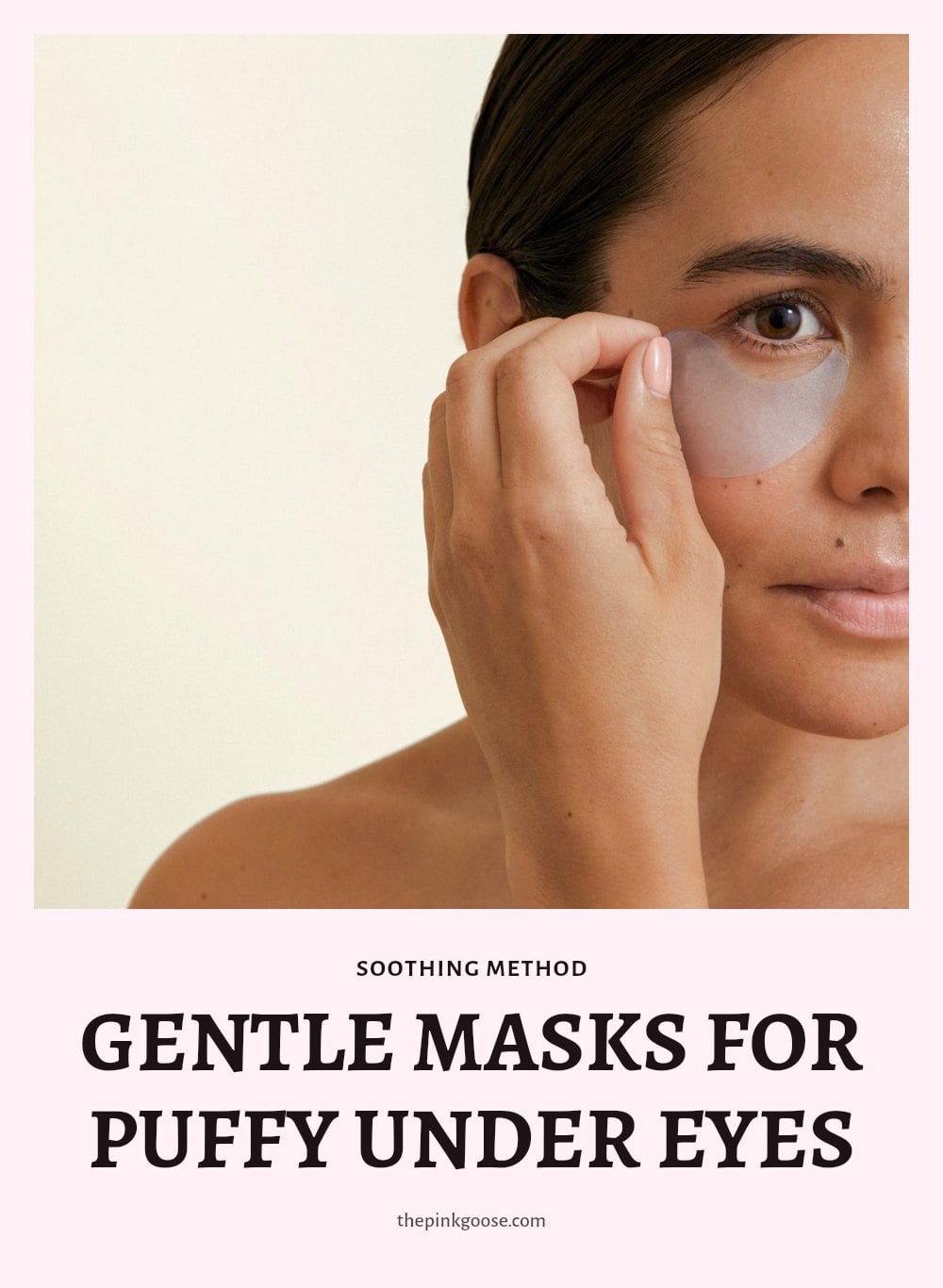
Cold compresses or chilled eye masks can provide quick, temporary relief. The cold constricts blood vessels and reduces swelling. Keep your under-eye products in the refrigerator for an extra cooling effect.
Look for ingredients like caffeine, hyaluronic acid, and peptides. Caffeine helps constrict blood vessels and reduce fluid, hyaluronic acid hydrates, and peptides support the skin’s structure. A serum or cream with these can target puffiness and hydration.
Lifestyle changes matter too. Elevate your head slightly while sleeping by using an extra pillow. This helps prevent fluid from pooling under your eyes overnight. Drink enough water throughout the day to combat dehydration-related puffiness. Aim for 7-9 hours of quality sleep each night to allow your body to recover and reduce fluid retention.
Your Essential Under-Eye Skincare Arsenal

To build a routine that actually works, you need the right tools. Here is what I keep in my under-eye arsenal:
- Under-eye cream: Look for one with caffeine to constrict vessels or hyaluronic acid for hydration. A cream is your daily workhorse.
- Under-eye serum: A lighter formula than a cream, serums deliver concentrated ingredients like peptides without heaviness. I use one under my cream for a boost.
- Gentle eye makeup remover: Essential for thorough cleansing without irritation. Oil-based or micellar formulas work best to dissolve mascara without rubbing.
- Broad-spectrum sunscreen (SPF 30+): Protects delicate skin from sun damage that accelerates aging and worsens puffiness. Apply it around the eyes daily.
- Cool compress or chilled eye mask: For immediate, temporary relief from puffiness. I keep mine in the fridge for a quick morning de-puff.
- Pillow for elevation: A slightly elevated head while sleeping helps prevent fluid from pooling under your eyes overnight.
Preventing Future Under-Eye Puffiness
Stopping puffiness before it starts comes down to consistent habits. Here is what I focus on daily:
- Hydrate consistently: Drink enough water throughout the day. Dehydration can paradoxically make under-eye circles and puffiness look more prominent.
- Sleep 7-9 hours: Prioritize quality sleep each night to allow your body to recover and reduce fluid retention.
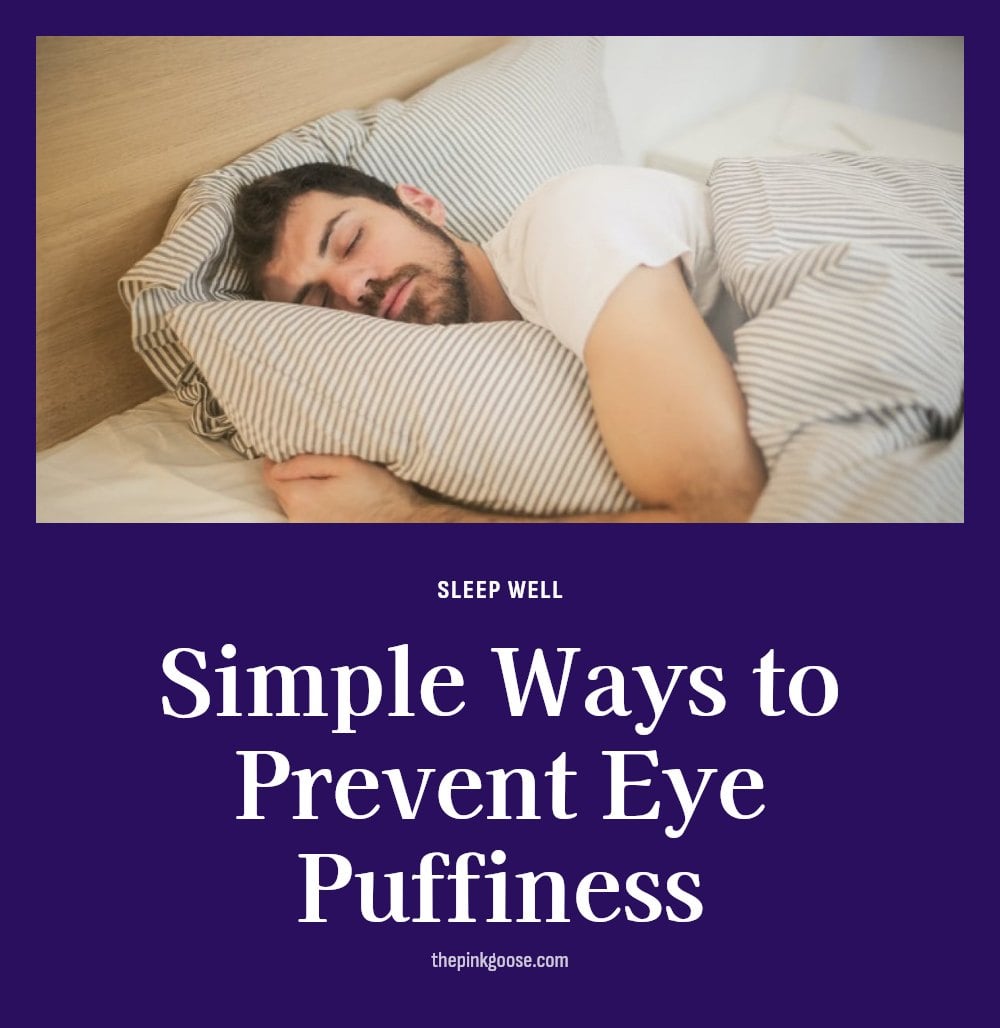
- Elevate your head: Sleep on your back with a slightly elevated pillow to reduce fluid pooling under your eyes.
- Cut sodium before bed: Reduce high-sodium foods in the evening to minimize fluid retention that shows up as morning puffiness.
- Wear SPF daily: Use a broad-spectrum sunscreen even around the eyes to protect delicate skin from sun damage that worsens puffiness.
- Be gentle: Avoid rubbing or tugging at the under-eye skin to prevent collagen breakdown and irritation.
- Remove makeup thoroughly: Use a gentle remover to take off all eye makeup before bed. Leftover product can irritate the skin and contribute to puffiness.
When to Consult a Professional for Under-Eye Concerns
While most under-eye puffiness is harmless, certain signs mean you should see a doctor. If puffiness comes with pain, redness, itching, or sudden swelling, it could indicate an allergic reaction or a medical condition. Stop using any product that causes burning or increased redness. For persistent or severe puffiness that does not improve with good habits, a medical professional can help identify underlying causes and recommend treatments beyond topical products. Be cautious with DIY remedies; some ingredients are too harsh for the delicate eye area and can make the problem worse.
Frequently Asked Questions
How long does it take to see results from changing under-eye habits?
You may notice some improvement within a few days, especially if you address fluid retention or sleep. For more lasting changes, stick with your new routine for a few weeks. Consistency is key, and results depend on what’s causing your puffiness in the first place.
Can diet affect under-eye puffiness?
Yes, absolutely. A high-sodium meal the night before can cause your body to retain fluid, which shows up as puffiness under your eyes. Staying hydrated and cutting back on salty snacks, especially before bed, can help prevent that morning puffiness.
Are there any ingredients to avoid in under-eye products?
Yes, steer clear of strong fragrances, alcohol, and certain essential oils that can irritate the delicate eye area. These ingredients can trigger allergic reactions or worsen puffiness. If a product stings or burns, stop using it immediately.
When should I use an under-eye serum versus a cream?
Use a serum when you want a lightweight, concentrated treatment for specific concerns like puffiness or dark circles. A cream is better for daily hydration and as a base under makeup. You can even layer both: serum first, then cream on top.
Can too much screen time cause under-eye puffiness?
While screen time itself doesn’t directly cause puffiness, it can lead to eye strain and reduced blinking, which may make the area look tired. It can also disrupt sleep if you’re on screens late at night. Getting enough rest and taking breaks can help.
Final Thoughts
My biggest advice is to be gentle and consistent. Switch to a patting motion with your ring finger, keep your under-eye cream in the fridge for a cooling boost, and never skip sunscreen around your eyes. You won’t see a complete transformation overnight, but with steady habits, you can expect visible improvement in a few days to a couple of weeks.
Remember, under-eye puffiness is often a mix of skincare and lifestyle. Address both, and you’ll be well on your way to a smoother, more rested look.
This article is for general informational purposes only and does not constitute medical or professional advice. If you have persistent or severe under-eye puffiness, especially if accompanied by pain, redness, or sudden swelling, please consult a doctor or dermatologist for a proper evaluation.
