

Do you often feel responsible for other people’s feelings or find yourself putting everyone else’s needs before your own? If your sense of self-worth depends heavily on how others see you, you might be dealing with codependency. This article breaks down the most common signs of codependency in relationships and offers practical steps you can take to build healthier dynamics and reclaim your sense of balance.
Key Takeaways
- Codependency involves basing your self-worth on caring for or controlling another person’s needs.
- Difficulty setting boundaries and a strong need for approval are key signs of codependency.
- Recovery often involves therapy, support groups, and developing your own interests.
- Setting boundaries is not selfish; it is a necessary part of healthy relationships.
- If abuse is present, seek professional help immediately to create a safety plan.
What Is Codependency?
Codependency is a behavioral pattern where your self-worth becomes excessively tied to caring for or controlling another person’s needs, often at the expense of your own well-being. It involves an unhealthy focus on others, difficulty setting boundaries, and a strong need for approval. While initially identified in relationships involving addiction, codependency can manifest in any close relationship, creating an imbalance where one person’s needs consistently overshadow the other’s.
1. Excessive Need for Approval
You constantly seek validation from others, basing your self-worth almost entirely on their opinions and how they perceive you. A compliment can make your whole day, while criticism can leave you spiraling.
My tip: Start noticing how often you check in with others before making decisions. Pay attention to how much a compliment or criticism affects your mood. That awareness is the first step toward shifting your source of validation inward.
2. Difficulty Setting Boundaries
You struggle to say ‘no,’ often feeling guilty or selfish when you try to establish personal limits. This leads to over-involvement in others’ problems and neglecting your own needs.
I’ve found that setting even small boundaries, like saying ‘I can’t talk right now, I’ll call you back,’ can feel like a huge step. Start with low-stakes situations to build the muscle of protecting your own time and energy.
3. Strong Need to Control Others
You might find yourself trying to ‘fix’ or manage other people’s lives, believing you know what’s best for them. This often stems from anxiety and a desire to feel secure by influencing outcomes, even when it’s disguised as ‘helping.’
Recognize that true support involves allowing others to make their own choices and learn from the results, not controlling the outcome to ease your own discomfort.
4. Neglecting Personal Needs
Your own physical, emotional, and spiritual needs often take a backseat to those of others. You might consistently put others’ comfort and happiness before your own, leading to burnout and resentment. I remember skipping meals or canceling my own plans just to be available for someone else. That’s a big red flag.
5. Low Self-Esteem and Identity Issues
Your sense of self-worth is often derived from external validation, leaving you feeling empty or lost without a relationship to define you. You might struggle to identify your own interests, values, or desires independently. This lack of a solid sense of self makes it easy to lose yourself in someone else’s life.
6. Fear of Abandonment or Rejection
This fear often drives people-pleasing behaviors and an intense need to maintain relationships at all costs, even unhealthy ones. My tip: Recognizing this fear is the first step. Ask yourself, ‘What am I truly afraid will happen if I say no?’ Naming the specific fear can take away some of its power over your actions.
7. Indirect Communication Patterns
You might communicate indirectly, use manipulation, or engage in passive-aggressive behaviors rather than expressing your needs and feelings directly. This often happens because direct communication feels too risky or confrontational. Saying what you really want can feel vulnerable, so you hint, guilt-trip, or stay silent instead.
8. Taking Responsibility for Others’ Feelings
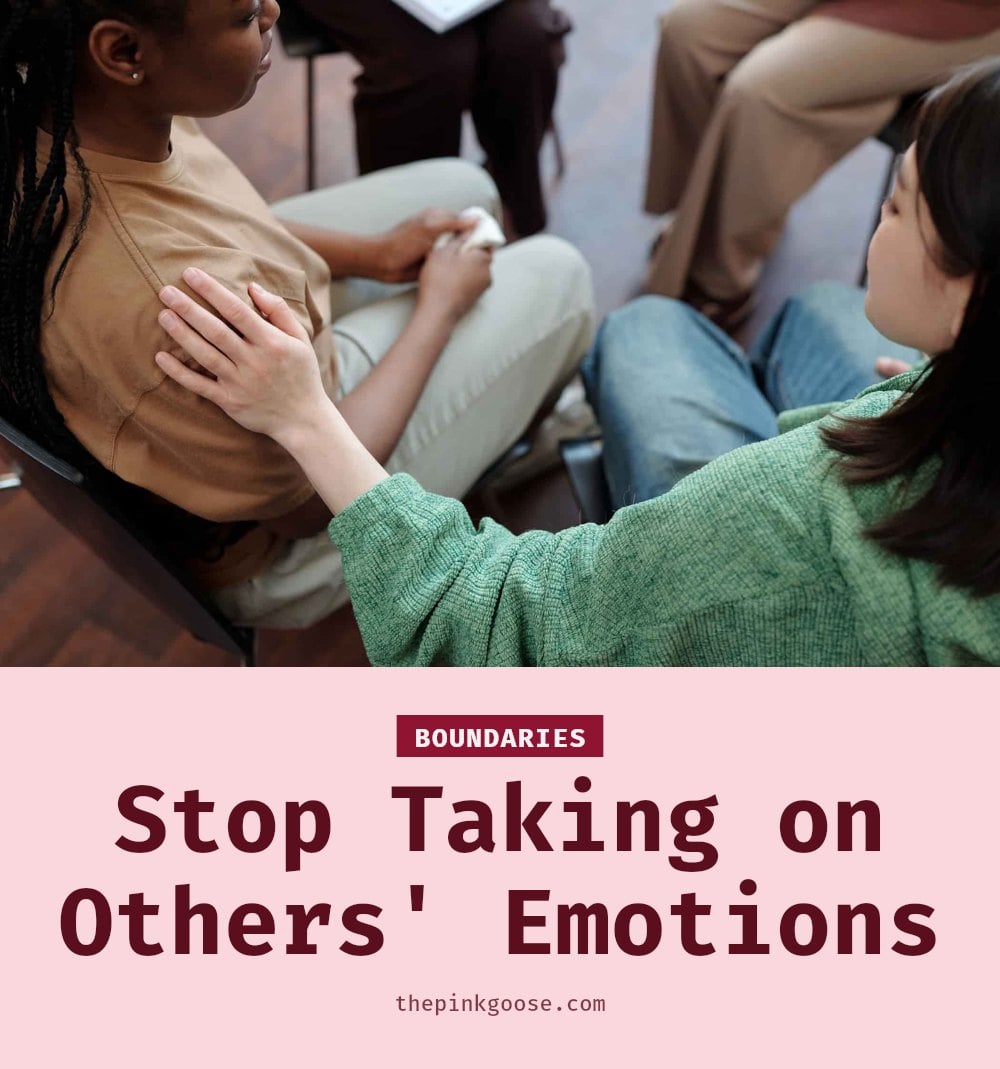
You may feel personally responsible for the emotions, choices, and problems of other adults. This can lead to constantly trying to ‘make’ someone happy or ‘fix’ their sadness, rather than allowing them to experience their own feelings and consequences.
Tip: Remind yourself that you are not responsible for another adult’s feelings. Their emotions are theirs to manage, and your job is to support, not rescue.
9. Enabling Destructive Behaviors
You might unintentionally enable another person’s destructive patterns by shielding them from consequences or making excuses for their actions. This is often done out of love or fear, but it ultimately prevents them from facing their issues.
I’ve learned that ‘helping’ someone avoid the natural consequences of their choices actually hurts them in the long run. True support means allowing them to experience the results of their actions, so they have a reason to change.
Caution: This approach does not apply in situations of abuse. If you are in an abusive relationship, safety planning and professional intervention are paramount. In those cases, protecting yourself and seeking help from a trained counselor or hotline is the priority.
10. Developing Your Own Interests

Actively pursue hobbies and interests that are separate from your relationships. This helps build a stronger sense of individual identity, so you are not defined solely by your role in someone else’s life.
Tip: Start small. Pick one thing you’ve always wanted to try and dedicate a specific time to it each week. It could be a class, a creative project, or even a regular walk alone.
11. Practicing Direct Communication
Learn to identify and express your own feelings, needs, and desires directly and respectfully. This involves using ‘I’ statements and clearly stating what you want or don’t want, without blame or manipulation.
For example, instead of saying ‘You never listen,’ try ‘I feel unheard when I talk about my day.’ It feels awkward at first, but it gets easier with practice, I promise.
When to Seek Professional Help
If your relationship involves any form of abuse, physical, emotional, verbal, or financial, seek professional help immediately. Codependency can make it harder to recognize the danger and leave. A therapist or a domestic violence hotline can help you create a safety plan, which may include separation or other urgent steps.
If you feel overwhelmed, depressed, or anxious because of your relationship dynamics, consulting a mental health professional is a wise step. They can help you untangle the patterns and build healthier coping strategies.
Caution: Changing long-standing relationship patterns is challenging and may meet resistance from others. While the full process often takes months to years of consistent effort, your immediate priority in an abusive situation is safety. A therapist provides guidance and support for both the urgent steps and the longer journey of change.
Frequently Asked Questions
Is codependency a mental illness?
Codependency is not a formal diagnosis in the DSM-5, but it is widely recognized in psychology and therapy as a behavioral pattern. Many therapists treat it as a condition that can be addressed through counseling, support groups, and self-work.
Can a codependent relationship ever be healthy?
It is possible for a codependent relationship to become healthier if both individuals are willing to change their patterns. This usually requires professional guidance, consistent effort, and a commitment to developing separate identities and clear boundaries.
What is the difference between caring and codependency?
Caring involves supporting someone while still honoring your own needs and boundaries. Codependency, on the other hand, means your self-worth is tied to fixing or controlling the other person, often at the expense of your own well-being.
Can men be codependent?
Yes, codependency affects people of all genders. While it is often stereotyped as a female pattern, men can also struggle with excessive caregiving, controlling behaviors, and deriving their identity from their partner’s needs.
How do I know if I am enabling someone?
You may be enabling if you regularly shield someone from the natural consequences of their actions, make excuses for their behavior, or take over responsibilities they should handle themselves. This often comes from a desire to help but can prevent them from facing their issues.
Final Thoughts
Start by noticing one pattern that resonates with you, such as difficulty saying no or a constant need for approval. My tip: pick one small boundary to practice this week, like taking 30 minutes for yourself before responding to a request. Recovery is a gradual process that can take months to years of consistent effort, but each step you take toward honoring your own needs builds a stronger, more authentic sense of self.
This article is for informational purposes only and does not constitute medical or professional advice. Codependency is a recognized behavioral pattern, but it is not a formal diagnosis. If you are struggling with relationship dynamics or experiencing abuse, please consult a licensed therapist or a domestic violence hotline for personalized support.
