

If you’ve ever been told you’re “too sensitive,” you’re not alone, and it’s not a flaw. This trait, known as High Sensory Processing Sensitivity (SPS), affects about 15-20% of people and comes with both challenges and unique strengths. In this article, I’ll walk you through what it really means to be a Highly Sensitive Person (HSP), how to manage overwhelm, and how to reframe your sensitivity as the asset it is.

Key Takeaways
- High sensitivity is an innate personality trait, not a disorder or weakness.
- Identify your personal triggers for overstimulation to better manage your environment.
- Prioritize daily self-care like adequate sleep, downtime, and quiet spaces.
- Set clear boundaries with others to protect your energy and prevent burnout.
- Reframe your empathy and deep processing as strengths that help you thrive.
What Does Being ‘Too Sensitive’ Really Mean?
If you have ever been told you are “too sensitive,” it likely refers to High Sensory Processing Sensitivity (SPS), an innate personality trait, not a flaw. First identified by psychologist Dr. Elaine Aron, SPS is found in about 15-20% of the population. It means you experience emotions, physical sensations, and environmental stimuli more intensely than others. This trait comes with challenges like overwhelm, but also strengths like deep empathy and intuition.
Understanding the Traits of a Highly Sensitive Person (HSP)
Highly Sensitive Persons (HSPs) process information more deeply, noticing subtleties others miss. The D.O.E.S. acronym describes the core traits:
- Depth of processing: You think about things thoroughly and reflect on experiences.
- Overstimulation: You can feel easily overwhelmed by strong sensory input like loud noises or crowded places.
- Emotional responsiveness/Empathy: You feel emotions strongly and can deeply understand others’ perspectives.
- Sensory sensitivity: You are aware of subtle changes in your environment, such as textures or scents.
This is a normal, innate personality trait, not a disorder.
Effective Strategies to Manage Overwhelm
Identify your triggers: Start noticing which specific sounds, smells, or social situations drain you. A journal can help you spot patterns. My tip: Keep a small notebook for a week and note the moments you feel overstimulated.
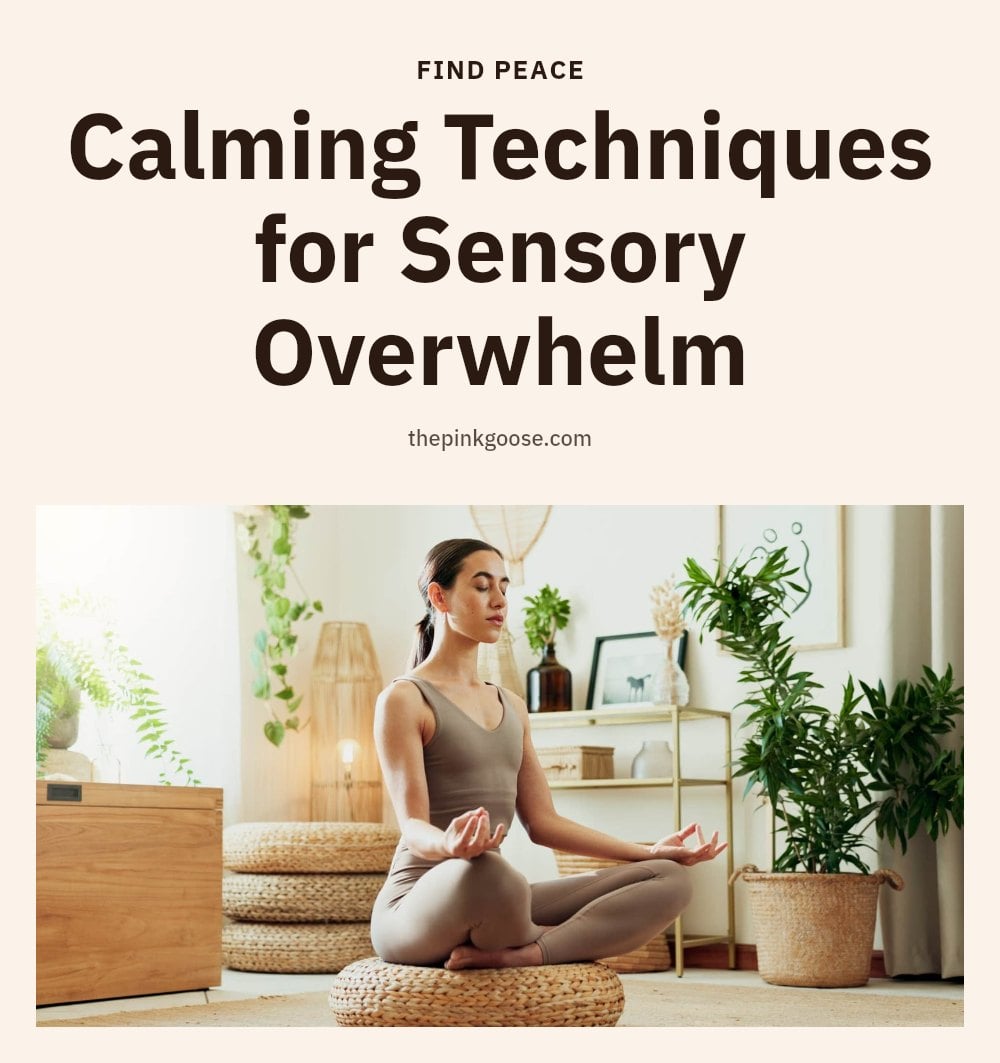
Create a calm space at home: Designate a corner or room with soft lighting, comfortable pillows, and items that soothe you. This becomes your retreat when the world feels too loud.
Practice mindfulness or meditation: Even 5 minutes a day can help regulate emotions. Use a guided meditation app if you are new to it. Caution: Do not force a long session if it feels overwhelming; start small.
Spend time in nature: A walk in a park or sitting by a tree can calm your nervous system. Aim for at least 10 minutes outside without your phone.
Common Pitfalls When Dealing with Sensitivity
Believing sensitivity is a weakness: This is an innate trait with unique strengths. Instead, recognize that your empathy and deep processing are valuable.
Ignoring or suppressing feelings: This leads to emotional buildup and burnout. Instead, find healthy ways to express your emotions, like talking to a trusted friend or writing them down.
Overcommitting to stimulating activities: It causes predictable overwhelm. Instead, say no to events that you know will drain you, and schedule rest afterward.
Failing to communicate needs: Others cannot support you if they do not know your boundaries. Instead, tell people clearly what you need, like quiet time after a busy day.
Practical Tips for Thriving as an HSP

Prioritize self-care: Make sure you get enough sleep, eat regularly, and build in downtime every day. Your nervous system needs that recovery time to function well.
Set clear boundaries: Saying no to draining events or extra tasks protects your energy. Others can only respect your limits if you communicate them plainly.
Seek supportive relationships: Spend time with people who understand your sensitivity and don’t pressure you to change. Deep connections with empathetic friends can be a powerful anchor.
Reframe sensitivity as a strength: Your empathy, intuition, and ability to notice details are gifts. Many HSPs find that these traits make them excellent listeners, creative problem-solvers, and loyal friends.
Tools and Resources for Highly Sensitive People
Journal or notebook: Use it daily to process emotions and identify patterns in what triggers overwhelm. Writing helps you see your own needs more clearly.
Noise-canceling headphones: Block out loud environments on the go. They give you a portable bubble of quiet when you need it most.
Comfortable personal space items: A soft blanket, weighted pillow, or cozy chair can turn any corner into a sanctuary for recharging.
Mindfulness apps or guided meditations: Even 5 minutes of breathing exercises can lower stress and help you return to calm. Many apps offer short sessions designed for beginners.
When to Seek Professional Support
If feelings of overwhelm, anxiety, or sadness persist for weeks or start interfering with work, relationships, or daily tasks, consider speaking with a mental health professional.
If you notice yourself using alcohol, drugs, or other unhealthy habits to numb intense emotions, that is a clear sign to seek support.
Chronic stress from overstimulation can affect your physical health, leading to headaches, digestive issues, or trouble sleeping. A therapist can help you build sustainable coping strategies.
If you suspect you may have a co-occurring condition such as anxiety or depression, a professional evaluation can provide clarity and appropriate care.
Frequently Asked Questions
Is high sensitivity a disorder?
No, high sensitivity is not a disorder. It is a normal, innate personality trait known as High Sensory Processing Sensitivity (SPS). It is not listed in diagnostic manuals like the DSM-5, and it does not require treatment. However, if you experience persistent overwhelm or anxiety, it may be helpful to speak with a mental health professional.
Can sensitivity be learned or unlearned?
High sensitivity is believed to be largely genetic, meaning it is not something you can learn or unlearn. However, you can learn to manage your environment and emotional responses. With practice, you can reduce overwhelm and build habits that help you thrive without changing your core trait.
How do I explain my sensitivity to others?
Keep it simple and focus on what you need. You might say, “I process things deeply and can get overwhelmed in busy environments, so I need quiet time to recharge.” This helps others understand your boundaries without making sensitivity sound like a problem.
What are the biggest strengths of being highly sensitive?
Highly sensitive people often have deep empathy, strong intuition, and a keen awareness of subtleties others miss. These strengths allow you to connect deeply with people, be more conscientious, and appreciate art, nature, and relationships on a richer level.
Final Thoughts
My tip: Start with just one small change, like keeping a journal to spot your triggers or carving out 10 minutes of quiet time each day. Managing sensitivity is an ongoing process, but with consistent practice, many people notice real improvements within a few weeks. Remember, your sensitivity is a part of who you are, and with the right tools, it can help you connect deeply with the world around you.
This article is for general informational purposes only and is not a substitute for professional medical or mental health advice. If you are experiencing persistent feelings of overwhelm, anxiety, or sadness that interfere with daily life, please consult a qualified healthcare provider or mental health professional.
