

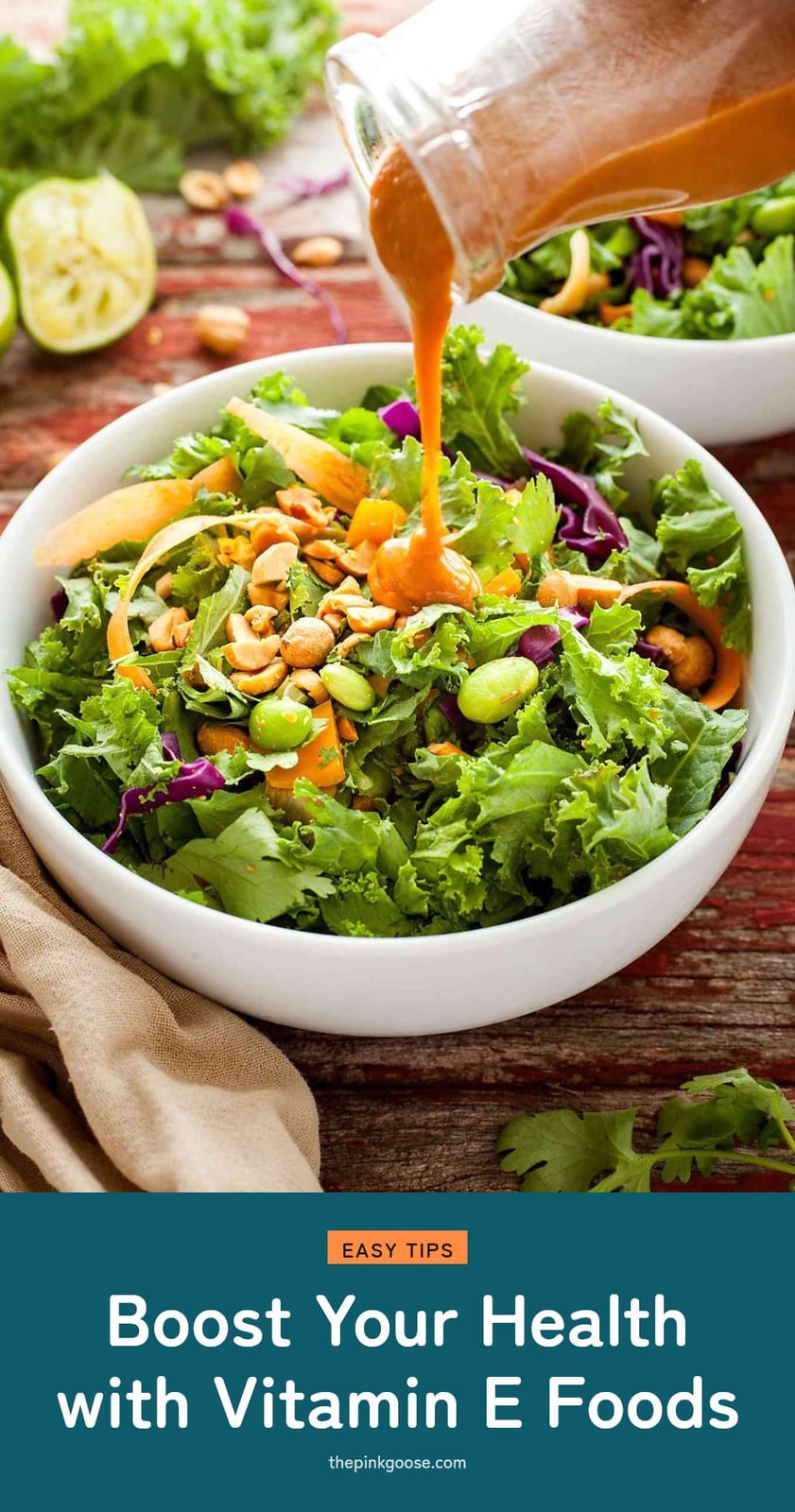
You’ve probably heard that vitamin E is great for your skin and immune system, but figuring out how to actually get enough of it from food can feel like a puzzle. The good news is that it’s easier than you might think once you know which everyday foods pack the biggest punch. This article covers the top vitamin E-rich foods, smart storage tips to keep the nutrient intact, and when to talk to your doctor about supplements.
Key Takeaways
- Aim for 15 mg of alpha-tocopherol per day from food sources like sunflower seeds and almonds.
- Store nuts and seeds in airtight containers away from light and heat to preserve their vitamin E content.
- Pair vitamin E foods with a little healthy fat, like avocado or olive oil, to boost absorption.
- Cook vegetables gently (steam or low-heat sauté) instead of high-heat frying to retain more vitamin E.
- Talk to your doctor before taking vitamin E supplements, especially if you take blood thinners or have a medical condition.
What is Vitamin E and Why is it Important?
Vitamin E is a group of eight fat-soluble compounds, with alpha-tocopherol being the most active form in your body. It acts as a powerful antioxidant, protecting your cells from damage caused by free radicals. This protection supports your immune function and helps maintain healthy skin and eyes. While supplements exist, getting enough vitamin E through a balanced diet is the best approach for overall wellness. Foods like nuts, seeds, and leafy greens are your go-to sources.
1. Sunflower Seeds: A Powerhouse Source
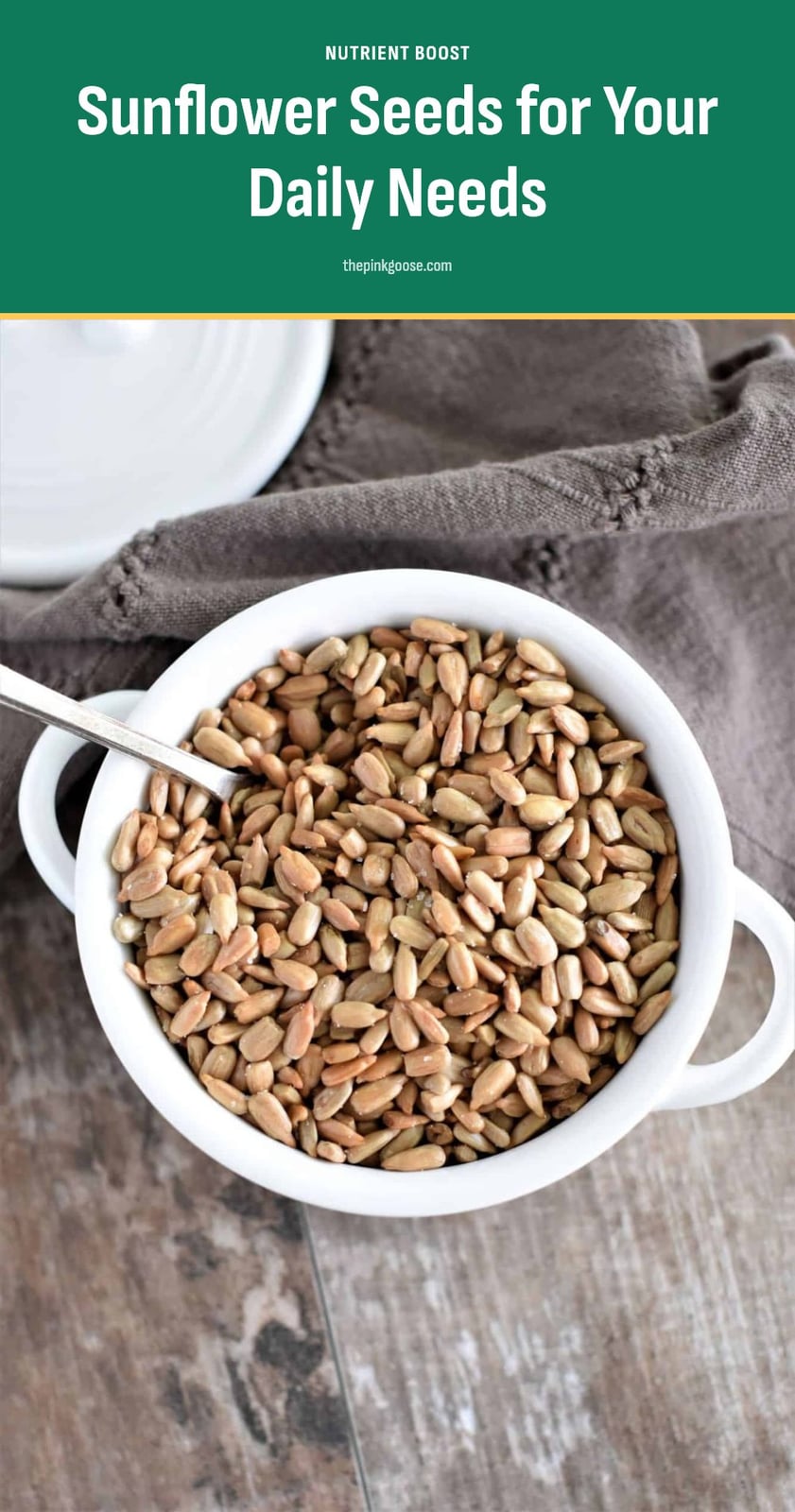
Just a quarter-cup of sunflower seeds can provide a significant portion of your daily vitamin E needs. They are also packed with magnesium and selenium, adding to their nutritional punch.
- Sprinkle on salads: Adds a crunchy texture and a nutrient boost.
- Mix into yogurt: A simple way to upgrade your breakfast.
- Top your oatmeal: Gives a nutty flavor and extra fiber.
My tip: Keep a small jar of sunflower seeds at your desk for a quick, healthy snack.
2. Almonds: A Delicious Daily Snack
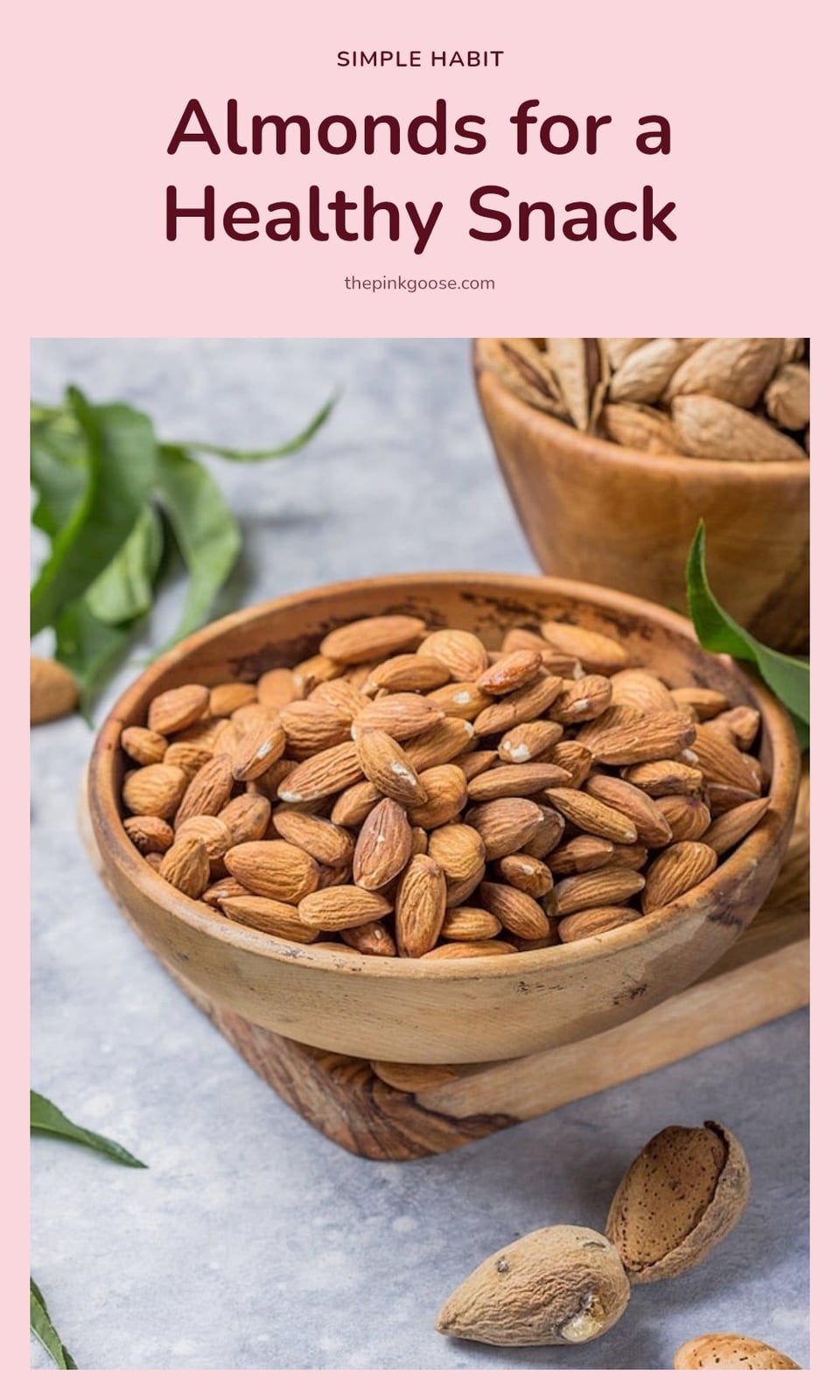
Almonds are another excellent source of vitamin E, making them a perfect snack for any time of day. They also offer healthy fats, fiber, and protein, which help keep you full and satisfied. A handful of almonds can contribute meaningfully to your daily intake, so it’s easy to hit your target without much effort.
Try them raw, roasted, or slivered over salads and yogurt. Just watch portion sizes, as they are calorie-dense.
3. Wheat Germ Oil: Concentrated Goodness
Wheat germ oil is one of the most concentrated food sources of vitamin E. Just a tablespoon can provide a substantial amount of your daily requirement. Because it is delicate, avoid high-heat cooking to preserve its nutrients.
- Use in salad dressings: Whisk with vinegar and herbs for a simple vinaigrette.
- Drizzle over cooked vegetables: Add it after cooking to retain its benefits.
- Stir into smoothies: A subtle way to boost your intake.
Caution: Store wheat germ oil in the refrigerator to prevent rancidity.
4. Hazelnuts: A Nutty Addition
Hazelnuts offer a good amount of vitamin E, along with healthy fats and fiber that support heart health and digestion. You can enjoy them roasted or raw, which makes them a flexible snack or ingredient. Add them to baked goods, sprinkle over morning cereal, or just grab a handful when you need a quick energy boost.
Tip: Rotating hazelnuts with almonds and sunflower seeds ensures you get a wider range of nutrients from different nut profiles.
5. Spinach: Your Leafy Green Friend
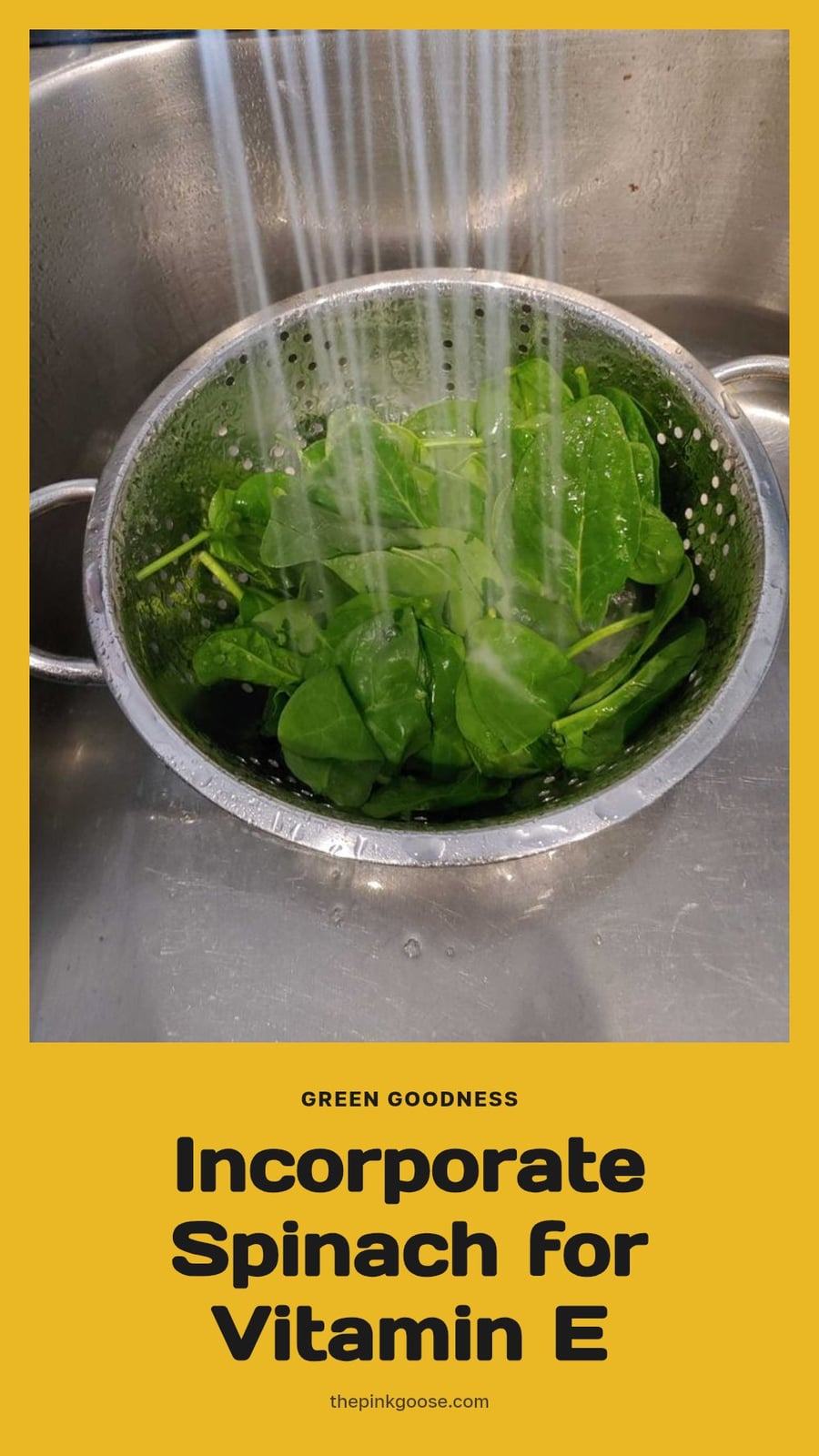
Spinach may not be as concentrated in vitamin E as nuts or seeds, but eating it regularly adds up. It is also loaded with vitamins A and K, plus iron, making it one of the most nutrient-dense greens you can put on your plate.
My tip: Lightly sauté spinach for 1-2 minutes with a splash of olive oil over medium-low heat. This gentle warmth helps release nutrients like vitamin E without pushing the oil past its smoke point, which can degrade both the oil and the vitamin. Keep it quick and stir often.
6. Broccoli: A Versatile Vegetable
Broccoli provides vitamin E along with vitamin C and fiber, making it a solid choice for overall health. You can steam it until tender-crisp, roast it with a little oil, or toss it into a stir-fry for extra crunch.
Good to know: Like spinach, broccoli loses vitamin E when overcooked. For roasting, use a heat-stable oil like avocado oil at 400°F for 8-10 minutes. If you prefer olive oil, roast at a lower temperature, around 325°F, and extend the time slightly to preserve the vitamin E content.
7. Avocado: Creamy and Nutrient-Rich
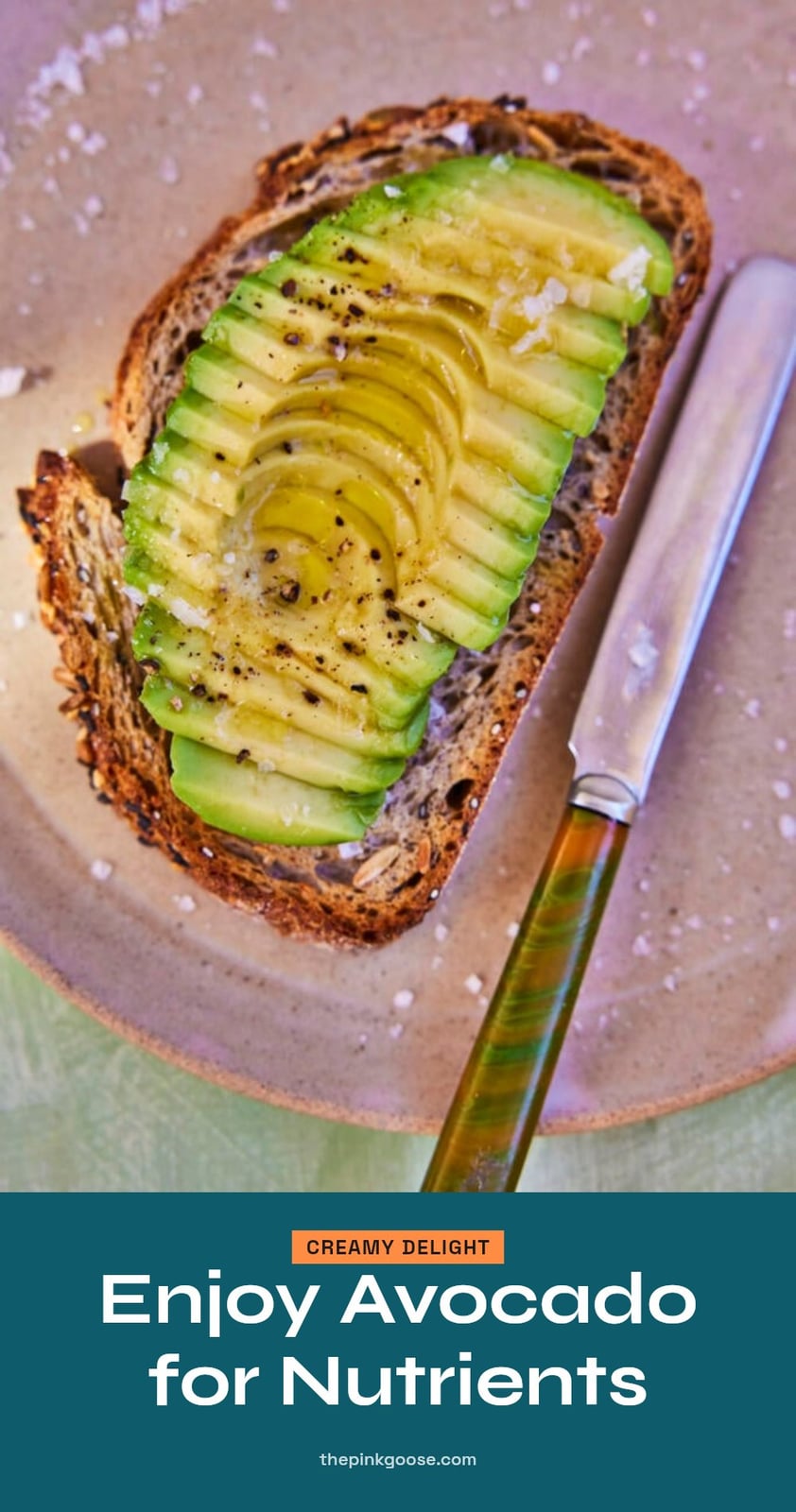
Avocados bring a decent amount of vitamin E plus a generous dose of healthy monounsaturated fats. Those fats do double duty: they help your body absorb fat-soluble vitamins like E more effectively when you eat them together.
Slice avocado onto salads, mash it on toast, or blend it into smoothies for a creamy texture. Because vitamin E is fat-soluble, pairing it with avocado’s own fats boosts how much your body actually uses.
8. Olive Oil: A Healthy Cooking Staple
Extra virgin olive oil is a staple in my kitchen, and its vitamin E content is a big reason why. It’s a healthy choice for cooking and salad dressings, adding both flavor and nutrients to your meals. However, vitamin E is sensitive to heat, so it’s best to reserve this oil for lower-heat cooking or use it as a finishing drizzle.
My tip: Save your extra virgin olive oil for sautéing at medium heat, roasting vegetables at 375°F or below, or tossing with salads and cooked grains. For high-heat searing or frying, choose a more heat-stable oil like avocado oil, which also contains vitamin E.
9. Fortified Cereals and Margarines
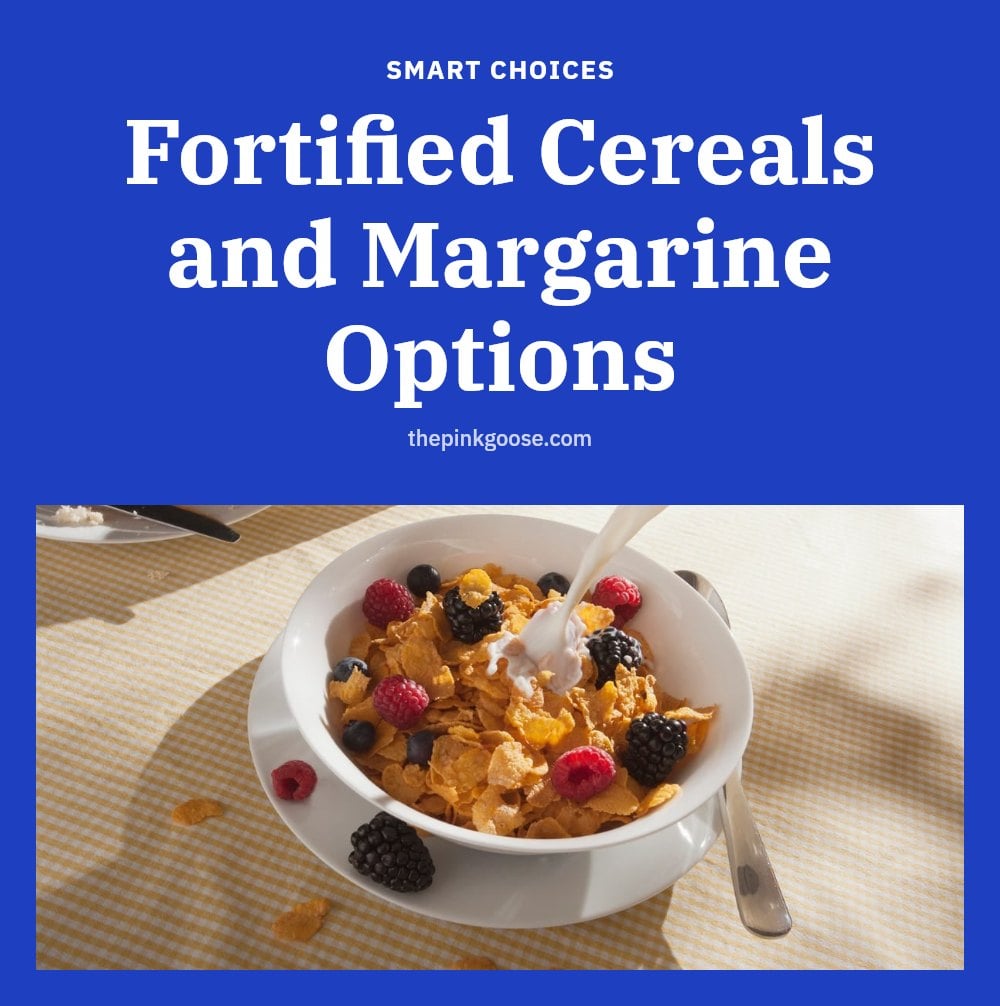
Some breakfast cereals and margarines are fortified with vitamin E, which can give your intake a convenient boost. While these products can contribute to your daily totals, they shouldn’t replace whole, unprocessed sources like nuts, seeds, and vegetables, which offer a broader range of nutrients your body needs.
Check the nutrition labels on your favorite brands to see if they include vitamin E. If they do, treat them as a bonus, not the main event. A bowl of fortified cereal with sliced almonds and berries gives you the best of both worlds.
10. Peanuts and Mango: Other Good Sources
Peanuts and mango are two more tasty ways to add vitamin E to your rotation. Peanuts contain a good amount, which means a peanut butter sandwich or a spoonful stirred into oatmeal is a convenient way to get some. Mango offers a moderate amount alongside vitamin C and fiber, making it a sweet and nutritious choice for snacks or desserts.
Remember, a varied diet is key to covering all your essential nutrients. Rotate these in with the nuts, seeds, and greens you already enjoy, and you’ll be getting a wide spectrum of vitamins and antioxidants.
11. Storing Foods to Preserve Vitamin E
Vitamin E is sensitive to light and air, so how you store your food matters more than you might think. Exposure to these elements can degrade the vitamin over time, reducing the amount you actually get from your meals. That’s why proper storage is crucial for keeping your nuts, seeds, and oils potent.
Store nuts, seeds, and oils in airtight containers in a cool, dark place, like your pantry or refrigerator. This slows down oxidation and preserves their vitamin E content. My tip: buy smaller quantities and use them within a few months, rather than stocking up for the long haul. Fresher food means more nutrients on your plate.
When to Talk to Your Doctor About Vitamin E
If you suspect a vitamin E deficiency because of a fat malabsorption disorder or another health condition, it’s important to talk to your doctor. Always check with your healthcare provider before starting any vitamin E supplements, especially if you take blood thinners or have other medical issues. They can help determine whether supplementation is needed and recommend a safe dosage for you.
Frequently Asked Questions
What are the signs of vitamin E deficiency?
Vitamin E deficiency is rare in healthy people, but when it does occur, symptoms can include muscle weakness, vision problems, and impaired immune function. It is most often linked to conditions that affect fat absorption, such as Crohn’s disease or cystic fibrosis. If you suspect a deficiency, talk to your doctor for proper testing and guidance.
Can I get too much vitamin E from food?
It is very difficult to get too much vitamin E from food alone because your body regulates absorption from natural sources. The risk of excess intake comes mainly from high-dose supplements, which can cause side effects like nausea, stomach cramps, and an increased risk of bleeding. Stick to whole foods for your daily vitamin E and only consider supplements under medical advice.
Does cooking destroy vitamin E in foods?
Yes, cooking can reduce the vitamin E content in foods, especially with high-heat methods like frying. To preserve more of the nutrient, opt for gentler cooking techniques such as steaming, sautéing over medium heat, or using vitamin E-rich oils in raw dressings. Storing nuts and seeds in a cool, dark place also helps protect their vitamin E.
Is topical vitamin E effective for scars?
Many people use topical vitamin E on scars because of its antioxidant properties, but scientific evidence on its effectiveness is mixed. Some studies show no significant improvement, and in rare cases it can cause skin irritation. If you are considering it for scar treatment, it is best to talk to a dermatologist about proven options.
How much vitamin E do adults need daily?
The recommended daily allowance for adults is 15 milligrams (or 22.4 IU) of alpha-tocopherol, the most active form of vitamin E in the body. This amount is easy to meet through a balanced diet that includes nuts, seeds, leafy greens, and healthy oils. Pregnant or breastfeeding women may have slightly different needs, so check with your healthcare provider.
Final Thoughts
My top recommendation is to make a handful of almonds or a quarter-cup of sunflower seeds your daily go-to snack. You’ll get a solid dose of vitamin E along with fiber and healthy fats, and it’s a simple habit that adds up over time. Remember, consistent intake from whole foods supports your health gradually, not overnight. Choose real food first, and let supplements be the backup plan.
This article is for general informational purposes only and does not constitute medical advice. Vitamin E needs and supplement safety can vary based on individual health conditions and medications. Always consult a qualified healthcare professional before starting any new supplement or if you have concerns about a deficiency or a health condition.
