

You already know vitamins are important, but did you know that even with a balanced diet, many women fall short on certain key ones? Factors like menstruation, pregnancy, and lifestyle choices can create specific nutritional gaps. This article covers the vitamins women commonly lack, why they matter, and the best food sources to help you fill those gaps naturally.
Key Takeaways
- Vitamin D deficiency is common due to limited sun exposure and dietary intake.
- Folate (B9) is crucial for women of childbearing age to prevent neural tube defects.
- Pair iron-rich foods with vitamin C to significantly boost iron absorption.
- Vitamin B12 is primarily found in animal products, so plant-based eaters need fortified foods.
- Focus on a varied diet first and consult a professional before starting supplements.
What Are Vitamins and Why Are They Important for Women?
Vitamins are organic compounds your body needs in small amounts to function, grow, and develop. A balanced diet is the ideal source, but women often face specific deficiencies because of diet, lifestyle, and physiological changes like menstruation or pregnancy. Knowing which vitamins are commonly lacking helps you make smarter food choices to support your energy, bones, and overall health.
Fat-Soluble vs. Water-Soluble Vitamins: What’s the Difference?
Fat-Soluble vs. Water-Soluble Vitamins: What’s the Difference?
Vitamins fall into two categories: fat-soluble and water-soluble. Fat-soluble vitamins, A, D, E, and K, are stored in your body’s fatty tissues and liver. This means you don’t need to consume them daily, but it also makes it possible to build up toxic levels if you take too much.
Water-soluble vitamins, which include all B vitamins and vitamin C, are not stored. Your body uses what it needs and excretes the rest through urine. You need a regular intake from food or supplements, and cooking methods like boiling can reduce their content. Steaming or light sautéing helps preserve them.
1. Vitamin D: The Sunshine Vitamin Women Often Lack

Vitamin D deficiency is surprisingly common, especially among women who get limited sun exposure or don’t eat many fortified foods. This vitamin is critical for bone health and immune function. Good food sources include fatty fish like salmon and mackerel, fortified dairy products, and eggs. Spending short periods outdoors without sunscreen can also help your body produce vitamin D, but be mindful of skin protection.
2. Folate (Vitamin B9): Essential for Reproductive Health
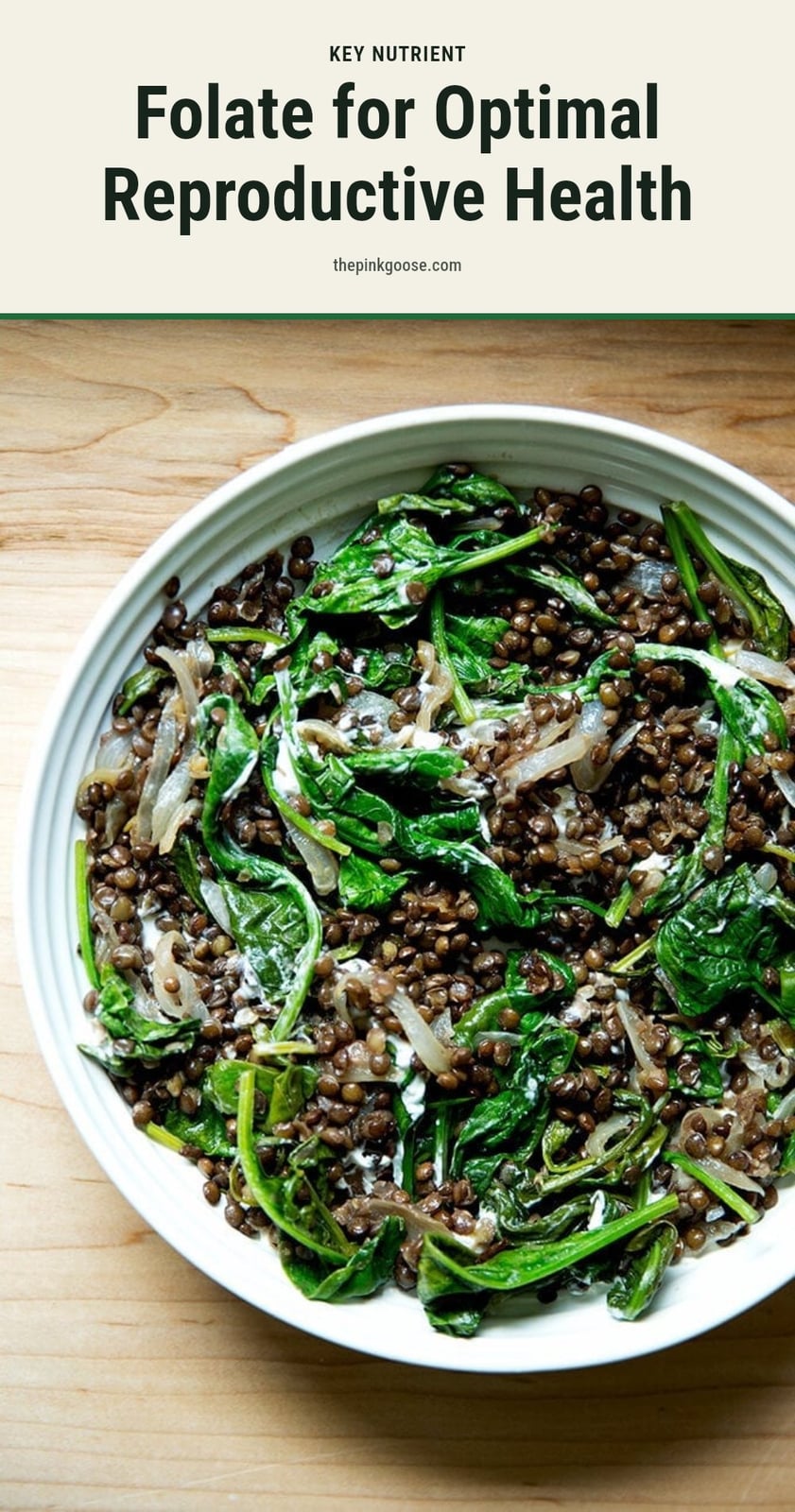
Folate, or vitamin B9, is especially important for women of childbearing age because it helps prevent neural tube defects in a developing baby. Even if you aren’t planning a pregnancy, getting enough folate supports red blood cell formation and overall cell growth. You can find it in leafy greens like spinach and kale, legumes such as lentils and chickpeas, and fortified grains like bread and cereal.
3. Iron and Vitamin C: A Powerful Duo for Women’s Health
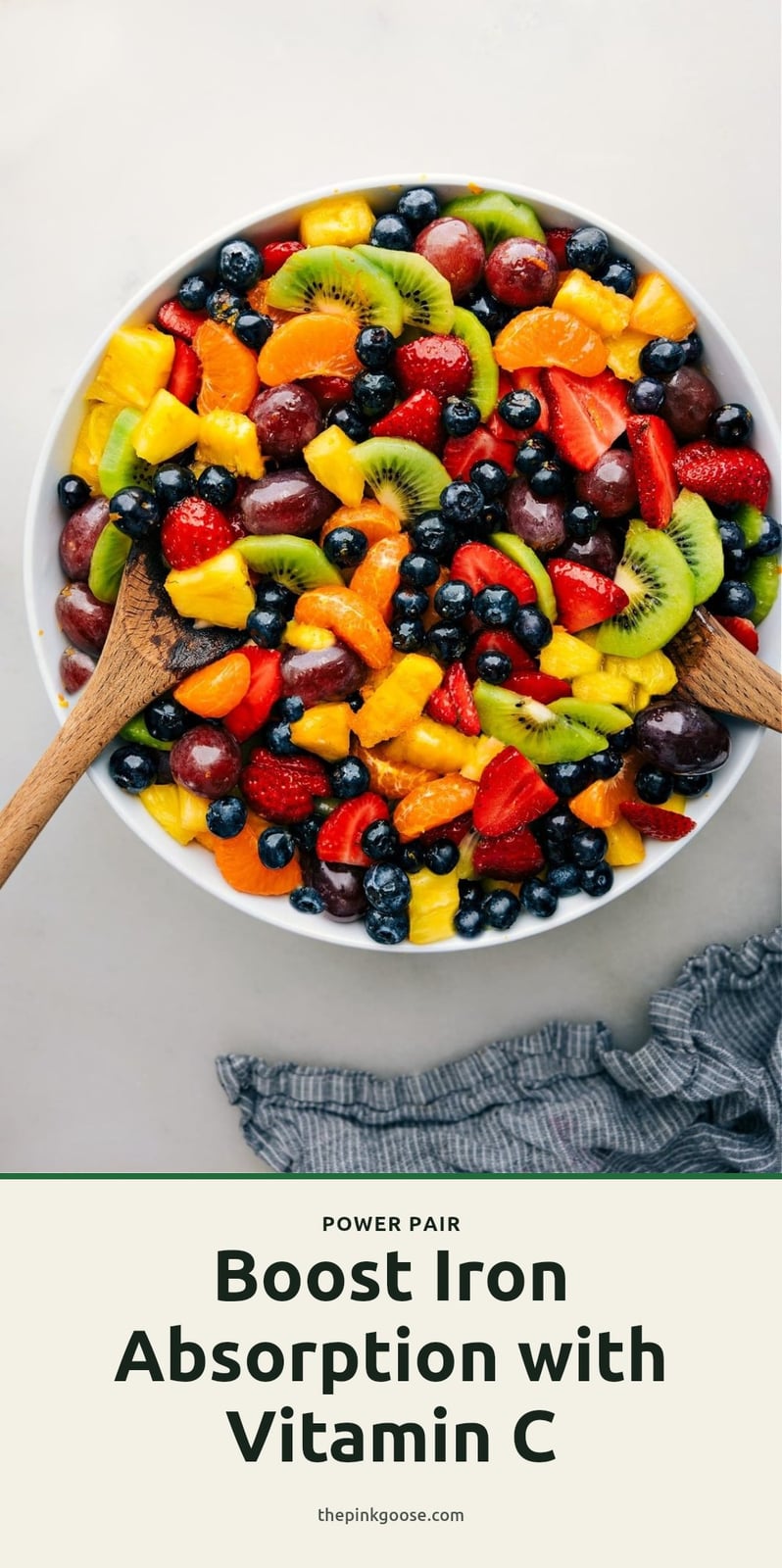
Iron deficiency anemia is a common issue for women, often linked to heavy menstrual bleeding or pregnancy. The key is pairing iron with vitamin C, which significantly boosts absorption. My tip: include a source of vitamin C every time you eat iron-rich foods. Good iron sources include red meat and legumes, while citrus fruits and berries provide the vitamin C your body needs to make the most of it.
4. Vitamin B12: A Concern for Plant-Based Diets
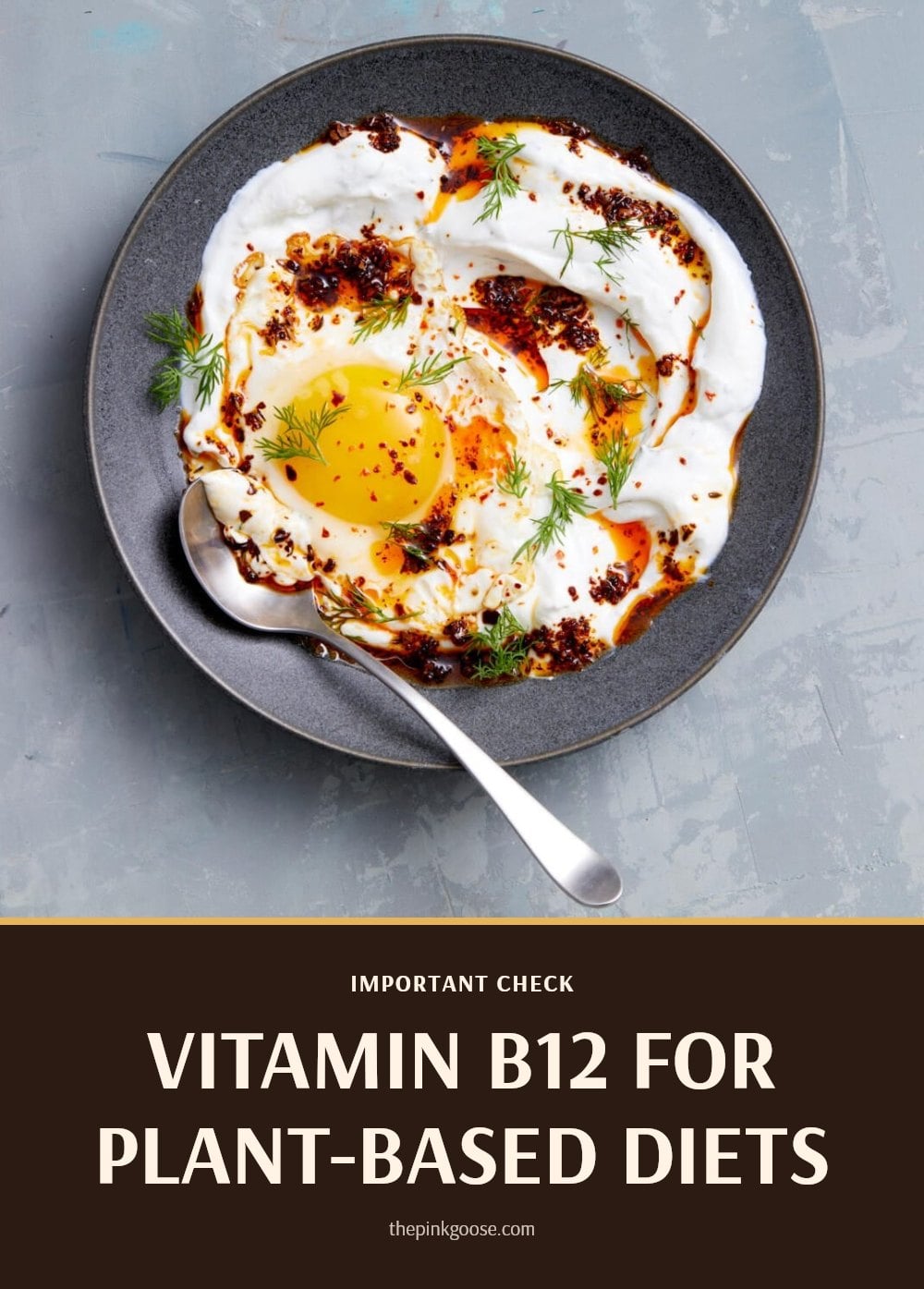
Vitamin B12 deficiency is a real concern for women following vegetarian or vegan diets. Since B12 is primarily found in animal products like meat, fish, and dairy, plant-based eaters need to be intentional about getting enough. Tip: Include fortified foods such as plant milks, breakfast cereals, or nutritional yeast in your meals, and consider a supplement after consulting a healthcare professional.
Beyond Vitamins: Important Minerals for Women
While vitamins get most of the attention, minerals are just as critical for women’s health. Calcium is essential for bone density, and women are at higher risk for osteoporosis, especially after menopause. Magnesium supports muscle function, nerve health, blood sugar balance, and blood pressure regulation, yet many women fall short. Potassium also plays a key role in blood pressure and fluid balance, and most women don’t get enough from their diet. Leafy greens, nuts, seeds, and dairy are good sources for these minerals.
Common Mistakes to Avoid When Considering Vitamins
Believing all supplements are equal: Effectiveness varies by brand and form. Focus on quality and your specific needs. Taking excessive fat-soluble vitamins: Vitamins A, D, E, and K build up in your body and can become toxic if you overdo it. Not considering interactions: Supplements can interfere with medications. Always tell your doctor what you’re taking. Ignoring individual needs: Age, diet, and health conditions change what you need. There is no one-size-fits-all approach. Overcooking vegetables: Boiling leaches water-soluble vitamins. Steam or lightly sauté instead.
When to Consult a Healthcare Professional About Your Vitamin Intake
Always talk to a healthcare professional before starting any new vitamin supplement, especially high-dose ones. If you experience persistent symptoms like severe fatigue or unexplained weight loss, it could signal a deficiency that needs evaluation. Pregnant or breastfeeding women and those with underlying health conditions should be extra cautious. A doctor or dietitian can also check for interactions between supplements and your current medications.
Frequently Asked Questions
Can I get all my vitamins from food alone?
It is possible for many people to meet their vitamin needs through a well-planned, varied diet rich in fruits, vegetables, whole grains, lean proteins, and healthy fats. However, certain life stages or dietary restrictions, like pregnancy or a vegan diet, may make it challenging to get enough of specific vitamins like B12 or folate without supplementation. A healthcare professional can help you determine if you need a supplement.
How do I know if I’m vitamin deficient?
You cannot reliably self-diagnose a vitamin deficiency based on symptoms alone, as many signs like fatigue or hair changes can overlap with other conditions. The most accurate way is to have a blood test ordered by your doctor. If you experience persistent symptoms such as severe tiredness or unexplained weight loss, schedule an appointment for a proper evaluation.
What’s the difference between vitamins and minerals?
Vitamins are organic compounds that your body needs in small amounts to function properly, while minerals are inorganic elements that come from soil and water and are absorbed by plants. Both are essential for health, but they have different chemical structures and roles. For example, vitamins like C and D are organic, while minerals like calcium and magnesium are inorganic.
Do cooking methods affect vitamin content in food?
Yes, cooking methods can significantly affect the vitamin content, especially for water-soluble vitamins like B vitamins and vitamin C. Overcooking vegetables or boiling them in large amounts of water can cause these vitamins to leach out. To preserve nutrients, consider steaming, microwaving, or stir-frying vegetables briefly instead of boiling them.
What vitamins are most important for women?
While all vitamins play a role, women often need to pay special attention to vitamin D for bone health, folate for reproductive health, and vitamin B12 for energy and nerve function. Pairing iron with vitamin C is also critical for preventing anemia. However, individual needs vary based on age, diet, and health status, so a personalized approach is best.
Final Thoughts
My recommendation is to start by taking a close look at your current diet and identifying which of these common shortfalls might apply to you. Focus on adding one or two food sources from the list above each week rather than overhauling everything at once. With consistent effort, you can begin to see changes in your energy and overall well-being within a few weeks to months.
This article is for general informational purposes only and does not constitute medical advice. Vitamin needs and deficiencies vary by individual. Always consult a qualified healthcare professional, such as a doctor or registered dietitian, before starting any new supplement or if you suspect you have a deficiency.
