

Figuring out how often to wash your hair can feel like a guessing game, especially when advice ranges from every day to once a week. The truth is, there’s no one-size-fits-all answer. Your ideal schedule depends on your unique hair type, how much oil your scalp produces, and your daily habits. This article breaks down the key factors to help you find a routine that keeps your hair clean, healthy, and looking its best without overdoing it.
Key Takeaways
- Washing frequency depends on hair type: fine or straight hair may need washing every 1-2 days, while curly or coily hair can go longer.
- Focus shampoo on the scalp and conditioner only on the mid-lengths and ends to avoid buildup.
- Use lukewarm water for washing and a cool rinse to help seal the hair cuticle.
- Adjust your schedule for lifestyle factors like exercise frequency and humid climates.
- Dry shampoo can extend time between washes but should not replace regular washing.
How Often Should You Wash Your Hair?
There is no single answer for how often to wash your hair. Your ideal frequency depends on your hair type, how much oil your scalp produces, and your lifestyle. Fine, straight hair may need washing every 1-2 days, while curly or coily hair can go a week or longer. The goal is a routine that keeps your hair healthy and clean without over-washing or under-washing.
Why Your Hair Gets Greasy (And What to Do)
What Causes Greasy Hair
Your scalp produces sebum, a natural oil that travels down each hair shaft. Fine or straight hair shows oil quickly because the shaft is narrow and the oil has a short distance to travel. Thick, curly, or coily hair takes longer for oil to distribute, so it stays moisturized between washes.
The Effects of Over-Washing and Under-Washing
- Over-washing: Strips the scalp of natural oils, which can trigger even more oil production as the scalp tries to compensate.
- Under-washing: Allows product buildup, scalp irritation, and dull-looking hair from accumulated oil and debris.
Finding your balance means adjusting to your hair’s natural oil production and avoiding extremes.
Your Essential Hair Washing Toolkit
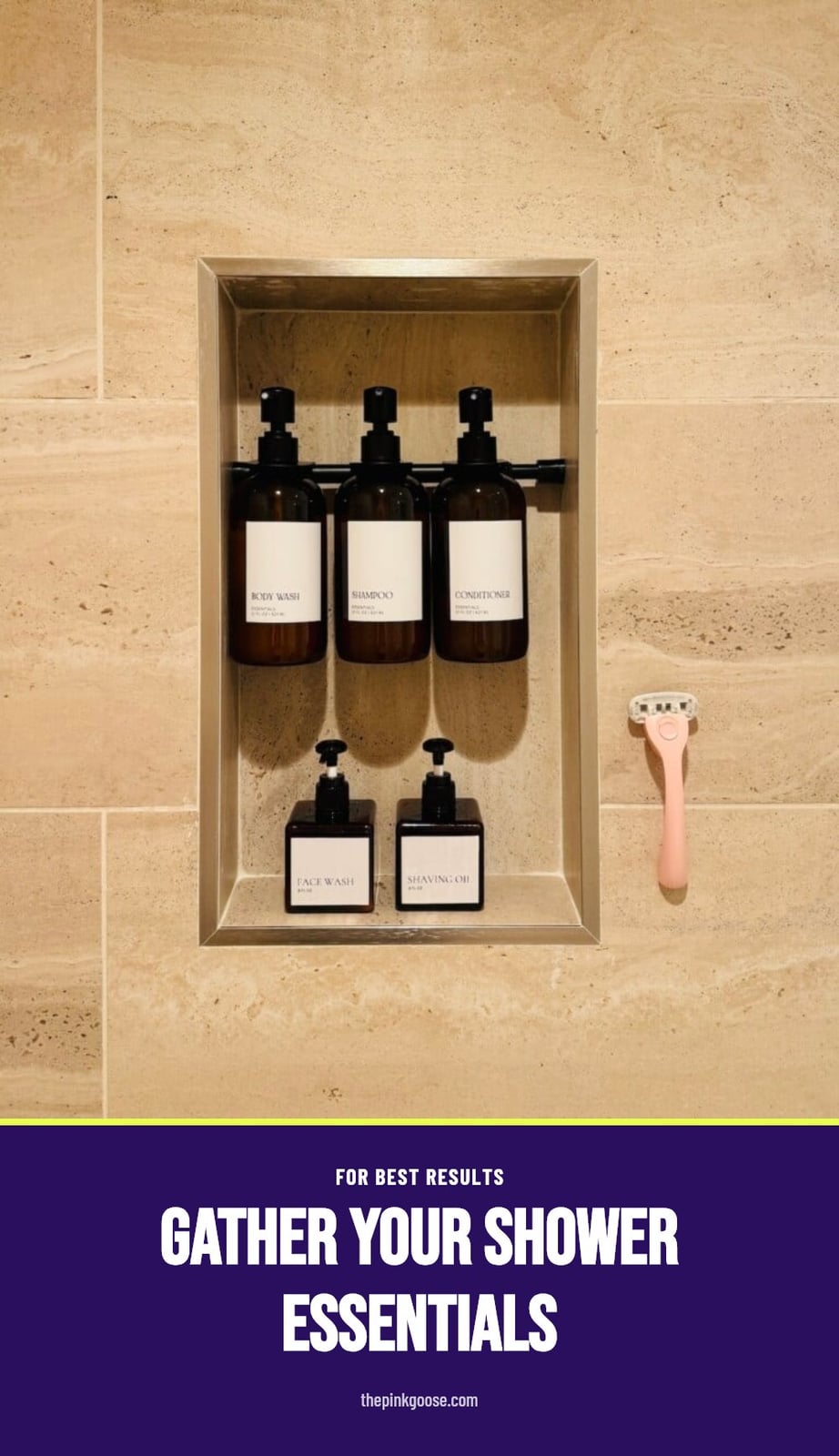
- Shampoo: Pick one formulated for your hair type, oily, dry, color-treated, or sensitive scalp.
- Conditioner: Use it on mid-lengths and ends to detangle and moisturize without weighing down roots.
- Dry shampoo: Extends time between washes by absorbing excess oil, but it is not a substitute for washing.
- Wide-tooth comb: Detangles wet hair gently, reducing breakage compared to a brush.
- Microfiber towel: Soaks up water with less friction, helping prevent frizz and damage.
Step-by-Step: The Right Way to Wash Your Hair
- Wet your hair completely: Start with lukewarm water. Hot water strips natural oils, and cold water won’t open the cuticle enough to let shampoo work. Soak every strand so the product spreads evenly.
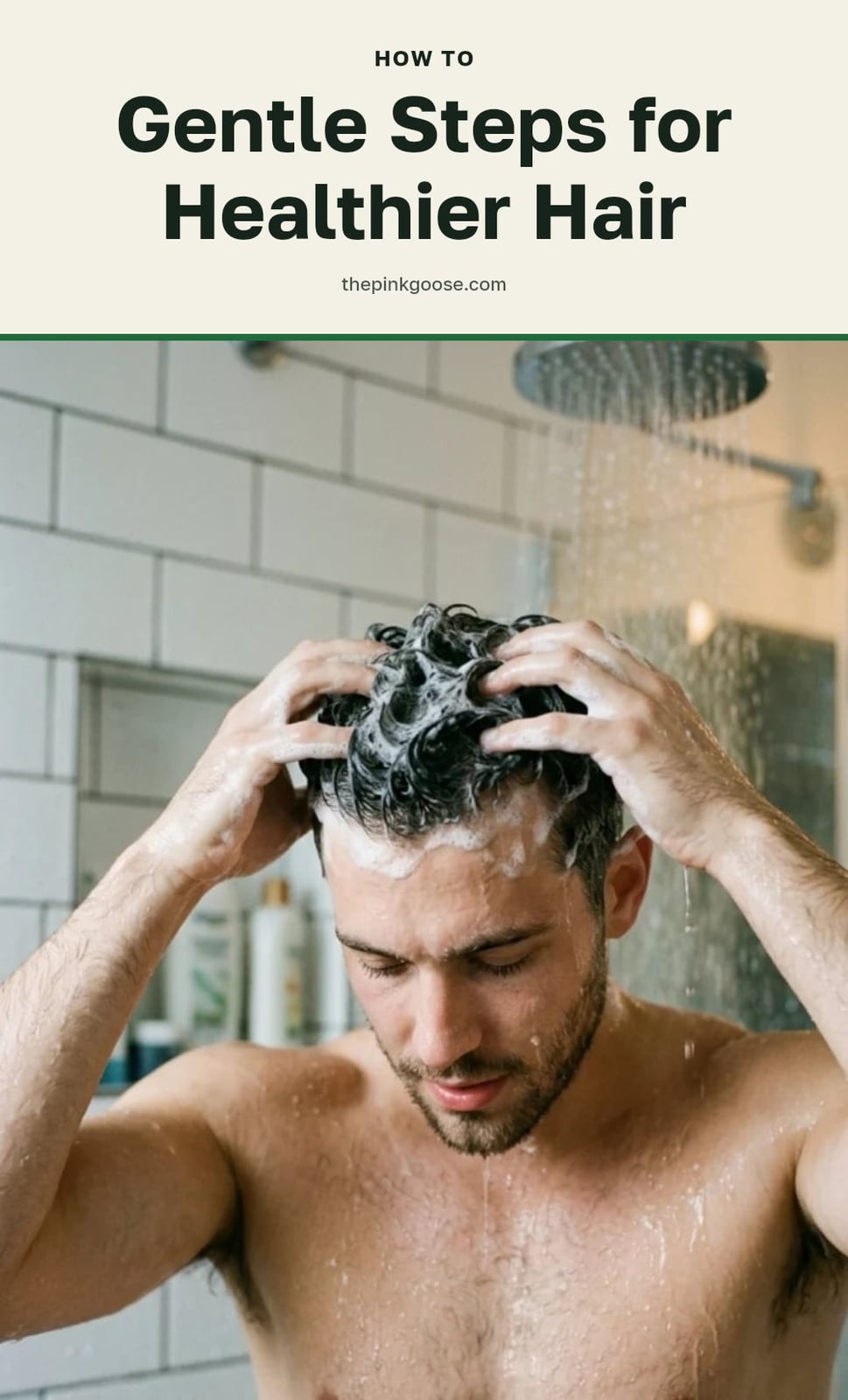
- Apply shampoo to the scalp only: Squeeze a coin-sized amount into your palm and dot it along your part line and crown. The scalp collects oil and buildup; the ends only need the rinse-off residue.
- Massage with fingertips, not nails: Use the pads of your fingers to gently work the shampoo into your scalp in small circles. Scratching with nails can irritate the skin and lead to inflammation.
- Rinse shampoo thoroughly: Let lukewarm water run through your hair until no suds remain. Leftover shampoo can cause dullness and flaking.
- Apply conditioner to mid-lengths and ends: Squeeze out excess water first so the conditioner isn’t diluted. Work a quarter-sized amount from about ear level down, avoiding the roots.
- Leave conditioner on for the recommended time: Check the bottle. Most formulas need 1 to 3 minutes. Use that time to wash your body or shave so you don’t rush the step.
- Rinse with cool water: Switch to cool water for the final rinse. The lower temperature helps seal the hair cuticle, which can reduce frizz and add shine.
Smart Tips for a Healthier Hair Washing Routine
Adjust for lifestyle: If you exercise most days or live in a humid climate, your scalp will produce more sweat and oil, so washing every other day may work best. For low-activity weeks or dry climates, you can stretch the interval.
Consider hair treatments: Color-treated or chemically processed hair needs gentler care. Washing less often helps preserve the color and prevents additional dryness. My tip: use dry shampoo on non-wash days to absorb oil without stripping.
Watch the water temperature: Lukewarm water cleans without stripping natural oils. A cool final rinse helps seal the hair cuticle, which reduces frizz and adds shine.
Rinse thoroughly: Residue from shampoo or conditioner can leave hair dull and weighed down. Spend an extra 30 seconds rinsing, especially around the nape of the neck and crown.
Experiment and observe: Your hair’s needs change with seasons, age, or new products. Pay attention to how it feels after two or three washes on a new schedule, then adjust until you find what keeps it clean and healthy.
Common Hair Washing Mistakes to Avoid
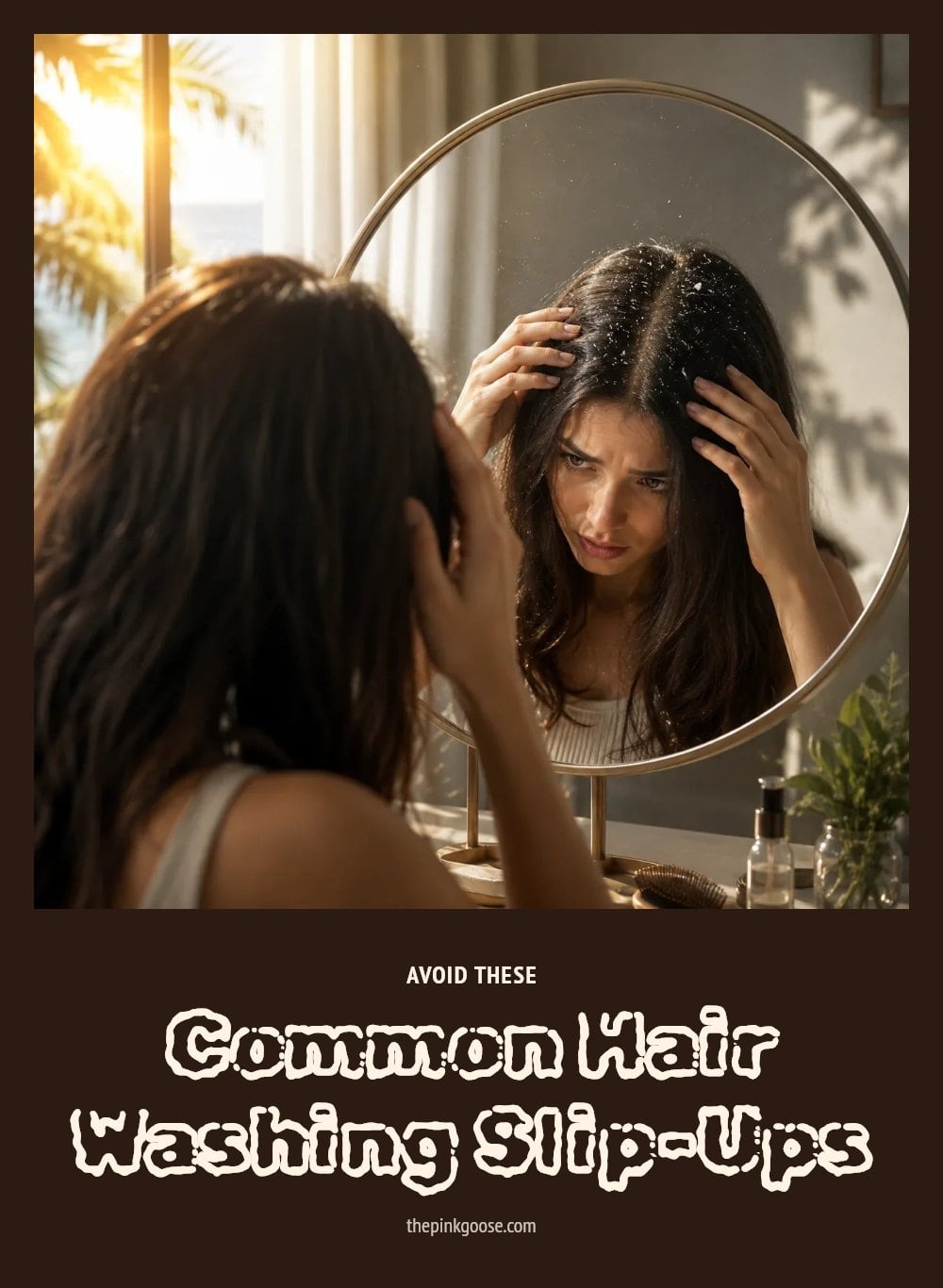
Washing daily out of habit: If your hair isn’t oily or sweaty, daily washing strips natural oils and can trigger more oil production. Skip a day or two and see if your scalp balances out.
Applying shampoo to ends: Shampoo is meant for the scalp, where oil and buildup live. The ends are drier and more fragile, so they only need the suds that run down during rinsing.
Not rinsing thoroughly: Leftover product creates buildup that makes hair look flat and feel sticky. Rinse each section until the water runs clear, especially if you use heavy conditioners or styling products.
Using too much product: A coin-sized amount of shampoo is enough for medium-length hair. More than that can weigh hair down and leave residue. Start small and add only if needed.
Ignoring hair and scalp changes: Your routine should evolve with the seasons, age, or after chemical treatments. If your hair suddenly feels greasier or drier, adjust the frequency or products rather than sticking with a routine that no longer works.
When to See a Professional for Scalp Concerns
Persistent scalp itching: If the itching continues after you adjust your washing routine or switch to a gentler shampoo, it could signal an underlying condition like seborrheic dermatitis.
Excessive redness or flaking: Red patches or heavy flaking that doesn’t respond to over-the-counter dandruff shampoos may require a dermatologist’s diagnosis and prescription treatment.
Unusual hair loss: Losing more than 50-100 strands a day, or noticing bald patches, warrants a professional evaluation to rule out medical causes.
Severe dryness or oiliness: If your scalp is persistently very dry or very oily despite trying different products and schedules, a dermatologist can identify the cause and recommend targeted solutions.
Frequently Asked Questions
Can I train my hair to be less greasy?
Some people find that gradually stretching out the time between washes can help their scalp adjust and produce less oil over time. It’s not guaranteed for everyone, but reducing washing frequency slowly, by a day at a time, may help your scalp find a new balance. Be patient, as it can take a few weeks to see a difference.
Does water temperature affect hair washing?
Yes, water temperature matters. Lukewarm water is best for shampooing because it helps open the hair cuticle just enough to let the shampoo work without stripping natural oils. A cool rinse at the end can help seal the cuticle, which may reduce frizz and add shine. Avoid very hot water, as it can dry out your scalp and hair.
How much shampoo should I use?
For medium-length hair, a coin-sized amount of shampoo is usually enough. If your hair is longer or thicker, you might need a bit more, but start small and add only if needed. Using too much shampoo can lead to product buildup and strip your scalp of its natural oils, so it’s better to use less than you think.
What is the best way to rinse my hair?
Rinse thoroughly with lukewarm water, making sure no shampoo or conditioner residue remains. Leftover product can cause buildup, making hair look dull or feel heavy. A cool final rinse can help smooth the hair cuticle, but the key is to keep rinsing until the water runs clear and your hair feels clean.
Final Thoughts
Start by considering your hair type and how quickly your scalp produces oil. If your hair is fine or straight, washing every 1-2 days might work best. For curly or coily hair, stretching washes to once a week or even longer can help maintain moisture. Adjust based on your lifestyle, like how often you exercise. Give any new routine a few weeks to see how your scalp and hair respond. The goal is a schedule that leaves your hair feeling clean and balanced without stripping it dry.
This article is for informational purposes only and does not constitute medical or professional advice. Hair care needs vary, and what works for one person may not work for another. If you have persistent scalp issues like itching, redness, or flaking, consult a dermatologist or a licensed hair care professional for personalized guidance.
