

When the days get shorter and the sun takes a long winter nap, it’s common to feel a bit off. You might notice your energy dipping, your motivation hiding under a blanket, and a general case of the “mehs.” That’s the winter blues, and it’s more common than you might think. This article offers a practical self-care plan to help you navigate the darker months, covering everything from light exposure and movement to building a cozy, mood-boosting routine.

Key Takeaways
- Get 15-30 minutes of outdoor light daily, even on cloudy days.
- Keep a consistent sleep schedule to regulate your body’s rhythms.
- Aim for at least 30 minutes of physical activity most days.
- Connect with friends and family regularly to fight isolation.
- Talk to a doctor if symptoms are severe or last for weeks.
What Are the Winter Blues and Why Do They Happen?
The ‘winter blues’ is a common, mild dip in mood and energy that many of us feel when the days get shorter and colder. It’s not a clinical diagnosis, but it often shows up as feelings of sadness, fatigue, and a lack of motivation. The main culprit is likely reduced exposure to natural light, which can directly affect your mood and energy levels.
Go-To Strategies for Boosting Mood and Energy
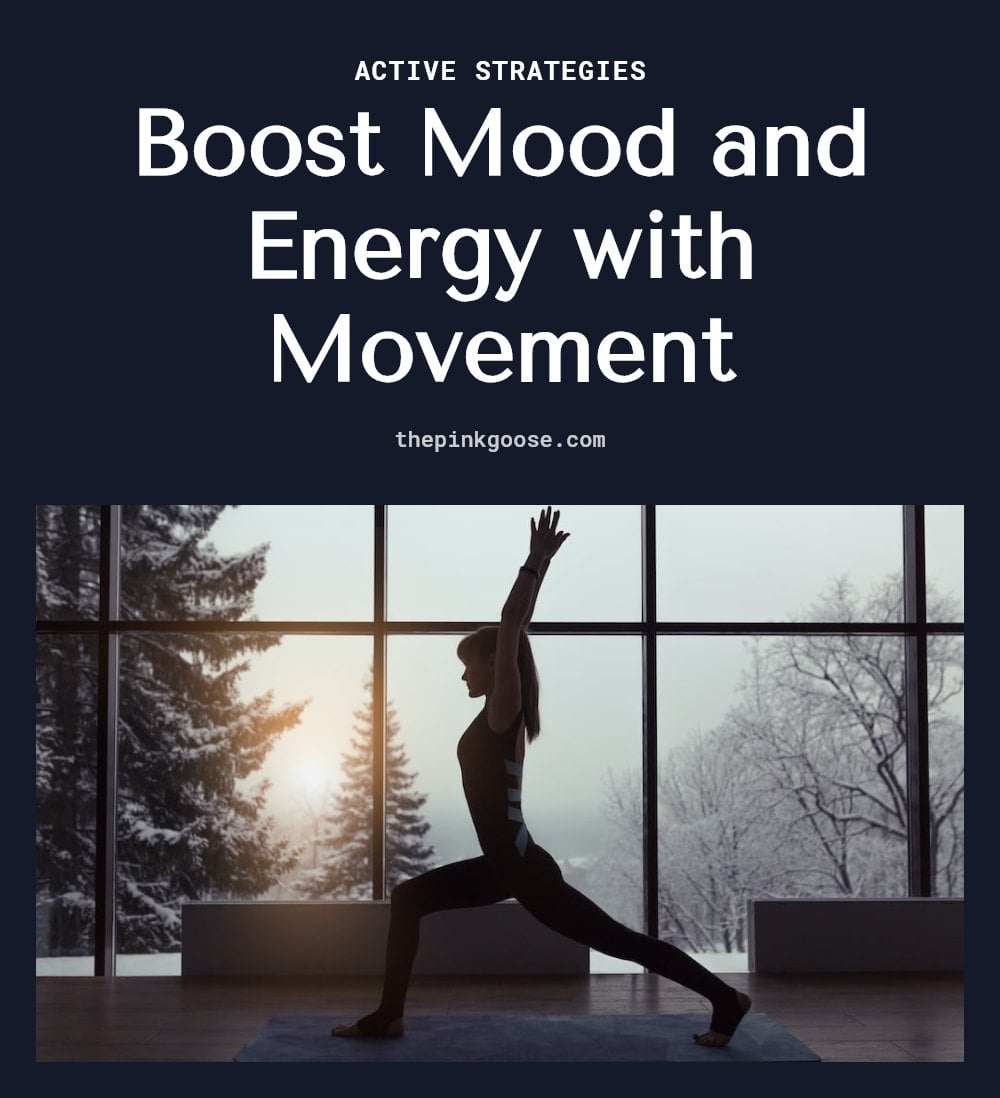
Go-To Strategies for Boosting Mood and Energy
When the winter blues hit, I’ve found that a few consistent habits make a real difference. Start by maximizing your natural light exposure each day. Open your blinds as soon as you wake up, and try to spend at least 15-30 minutes outside, even when it’s cloudy. That daylight, even filtered, can help regulate your body’s rhythms.
Regular physical activity is another powerful tool. Aim for at least 30 minutes of moderate exercise most days, a brisk walk, a yoga session, or a quick workout at home. It boosts endorphins and energy. My tip: schedule it like a non-negotiable appointment.
Don’t underestimate a consistent sleep schedule. Go to bed and wake up at the same time every day, including weekends. This helps stabilize your internal clock and improves mood. Also, prioritize social connections. Plan regular meet-ups or virtual calls to counteract isolation.
Finally, try practicing mindfulness or meditation for just 5-10 minutes a day. It can help you manage stress and stay present, rather than ruminating on the gray weather.
Essential Tools for Your Winter Blues Toolkit
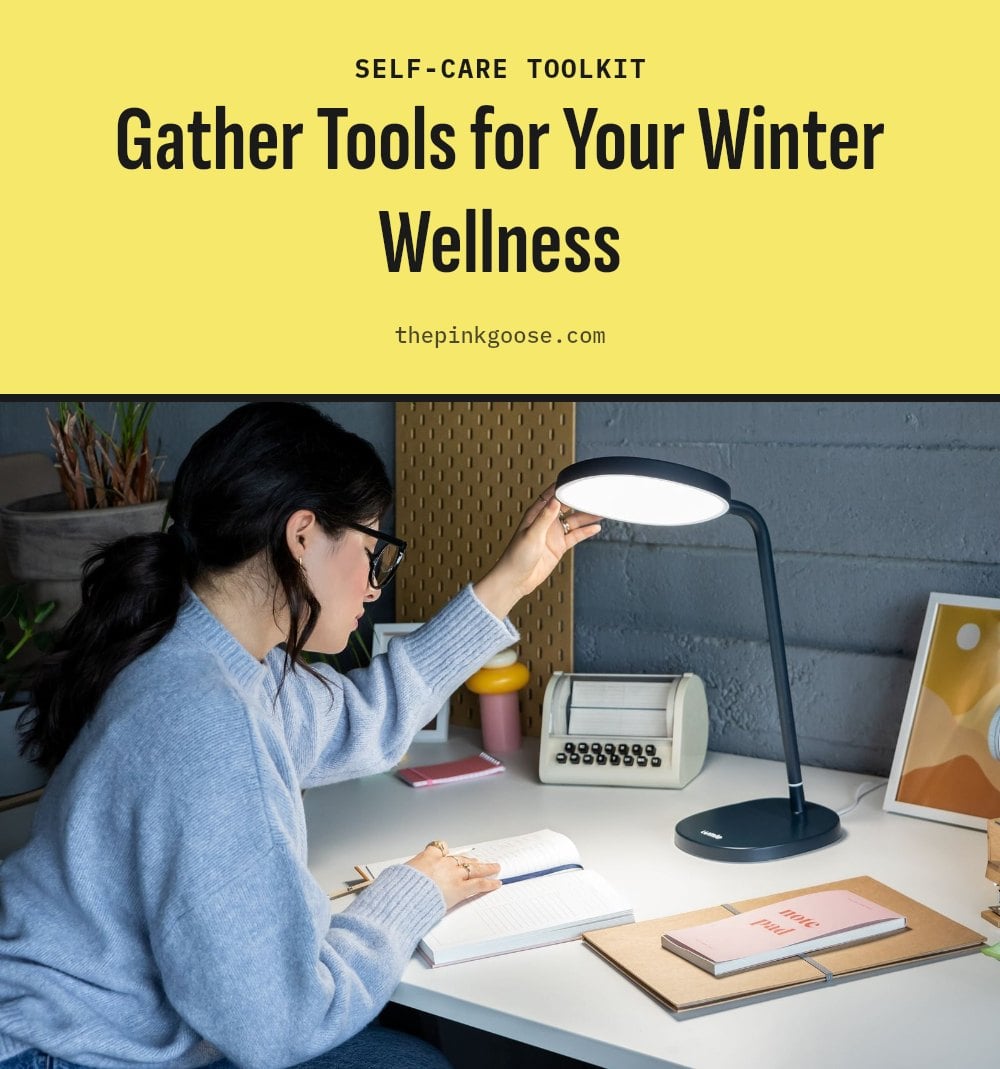
Essential Tools for Your Winter Blues Toolkit
A few simple items can support your winter wellness routine. A light therapy lamp provides bright, artificial light that mimics sunlight, useful on dark mornings. Caution: Always consult a healthcare provider before starting light therapy to ensure it’s right for you and to get guidance on proper use.
- Light therapy lamp for daily light exposure
- Comfortable walking shoes to encourage outdoor activity
- Cozy blankets to enhance home comfort and warmth
- Journal for self-reflection and mood tracking
Smart Habits to Keep the Winter Blues at Bay
Smart Habits to Keep the Winter Blues at Bay
Small daily habits can make a big difference. Start by opening your blinds and curtains immediately after waking to let in natural light. Then, aim to spend at least 15-30 minutes outdoors each day, even on overcast days, that exposure still helps. At home, create a cozy environment with warm lighting (like lamps instead of overhead lights) and soft textures like fleece or wool.
Don’t forget your diet. Eat a balanced mix of fruits, vegetables, and whole grains to support your energy and mood. And stay hydrated throughout the day; even mild dehydration can drain your focus and energy.
Common Missteps When Dealing With Winter Mood Swings
Confusing the winter blues with Seasonal Affective Disorder (SAD) is a common mistake. The winter blues are mild and temporary, while SAD is a clinical diagnosis that often requires professional treatment. If your symptoms are severe, last for weeks, or interfere with daily life, talk to a doctor.
Underestimating indoor lighting is another misstep. Overhead lights alone may not be enough. Add floor lamps, task lights, or a light therapy lamp to brighten your space during the day.
Neglecting social connections can worsen low mood. Actively plan meet-ups or virtual calls instead of waiting for others to reach out. Ignoring consistent sleep is also a trap. Prioritize a regular sleep schedule, even on weekends, to help regulate your body’s rhythms.
How Long Until You Feel Better?
Consistent daily effort is key for sustained improvement over several weeks or months. Some benefits, like a mood boost after a walk or a brighter morning with a light lamp, may be noticeable within days. Many strategies are free, such as opening blinds or going outside. Costs for tools like light therapy lamps vary, but you can start with no-cost habits and add items as needed.
When to Reach Out for Professional Support
If your symptoms are severe, persistent, or interfere with daily life, consult a doctor. These could be signs of Seasonal Affective Disorder (SAD) or another underlying condition that requires professional care. Before starting light therapy or any supplements, including Vitamin D, discuss it with your healthcare provider to ensure it is safe and appropriate for you. They can guide you on proper usage and dosage.
Frequently Asked Questions
What is the difference between winter blues and SAD?
The winter blues are a mild, temporary dip in mood and energy that many people experience during the darker months. Seasonal Affective Disorder (SAD) is a clinical diagnosis with more severe symptoms that can significantly interfere with daily life. If your symptoms are intense, last for weeks, or make it hard to function, it’s important to talk to a doctor.
Can diet really affect my mood during winter?
Yes, a balanced diet rich in fruits, vegetables, and whole grains supports your overall physical and mental health. Eating well helps stabilize your energy and mood, which can be especially helpful when you’re feeling sluggish. Staying hydrated is also key. Think of food as fuel for both your body and your brain.
How long does it take to feel better using these tips?
You might notice a small mood boost within a few days, like after a brisk walk or a brighter morning with a light lamp. However, for sustained improvement, consistent daily effort over several weeks or months is usually needed. Be patient with yourself and stick with your routine.
Is it okay to use a tanning bed for light exposure?
No, tanning beds are not a safe substitute for light therapy. They emit harmful UV radiation that increases your risk of skin cancer and premature aging. If you’re considering light therapy for the winter blues, talk to your doctor about using a proper light therapy lamp designed for that purpose.
What type of light therapy lamp should I buy?
It’s best to consult with a healthcare provider for guidance on choosing a light therapy lamp, as they can advise on the appropriate intensity and usage for your needs. When shopping, look for a lamp that emits bright, white light (typically 10,000 lux) and filters out UV rays. Your doctor can help you decide if light therapy is right for you and how to use it safely.
Final Thoughts
My tip: pick one or two strategies from this list and weave them into your daily routine. Maybe it’s a morning walk or opening your blinds before your coffee. Consistency matters more than perfection. You might notice a small mood lift within a few days, but give yourself several weeks of steady effort to really feel the difference. The winter blues are manageable, and you have more control than you think.
This article is for general informational purposes only and is not a substitute for professional medical or mental health advice. If you are experiencing persistent, severe, or worsening symptoms, please consult a doctor or qualified healthcare provider for a proper evaluation and personalized guidance.
