

You’ve probably seen witch hazel in the toner aisle and wondered if it really lives up to the hype. It’s a plant-based astringent that can temporarily tighten pores and cut down on oil, but it’s not a one-size-fits-all miracle worker. This article breaks down what witch hazel actually does for your skin, separates the myths from the facts, and helps you choose the right product for your skin type.
Key Takeaways
- Witch hazel’s pore-tightening effect is temporary, not permanent.
- Choose alcohol-free witch hazel if you have dry, sensitive, or combination skin.
- Always do a patch test before applying witch hazel to your face.
- It can help control oil but does not stop oil production.
- Use witch hazel as a supportive ingredient, not a standalone acne treatment.
What is Witch Hazel and How Does It Work?
Witch hazel is a plant-derived ingredient extracted from the leaves and bark of the Hamamelis virginiana shrub. It’s best known for its astringent and anti-inflammatory properties, which can temporarily tighten pores and reduce surface oiliness. Many commercial formulations contain alcohol (often 14% or more) as a solvent and preservative, which can be drying and irritating for some skin types. That alcohol content is the main reason witch hazel gets a mixed reputation in skincare.
The Science Behind Witch Hazel’s Skin Benefits

The Science Behind Witch Hazel’s Skin Benefits
The key active compounds in witch hazel are tannins, particularly hamamelitannin. Tannins create an astringent effect by binding to proteins in the skin, which temporarily constricts blood vessels and tightens tissue. This is what makes pores look smaller and skin feel firmer right after application.
Witch hazel also contains anti-inflammatory compounds like gallic acid and proanthocyanidins. These can help calm redness and soothe minor irritation, which is why many people turn to it for acne-related inflammation or razor burn.
One important clarification: witch hazel can remove excess oil from the skin’s surface, but it does not stop your oil glands from producing more. The oil-reducing effect is temporary and superficial, not a long-term solution for oily skin.
Witch Hazel: Separating Fact from Fiction
Witch Hazel: Separating Fact from Fiction
Myth: Witch hazel permanently shrinks pores. Reality: The tightening effect is temporary. Pores don’t have muscles, so they can’t open or close permanently. Witch hazel constricts the surrounding skin, making pores appear smaller for a few hours.
Myth: Witch hazel is a standalone acne cure. Reality: It can be a helpful supportive ingredient for mild breakouts, but it won’t treat the underlying causes of acne like bacteria, hormones, or clogged pores. It’s best used alongside a proper acne-fighting routine.
Myth: All witch hazel is gentle. Reality: The alcohol content varies widely between products. Some formulations contain high amounts of alcohol that can strip and irritate the skin, while alcohol-free versions are much gentler and better suited for regular use.
Choosing the Right Witch Hazel Product for Your Skin
Not all witch hazel products are created equal. The biggest difference is whether the formula contains alcohol or is alcohol-free. Here’s how to choose based on your skin type and concerns.
| Product Type | Best For | What to Watch For |
|---|---|---|
| Alcohol-based witch hazel | Oily, non-sensitive skin; occasional spot treatment | Can cause dryness, redness, and irritation on regular use |
| Alcohol-free witch hazel | Dry, sensitive, or combination skin; daily use | Check the ingredient list to confirm no alcohol is added |
| Witch hazel with glycerin | Normal to dry skin; those wanting hydration | Glycerin adds moisture, making it less stripping |
| Witch hazel with added soothing ingredients | Sensitive or reactive skin; post-shave use | Look for aloe, chamomile, or green tea on the label |
My tip: If your skin is dry, sensitive, or prone to redness, always choose an alcohol-free version. For oily skin, an alcohol-based formula can work as an occasional toner, but watch for signs of over-drying.
How to Incorporate Witch Hazel into Your Skincare Routine

Patch test first: Before using witch hazel on your face, apply a small amount to a discreet area like your inner arm or behind your ear. Wait 24 hours to check for redness, stinging, or irritation. This step is especially important if you have sensitive skin.
- Cleanse your face: Start with a gentle cleanser to remove makeup, dirt, and oil. Pat your skin dry with a clean towel.
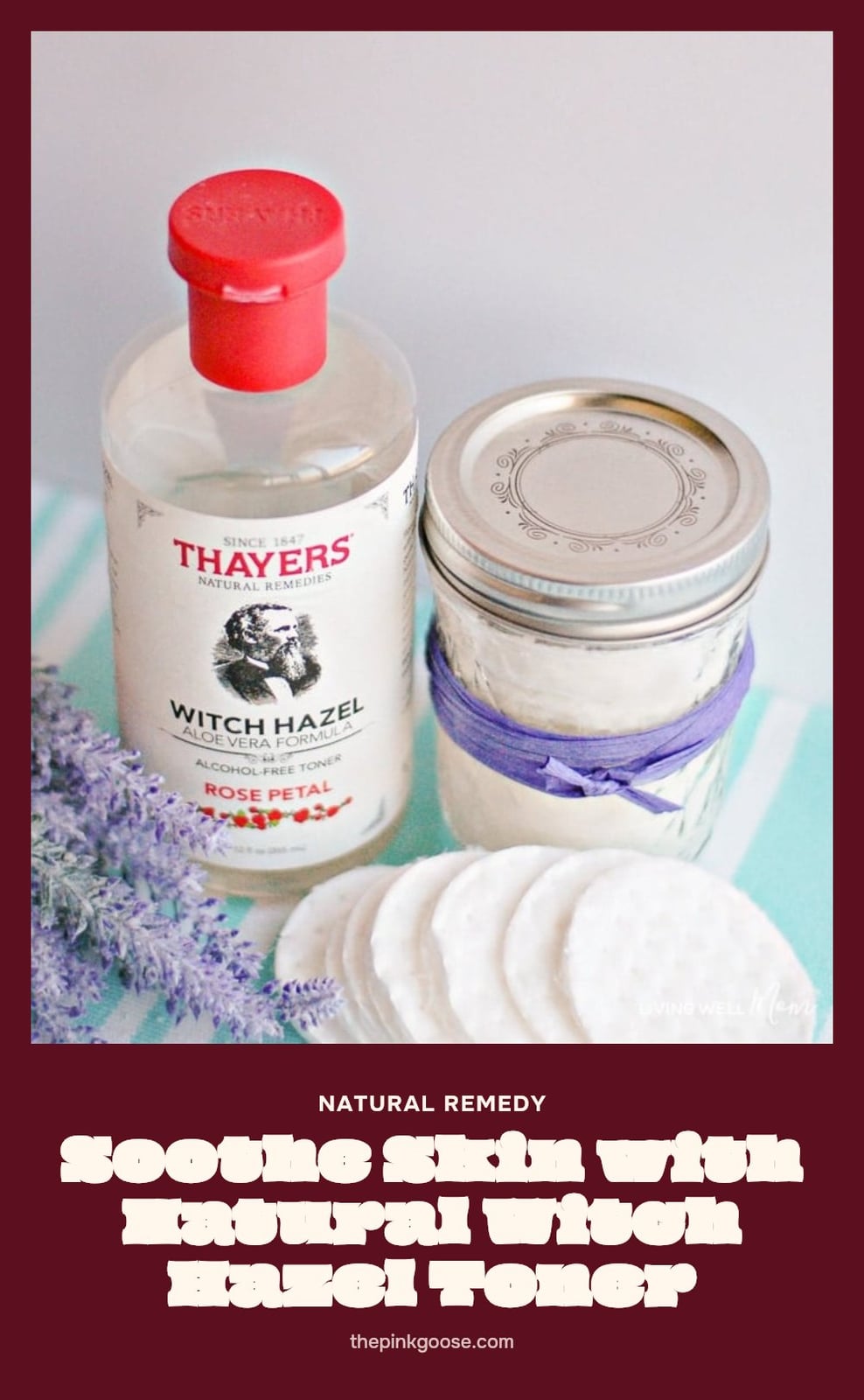
- Apply with a cotton pad: Soak a cotton pad with witch hazel and gently sweep it over your face, avoiding the eye area. Move from the center of your face outward. This helps remove any leftover residue and delivers the astringent benefits evenly.
- Follow with moisturizer: Witch hazel can be drying, so apply a hydrating moisturizer immediately after to lock in moisture and maintain your skin barrier.
- Use as a spot treatment: For occasional breakouts or oily spots, dab a small amount of witch hazel directly onto the blemish with a cotton swab. Leave it on without rinsing.
Common Witch Hazel Mistakes to Avoid
Using alcohol-based witch hazel on dry or sensitive skin: Many commercial witch hazel products contain alcohol (often 14% or more), which can strip moisture and cause irritation. If your skin is dry, sensitive, or prone to redness, choose an alcohol-free formula instead.
- Expecting permanent pore shrinkage: Witch hazel tightens pores temporarily by constricting skin tissue. Pores don’t have muscles, so they can’t close permanently. The effect lasts only a few hours.
- Over-applying and stripping skin: Using witch hazel more than twice a day or saturating your face can remove natural oils, leading to dryness and rebound oiliness. Stick to once or twice daily.
- Using it on open wounds: Avoid applying witch hazel to broken skin, cuts, or active acne that’s been picked. The astringent action can delay healing and cause stinging.
Pro Tips for Maximizing Witch Hazel’s Benefits

Store in a cool, dark place: Keep your witch hazel bottle away from direct sunlight and heat. Exposure can degrade the active compounds like tannins, reducing effectiveness. A bathroom cabinet works well.
- Combine with hydrating products: After applying witch hazel, layer a hydrating serum or a moisturizer with ingredients like hyaluronic acid or glycerin. This balances the astringent effect and prevents dryness.
- Use as a natural aftershave: After shaving, apply a small amount of alcohol-free witch hazel to your skin with a cotton pad. It can help soothe razor burn, reduce redness, and prevent ingrown hairs.
- Monitor your skin’s reaction: Pay attention to how your skin feels after each use. If you notice persistent tightness, flaking, or stinging, reduce frequency or switch to an alcohol-free version.
When to Consult a Dermatologist About Your Skin Concerns
If you experience persistent dryness, redness, or irritation after using witch hazel, stop use and consult a dermatologist. Also seek professional advice if your skin condition does not improve after several weeks of consistent care. People with pre-existing conditions like eczema or rosacea should talk to a doctor before adding new products. For severe acne or other serious skin issues, a dermatologist can provide treatments that go beyond what over-the-counter products can offer.
Frequently Asked Questions
Can witch hazel completely get rid of acne?
No, witch hazel is not a standalone cure for acne. It can help remove excess oil and calm redness, making it a supportive ingredient for mild breakouts. For persistent or severe acne, consult a dermatologist for a treatment plan that addresses the root causes.
Is witch hazel safe for sensitive skin?
It can be, but you need to choose an alcohol-free formula. Many commercial witch hazel products contain alcohol (often 14% or more), which can dry out and irritate sensitive skin. Always patch test first and stop use if you notice redness or stinging.
How often should I use witch hazel?
Start with once a day, typically after cleansing and before moisturizing. If your skin tolerates it well, you can use it twice daily. If you experience dryness or irritation, reduce frequency to every other day or less. Listen to your skin.
Can I use witch hazel as a makeup remover?
Witch hazel can help remove light makeup and excess oil, but it’s not a dedicated makeup remover. It may not effectively remove waterproof or long-wear products. For best results, use a gentle makeup remover or cleansing oil first, then follow with witch hazel as a toner.
Does witch hazel interact with other skincare ingredients?
Witch hazel generally works well with most skincare ingredients, but avoid layering it with other strong astringents or exfoliants like salicylic acid or retinol in the same routine, as this can increase dryness and irritation. Use it at a different time of day or alternate days.
Final Thoughts
My tip: Start with an alcohol-free witch hazel formula and use it once a day after cleansing to see how your skin responds. You might notice immediate soothing and a temporary reduction in pore size, but don’t expect permanent changes. If your skin feels dry or irritated, cut back to every other day or skip it entirely. Witch hazel is a helpful tool, not a cure-all, so pair it with a solid routine and a good moisturizer.
This article is for informational purposes only and does not constitute medical or professional advice. Witch hazel may not be suitable for all skin types or conditions. If you have a persistent skin concern, irritation, or a pre-existing condition like eczema or rosacea, consult a dermatologist before use.
