

I spent years chasing lighter blonde. Then I sat next to someone at the salon who was doing the opposite – adding dark pieces back in. It looked intentional, not regrown. That’s when lowlights stopped being a fix and started being a choice.
This roundup of 34 Lowlights for Blonde Hair covers everything from a chin bob with dark brown lowlights to mid-back honey blonde with caramel. Some are subtle, some are bold. Some need a salon, some you can talk through in one appointment. I wrote this for anyone whose blonde went flat by 4 pm or whose grow-out line showed at week five – the people who want depth, not more lift.
Chin Bob With Dark Brown Lowlights
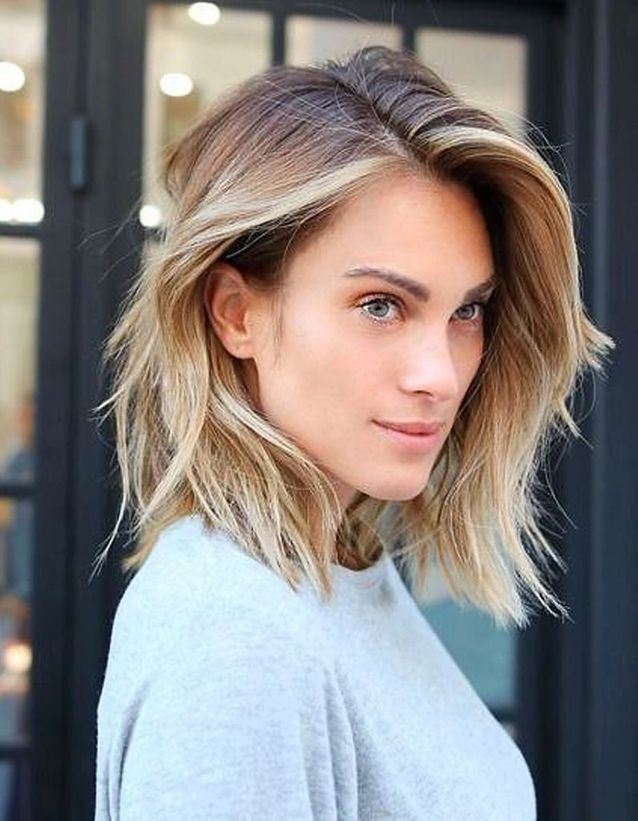
This is the low-contrast move that actually reads as high contrast. Dark brown lowlights on a blonde base, and I mean a proper dark brown, not a shade darker blonde. In a chin bob with no bangs, middle-parted, the dark strands sit like shadows through the wavy blowout. Wavy texture helps here, it keeps the dark pieces from looking like stripes. Medium density hair holds the contrast without going flat. The tone is cool, the dark brown pulls neutral, and the whole thing lands somewhere between edgy and intentional. A blonde bob with dark lowlights suits anyone who wants dimension without a full colour change. Skip it if your hair is fine and you cannot commit to a salon every eight weeks, the regrowth line on dark lowlights shows fast.
Mid-Back Blunt Cut Ash Blonde Lowlights
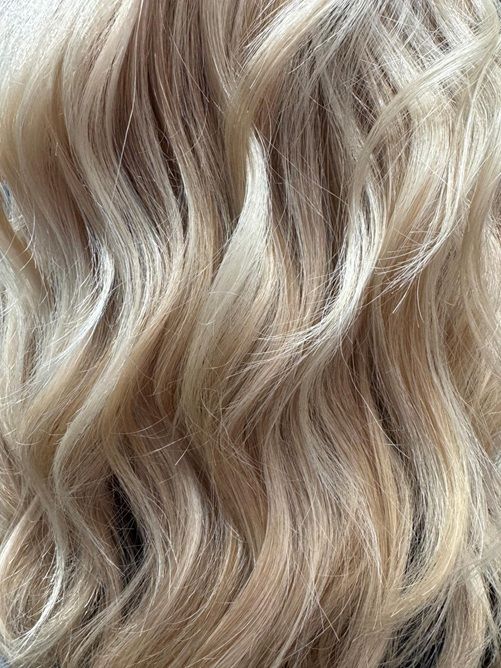
What I notice first is how the ash blonde lowlights sit against a platinum blonde base. The technique is precise, thin sections painted from mid-length to end, nothing near the root. On a mid-back blunt cut with a middle part, straight and thick, the lowlights read as clean vertical lines. The tone is cool, ash against platinum, no warmth anywhere. Thick texture is almost required here, thin hair would let the lowlights overwhelm the base. Upkeep is the catch, this needs professional toning every six to eight weeks to keep the platinum from warming and the ash from fading. The blunt cut needs a trim every ten weeks or the ends fray and the clean line disappears.
Collarbone Waves Warm Blonde Transition
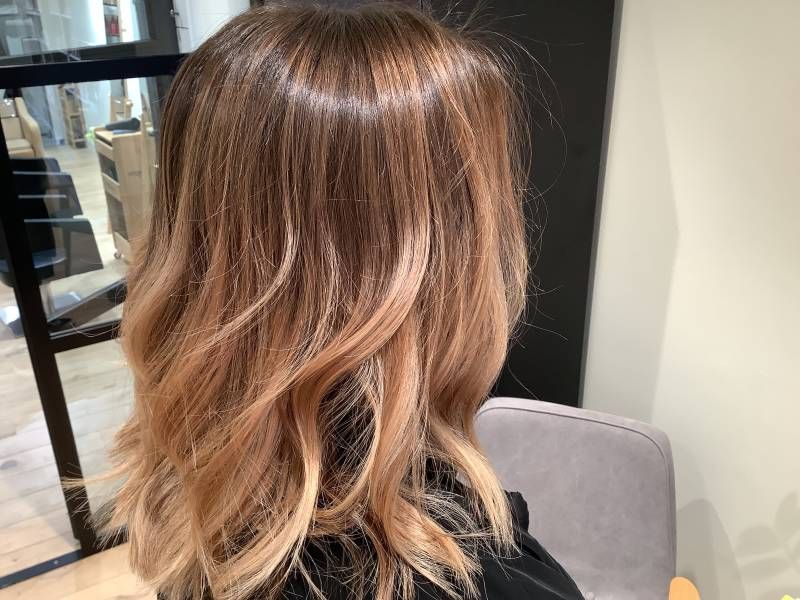
How does a dark to light blonde balayage hold up across a real week? Better than you think, if the lowlights are placed right. The base is dark blonde, the ends lift to a warm light blonde, and the lowlights sit in between, softening the transition. On collarbone-length waves with a middle part, medium density, the warmth reads as intentional, not brassy. The technique is a balayage, so the lowlights are painted freehand, no foils. What you ask the stylist for is a gradual warm blonde transition with lowlights that start below the ear, nothing higher. The tone stays warm, golden, never ashy. It works because the lowlights are not darker than the base, they are the bridge between dark and light.
Chin Bob With Side-Swept Bangs Ash Lowlights
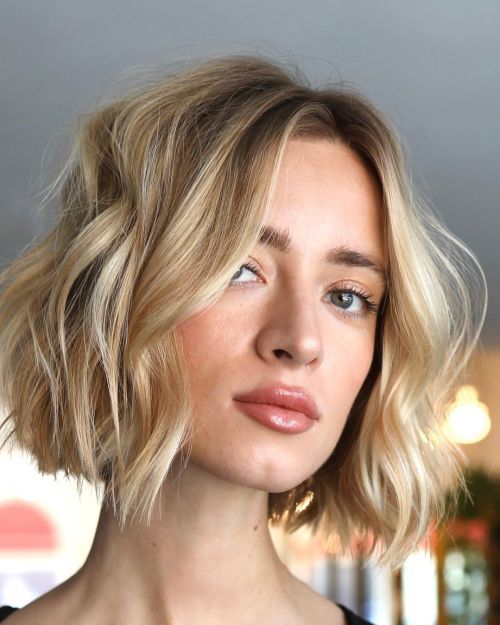
I thought the side-swept bangs would make the lowlights look busy. They do not, but only if you dodge the mistake I almost made. The colour is a platinum blonde base with ash blonde lowlights, chin-length bob, middle part, wavy texture, medium density. The mistake is letting the lowlights go too high on the bangs. Keep them below the brow, the bangs should read as solid platinum. The striking contrast between platinum and ash works because the tones are both cool, no warmth to clash. The honest downside is the upkeep, platinum goes brassy fast and ash lowlights fade to silver. You need a purple shampoo and a salon every six weeks.
Dark Blonde With Ash Lowlights and Curtain Bangs
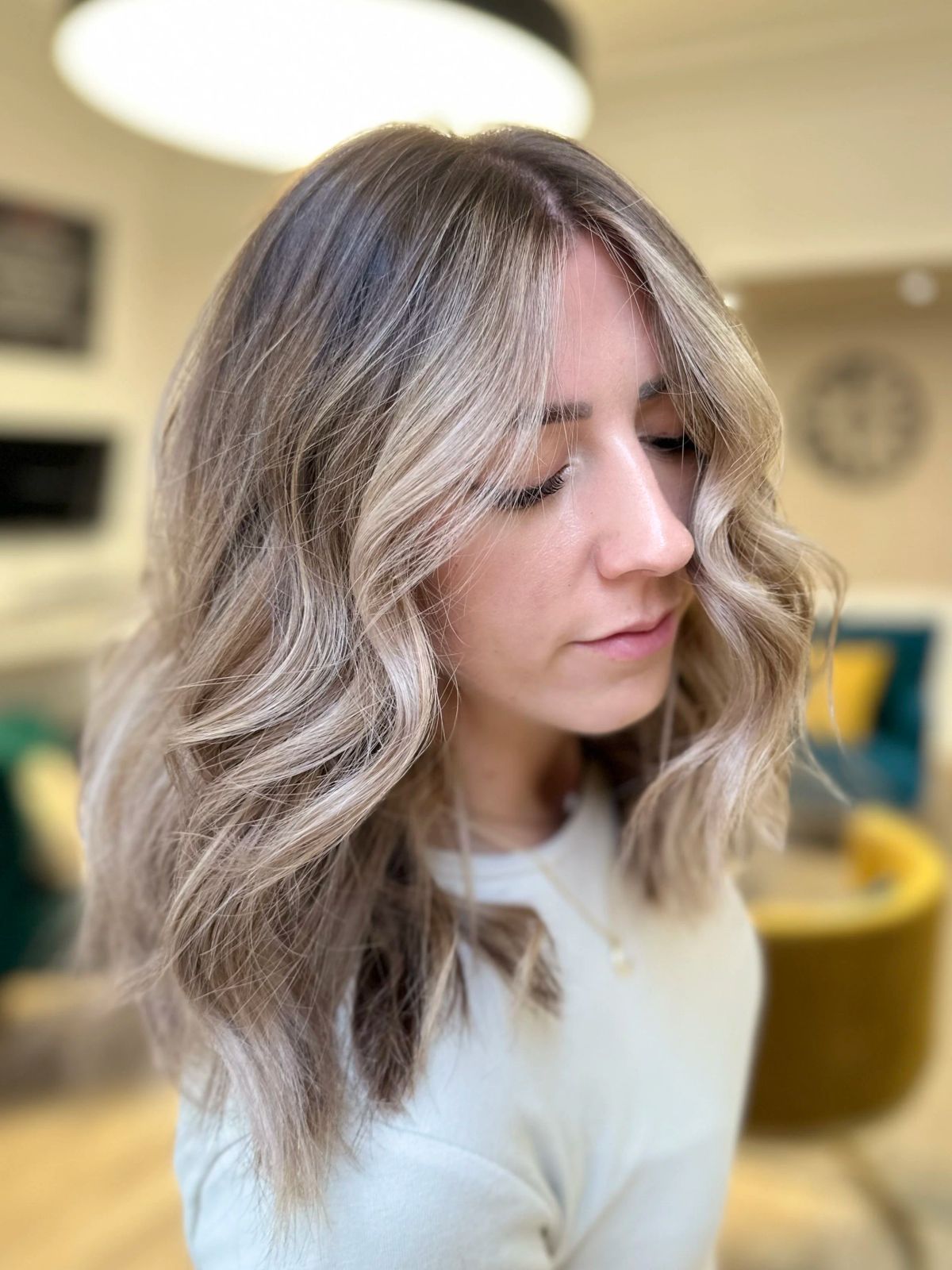
January light, grey coat, hair that does not fight the weather. That is where this lands. A dark blonde base with ash blonde lowlights, collarbone length, middle part, curtain bangs, wavy blowout. The tone is cool, the ash lowlights pull grey, the dark base stays neutral. It works for fall and winter because the lowlights match the low light, no golden streaks competing with the sun you do not have. Medium density, wavy texture, the curtain bangs soften the front without hiding the lowlights. The season is cool months, the setting is anything where you want your hair to look deliberate without trying. It is not a summer colour. It is a November colour, and that is exactly why it works.
Champagne Blonde With Golden Lowlights
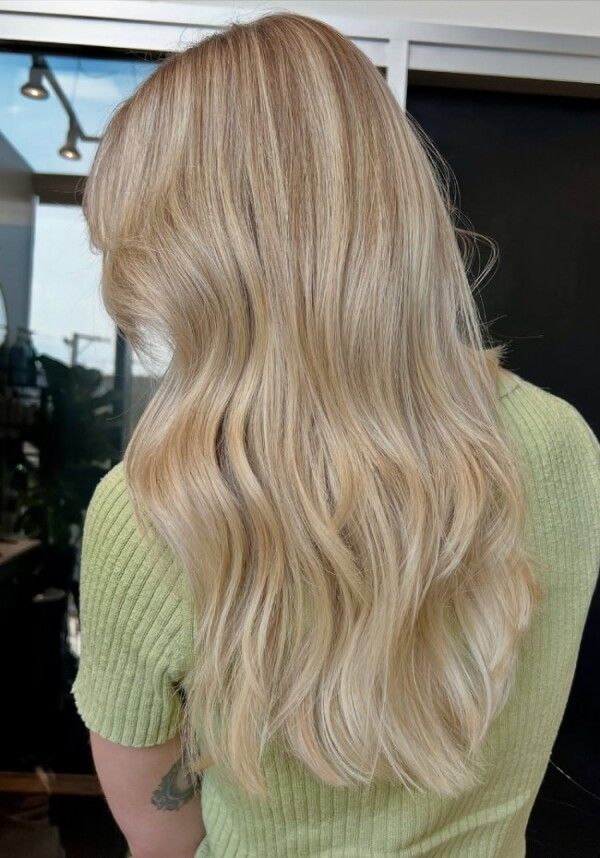
Best grow-out in this roundup. Champagne blonde with golden lowlights is the colour that says “I meant to do that” even when you did not. The base is soft, almost beige, and the lowlights are subtle enough that no one calls them highlights. On collarbone-length wavy hair with curtain bangs, the effect is warm without being brassy. A middle part keeps it balanced. Medium density waves catch the gold without looking stripey. Compared to the dramatic lowlight options that announce themselves, this one whispers. It is elegant. It is also the easiest to maintain because the grow-out line is a suggestion, not a border.
Blonde With Visible Darker Lowlights
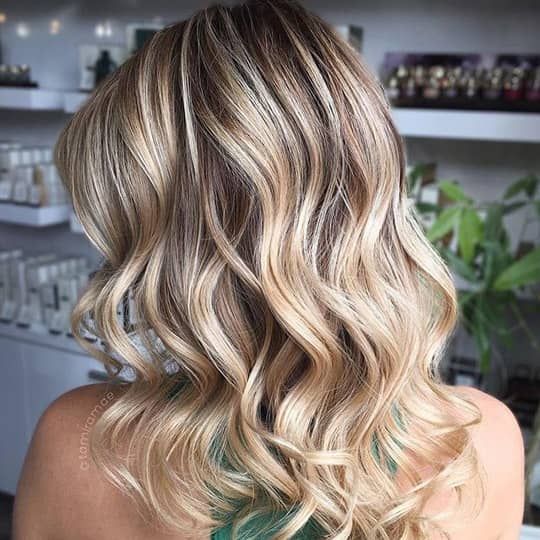
Does your hair texture have the muscle to carry contrast? This is not a subtle look. The blonde base is bright, the lowlights are dark enough to read as separate strands, and the whole thing lands on collarbone-length wavy hair that is thick. Really thick. If your hair is fine or low density, the darker sections will swallow the blonde and you will wonder where the dimension went. But if you have thick, wavy hair, this is the payoff: the lowlights sit underneath the blonde, creating depth that moves when you turn your head. A middle part and no bangs keep it clean. It is a look for hair that can hold its own.
Neutral Blonde With Blended Lowlights
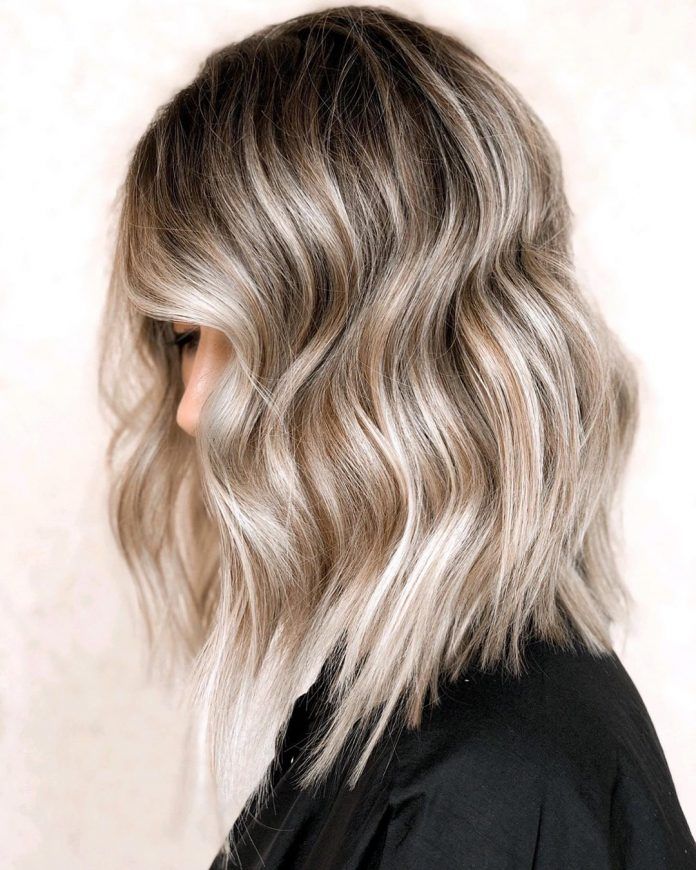
Neutral blonde with blended lowlights does not fight you. That is the observation. The tone sits right in the middle, not warm, not cool, just beige enough to read as natural. On collarbone-length wavy hair of medium density, the lowlights are painted into the wave pattern so softly that you cannot tell where one starts and the other ends. The grow-out reality is the real win: because the lowlights are close to your natural shade, the roots do not announce themselves at week six. I have stretched this to ten weeks before a refresh. The waves take about fifteen minutes with a texturizing spray. It is the colour that does its job and then gets out of the way.
Dark Blonde With Lighter Blonde Lowlights
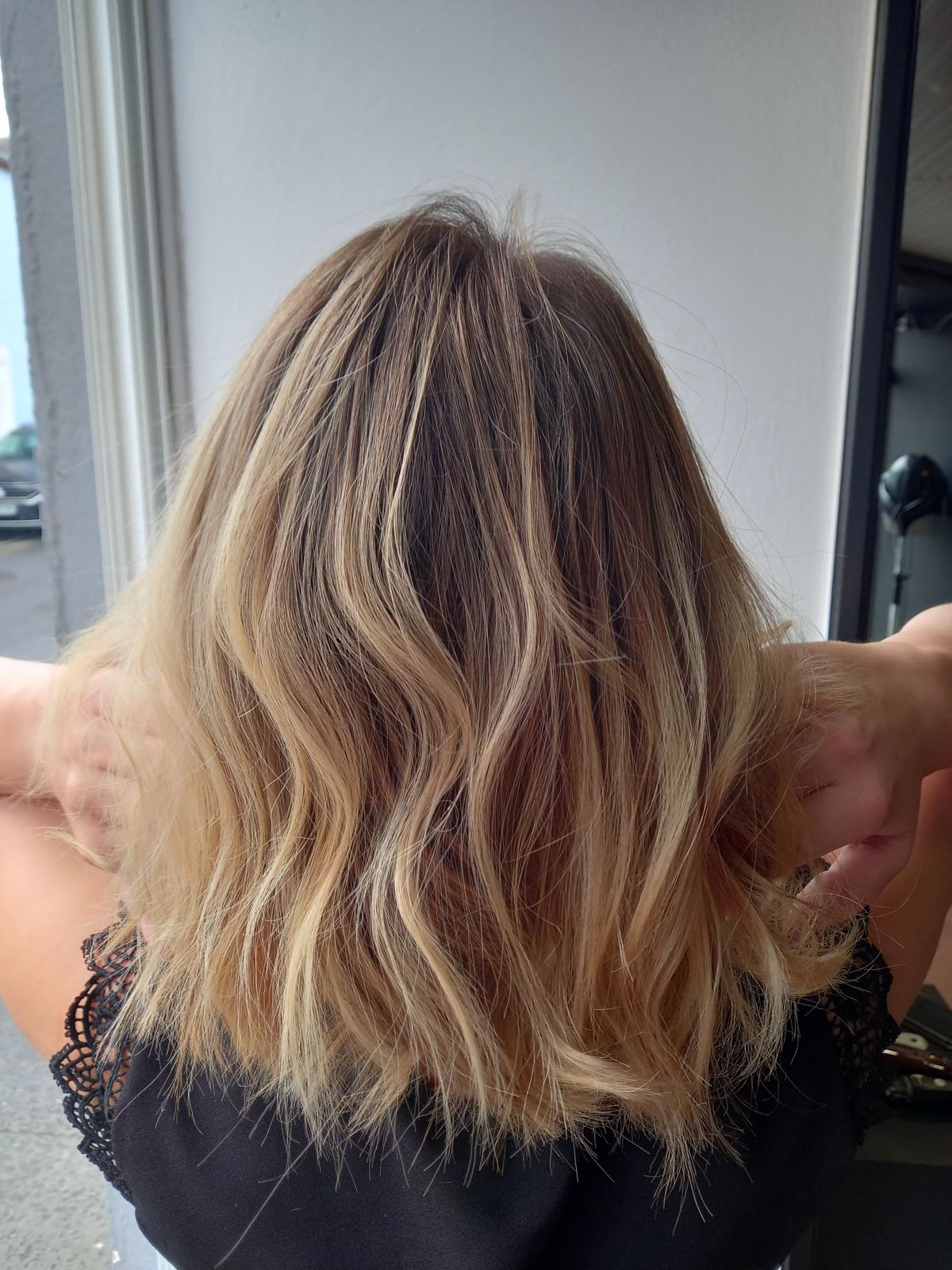
This is a salon job. I will say it plainly: do not try this at home. The technique requires a stylist to weave lighter blonde lowlights into a dark blonde base, and the contrast is the whole point. The base is deep enough to anchor the lighter strands, and the lowlights are placed to catch light on wavy, thick hair. A middle part and collarbone length keep it wearable.
At home, you risk muddying the dark blonde or lifting the lowlights too far. The salon will use a foil technique that isolates each section so the colour stays clean. The result is dimensional, not blotchy. Book the consultation first. This is not a box-dye moment.
Dark Blonde With Blonde Highlights and Brown Lowlights
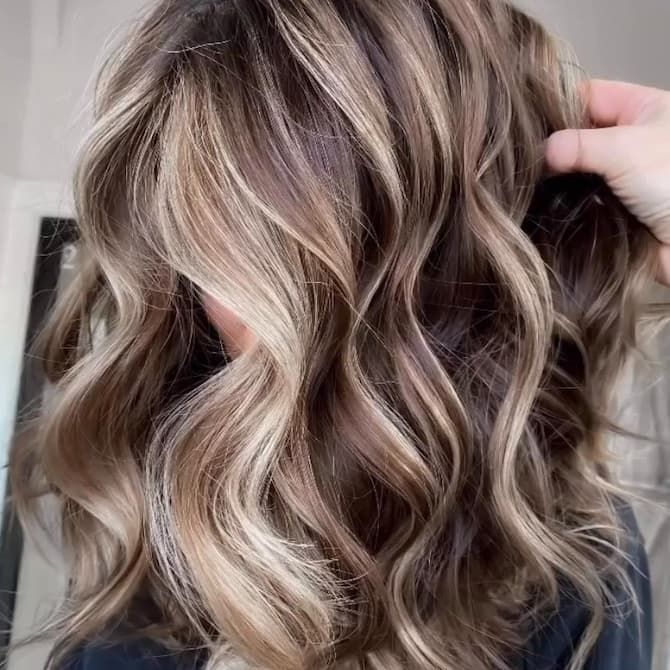
I have a confession: I tried to get close to this at home. It did not end well. The idea is sound: a dark blonde base, lighter blonde highlights for brightness, and subtle brown lowlights for depth. On collarbone-length wavy hair with loose curls, the three tones should create a multi-dimensional effect. But the brassiness risk is real. The blonde highlights want to pull warm, and the brown lowlights can turn muddy if the base is not neutral. A color-safe shampoo helps, but honestly, this is a salon colour. The curls will show every uneven patch. Save yourself the week of bad lighting.
Collarbone Ash Blonde With Darker Blonde Lowlights
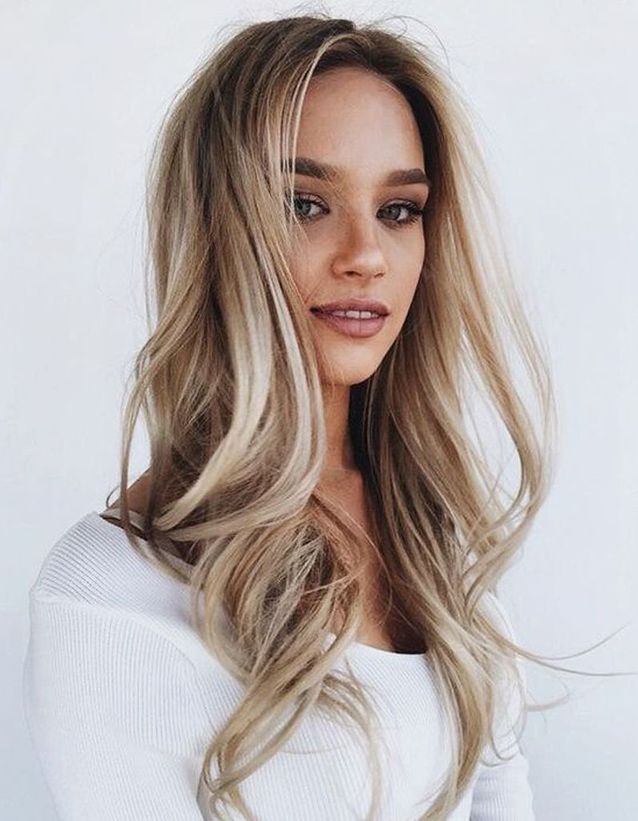
The waves hit collarbone and stop, the middle part hangs straight, and then the ash blonde darker lowlights catch the light differently on every bend. The base is an ash blonde that reads cool-toned and serious, and the darker blonde lowlights slip in underneath, not painted all the way to the root. The technique here is careful: the stylist put the ash blonde darker lowlights mostly on the midshaft and ends, so the root stays lighter and the grow-out is softer. This is wavy hair with density, and the contrast works because the texture shows both tones. If your hair is thin or fine, the darker lowlights can swallow the blonde. If you have the thickness for it, you get dimension without drama.
Fine Wavy Bob With Ash Lowlights
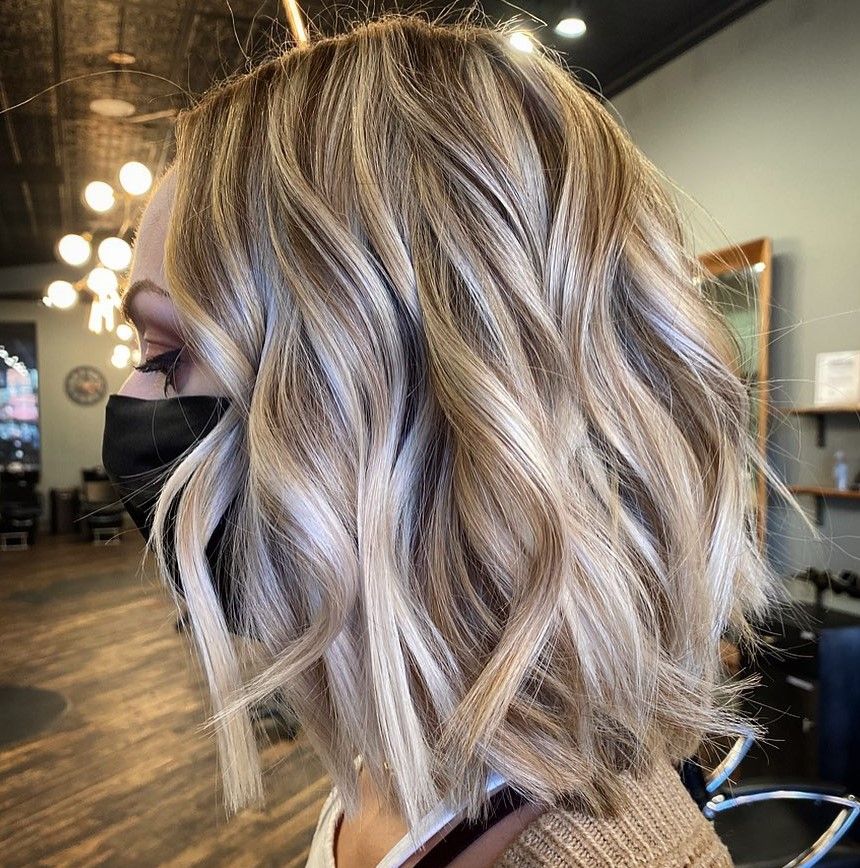
How does an ash blonde bob with lowlights look on Thursday, not just Tuesday? On fine wavy hair, the colour sits quietly: the ash base lies flat along the chin line, and those fine hair ash lowlights show as faint shadows when the hair shifts. The bob is cut blunt at the chin, and the side part lets the waves fall forward so you see the tone change near the ears. The wear is the real story. Fine hair does not hold wave well past day two, but the lowlights keep the dimension even when the curl drops. By day four, the ash reads more silver than blonde, and the lowlights are just a stripe. A quick dry with fingers brings the contrast back.
Air-Dried Ash Blonde With Subtle Lowlights
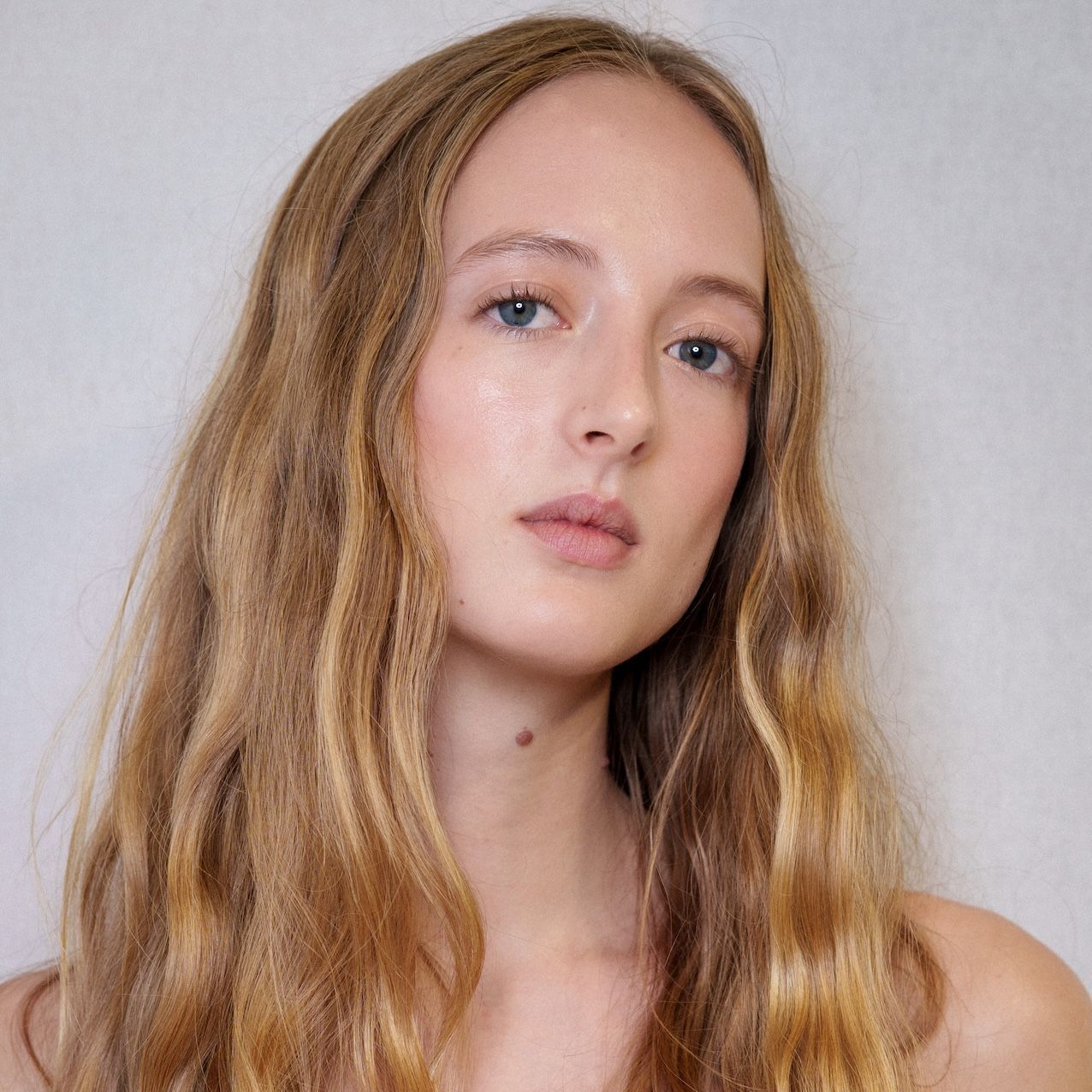
The natural ash blonde lowlights here are so subtle you might miss them in direct sun. The colour is an ash blonde base that sits cool and flat. The subtle darker blonde lowlights are woven in, fine strands no wider than a pencil, placed mostly around the face and along the ends of the long layers. The technique is deliberate: the stylist painted the lowlights only on the surface layer, so the hair underneath stays solid blonde. The result is a blend that looks like your ash blonde grew darker on its own. When you air-dry long mid-back layers, the natural texture pulls the colour variation apart — the waves catch the natural ash blonde lowlights and the straight sections stay uniform. It is a quiet colour, no brassiness, no sharp lines.
Shoulder Ash Blonde With Subtle Lowlights
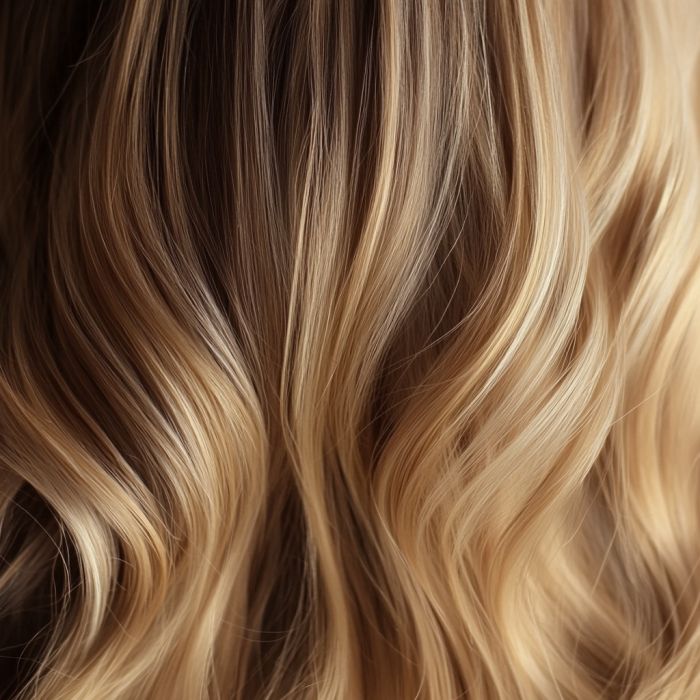
The light hits this shoulder-length ash blonde and the ash blonde subtle lowlights read as cooler than the base, almost lavender in certain angles. This is a winter colour, or at least a cool-weather one: the ash tones look expensive against a cream sweater and disappear into golden summer light. The loose waves are brushed through, not set, and the fine texture lets the colour sit on top of the hair rather than sink in. The ash blonde subtle lowlights are painted in a thin babylight pattern, so the contrast is there but never shouts. It is a holiday dinner look, the kind where people say your hair looks healthier instead of different. Middle part, no bangs, just wave and tone.
Layers Shoulder Length Ash Blonde Lowlights
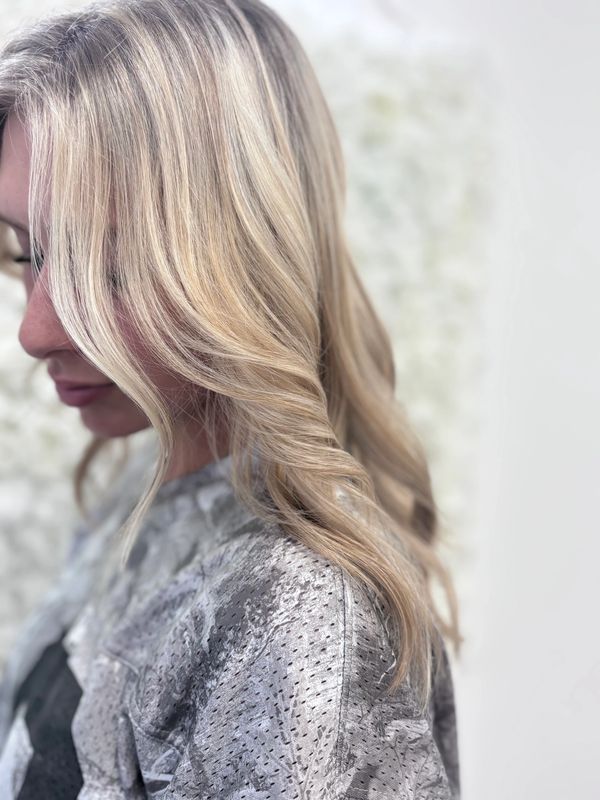
This is the one I would book if I wanted natural ash blonde lowlights and didn’t trust myself to hold still. The base is a cool ash blonde, the lowlights are a shade or two darker, and the technique is a hand-painted weave that keeps the line soft. Shoulder length with layers that start below the jaw, wavy texture that goes flat by 4 pm if you skip the root lift, fine to medium density. Side part, no bangs, loose waves. The tone is what makes it: too ash and it reads grey, too warm and it fights the base. A salon does this in about two hours. A box at home turns muddy by week two. Not worth the risk.
Layers Ash Blonde With Darker Roots and Lowlights
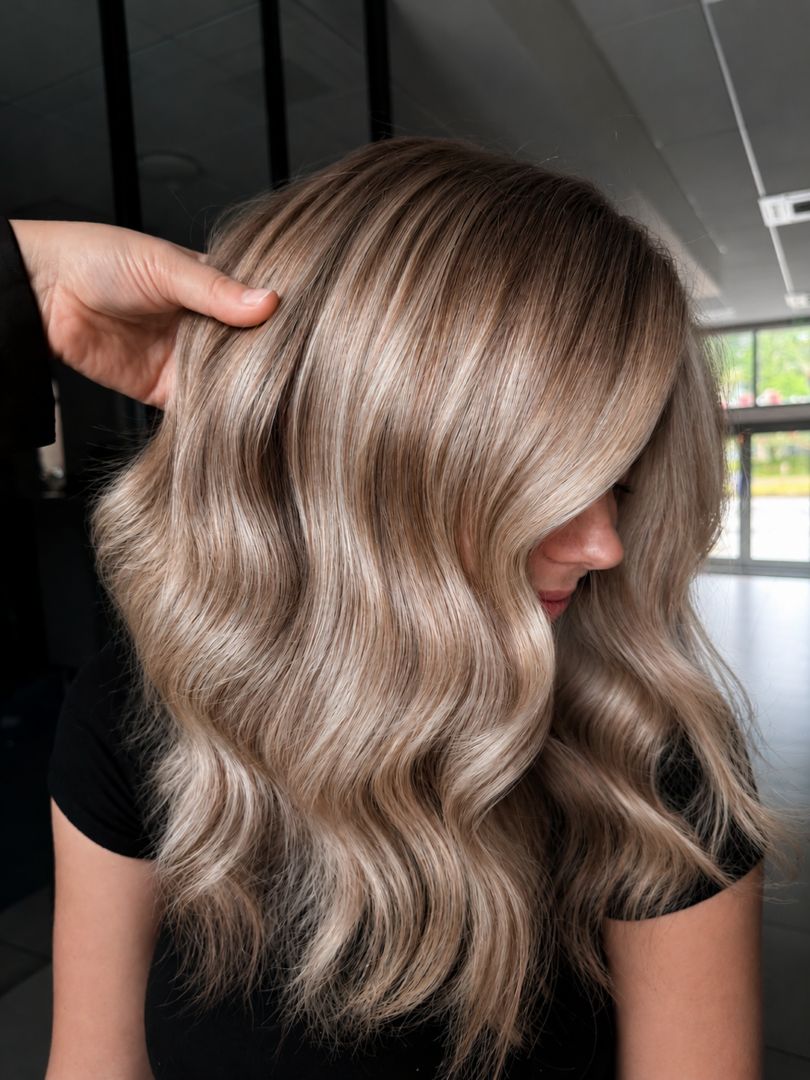
I will admit: when I first saw ash blonde with darker roots, I thought it would look like a grow-out I forgot to fix. But the layers here change everything. The ash blonde tone sits cool and soft at the collarbone, while the darker roots and subtle lowlights run through the wavy medium-density texture. The middle part and side framing keep it from reading as accidental. The honest downside: if the blending is not soft, those roots announce themselves like a line drawn with a marker. Ask your stylist for an ash blonde root shadow lowlights application that diffuses into the mid-lengths, not a hard border.
Ash Blonde With Dark Root Shadow
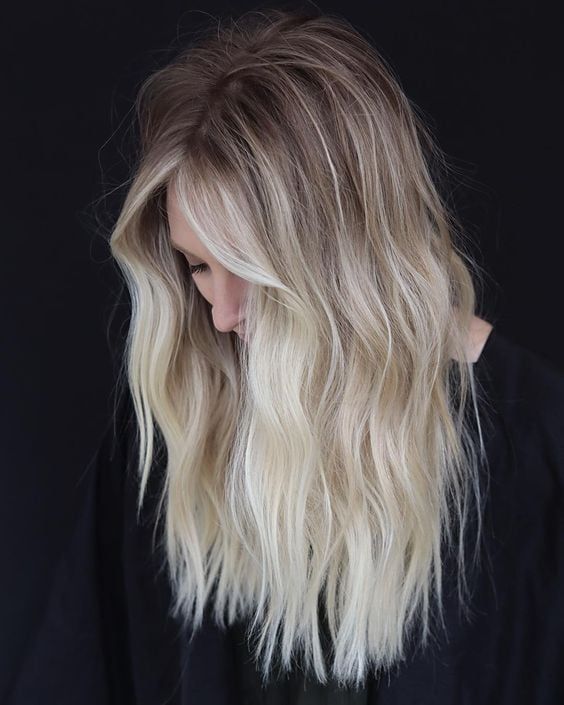
Have you ever wanted a colour that announces itself before you walk in the room? That is this ash blonde with a dark root shadow. The contrast is the point: dark brown at the roots, cool ash blonde through the mid-back length, fine wavy texture catching the light between the two. It is dramatic, yes, but the long layers keep it from feeling harsh.
Here is the wear reality. On fine hair, that root shadow starts to look heavy by week six if the stylist did not feather it downward. The ash blonde tone also drifts warmer faster than you expect. I found myself reaching for a cool-toned shampoo by week four. Book the touch-up at eight weeks, not ten, and ask for a shadow root that fades, not a block.
Ash Blonde With Cool-Toned Lowlights
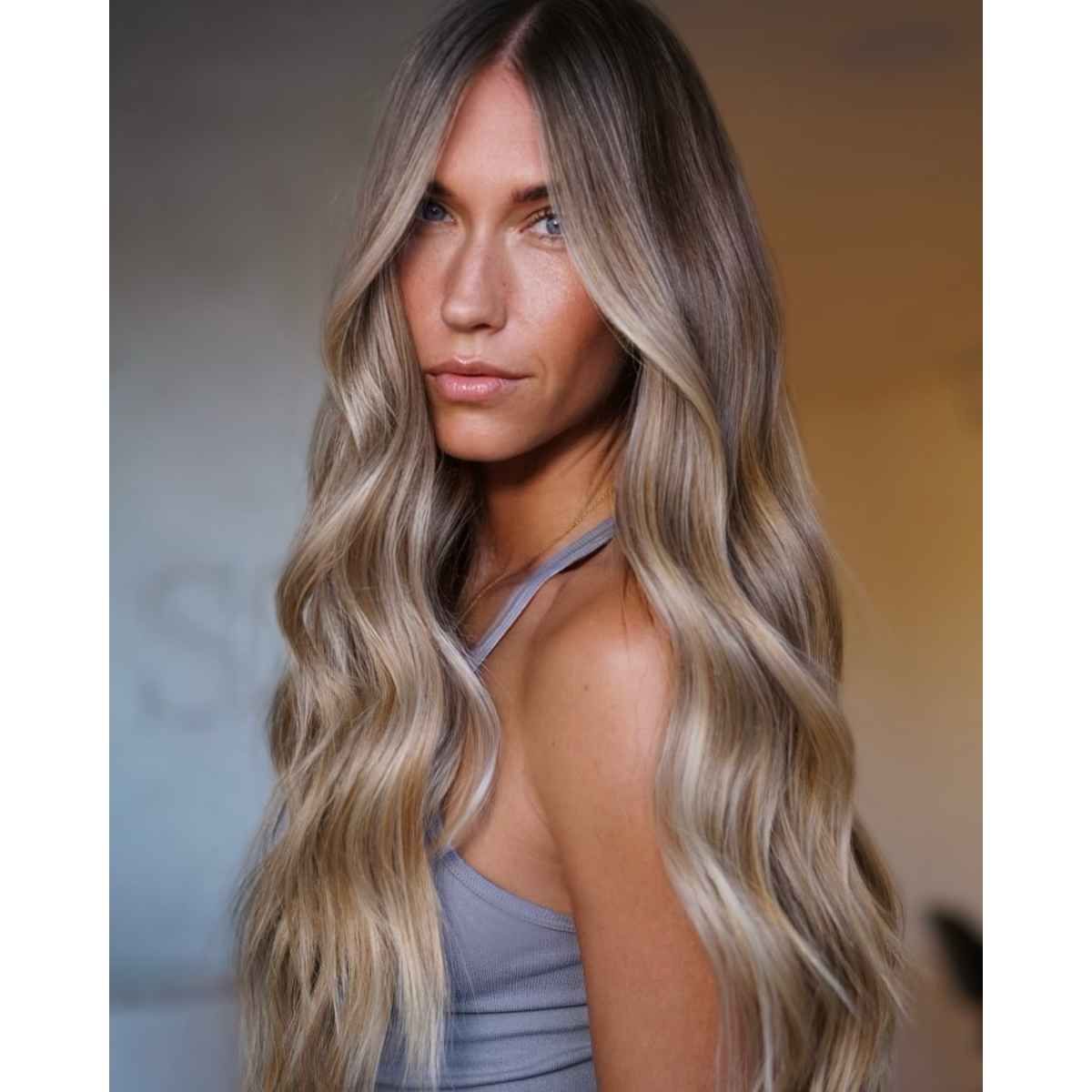
What makes this technique work is the placement. The ash blonde base is already cool, so adding cool-toned blonde lowlights sounds redundant until you see it on thick, wavy hair at mid-back length. The lowlights sit underneath the top layer, not on it, which means the dimension shows when the hair moves, not when it sits still. A middle part lets both sides fall forward and reveal the subtle stripe of darker ash running through the lighter ash. It is a quiet contrast. The principle: you are not adding darkness for drama, you are adding depth so the blonde does not read flat. This is a salon job, no shortcuts.
Dark Blonde Balayage Transition
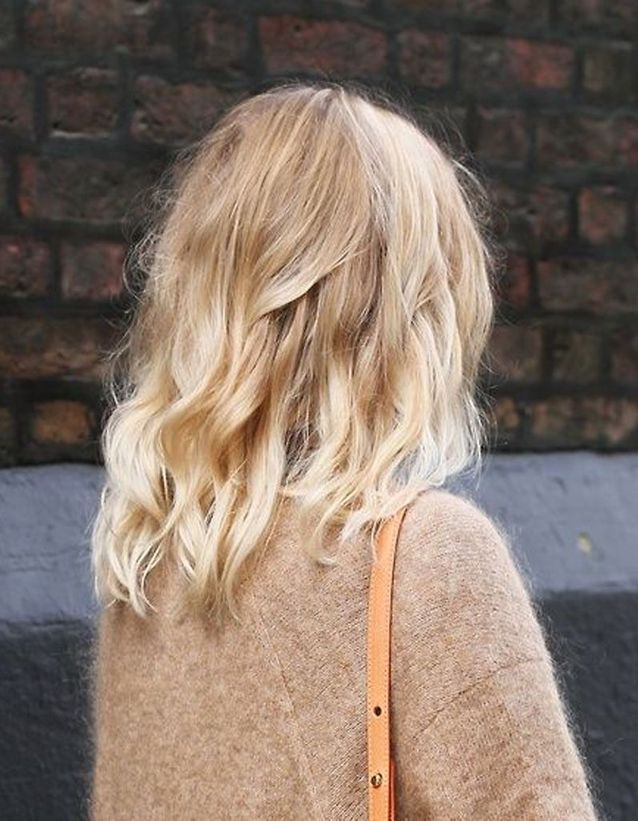
It is late spring, the light is changing, and your hair should follow. This dark blonde balayage sits at the collarbone with loose waves that catch the sun on the lighter pieces. The base is a warm dark blonde, the balayage lifts the mid-lengths and ends into a softer, brighter blonde. No harsh line, no stripe, just a gradient that says you spent time outside. Medium-density wavy texture is the ideal canvas here. The back view shows the balayage spreading through the layers, not pooling at the ends. It is a transition colour in the best sense: dark enough to feel grounded, light enough to feel seasonal.
Mid-Back Dark Blonde With Lighter Blonde Contrast
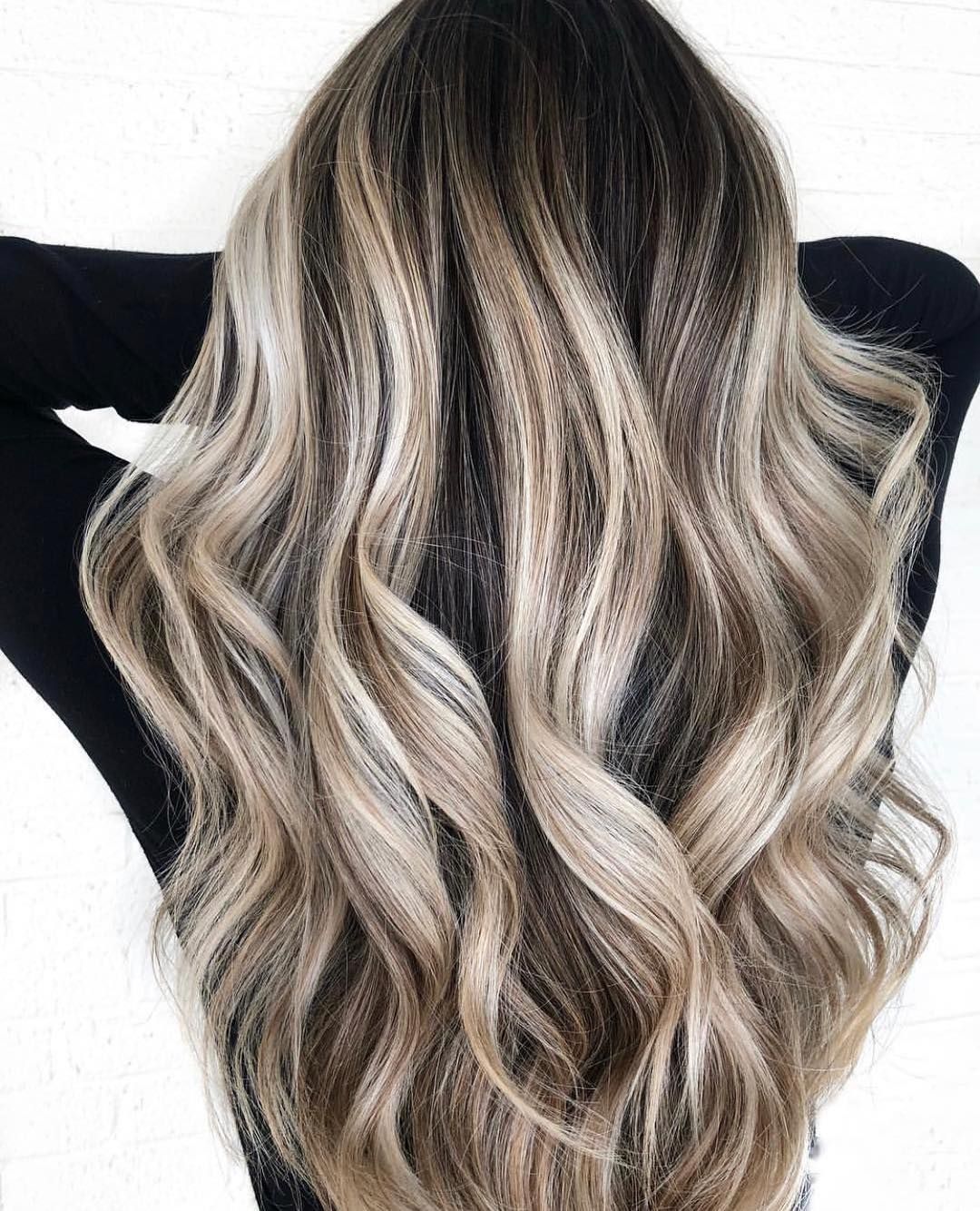
If you are torn between a soft blend and a visible contrast, pick the blend. This dark blonde base with lighter blonde lowlights runs down the mid-back length in thick, wavy sections, and the two tones sit so close in depth that you almost miss the lowlights on first glance. That is the point. The contrast is there, but it reads as natural dimension, not as a deliberate stripe. A middle part and loose waves let the lighter pieces surface without shouting.
Compare this to a stark dark-and-light placement where the lowlights look painted on. That version has its fans, but it also has a grow-out line that shows at week five. This one fades into itself. The technique is a fine weave of the lighter lowlights through the dark blonde base, not a chunk. It is the kind of colour that gets compliments from people who cannot name why it looks good.
Mid-Back Dark Blonde Balayage With Lowlights
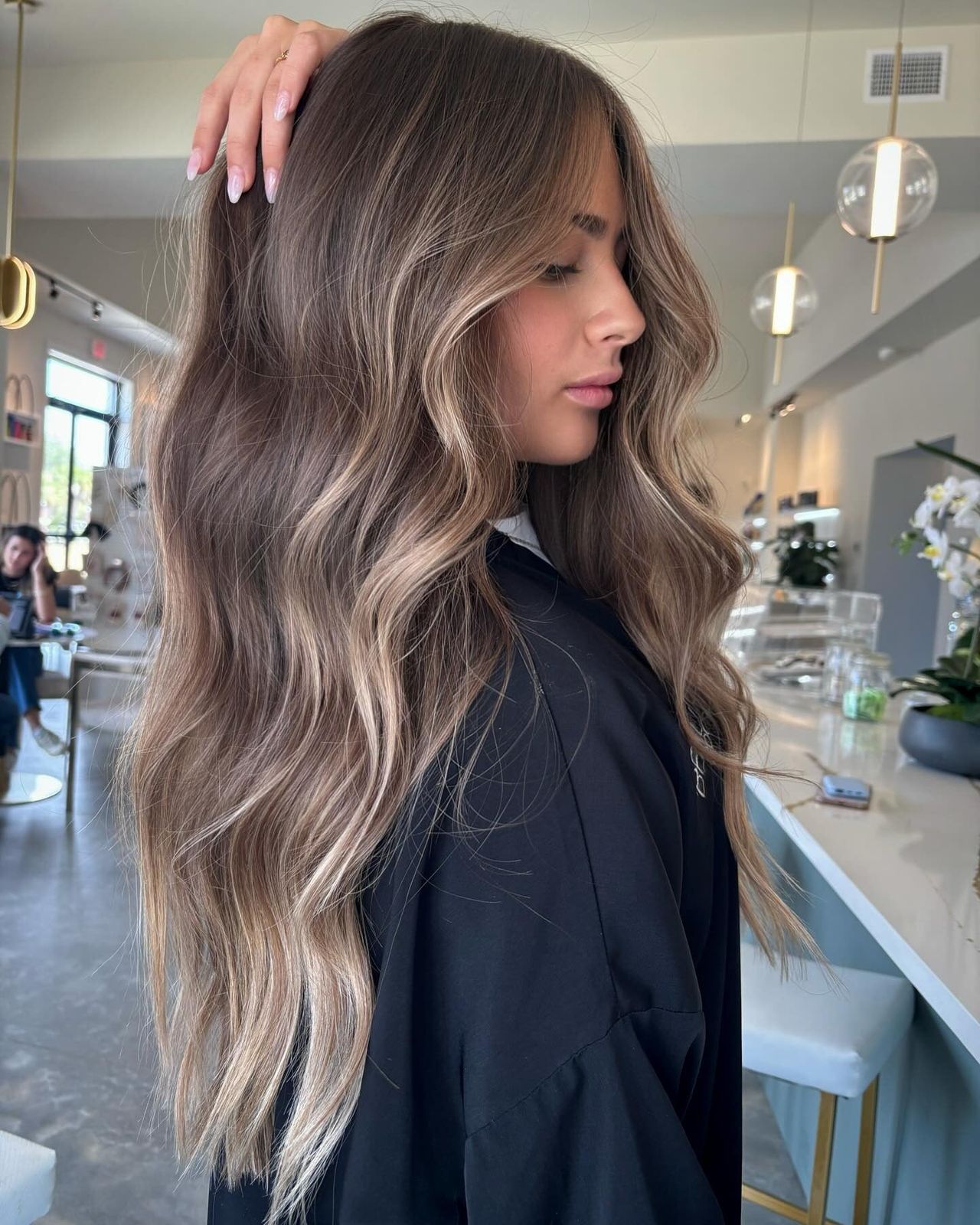
Who actually pulls off a dark blonde balayage with subtle lowlights at mid-back length? Someone with thick, wavy hair that can handle the weight of multiple tones without looking sparse. The middle part and loose waves let the blend of blonde shades breathe — the darker base anchors everything, the lighter balayage lifts it, and the lowlights sit in between so there is no harsh line. A fine-haired person would lose the depth here; the strands would read as muddy rather than dimensional. But on that thicker texture, the dark blonde balayage depth reads as intentional, not accidental.
Honey Blonde With Caramel Lowlights
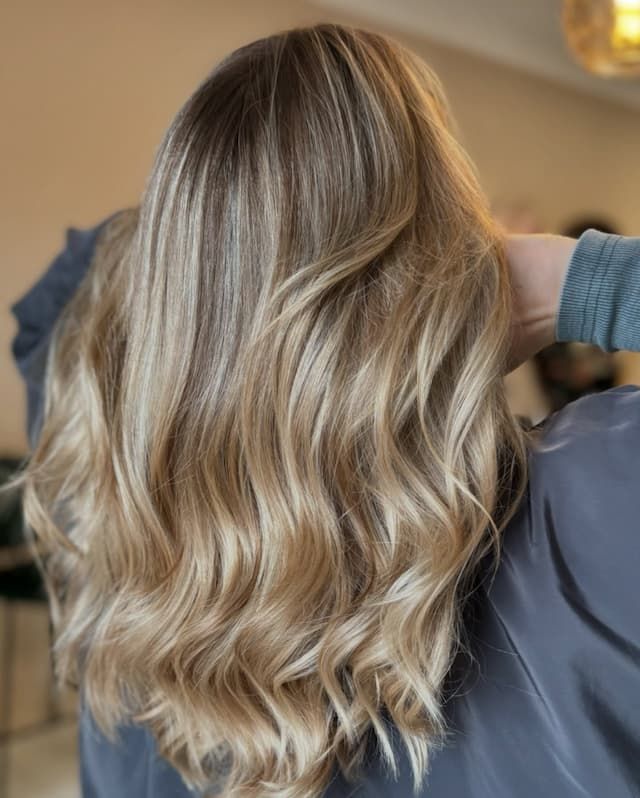
Honey blonde with caramel lowlights looks warm and rich on day one. By day four, the caramel starts to fade into the honey base if you wash with anything other than a sulfate-free shampoo. The shoulder-length layers and soft waves help disguise it — the caramel strands sit deeper in the wave pattern, so they do not hit the shampoo as hard. A side part shifts the weight and hides any uneven fading. Still, expect to book a gloss around week six if you want that contrast back.
Mid-Back Honey Blonde With Lighter Blonde Lowlights
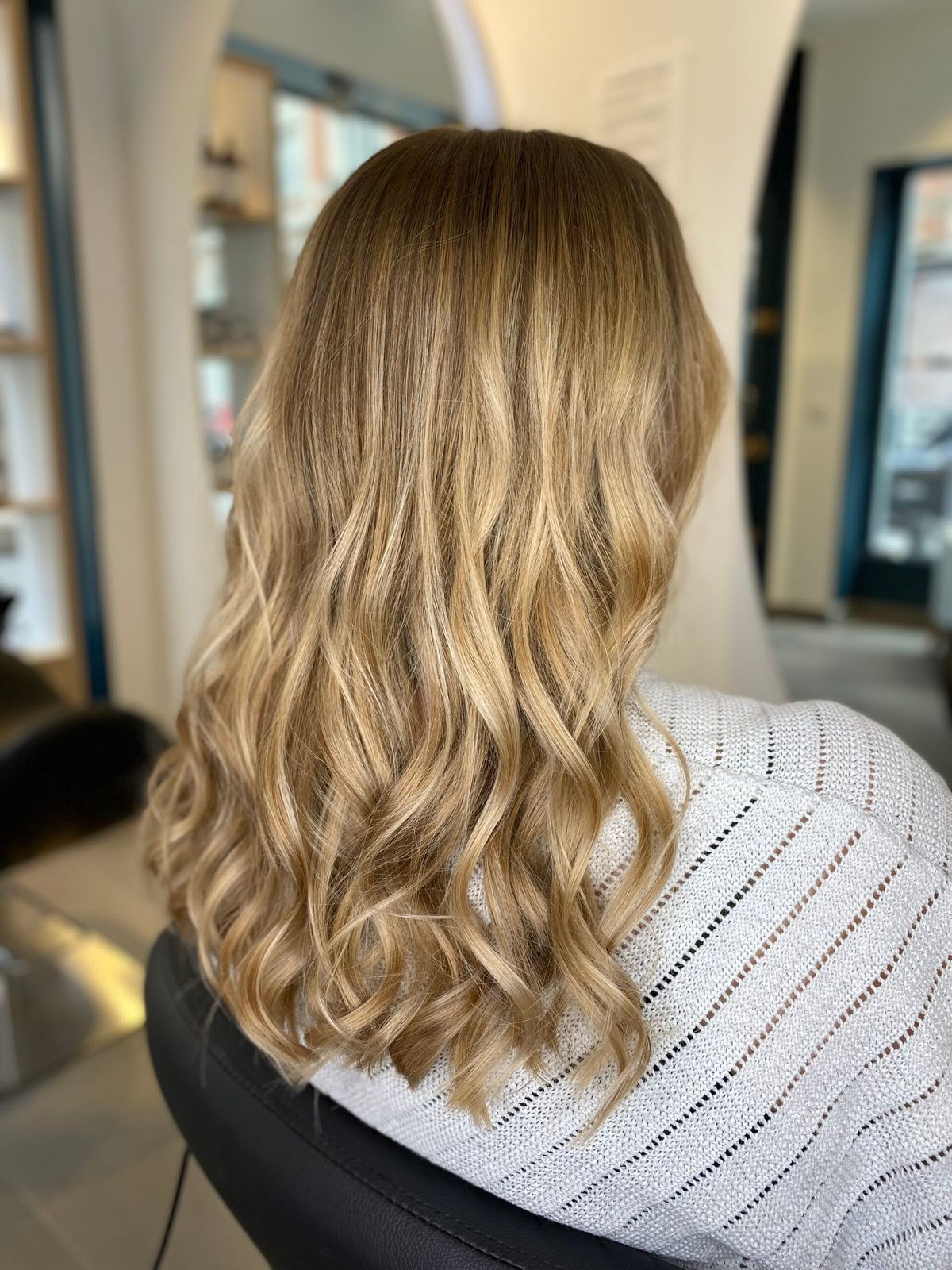
This is a layering trick, not a simple highlight job. The honey blonde base goes down first, then the lighter blonde lowlights are painted onto mid-lengths and ends in fine, vertical sections. The loose curls wrap around each other, so the lighter strands catch light while the honey base stays warm underneath. A middle part keeps the distribution even.
- Long layers, no bangs
- Mid-back length, wavy medium density
- Honey blonde base, lighter blonde lowlights
- Loose curls, 25 minutes with a heat protectant
- Salon refresh every 8-10 weeks
The technique relies on contrast, not coverage — the honey blonde lighter lowlights should never overwhelm the base.
Layers Honey Blonde With Caramel and Golden Lowlights
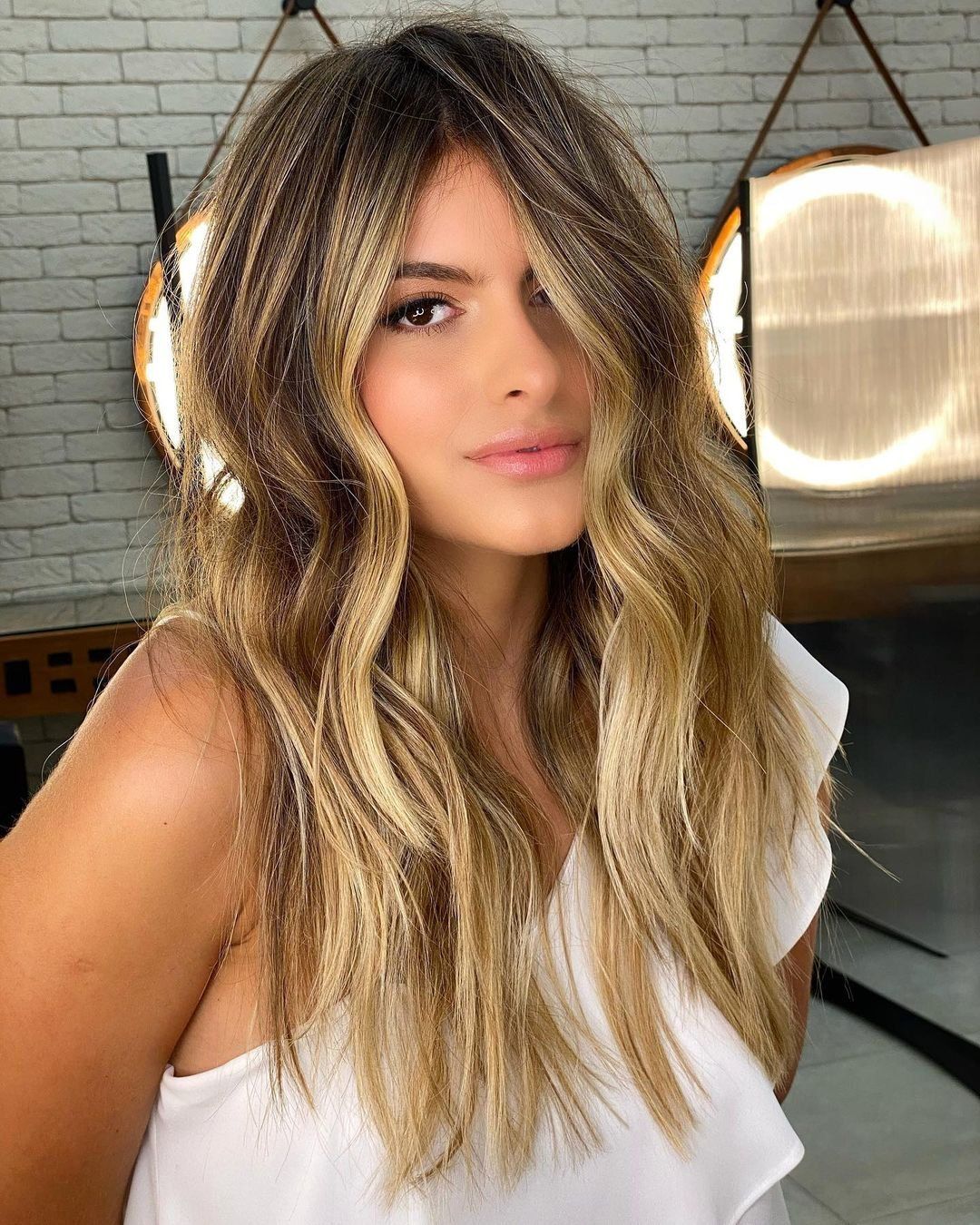
A front view with curtain bangs, a middle part and voluminous waves — this is the October-through-February hair. The honey blonde base reads as residual summer warmth, the caramel lowlights add the depth that autumn light demands, and the golden blonde highlights catch whatever sun is left. On thick, wavy texture, the layers stack the three tones so they roll over each other rather than sit flat. It works for winter because the warm undertones do not go grey under cool indoor lighting; they glow instead. Book it in September for peak timing.
Layers Honey Blonde With Subtle Lowlights
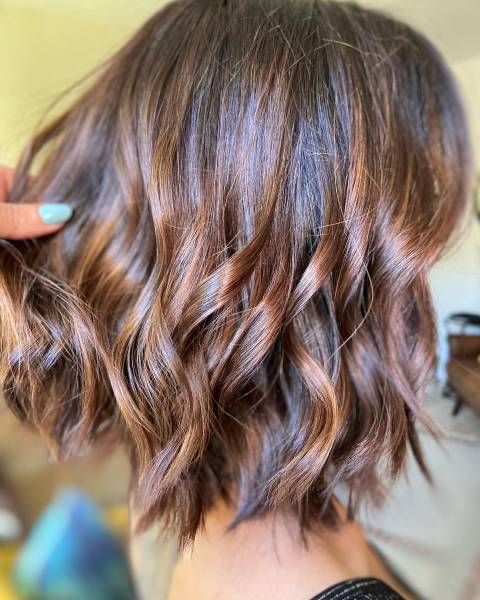
Can you DIY subtle lowlights on a rich honey blonde base? Technically, yes. Realistically, the margin for error is tiny. A salon uses a fine weaving technique and a toner that matches your base within half a shade — at home, you are guessing the processing time and the strand width. The mid-back length and thick, wavy texture make it harder to reach the back sections evenly. The mistake people make is thinking subtle means forgiving. It does not. Book the appointment.
Dark Brown With Caramel and Blonde Dimension
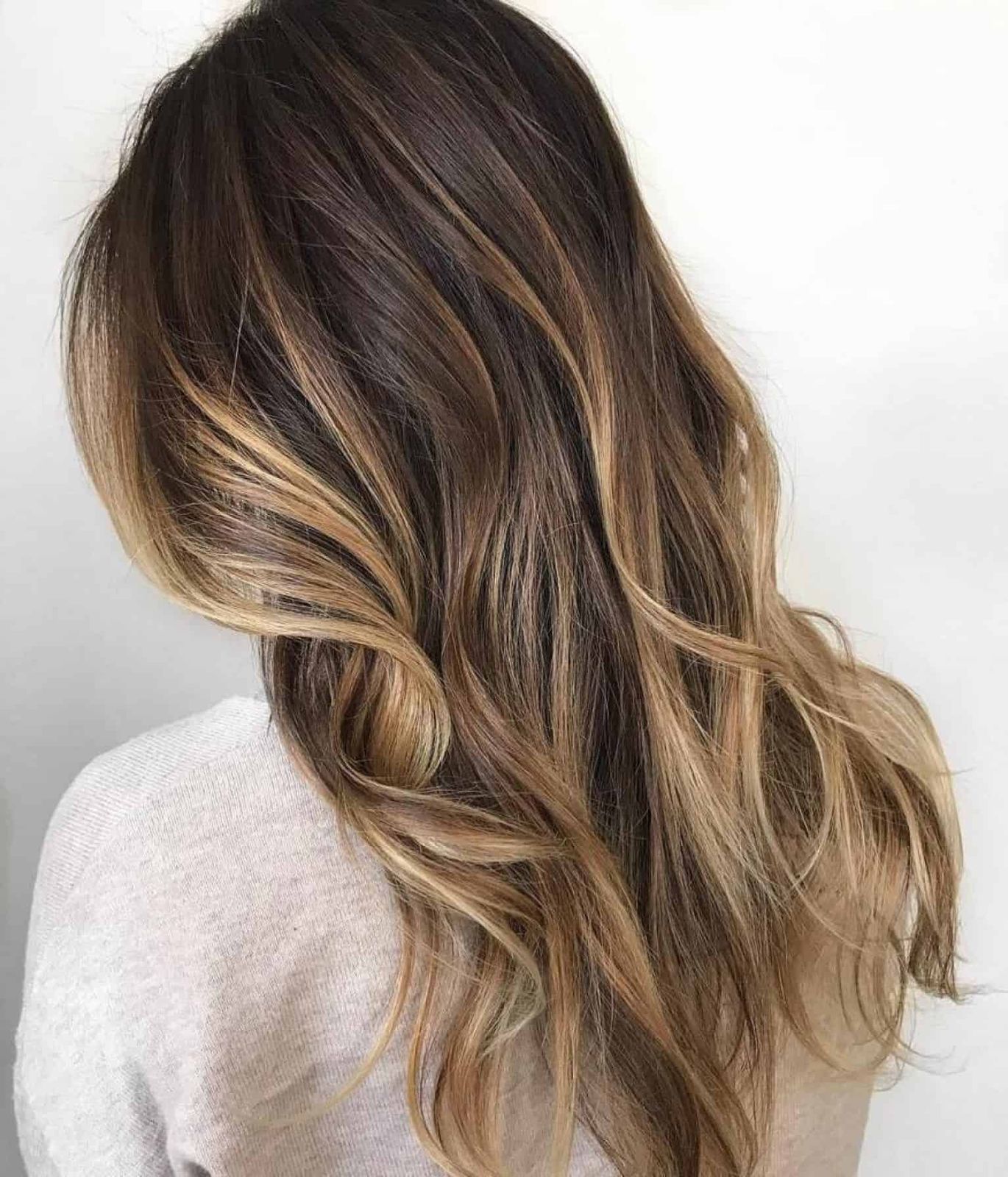
I have a confession: I went into this expecting the caramel to wash out first. It didn’t. The dark brown base with caramel blonde lowlights and highlights, mid-back, wavy and thick, holds its dimension through three washes, and that’s rare for any warm tone on a dark base. The technique is a weave of lowlights and highlights, creating depth without a single flat stripe. Ash it is not. The tone leans golden, so if you live in a purple shampoo household, this is not that. But the honest downside? Those highlights will go brassy around week five. A toner appointment at week eight keeps the dark brown blonde lowlights highlights from turning orange. Worth it for the depth.
Dark Brown Base With Blonde Balayage
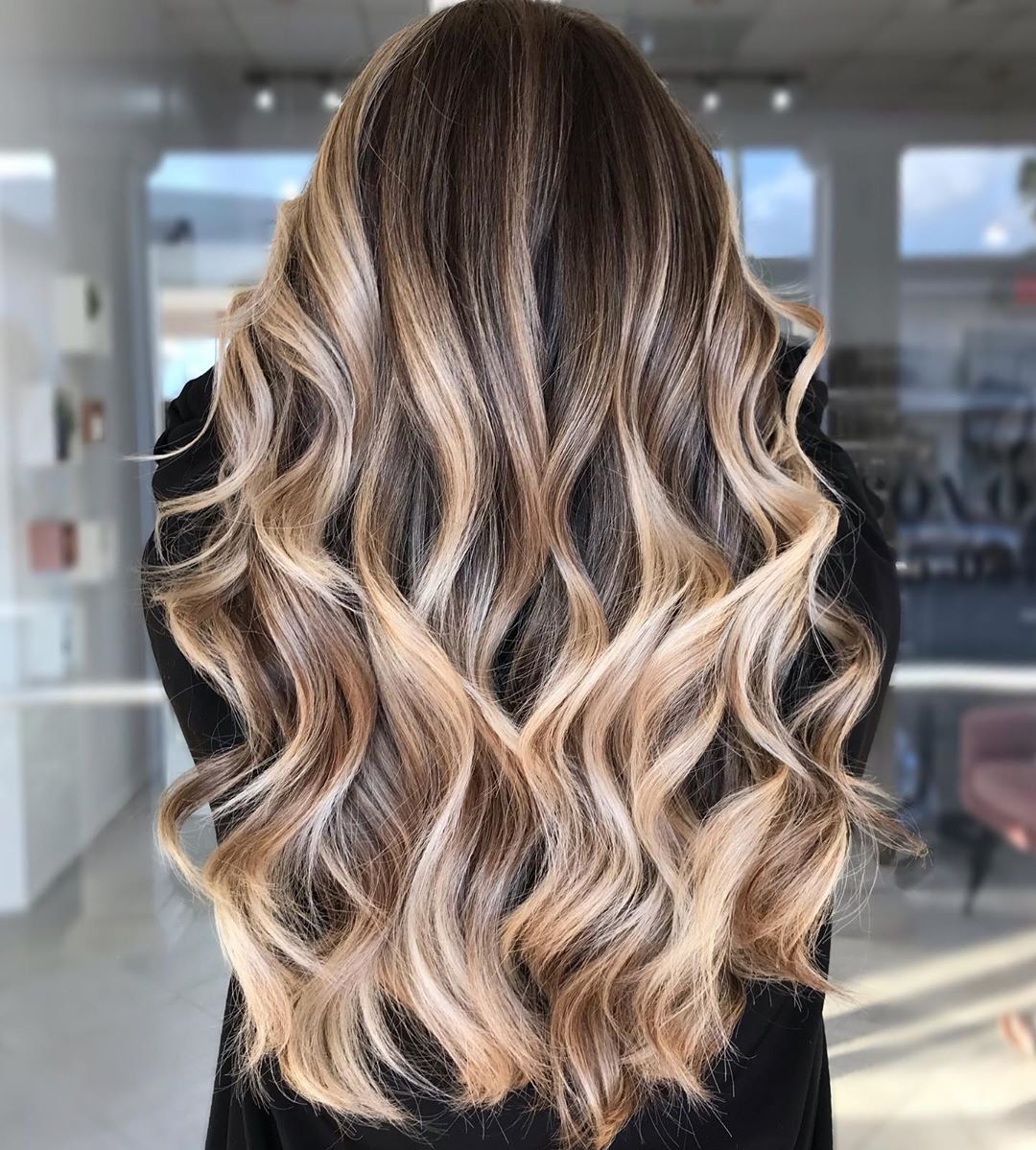
This is the one I send friends to. Dark brown base with blonde balayage lowlights, mid-back, wavy and thick, middle part, loose curls. The seamless blend of dark and blonde tones means the grow-out line is invisible for weeks. It flatters anyone with medium to thick texture and a desire for low-maintenance dimension. Skip it if your hair is fine and straight, because the balayage can read as sparse rather than blended. The technique is a hand-painted soft fade, not a foil. The tone stays neutral, so it works on warm and cool skin alike. Book the consultation first.
Dark Brown to Blonde Ombré With Lowlights
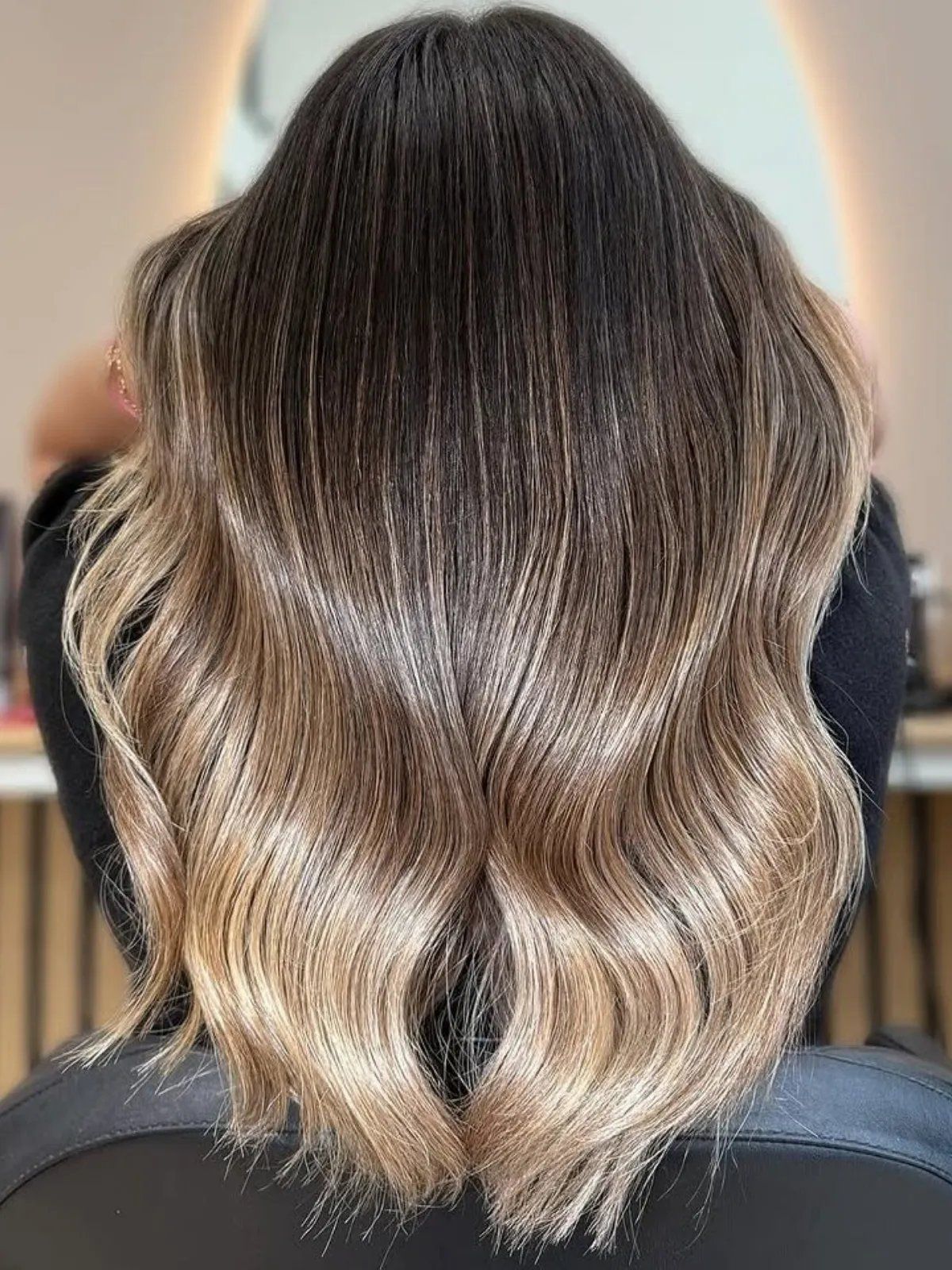
Here is what happens across a real week with a dark brown to blonde ombré with subtle lowlights. Day one, the loose waves catch the light and the dark to blonde transition looks intentional. Day three, the mid-back length, wavy, medium-thick, still holds its shape. By day five, the ends start to feel dry, and the lowlights, placed through the midsection, keep the grow-out from looking harsh. The technique is a graduated ombré with fine lowlights woven through the transition zone. The tone is neutral, so it does not pull orange. The upkeep is a trim every ten weeks and a toner every eight. Not a bathroom-mirror job.
Layers Platinum Blonde With Dark Brown Lowlights
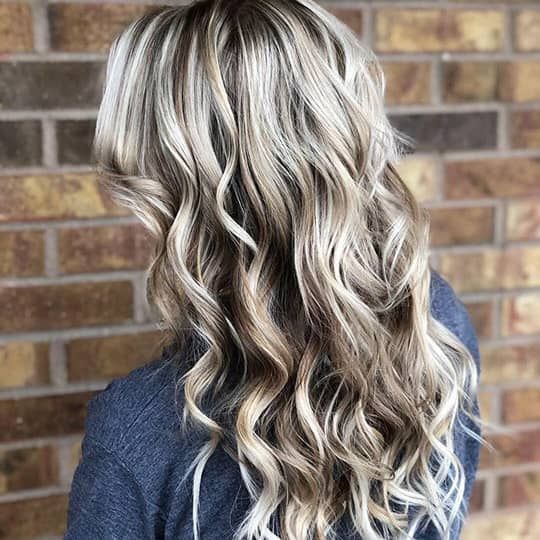
How do you get a platinum blonde dark brown lowlights combo without it looking like a costume? The technique is a fine weave, not a chunk. The stylist paints dark brown lowlights into the mid-lengths and ends of a platinum base, mid-back, wavy, medium density, side part. The tone is cool on the platinum, neutral on the brown, so the high contrast reads as intentional, not accidental. The layers help the dark pieces sit inside the blonde, not on top of it. This is a three-hour chair session, minimum. The grow-out is visible at week six, but the contrast means it still looks deliberate.
Layers Medium Blonde With Dark Blonde Lowlights
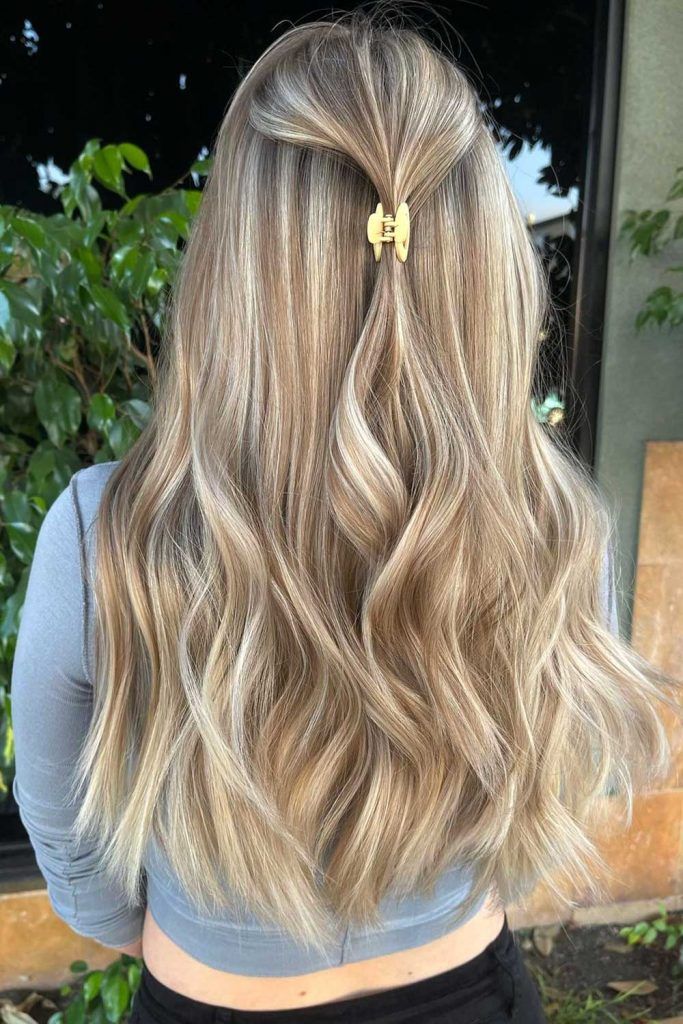
Picture a Tuesday in March. That is the season for this. Medium blonde base with dark blonde lowlights, mid-back, wavy and thick, middle part, loose waves. The rich contrast of blonde and dark blonde reads as natural, not salon. It works for every season because the tone is neutral, not warm or cool. The technique is a foil weave, placing the lowlights a half-inch apart for a blended finish. The length and texture mean the waves hold the dimension all day. A salon refresh every ten weeks keeps the contrast sharp. No toner needed between visits.
Medium Blonde With Natural Lowlights
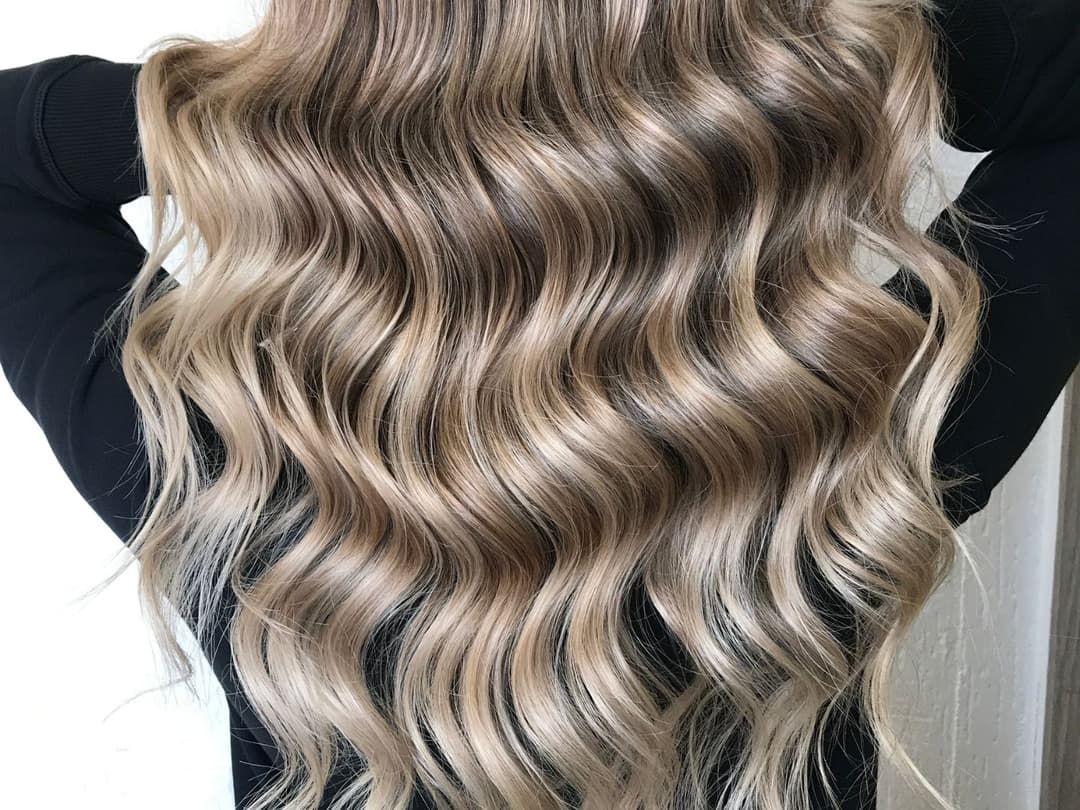
This is the one I’d book if I wanted someone to ask “did you just get back from vacation” instead of “did you just get your hair done.” The medium blonde base reads neutral, not brassy, and the darker blonde lowlights sit deep enough to create shadow without announcing themselves as a separate colour. At mid-back length with loose waves and a middle part, the effect is dense, almost expensive. The texture is wavy and thick here, which helps the lowlights stay visible instead of getting swallowed. Can you do this at home? Technically yes, with a bowl and a brush and a lot of patience. Realistically, no. The placement needs to be fine and irregular, and one heavy hand turns natural depth into a stripe. Leave this one to the salon.
Mid-Back Blonde With Visible Darker Lowlights
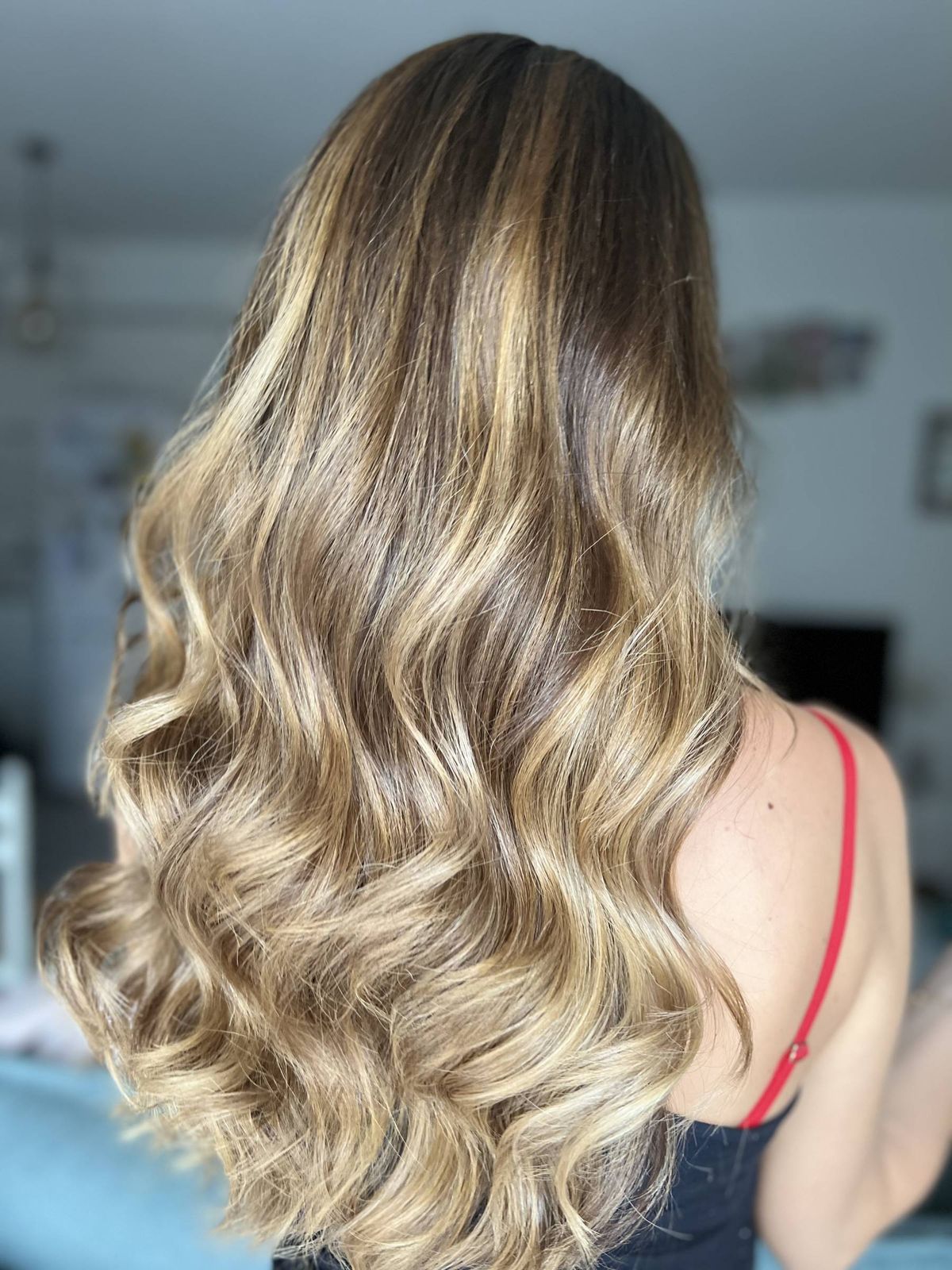
I will confess: I tried to recreate this at home once. It looked like I’d painted mud onto straw. The idea is simple — a blonde base with darker blonde lowlights woven through, visible contrast, no subtlety — but the execution is not. From the back view, the mid-back length shows the full map: blonde highlights catching light, darker lowlights sinking underneath, a middle part keeping everything symmetrical. The wavy, thick texture helps the contrast land; straight fine hair would flatten the difference into a single tone. The honest downside is that this contrast blurs with every wash. After about four shampoos, the blonde highlights and darker lowlights start to merge into one medium beige. A toning shampoo helps for a week. Then you book again.
Visual Idea
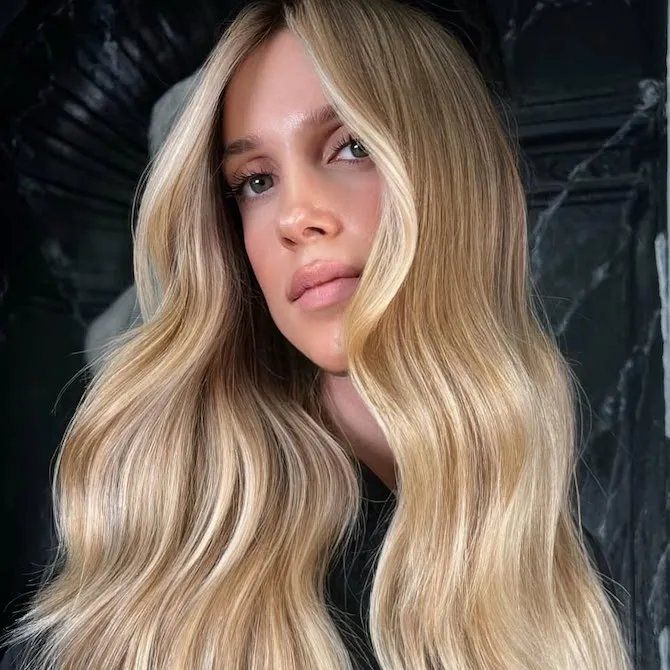
Does your hair currently read as one flat block of gold? Then this is the photo you show your stylist. The golden blonde base is rich without being orange, and the subtle blonde lowlights add dimension without creating a stripe effect. Mid-back length, middle part, loose waves, thick and wavy texture — the lowlights sit underneath the surface, not on top. Who does this suit? Anyone with medium to thick hair who wants warmth without brassiness. Fine hair will struggle to hold the lowlights visible; they’ll read as a single darker shade instead of a layered one. If you have naturally cool undertones, the golden base might pull too warm. But if you want depth and your hair can carry it, this is the one.
Mid-Back Visual Idea
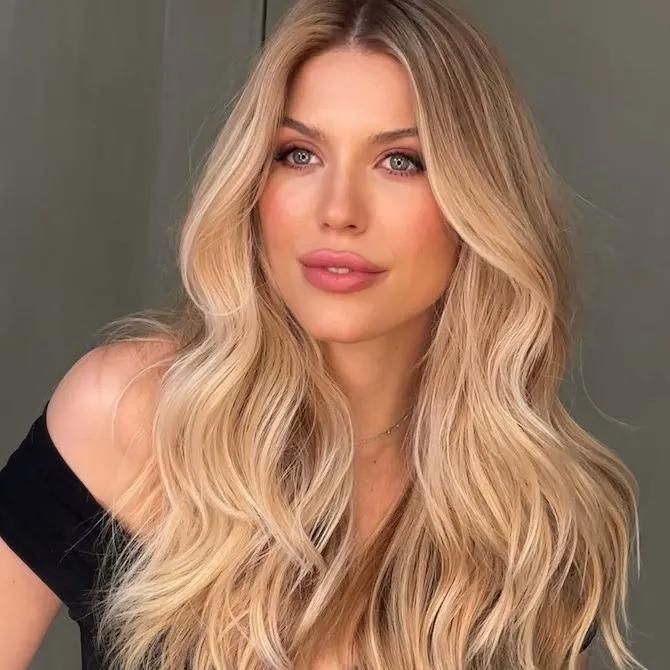
I noticed something about this one: the dimensional effect only shows when the hair moves. Sitting still, it reads as a solid blonde. Turn your head, and the lowlights catch the light differently, creating depth that a single-process colour can’t touch. The mid-back length means you get that movement from the shoulders down. Wavy blowout, middle part, thick wavy texture — the waves break up the colour so the lowlights don’t sit in straight lines. The upkeep is real. This is not a wash-and-wear colour. To keep the dimensional effect visible, you need to style the waves every day. Air-drying lets the lowlights sink into the base and disappear. A twenty-minute blowout with a round brush keeps the contrast alive. Worth it? For the days you move, yes.
Final Thoughts
I started this article watching someone add darkness back into their blonde. After writing all 34, I’m the one booking the appointment. What I didn’t expect: lowlights don’t just add depth. They change how a cut reads. A blunt bob with dark lowlights looks sharper. Waves with warm lowlights look softer.
I’m going with the ash lowlights on my collarbone waves. It’s the only one that made my fine hair look like it had more than it does.
