I keep seeing chestnut brown in the chair next to mine, not the flat brown I grew up with, but a shade that shifts in the light. It’s the color equivalent of a good blazer: warm without being loud, rich without being red. I used to think brown was the safe choice. Turns out it’s the smart one.
This roundup has 36 ways to wear Chestnut Brown Hair, from air-dried wash-and-go looks to balayage that takes three hours in the chair. Whether your hair is fine and goes flat by 4 pm like mine, or thick enough to hold a wave all day, there’s a version here that fits your texture, your face shape, and your patience for upkeep.
Rich Chestnut Brown With Caramel Highlights
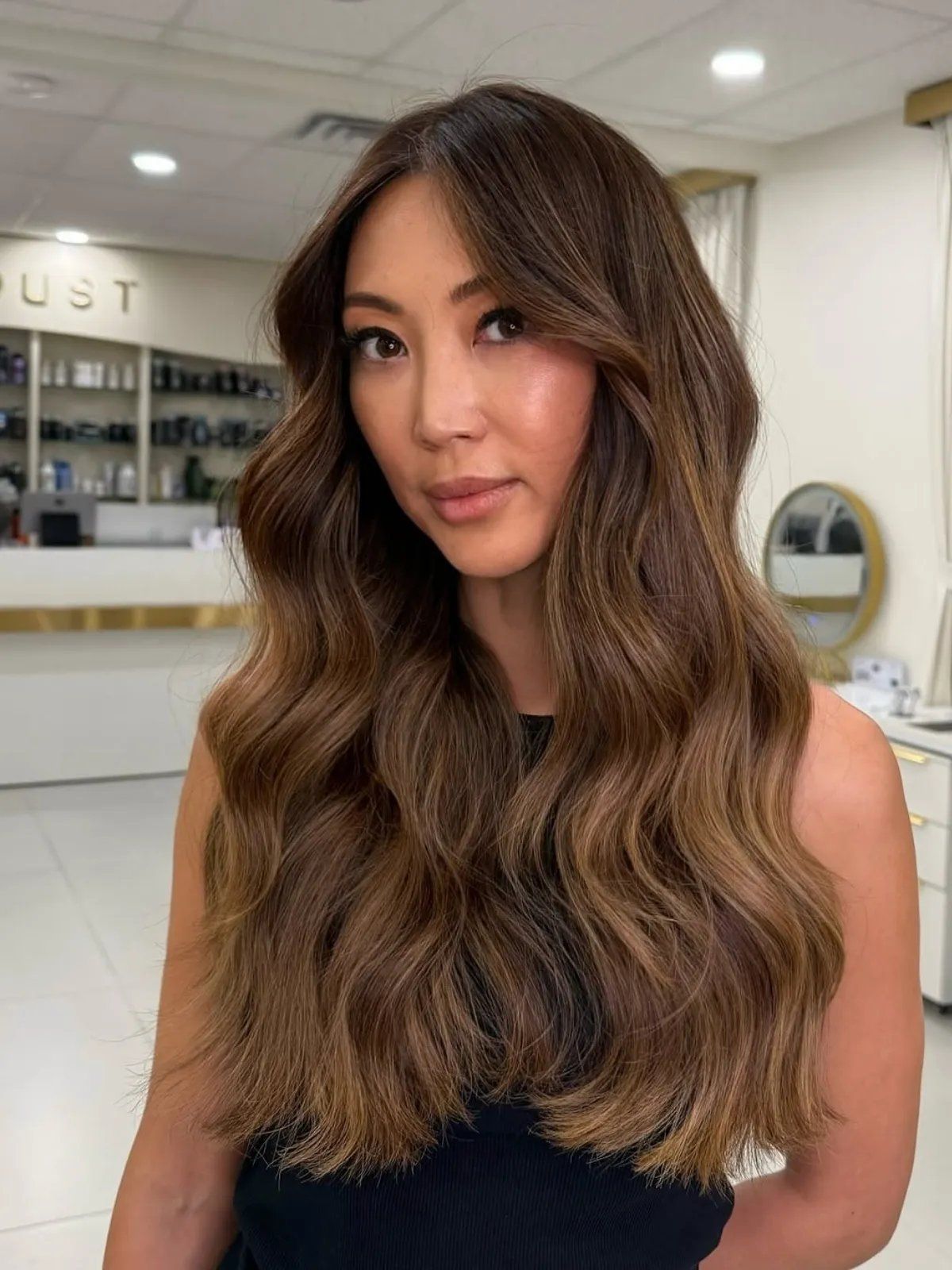
That mid-back length with side-swept bangs and loose waves is a masterclass in dimension. The base is a true chestnut brown with caramel highlights, the caramel ribbons placed to catch light from the front and the slight side profile. A warm tone, a layered cut, thick wavy texture — and the colour alone does the work. The technique is a partial foil or balayage, nothing harsh. It flatters medium to warm skin undertones, and anyone with medium to thick hair who wants movement without losing depth. Fine hair can try it, but the layers need to stay soft, not razored.
Blowout With Subtle Chestnut Highlights
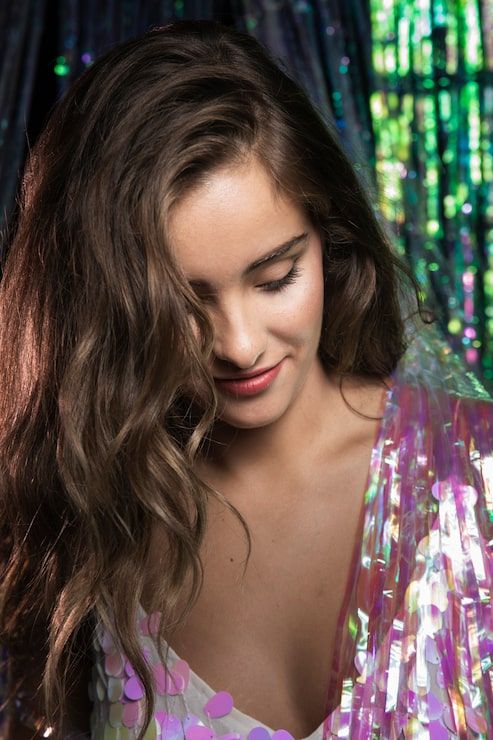
This is the one I’d send to a friend who says they want colour but not change. A rich chestnut brown blowout, mid-back length, thick wavy texture, no bangs — the colour is the entire event. The subtle highlights are woven through the layers, not painted on top, so the base stays dominant.
The technique is a low-contrast balayage, maybe a teasylight. The tone is warm, the effect is polished. It takes about twenty minutes with a round brush and a dryer, but the colour buys you twelve weeks before the root line shows. That is the real win.
Deep Dark Chestnut Brown Back View
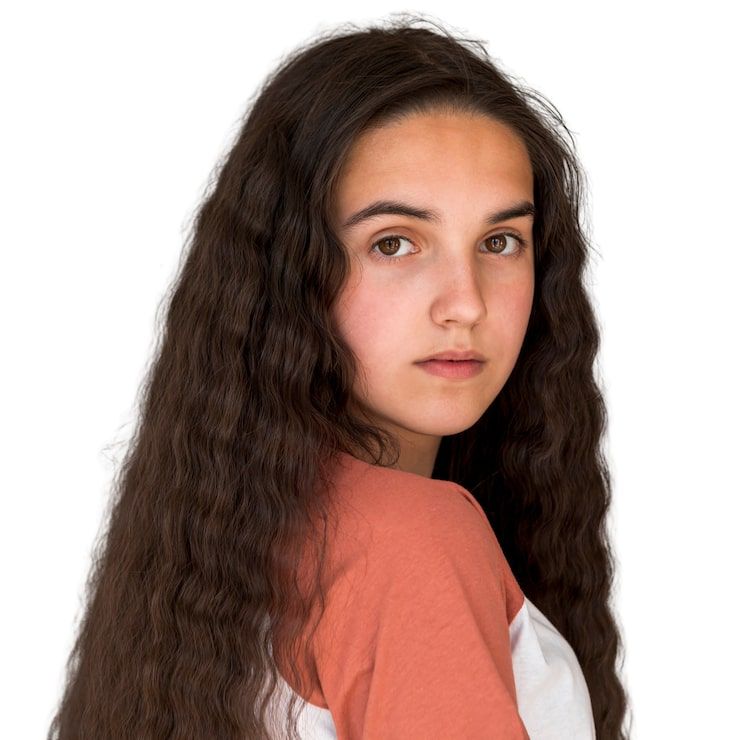
Can a single colour from the back be this compelling? The answer is yes when the tone is deep, dark chestnut brown hair, a shade so rich it reads almost black in low light and only reveals its warmth in direct sun. Mid-back length, thick wavy texture, no bangs, centre part, air-dried — this is the no-styling flex.
Upkeep is the selling point. Trims every ten to twelve weeks, a gloss every eight if you want the richness to stay. Compared to a warm chocolate brown, this one leans cooler, almost neutral. It fades less, shows less brassiness, and the grow-out is invisible. You book it once and forget it for a season.
Naturally Air-Dried Dark Chestnut
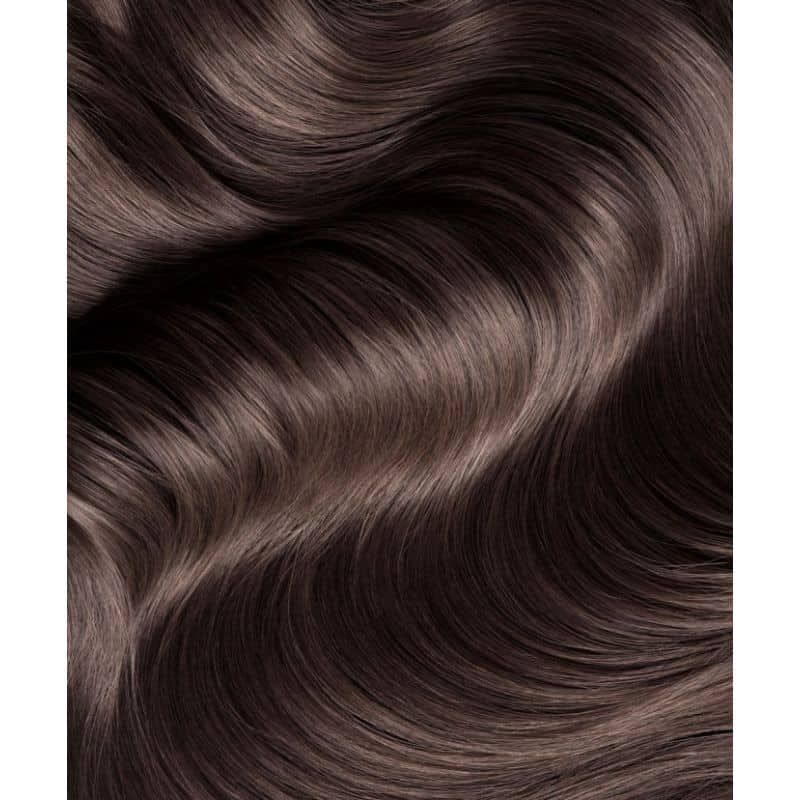
I will admit I have tried to fake this look with a diffuser and prayer. The naturally dark chestnut brown colour here is mid-back length, thick wavy texture, long layers, no bangs, middle part, air-dried. The tone is deep and rich, the technique is single-process colour. No highlights, no ribbons, no balayage. Just one shade, applied evenly, left to dry. It takes about thirty minutes to air-dry fully on thick hair, and the result is a uniform depth that catches light differently on every wave. This is the shade that makes you look like you have more hair than you do.
DIY Dark Chestnut Waves
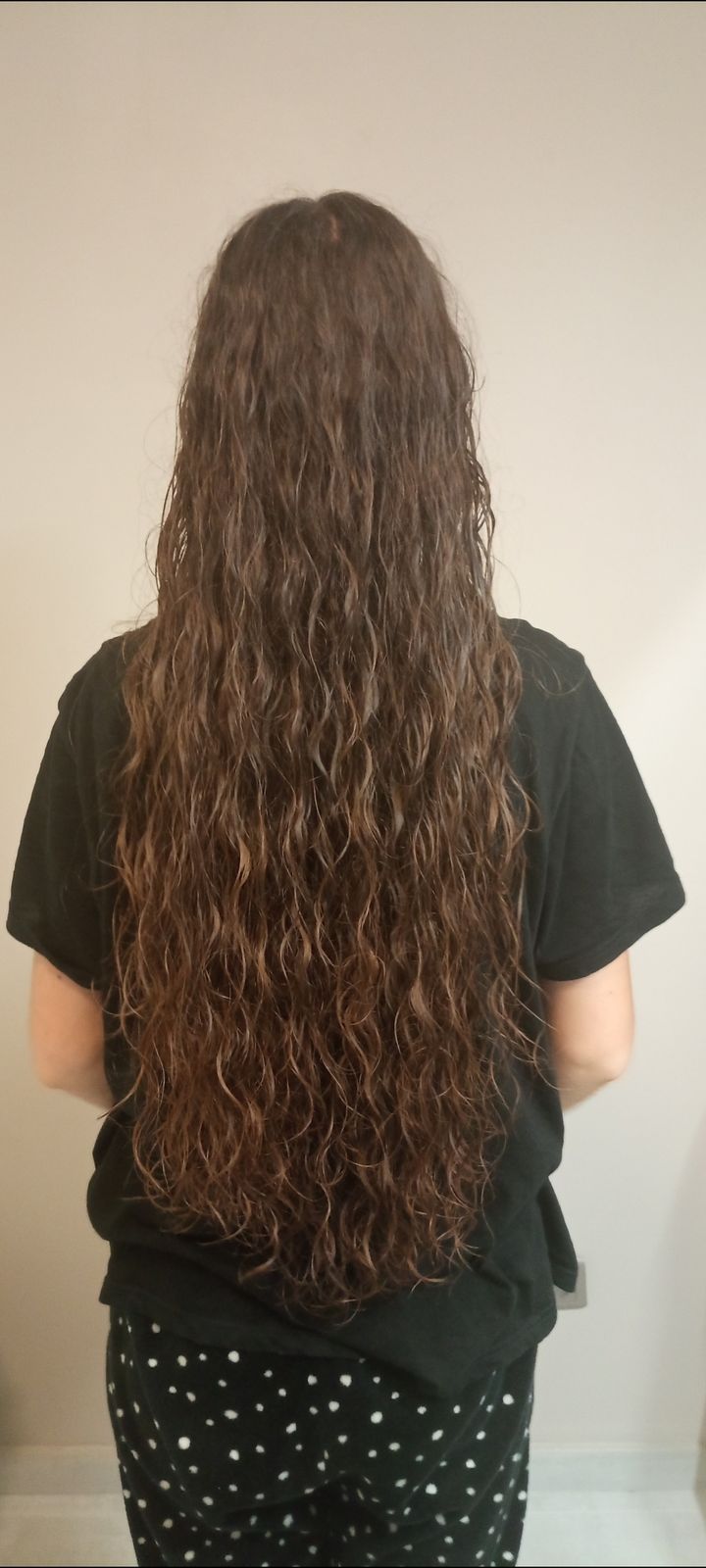
This is for the person who wants the colour but not the salon bill. The diy chestnut brown hair here is a single-process dark chestnut brown, applied at home, mid-back length, thick wavy texture, long layers, no bangs, centre part, air-dried. The technique is straightforward: a box dye in a cool to neutral brown, applied from root to tip, left the full processing time. What to ask the stylist if you change your mind: a single-process dark chestnut brown with a neutral or cool tone, no highlights. This colour flatters medium to olive skin tones best. The waves are your own, the colour is the statement.
Mid-Back Chestnut Brown With Warm Caramel Highlights
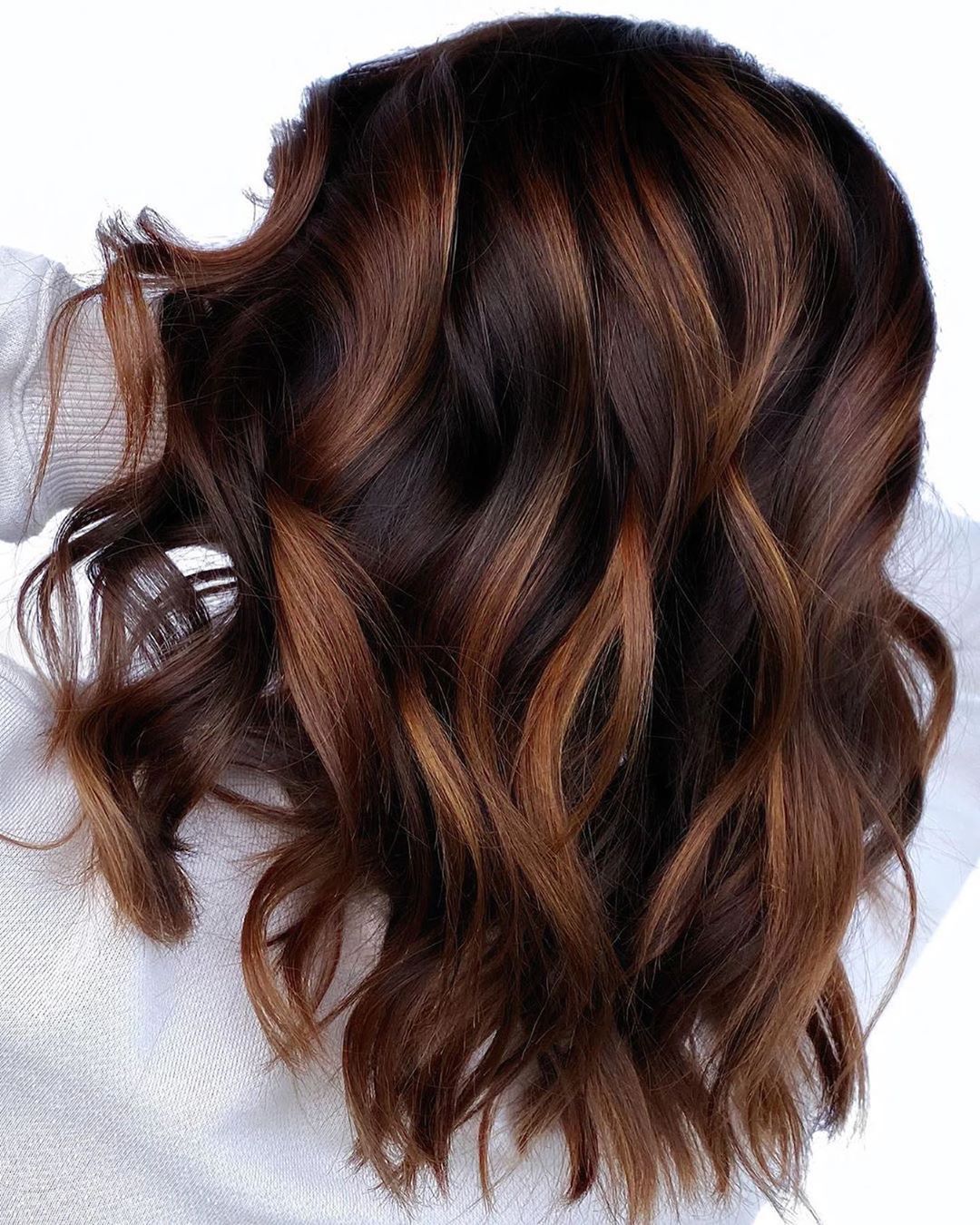
I saw this and immediately thought: that is what brown hair should look like when it has somewhere to go. The base is a rich chestnut brown, deep enough to feel grounded, and then the warm caramel highlights on brown hair start around the jaw and keep going. That placement matters. Highlights that hit too high can make the root look flat. Here they land where the light naturally falls, on mid-back length, thick wavy texture, middle part. The whole thing reads as dimensional without looking streaky. A toner every six weeks keeps the caramel from pulling brassy. Worth the chair time.
This is a salon job, not a box dye situation. The balayage technique lets the colour graduate from dark at the root to lighter through the ends, which means the grow-out is soft. No harsh line at week four. The loose waves take about 15 minutes with a curling wand. What you get is a brown that does not sit still.
Chestnut Brown With Ash Undertones
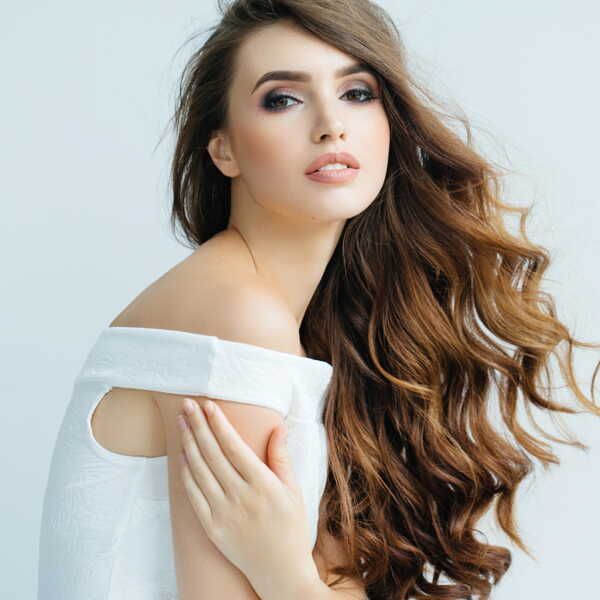
Here is the verdict: chestnut brown with ash undertones is a colour that asks for a second look. The base is still recognisably brown, but the ash undertones cool it down, pulling the warmth out of the red spectrum and into something more muted. It is achieved by adding a blue or violet toner to the formula, which neutralises the natural orange in chestnut. The result is a brown that reads as smoky, not flat. On medium density wavy hair at mid-back length, the ash catches the light differently than a warm brown would. It is a salon colour. The toner needs refreshing every six to eight weeks or the ash fades and the warmth creeps back.
Dark Chestnut Brown Afro
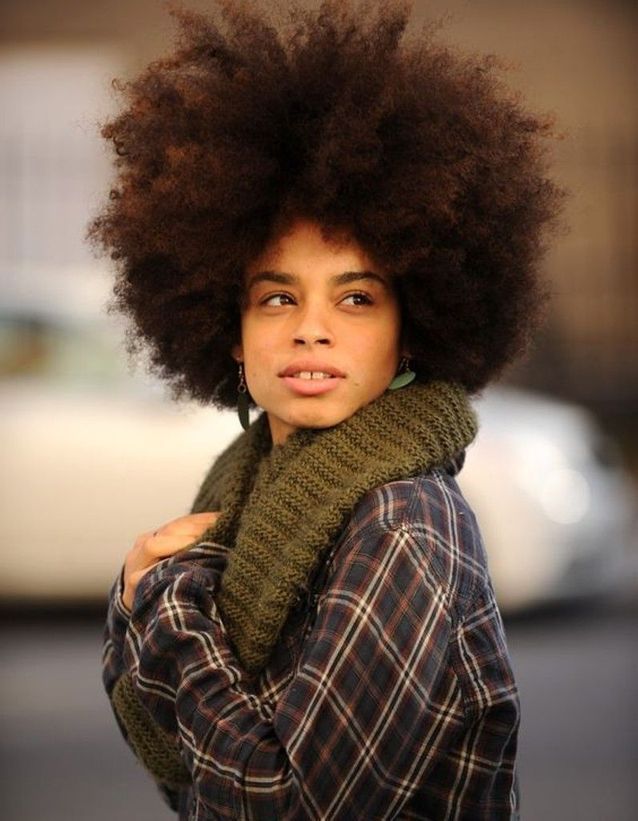
Can a colour this deep still have dimension? Yes, when the shape does the work. The dark chestnut afro is a single tone, no highlights, no balayage. The colour is a dark chestnut brown, warm enough to read as brown and not black. On a shoulder-length coily, thick texture, the colour settles into the curls and the light hits the surface, not the strands. That is where the dimension lives. A satin bonnet at night keeps the shape from flattening. Colour touch-ups are for grey coverage only, every eight to twelve weeks. This is a DIY-friendly colour if you know your natural level.
Dark Chestnut With Honey Blonde Balayage
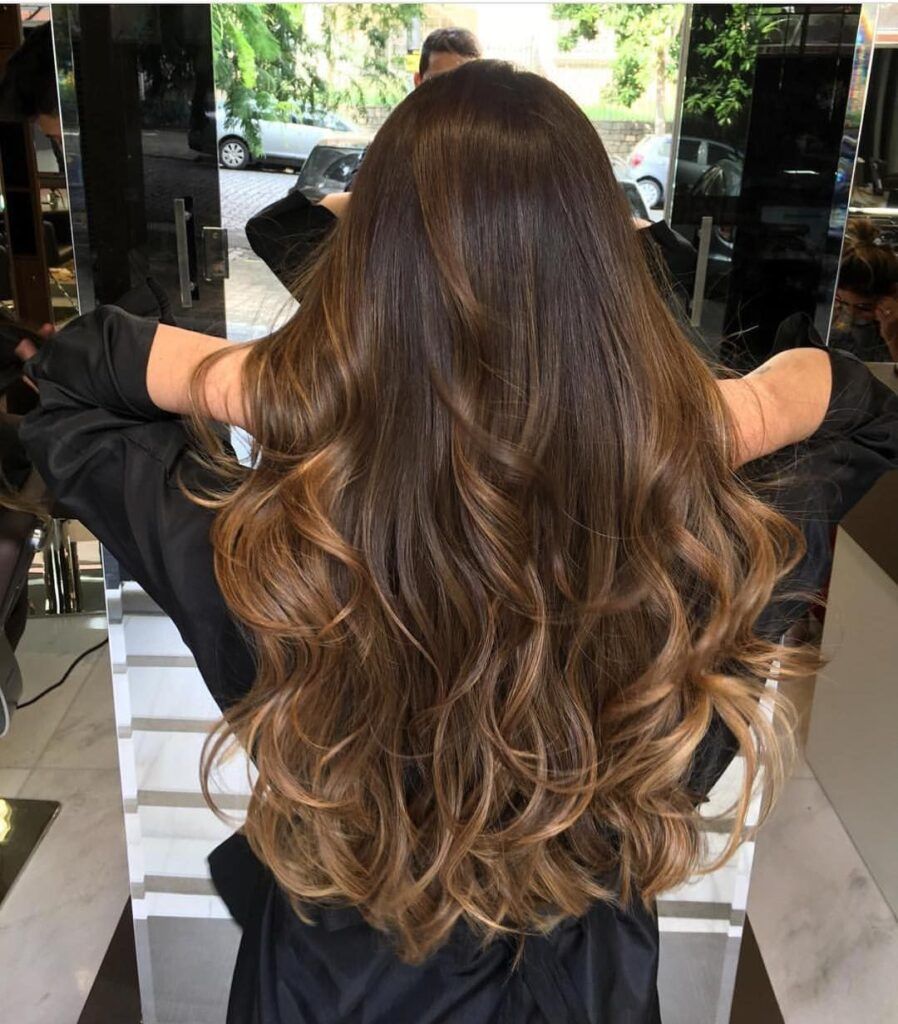
A honey blonde balayage on dark brown is not the same as caramel highlights. The difference is the tone. Caramel leans red. Honey blonde leans golden. On a dark chestnut brown base, the honey reads as sunlight, not as a separate colour. The balayage technique paints the lightener onto the mid-lengths and ends, leaving the root dark. On thick, wavy hair at mid-back length, the blend is gradual. No banding. No stripe.
Upkeep is lower than foils because the root is not touched. A toner every eight to ten weeks keeps the honey from turning yellow. Trims every eight weeks because the ends take the most lightener. Loose waves with a middle part show the dimension best. I have seen this colour last four months before the tone shifts. That is a good run.
Chestnut Brown With Warm Blonde Balayage
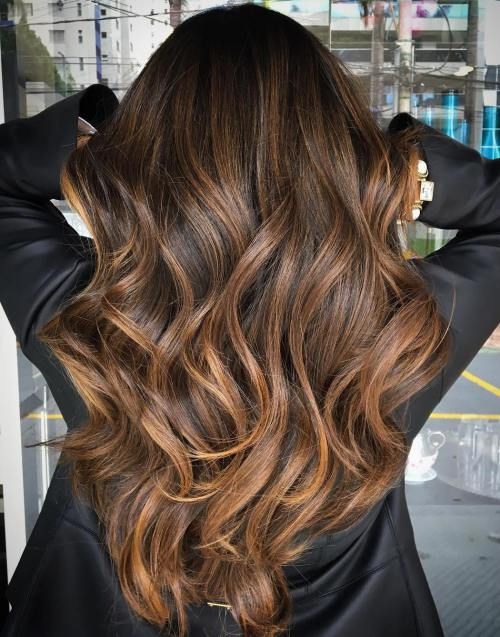
I looked at this and thought: who can wear this and not have it look like a mistake? The answer is medium to thick density. The warm blonde balayage on chestnut relies on the base being dense enough to hold the dark while the lighter pieces sit on top. On fine hair, the contrast can look sparse. Here, on thick wavy hair at mid-back length with a middle part, the seamless balayage transition is what makes it work. The blonde starts below the cheekbone and blends into the chestnut without a hard line. The result is volume that looks built by colour, not by backcombing. A colour-depositing mask every four to six weeks keeps the blonde from washing out. Salon only. Do not attempt this at home.
Dark Brown Ombré With Caramel and Copper
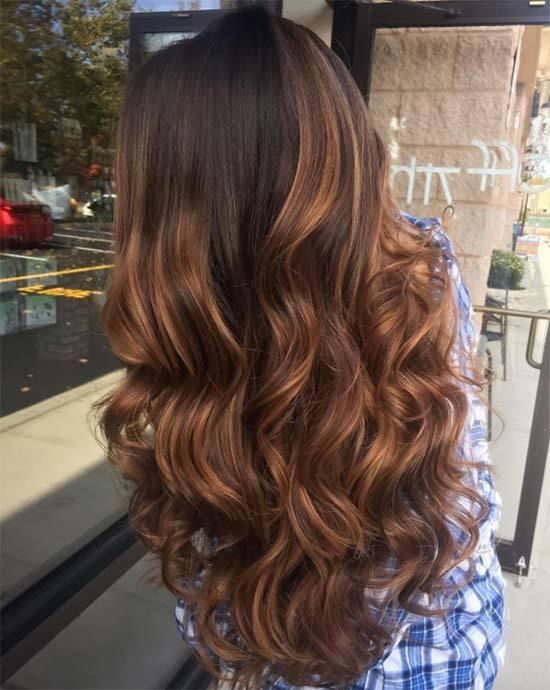
This is the warmest ombré I’ve seen that doesn’t tip into orange. The dark brown base stays grounded at the roots, then melts into caramel copper ombré hair that picks up gold in the sun and copper under indoor light. It’s a technique that paints the lightener on mid-lengths and ends, so the transition is gradual, never a hard line. On thick, wavy, mid-back length hair, the loose waves catch every tone, and the middle part lets the colour fall symmetrically. The payoff is a sun-kissed effect that works for fall weddings and summer weekends alike.
What sells me is the grow-out, the dark base means your roots blend for months, so touch-ups are rare. The ends, though, they fade faster, a toner every eight to ten weeks keeps the lighter pieces from going brassy. And because the lightener never touches the scalp, the darkest parts stay healthy. Book this one, it’s not a bathroom-mirror job, but it buys you a season of low-maintenance warmth.
Shoulder Length Chestnut Blowout
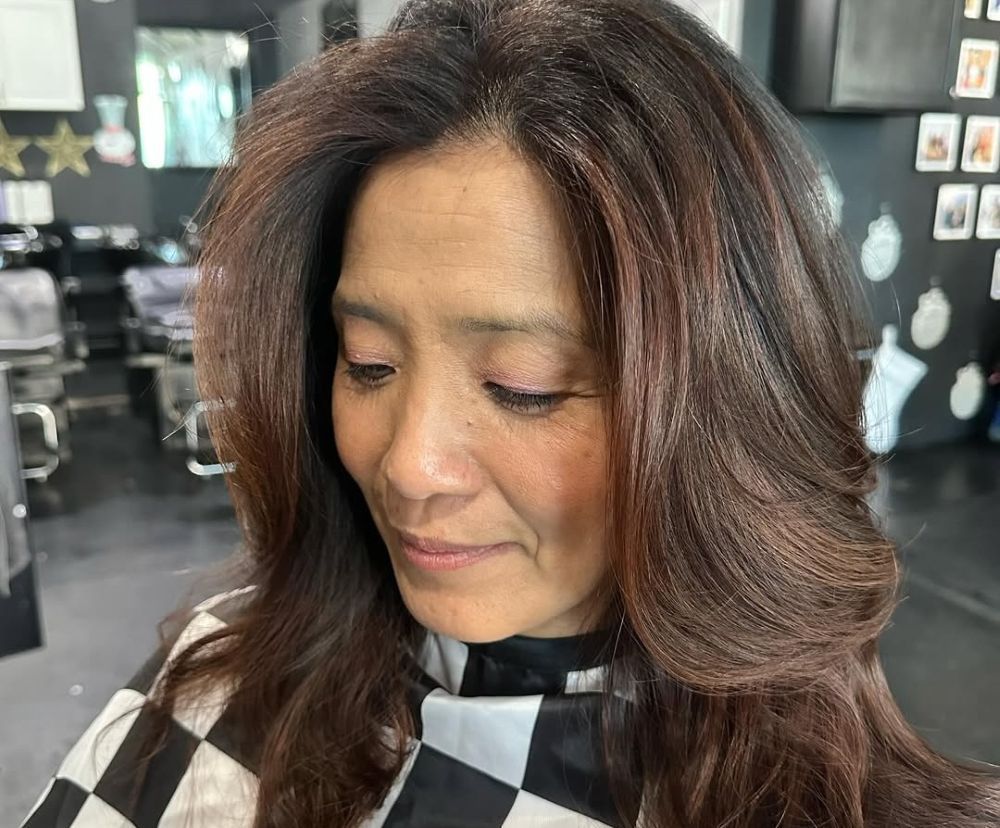
I’ll admit, I’m a sucker for a blowout that looks like it took an hour when it took twenty minutes. This chestnut brown shoulder length hair is thick and wavy, styled with a round brush into soft, face-framing layers that give it that voluminous, bouncy finish. The deep brown has subtle reddish-brown undertones, so it reads warm without being coppery. The side parting adds softness, but here’s the honest downside: the volume doesn’t survive a humid afternoon, and the layers need a trim every six to eight weeks or they start to lose their shape. Worth it for the days you want to feel polished, just don’t expect it to hold through a rainstorm.
Dark Brown With Blonde and Caramel Balayage
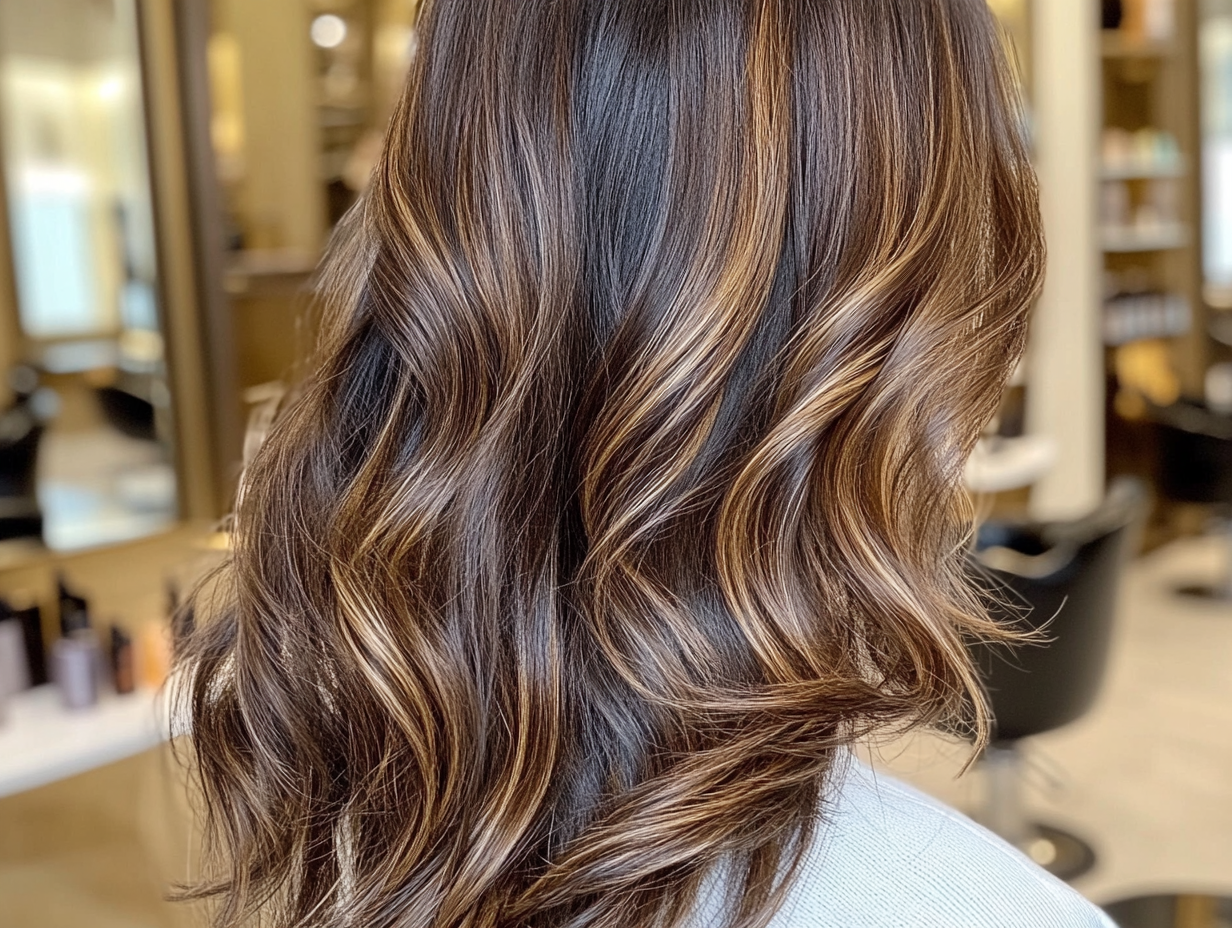
Ever seen a balayage that actually pops? This one does. The dark brown base is almost black, and against it, the blonde and caramel highlights are loud, not subtle. The balayage technique paints the lightener on thicker at the mid-lengths and ends, so the contrast is deliberate, a striking contrast that catches the eye. On thick, wavy, mid-back length hair, the loose waves make the lighter pieces ripple. It’s a look that demands attention, and it gets it.
But here’s the thing: this is not the softer, lived-in balayage you see everywhere. That one melts, this one claps back. If you want a gradual sun-kissed effect, pick a shade closer to your base. If you want drama, this is your color. Just know the blonde will need a colour-depositing conditioner every four to six weeks to keep it from going brassy, and the grow-out, while still forgiving, shows a sharper line than a traditional ombré.
Medium Chestnut Brown With Blonde Highlights
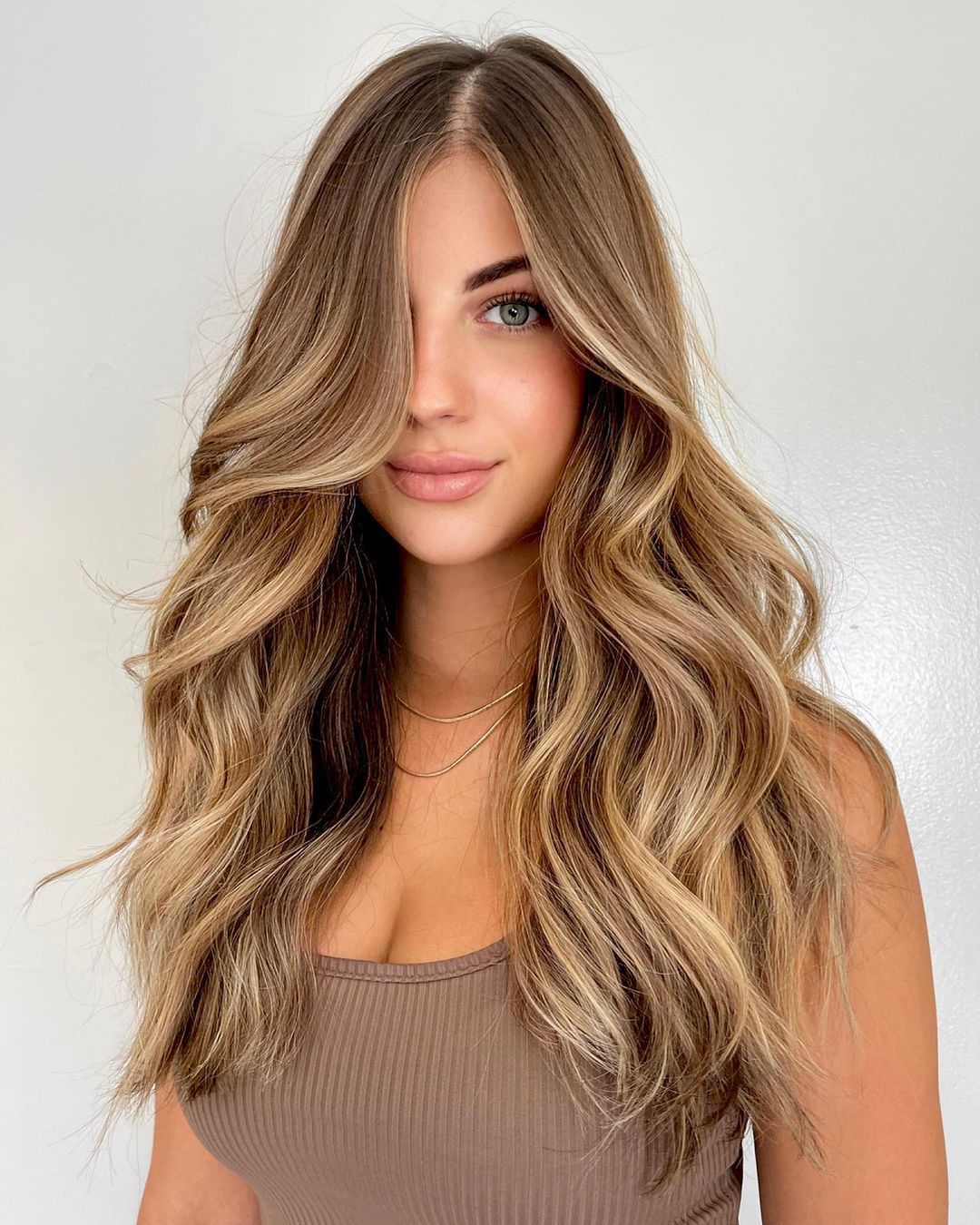
The dimensional colour here is the quiet overachiever. It’s a medium chestnut brown with blonde highlights, but the blonde is woven in thin, visible blonde highlights that catch light without shouting. The middle part and side bangs frame the face, and on thick, wavy hair, the layers give the blowout movement. This suits warm skin tones best, the chestnut base echoes the warmth in your complexion, while the blonde adds brightness. If you’re cool-toned, the yellow in the blonde can clash, so you’d want an ashier highlight instead.
On fine hair, this is a trap, the blonde can make strands look thinner. On medium to thick density, it’s a win. The upkeep is real: the blonde needs toning every six to eight weeks, and the heat styling to get those waves will tax the lighter strands, so a heat protectant is non-negotiable. But if you’ve got the density and the warmth, this is a flattering, wearable colour that doesn’t need a full balayage commitment.
Light Chestnut Lob With Blonde Highlights
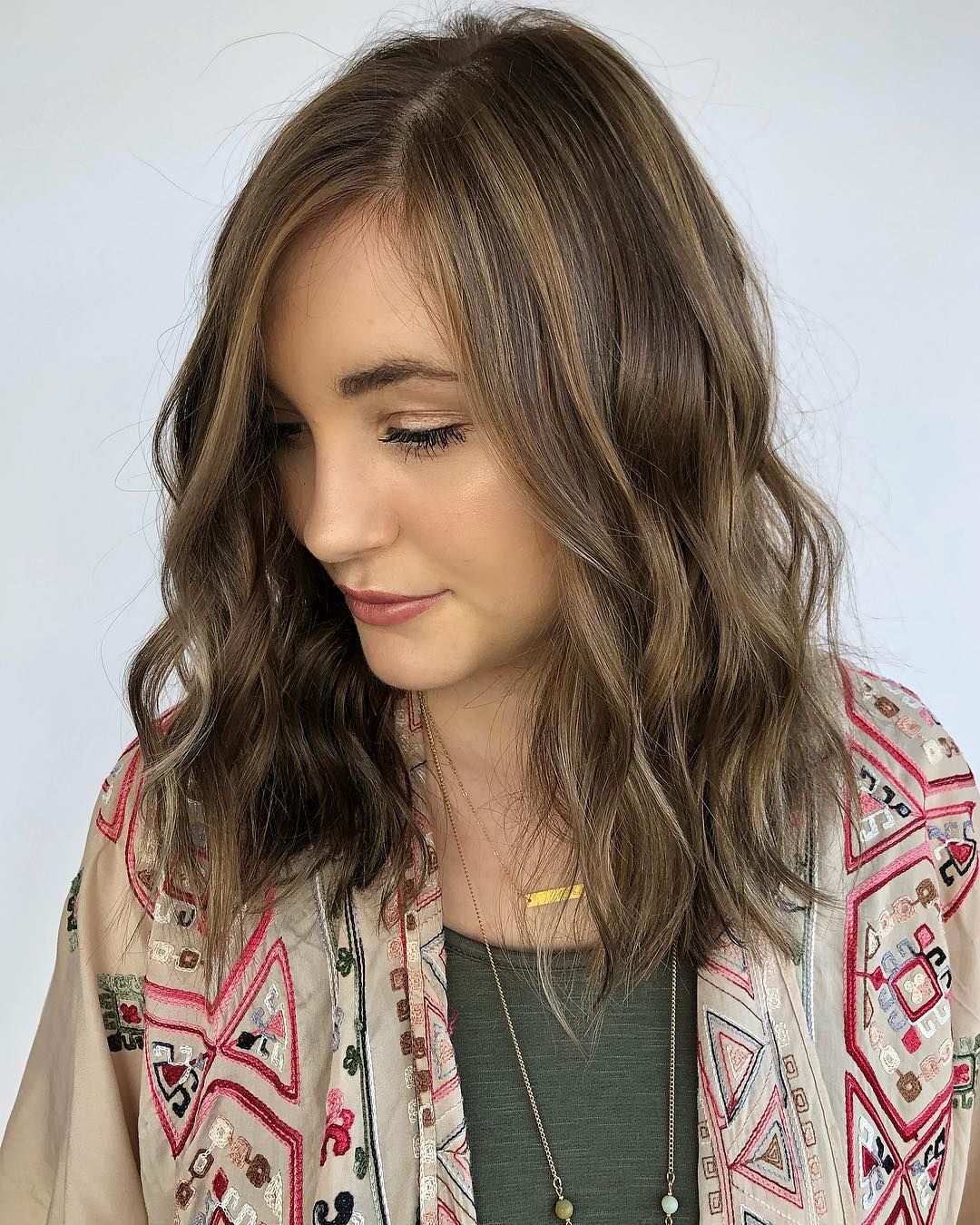
I’ll confess, I’ve been burned by a lob before, but this one is different. The collarbone length hits that sweet spot, and the side-swept bangs soften the face. The light chestnut brown highlights are subtle, a whisper of blonde that adds dimension without going full bleach. On fine to medium density hair, the loose waves give the illusion of thickness, which is a relief. The honest downside: the blonde needs toning every eight to ten weeks, and on fine hair, the highlights can make strands look even thinner if they’re placed too close to the root. But with a trim every six to eight weeks to keep the lob shape, this is a low-effort, high-reward cut for anyone who wants a change without the drama.
Light Chestnut Lob With Blonde Highlights — A Lob Haircut With Side-Swept Bangs
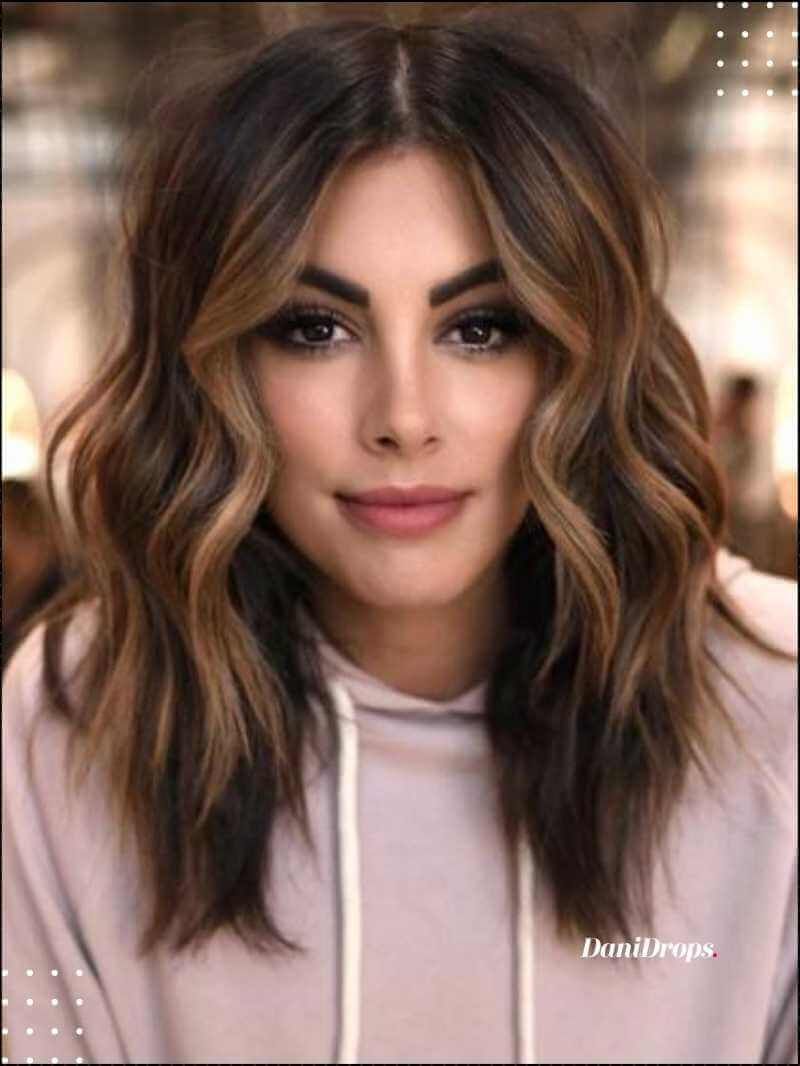
This lob earns its place because the blonde placement does the work. A light chestnut brown base keeps it from looking bleached, while noticeable blonde highlights are painted through the mid-lengths and ends, not the roots. That means the grow-out is soft, not stripey. The collarbone length holds a wave without collapsing, and the loose texture gives the colour room to read. Side-swept bangs frame without fighting a middle part. The technique here is deliberate: the highlights are concentrated where light naturally hits, so the dimension looks built in, not painted on. Fine hair benefits from the contrast, it adds the illusion of density. A lob with this kind of colour application asks for a stylist who understands placement, not just lift.
Sun-Kissed Light Chestnut Waves
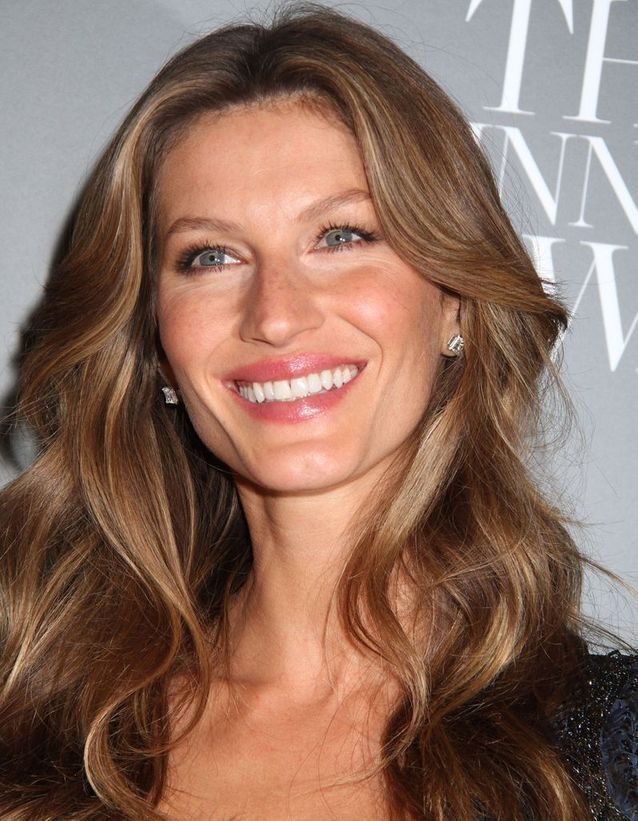
Can a sun kissed light chestnut hair colour actually look natural when you do it at home? Depends on your starting level. If your base is already a medium brown, subtle blonde highlights painted through the mid-lengths can mimic that faded-in warmth. The key is keeping the highlights fine and spaced, not chunky. The loose waves here are shoulder-length with a side part, and the texture is wavy with fine density. A salon will use a balayage technique that paints freehand, which gives a softer regrowth than foils. At home, a highlighting kit with a comb works, but you lose that graduated fade. The result is still wearable, just less dimensional. The grow-out timeline is forgiving, about ten weeks before the roots feel obvious.
Dark Chestnut With Ash Blonde Highlights
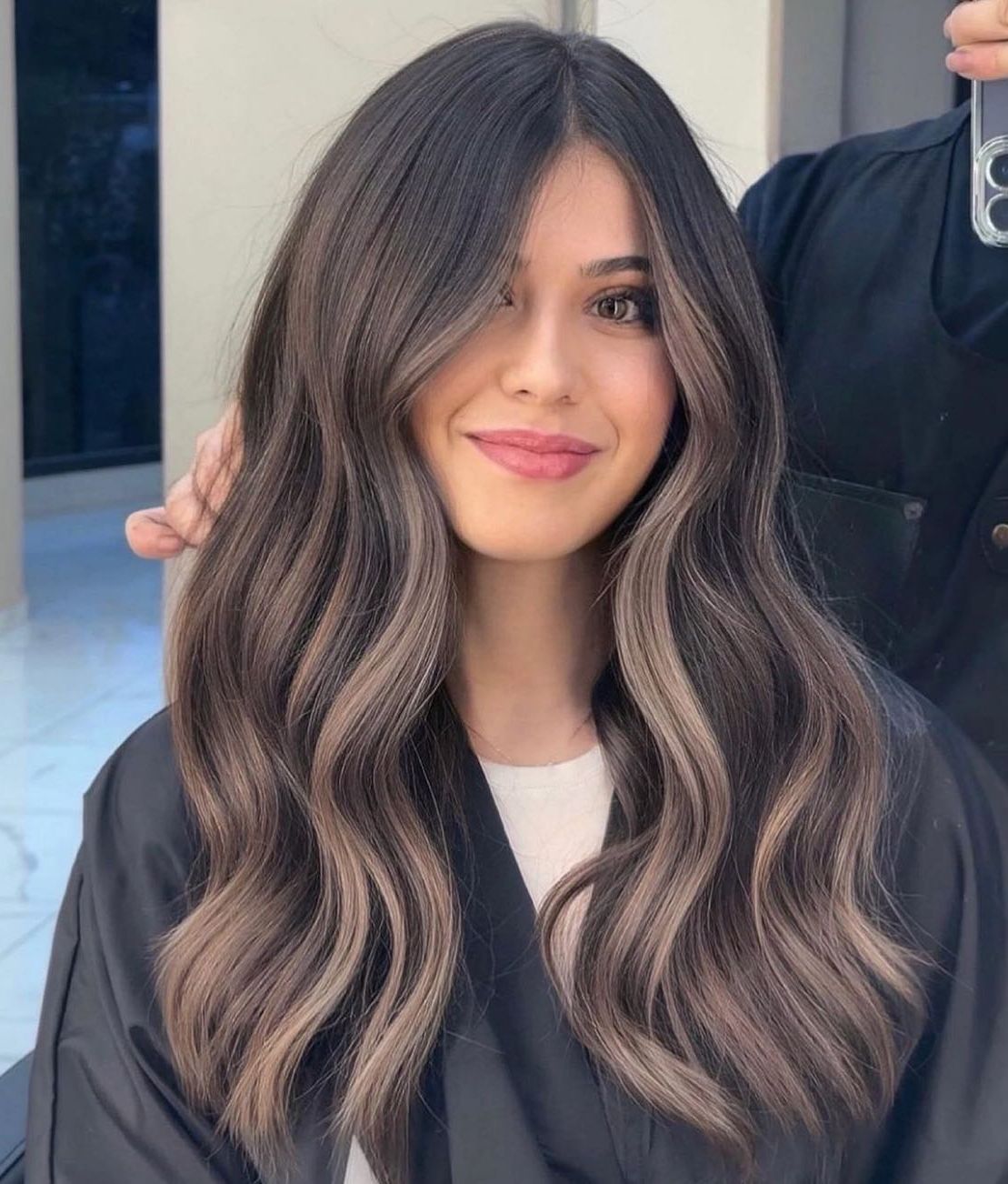
Ash blonde highlights on dark brown read completely different than caramel. Where caramel warms, ash cools. The dark chestnut base here is almost espresso, and the striking ash blonde highlights cut through it like a sharp line, not a blend. That contrast is the whole point. The collarbone length is styled in loose waves with a middle part, and curtain bangs soften the transition from dark to light. A smooth blowout keeps the ash tone clean, any brassiness would fight the effect. This is not a subtle colour, it announces itself. The ash highlights will need toning every four to six weeks, because cool tones fade faster than warm ones. If your skin reads warm, test a strand first, the contrast can wash you out. But on the right base, it is striking.
Visual Idea
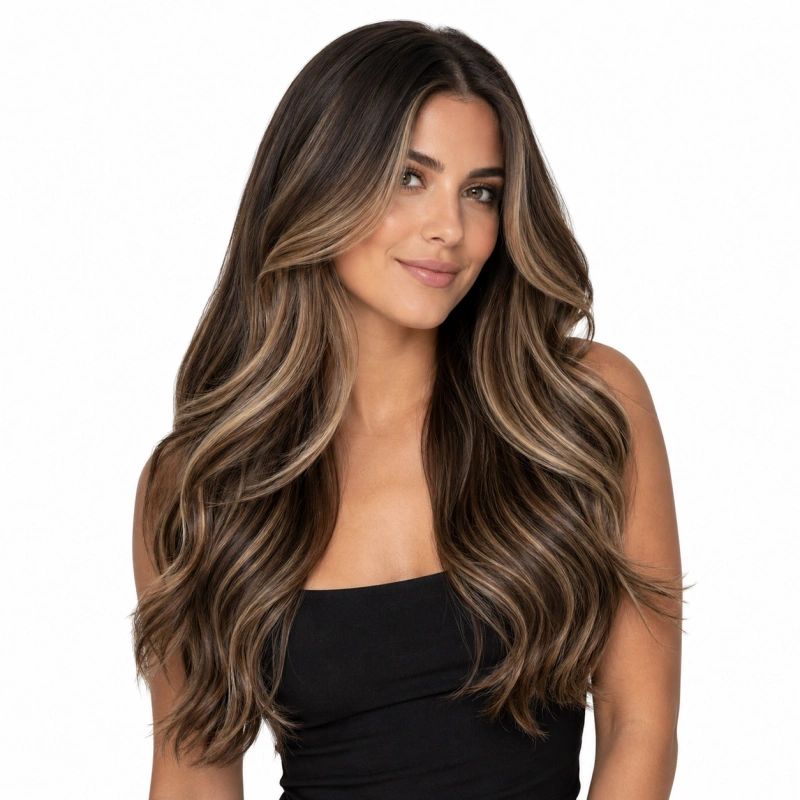
I will confess, I usually skip face-framing highlights on thicker hair. They can look like an afterthought. But here, the prominent caramel highlights are painted close to the face, and they actually widen the visual space around a round jaw. The dark chestnut base stays deep through the back, so the dimension reads front to back, not top to bottom. The mid-back length is styled in loose, voluminous waves with a middle part and curtain bangs. The texture is thick and wavy, which holds the wave without product. The highlights are concentrated where the curtain bangs fall, so they catch light when you turn your head. That placement matters more than the shade itself. For square or round faces, this kind of framing softens the edges without cutting shorter layers.
Visual Idea — Styled In Loose
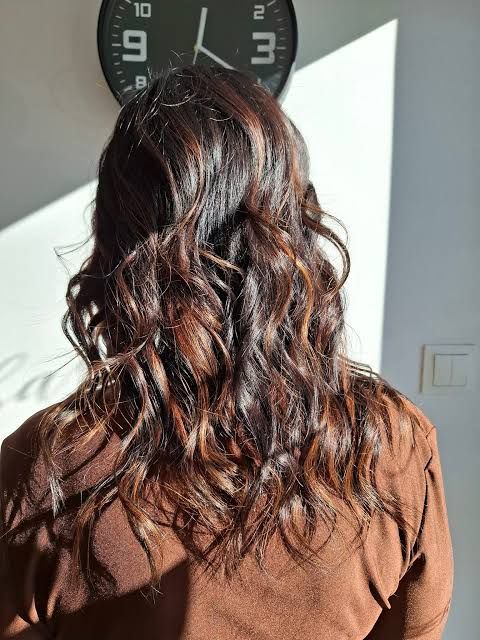
My gut says loose waves on dark chestnut hair can look flat by the second day. But the lighter brown and subtle auburn highlights here break up the mass, so the wave reads as movement, not weight. The back view shows the middle part and the mid-back length, with medium-thick density that holds the S-curve. The auburn notes are subtle, they only show in direct light, which means they do not fight the dark base. The styling here is a blowout with a large round brush, then a cool-down set. That takes about twenty minutes. The waves will drop by evening if your hair is fine, but the colour dimension stays. A texture spray at the mid-lengths helps, but do not touch the roots, that kills the volume. The upkeep is a toner every eight weeks to keep the auburn from turning orange.
Visual Idea — Medium Density
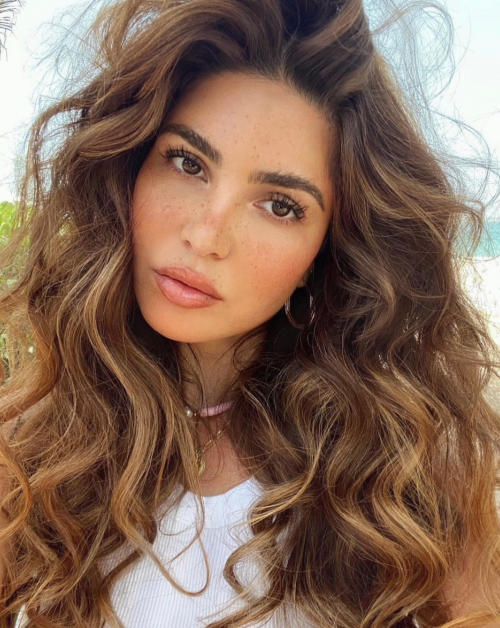
This is the version that makes me reconsider a single-process brown. The medium brown base carries subtle auburn undertones, and they catch the light in a way that reads warm without tipping into copper. The colour technique here is layering: the auburn is not a highlight painted on top, it is woven into the base itself, so the depth shifts as the waves turn. Mid-back length, wavy texture, a middle part that lets the colour fall evenly on both sides. The effect is dimensional but quiet, like the hair has its own internal light source. No streaks, no obvious lines, just a brown that refuses to sit still.
Mid-Back Visual Idea
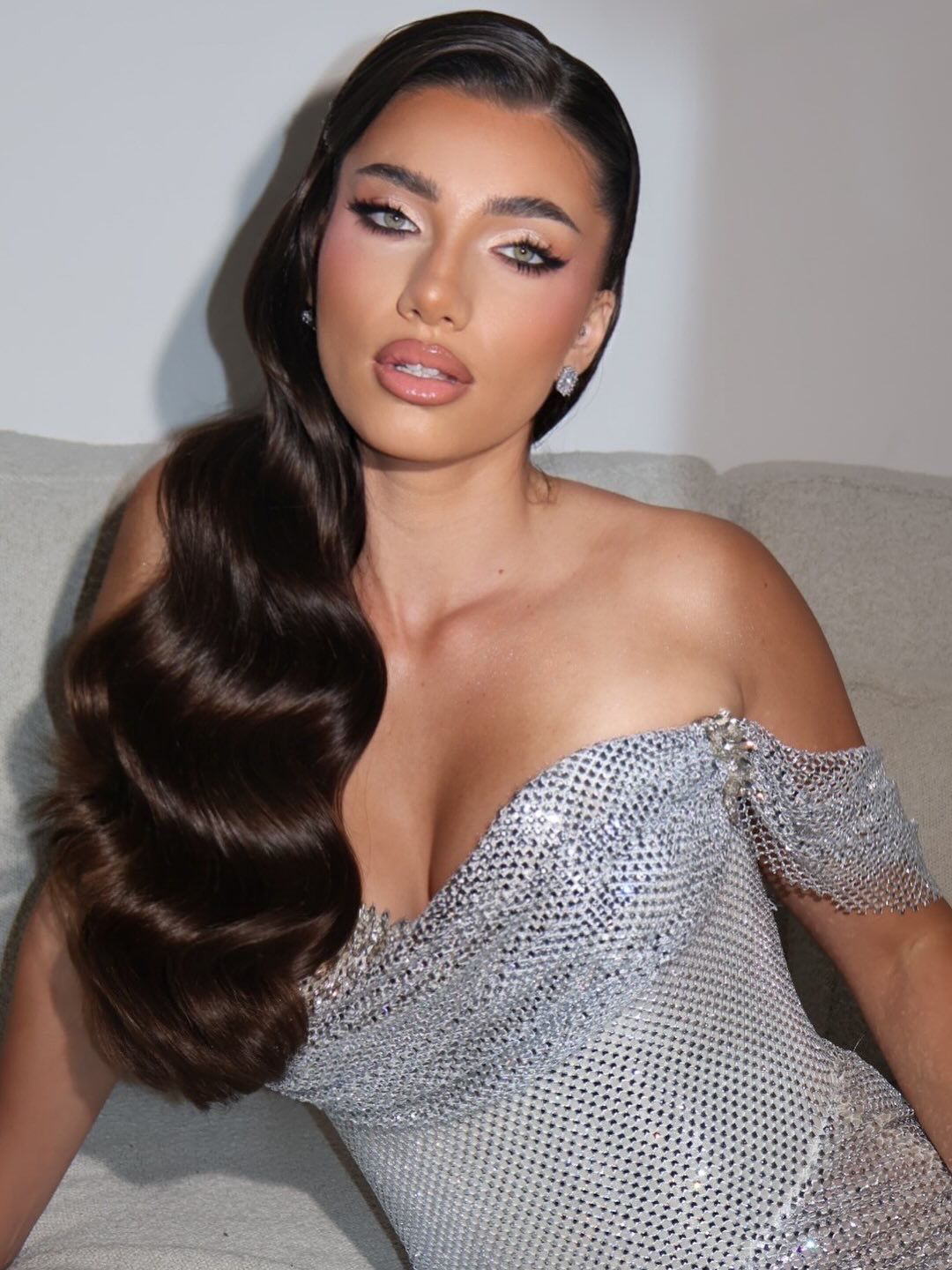
Can a subtle highlight effect really be done at home? I have tried. The answer is no, not like this. This is a dark brown base with lighter brown highlights, and the key is placement: the lighter pieces sit where the sun would naturally hit, around the face and the ends, not scattered everywhere. The technique is a salon balayage, hand-painted, no foils, no harsh lines. The hair is thick and wavy, mid-back length, styled with a side part and soft waves. The base is deep enough to read as nearly black in low light, then the highlights surface when you turn your head. That contrast is the whole trick, and it takes a stylist who understands how dark brown holds warmth.
Visual Idea — The Hair Has A Dark Brown Base Colour
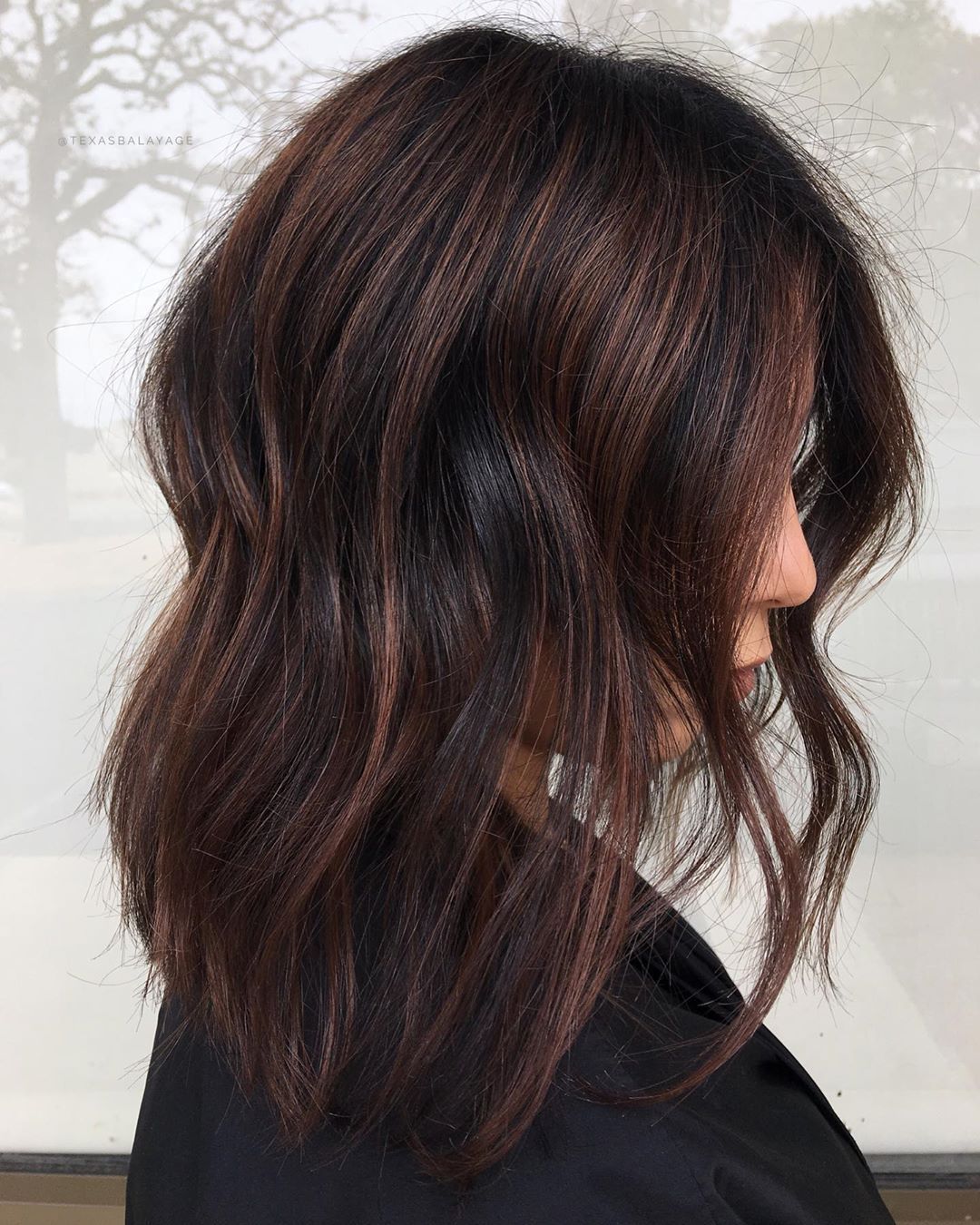
A single-process dark brown sits flat. This does not. The difference is balayage with two tones: reddish-brown and a lighter brown, painted so the warm one sits deeper and the lighter one surfaces near the ends. The base stays dark, the highlights add movement without changing the overall depth. Collarbone length, loose waves, a side part that lets the colour stack on one side. The technique is what separates this from a uniform colour: the stylist paints freehand, so each section catches light at a different angle. You get dimension without streaks, warmth without brassiness. It is a brown that looks like it cost more than it did.
Collarbone Visual Idea
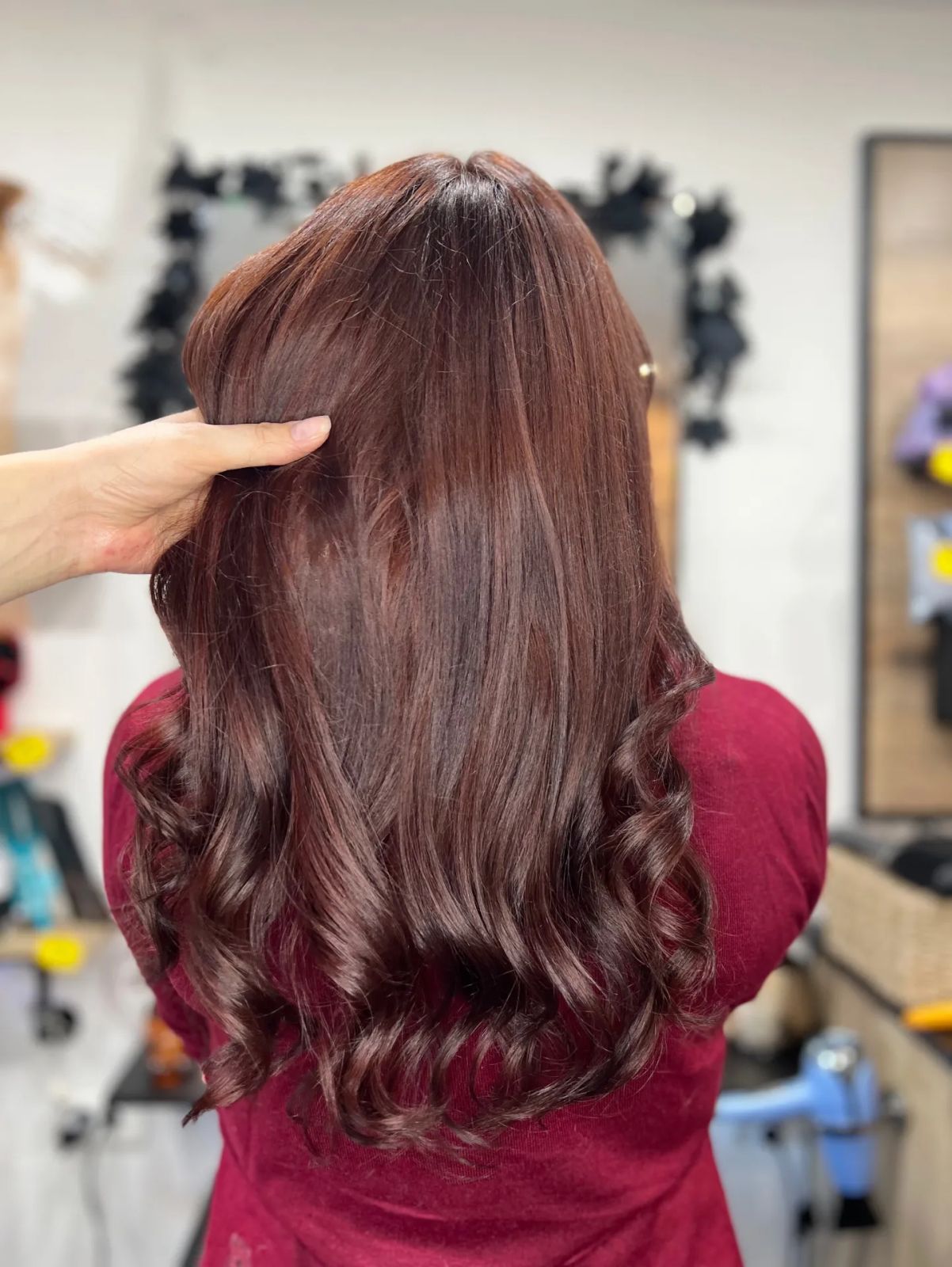
This is the colour that makes me want to cancel my next appointment and copy it instead. The warm, multi-tonal chestnut brown hue has copper and auburn undertones that read rich against cool skin and even richer against warm. The lob hits the collarbone, loose waves, a middle part that opens the colour across both sides. The technique is a salon application: the copper is painted into the mid-lengths and ends, leaving the roots deeper. It is a fall colour that works into spring, because the warmth does not fade into orange — it fades into a softer brown. For anyone whose skin has pink or golden undertones, this is the brown that makes you look lit from within.
Layers Visual Idea
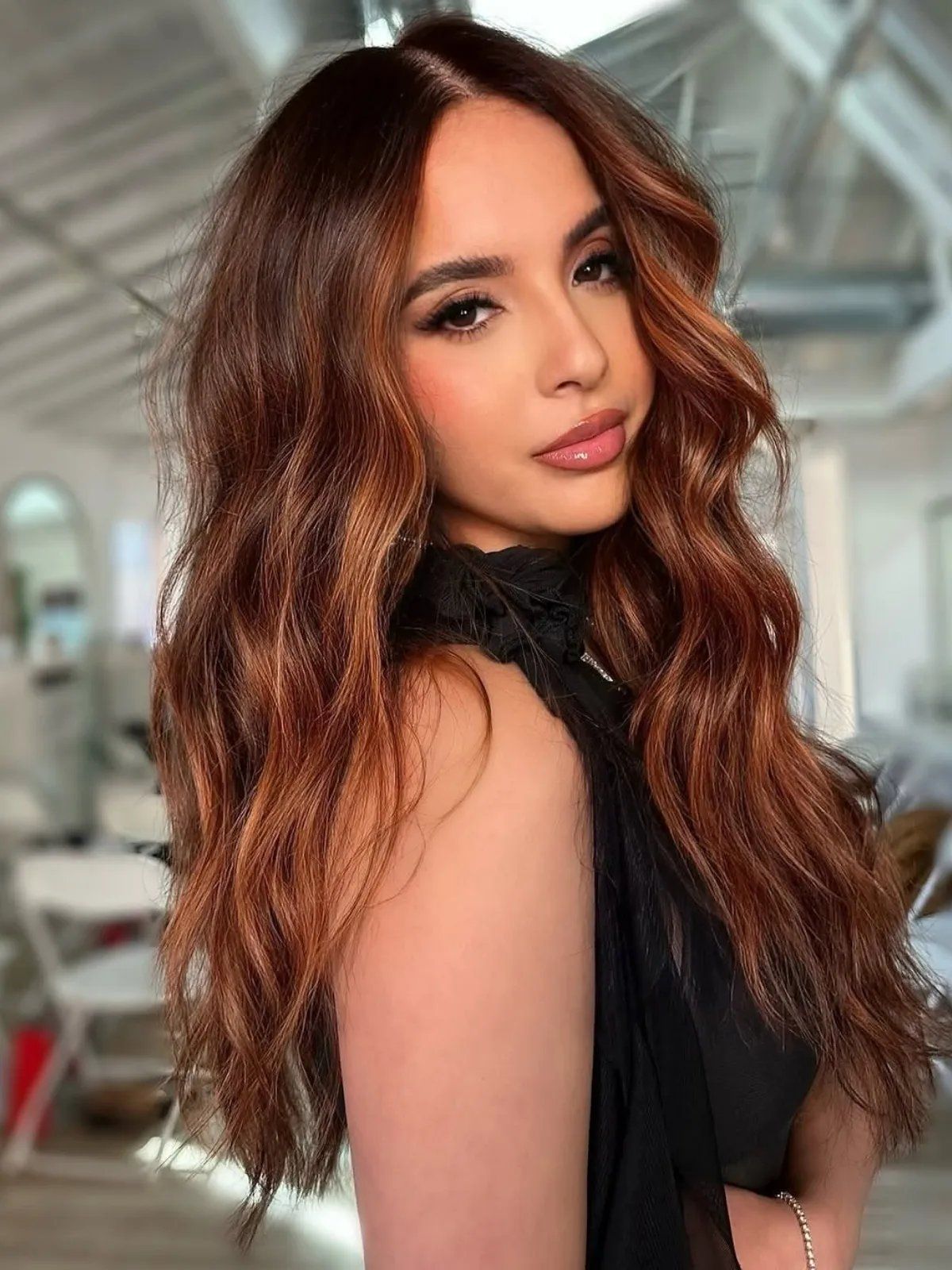
I will admit I love warm highlights on chestnut brown, but I have also watched them turn brassy in three weeks. The honest downside is that copper and caramel tones fade faster than the base, especially if you wash warm or use hard water. This look has layers cut through mid-back length, wavy texture, a side part that lets the highlights fall forward. The technique is a balayage that places the lighter pieces on the layers themselves, so the colour moves with the cut. The base is chestnut brown, the highlights are copper and caramel. To keep the warmth from shifting orange, you need a toning shampoo and a wash schedule that skips every other day. Worth it, but know the maintenance going in.
Shoulder-Length Visual Idea
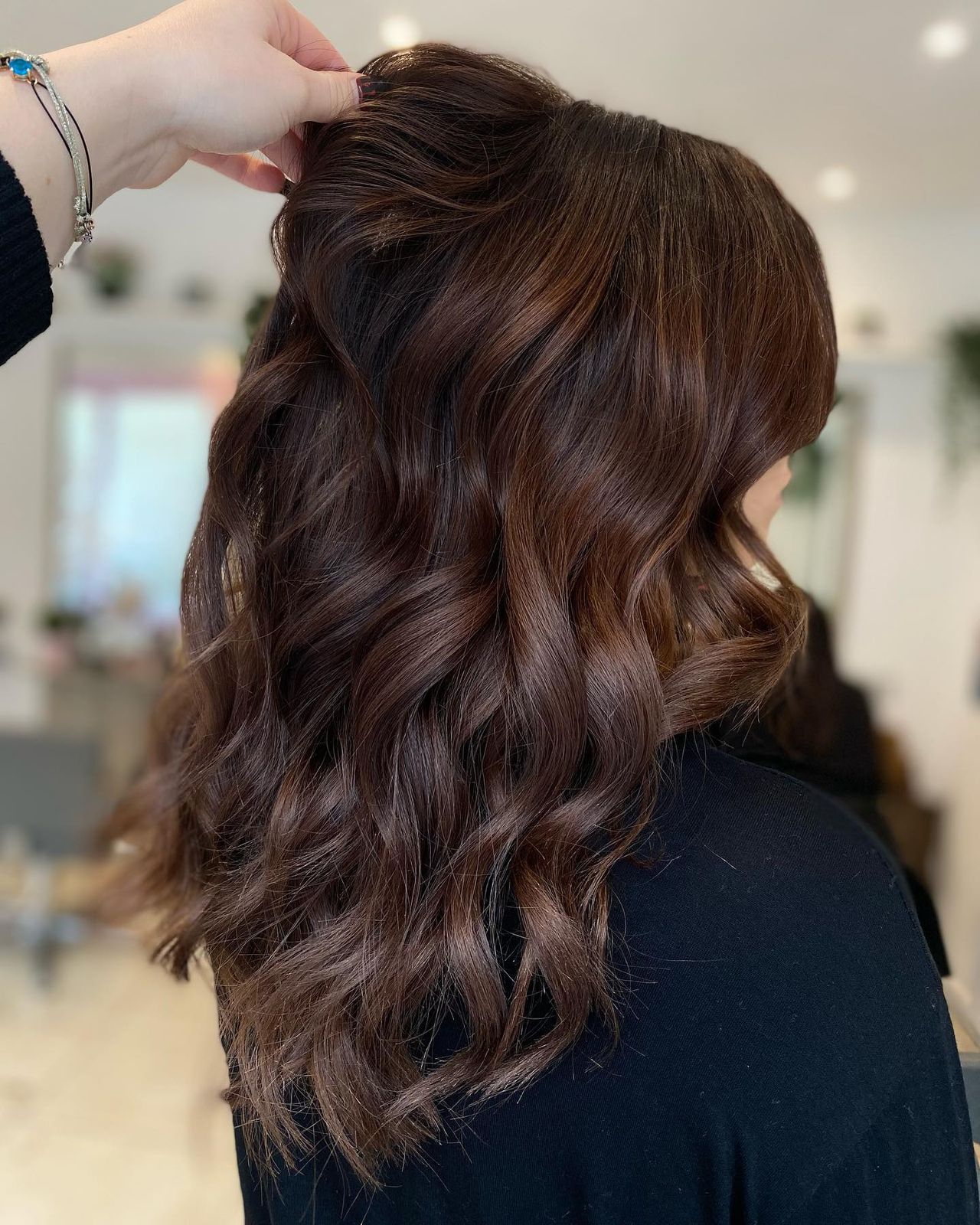
This is the kind of chestnut brown that earns its keep in sunlight. The base is a medium brown, and the technique here is a tonal wash — warm chestnut undertones soaked into the hair, not painted on top. Then subtle lighter brown highlights are woven through the shoulder-length layers, just enough to catch the light without screaming for attention. The tone stays warm, not brassy, which is the trick. On wavy, medium-density texture like this, the colour reads dimensional even when the waves are loose and the blowout has softened. No bangs, a middle part, and the whole thing looks like it grew this way.
The process matters. A stylist applies the chestnut undertone as a gloss or a demi-permanent colour, then hand-paints those fine highlights through the mid-lengths and ends. It takes about two hours. The payoff is a brown that moves — warm in shadow, brighter in sun, never flat.
Visual Idea — Tied With A Hair Tie
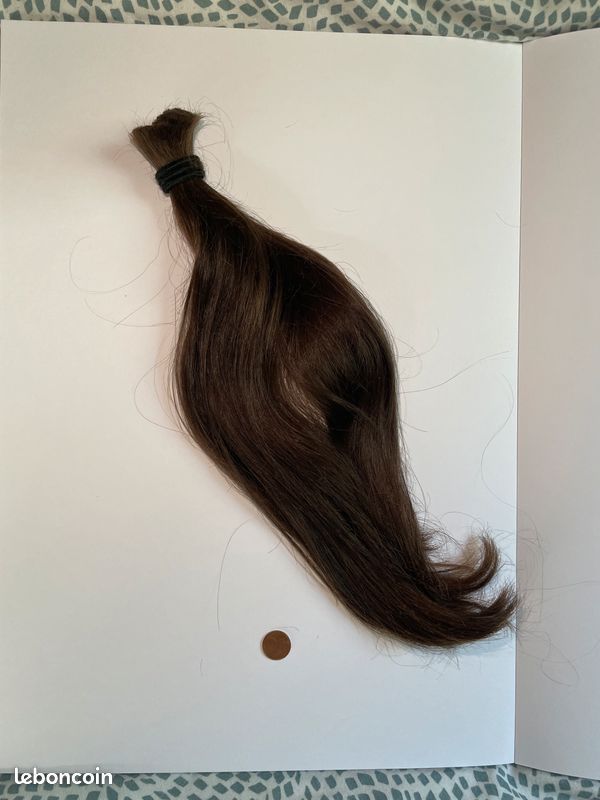
Can a natural chestnut tone like this be achieved at home without damaging fine hair? Yes, but with a caveat. The colour here is a dark brown base with a warm chestnut tone — no highlights, no balayage, just a solid, even shade. The hair is fine, straight, mid-back length, air-dried and pulled back with a tie. A box dye in a warm brown shade can get you close, but fine hair lifts fast and grabs warmth unevenly. A salon demi-permanent gloss is safer: it deposits tone without lifting, and it fades gradually instead of leaving a hard line. My fine-haired friends, book the chair for this one.
Chestnut Brown Visual Idea
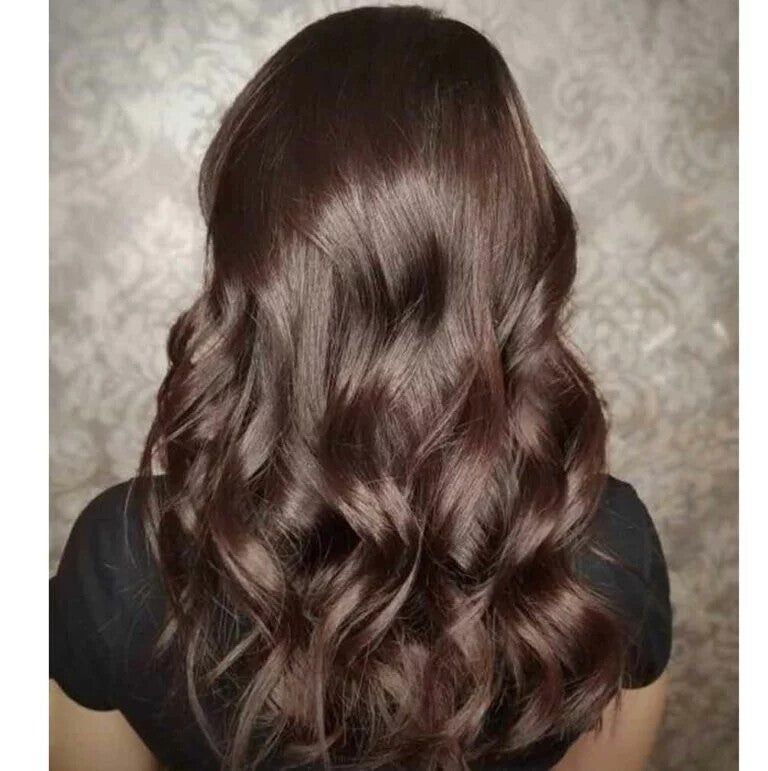
A solid chestnut brown is a different animal from one with highlights. This one has no lighter pieces, no caramel ribbons, no balayage — just a rich, even chestnut brown from root to end, on collarbone-length wavy hair with a middle part. The tone is warm and deep, and the technique is a single-process gloss that saturates every strand. Highlights add movement, yes, but they also add upkeep: toning appointments, root touch-ups, the slow creep of brass. A solid shade like this fades evenly. It needs a gloss refresh every eight to ten weeks, and that is it. For medium-density wavy texture, the uniform colour reads as density. It is quiet, and that is the point.
Medium Chestnut Brown Natural Tone Visual Idea
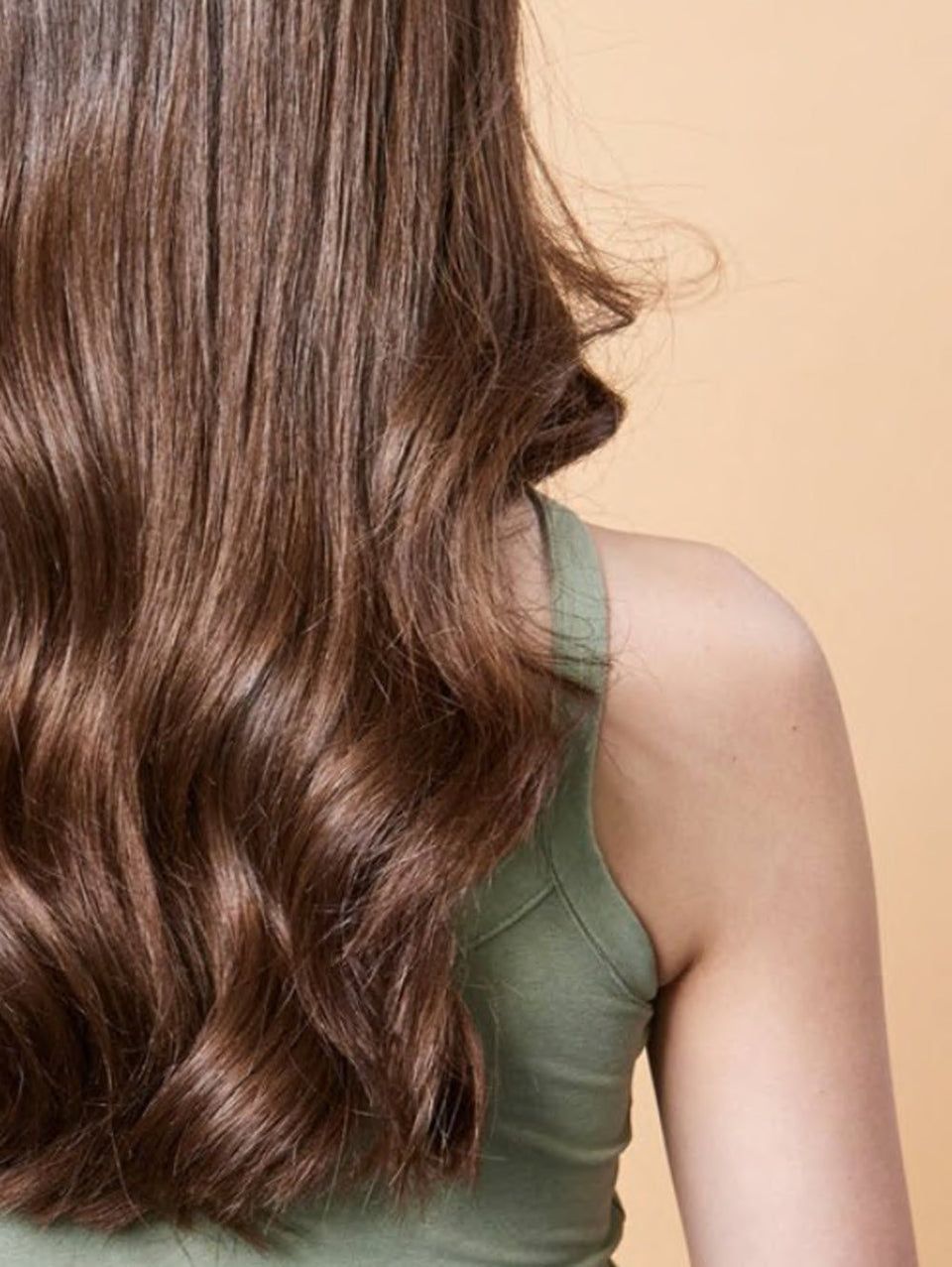
This one stopped me. Medium chestnut brown, natural tone, no highlights, no gloss — just what the hair looks like when it is healthy and the colour is a true neutral warm. The collarbone length has soft layers, a middle part, and a wavy blowout that gives the medium-density texture body without teasing it into submission. A natural tone like this does not fight your skin’s undertones because it has no agenda. It flatters warm and cool complexions equally, and it works on straight or wavy texture. The downside is that it is hard to get right at home: most box dyes pull too red or too ashy. A stylist mixes the shade to your specific warmth.
Medium Brown Beige Tone Visual Idea
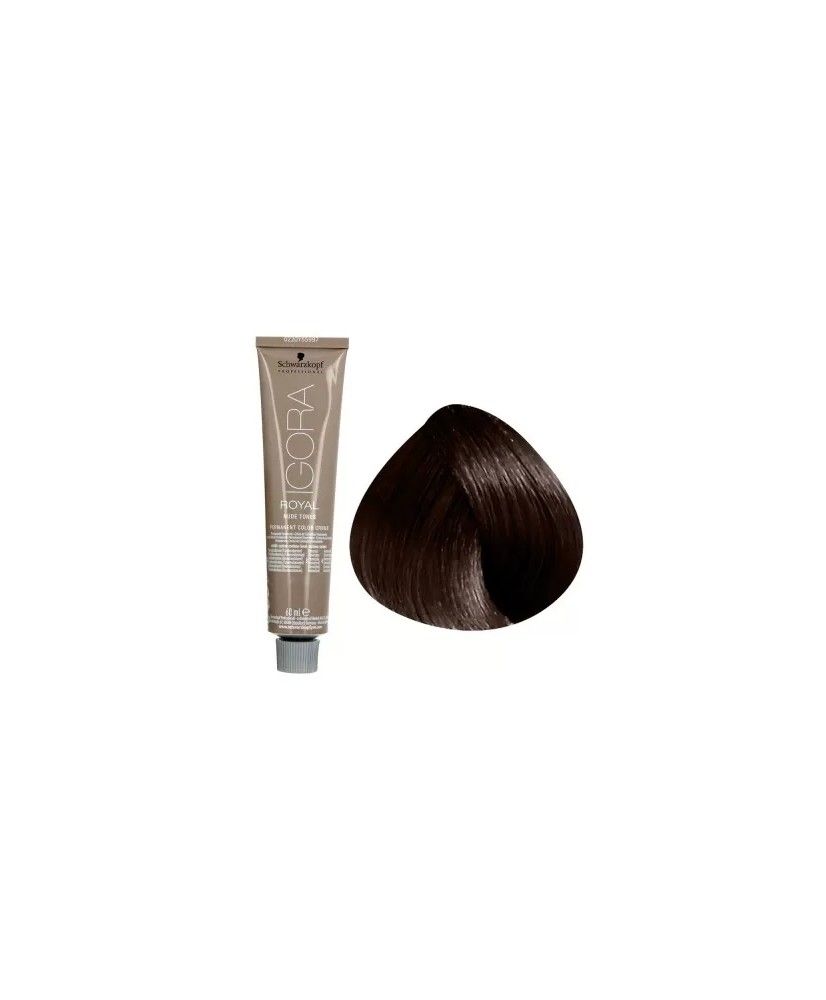
I will admit I was skeptical of a beige tone on brown hair. It sounded washed out. But this medium brown with a beige undertone — no warmth, no ash, just a soft, neutral beige — holds up better than I expected. The hair is thick, wavy, air-dried, and the tone reads as a muted, sophisticated brown. The reality of maintaining a uniform beige tone is that it shows fading fast. Warmth creeps back in around week four, and the beige shifts toward a dull gold. A toning shampoo used once a week keeps it neutral. It is not a set-it-and-forget-it shade. But for thick, wavy texture, the beige finish softens the volume without flattening it.
Dark Brown Subtle Chestnut Undertones Visual Idea
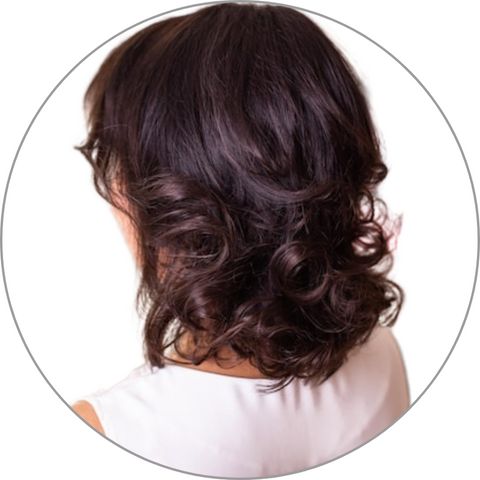
The best chestnut brown hair doesn’t announce itself, it lurks. This is dark brown with subtle chestnut undertones, a collarbone-length cut with loose waves and a middle part, and the colour only catches the light when you move. The technique is a gloss or a toner laid over a dark base, not a full dye job, which is why the undertone reads as depth instead of a new colour. The tone stays warm but muted, closer to bark than to copper. On medium-density wavy hair, the waves catch those reddish flecks at the ends. The trick is maintenance: a clear gloss every six to eight weeks keeps the chestnut from fading into flat brown. Ask your stylist for a dark brown base with a chestnut-toned toner, no highlights.
Visual Idea — Thick
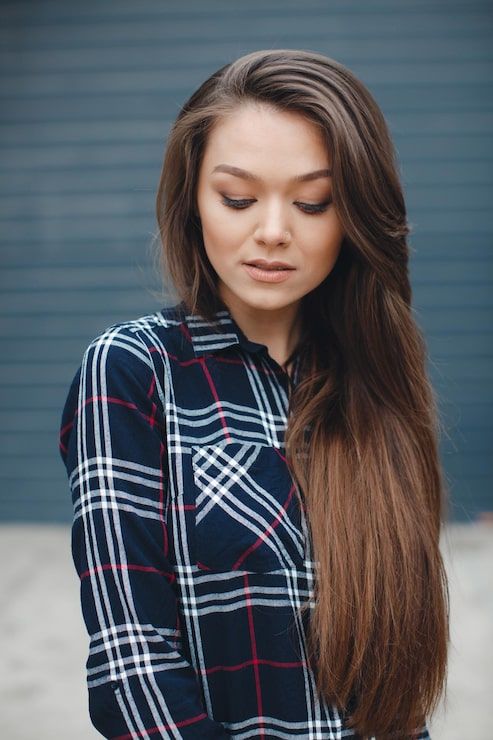
Can you get this at home with a box dye? That’s the question everyone asks when they see this back view. The hair is thick, straight, mid-back length, and the colour is a uniform deep chestnut brown with subtle variations in tone that you only notice when the light hits. A box dye gives you one flat colour, no variation, which is exactly why this look reads as salon work. The technique is a single-process colour with a gloss overlay, and the variations come from the stylist painting a few slightly lighter pieces around the crown, not from a full highlight. If you try this at home, you get the base but not the depth, and the tone can pull orange on the first wash. Book the salon, it’s a three-hour appointment and worth every minute. The texture is straight and dense, which is what makes the length look so deliberate.
Visual Idea — A Close-Up View Of Shoulder-Length
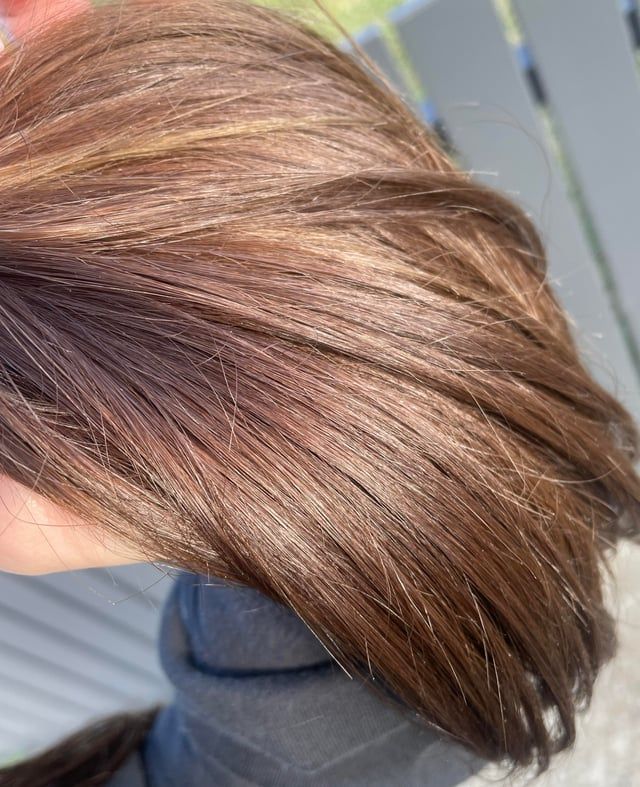
This is what a brown should look like up close, not flat, not one-dimensional. The hair is shoulder-length, fine, straight, air-dried with a middle parting, and the medium chestnut brown shade has subtle reddish undertones that catch the light. Most browns sit on the surface, this one has a second layer that shows when the sun hits it. The technique is a semi-permanent colour with a reddish tone, which is why the undertone reads as natural rather than dyed. On fine hair, the depth actually gives the illusion of more body, because the light bounces off those red flecks instead of passing through. Skip this if you want a cool, ashy brown, it will fight you. Ask for a chestnut base with a warm toner, and keep the tone low, you want the red to whisper, not shout.
Chestnut Brown With Subtle Balayage Visual Idea
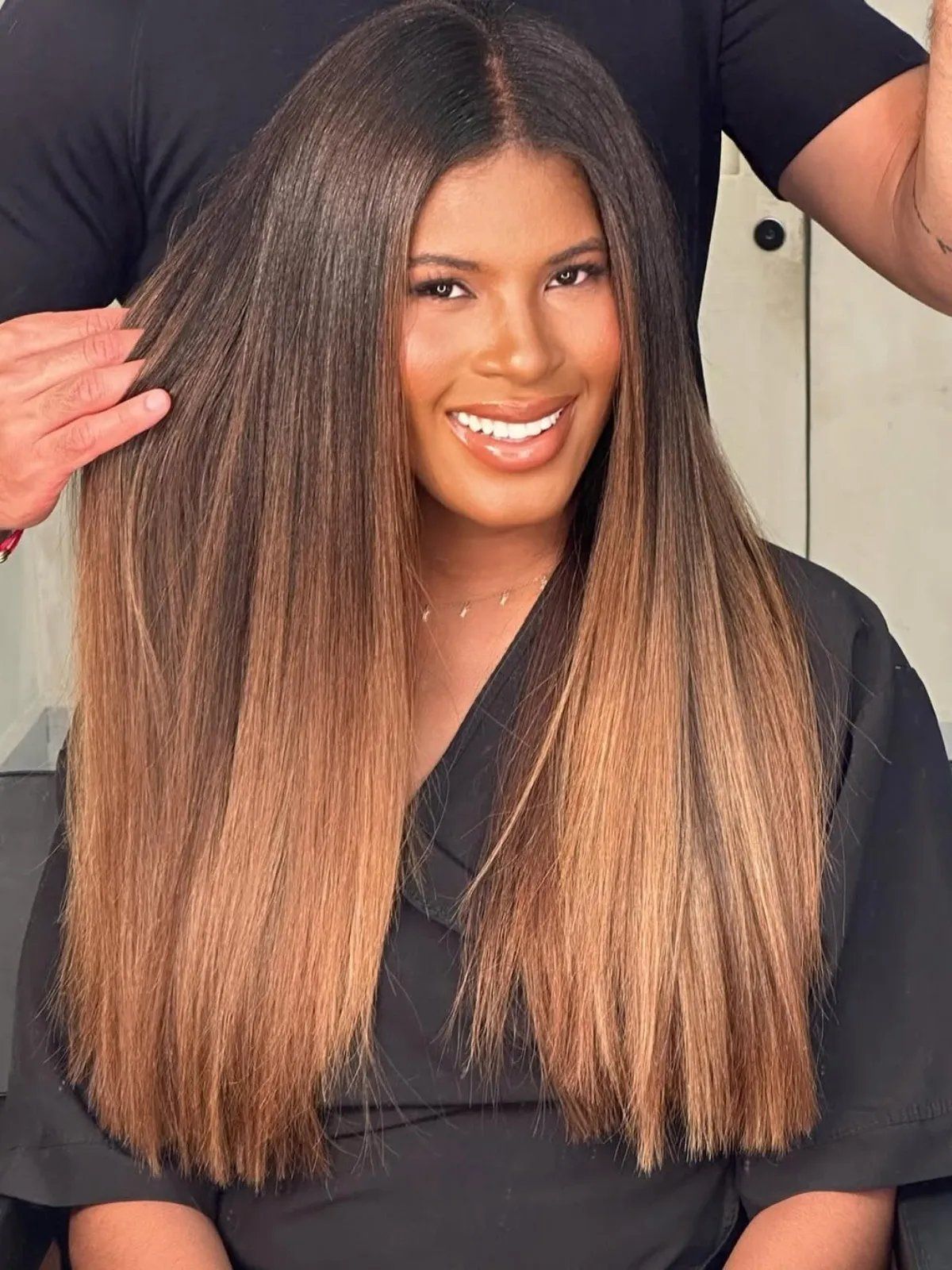
I saw this and my first thought was, that’s what I want my hair to do when it grows out. The colour is chestnut brown with a subtle balayage, mid-back length, straight blowout, middle part, and the transition is so gradual you almost miss it. The technique is balayage painted in soft ribbons, not foils, which is why the colour melts instead of striping. The tone stays warm throughout, no brass, no orange, just a gentle lift from deep chestnut at the roots to a lighter caramel at the ends. It suits warm skin tones and medium to thick hair types, because the colour needs density to show the transition. On fine hair, the balayage can look sparse, so ask for a gloss over the top to blend it. The grow-out is the real win here, no root line for months, just a soft shadow that looks intentional.
No Bangs Visual Idea
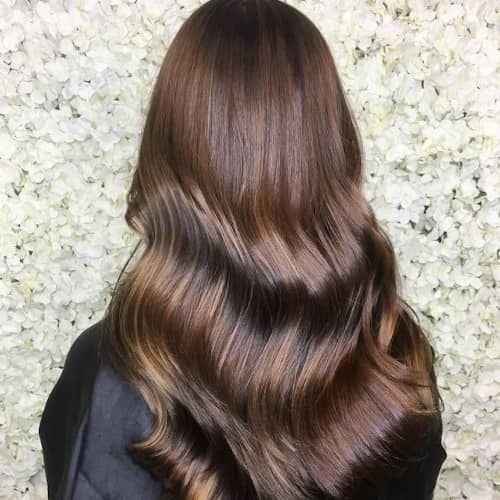
I’ll admit it, I’ve chased a multi-dimensional brown and ended up with a stripey mess. This is the version that works: chestnut brown with subtle highlights, mid-back length, wavy blowout, no bangs, and the colour is rich without being heavy. The mistake people make is asking for too many highlights, which turns the chestnut into a muddy blonde. The technique here is a few fine highlights woven through the top layers, just enough to catch the light, not enough to change the base. The tone is warm, but the highlights are a shade lighter, not a different colour, which is why it reads as depth. The honest downside: those highlights will pull brassy in about six weeks, especially if you wash with hot water. A purple shampoo once a week keeps the tone in check, and a toner at the salon every two months resets it. Skip if you hate upkeep, this is not a set-and-forget colour.
Visual Idea — A Back View Of Thick
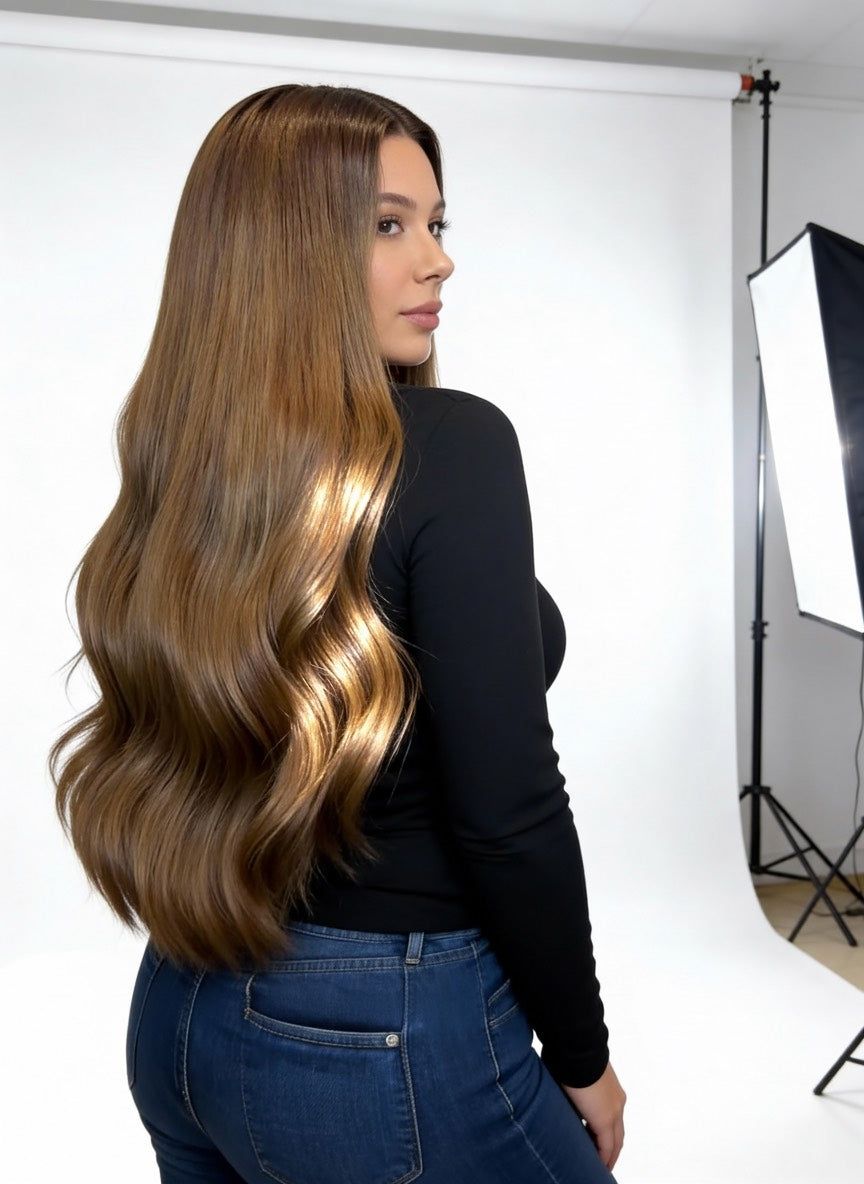
This is the chestnut brown hair colour that makes you turn your head in a grocery store aisle. The technique here is a soft balayage, painted freehand so the caramel highlights land where the light naturally hits, not in stripes. That is the trick: no foil, no uniform sections, just a painter’s hand sweeping colour through the mid-lengths and ends. The tone stays warm and rich, never brassy, because the base is a deep chestnut brown that keeps the caramel from floating too blonde. On thick, wavy hair that reaches mid-back, those subtle highlights read as depth, not streaks. The middle part lets the waves fall symmetrically, which suits a round face by adding vertical length. Wear it loose and let it air-dry with a wave cream; it holds its shape because the texture gives it memory. Upkeep is forgiving: the grow-out line is invisible for months, so you can stretch to a touch-up every five months. Just tell your stylist you want a lived-in balayage, not a stripe job.
Final Thoughts
After writing all of these, I noticed something: chestnut brown is less about the base color and more about what you do around it. The caramel highlights, the ash undertones, the blonde balayage, they’re what turn a simple brown into a whole conversation. I’m booking the honey blonde balayage next. My roots will show at week five, but the grow-out is worth it.
- Tone at week six, not week ten.
- Trim the baseline every eight weeks.
- Use a heat protectant before styling.
- Deep condition once a week.