

I spent last winter watching every blonde in my salon’s chair shift toward something cooler, something that didn’t scream “summer” in January. The ash tones crept in, the root shadows got softer, and suddenly beige blonde was everywhere. It’s not dramatic, it’s smarter.
This roundup of 34 Winter Hair Colors for Blondes covers everything from a ten-minute wash-and-go bob to a balayage that buys you six weeks between toners. Fine hair, thick hair, round faces, long faces — there’s a version here. I wrote it because my own roots showed at week five and I needed to know which shades actually hold through February.
Textured Shag With Curtain Bangs
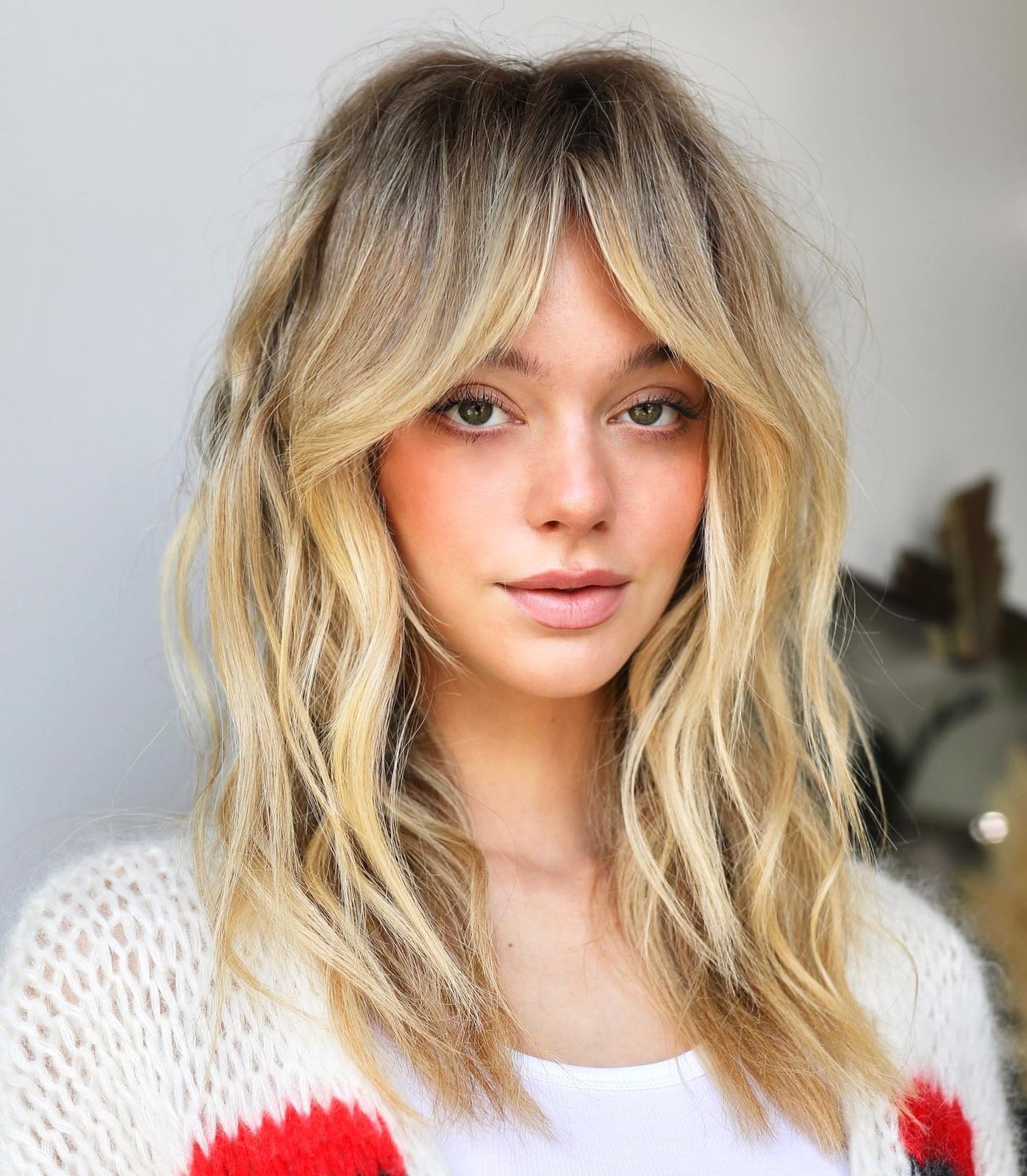
That curtain bang placement is doing more work than you think. The shag with curtain bangs lands at collarbone length with loose waves and medium-density texture, and the middle part lets those face-framing pieces fall where they naturally want to sit. For a round face, the shorter front layers carve out the sides without adding width. Oval and heart shapes get the full effect, the curtain bangs soften the forehead and the shag layers keep the back from going flat. Skip this if your hair is very fine and straight, the shape needs some wave or density to hold its structure. Medium density with a bit of natural bend is the sweet spot.
Collarbone Wavy Blowout Ash Blonde
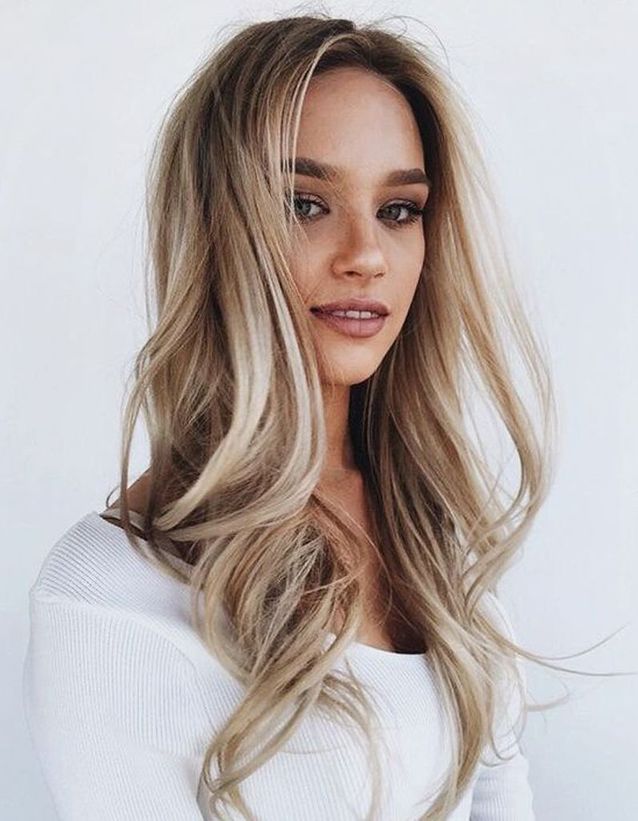
The ash blonde root shadow is the best grow-out trick in this roundup. The colour uses a balayage technique: darker at the roots, lighter toward the ends, so the line blurs instead of announcing itself at week four. Collarbone length with side bangs and wavy medium-density texture, styled into a blowout with volume at the crown.
Upkeep means a toning shampoo every other wash to keep the ends from pulling yellow. The root shadow buys you six to eight weeks between colour appointments, which is about three weeks longer than a full blonde refresh. The side bangs hit just below the brow and need a quick blow-dry redirect each morning, nothing dramatic.
Chin Length Platinum Bob

I booked this once and learned the hard way. The platinum blonde bob at chin length with icy tones and fine wavy texture looks striking in the chair, then the real work begins. The mistake is thinking the cut is low-maintenance because it is short. The colour needs a toner every four to six weeks, and fine hair at this level of lift is brittle. A side part and loose curls hide the uneven grow-out for about two weeks, then the regrowth line is visible. If you are between appointments and the roots show, a dry shampoo at the part buys one more day. That is it.
Shoulder Length Honey Blonde
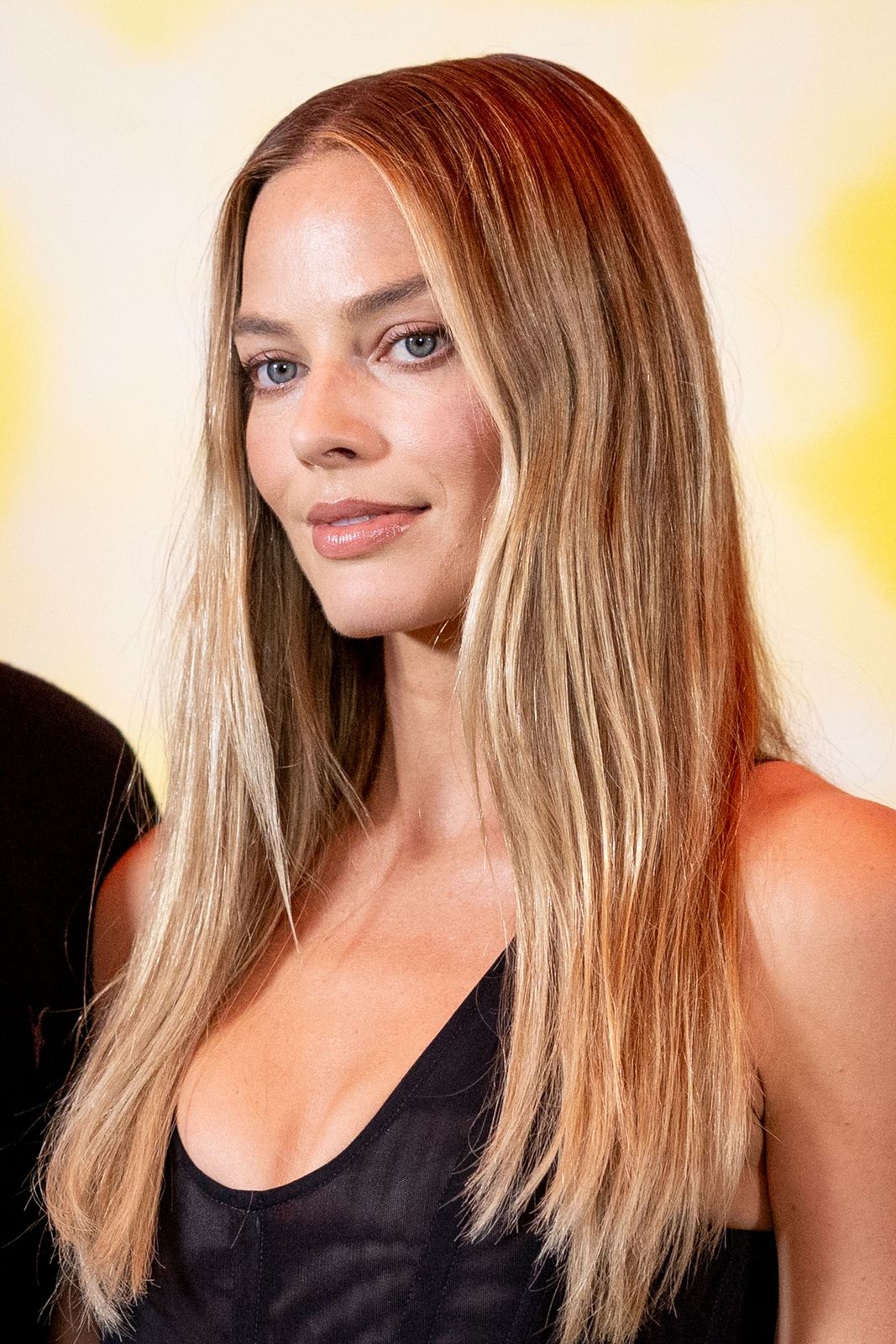
Can a blonde that actually air-dries well exist? Yes, but only if the technique is built for it. The honey blonde highlights here run through long layers at shoulder length, with a side-swept fringe and fine wavy texture. The colour is painted in soft ribbons, not solid blocks, so the regrowth blends rather than screams. Styling steps are short: wash, squeeze out water, add a light serum, and let it sit. The side-swept fringe dries into a natural curve if you comb it to the side while damp and leave it alone. That is the whole routine. For anyone who does not own a blow-dryer, this is the blonde that works with your schedule, not against it.
Chin Length Layered Bob Warm Blonde
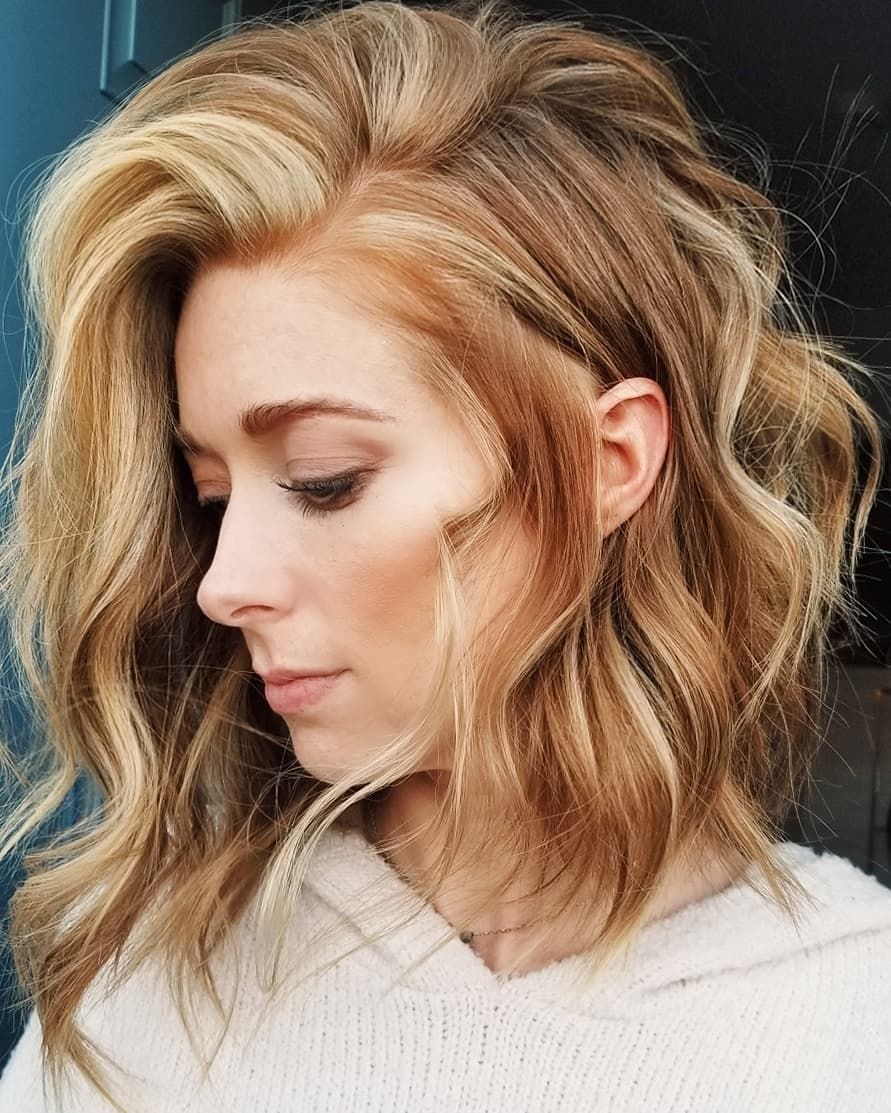
Every winter blonde I see goes icy, and I am bored of it. The warm blonde highlights with copper and golden highlights on this chin-length layered bob are the counterargument. Fine wavy texture, a side part, loose waves tucked behind one ear, and the warmth reads expensive, not brassy. This is the colour for holiday dinners and late-winter weekends when you want the hair to look deliberate without trying. It works because the copper and golden highlights are woven through the layers, so the movement catches light from every angle. The bob itself is low-lift, but the warmth does the heavy lifting.
Mid-Back Creamy Blonde
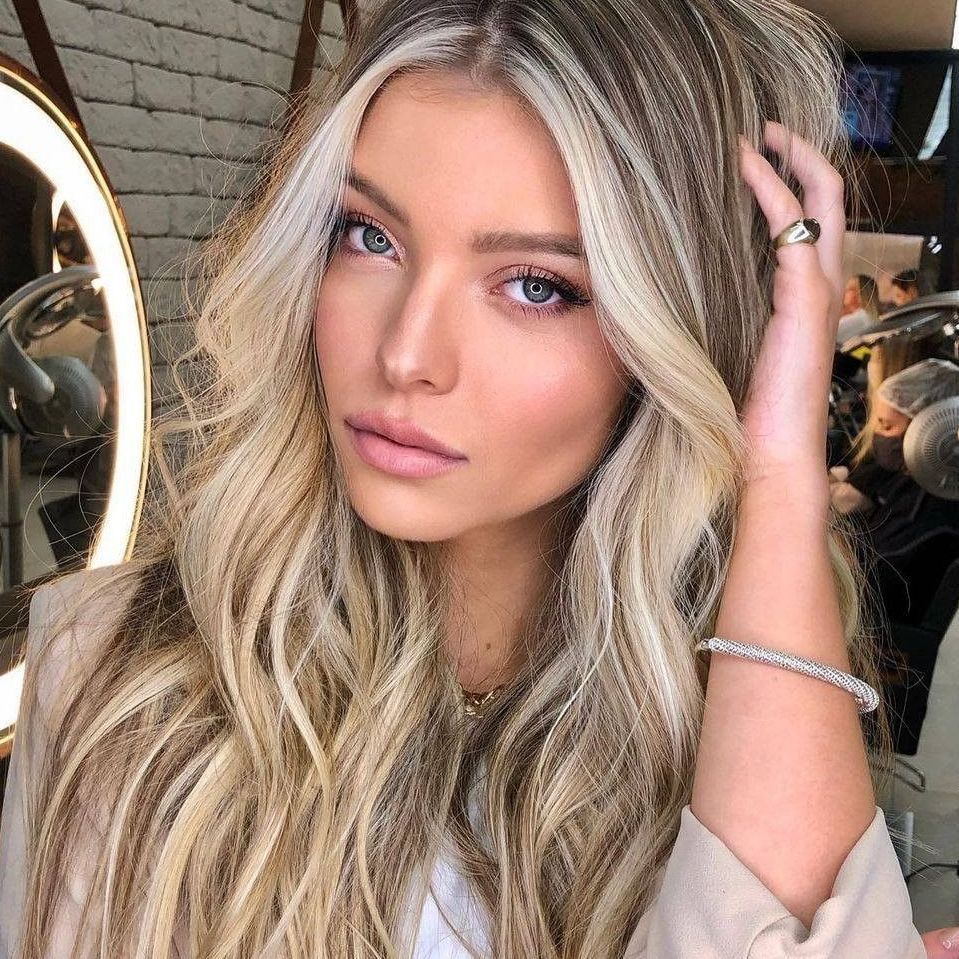
That mid-back length with creamy blonde highlights is a lot of hair to maintain, and I mean that as a compliment. The voluminous loose waves sit on thick, wavy texture that actually holds the shape past lunch. A middle part and no bangs keep the weight distributed evenly, so the ends don’t collapse by 4 pm. The subtle beige highlights add dimension without a stripe effect, which matters when you are brushing through this much length. What I notice is how the creamy base reads soft, not yellow, even under overhead light. You need a good blow dryer and a large round brush to get that root lift, and a smoothing serum to keep the flyaways quiet. Trims every 10 to 12 weeks keep the ends healthy, because split ends on mid-back hair are not a subtle problem.
Collarbone Beige Blonde Balayage
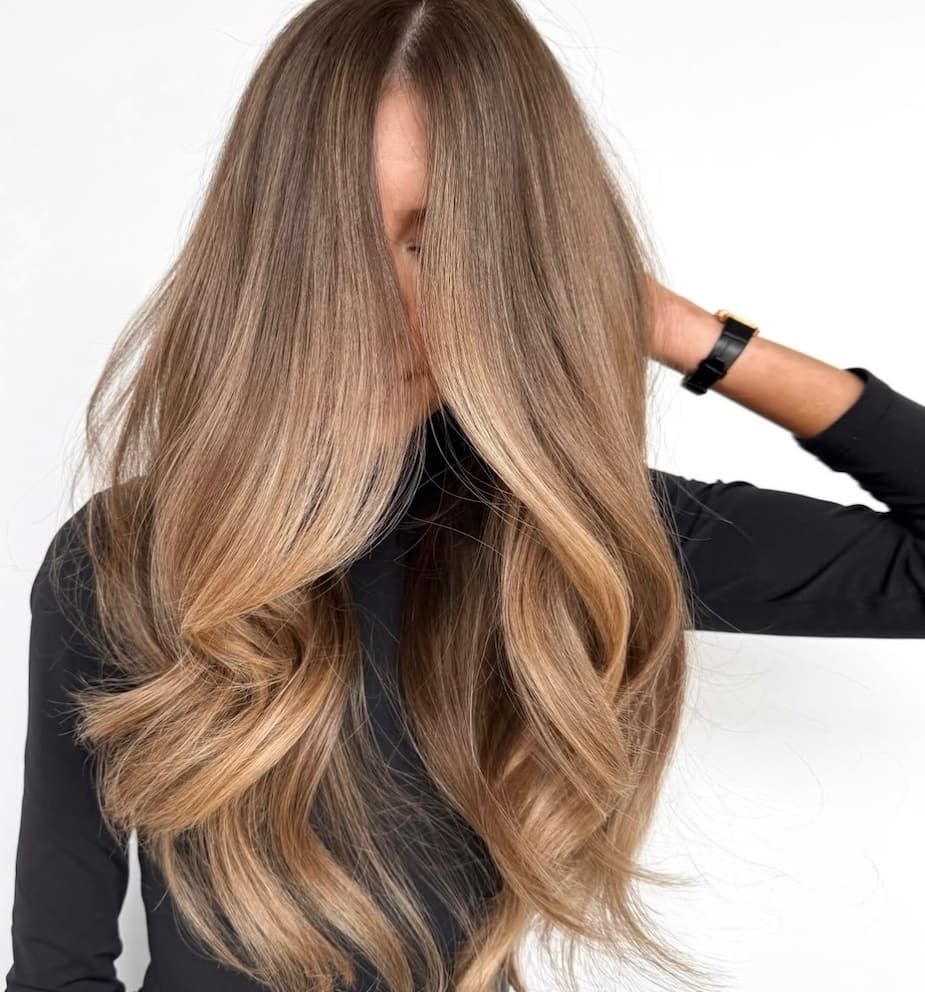
The beige blonde balayage on this collarbone lob is the kind of colour that makes you look like you spent a lot of money, even if you did. The soft balayage transition starts a few inches from the root, so there is no harsh line when your natural grows in. A middle part and loose waves let the balayage melt from root to tip without a visible band. This is a salon job, not a bathroom-mirror project, because the beige tone requires a precise lift and a toner that cancels warmth. Air dry with a texturizing spray and you are done. Trims every 8 to 10 weeks keep the lob shape from turning into a shapeless blob.
Short Pixie Bob Ash Blonde
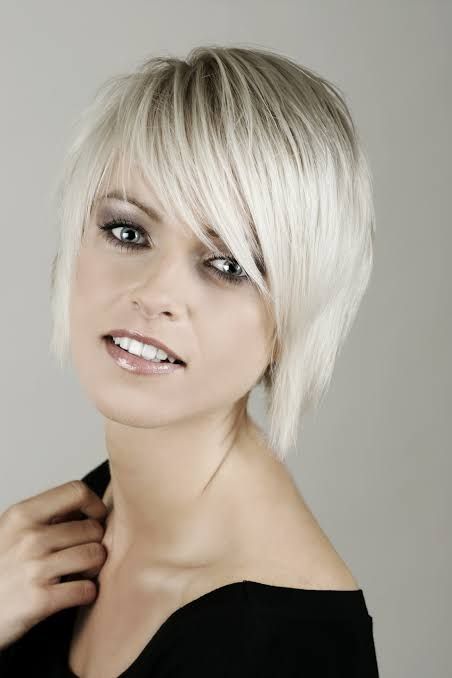
I will confess I was skeptical about an ash blonde pixie bob on fine, straight hair, because ash tones can read flat without texture to catch the light. The cool ash tone here works because the side-swept bangs and textured finish create movement. The ear-length cut keeps the weight off, so fine strands do not get pulled down. The honest downside is that ash blonde on straight hair shows every hint of brassiness by week three, and a weekly toning session becomes non-negotiable. Trims every 4 to 6 weeks are crucial, because a pixie bob does not forgive a missed appointment.
Mid-Back Platinum Blonde Waves
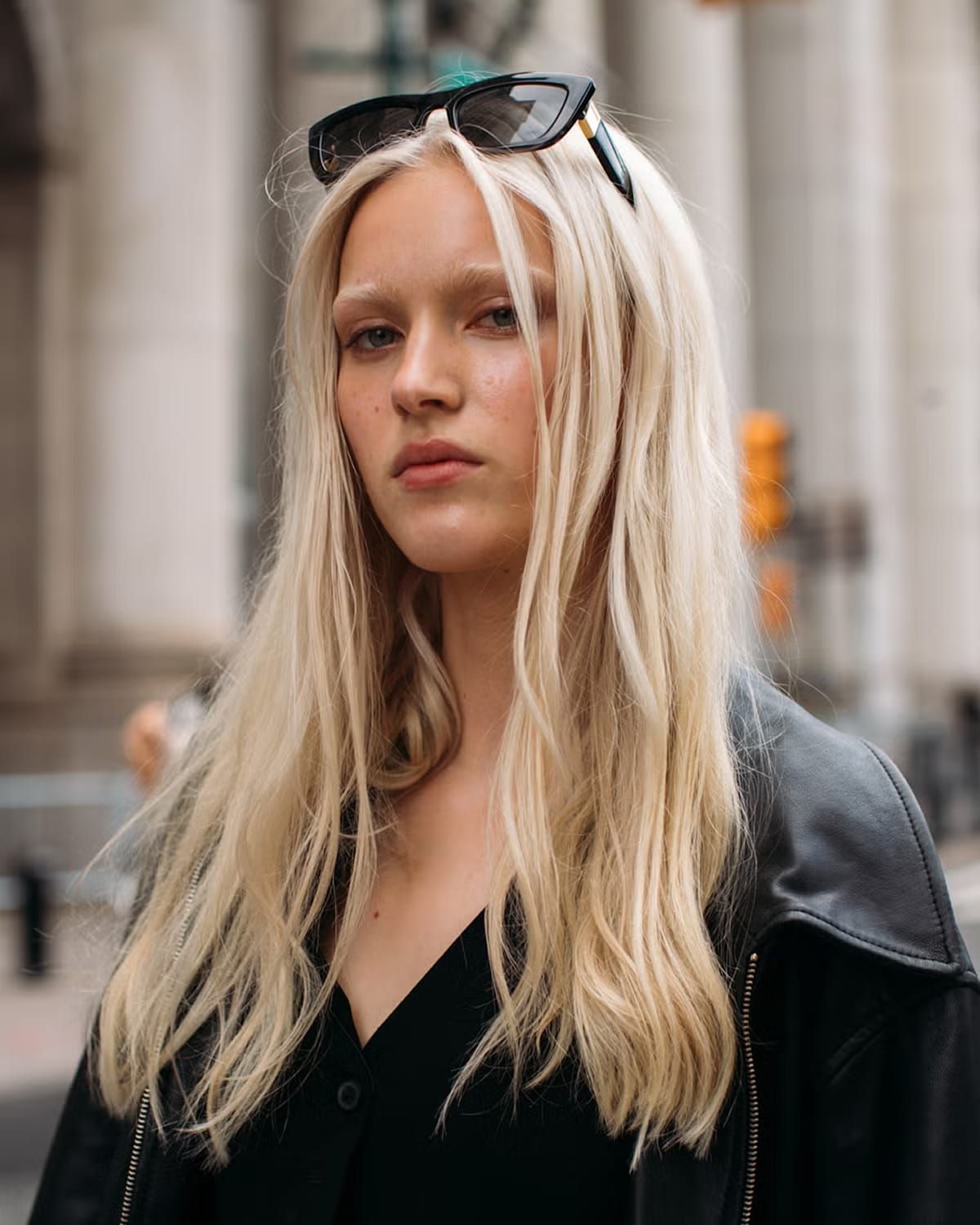
Have you ever wondered how long a striking platinum blonde actually stays striking? The loose waves and face-framing pieces add softness to what could be a severe shade. The reality of maintaining bright platinum is that the root grow-out starts showing at week four, not week six like they tell you. Fine, wavy texture helps the platinum read bright instead of flat, because the waves catch light at different angles. You need a purple shampoo in rotation and a toning appointment every 4 to 6 weeks. Trims every 10 to 12 weeks keep the length healthy, because damaged ends on platinum are a different colour than the roots.
Visual Idea
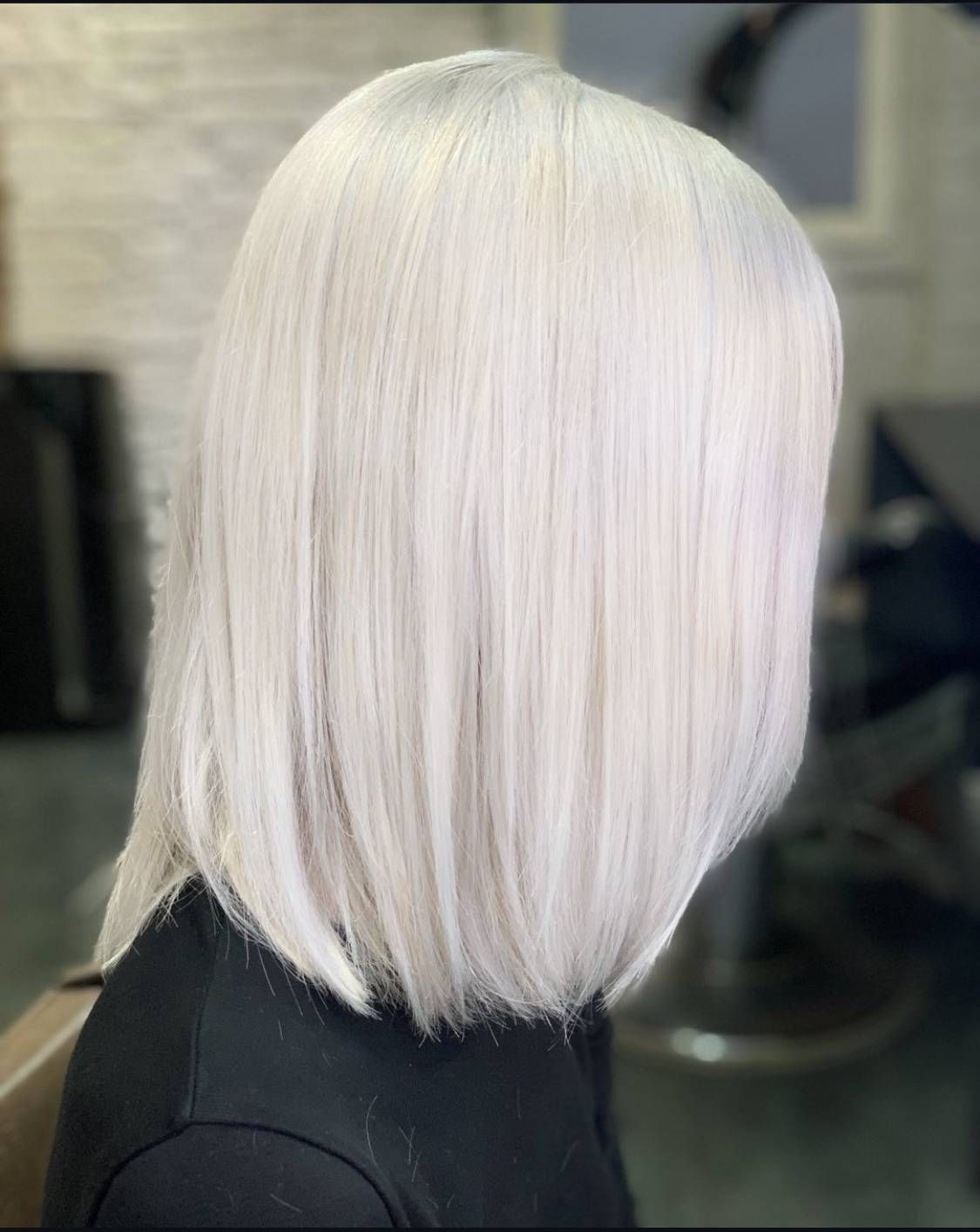
The sharp platinum bob with side-swept bangs is the kind of cut that looks severe in theory but reads clean in person. Straight, fine texture is the ideal candidate here, because the blunt baseline and the side part create the illusion of density. The chin length frames the jaw without adding width, which is a trick I wish I had learned earlier. No waves, no texture spray, just a straight blowout and a trim every 4 to 6 weeks. The platinum shade on fine hair reads bright instead of brassy because there is less pigment to fight.
Mid-Back Visual Idea
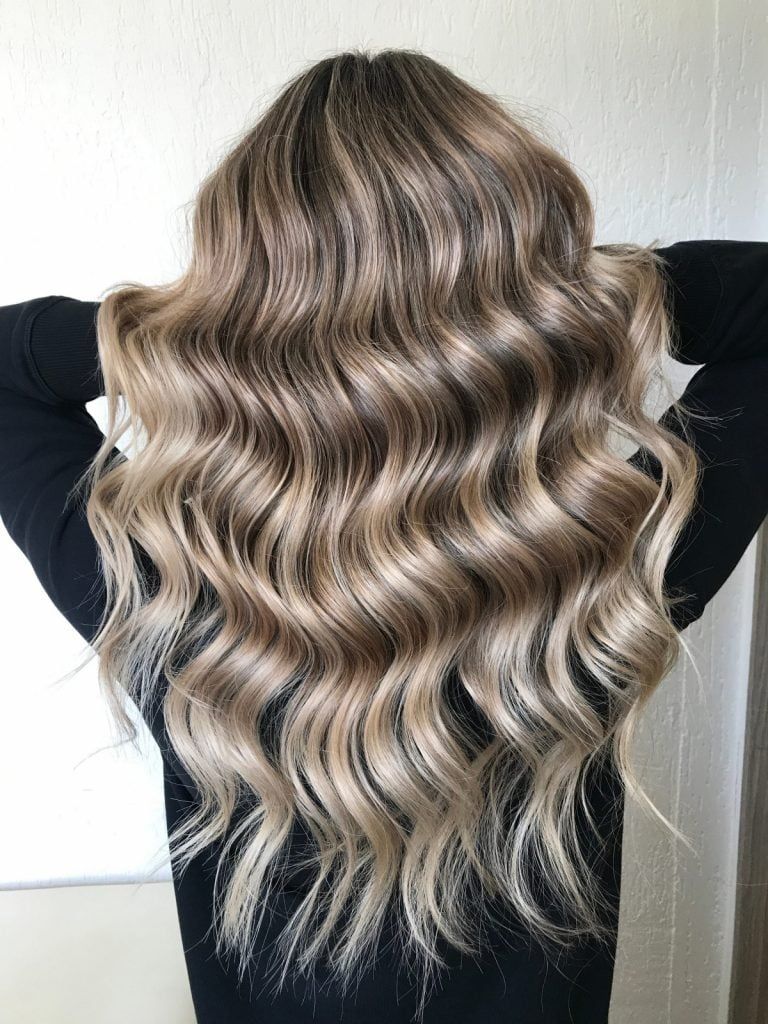
Best grow-out in this roundup. The dark blonde base meets an ash blonde balayage that starts low, so your natural roots can grow a full inch before anyone notices. That transition zone is the whole point: soft, vertical, built with a back-combed painting technique that keeps the line from turning into a stripe. The mid-back length gives the colour room to travel, and the loose waves scatter the light so the ash tone reads cool but not flat. Thick, wavy texture actually helps here, because the balayage needs volume to show its dimension.
The technique is a freehand balayage, no foils, no heat. The stylist paints the ash blonde onto the mid-lengths and ends, then blends upward with a feathering motion. The result is a colour that moves with the hair instead of sitting on top of it. For a dark blonde starting point, this is the most forgiving winter colour I have seen. It does not demand a perfect root line, and it does not turn brassy in two weeks.
Chin Visual Idea
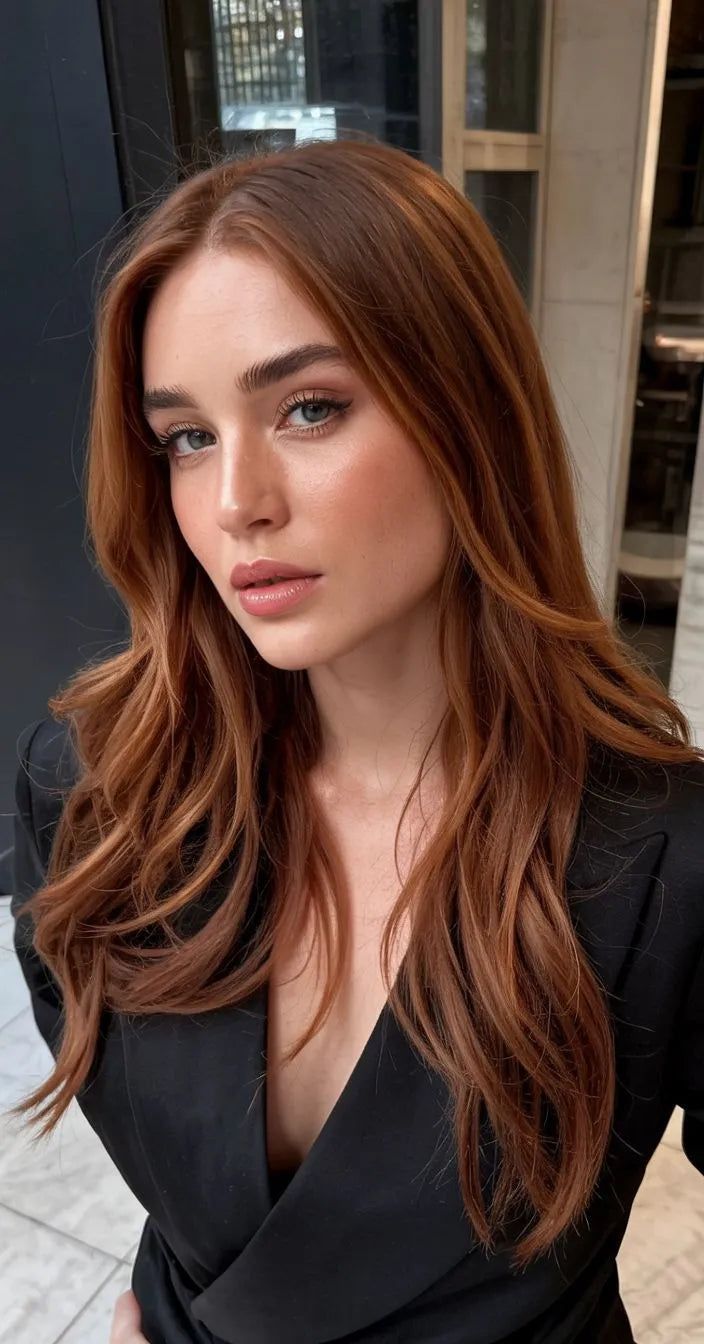
I will admit it: I love an icy blonde, but I have also watched one turn yellow on a client after three weeks. The root shadow here is not optional, it is the thing that keeps the chin-length bob from looking like a wig. The icy tone sits on the ends, cool and almost silver, while the root shadow fades into a soft, natural dark blonde at the scalp. That contrast is what makes the cut read modern instead of severe. The straight, thick texture holds the line clean, and the middle part lets the colour fall evenly on both sides. The honest downside: the icy ends need a purple shampoo every other wash, and the root shadow needs a refresh around week six. If you skip the toning, the cool tone warms up fast.
Collarbone Visual Idea
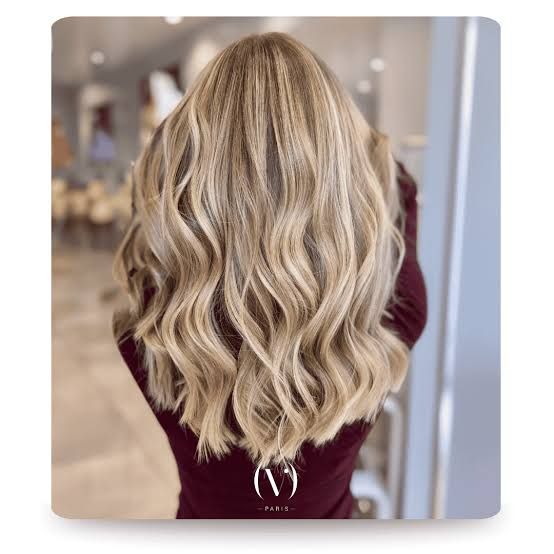
Have you ever had a colour that only looks good in the first hour after a blowout? This one does not do that. The ash blonde base with beige highlights is built for thick, wavy hair that actually moves through the week. The highlights are placed in a soft, vertical pattern through the layers, so they catch the light even when the waves relax into a second-day bend. The collarbone length keeps the weight from pulling the waves flat, and the middle part lets the dimensional highlights fall symmetrically.
The upkeep is a trim every eight weeks and a toning appointment at the same interval. The beige highlights warm up slightly over time, but that is actually fine, because the ash base cools them back down. A wavy blowout is the styling that shows the colour best, but honestly, air-dried waves work too. Thick hair can handle the layering without losing the colour placement.
Icy Blonde With Subtle Root Melt Visual Idea
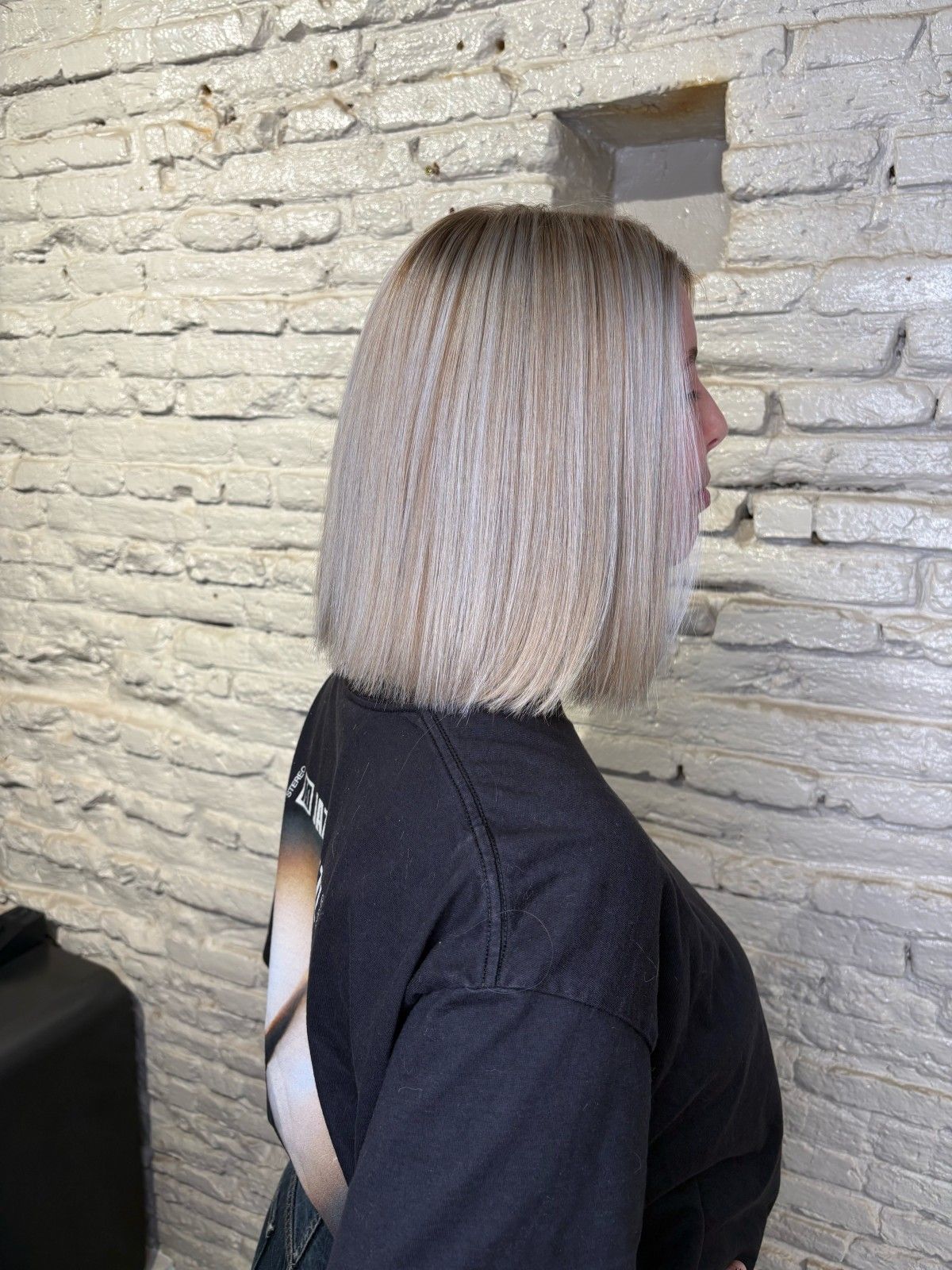
The icy blonde tone lands best on straight, fine hair because there is no wave to interrupt the cool, sleek line. The blunt bob keeps the shape clean, and the subtle root melt blurs the grow-out into a soft shadow instead of a hard line. The side part adds asymmetry, which stops the chin-length cut from feeling too boxy. Fine hair does not get overwhelmed by the icy tone, because the colour sits on the surface and reflects light evenly. The root melt is painted in a gentle gradient, so the transition from dark to ice is gradual. This is a colour that reads as deliberate, not accidental.
Champagne Blonde Visual Idea
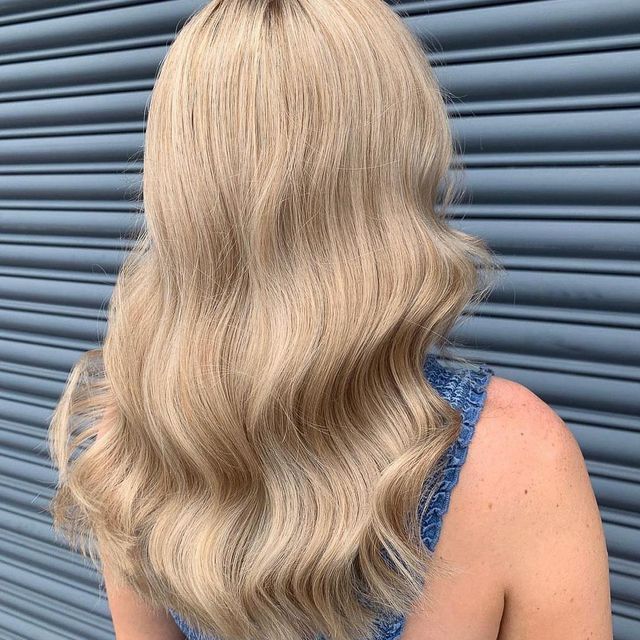
Champagne blonde is the colour I recommend when someone says they want blonde but not platinum and not honey. It sits in the middle: warm enough to look rich, cool enough to read as winter. The mid-back length with long layers gives the colour room to breathe, and the loose waves catch the champagne tone in a way that straight hair cannot. The technique is a full highlight with a toner overlay, which means every strand gets lifted and then cooled down to that pale, bubbly shade.
Do not try this at home. Champagne blonde requires a precise lift to a very specific level, and the toner is what makes it look expensive instead of brassy. A salon can control the warmth and the coolness in a way that a box colour cannot. The thick, wavy texture helps because the colour reads differently on each wave, which creates depth. The middle part keeps the colour balanced. This is a three-hour appointment, but the result lasts about eight weeks before the toner needs a refresh.
Platinum Blonde With Subtle Root Shadow Visual Idea
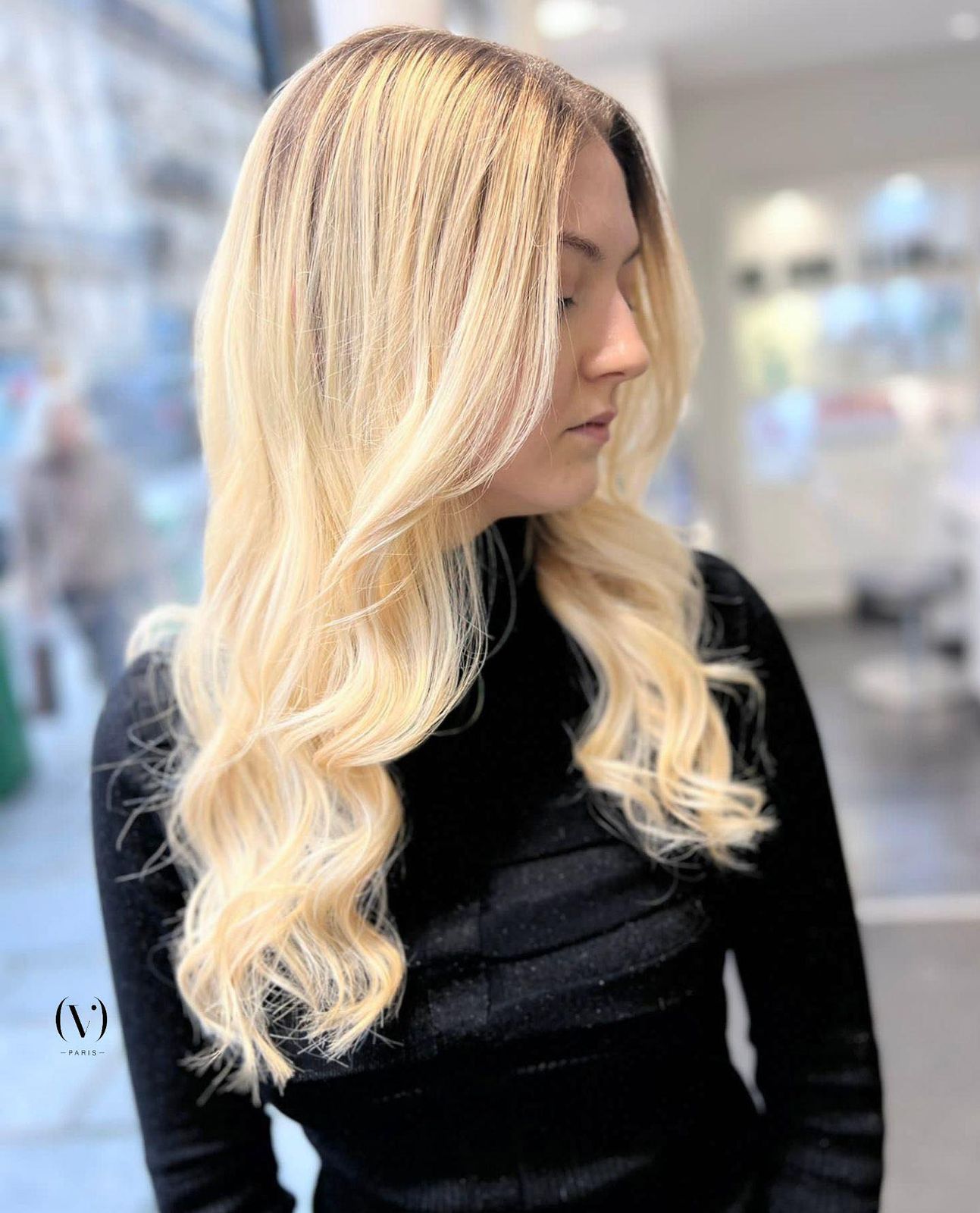
I’ll admit it: I was skeptical about a root shadow on platinum. The whole point of going that light is the commitment to the bit, right? But this collarbone-length, wavy, thick hair proves me wrong. The bright platinum blonde shade is the standout, no question, but the subtle root shadow at the side part keeps it from looking like a costume. It reads expensive, not experimental. The honest downside: maintaining that bright platinum tone still requires regular toning, even with the shadow. The shadow buys you maybe two weeks of grow-out grace, not six. If you want low maintenance, this is not it. If you want platinum that looks like you meant it, this is.
Layers Visual Idea
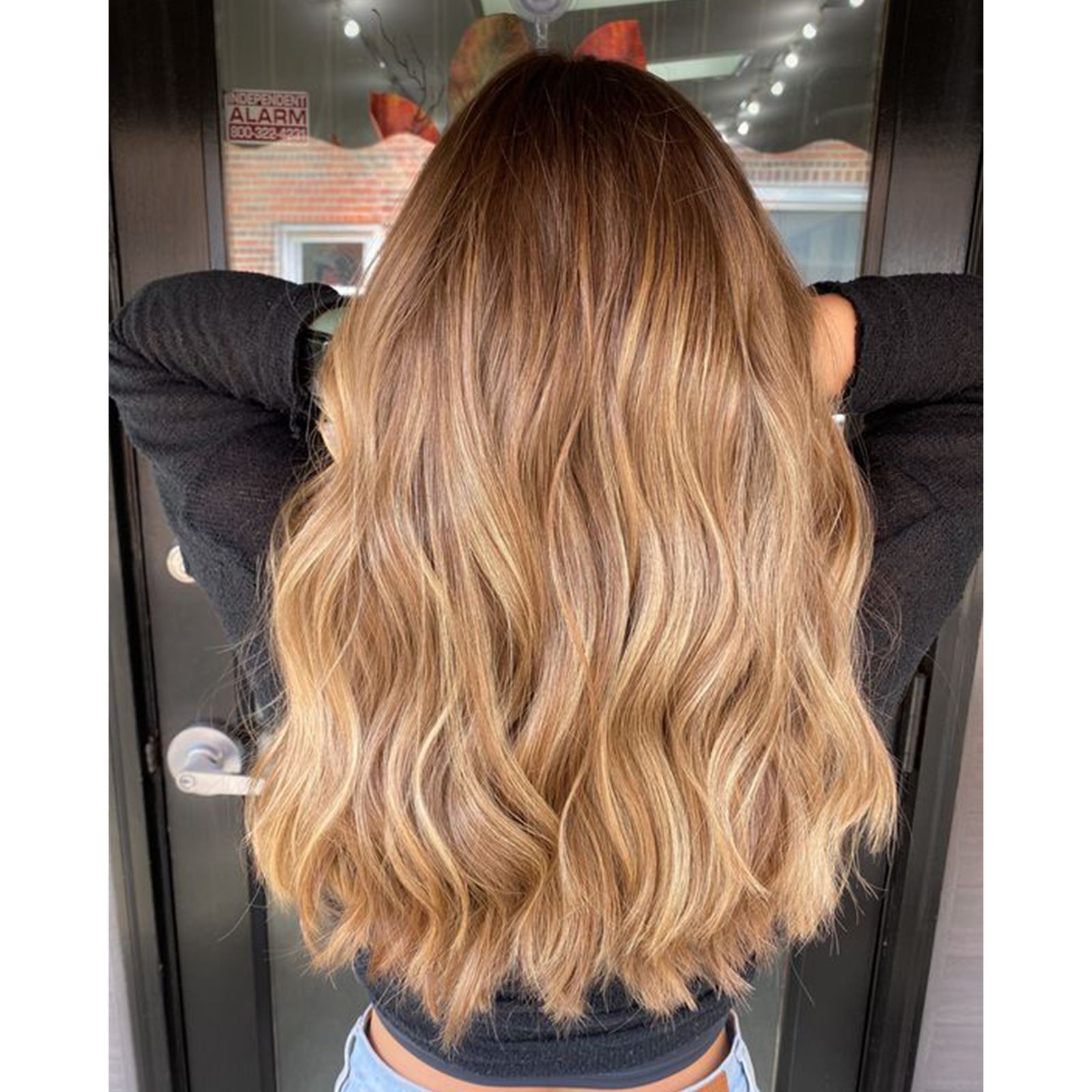
Ever had a color that looked incredible in the salon mirror and then did nothing once you left? That is the risk with dimensional highlights on thick, wavy hair. The layers here are mid-back length, no bangs, with a middle part, and the dark blonde base gets lifted by honey and ash blonde highlights that actually show up. The key is how you style it. A wave that starts at the cheekbone lets the lighter pieces catch the light. Air-drying will make them disappear into the base. A quick pass with a curling wand, section by section, keeps the dimension visible. The upkeep is a trim every ten weeks to keep the layers from tangling at the ends. Worth it if you have the time.
Ash Blonde With Bold Blonde Money Piece Visual Idea
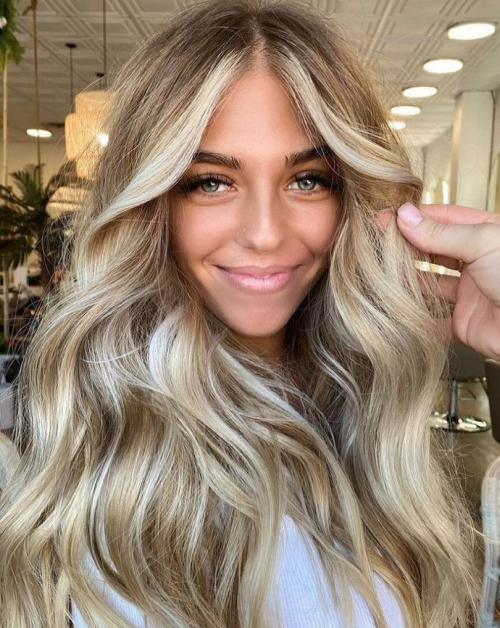
My gut reaction to a money piece is usually a hard pass. Too much 2007 energy. But this one changed my mind. The ash blonde base is cool, almost smoky, and the bold blonde money piece framing the face is not a thin ribbon. It is a solid, deliberate section of light that starts at the root and blends down through the mid-back length. Compared to subtle highlights, this is a statement. It says you know exactly what you wanted. The wavy, thick texture helps it land — on fine hair, that much contrast at the front can look sparse. Here it reads as intentional. The middle part keeps it balanced, and the loose waves soften the edge. If you want impact without full platinum, this is the shortcut.
Ash Blonde With Platinum Highlights Visual Idea

Fine, wavy hair has a specific problem: highlights that are too chunky look heavy, and highlights that are too fine disappear. The solution is a precise contrast. This mid-back length cut with wispy bangs and a side part uses an ash blonde base with platinum highlights that are spaced widely enough to read as separate strands. The icy blonde tone lifts the whole thing without weighing it down. The wavy texture helps — the bends in the hair break up the highlights so they look natural, not striped. This works best if your natural base is already a level seven or eight. Going from dark brown to this is a multi-session project. From a medium blonde, it is one appointment and a good toner.
Long Layers Visual Idea
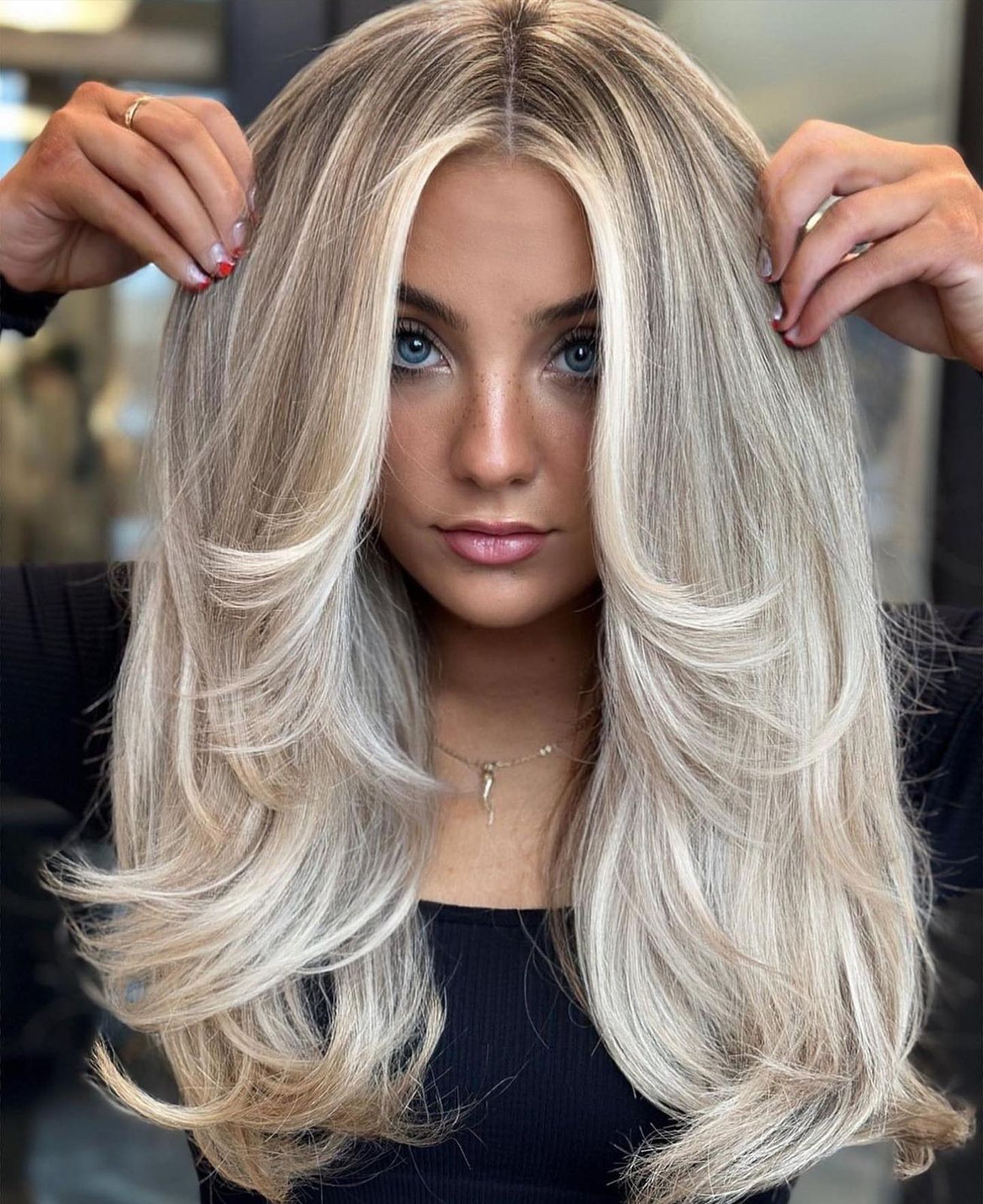
This is a salon color, full stop. Do not attempt at home. The result is a mid-back length of straight, thick hair with long layers, face-framing pieces, a middle part, and a voluminous blowout in platinum blonde with ash undertones. The ash undertones are what stop it from reading as yellow or brassy. They give the platinum a cool, almost silver finish that works best on natural blondes or level-eight bases. The technique requires the stylist to lift the hair to a very pale yellow before toning, and the ash tone needs to be applied evenly to avoid patches. The long layers add movement, but the real work is in the color. It is a three-hour appointment minimum, and the grow-out is visible at week four.
No Bangs Visual Idea

I have a confession: I thought ash blonde needed a fringe to look intentional. It does not. This collarbone length with no bangs and a middle part lets the tone do the work. Ash blonde with lighter blonde highlights reads cool, almost silver, against a neutral sweater. The wavy blowout keeps it from falling flat. The downside? Ash fades fast. By week three, that cool tone can pull brassy unless you use a purple shampoo every other wash. And lighter highlights on ash show yellow first. Worth it for the first two weeks, just know what you are signing up for.
Front View Visual Idea
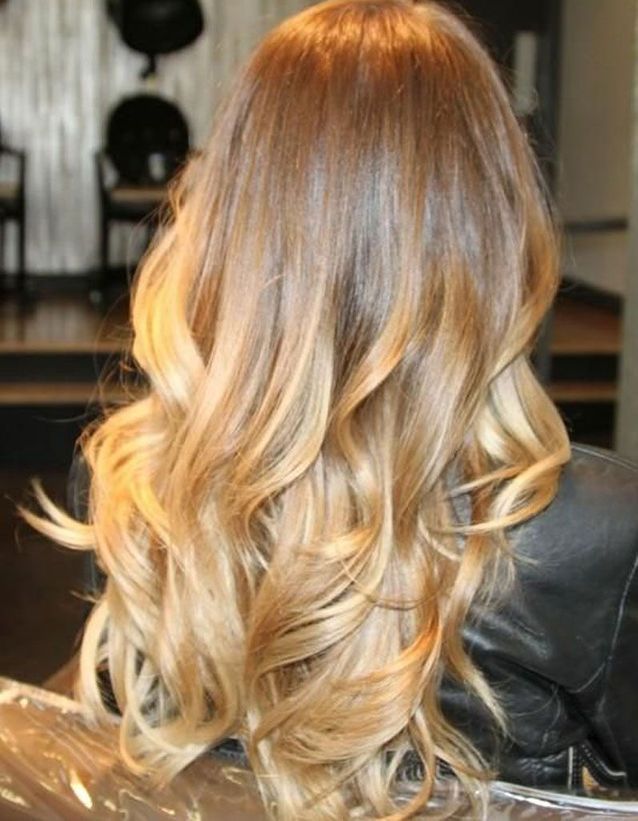
Can a root shadow survive a week of thick hair? Yes, if your stylist placed it right. This mid-back length starts dark at the roots and fades to lighter ends, a two-step technique that buys you about six weeks before the line shows. The front view matters here. The root shadow sits close to the face, so the grow-out is softer than a solid root line. Thick hair holds the root shadow well because the pigment grabs the density. A blowout with soft waves keeps the ends from looking heavy. The upkeep is one toner every eight weeks and a trim every ten. That is it.
Middle Visual Idea
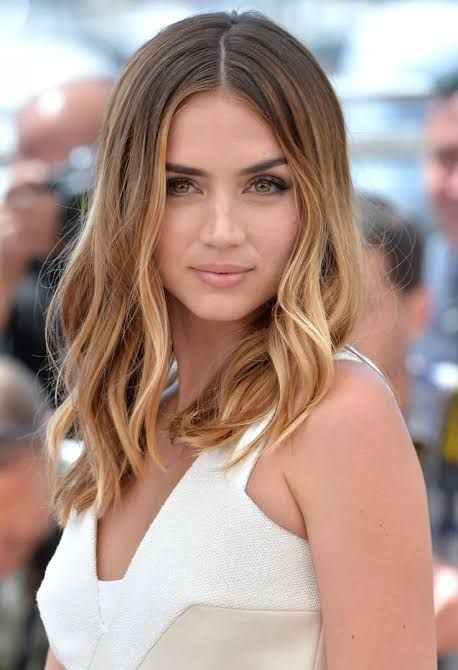
Ash blonde with subtle highlights on wavy, medium density hair and a middle parting: this is not a combination that fights itself. The middle part sits centered, so the colour needs to be even on both sides. Ash blonde with subtle highlights does that. It is not too light at the root, not too dark at the ends. Wavy hair at medium density catches the highlights without looking stringy. The middle parting flatters oval and heart shapes because it balances width at the temples. If your hair is fine, skip the subtle highlights and go for a single-process ash. The contrast will be lost otherwise.
Face-Framing Layers Visual Idea
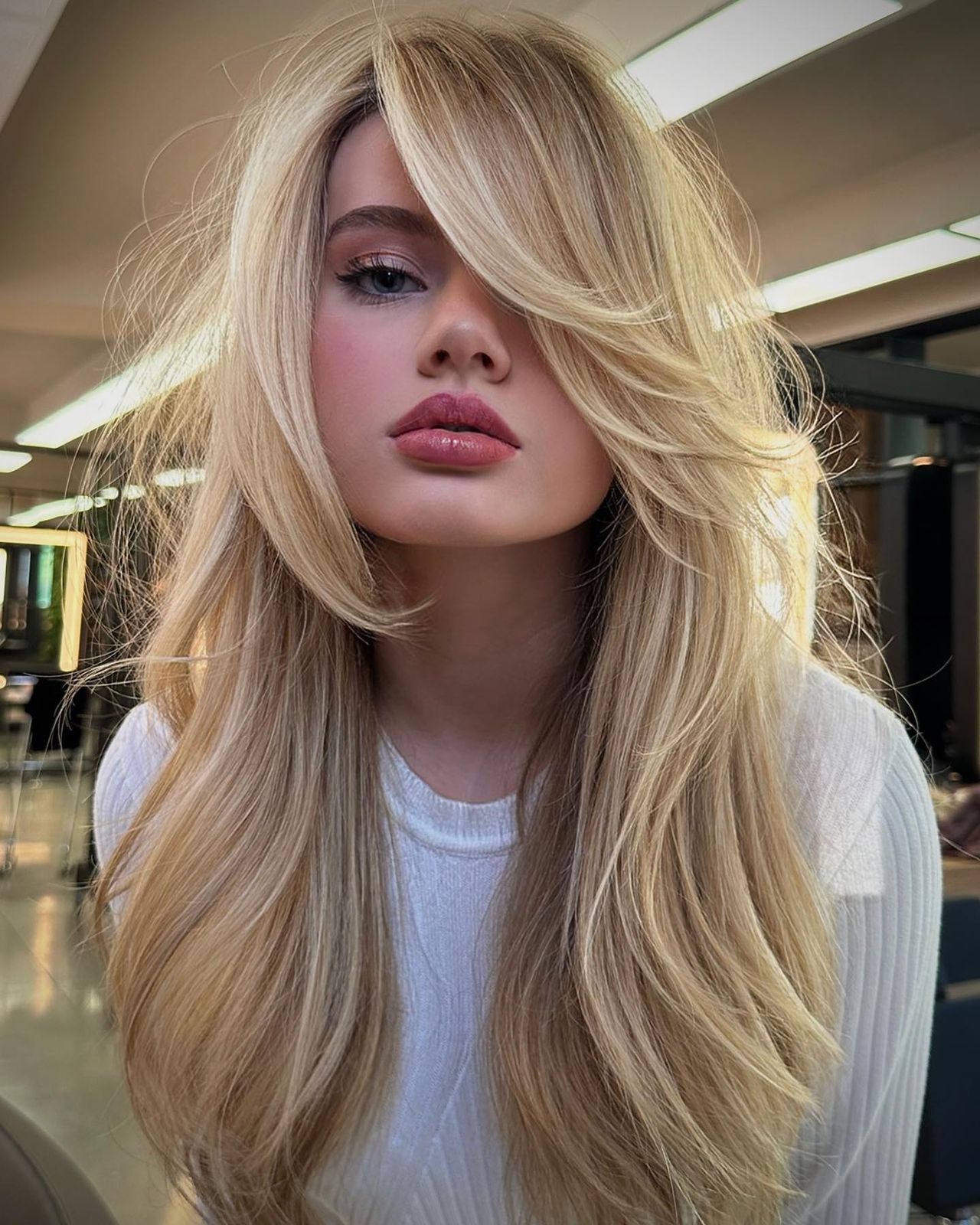
This is a salon job, not a bathroom-mirror experiment. The colour is ash blonde with platinum highlights and a root shadow. The technique is three steps: base colour, painted highlights, then a shadow at the root that blends into the ash. Face-framing layers sit shorter around the chin, so the platinum highlights there catch light first. The root shadow keeps the grow-out soft. Thick, wavy hair holds the layers without losing shape. At home, you risk the highlights pulling too warm or the root shadow bleeding into the ash. Book the consultation first. Tell your stylist you want a cool ash base with platinum face-framing pieces and a soft root shadow.
Curtain Bangs Visual Idea
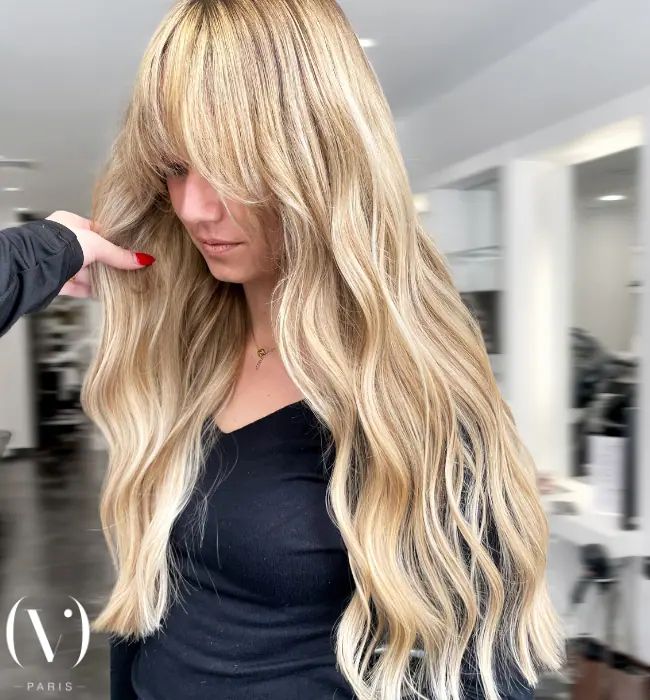
I will admit it: I thought curtain bangs would make ash blonde look dull. The mistake is not the bangs, it is the maintenance. Ash blonde with subtle highlights on wavy, medium density hair at mid-back length needs a toner every six weeks. If you skip it, the ash turns muddy and the bangs frame a grey-ish tone. Curtain bangs sit right at the brow, so the colour there is the first thing people see. Keep a purple shampoo on rotation and book a gloss between full toners. The loose waves help. They catch light and keep the ash from sitting flat. Skip the upkeep and the bangs will look like an afterthought.
Side Visual Idea
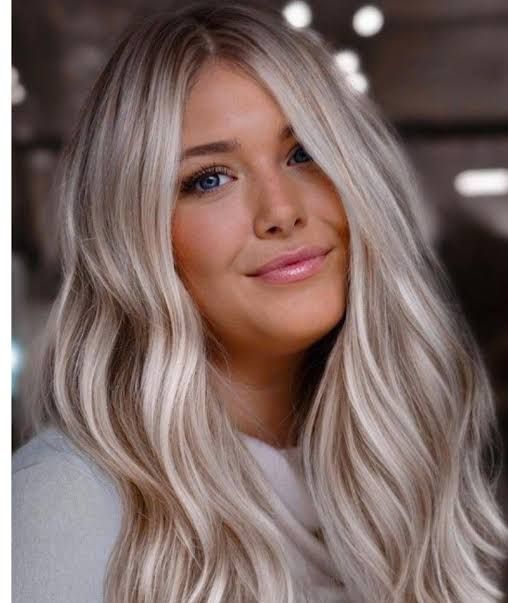
Ever notice how a side part changes the whole read of a color? This collarbone-length cut with loose, textured waves shows off the ash blonde base and its lighter blonde highlights from an angle that catches the light differently. The side parting adds movement to medium density, wavy hair that might otherwise sit flat, and it lets the dimensional tones read as intentional rather than accidental. To keep the wave pattern alive, I wrap sections around my fingers after a quick blast of heat, then let them cool before breaking them up. The ash tone needs a purple shampoo about once a week or it drifts brassy by Thursday.
Upkeep is the real story here. The toner fades fastest at the ends, so I book a gloss between full color appointments. That keeps the blonde bright without the grow-out line becoming a hard border.
Dark Blonde With Lighter Highlights Visual Idea
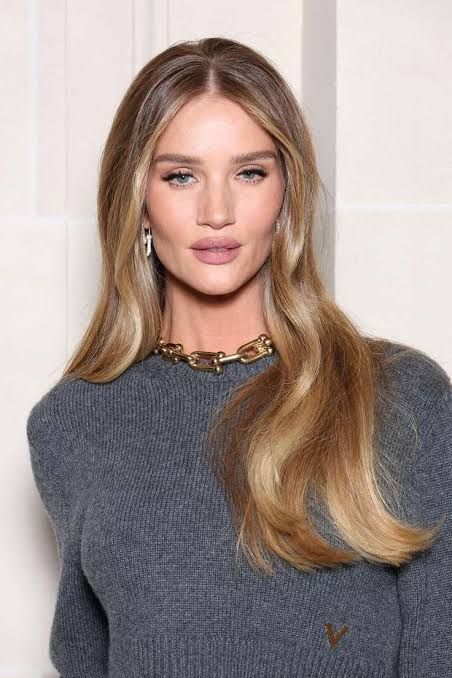
There is a specific moment when dark blonde stops reading as dishwater and starts reading as expensive, and this mid-back length with long layers hits it exactly. The base is deep enough to ground the whole thing, while the lighter highlights woven through add dimension that thick, wavy hair desperately needs. On my own thick waves, a single flat color just sits there like a curtain; the contrast here gives each wave its own shadow and shine, which is why the style holds visual interest even when the curl pattern relaxes.
The chair time is the cost. Getting this right means a full foil session, not a quick root touch-up, because the highlights have to land at varying depths to create that dimensional effect. Plan for three hours minimum, and know that the darker base means the grow-out is forgiving. The roots blend for weeks, which is the quiet luxury of going darker than your instinct tells you to.
Back View Visual Idea
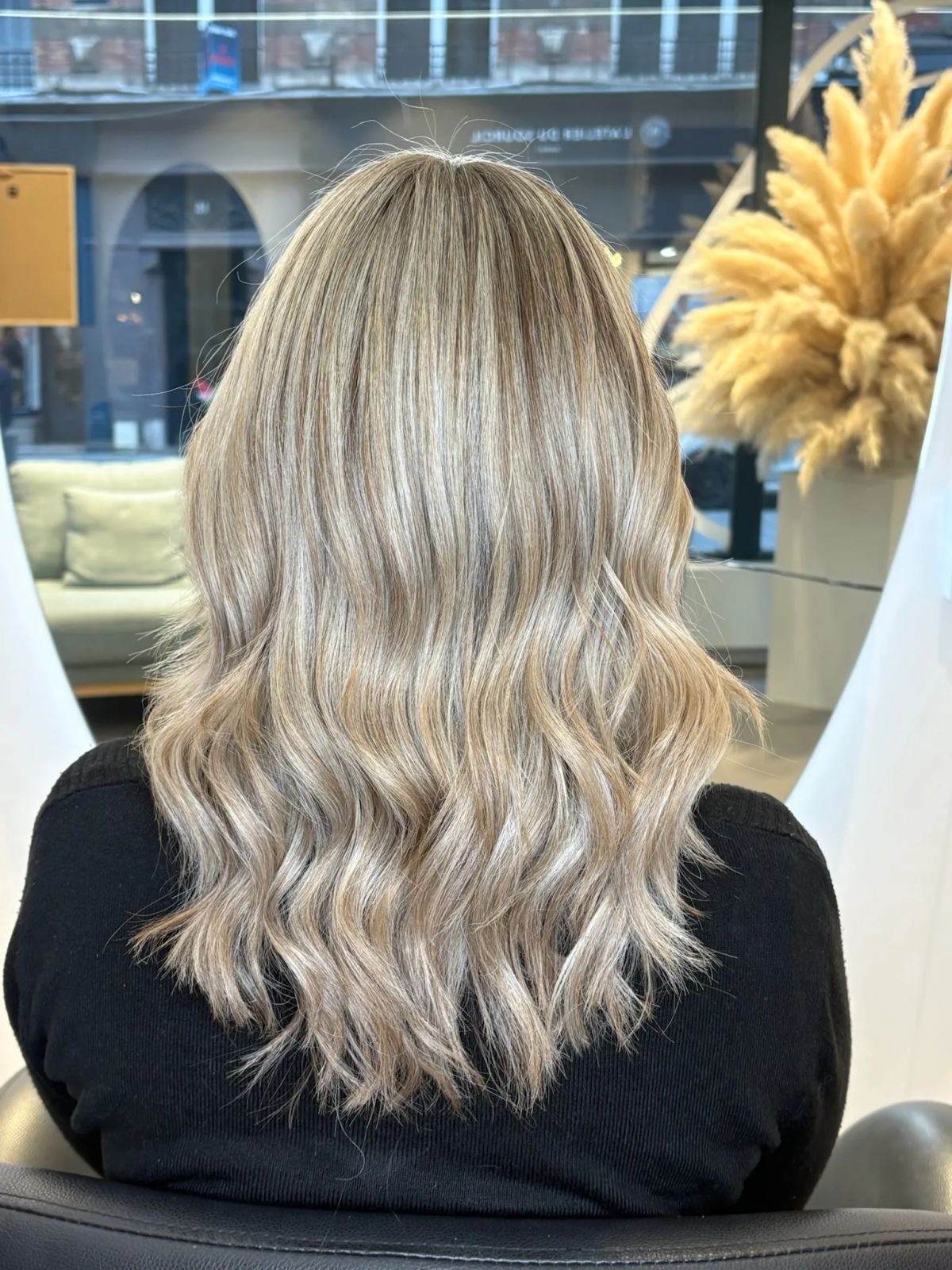
Seeing the back of this collarbone cut changes my opinion entirely. From the front, ash blonde with platinum highlights can look almost subtle, a whisper of cool tone against the skin. But from the back, with the middle parting and wavy texture, the platinum catches every bit of light and the ash reads as a deliberate, cool statement. The layers are cut to move, so the highlights flash and disappear as the hair shifts, which is why the back view never gets boring. I have learned that the back is where the stylist’s real work shows, and this one proves the point. It is not a color you can fake with a box dye, the dimension requires placement, not just lift.
Beige Blonde With Subtle Highlights Visual Idea
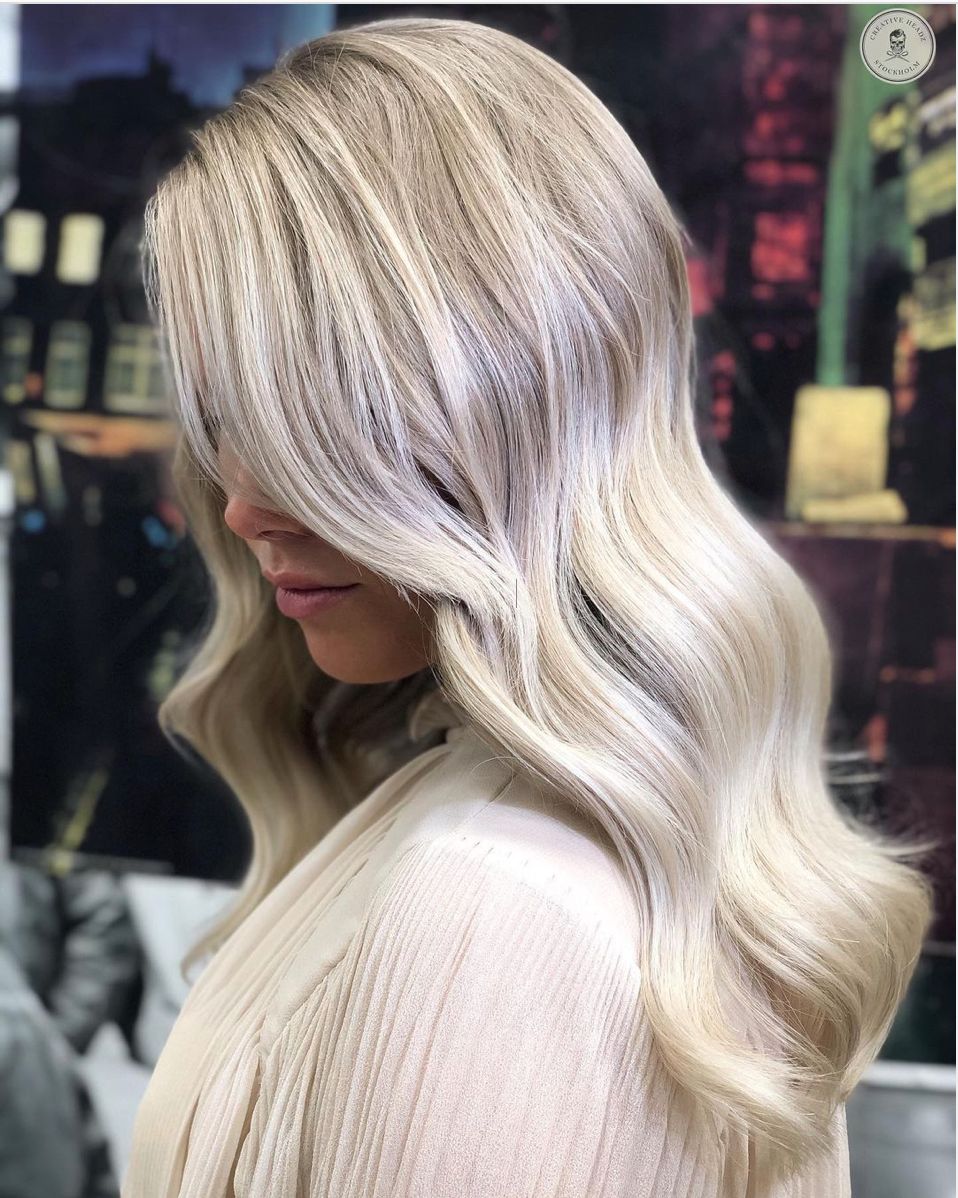
This is the color I would book for every winter event on my calendar. Beige blonde with subtle highlights is the balayage technique done right: the stylist paints the mid-lengths and ends, leaving the root area darker so the grow-out is a soft blur instead of a line. The result on this mid-back length with long layers and curtain bangs is a warm, creamy tone that does not wash out fair skin the way a stark platinum can. The subtle highlights are placed sparingly, which is what keeps it looking expensive rather than streaky.
This is not a DIY situation. Balayage requires a trained eye to know where the light should fall, and getting it wrong at home means a patchy, muddy mess that costs more to fix than the salon visit would have. For winter, the beige tone is ideal because it does not fight the cooler natural light; it just sits there looking softly lit, which is exactly what I want in January.
Blunt Bob Visual Idea
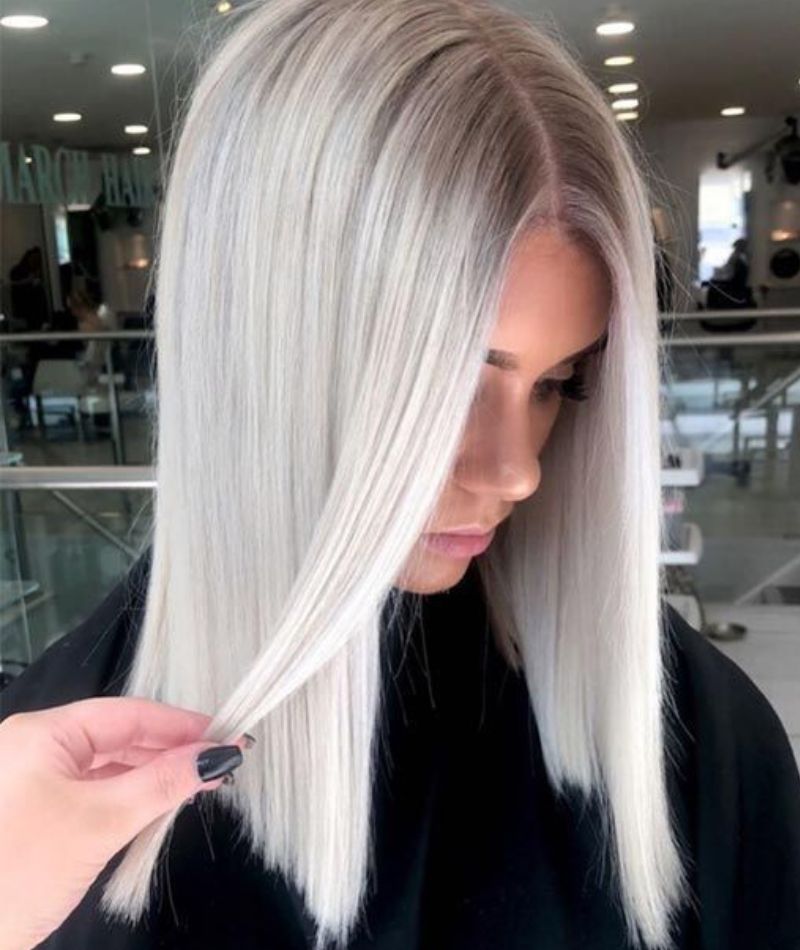
I will confess I have a complicated relationship with icy platinum blonde. This chin-length blunt bob with a root shadow and a middle part is stunning, but it is also a commitment I respect. The root shadow is the only thing saving me from a weekly emergency toner, because the icy platinum on straight, fine hair shows every hint of warmth instantly. The blunt baseline makes the fine texture look thicker, which is the trick of the cut, but the color is the demanding partner. Book a gloss every three weeks and a full color every six, or the ice melts into yellow. It is beautiful, but it is a job.
Chin Length Visual Idea
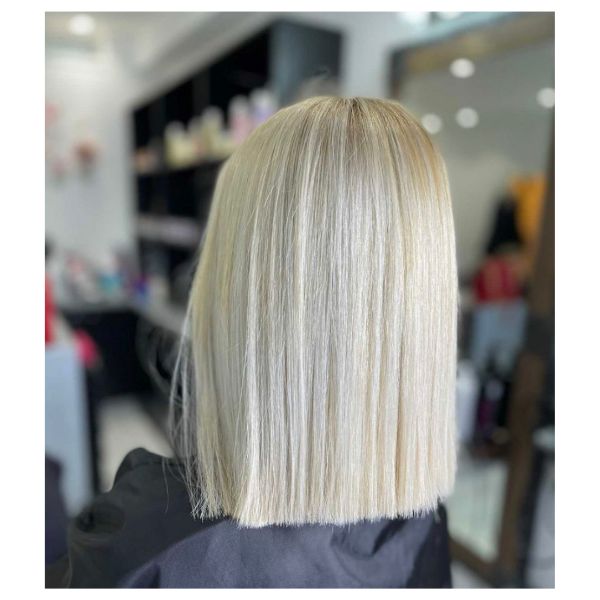
How does a blunt bob survive the grow-out phase without looking like you gave up? Ash blonde with subtle highlights helps. The darker base blurs the line between colour and root, so week six still reads intentional. Straight, medium density hair holds the sharp edge well. No bangs means fewer trims. That middle part? It widens a round face, just so you know.
Loose Waves Visual Idea
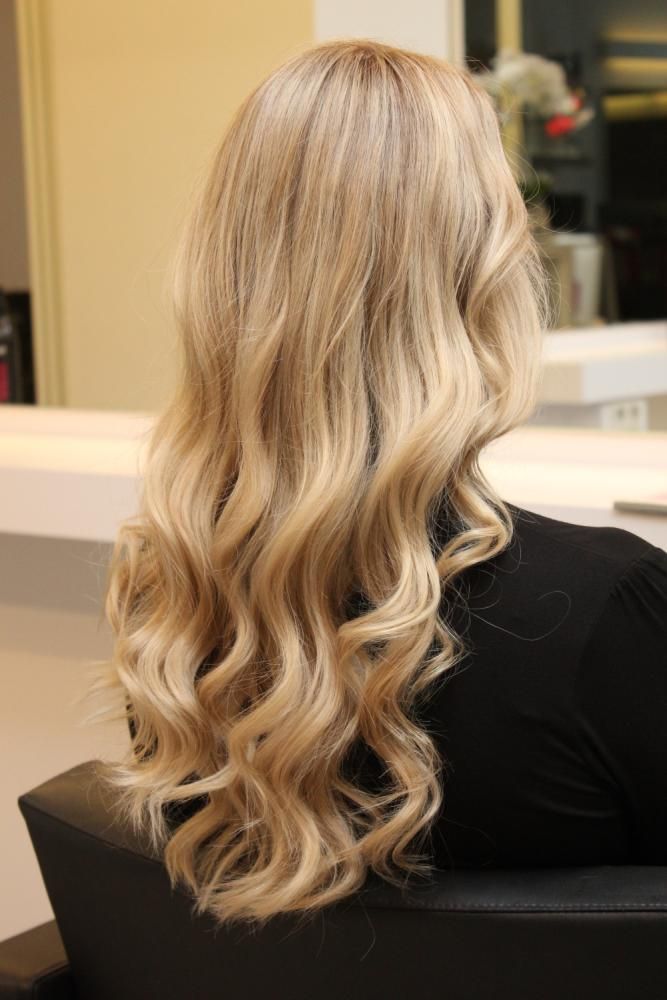
The roots are darker, the ends are lighter, and the middle is ash blonde. That gradient does something smart with thick, wavy hair. It adds dimension without needing a full balayage. Loose waves catch the lighter ends and let the darker base recede. The back view shows it best: the colour stacks, not flattens.
I was sceptical. A root shadow on wavy hair can look accidental if the blend is off. But the darker roots here sit high enough that the wave pattern doesn’t reveal a hard line. Mid-back length gives the colour room to travel. No bangs, middle part, layers cut to follow the wave. It reads deliberate. That is the whole trick.
Wavy Thick Visual Idea
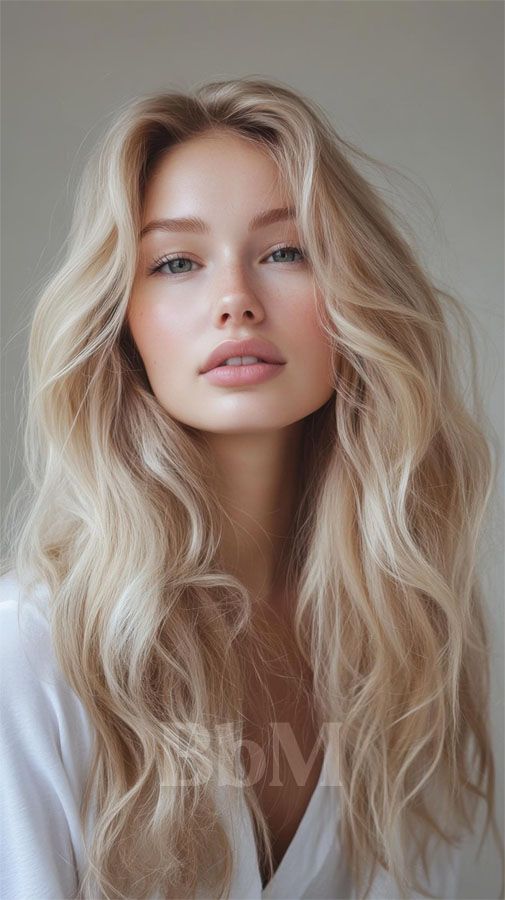
Ash blonde with platinum highlights on thick, wavy hair. That is a salon job, full stop. The platinum needs to sit on the top layers and the curtain bangs, not buried underneath. A good stylist paints the highlights where the wave crests, so the light catches them when the hair moves.
DIY? Skip it. Foiling through thick, wavy hair at mid-back length is a two-person job and one wrong section turns the whole thing brassy. The ash base cools the platinum down, which keeps it from going yellow. Loose waves soften the contrast. Front view shows the curtain bangs picking up the lightest pieces, which is exactly what you want. Book the appointment.
Warm Honey Tones Visual Idea
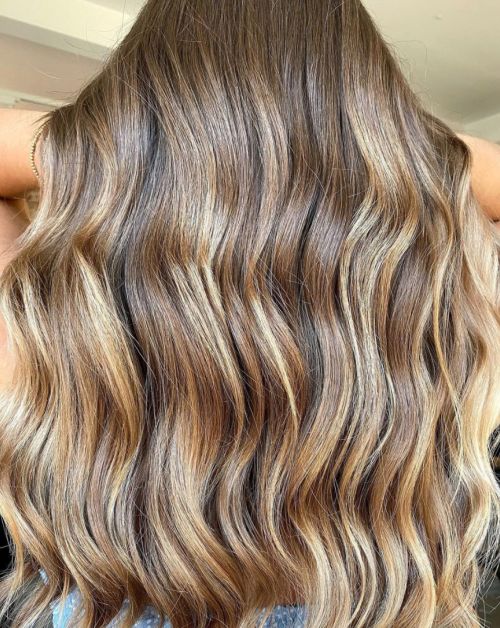
I will admit it: warm honey tones look good on thick, wavy hair. The lighter highlights catch the wave bends and the honey base keeps it from going flat. But here is the honest downside. Warm tones fade fast. By week three, that honey starts pulling orange if you skip a toning shampoo. Mid-back length means more surface area to oxidise. Loose waves hide the brass better than straight hair, but you still need a toner every six weeks. Worth it for the colour. Not worth it if you want to ignore your hair for two months.
Final Thoughts
I started this list expecting to land on platinum again. Instead, I’m texting my colorist about a beige blonde root melt. It’s the one that looked boring in theory and expensive in person.
- Tone at week six, not week ten.
- Root shadow every eight weeks max.
- Purple shampoo once a week, not every wash.
- Trim the baseline every eight weeks.
- Skip the bleach bath if your ends feel dry.
