

I keep seeing the same thing in the salon chair next to mine: someone with a grown-out blonde who asks for the dark to come back, not as a root touch-up but as the whole point of the color. It’s reverse balayage, and it’s everywhere this season. I like it because it admits what we all know: blonde is work, and sometimes you want the work to look like a choice.
This roundup has 32 ways to wear it, from a quick root shadow that buys you six calm weeks to a full dark-to-light melt that takes three hours in the chair. There’s something for fine hair that goes flat by 4 pm, for thick waves that need weight, for anyone whose grow-out line showed at week five and thought, maybe that’s not a mistake. Reverse Balayage is the one color that makes the grow-out the feature, not the flaw.
Dark Brown Bob With Ash Blonde Grey Highlights
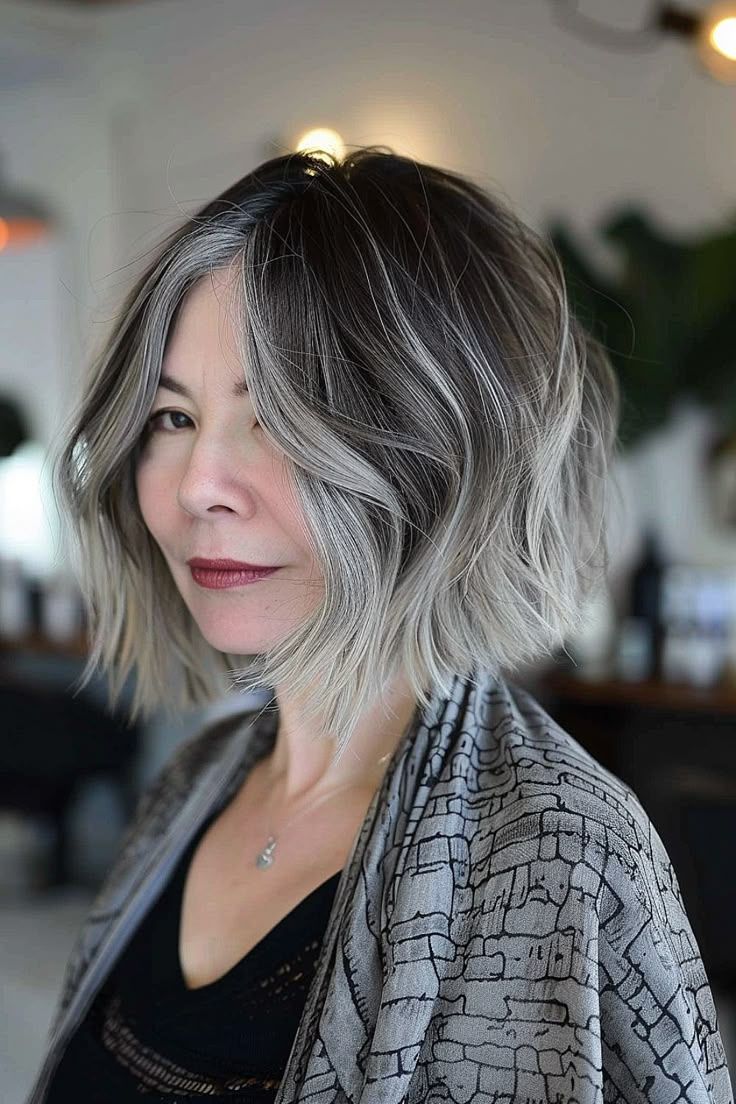
That dark brown base against those grey highlights is a deliberate clash. It works because the Reverse Balayage technique keeps the dark shade dominant, then drops ash blonde and grey highlights through the surface for a muted, smoky contrast. On a chin-length bob with wavy texture and medium density, the side part lets the lighter pieces catch light without overpowering the base. This is for someone who wants cool tones without going fully blonde. If your hair is very fine, the contrast can read as sparse rather than intentional.
Ash Blonde With Darker Roots
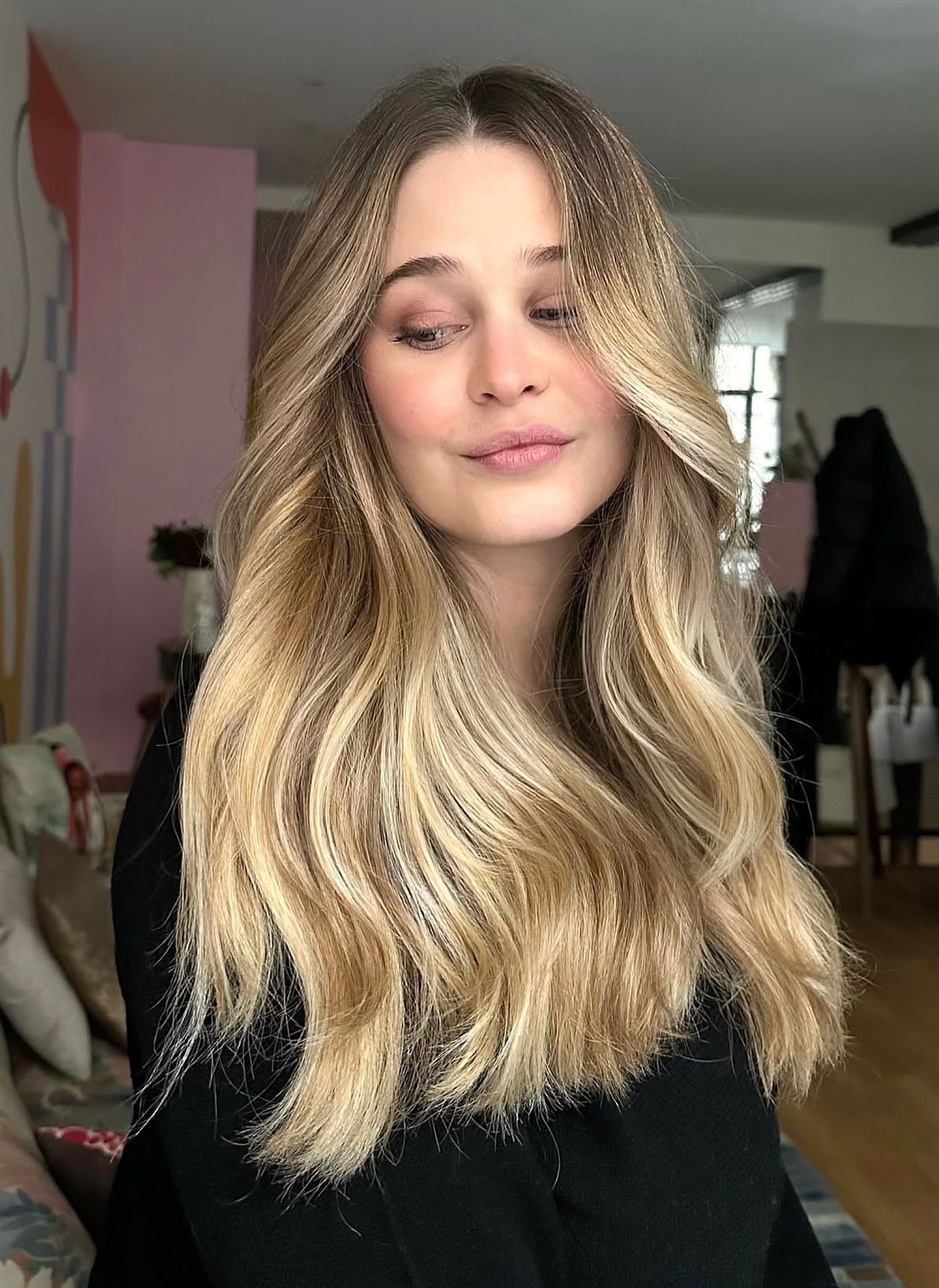
When did ash blonde start looking this expensive?
The secret is the darker root shadow. A true ash blonde reverse balayage starts with a deeper base at the crown, then the lighter ash tone fades in through the mid-lengths and ends. On mid-back length with loose waves and medium density, the side part shows the transition without a harsh line. Wear it through fall and winter, when the cool tone matches the low sun. Upkeep is reasonable: a toning gloss every six to eight weeks keeps the ash from turning brassy, and the darker roots mean you can stretch a salon visit to ten or twelve weeks. Just go easy on the purple shampoo, once a week is enough.
Mid-Back Ash Blonde With Darker Roots
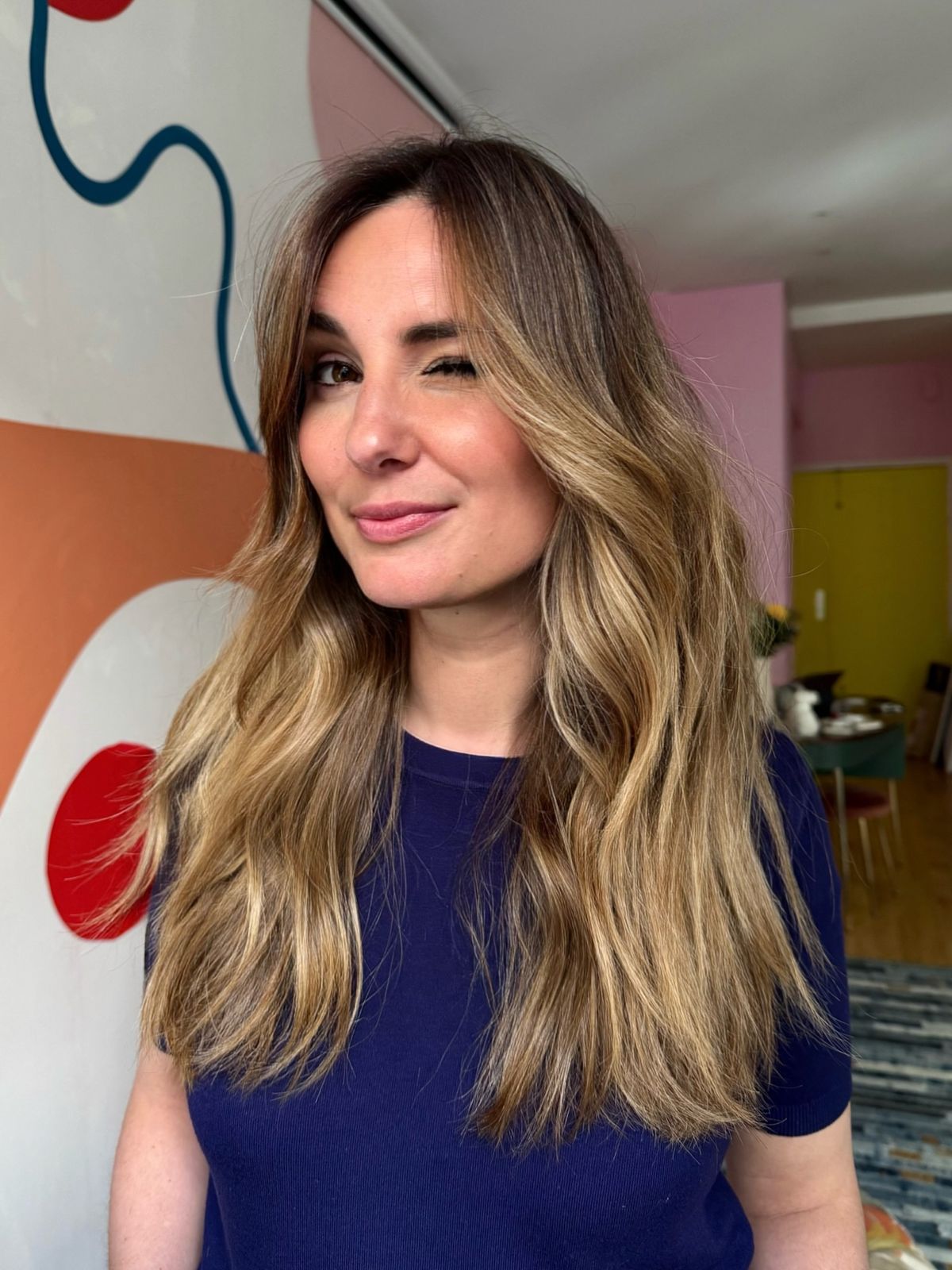
I will admit I was skeptical about loose waves on mid-back length. They tend to drop by noon on my fine hair.
But the Reverse Balayage technique here does something smart. The darker roots add visual weight at the crown, so the wave pattern holds its shape longer. The ash tone reads cool and modern against the deeper base. Styling takes about fifteen minutes with a texture spray and a large-barrel iron. The grow-out is forgiving, a salon visit every ten to twelve weeks keeps the transition soft. Use a purple shampoo once a week to stop the ash from fading into yellow. The key is keeping the waves loose, not tight, so the colour gradient shows through.
Chin Length Ash Blonde With White Ends
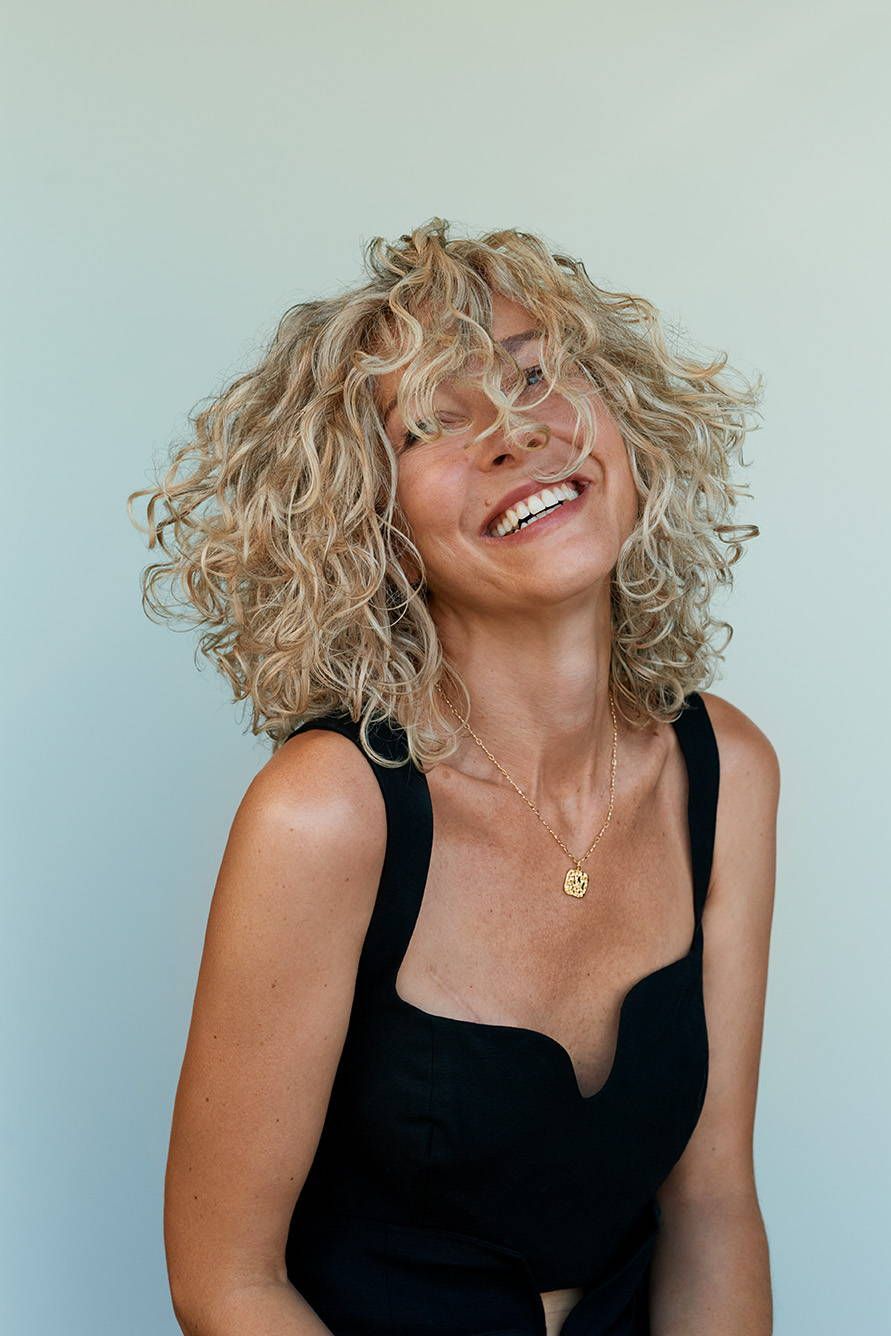
This is the high-maintenance version, and I say that with respect. The ash blonde chin length bob with white blonde ends demands a toning gloss every four to six weeks, no exceptions. The darker roots make the grow-out manageable, but those ends will pull yellow fast if you skip the purple shampoo. Straight and sleek styling takes about five minutes with a flat iron, which is the easy part. The contrast is sharp and intentional, but if you want something you can ignore for six weeks, pick a softer blonde instead. This is a salon-only job, the bleach placement on the ends needs a professional hand.
Long Layers Sleek Mid-Back Ash Blonde With Darker Roots
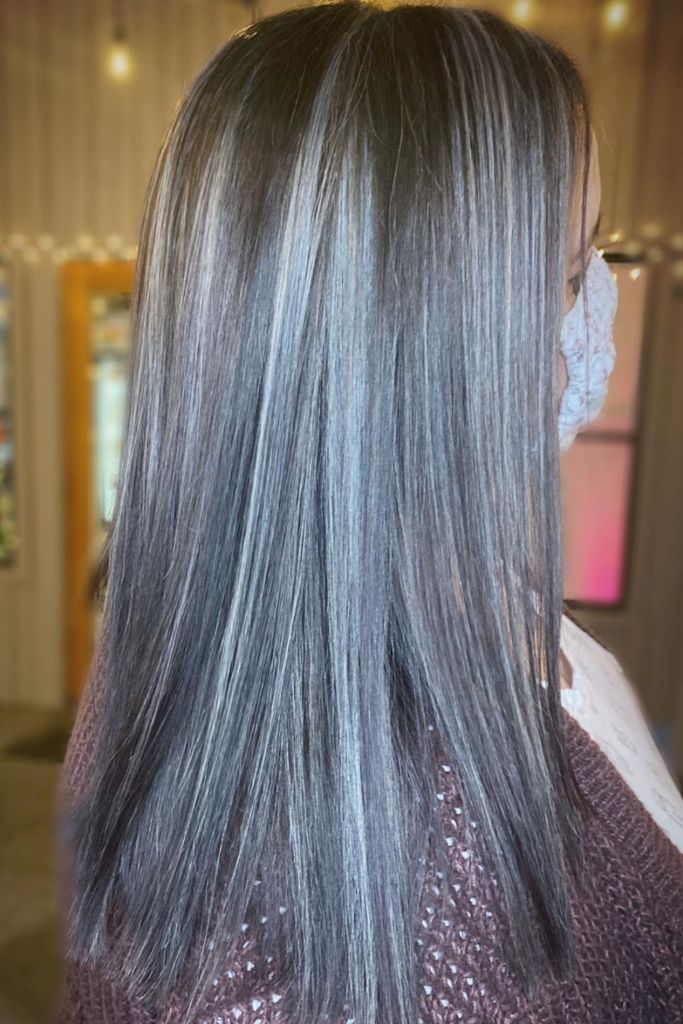
Who does this subtle root-to-end fade actually flatter? The ash blonde mid-back straight hair with a middle part and no bangs. It reads long and lean, which suits a round or square face because the vertical line pulls the eye down, not across. The fine, straight texture here is key: thick or coily hair would need more internal layering to avoid a heavy triangle shape. The reverse balayage technique keeps the darker root soft and the lighter ends blended, so the face gets brightness near the cheekbones without a harsh line.
That middle part? It widens a round face, but the length and the dark root shadow at the top balance it out. If your face is long or narrow, try a side part instead. The ash tone reads cool next to warm skin, so check that before you commit. This is a salon colour, not a box job, and the grow-out is forgiving because the root is meant to be darker.
Inverted Bob Ash Blonde With Lighter Highlights
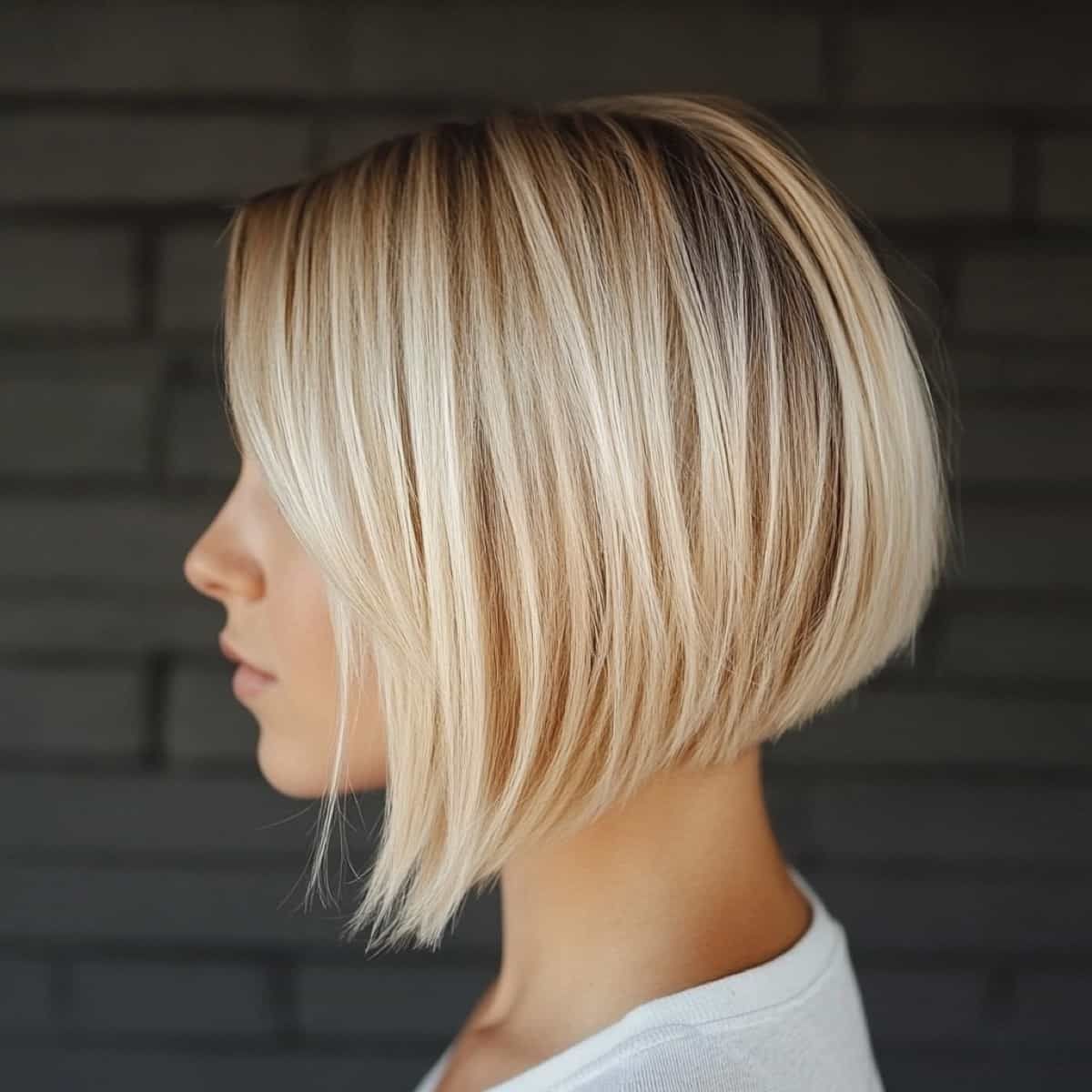
Six AM, flat iron, fifteen minutes. The inverted bob ash blonde with lighter blonde highlights and side-swept bangs demands it. That sharp chin-length line looks polished for about four hours if your hair is fine and straight like this. By noon, the back stack can separate and the front pieces drift apart. The honest downside: you style it every single day, or it looks like a slept-in bob that did not sleep well. The lighter highlights help blur the grow-out, but the shape itself is unforgiving. If you skip a day, wear it slicked back with a texture spray and call it intentional.
Ash Blonde Inverted Bob With Darker Roots
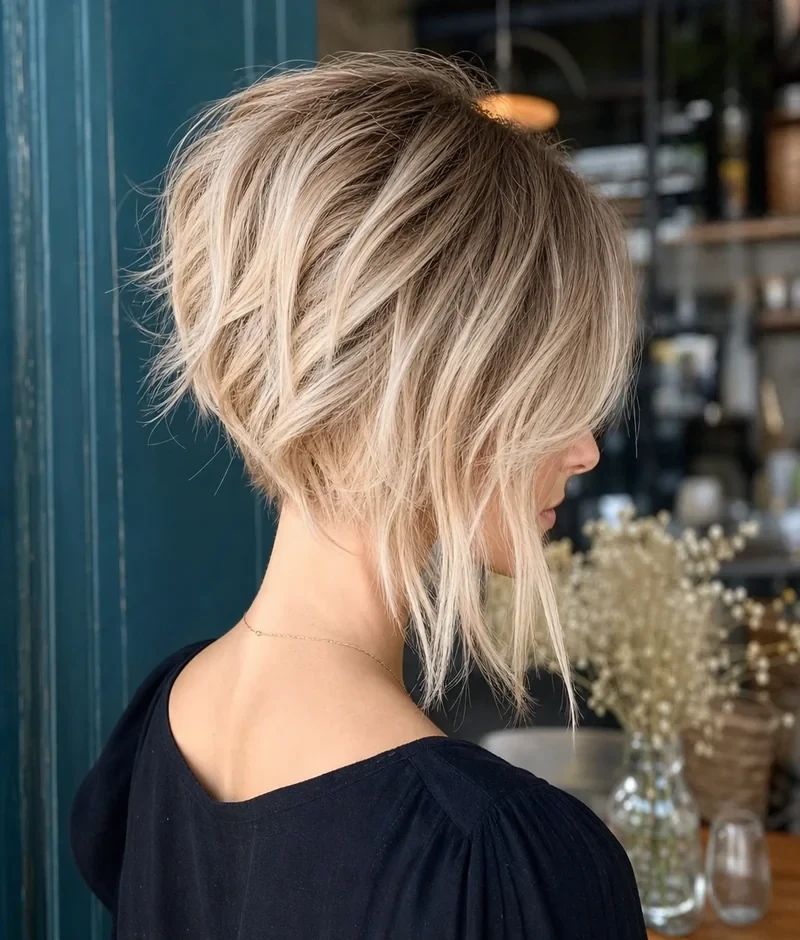
I made the mistake once. You see an ash blonde inverted bob with darker roots and think, easy grow-out, I can stretch the salon visits. True, the root shadow buys you time. But here is the error: people let the dark root grow too long, then try to lighten it back to ash at home. That is how you get a muddy brown line and brassy ends. The fix is simple. Keep the root shadow painted, not solid, so it blends into the ash blonde as it grows. And book a gloss every eight weeks, not six months. The thick, straight texture here holds the inverted shape well, but the colour needs a pro hand every time. Wear and upkeep means a trim every eight weeks and a toning appointment every other one.
Fine Wavy Lob With Ash Blonde Darker Roots
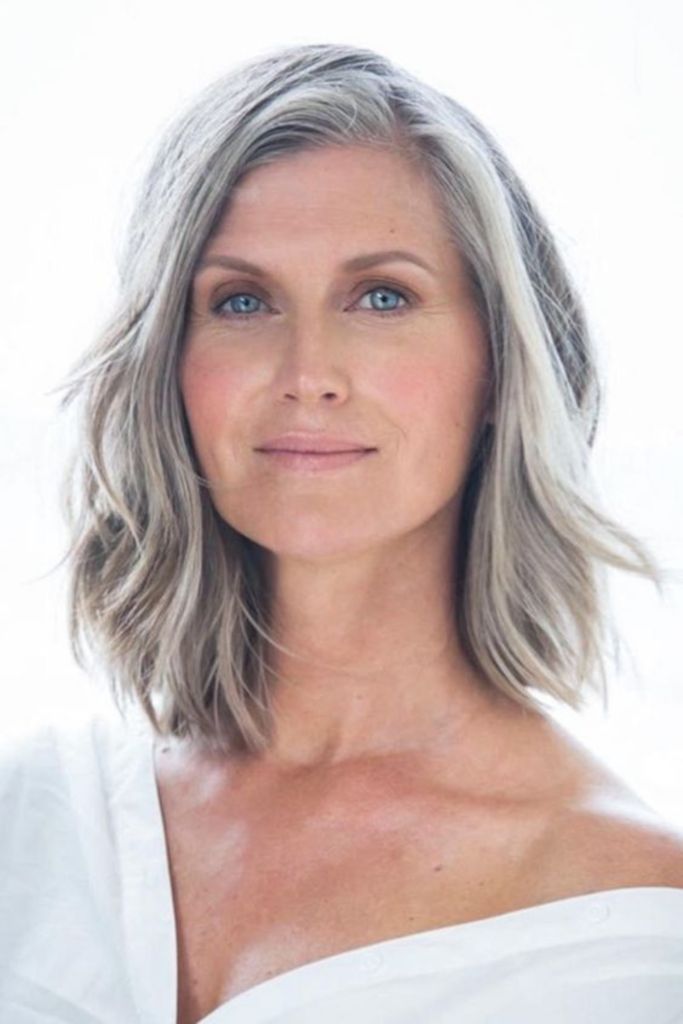
How much time and money does this fine wavy lob ash blonde with subtle lighter pieces actually cost? Start with the salon visit: two and a half hours for the reverse balayage application, plus a toner. That is not a lunch-break colour. The fine, wavy texture here takes colour fast, which means the ash blonde can grab unevenly if your stylist rushes. This is a salon job, not a DIY. The soft grey tones need a gloss every six weeks to stay cool, and that adds another hour and a half each time. If you stretch it to ten weeks, the ash pulls greenish on fine hair. The lob length keeps the cost lower than long hair, but the colour maintenance is the real line item.
Medium Blonde Blowout With Face-Framing Layers
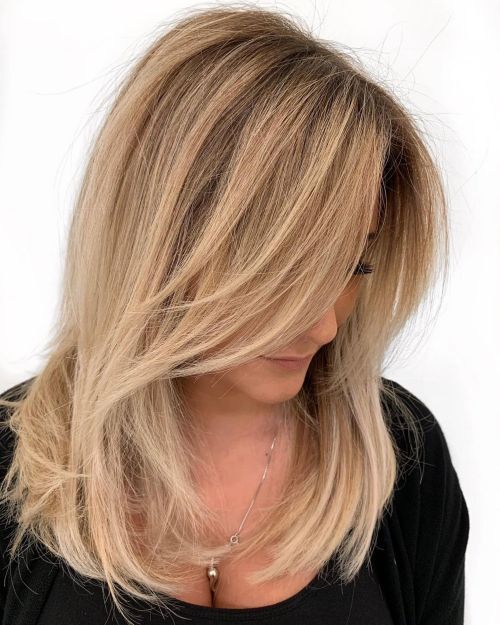
This is the colour that lands in March and stays through September. The medium blonde face framing layers with lighter blonde highlights catch the spring light differently than a flat all-over blonde. The base is a warm medium blonde, not icy, so it reads natural against skin that is still winter-pale. The face-framing layers pull the lighter pieces forward, which softens a strong jaw or a square forehead. The blowout adds volume at the crown, and the shoulder-length cut keeps it from feeling heavy. The season for this is transitional: it works when you want brightness without the full platinum commitment. The highlights are subtle enough that the grow-out does not scream at week six.
Mid-Back Blonde With Lighter Blonde Highlights
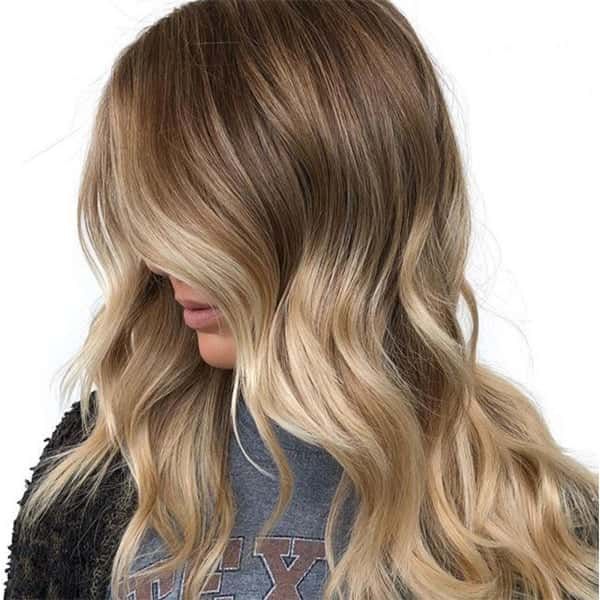
This one works on more skin tones than you think. The dark blonde with blonde highlights sits warm enough for olive undertones and cool enough for fair pink ones. The mid-back length keeps the colour visible. The technique is a soft reverse balayage, darker strands woven near the root and lighter blonde highlights painted downward. The tone stays neutral, not gold and not silver. The texture is loose waves, medium density, which shows the dimension. Middle part keeps it symmetrical. No bangs. It is not a bold statement. It is the adult decision in the room.
Thick Wavy Blonde With Lighter Blonde Highlights
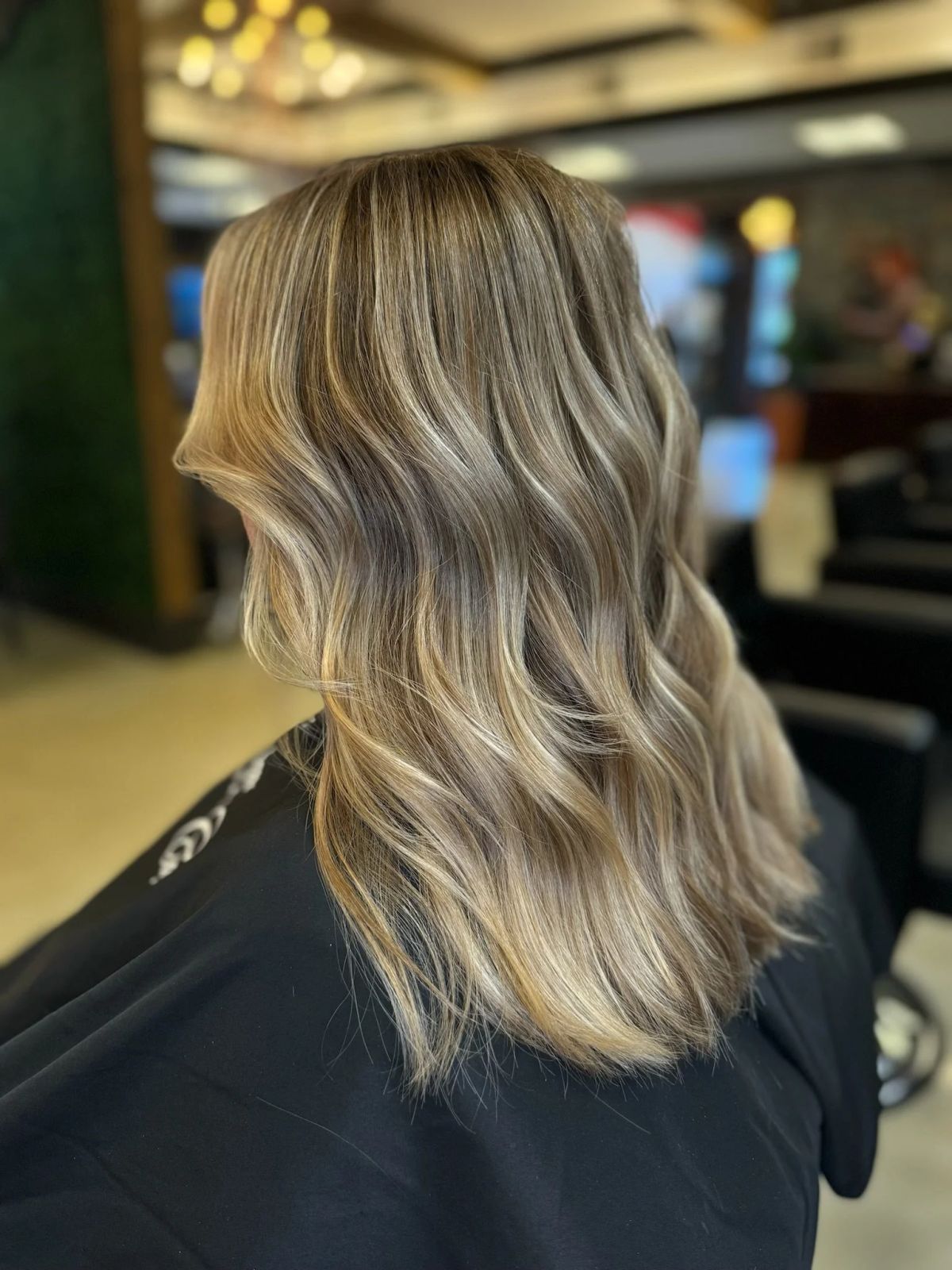
Does thick hair hold a reverse balayage better than anyone admits? Yes. The volume pushes each strand apart, so the lighter blonde highlights stay visible rather than stacking into a single flat mass. The colour is a blonde base with lighter pieces woven through. The tone is warm, leaning beige. The technique is low-contrast: the difference between base and highlight is a few shades, not a leap. The texture is wavy and thick. Mid-back length. Upkeep is the honest part. Toning glosses every six to eight weeks. Without one, the warmth shifts toward yellow. The waves hide the grow-out for about a month.
Medium Brown With Subtle Lighter Brown Highlights
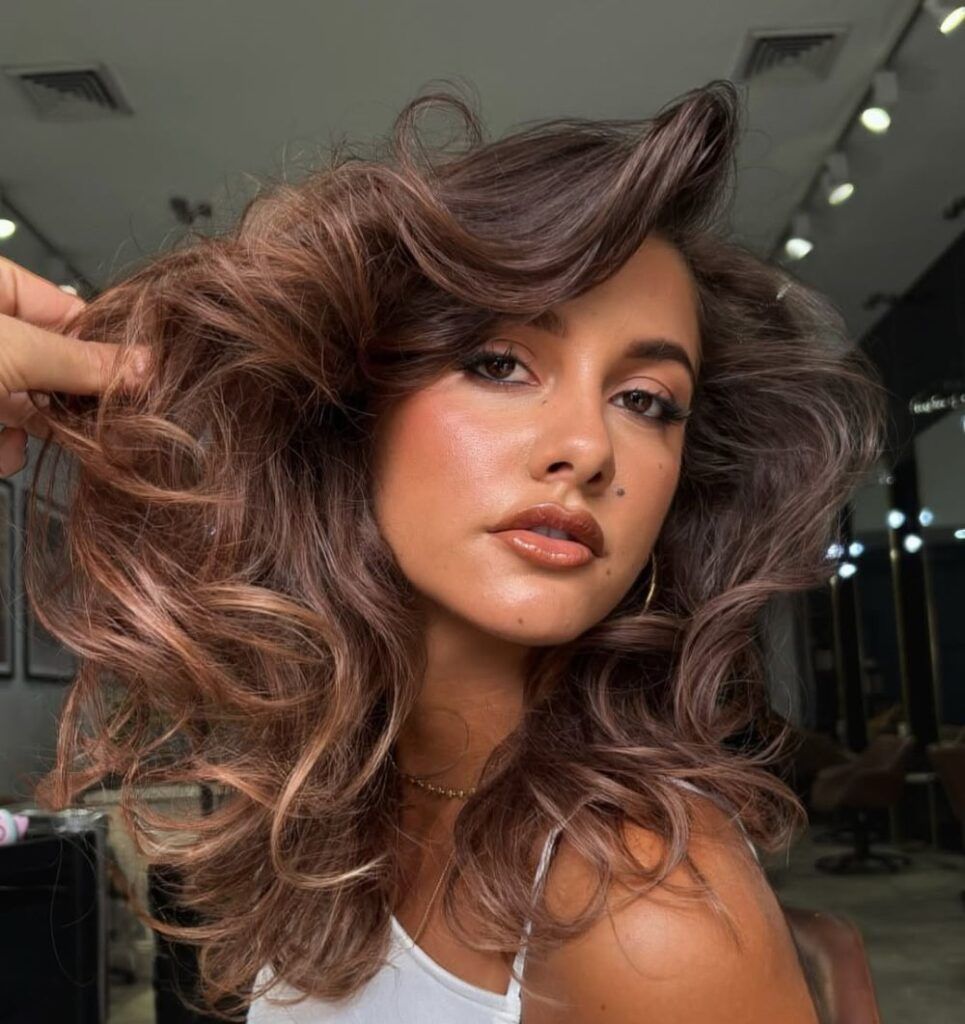
The trick is that the highlights sit deeper than you expect. The medium brown subtle highlights are painted mid-strand and heavier toward the ends, which means the root never has a hard line. The base is medium brown, warm enough to read natural. The technique is a low-contrast balayage, barely two shades lighter than the base. The tone stays warm brown, not caramel and not ash. The texture is wavy and thick. Collarbone length. Curtain bangs. Ask for it by saying: “I want a tonal lift, not a stripe. Keep the contrast under two shades.”
Dark Brown With Caramel Ash Blonde Balayage
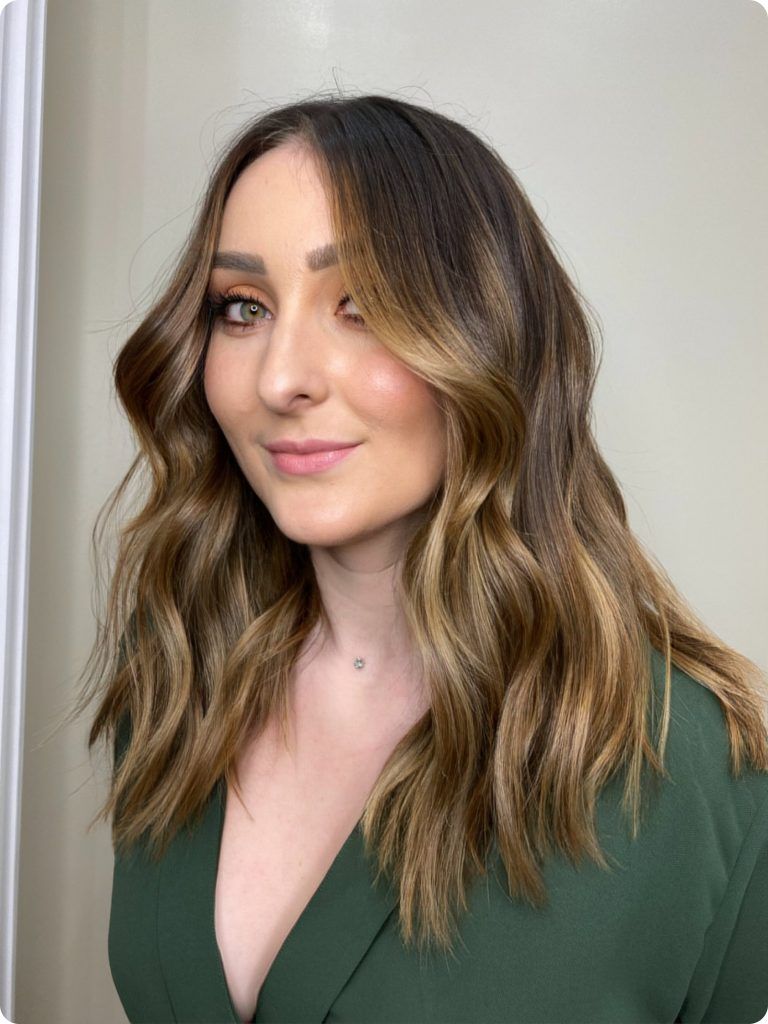
I have a gut reaction to high-contrast balayage: it either reads intentional or it reads grown out. This one lands on the right side. The dark brown base is deep, nearly black in low light. The caramel and ash blonde pieces sit mid-strand to ends, warm and cool at once. The collarbone length layers keep the separation visible. The texture is wavy, medium density. Compared to a fully blended approach, this one demands more from your toning schedule. Skip a gloss by week six and the warmth creeps up. The contrast is the point. But the point fades if you ignore it.
Curtain Bangs Dark Brown Lob With Ash Blonde Balayage
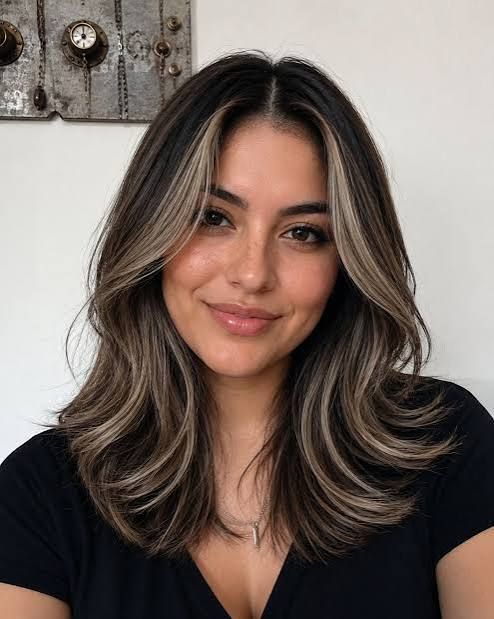
Does the face-framing balayage actually shorten the look of a long face? Yes. The lighter pieces land around the cheekbone and jaw, so the eye stops there instead of traveling down. The dark brown ash blonde balayage starts darker at the root and softens into a cool ash tone at the ends. The lob hits collarbone. The curtain bangs sweep past the brow. Middle part. The texture is wavy, medium density. Rounder faces get the same benefit: the vertical lines from the bangs and the side pieces create the illusion of length. A strong jaw handles the soft curtain the best.
Dark Brown Angled Bob With Subtle Highlights
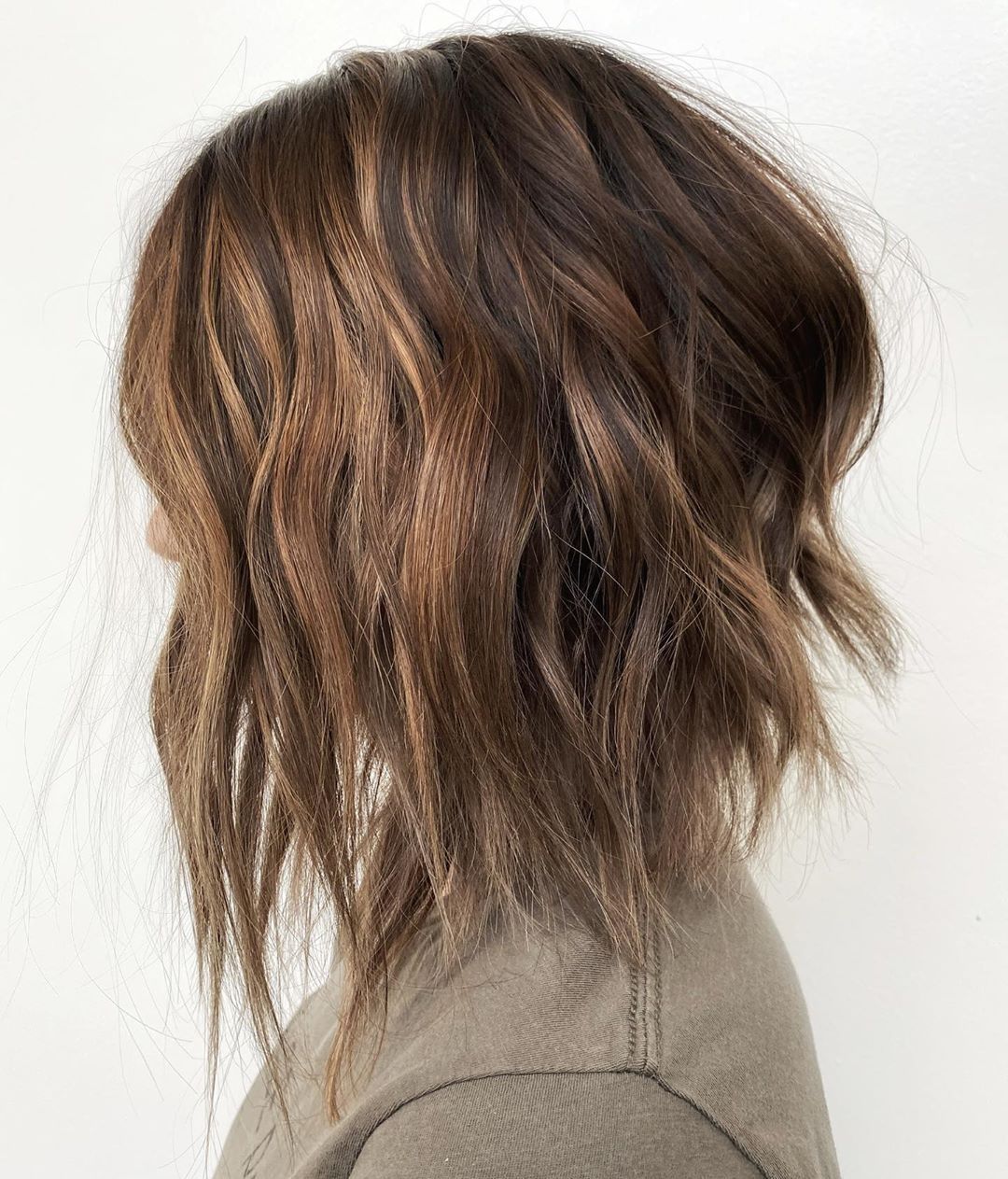
I have a confession: I used to think a dark brown angled bob was the safe choice. Then I saw this one with a subtle lighter brown highlight woven through the front, and I changed my tune. The dark brown warm balayage is the star here, a reverse balayage that keeps the base deep while the lighter pieces catch the light. It’s a dark brown warm balayage that works because the tone is warm, not brassy, and the length hits just past the chin. The texture is smooth and straight, which means it looks sharp for about five minutes before my fine hair remembers it exists. The subtle highlights are the real workhorses, though. They add dimension without screaming for attention, and they’re the reason this cut doesn’t look flat by 4 pm. If you have fine hair, ask for a dark brown warm balayage with the lightest touch at the ends. It’s the difference between a bob and a bob that does something.
Mid-Back Dark Brown With Warm Caramel Blonde Balayage
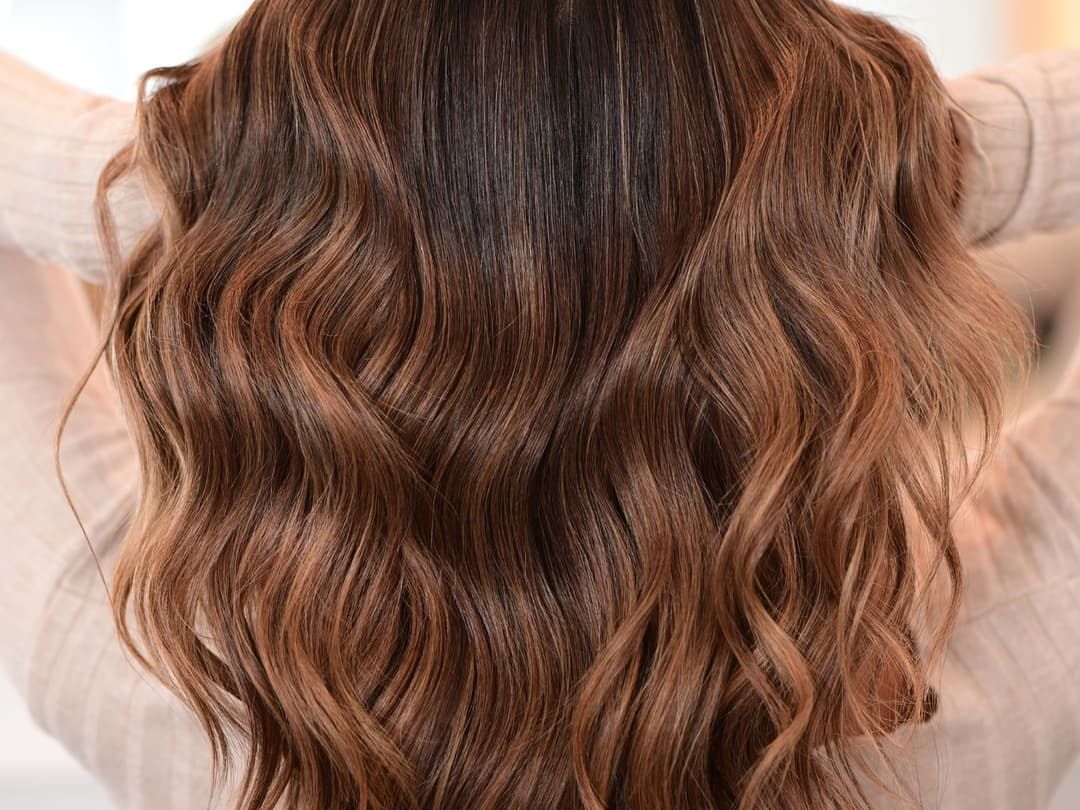
This is the colour I’d book for September, no question. The dark brown base runs from root to mid-back, and the warm caramel and blonde balayage starts low enough that my roots never feel like a betrayal. It’s a dark brown warm balayage that transitions from deep espresso into honeyed tones, and the effect is dimensional without looking like I tried too hard. The length is mid-back, which means the waves have room to move, and the texture is wavy and thick, so the colour shows off its layers. The tone is warm, leaning caramel rather than ash, which reads expensive against most skin. The subtle highlights are placed around the face to brighten, but the base does the heavy lifting. Grow-out is the real win here: I can go ten weeks between trims, and the dark root just looks intentional. It’s a warm balayage transition that survives a whole season, and it’s the reason I keep coming back to this formula.
Visual Idea
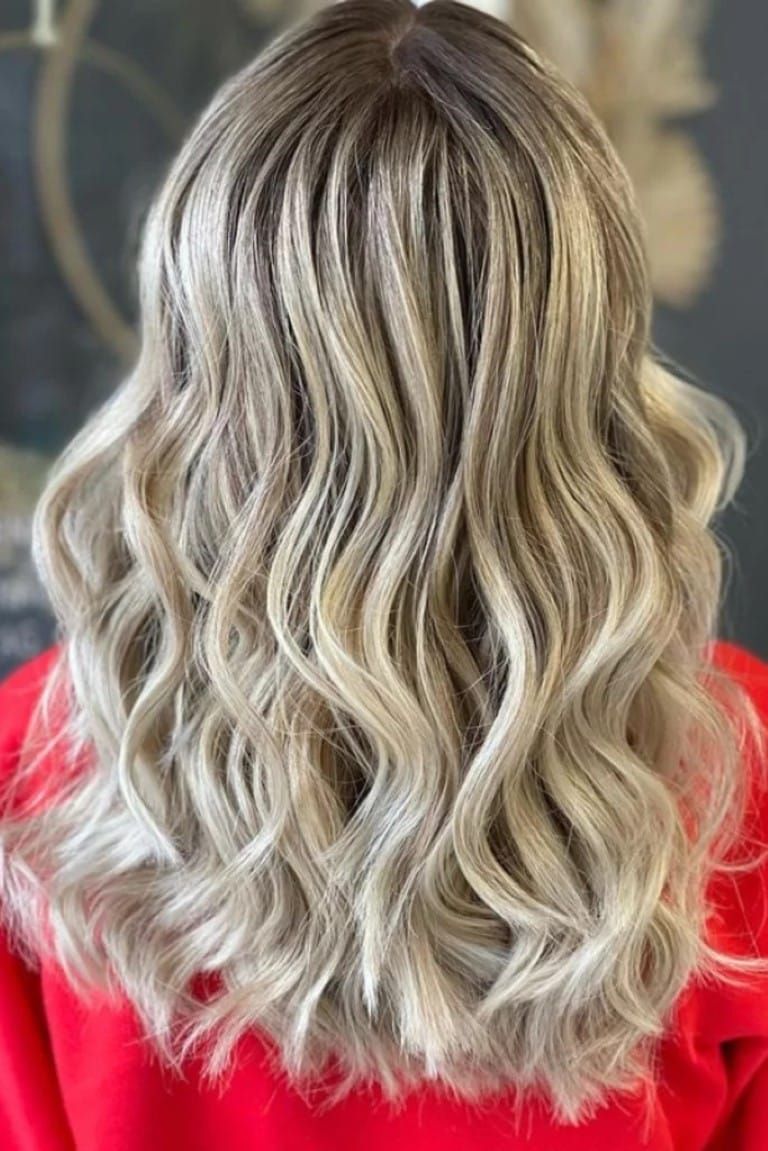
When did brown start looking this expensive? This chin-length bob with ash blonde balayage on a dark blonde base is the visual idea I keep circling back to. The colour is a dark brown warm balayage with ash blonde highlights that frame the face, and the tone is cool without veering grey. The length hits at the chin, which is a bold move for anyone who’s used to hiding behind longer hair. The texture is wavy and thick, so the bob holds its shape without falling flat. The standout is the contrast: dark roots that melt into ash blonde ends, a reverse balayage that gives the cut depth. It’s a dark brown warm balayage that works because the base and the highlights are close enough in depth to feel natural. The subtle lighter brown highlights add warmth, but they’re not the story. The story is the shape, and the shape is sharp.
Shoulder Visual Idea
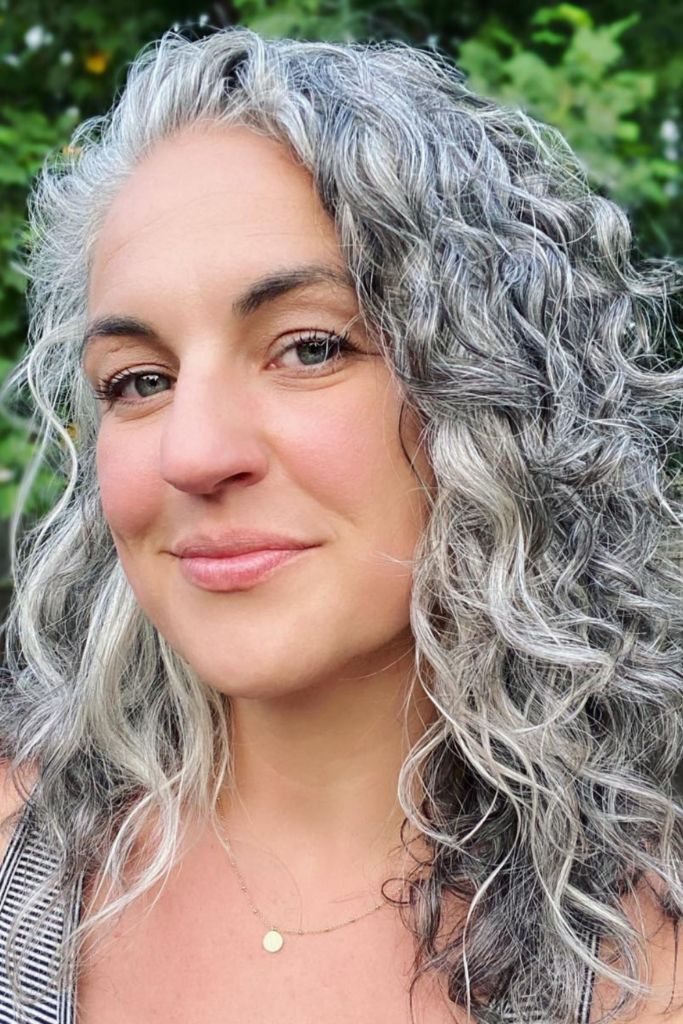
Let’s talk about the wavy bob with ash blonde root shadow, because this is the section where I admit I was wrong about grey. The base is a natural grey with subtle highlights, and the tone is cool, silvery, and surprisingly wearable. The length is chin-level, with waves that add volume to medium-density hair. The root shadow is the trick: it’s a reverse balayage that darkens the top, so the grow-out is a non-issue for weeks. The subtle highlights are lighter grey and silver, woven through the ends to catch the light. This is a dark brown warm balayage situation, but flipped: the base is light, the ends are lighter, and the contrast is soft. The texture is wavy and thick, which means the bob has movement without looking messy. If you have cool undertones, this silver-grey base will read as intentional, not ageing. It’s a visual idea that works because the tone is the point, and the tone is excellent.
Chin Visual Idea
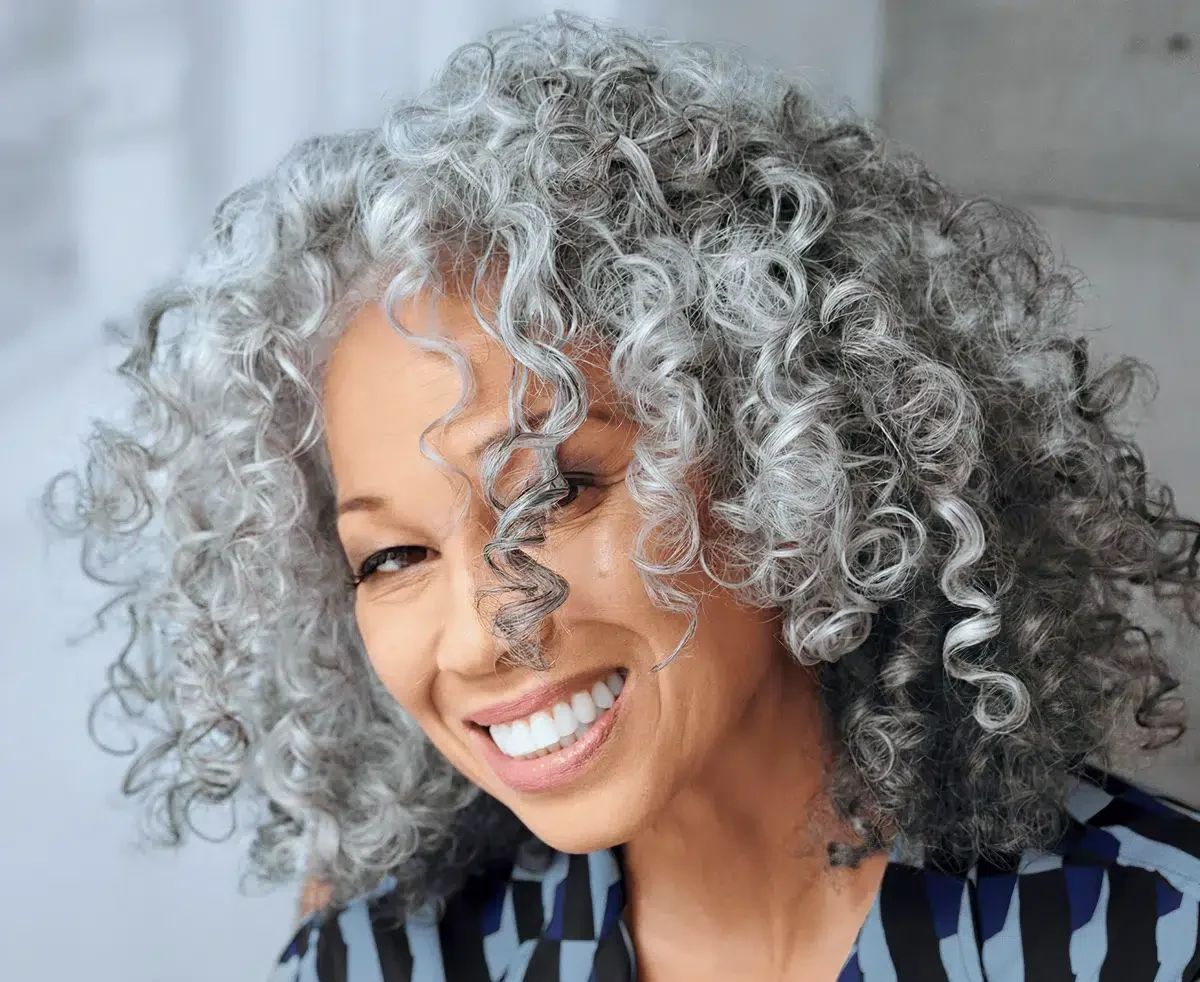
This is the section where I admit I was wrong about grey. The base is a natural grey with subtle highlights, and the tone is cool, silvery, and surprisingly wearable. The length is mid-back, with waves that add volume to medium-density hair. The root shadow is the trick: it’s a reverse balayage that darkens the top, so the grow-out is a non-issue for weeks. The subtle highlights are lighter grey and silver, woven through the ends to catch the light. This is a dark brown warm balayage situation, but flipped: the base is light, the ends are lighter, and the contrast is soft. The texture is wavy and thick, which means the bob has movement without looking messy. If you have cool undertones, this silver-grey base will read as intentional, not ageing. It’s a visual idea that works because the tone is the point, and the tone is excellent.
Mid-Back Visual Idea
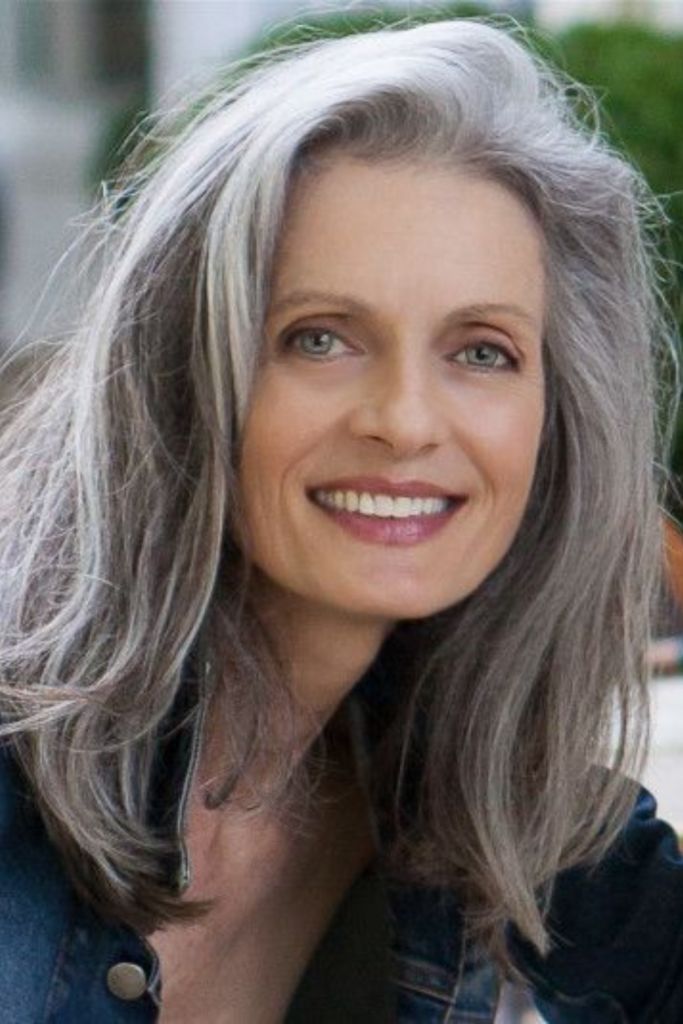
I am not usually a natural-grey apologist, but this one has me reconsidering. The base is a true, unbleached grey, and the lighter grey highlights are painted in so softly they read as sun-bleached rather than salon-done. The length hits mid-back, and the straight, thick texture keeps the colour from looking flat. A middle part and subtle waves give it movement without fighting the dimension. Compare this to the more artificial grey dyes I see everywhere, the ones that land ashy and uniform. This one breathes. The layers are long and gentle, no bangs, just a clean front view that lets the colour do the work. It is natural grey with actual depth, and that is harder to achieve than it looks.
The key is the technique. A solid grey base with lighter grey highlights painted in a graduated pattern, so the ends catch the light before the roots do. On thick, straight hair, that contrast reads as deliberate, not accidental. No bangs, a middle part, and subtle waves to break up the density. It is grey, but not the flat grey I have seen on every other person who tried this at home.
Lob Visual Idea
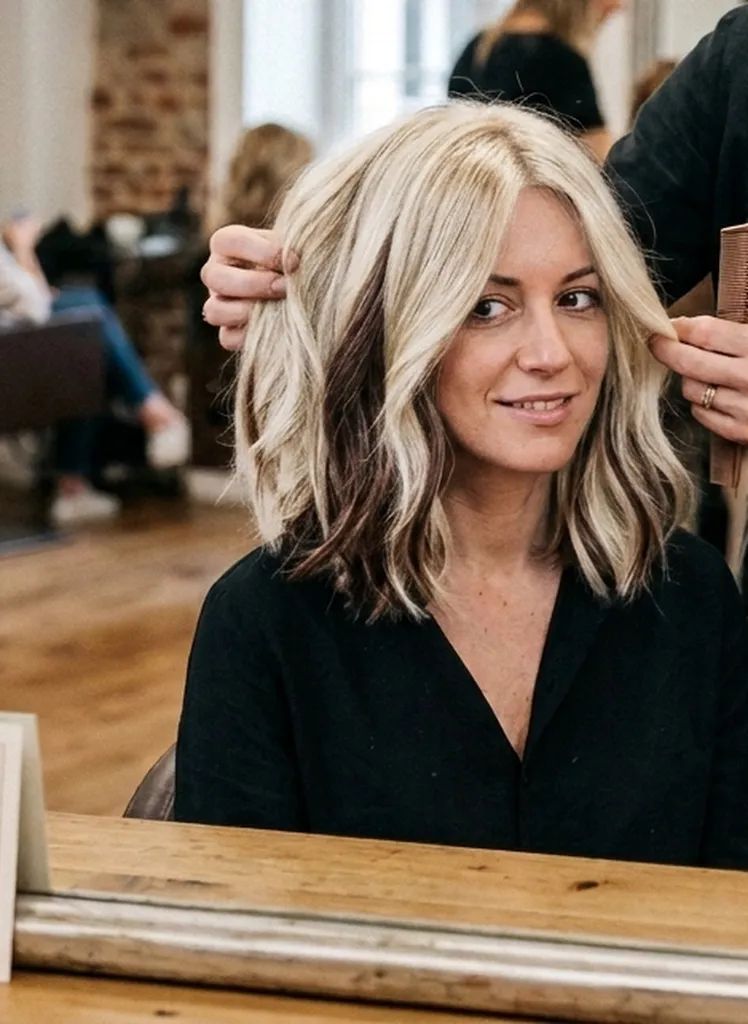
Can you get chunky highlights without looking like a 2000s throwback? Yes, if the base is a deep blonde and the chunks are dark brown and blonde, not platinum and black. This lob hits chin length, wavy and medium density, and the bold contrast between the dark and light strands is the whole point. A middle part and no bangs keep it modern. This is a salon job, not a DIY. The chunky placement needs a stylist who knows where to drop the dark pieces so they frame, not overwhelm. The time investment is real, but the payoff is a lob that actually has movement.
Long Layers Visual Idea
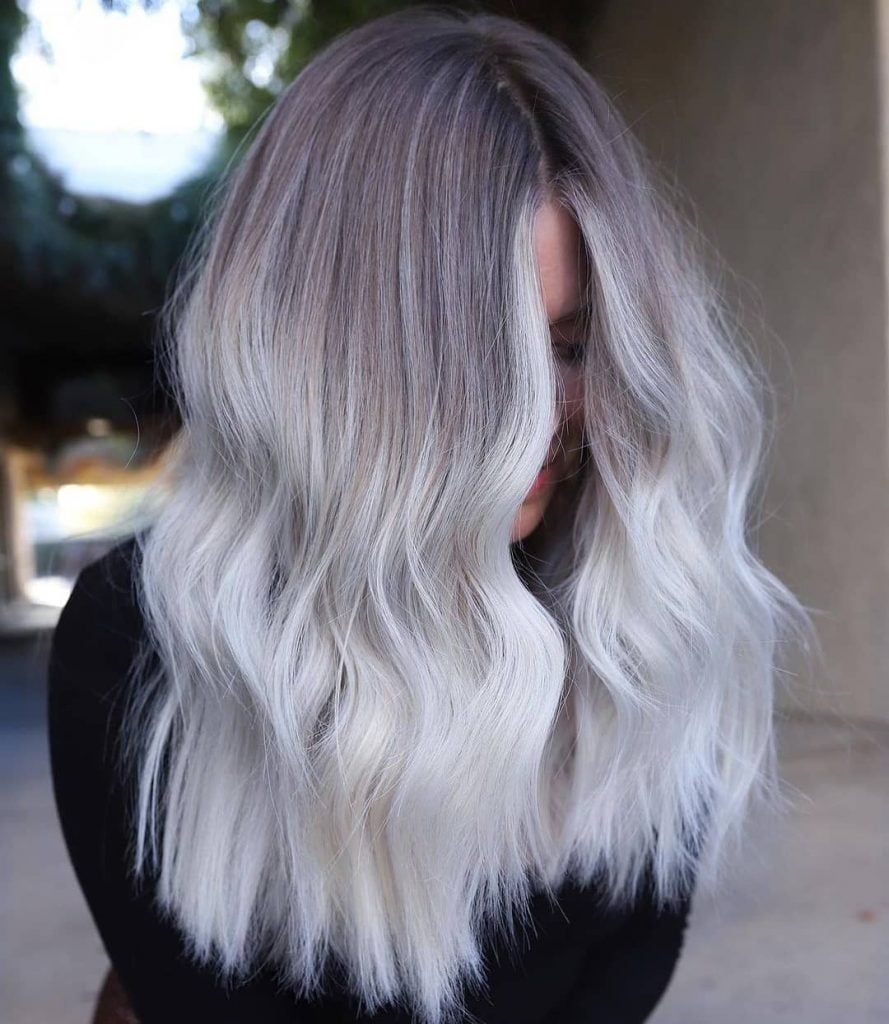
The balayage here is painted freehand, starting mid-shaft and getting denser toward the ends. The base is dark brown, and the highlights are ash blonde and grey, so the contrast between the dark roots and the lighter ends is sharp but not harsh. Mid-back length, wavy texture, medium density, a middle part, no bangs. The back view shows how the colour stacks: darker at the crown, lighter at the hemline. That is the balayage technique at work, a graduated lift that mimics natural sun exposure.
Upkeep is straightforward. A purple shampoo once a week keeps the ash tones from turning brassy. A deep conditioner every other wash protects the ends from drying out. A trim every ten weeks to keep the layers from splitting. That is it. The grow-out is invisible because the roots are already dark.
Dark Brown Base With Blonde Highlights Visual Idea
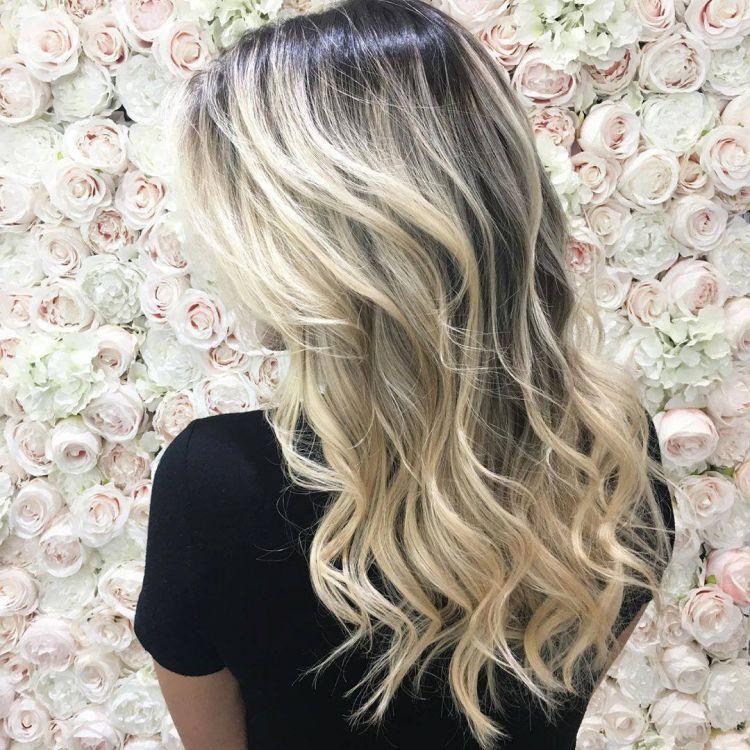
This is the year-round colour that does not need a season to justify it. The base is dark brown, and the blonde highlights are painted in thick sections from mid-shaft to end, so the contrast between the dark roots and the blonde ends is the whole story. Mid-back length, wavy and thick, a middle part, no bangs. The back view shows how the colour wraps around the layers, catching light from every angle. It is not a summer blonde or a winter brunette. It is both, simultaneously, and that is what makes it versatile. The dark roots ground the look, the blonde ends lift it. No toning schedule, no seasonal switch. Just a solid base with highlights that work in any light.
The technique is straightforward. The stylist paints the blonde highlights freehand, keeping them concentrated on the mid-lengths and ends. The roots stay dark, so the grow-out is invisible. The thick, wavy texture helps the colour blend naturally. A middle part and no bangs keep the focus on the contrast. It is a low-maintenance colour that reads as intentional, not accidental.
Ear Visual Idea
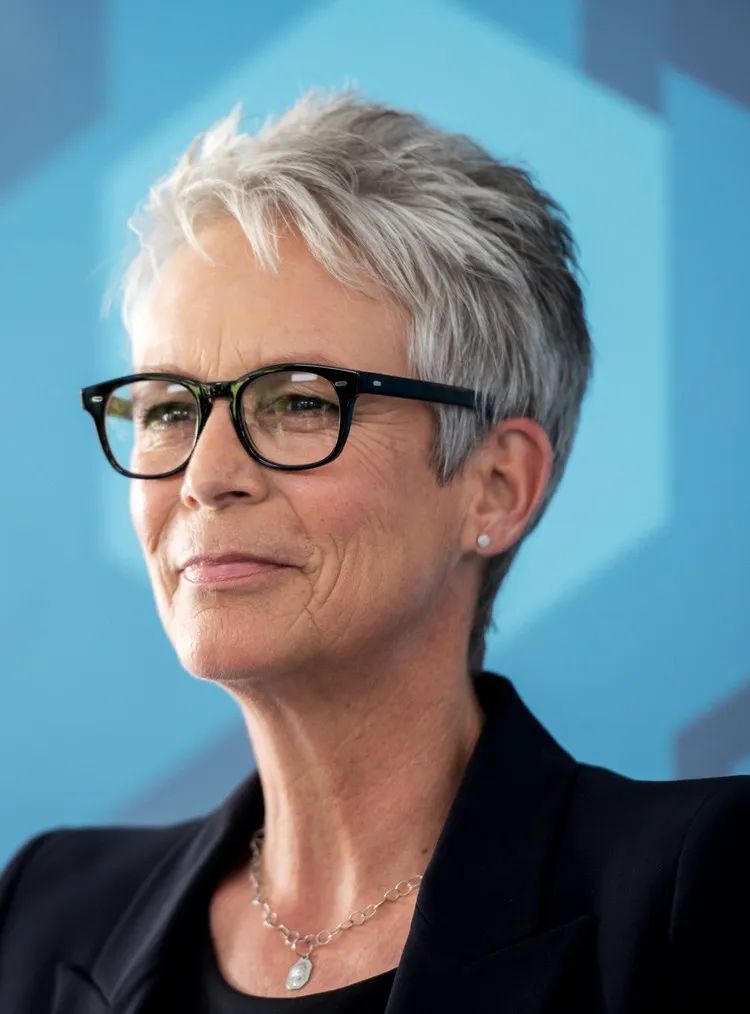
Does a pixie with grey tones work on fine, straight hair? Yes, if the blend is soft enough. This one is a silver grey base with subtle lighter grey and white tones, painted in so the colour reads as dimensional, not flat. Ear length, short and textured bangs swept forward, a side part. The fine texture actually helps here: the lighter tones catch the light without overwhelming the base. The honest downside is the upkeep. A pixie needs a cut every four weeks, and the grey tones need a purple shampoo every wash to stay cool. But if you want a short cut that does not read as severe, this soft blend is the answer. It is grey, but it is not old. It is silver, but it is not cold.
Curtain Bangs Visual Idea
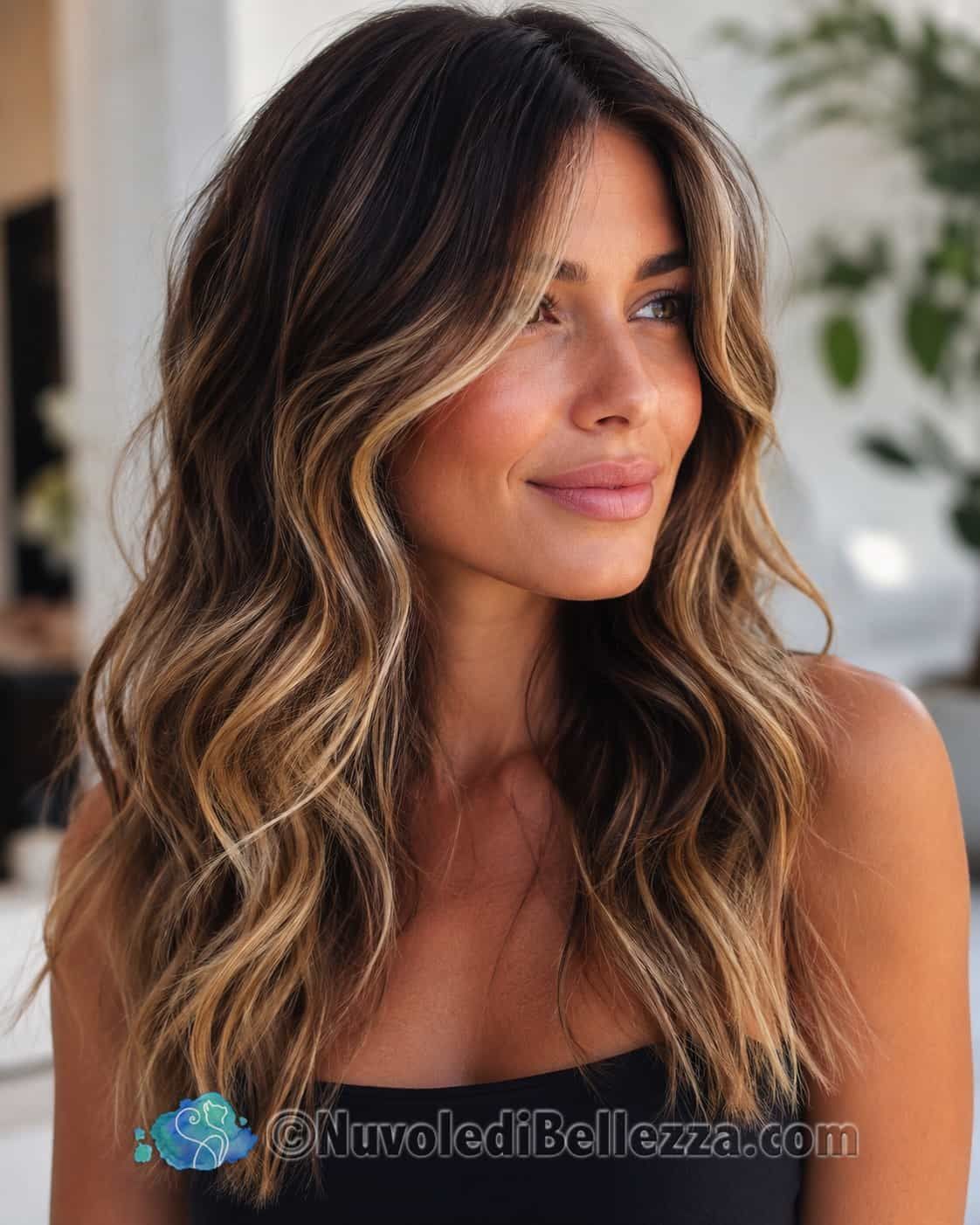
Monday morning, and those curtain bangs are already plotting against me. The dark brown base with blonde balayage is a reverse balayage technique that adds depth, but the bangs are the real project. They need a round brush and a cool shot of air every single day, no shortcuts. The tone stays ashy, the waves hold for a lunch meeting, then they soften. Mid-back length and medium density mean the layers catch light without looking thin. This is a dinner-out look, not a desk-job default.
Side Swept Bangs Visual Idea
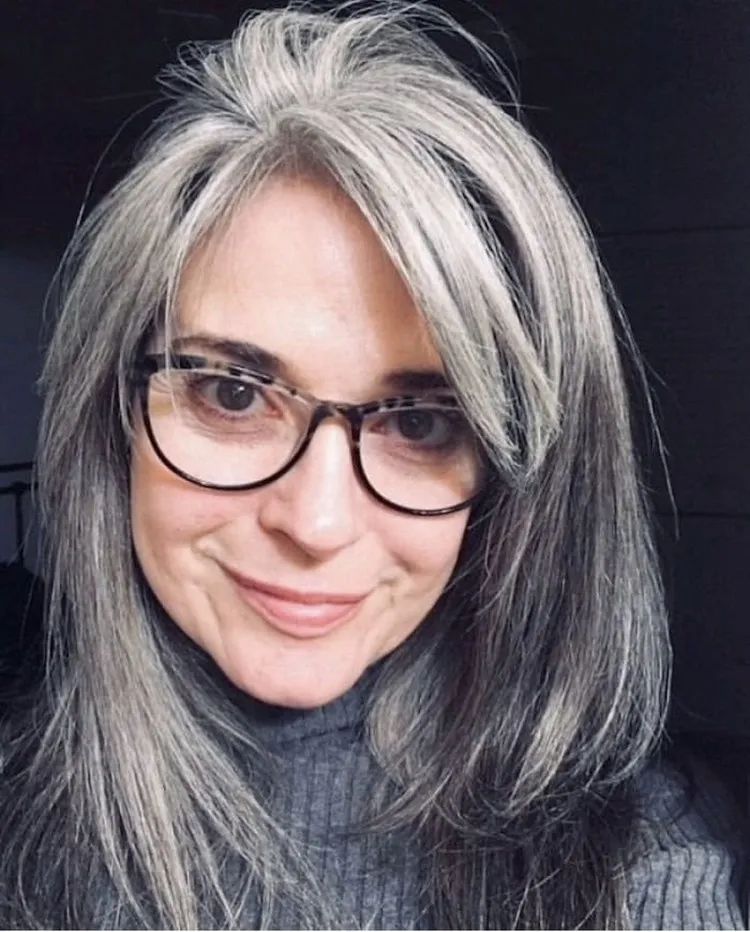
I made the mistake once. I asked for a grey base with white and silver highlights and thought the side swept bangs would blend themselves. They did not. The striking contrast between the dark grey and bright white strands needs a soft root shadow, not a hard line, or it reads like a skunk stripe. The reverse balayage technique here is key: the darker roots fade into the lighter ends, so the contrast lands intentional instead of accidental. Long layers keep the thick texture from puffing, and the side part hides the grow-out for an extra week. A purple shampoo every third wash keeps the silver from turning brassy. That is the upkeep trade-off for this kind of drama.
Bob Layers Visual Idea
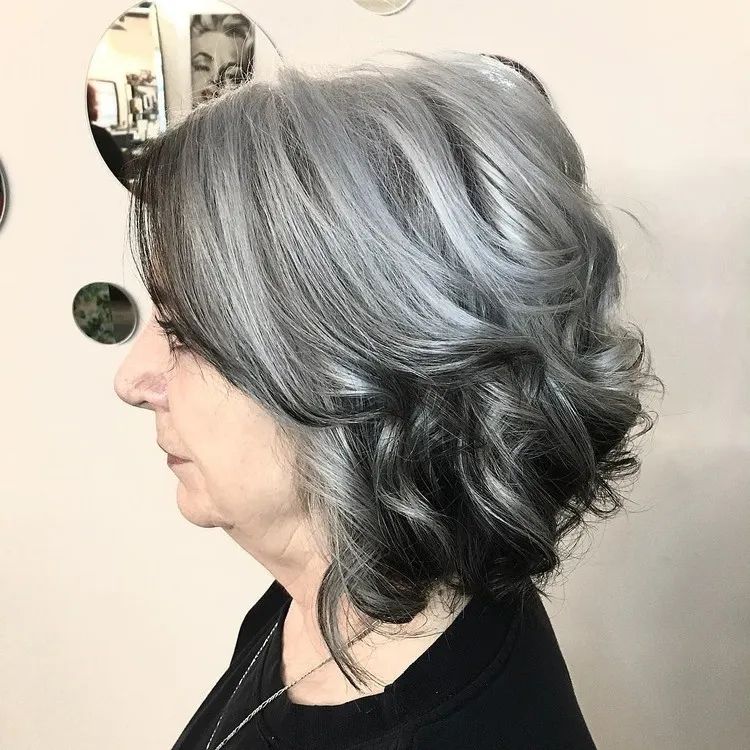
This is not a bathroom-mirror job. The grey and white contrast with dark roots and subtle blue undertones takes a stylist who understands tone placement, period. The reverse balayage technique starts at the root and fades down, so the chin-length bob reads dimensional instead of flat. Thick, wavy texture needs those layers cut dry, not wet, or the curl pattern fights the shape. Side bangs soften the line, but the real work is in the colour: the blue undertones cancel warmth, so the grey stays cool for weeks. Book the consultation first.
Natural Grey With Subtle Silver Balayage Visual Idea
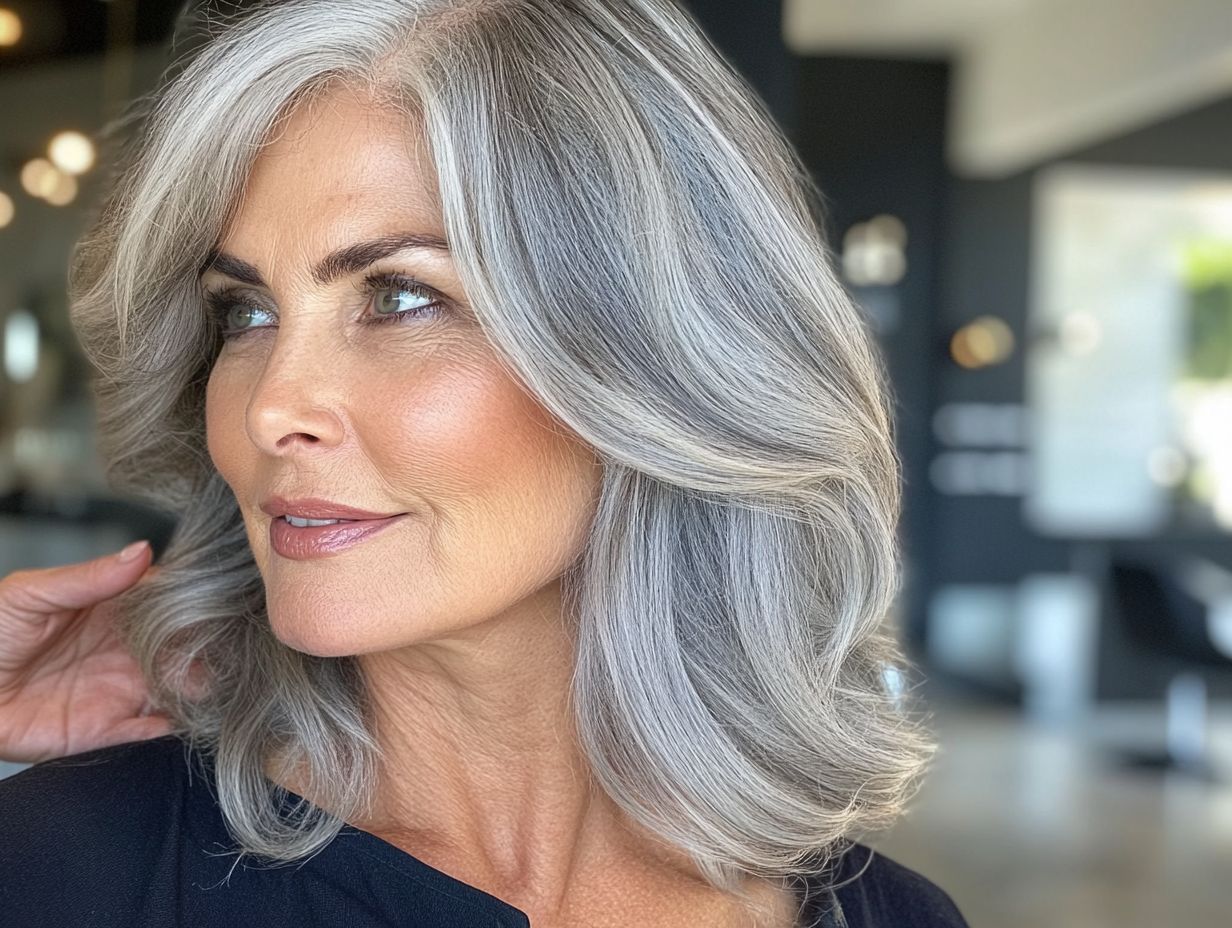
How much time and money are you willing to spend on looking natural? Because this shoulder-length bob with natural grey and subtle silver balayage is not low-maintenance. The sophisticated silver tones require a gloss every six to eight weeks, and the reverse balayage technique means the darker root is painted on, not grown in. Fine, wavy texture shows every fade, so the tone needs refreshing before you think it does. The honest downside: the silver can pull yellow if you skip the purple shampoo routine. It is a beautiful look, but it asks for regular chair time and a disciplined shelf.
Collarbone Visual Idea

The ash blonde base starts darker at the root and shifts to a subtle blue-grey highlight at the ends. That is the reverse balayage technique: the lightest pieces sit at the perimeter, not the top. Collarbone length and straight, thick texture mean the layers stack cleanly without flipping out. The blue-grey tone needs a professional hand because one wrong section reads as muddy, not cool. A middle part widens a round face, so this works best with an oval or heart shape. Salon only, no box dye can land this kind of precision.
Layers Visual Idea
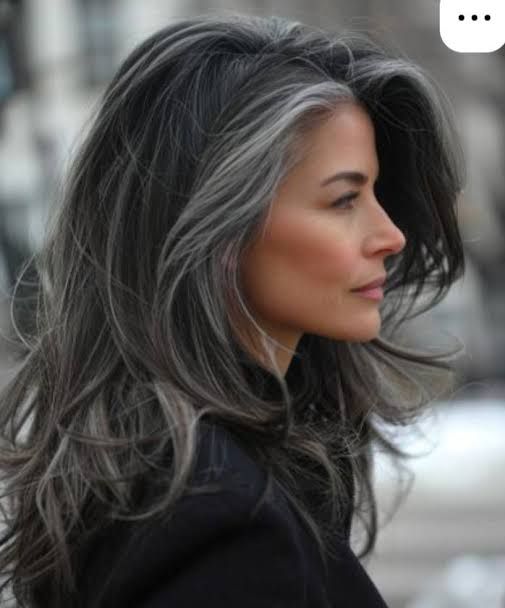
Can a dark grey base with silver and white highlights really shift with the seasons? This mid-back length, thick wavy hair says yes. In winter, the cool silver reads crisp against grey coats and low light. Come spring, the white highlights catch the sun differently, softening the whole thing into something almost warm. The middle part and loose waves keep it from feeling severe. No bangs here, which means the layers do the work of framing the face. For summer, ask your stylist to weave in a few extra silver pieces near the front. Come fall, a toner with a touch of violet keeps the grey from turning muddy. It is not a one-season colour, it is a four-season commitment.
The upkeep is real. A gloss every six to eight weeks keeps the silver from yellowing. The layers need a trim every ten weeks or the shape collapses. Thick hair carries this best, fine hair would need more density at the ends to hold the wave pattern. But if you have the texture and the patience, this colour bends to any season you throw at it.
Grey Base With Lighter Grey Highlights Visual Idea
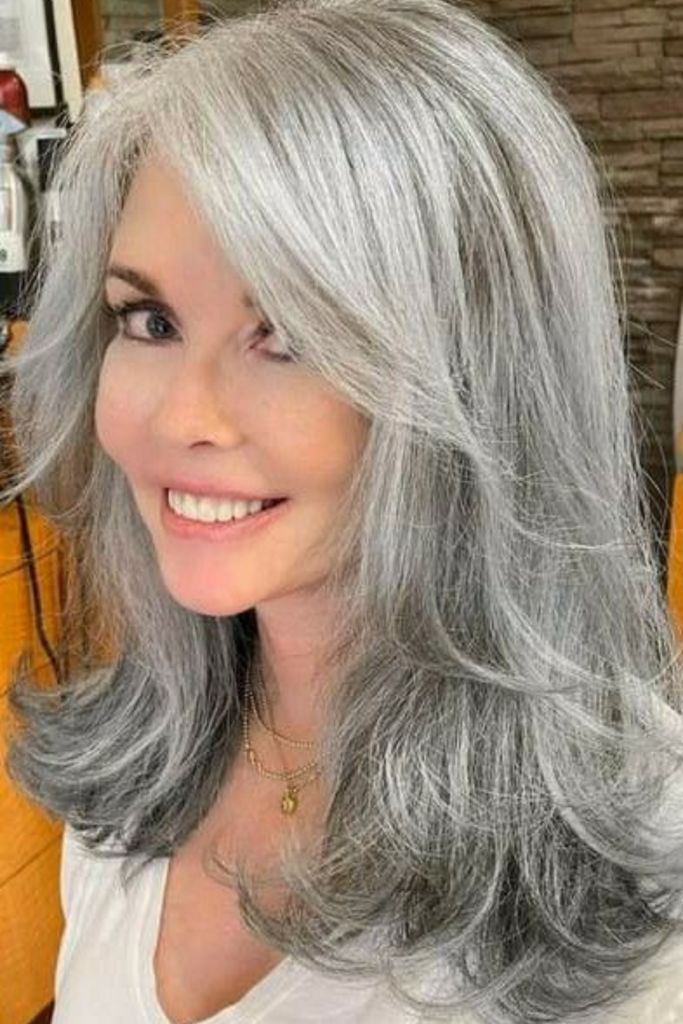
This is the grey that actually works on most people. Shoulder length, wavy and thick, with a side part and side bangs that soften the whole thing. The base is a natural grey, not a flat silver, and the lighter grey highlights are painted in to add dimension without looking stripey. The layered blowout gives it movement, which matters because grey can read flat without texture. It suits oval and heart face shapes best, the side bangs break up a long forehead and the layers add width at the cheek. Medium to high density hair holds the shape, low density would lose the lift at the crown by noon. The colour itself is low maintenance, the grow out blends into the natural grey, but the cut needs a trim every eight weeks to keep the layers defined. A solid choice if you want grey without the guesswork.
No Bangs Visual Idea
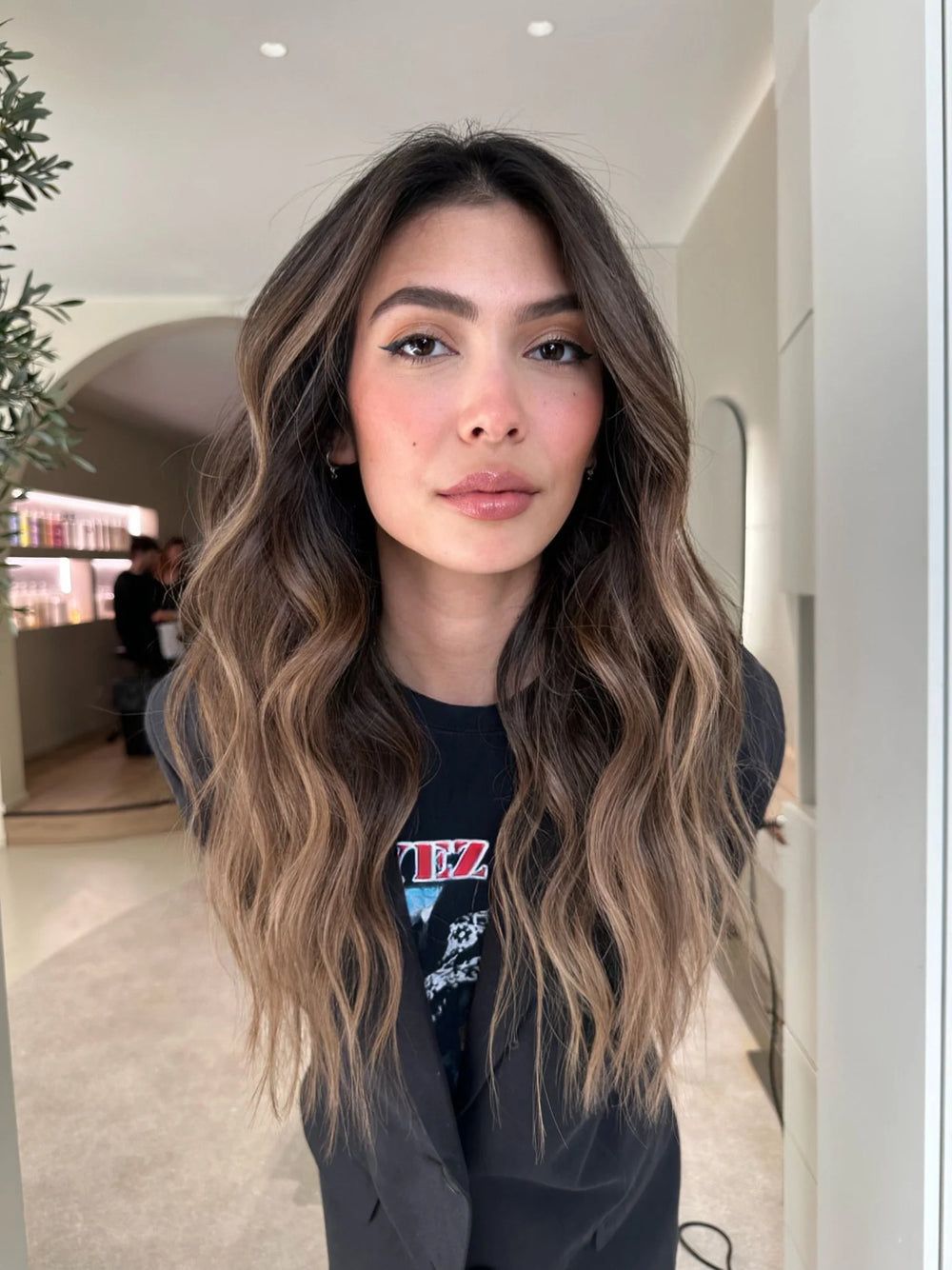
That blend of warm honey and cool ash blonde on a dark brown base is why I keep coming back to balayage. Mid-back length, wavy and medium-thick, no bangs, middle part, loose waves. The seamless transition between tones is the whole point, it looks like the sun did it, not a brush. But here is the honest downside. Maintaining that seamless blend takes work. The warm honey pieces will fade warmer, the ash blonde will pull cooler, and after six weeks the contrast starts to separate. A toner appointment every eight weeks keeps the two tones from fighting each other. The waves also need a heat protectant and a curling iron, air drying will not produce that soft S-wave pattern. If you are willing to style it and tone it, this is a stunner. If you want wash and wear, skip this one.
Final Thoughts
After writing all of these, I noticed the pattern: the ones I actually want to book are the ones where the dark base does the heavy lifting. The caramel-on-dark-brown lob with curtain bangs is the one I keep coming back to. It’s not a trend, it’s a low-maintenance confession.
- Root shadow every ten weeks, not twelve.
- Tone the blonde at week six, before it turns brassy.
- Trim the baseline every eight weeks to keep the shape.
- Ask for a soft melt, no visible line.
- Skip the bleach bath if your hair is already porous.
