

Bronde hair splits the difference between blonde and brown like a negotiator who gets both parties to agree. Dimensional, dark, ash, and warm versions all share the same parent shade, but each lands somewhere different on the blonde-brown spectrum.
This collection of 18 Trendy Bronde Hair ideas covers low-upkeep root-shadowed looks, high-contrast highlights, and everything in between. Fine hair that flattens by lunch, a grow-out line that shows too soon, or a fringe that refuses to behave, each section solves one of those problems with a specific tone and technique.
Warm Honey Bronde Balayage With Curtain Bangs
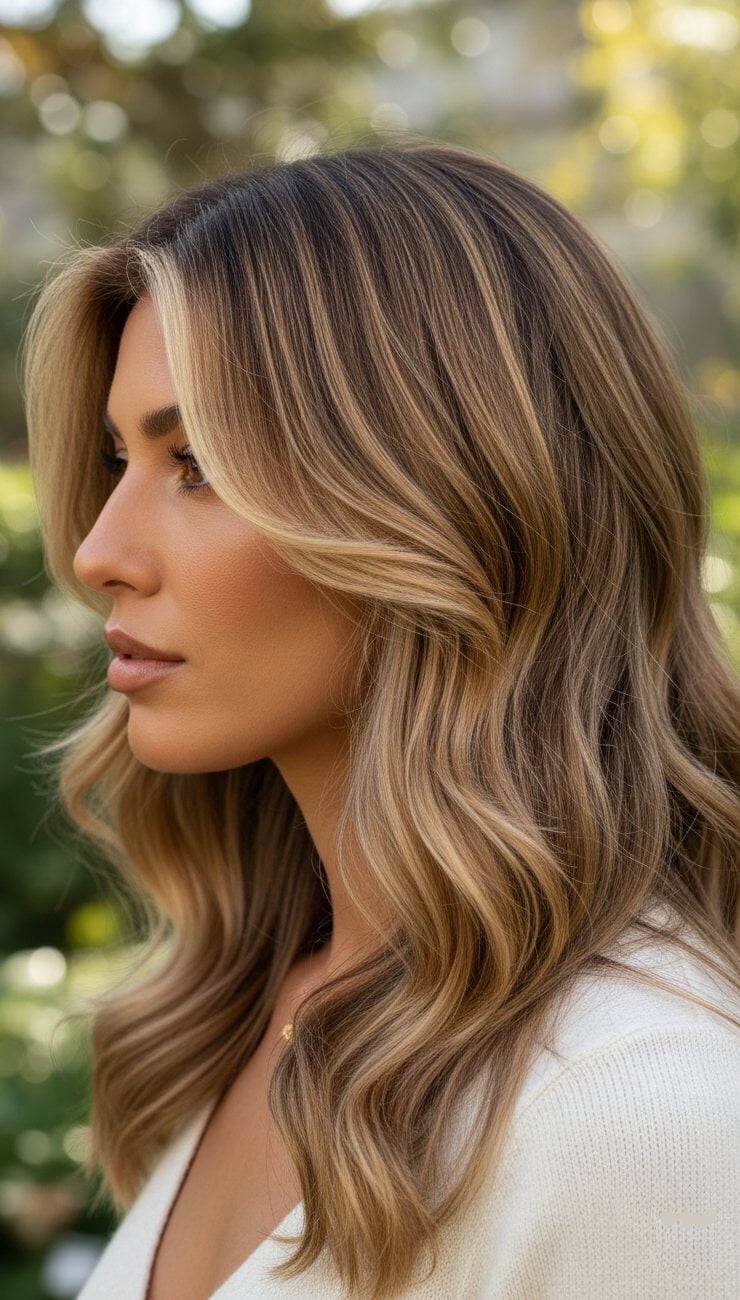
A warm honey bronde balayage starts darker at the roots and melts into buttery lighter pieces toward the ends, which is why it reads as a grown-up version of sun-in highlights. The mid-back length, thick wavy texture and curtain bangs are all working together to show off the dimension, not fight it. Ask your colorist for: mid-back warm honey bronde balayage with curtain bangs.
The technique requires a salon visit, because hand-painted balayage needs a steady eye to place each ribbon of color where natural light would hit. A large barrel curling iron gives the waves the polished bend they need to catch the warm tones. Curtain bangs will need a trim every four to six weeks to stay out of your eyes.
Dark Bronde With Root Shadow Balayage
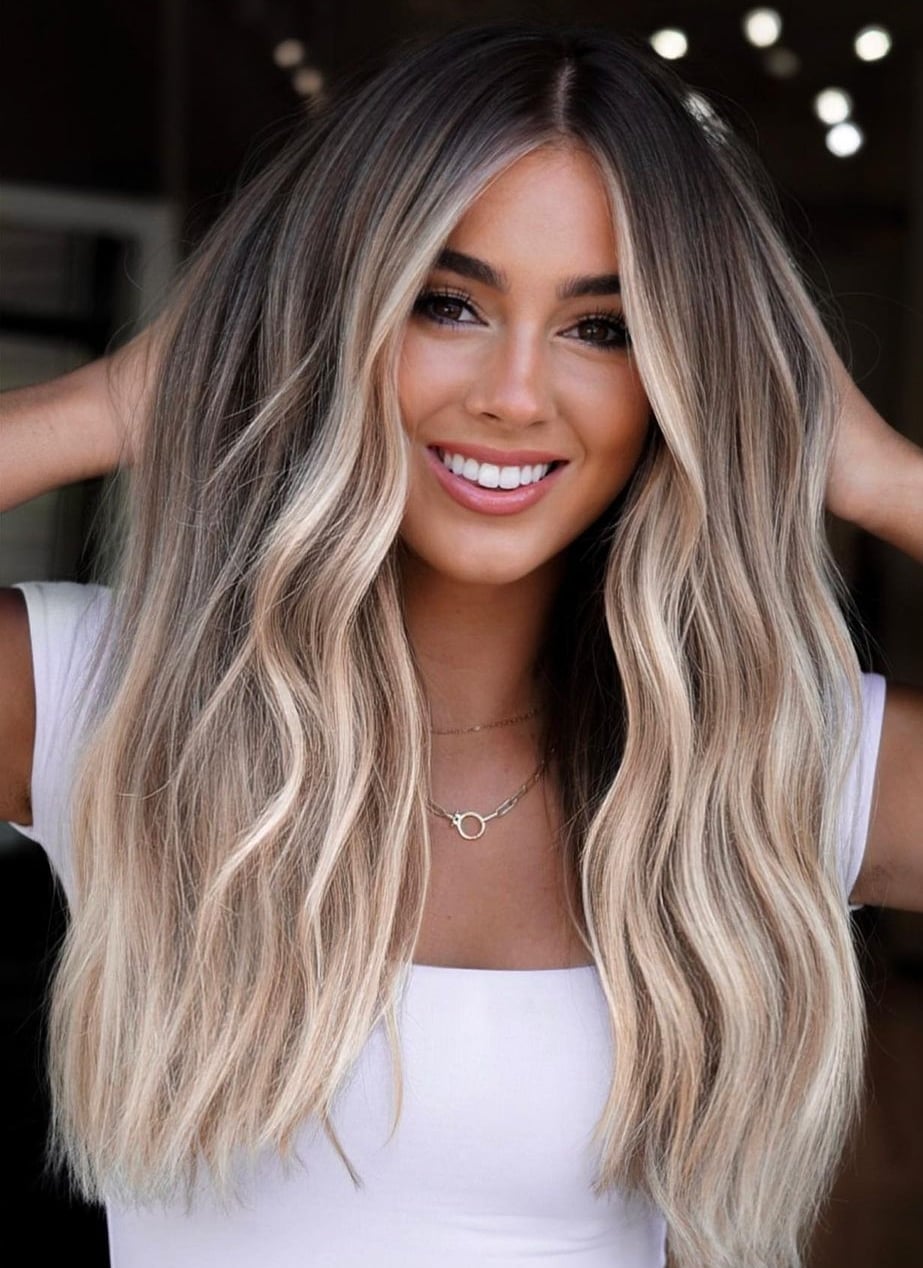
The root shadow creates a darker base at the scalp that softens into a dark bronde balayage, so there is no hard line when regrowth appears. The mid-back length, thick wavy texture and middle parting keep the look balanced. Thick, wavy hair at mid-back length suits most face shapes, and the root shadow adds depth without feeling heavy.
Between toning appointments, a root-concealing spray can buy you an extra week or two of clean lines. The balayage itself will fade gracefully, but a toner refresh every six to eight weeks keeps the dark bronde from reading as flat brown. A trim every eight to ten weeks maintains the shape.
Collarbone Bronde With Low-Contrast Highlights
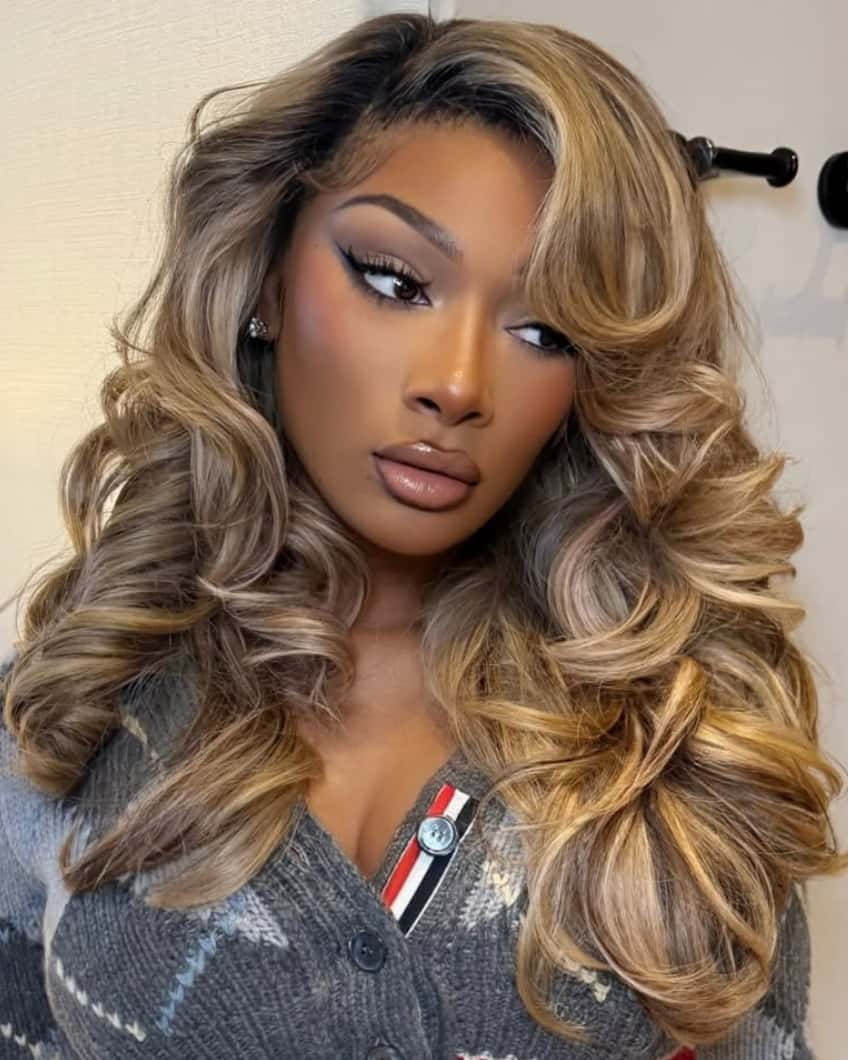
Low-contrast highlights sit close to the base shade, so the collarbone-length cut reads as a warm bronde with sunlight woven through it rather than a stripey highlight job. The soft waves, middle part and curtain bangs keep the look modern. Thick, wavy hair at collarbone length works well here, and curtain bangs soften round and heart faces.
Ask your colorist for: collarbone warm bronde low-contrast highlights with curtain bangs. A texturizing spray on damp hair before diffusing gives the soft waves their hold without crunch. The baseline needs a trim every six to eight weeks to keep the ends from splitting, but the low-contrast technique means the color grows out naturally.
Sunlit Bronde With Luminous Highlights
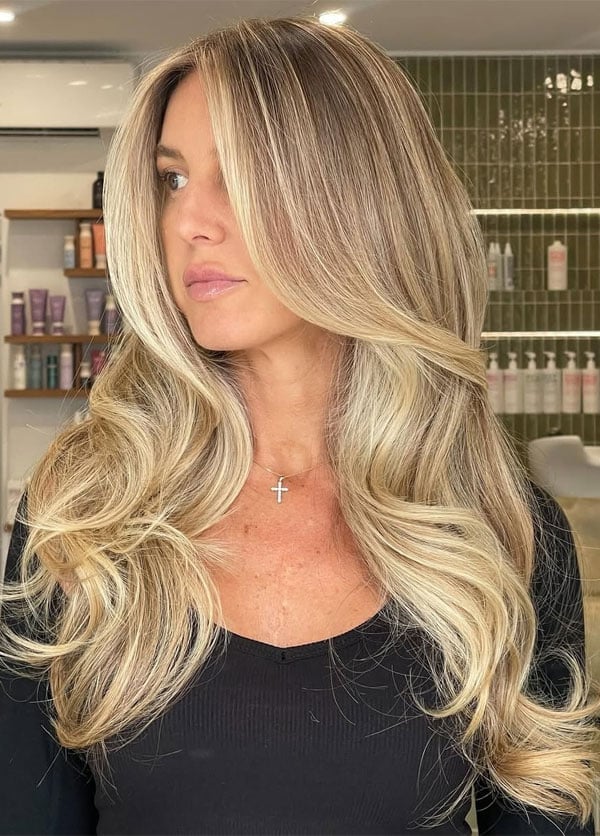
This is not a heavy highlight job; it is a sunlit bronde where lighter blonde pieces are woven through the mid-back length to catch light like real sun exposure. The voluminous waves, subtle layers and middle parting create movement that makes the luminous effect read from every angle. Thick, wavy hair at mid-back length suits most face shapes.
Ask your colorist for: mid-back sunlit bronde with luminous blonde highlights. A volumizing mousse on damp roots before blow-drying gives the lift needed to highlight the lighter strands. This is a summer color, but it transitions into fall with a single toner adjustment. A trim every eight to ten weeks keeps the ends healthy.
Dimensional Bronde Balayage With Curtain Bangs
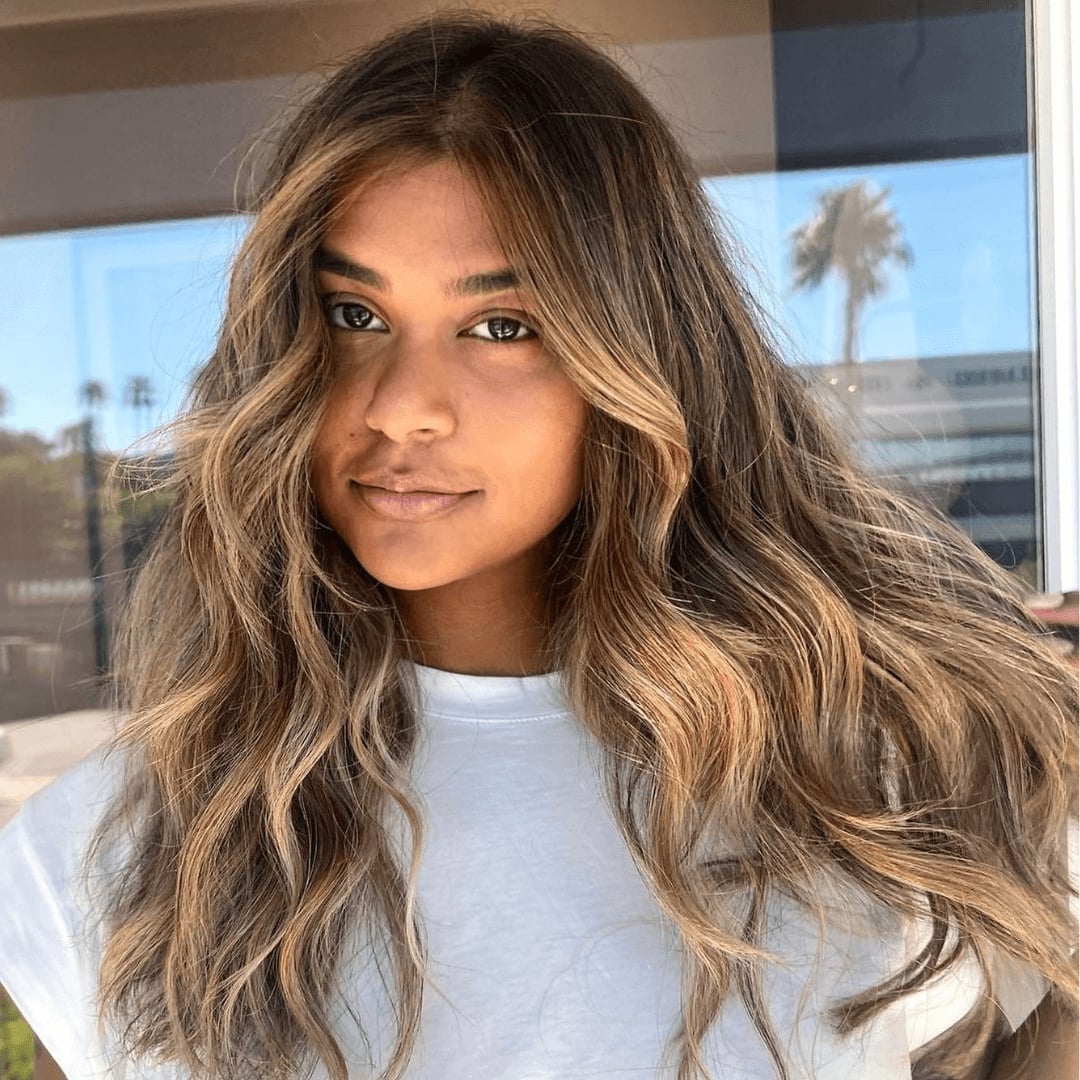
A dimensional bronde balayage uses multiple warm tones instead of one flat shade, so the mid-back length loose waves read as three or four colors at once. The curtain bangs and face-framing layers pull the lighter pieces forward, creating a halo effect around the face. Thick, wavy hair at mid-back length works best, and the curtain bangs soften round and heart faces.
Ask your colorist for: mid-back dimensional bronde balayage with curtain bangs. This is a salon-only technique; a box color cannot layer tones the way a balayage does. A smoothing serum on dry hair controls frizz without flattening the waves. The baseline needs a trim every six to eight weeks, but the color grows out naturally with no hard line.
Dark Brown Base With Ash Blonde Highlights
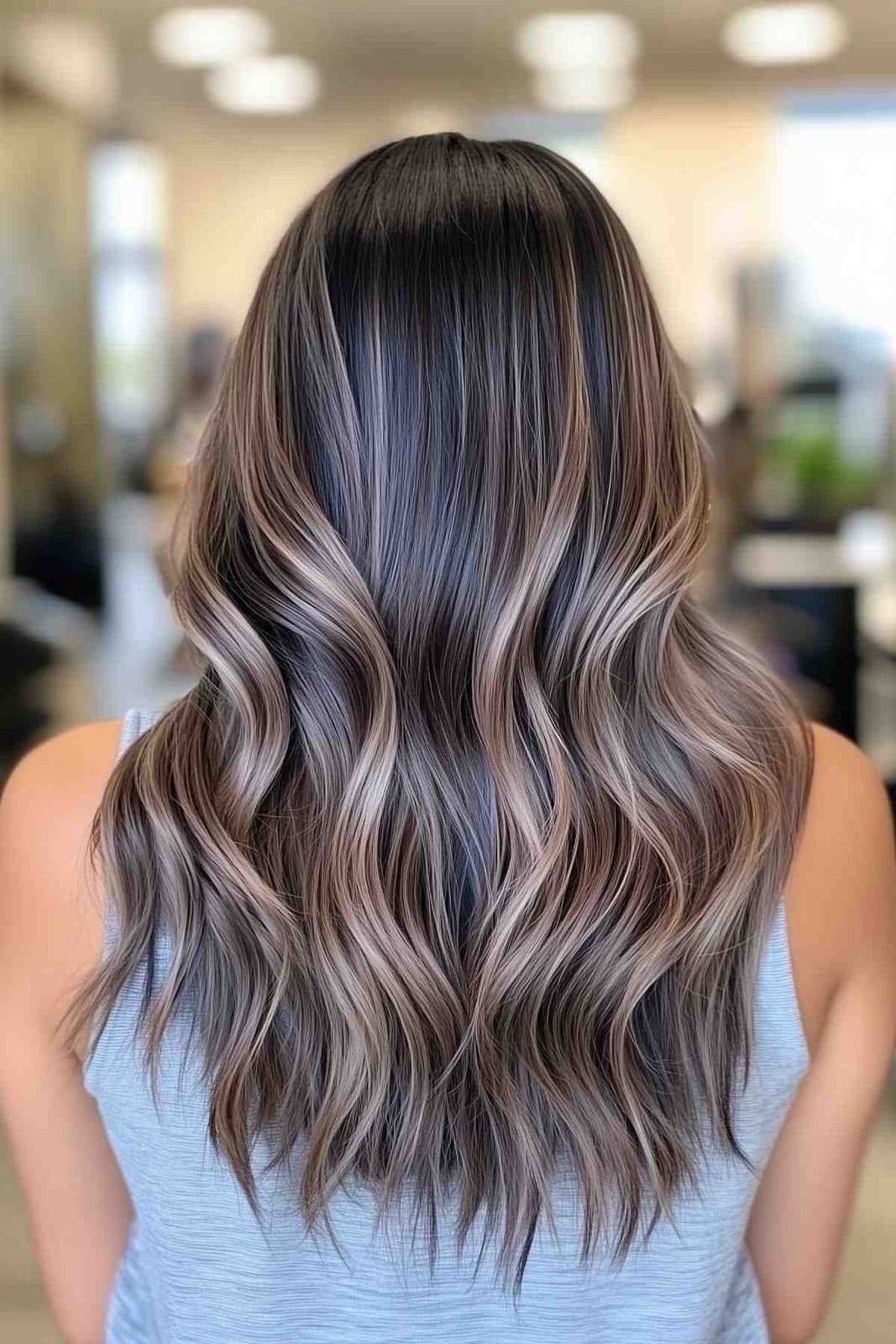
Ash blonde highlights on a dark brown base create contrast that looks planned. The mid-back length, thick, wavy hair uses a middle parting and loose waves to show off the dimensional effect. Ask your colorist for: mid-back dark brown base with ash blonde highlights. This color works best on hair starting at mid-back length with enough weight to carry the waves. Upkeep requires a purple shampoo every other wash to avoid brassiness, and you are looking at a toning appointment every six to eight weeks.
Neutral Bronde With Low-Maintenance Balayage
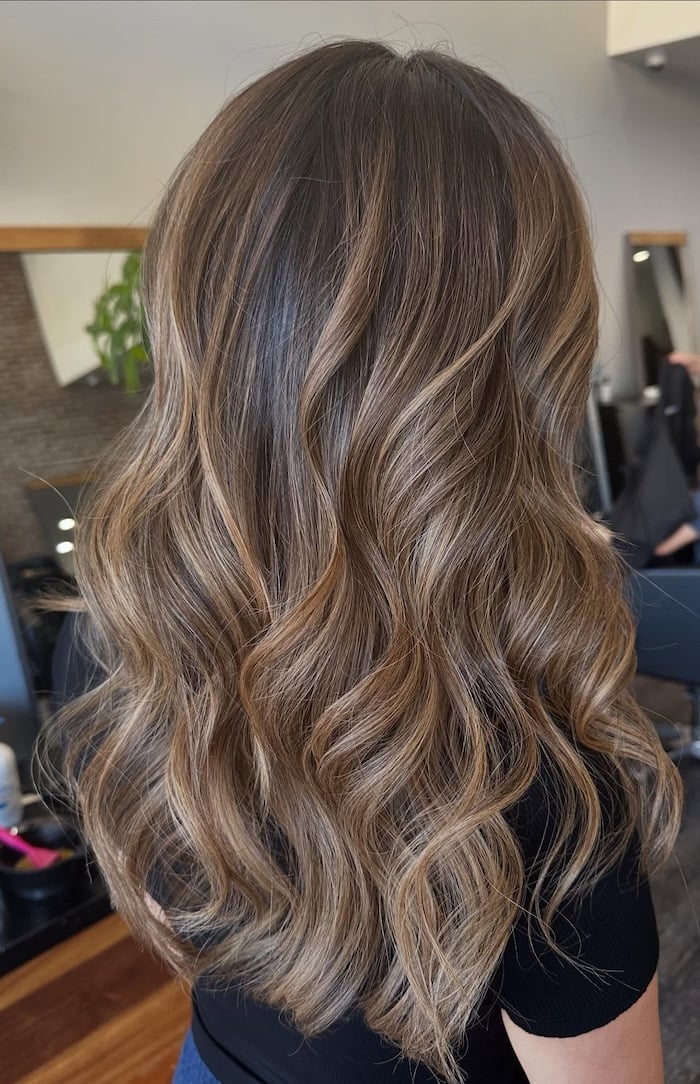
The balayage technique here is painted freehand from mid-lengths to ends, leaving the root area untouched so the grow-out stays soft for months. On mid-back, thick, wavy hair with a middle parting, the neutral bronde shade lands somewhere between warm and cool, no leaning too hard in either direction. Ask your colorist for: mid-back neutral bronde with low-maintenance balayage.
Styling this one is straightforward. Start with damp hair and apply a heat protectant, then rough-dry until 80 percent dry. Finish with a texture spray on the mid-lengths and ends, and let the natural wave do the work. A few face-framing pieces get a quick pass with a flat iron for polish.
Warm Bronde With Caramel Highlights
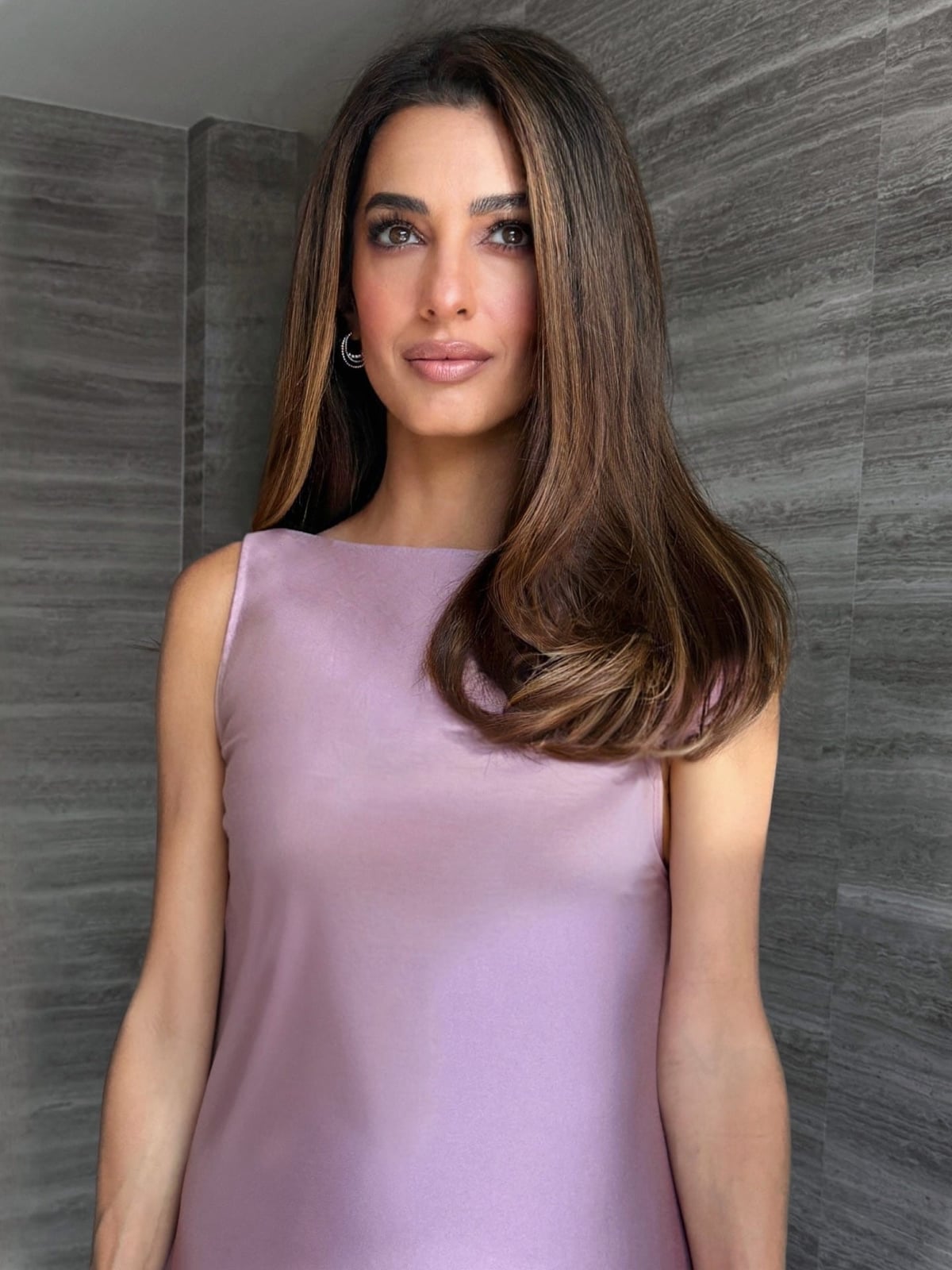
How do you get that specific warm glow without tipping into orange territory? The key is a warm bronde base with caramel highlights that are painted slightly finer near the roots and heavier toward the ends. This mid-back length hair uses a middle parting and a smooth blowout with soft waves to show the contrast. Ask your colorist for: mid-back warm bronde with caramel highlights. The caramel pieces should be a shade or two lighter than the base, not a full jump to blonde, so the blend stays seamless. Thick, wavy texture starting at mid-back length gives the highlights enough surface area to read clearly without looking stripey.
Cool Bronde With Ash Tones
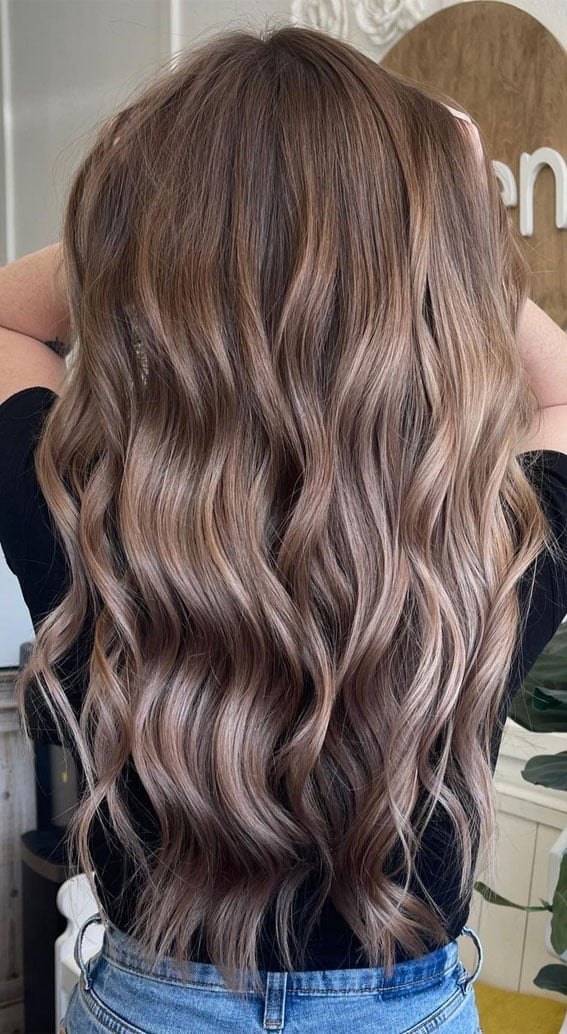
A cool bronde with ash tones works best on hair that already has a neutral or cool underlying pigment. The mid-back length, thick, wavy hair here uses loose, flowing waves to let the subtle lighter pieces show. Ask your colorist for: mid-back cool bronde with ash tones. If your natural base runs warm, your colorist will need to pre-cool it before applying the ash tones, which adds chair time. This shade suits thicker textures well because the density prevents the ash from reading as flat or muddy.
Dark Bronde With Lighter Highlights
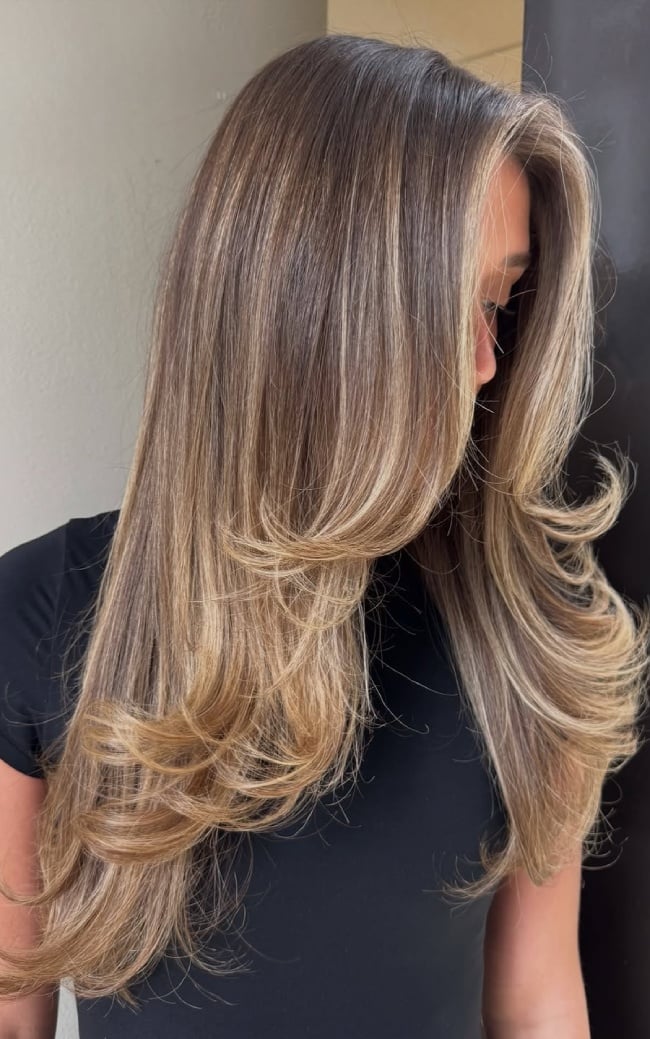
This is not a single-process dark bronde. It is a dark bronde base with lighter bronde highlights woven through for dimension. The mid-back length, thick, wavy hair uses face-framing layers and a side parting, styled in a voluminous blowout that shows off the contrast. Ask your colorist for: mid-back dark bronde with lighter bronde highlights. The difference between a solid dark bronde and this version is that the highlights add movement without changing the overall depth. The drawback: the lighter pieces will lighten further with sun exposure, so you may need a toner mid-season to keep them from pulling too warm.
Warm Bronde With Natural Waves
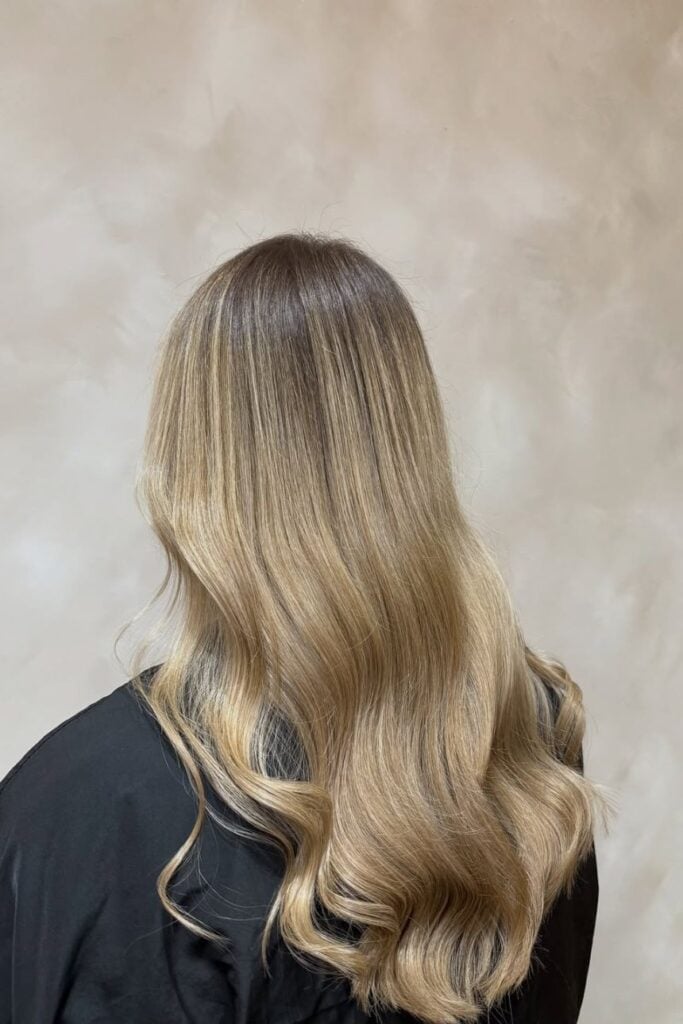
Mid-back length hair with layers and a middle part, styled in its natural wave, shows what a warm bronde with low-contrast balayage looks like when the goal is believable dimension rather than a stripe. The color reads like a longer summer into autumn, the kind of shade that asks for a chunky sweater and a coffee in both hands. Thick, wavy hair at mid-back is the ideal starting point; the low-contrast technique avoids harsh lines as it grows. Ask your colorist for: mid-back warm bronde with low-contrast balayage. Air drying with a curl-enhancing cream keeps the wave pattern intact, and a trim every eight to ten weeks prevents the layers from losing their shape.
Golden Brown With Subtle Lighter Strands
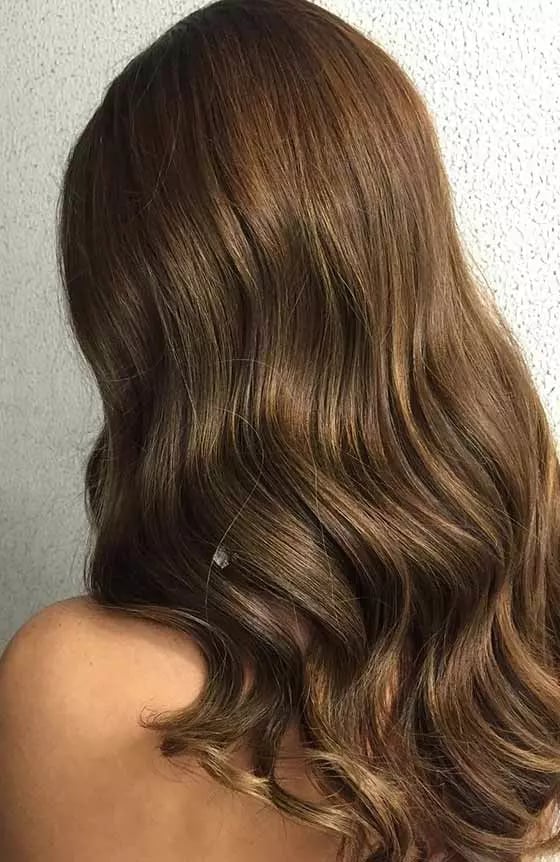
This one is more golden brown than a true bronde, but the subtle lighter strands woven through thick, wavy mid-back length hair create enough lift to keep it from reading flat. The grow-out is the main event here: because the lighter pieces are fine and spaced, there is no obvious root line to manage for at least ten weeks. Ask your colorist for: mid-back golden brown with subtle lighter strands. A shine serum every few days adds gloss, and a trim every eight to ten weeks keeps the layered shape tidy.
Collarbone Bronde Balayage Lob
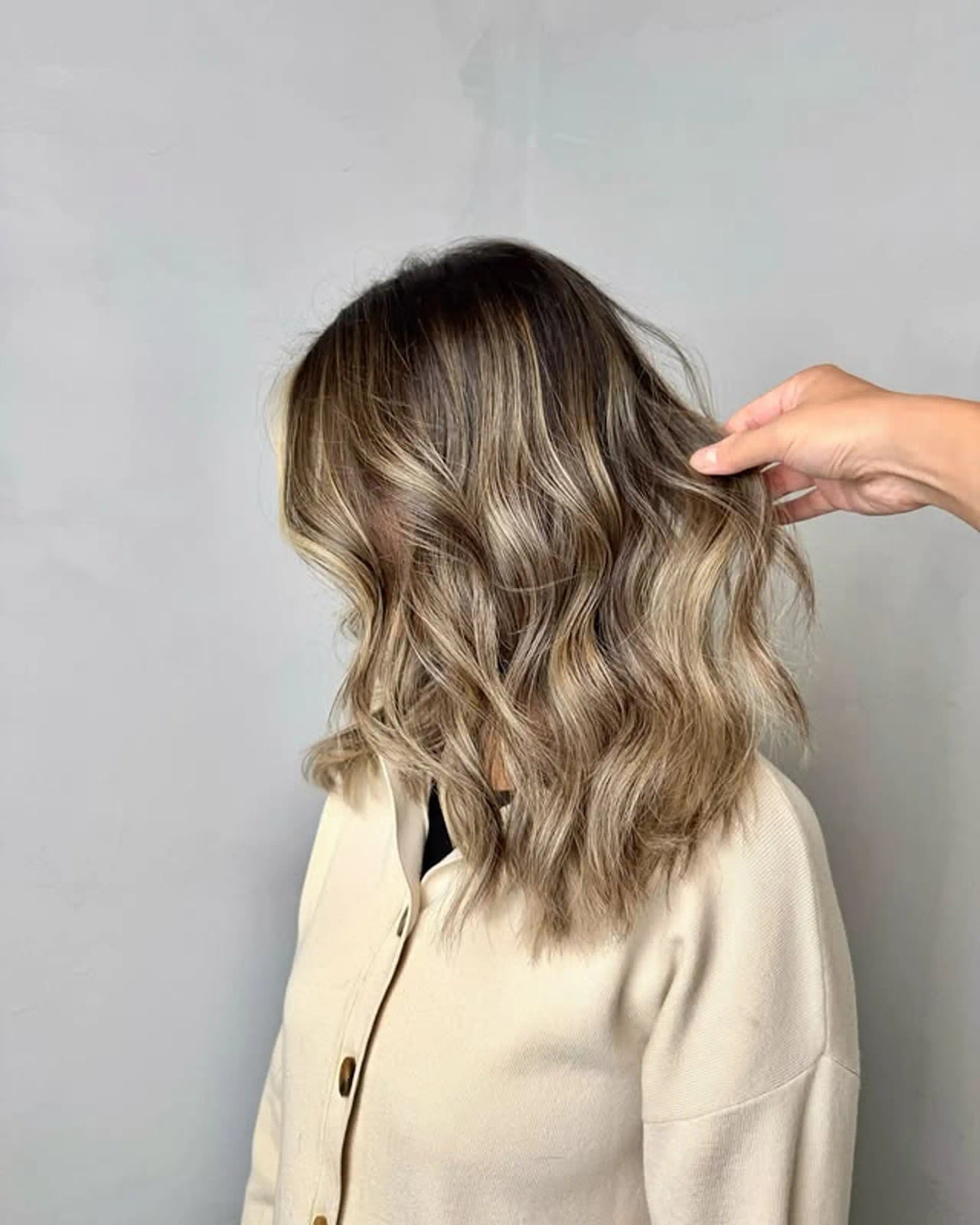
Wondering how to explain bronde balayage to a new stylist without a three-page reference? Start with the lob: collarbone length, medium wavy texture, styled with beach waves and a side part. Ask your colorist for: collarbone bronde balayage lob with beach waves. The balayage is painted freehand, so the lighter sections land where natural sun would hit. This is strictly a salon job; trying a balayage at home on a precise cut like a lob is a fast route to regret. The colorist will assess your base level first to avoid an orange outcome.
Dark Bronde With Ash Blonde Balayage
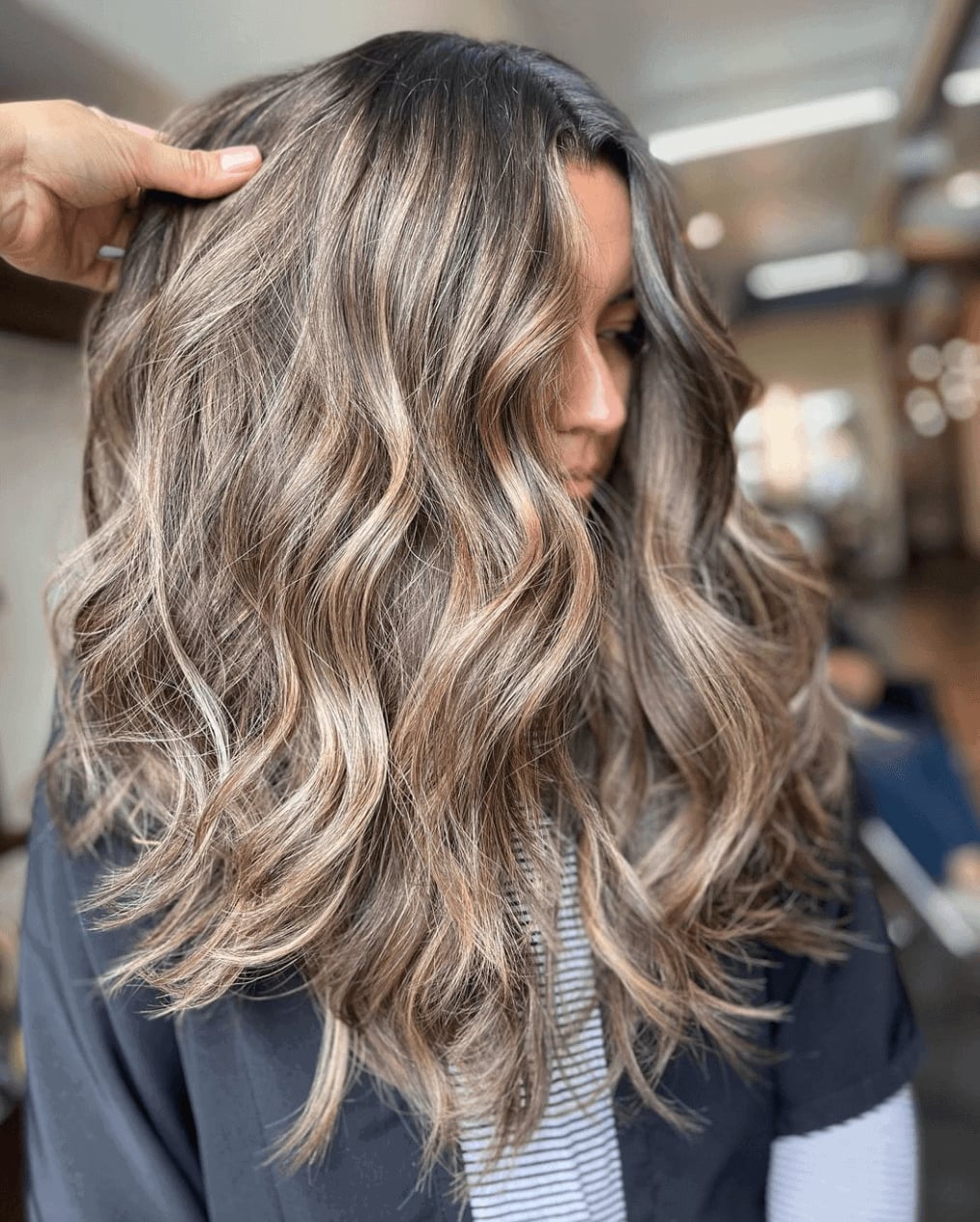
High contrast balayage needs a dark base to make the light pieces stand out. Here, collarbone length hair with a dark bronde base gets ash blonde balayage highlights painted through the mid-lengths and ends, then styled in loose, voluminous waves with a side part. The drawback is that ash tones pull cool fast; a purple shampoo every second wash keeps the blonde from turning muddy. Ask your colorist for: collarbone dark bronde with ash blonde balayage. Thick, wavy texture holds the wave pattern well, so a texturizing spray is enough to refresh between washes.
Ash Bronde Balayage Fine Wavy Lob
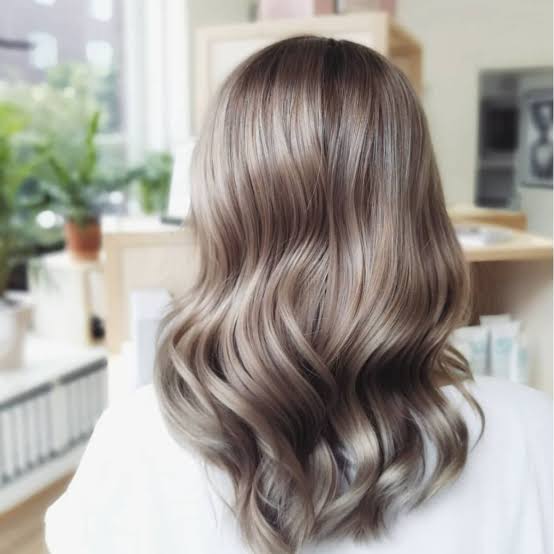
Ash bronde on fine, wavy hair is a different animal than on thick hair. The lob hits at collarbone with a middle part and soft waves, and the balayage blends darker roots into cool-toned strands. The honest take: ash tones can read flat on fine texture if the stylist does not leave enough lightness near the face. Ask your colorist for: collarbone ashy bronde balayage lob. A volumizing mousse and upside-down blow-dry add the body that fine hair needs, and a trim every six to eight weeks keeps the lob sharp.
Bronde Lob With Subtle Highlights
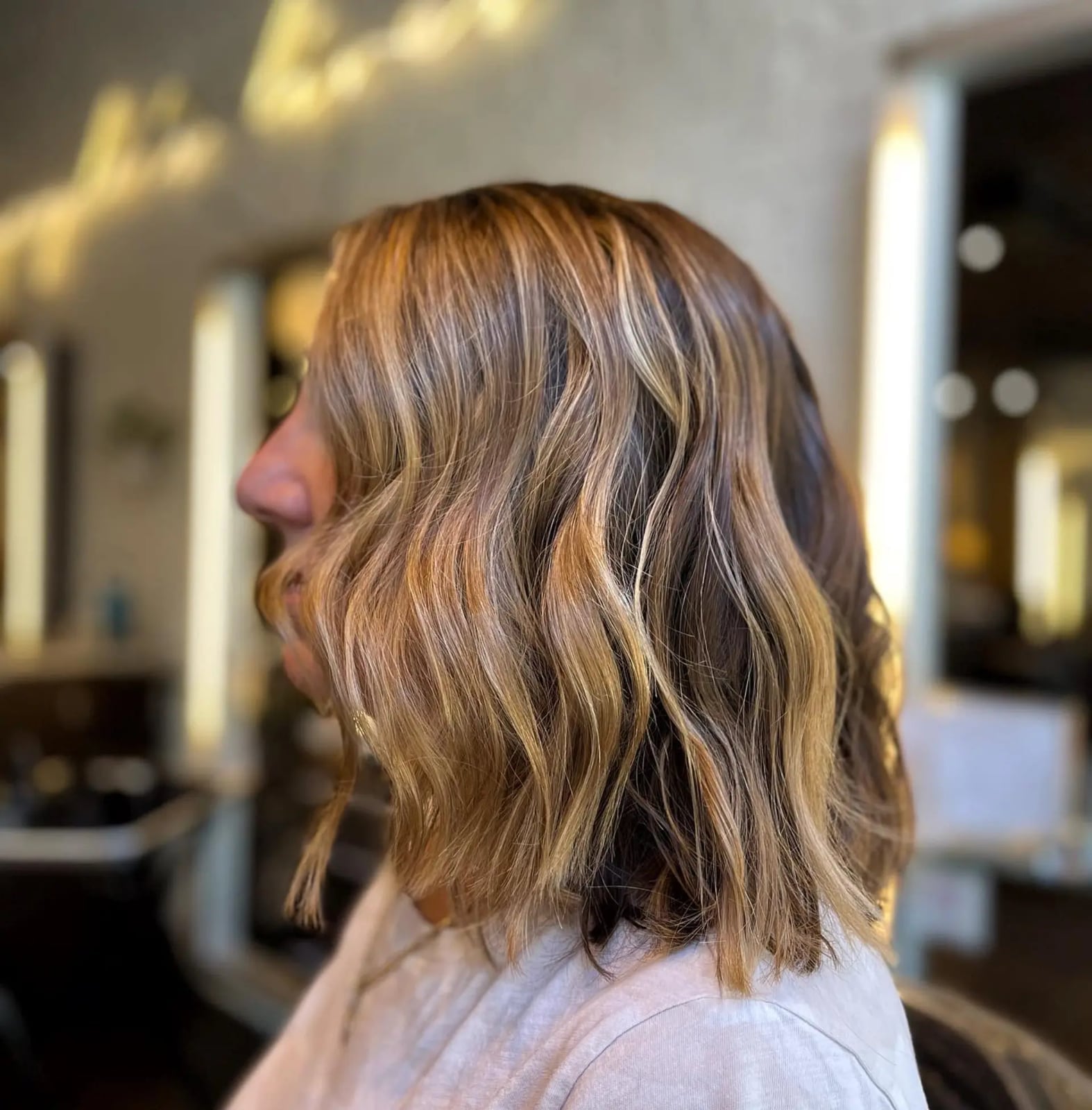
This collarbone-length lob proves you do not need high-contrast color for dimension. The wavy texture and medium density allow the subtle highlights to catch light naturally. A middle parting keeps the shape grounded and tidy.
Ask your colorist for: collarbone bronde lob with subtle highlights. Most face shapes handle this proportion well, though the soft waves add vertical movement that benefits rounder faces. The real asset here is the grow-out: those fine highlights fade gracefully, buying you closer to ten weeks before your next appointment.
Collarbone Bronde Balayage With Ash Tones
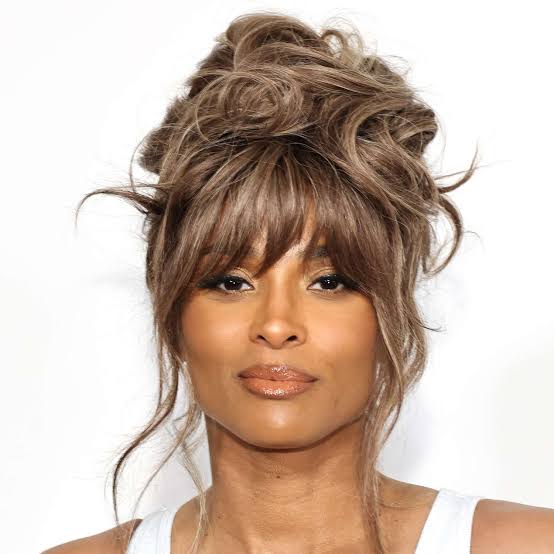
What looks like a soft, smoky dimensional balayage in the salon chair is a chemistry problem at your kitchen sink. The curtain bangs and loose blowout waves here rely on precise placement of ash pigments over a neutral or slightly cool brown base. One wrong bottle of box dye and you get muddy green instead of this muted, layered finish. Ask your colorist for: collarbone dimensional bronde balayage with ash tones and curtain bangs. This one belongs in the salon, about two and a half hours with a pro who knows how to weave the ash through the mid-lengths without over-ashing the ends.
Long Ash Bronde With Soft Root Shadow
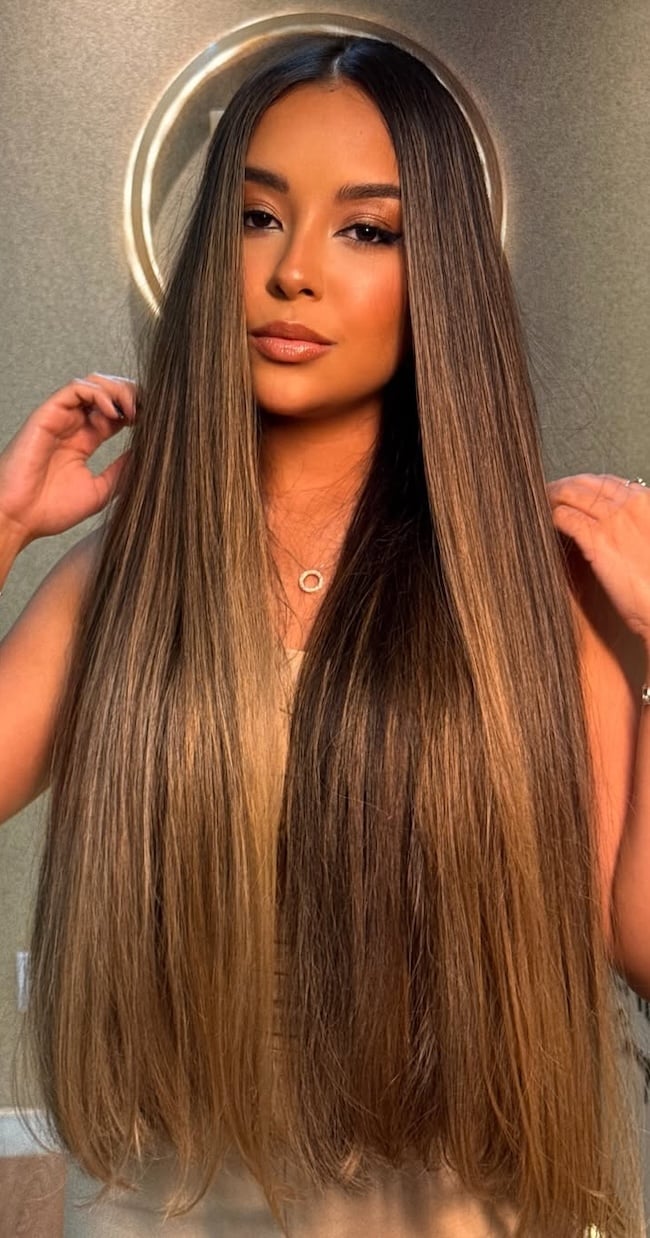
Long, straight hair with a middle parting is a high-visibility commitment, and the ash bronde here meets it with a soft root shadow that saves you from the sharp line of a full bleach-out. The thick texture holds the sleek finish without needing a flat iron touch-up every hour, but you still need a smoothing serum before blow-drying to keep the ash tone from looking dusty or cool.
Ask your colorist for: long ash bronde with soft root shadow and layers. The subtle layers stop the length from hanging like a curtain, giving it some internal movement. Upkeep is manageable: a toner refresh every eight weeks keeps the ash from pulling green, and a trim every ten to twelve weeks preserves the straight edge. Skip this one if your hair is fine, as the weight of the sleek styling can flatten density fast.
Final Thoughts
To choose your bronde, start with the tone you want your base to read as. A warm base with golden highlights reads sunnier and needs toning every six weeks. A cool ash base with root shadow reads more modern and stretches salon visits to ten weeks. Fine hair benefits from lower contrast between base and highlight; thicker hair can carry more dimension without looking heavy.
- Maintain balayage with toning treatments every 6-8 weeks.
- Use color-safe shampoos and conditioners to preserve vibrancy.
- Protect hair from heat styling with a thermal spray.
- Allow 6-10 weeks for a root shadow touch-up.
- Deep condition weekly to maintain shine and health.
Bronde offers endless possibilities for a personalized, sophisticated look.
