

I kept seeing the same thing in the chair next to mine: dark roots melting into something lighter, no hard line, no brass. Winter ombre, they call it. I call it smart. The grow-out is gentler, the tone stays cooler, and you don’t look like you fought a bleach bottle and lost.
This roundup has 27 takes on Winter Ombre Hair, from a five-minute root shadow to a full salon day. Some need a stylist. A few you can fake at home. All of them buy you at least six weeks before your roots show. I tested a few myself, fine hair and all, and I know which ones hold past 4 pm.
Dramatic Dark to Honey Blonde Ombre
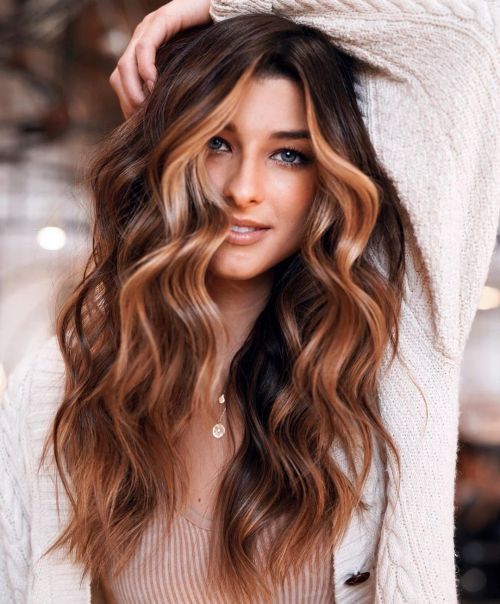
This is the one that gets the second look. A dark brown base drops into honey blonde ends, and the face-framing highlights pull the lightness up around your cheekbones. The technique is a freehand balayage, painted so the root stays deep and the mid-lengths start warming gradually. The tone is golden, not brassy, which reads expensive on wavy, thick hair at mid-back length. The layers keep the waves from turning into a triangle, and the curtain bangs soften a square jaw. I have fine hair, and I would skip this one, the contrast needs density to hold the shape.
Classic Dark to Bright Blonde Ombre
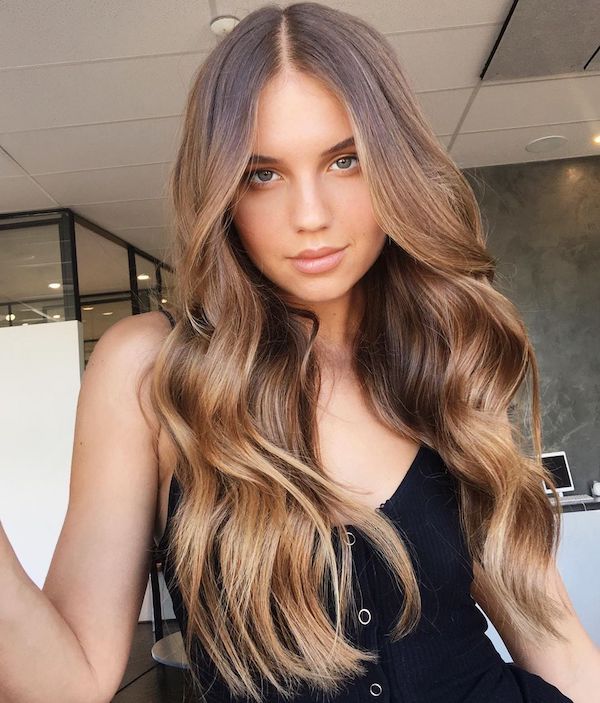
The smooth transition is what separates this from the version where the blonde starts abruptly at the ear. Here the dark brown base fades into bright blonde over several inches, so there is no harsh line, just a gradient that moves with the hair. The technique is a traditional ombre, painted lower than a balayage, and the tone is clean and cool, not yellow. On wavy, thick hair at mid-back length, the middle part lets the colour read evenly on both sides. A wavy blowout makes the transition look deliberate, not accidental. This is the benchmark, the one every other ombre gets compared to.
Compared to the honey version, this one is less forgiving. The bright blonde ends show every split end, and the contrast is sharper. If you want drama without the upkeep of a full highlight, this is the safer bet. The honey blend is warmer and softer, but this one announces itself.
Warm Caramel Blonde Ombre Blend
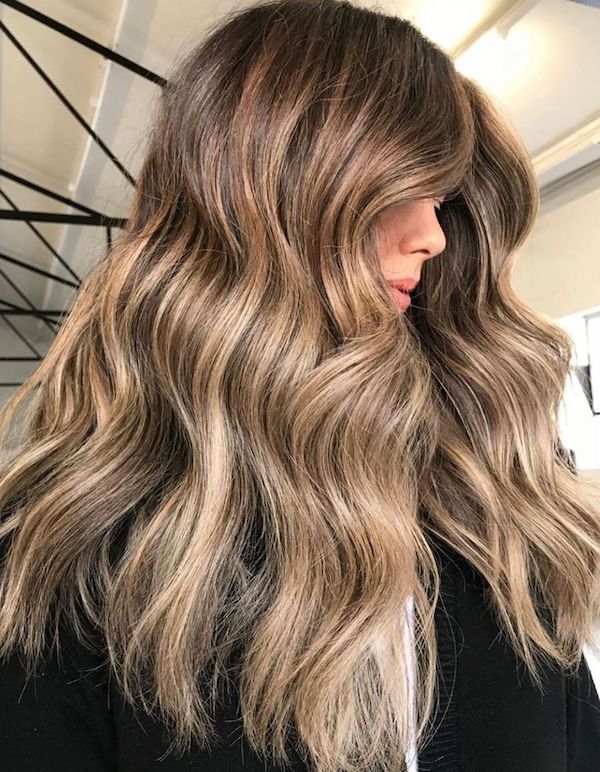
What if the transition was not a line but a fog? That is the caramel blonde ombre. The dark brown base melts into warm caramel blonde through the mid-lengths, and the ends land on a lighter, almost beige gold. The technique is a hand-painted balayage with a root smudge, so there is no visible demarcation. The tone is warm, golden, the kind that catches light in a room with yellow bulbs. On wavy, thick hair at mid-back length, the side view shows how the colour wraps around the layers. What to ask your stylist: keep the root dark, paint the caramel starting two inches down, and feather the lightest pieces through the ends only.
Mid-Back Smooth Dark to Bright Blonde Ombre
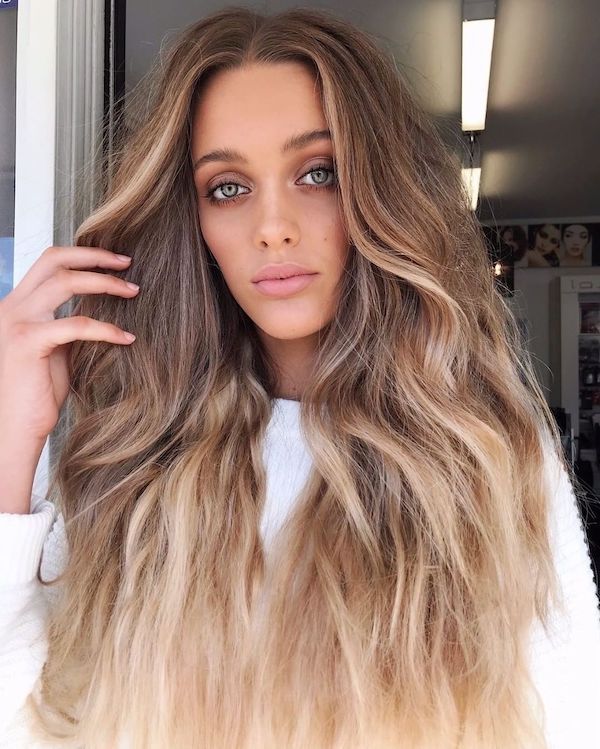
I booked this twice in one season. The blonde ombre smooth transition from dark brown to bright blonde is exactly what it sounds like, no harsh line, no stripe, just a gradual lift from the mid-back down. The technique is a low-placed balayage, painted so the lightest pieces sit at the ends and the mid-lengths stay a shade darker. The tone is neutral, not too warm, not too ash, which means it works on most skin undertones. On wavy, thick hair, the middle part and no bangs keep the focus on the colour shift.
The wear reality is this: the blonde ends need a gloss every six weeks to stay bright, and the dark root grows out clean for about eight weeks before it needs a touch-up. A 20-minute blowout with a round brush gives the sleek finish that makes the transition read. The trim schedule is every eight weeks, or the blonde starts looking frayed. Not a wash-and-go colour, but the payoff is a polished look that lasts a full work week without a restyle.
Striking Dark to Grey Ombre
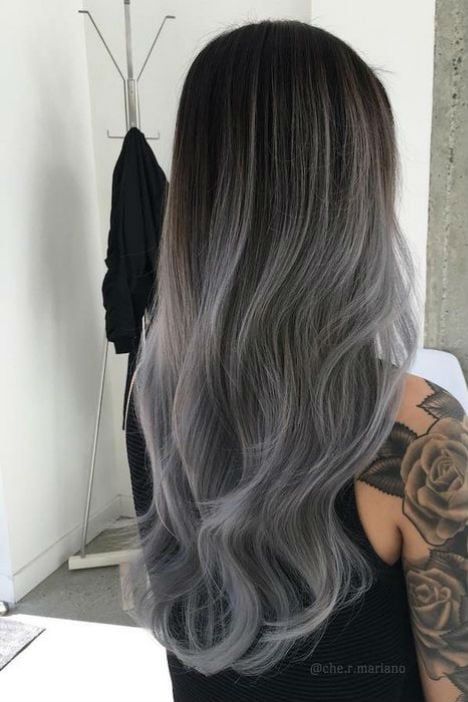
My gut says cool. The dark brown to grey ombre is a dark brown base that drops into a cool grey at the ends, and it is not for the cautious. The technique is a full balayale with a toner that strips the warmth out completely, leaving a steel tone that reads almost silver in certain light. On wavy, thick hair at mid-back length, the back view shows the grey wrapping around the layers like a shadow. I am not sold on the upkeep. The grey needs a purple shampoo every wash to stay cool, and if you swim in a chlorinated pool, it turns green. It is a three-hour salon job, and it is not a bathroom-mirror colour. Looks incredible. I would not do it.
Deep to Lighter Warm Brown Ombre
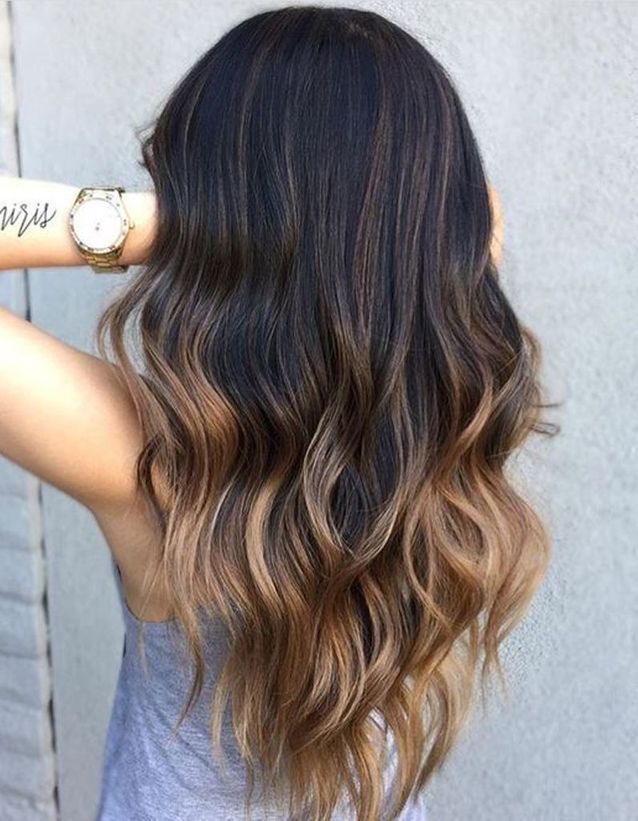
The gradient here is subtle enough that you might not call it ombre at first glance. A deep brown base shifts into a lighter warm brown, and the transition is so gradual it reads like a natural lightening from sun exposure. That makes it one of the most forgiving colour shifts for different skin tones — the warmth in the lighter ends complements olive undertones, while the deep root keeps it from washing out fair skin. The mid-back length gives the gradient room to breathe, and the loose waves on thick, wavy texture scatter the light so you don’t see a hard line. The colour technique here is a soft balayage, painted freehand so the lighter warm brown lands heavier on the mid-lengths and ends. No bangs, no harsh demarcation. Just a slow melt from dark to warm.
Warm Blonde Dimension
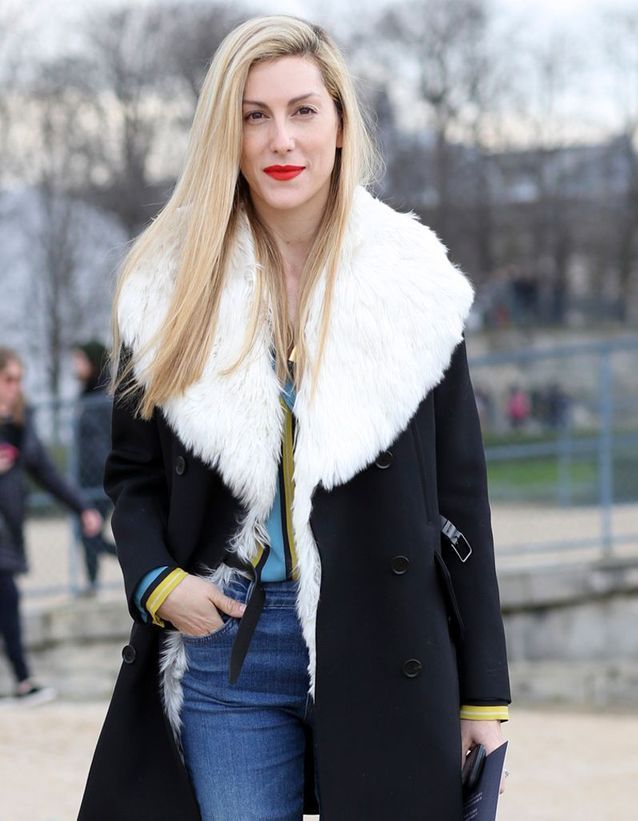
How do you get a warm blonde that doesn’t look flat? The answer is in the placement. This colour starts with a warm blonde base, then adds lighter warm blonde highlights in a babylight pattern — fine slices, not chunky sections. The mid-back length is straight and thick, so the highlights sit on the surface rather than sinking in. The technique is a foil-and-paint hybrid: the stylist teases out thin sections, paints on the lighter shade, and wraps them to process separately. That separation is what creates dimension instead of one solid block of colour. The tone stays golden, never brassy, because the base and the highlights share the same undertone. No bangs, no competing warmth.
Pastel Dream Ombre Blend
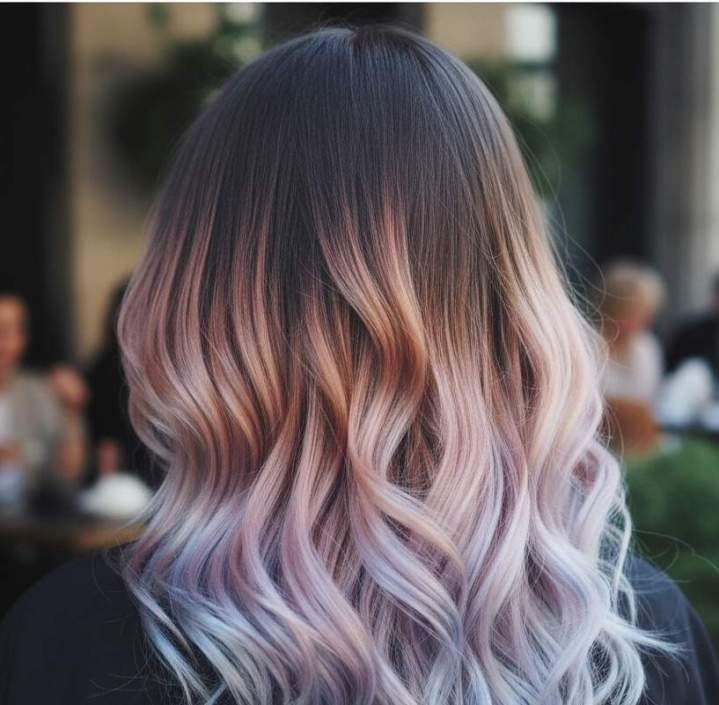
A single-tone pastel is a commitment. A pastel blend is a negotiation. This pastel pink lavender blue ombre starts dark at the root — deep brown, no lift — then drops into a multi-tonal pastel blend that shifts from pink to lavender to blue as it moves down the mid-back length. The colour technique is a colour melt, not a stripe, so each pastel bleeds into the next without a visible seam. That matters because pastels show every mistake. The wavy texture and medium density help the blend read as soft and diffuse rather than patchy. This is a look for a specific occasion: a festival, a photoshoot, a season where you want your hair to be the accessory. It is not a Tuesday-at-the-office colour.
Ombre With Face-Framing Curtain Bangs
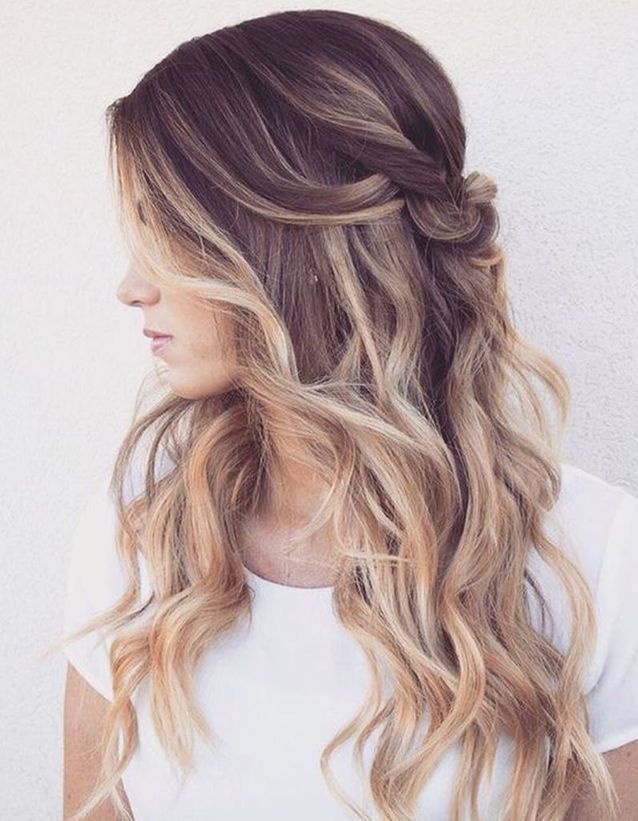
She walks in, the ombre starts at her cheekbones, and the curtain bangs catch the light first. That is the point. The dark brown to blonde ombre transitions smoothly from a deep root to a soft blonde at the ends, and the curtain bangs are cut so the lightest pieces land right at the jaw. That makes them face-framing in the literal sense — the colour gradient follows the shape of the bangs. The mid-back length and thick, wavy texture give the ombre room to stretch, and the layers keep the bangs from looking separate from the rest of the colour. To get this, ask your stylist for a balayage that starts the lift below the ears and curtain bangs that hit the cheekbone. The upkeep is a trim every six to eight weeks to keep the bangs from turning into regular fringe.
Soft Dark Blonde to Light Blonde Ombre
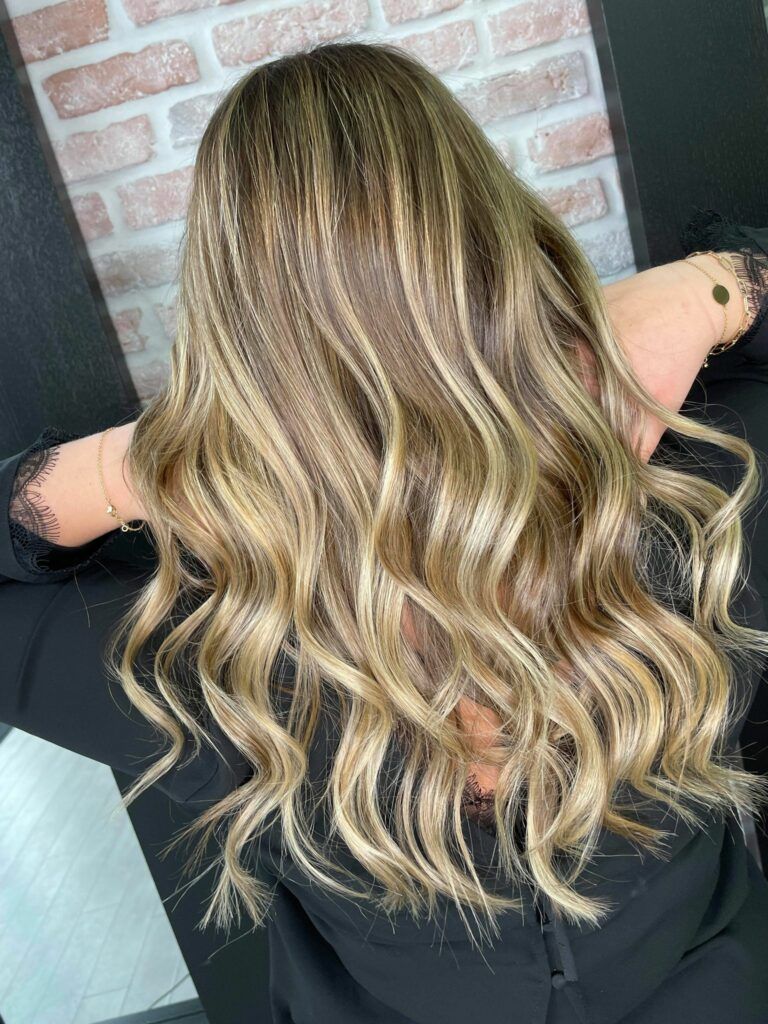
The transition from dark blonde to light blonde ombre is so close in tone that you might mistake it for a single-process colour from across the room. That proximity is what makes it wear well. The dark blonde base and the lighter blonde ends share a family, so when the lighter sections start to fade, they fade into the base rather than against it. The mid-back length and thick, wavy texture hold the shape, and the colour technique is a low-contrast balayage painted in wide, sweeping strokes. No foil, no harsh line. The tone stays neutral-warm, which means brassiness shows up slowly and can be managed with a toning shampoo every few washes. This is the ombre for someone who wants a change but does not want to think about it every week.
Long Layers Dramatic Dark Red to Blonde Ombre
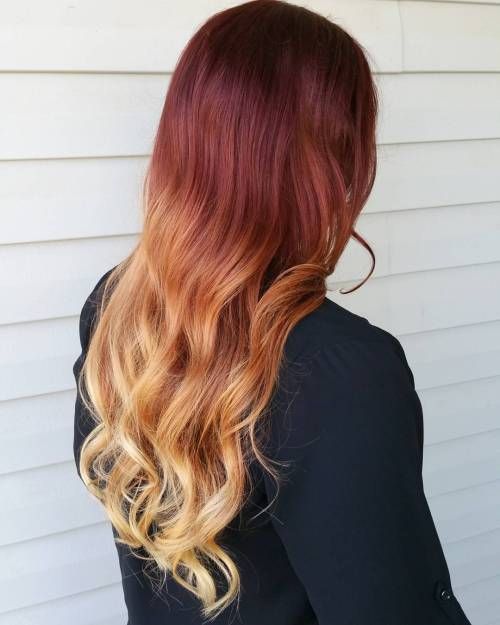
I have a soft spot for a colour that refuses to be subtle, and this one is a whole mood. The dark red to blonde ombre starts with a deep red base at the roots, then melts through copper into bright blonde at the mid-back ends, all cut into long layers with no bangs and styled in loose waves. The technique is the hard part: red and blonde fight each other, so the stylist has to lift the ends carefully, tone out the warmth, then re-deposit the red so the gradient looks deliberate, not like a grow-out accident. This is not a bathroom-mirror job. Book three to four hours in the chair, because blending two such different tones takes patience and a steady hand, and my wavy, medium-density hair needed that time to get the transition right.
Ask for a vibrant gradient from deep red to blonde, with the colour concentrated at the ends so the roots stay dark and low-maintenance. The payoff is a dramatic, dimensional look that moves when you do.
Dark Brown to Copper and Blonde Ombre
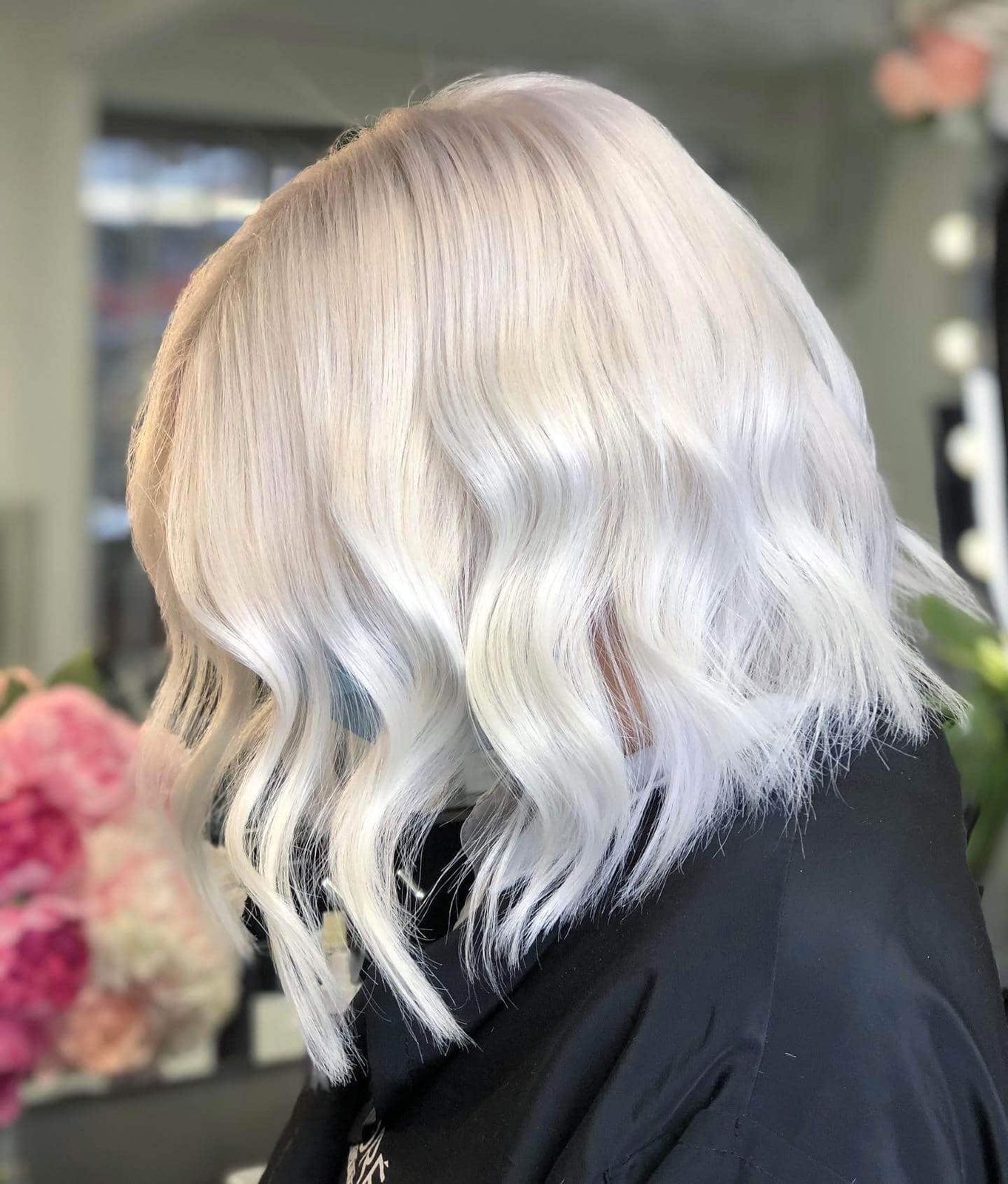
I will admit I was skeptical when I first saw this one. A dark brown base fading into warm copper tones and then blonde ends sounds like a lot, and it is, but the copper and blonde ombre works because the transition is dramatic, not muddy. The mid-back length carries the gradient well, with wavy, thick texture giving the colour room to show off. This is a professional application, three to four hours in the chair, and the upkeep is where my doubt creeps back in. The copper needs a color-depositing conditioner to stay rich, the blonde needs protection from brassiness, and you are looking at a trim every six to eight weeks. It is a commitment, but if you want a colour that actually looks like something, this one delivers.
Deep Brown to Cool Ash Blonde Ombre
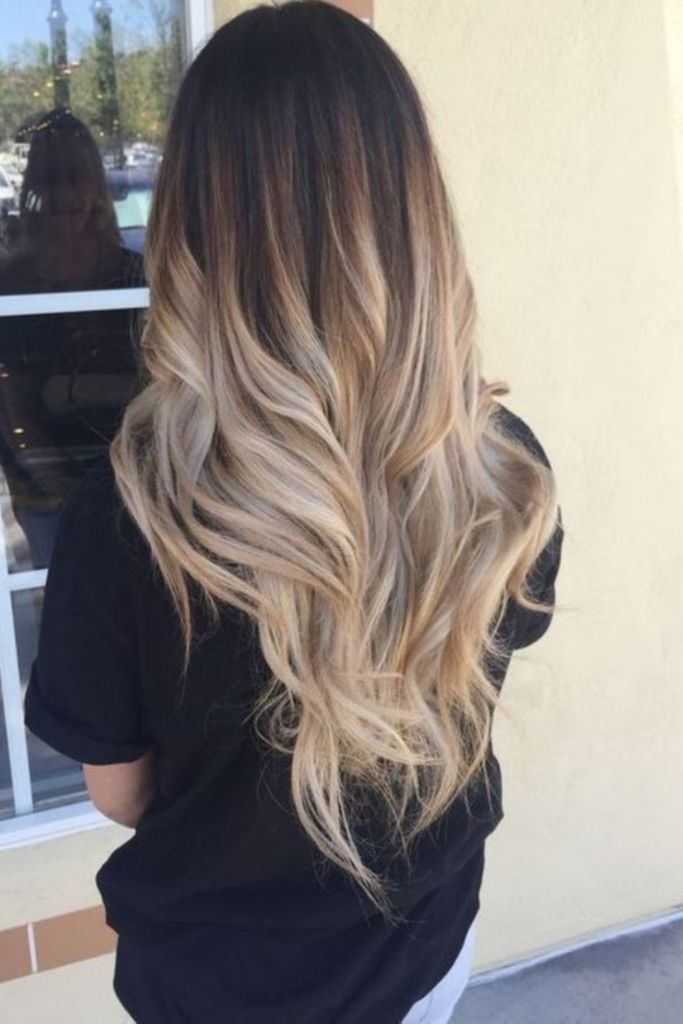
Verdict first: this is the best grow-out in this roundup. The dark brown to ash blonde ombre starts with a deep brown base at the roots and fades into cool ash blonde at the ends, and that contrast is striking, but it is also forgiving. As your roots grow in, the dark base blends into the new growth, so you do not get that harsh line that ruins other ombres. The mid-back length, cut in layers and styled in loose waves, shows off the gradient without needing constant touch-ups. My wavy, medium-density hair held the style for a full day, and the ash tone stayed cool, not green, for weeks. Wear it loose and wavy, and you will get about fifteen minutes of styling time. The upkeep is simple: a purple shampoo once a week to keep the cool ash blonde from warming up, and a trim every eight weeks to keep the ends healthy. Avoid heat on the lightened ends, and this one will behave.
It is not a colour you can do at home, but in the chair it is worth the three hours. The grow-out is so smooth that you will forget you have roots.
Dark Brown With Subtle Caramel Highlights
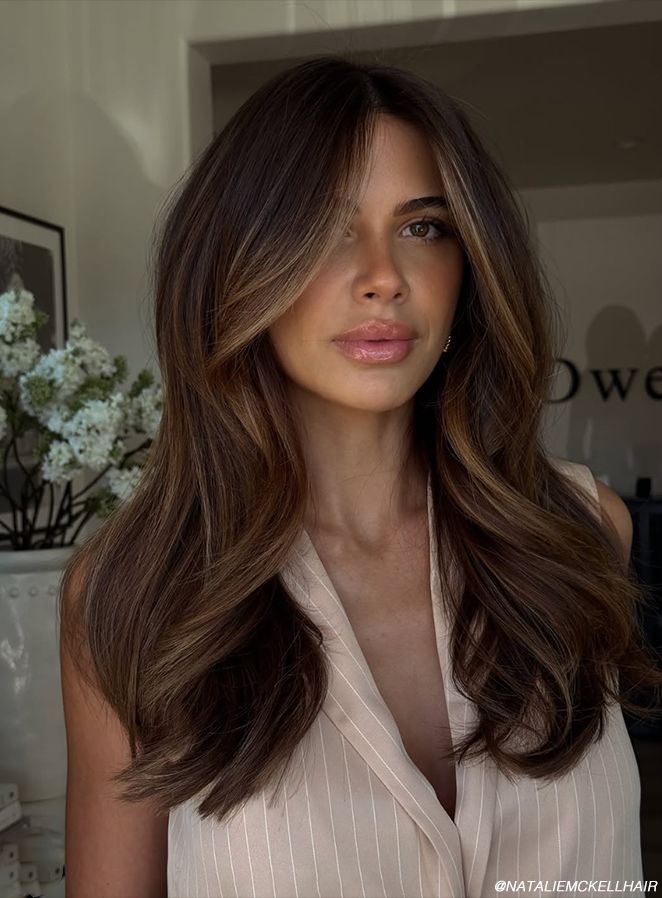
Notice how the caramel highlights on dark brown are placed right where the light hits, and that is the whole trick. The dark brown base stays rich at the roots, while subtle caramel highlights are woven through the mid-lengths and ends, with the face-framing curtain bangs catching the most light. The technique is all about placement: the stylist paints the caramel in a soft V-shape, so the colour reads as dimension, not stripes, and the volume comes from the cut, long layers that lift at the crown. The wavy, thick texture helps the highlights show up without looking streaky. To get the volume, you need a twenty-minute blowout, and the curtain bangs need daily styling, which is the price of that face-framing effect. A trim every eight weeks keeps the shape, and a color-safe shampoo preserves the caramel from fading. Ask for subtle caramel highlights that start below the eye line, so the roots stay dark and the grow-out stays invisible.
Shoulder-Length Warm Blonde Ombre
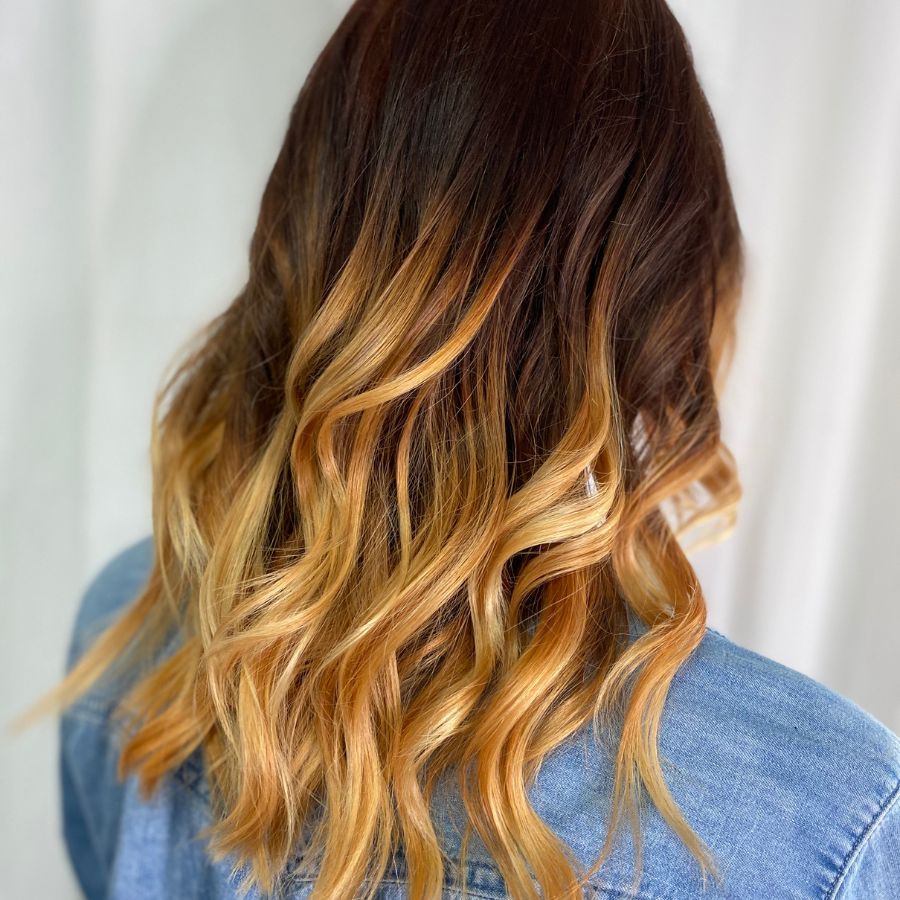
Sun hits the ends and they glow, not shout. This shoulder length warm blonde ombre lands on a dark brown base, then lifts into a warm blonde that reads honey, not brass. The technique is a soft balayage, painted freehand so the transition hits around the chin and fades downward. Tone stays golden, never ashy, which is exactly what winter light kills. Length stops at the shoulder, which means the ombre has room to travel but does not drag. Texture is wavy, medium density, and the layers keep the colour visible from every angle. It suits a round or heart face because the warmth pulls the eye outward, not down. Skip it if your hair is very fine and straight — the contrast can read harsh without movement.
Medium Brown to Beige Blonde Ombre
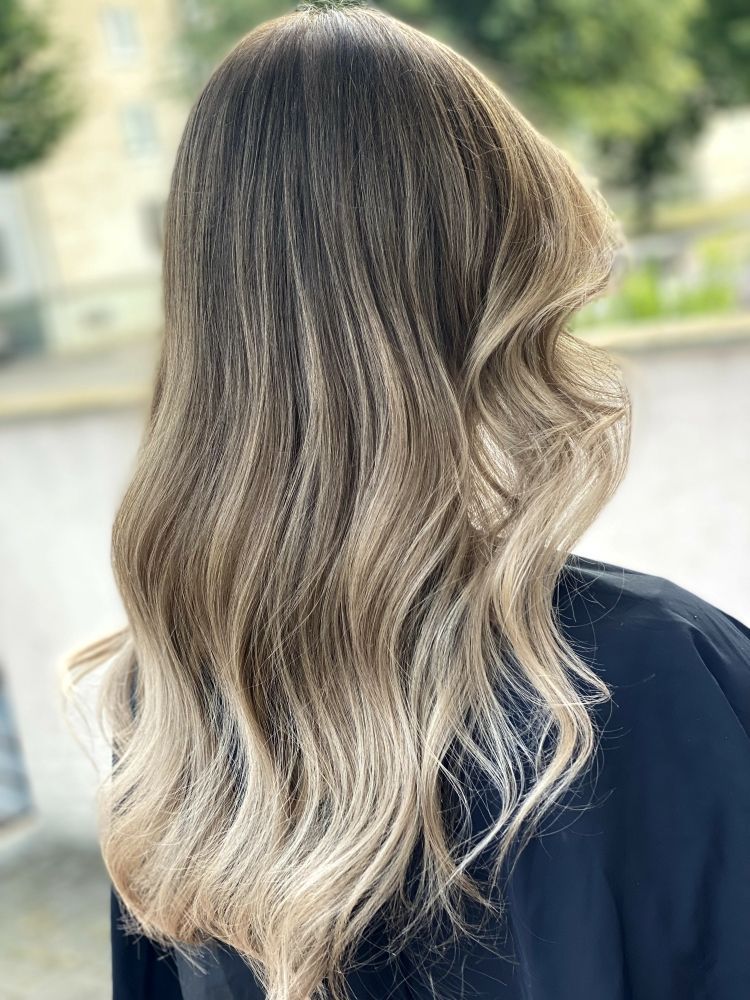
What if you want blonde but not the chill of ash or the heat of honey? This medium brown to beige blonde sits in the middle, and that is exactly why it works. The base is a neutral medium brown, not too dark, not too warm. The colour technique is a soft balayage that lifts into a beige blonde tone, which is blonde stripped of yellow and grey alike. It reads like your natural colour got a better version of itself. The length hits mid-back, so the transition has space to stretch and soften. Texture is wavy and thick, which helps the beige read dimensional instead of flat. A middle part widens a round face, so try a deep side part if yours is fuller. Compared to a caramel ombre, this is quieter. Compared to a platinum ombre, this is warmer. It is the compromise that wins.
No Bangs Natural Dark Brown to Blonde Ombre
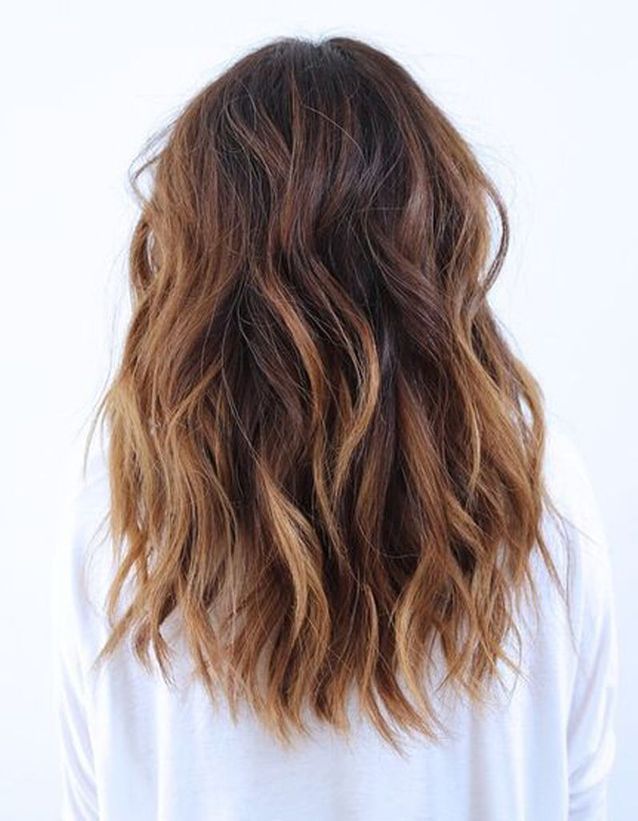
I will admit I expected this one to fade into a muddy nothing by week four. It did not. The natural blonde ombre starts with a dark brown base and lifts into a natural blonde shade that looks like the sun did the work, not a bowl of bleach. The technique is a low-contrast balayage, painted close to the root so the grow-out is a blur, not a line. Tone stays neutral, neither golden nor ashy, which is why it reads as grown, not grown out. Length is mid-back, texture is wavy and thick, and the layers keep the colour from pooling at the ends. No bangs means the colour starts clean at the hairline and travels uninterrupted. Upkeep is a trim every eight to ten weeks and a color-safe shampoo. That is it. I was wrong to doubt it.
Visual Idea
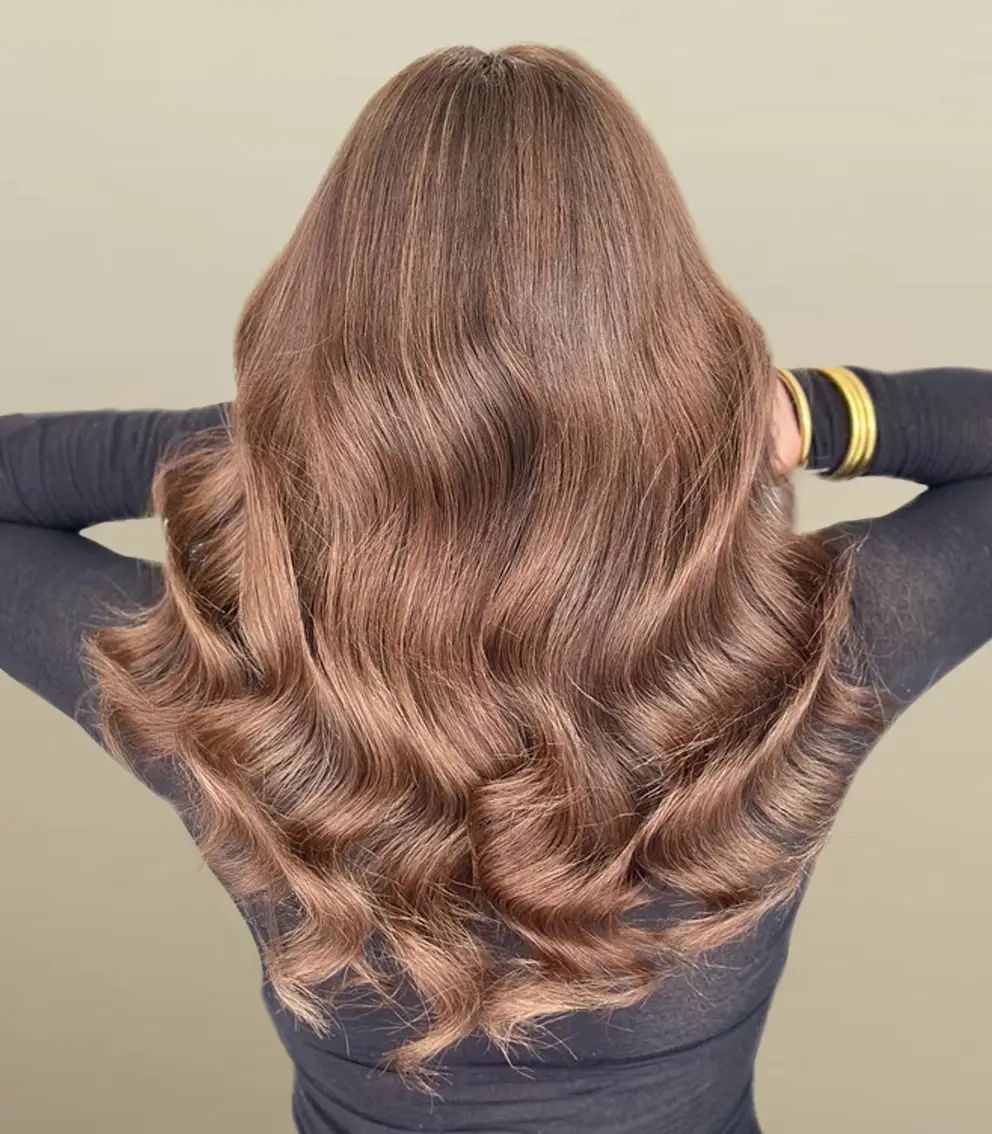
That caramel hit is not an accident. The colour technique here is a hand-painted balayage that starts on a dark brown base and lifts into a caramel blonde tone, applied in sections so the warmth concentrates on the mid-lengths and ends. The tone is deliberately warm, not golden, not copper, just caramel. Length is collarbone, which is short enough to show the contrast and long enough to let it breathe. Texture is wavy, medium density, and the side part pulls the colour forward so it catches light on the front pieces. No bangs keeps the focus on the colour shift. The layers are subtle, cut to support the ombre, not fight it. This is the kind of winter hair that looks expensive because the placement is precise, not because the colour is loud.
Collarbone Visual Idea
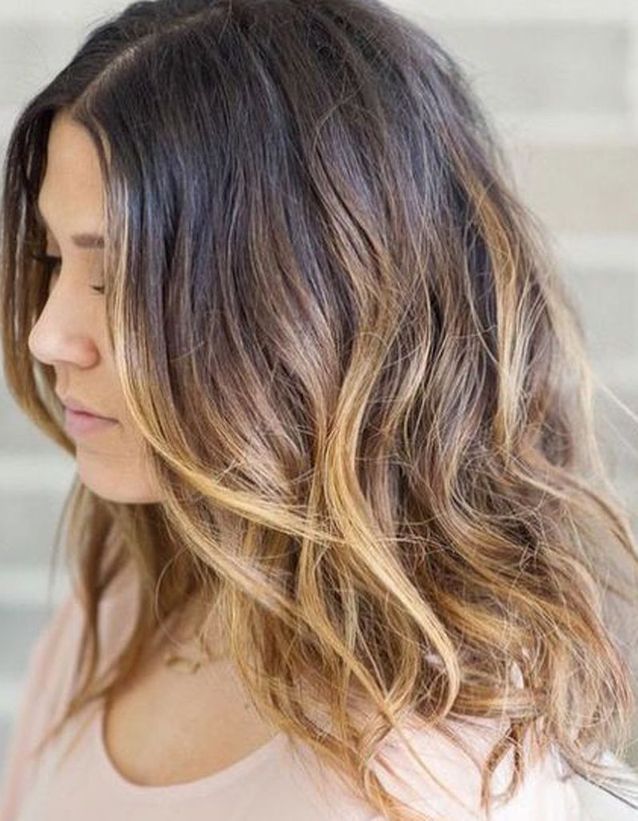
Collarbone length is a test for ombre. Too short and the transition looks like a stripe. Too long and the colour gets lost in the ends. This one passes. The base is dark brown, the ombre lifts to a bright blonde, and the technique is a soft balayage that starts the lift around the jaw so the darkest colour sits at the root and the lightest lands at the collarbone. Tone is neutral blonde, not warm, not cool, which keeps the transition clean. Texture is wavy and thick, and the middle part splits the colour evenly down both sides. It suits an oval or heart face because the collarbone length draws the eye horizontally, not down. Skip it if your face is very long — the horizontal line can shorten it further. The layers are cut to keep the ends light, not heavy.
Mid-Back Visual Idea
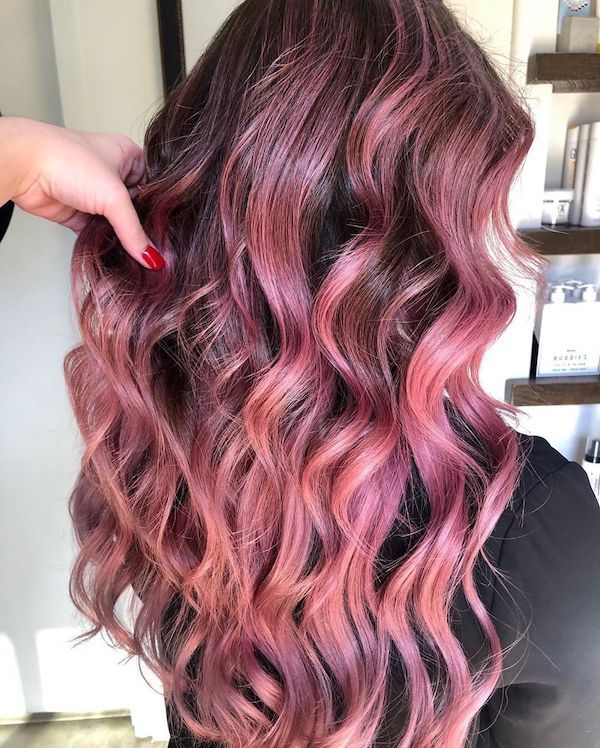
Picture a mid-back length of wavy, thick hair with a middle part and no bangs, and the colour is where it gets interesting. The base is a dark brown, but instead of a predictable blonde fade, it melts into vibrant pink and lavender tones. This is a playful pastel ombre, the kind that makes you think of a sunset or a festival, not a boardroom. It is a salon-only job, no question, because getting those pastels to sit cleanly over dark brown takes a double process and a steady hand. Compare it to a traditional caramel or honey blonde ombre, and this one wins for pure personality. It is for the weekend, the concert, the vacation where you want your hair to be the accessory.
A back view, close crop, so you see the full gradient. The waves help the colours blend, but the thickness of the hair keeps the dark root from looking sparse. This is not a subtle Winter Ombre Hair move. It is a statement. And honestly, that is exactly what some seasons need.
Chin Visual Idea
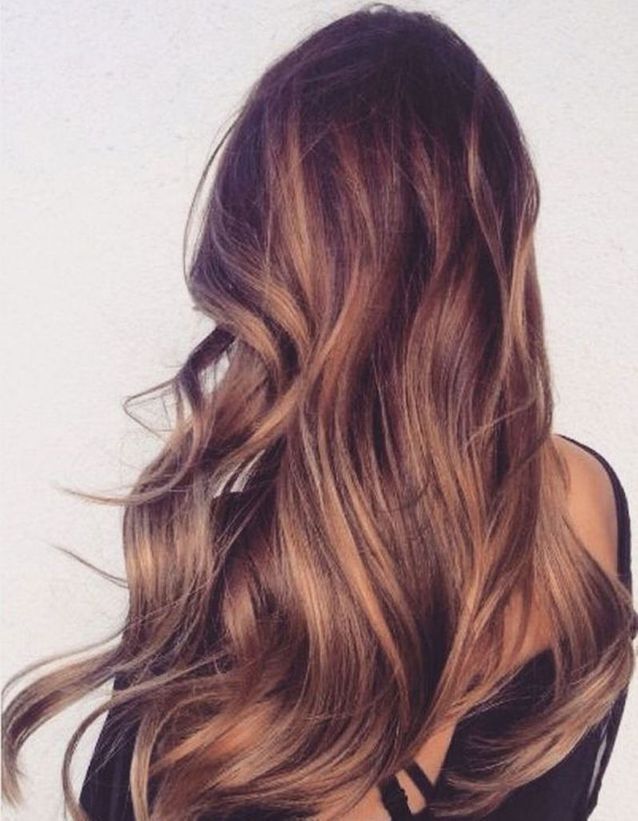
How does a chin-length lob with a rich chocolate to caramel gradient hold up across a real week? The front view, middle part, wavy texture, medium density. The colour is a chocolate brown base that fades into a warm caramel tone at the ends. The gradient is smooth, no harsh line, which is key for a short length because the transition has less room to breathe. Daily styling is a quick wave with a curling iron, maybe a texture spray. The upkeep is every six to eight weeks for a trim and a toner refresh. The caramel stays warm for about four weeks before it starts to lean a little brassy, but a purple shampoo once a week buys you two more. This is a wear and upkeep reality check: it looks polished, but it asks for regular attention.
Layers Visual Idea
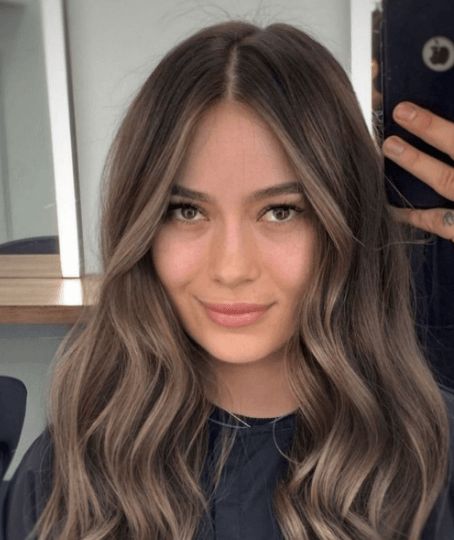
I will confess: I thought a smooth dark brown to ash blonde ombre on collarbone-length hair with layers was going to look muddy. The front view, middle part, wavy blowout, medium density. The technique is a hand-painted balayage, starting the light about two inches from the root and building it denser toward the ends. The layers are cut to frame the face, so the colour hits each layer at a different point, creating a soft, graduated effect. The ash blonde tone is cool, almost silver in the brightest sections. This is a salon-only technique because the transition has to be precise and the ash tone needs a toner to stay cool. A DIY kit would leave it brassy or blotchy. The blowout is key: the waves catch the light and show off the gradient. Without them, the colour would read flat.
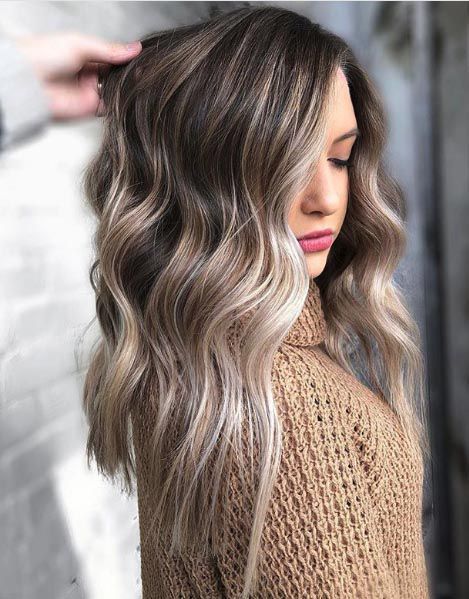
Long Layers Visual Idea
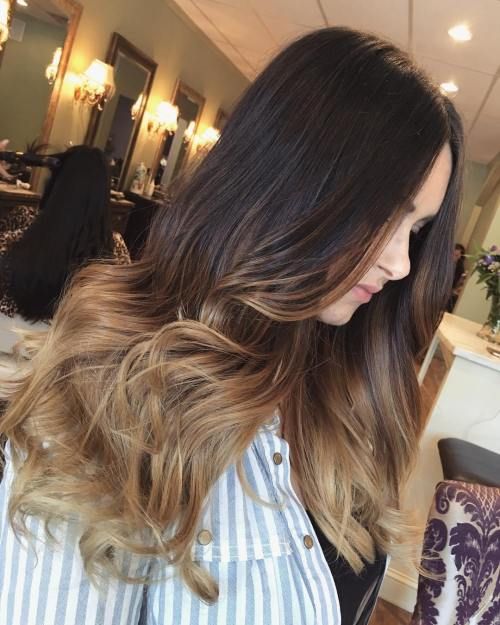
No Bangs Visual Idea
Side View Visual Idea
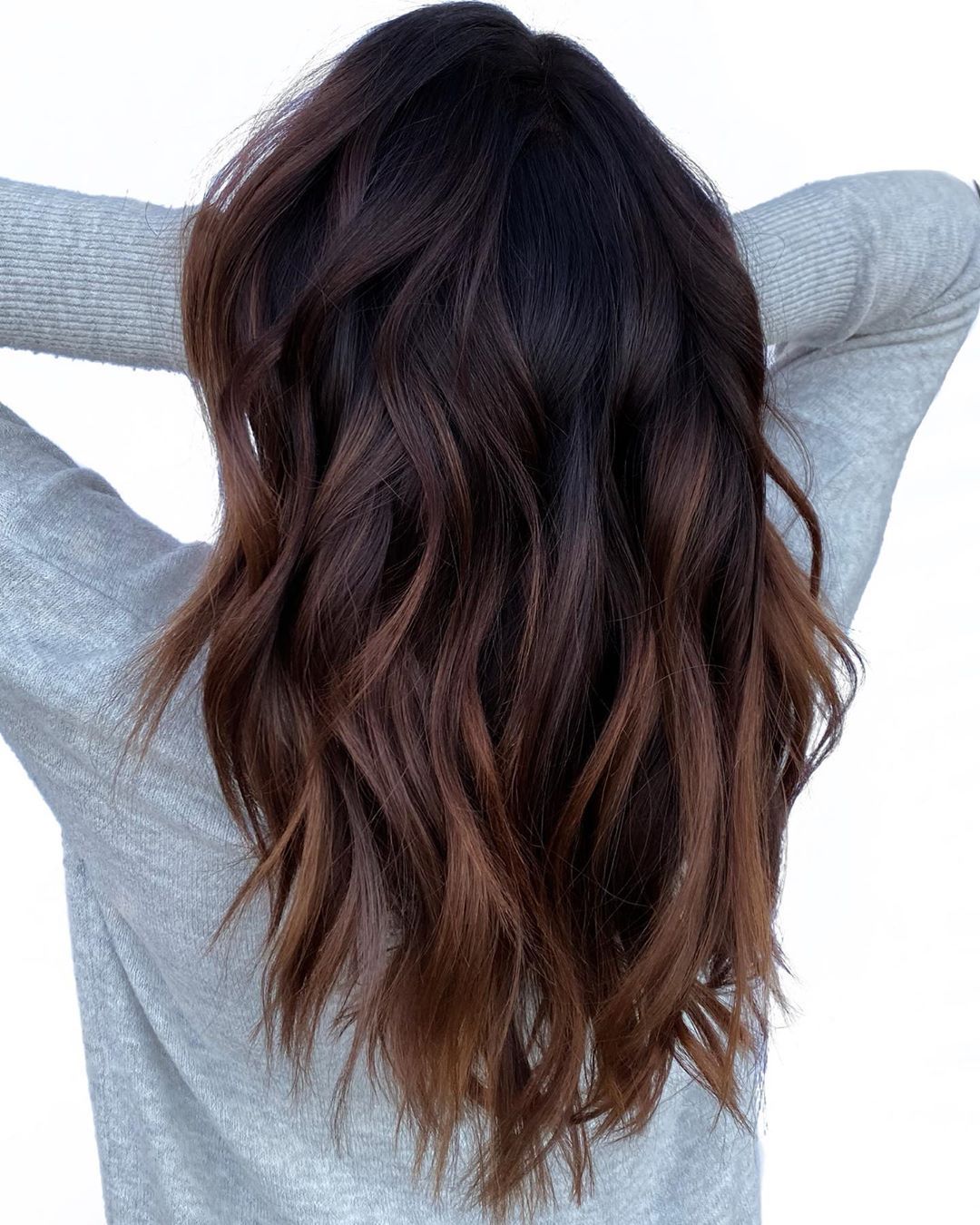
The warm brown base catches the light before the golden blonde highlights even get a turn. That is the trick of a good ombre from the side: the darker section reads like a shadow, the lighter one reads like sun, and the middle gets that soft, blurred line where one becomes the other. On mid-back length with loose waves, the transition lands around the shoulders, which means it shows whether my hair is down or half-up.
Thick, wavy texture holds the separation between tones without trying. My fine hair would eat that golden section by day three, but on this hair type the highlights stay visible through a full week. The middle part helps, too, it lets both sides fall evenly so the colour reads symmetrical from every angle. No bangs means nothing interrupts the gradient from root to tip. That is the whole point of a side view, you see the full arc of the colour story, uninterrupted from crown to ends.
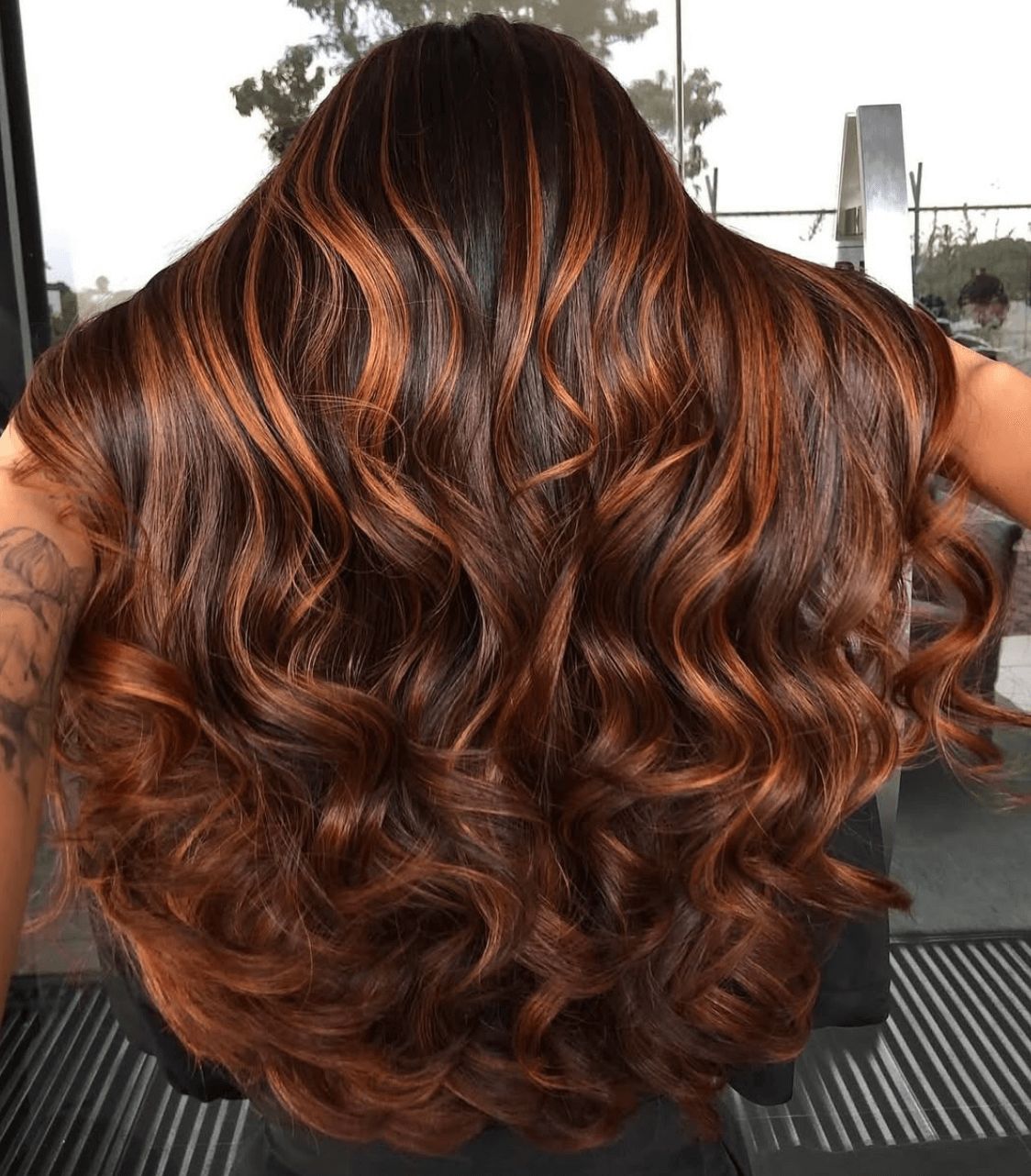
Dark Brown To Auburn Ombre Visual Idea
Can we talk about what it actually costs to get that rich contrast between dark brown and auburn? The technique requires a two-step process: first a deep, cool brown base is applied from root to mid-shaft, then the auburn is painted onto the ends using a balayage method that keeps the transition soft. That second step needs precision, the stylist has to feather the auburn upward so it blends without a hard line. On mid-back length with wavy, medium-density hair, the result is a gradient that shifts from almost-black at the crown to a warm, coppery red at the tips. The auburn itself is a warm tone, no ash or violet in it, so it stays rich rather than turning muddy. Expect two to three hours in the chair for the application alone, plus a gloss treatment to seal the red pigment and keep it from fading too fast. That gloss adds another thirty minutes and needs repeating every six to eight weeks.
Back View Visual Idea
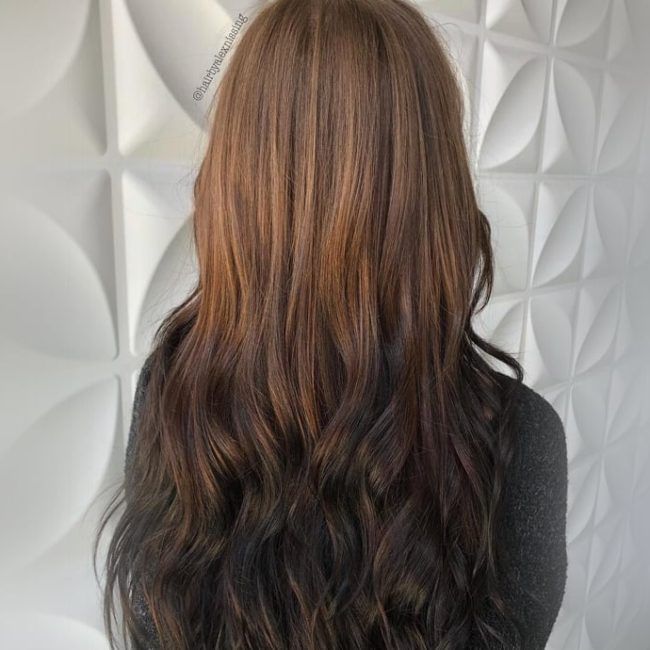
I am picking the dark transition over the light one every time. A deep brown to medium brown and dark brown-black ombre reads richer, more intentional, less like the sun did it and more like a stylist spent time on it. The technique here is a soft, graduated balayage that starts the lift around the mid-back and darkens the ends back down, creating that two-toned effect that feels dramatic without screaming for attention. On thick, wavy hair with long layers, the darker sections add weight and depth while the lighter mid-lengths catch the light and keep the whole thing from looking flat.
The back view is where this ombre earns its keep. From the front, you get the face-framing warmth of the medium brown, but from behind, the full gradient reveals itself, a slow fade from the darkest root to a lighter middle and back to near-black at the tips. That arc is what separates it from a simple root shadow or a standard balayage. No bangs, middle part, loose waves, the shape lets the colour do all the work. It is a grown-up ombre, one that does not rely on blonde to make an impact.
Final Thoughts
After writing all 27, I noticed something. The ones I kept coming back to were the ones with a soft transition, not a sharp line. A root shadow, a warm blend, a tone that does not fight your natural base. That is the winter ombre I actually want.
- Trim the baseline every eight weeks.
- Tone at week six, not week ten.
- Use a purple shampoo once a week.
- Deep condition after every wash.
I am booking the caramel blend next.
