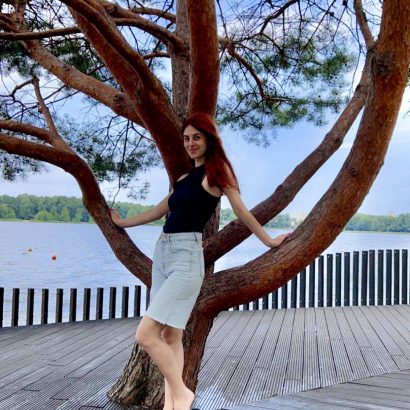

Wigs are the quickest way to change your hair, but the styles that look the most natural are often the simplest in cut and color. The current shift favors soft, face-framing layers and lived-in tones that move with you, not against you.
These 20 Simple Wig Hair ideas range from short pixies to long layers, covering low-upkeep bobs and styles that embrace natural texture. Whether your hair is fine and falls flat or you need a fringe that actually sits right, this collection skips the fuss and gets to what works.
Collarbone Layered Bob With Curtain Bangs
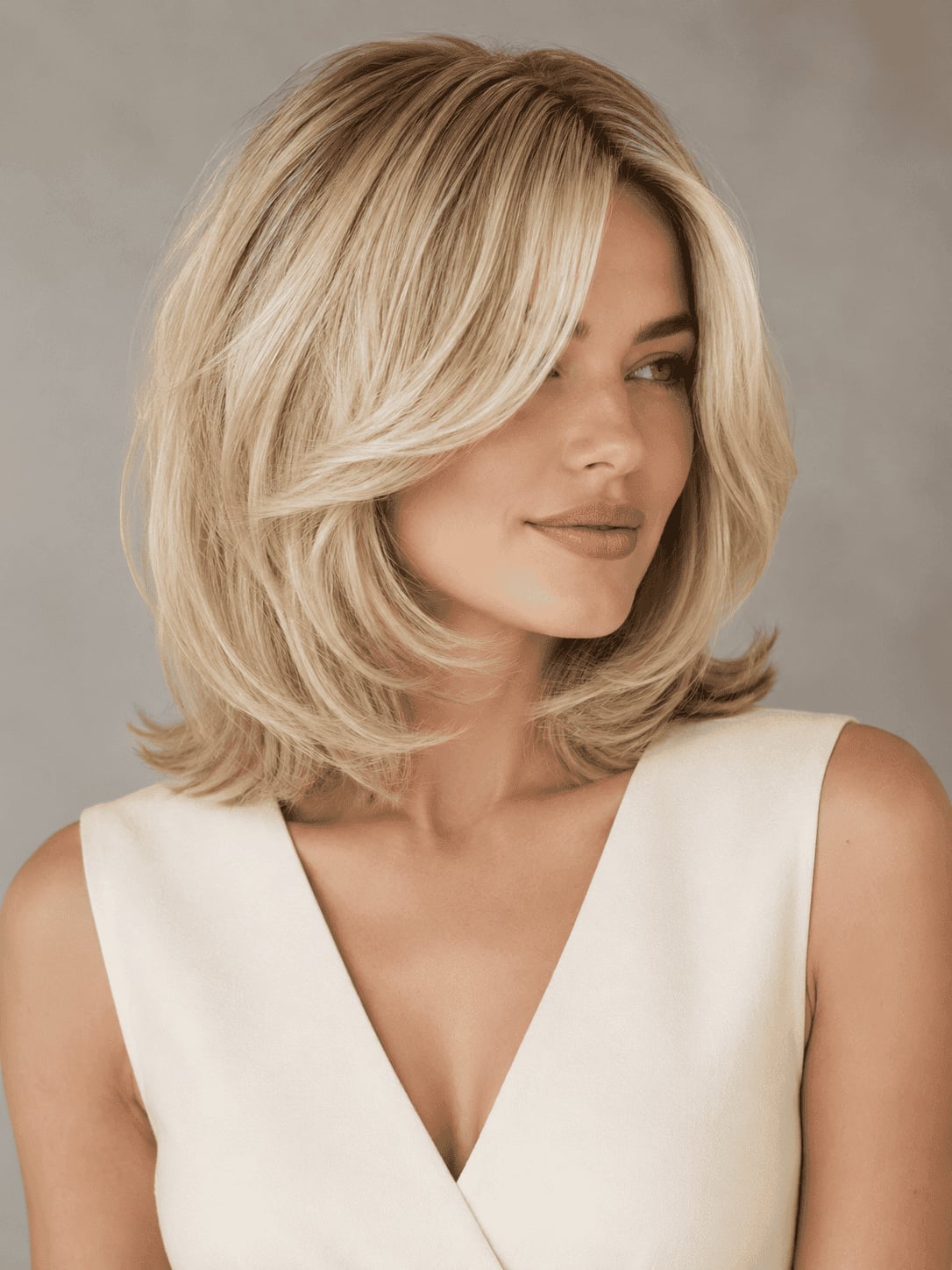
A collarbone-length layered bob with curtain bangs walks a careful line: long enough to pull back, short enough to feel like a real change. The ash blonde base with lighter highlights adds dimension without looking stripey, and the soft waves keep the whole thing from reading as too precious. Medium density hair at collarbone length works best here, and the face-framing layers soften oval and heart shapes nicely. Ask your stylist for: collarbone layered bob, soft curtain bangs, loose waves. Blow-dry the fringe first with a round brush; a trim every six to eight weeks keeps the shape honest.
Mid-Back Length Layers With Loose Waves

Ever wonder why long layers sometimes look like nothing happened? The trick is in the proportion. This mid-back length cut uses subtle long layers that start below the shoulders, so the hair keeps its weight but gains movement. The curtain bangs soften the forehead, and the loose waves break up what could otherwise be a solid curtain of color. The light brown base with subtle highlights adds depth without a trip to the colorist every month.
Thick, wavy hair at mid-back length is the ideal starting point; it elongates oval and long face shapes without adding width. Ask your stylist for: mid-back length, long layers, curtain bangs, loose waves. A large barrel curling iron builds the wave quickly, and a trim every eight to ten weeks prevents the ends from looking tired. This is a low-commitment cut for everyday wear, but it also holds up for an evening out with minimal fuss.
Collarbone Shag With Curtain Bangs

A collarbone shag sounds like a lot of work, and sometimes it is. Unlike a standard layered bob, the shag relies on choppy, face-framing layers that can fall flat on fine, wavy hair if the texture isn’t cooperating. The dark brown base keeps the cut grounded, and the curtain bangs soften the overall effect, but the honest trade-off is that this style needs a texturizing spray to keep the layers from disappearing by midday. Fine to medium hair starting at collarbone length has the best chance of holding the shape; it adds volume where straight cuts would lie flat. Ask your stylist for: collarbone shag, curtain bangs, face-framing layers.
Chin Length Layered Bob With Side Swept Bangs

The chin-length layered bob with side-swept bangs works because the layers add movement without a choppy outline. The side-swept bangs soften the transition from hairline to jaw. The strawberry blonde base with subtle highlights keeps the color from looking flat, which helps fine hair avoid a one-dimensional appearance. This cut softens square and angular jawlines by drawing the eye diagonally. Ask your stylist for: chin length layered bob, soft side-swept bangs. Bring a photo of the exact bang length you want, because side-swept can drift into curtain territory fast.
Collarbone Wavy Hair With Dimensional Color

The dimensional color on this collarbone-length cut creates a soft grow-out line. A root shadow at the base blends into blonde highlights that are painted through the ends, so the grow-out line is soft. The wavy blowout and side-swept bangs give the color something to catch on, and the medium density texture holds the wave without looking overworked.
This is a salon-only color technique; the root shadow alone takes about an hour to apply. At home, a sea salt spray reactivates the wave on day two, and the baseline needs a trim every six to eight weeks to keep the collarbone length from slipping into something longer. Ask your colorist for: collarbone wavy hair, side-swept bangs, dimensional blonde highlights. The payoff is a color that moves with the hair rather than sitting on top of it.
Collarbone Bob With Blunt Bangs
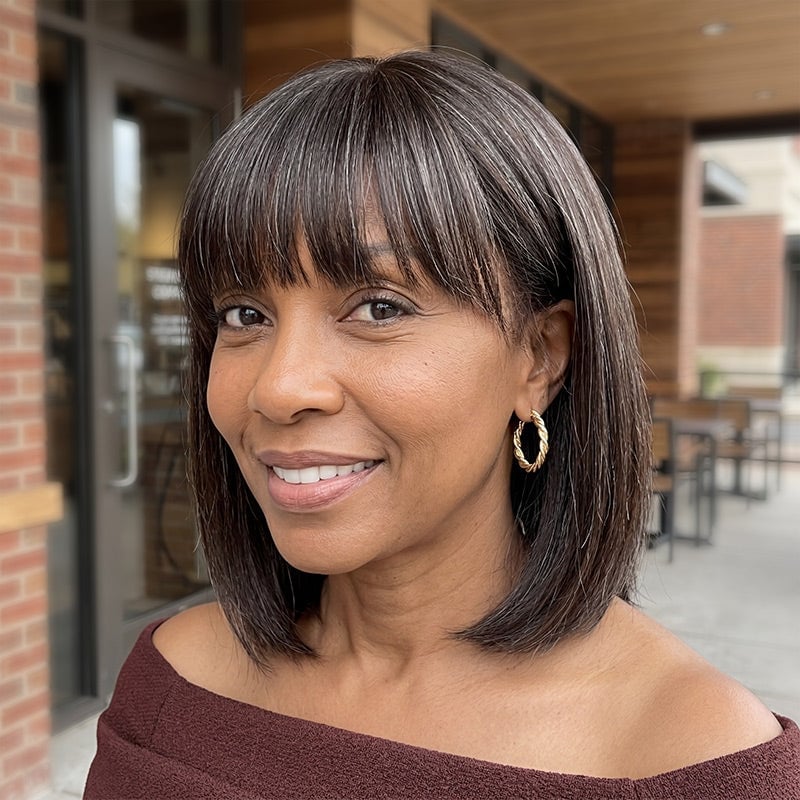
A blunt bob with blunt bangs is the polar opposite of soft and wispy, and that is exactly the point. The collarbone-length baseline and heavy fringe create a sharp, graphic line that works best on medium-density straight hair and strong jawlines. Ask your stylist for: collarbone blunt bob, blunt bangs, dark brown with gray streaks. The gray highlights add a subtle edge without screaming for attention. The honest drawback: this cut demands precision, so plan on a trim every four to six weeks to keep that blunt line from looking sad and grown out.
Shoulder Length Layered Cut With Curls
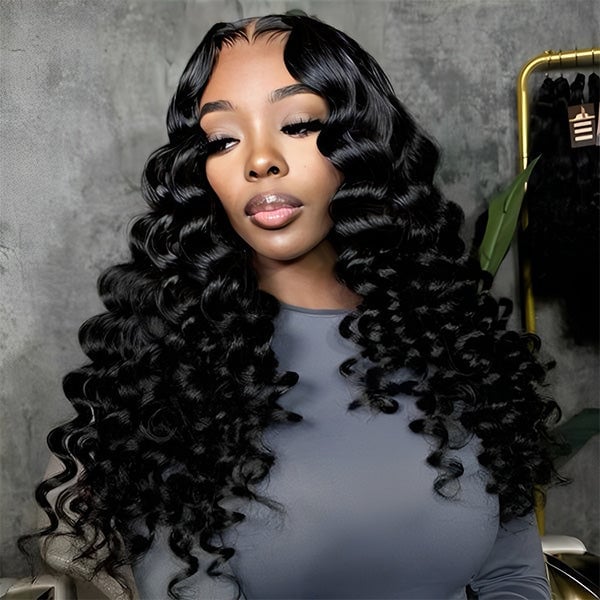
A shoulder-length layered cut with loose curls solves the problem of thick, wavy hair that tends to triangle out at the ends. The layers remove weight while the face-framing bangs soften the overall shape. Ask your stylist for: shoulder length layered cut, loose defined curls, face-framing bangs. This is a genuinely flattering option for rounder face shapes, as the volume stays at the sides rather than puffing up at the crown. If your hair is fine or straight, you will likely find the curls fall flat by midday, so pass this one by.
Shoulder Length Thick Curly Hair
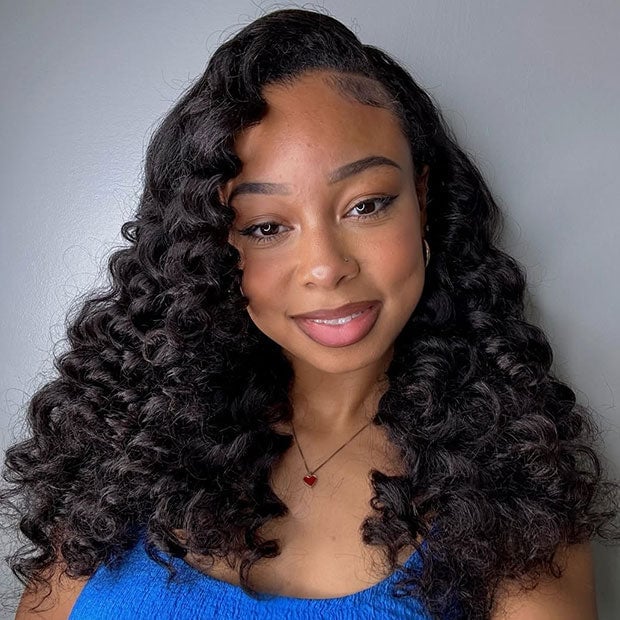
Thick, curly hair at shoulder length with subtle layers and a side parting is a style that wears itself, provided you are willing to work with the curl pattern rather than against it. Ask your stylist for: shoulder length thick curly hair, loose defined curls. The daily routine involves a microfiber towel to dry and a scrunch to encourage definition, then letting it air dry. The upkeep is refreshingly minimal: trim only when the ends start to feel heavy, which for most curly textures is every twelve weeks or so.
Collarbone Length Layers With Loose Curls, Close-Up Take
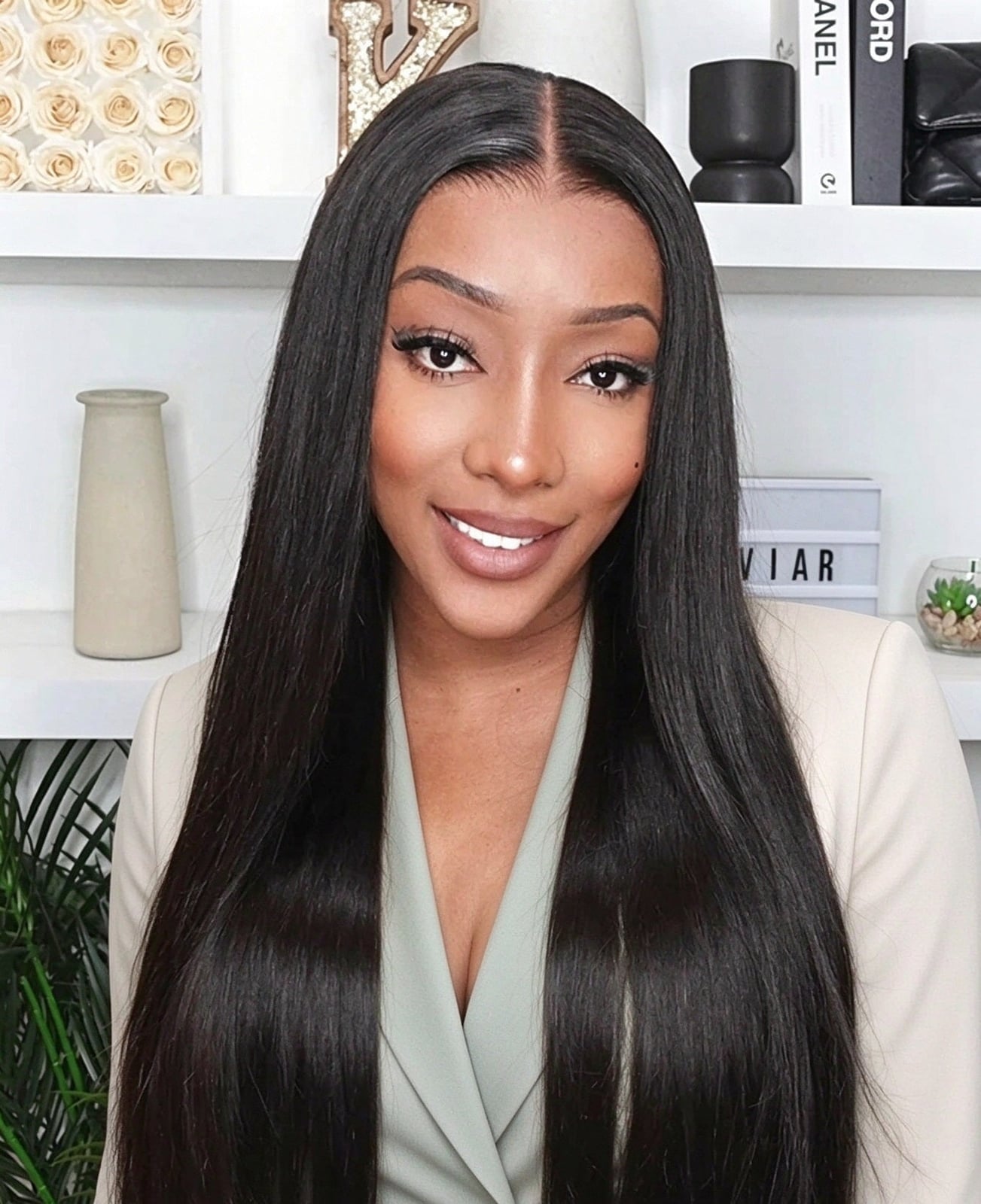
Does adding layers to thick, collarbone-length hair automatically give you a shape you can walk out the door with? Not quite. Without enough curl or wave to hold the internal volume, thick hair in this configuration tends to fall into a soft triangle, wider at the bottom than at the crown. The loose curls and middle parting on this dark brown wig prevent that collapse by breaking up the density and letting each layer move separately. Ask your stylist for collarbone length layers, loose curls, dark brown. This is a salon-only cut, and the real drawback is that on days you skip the curling wand, the shape can look noticeably heavier and less defined.
Mid-Back Length Layers With Loose Waves, Close-Up Take
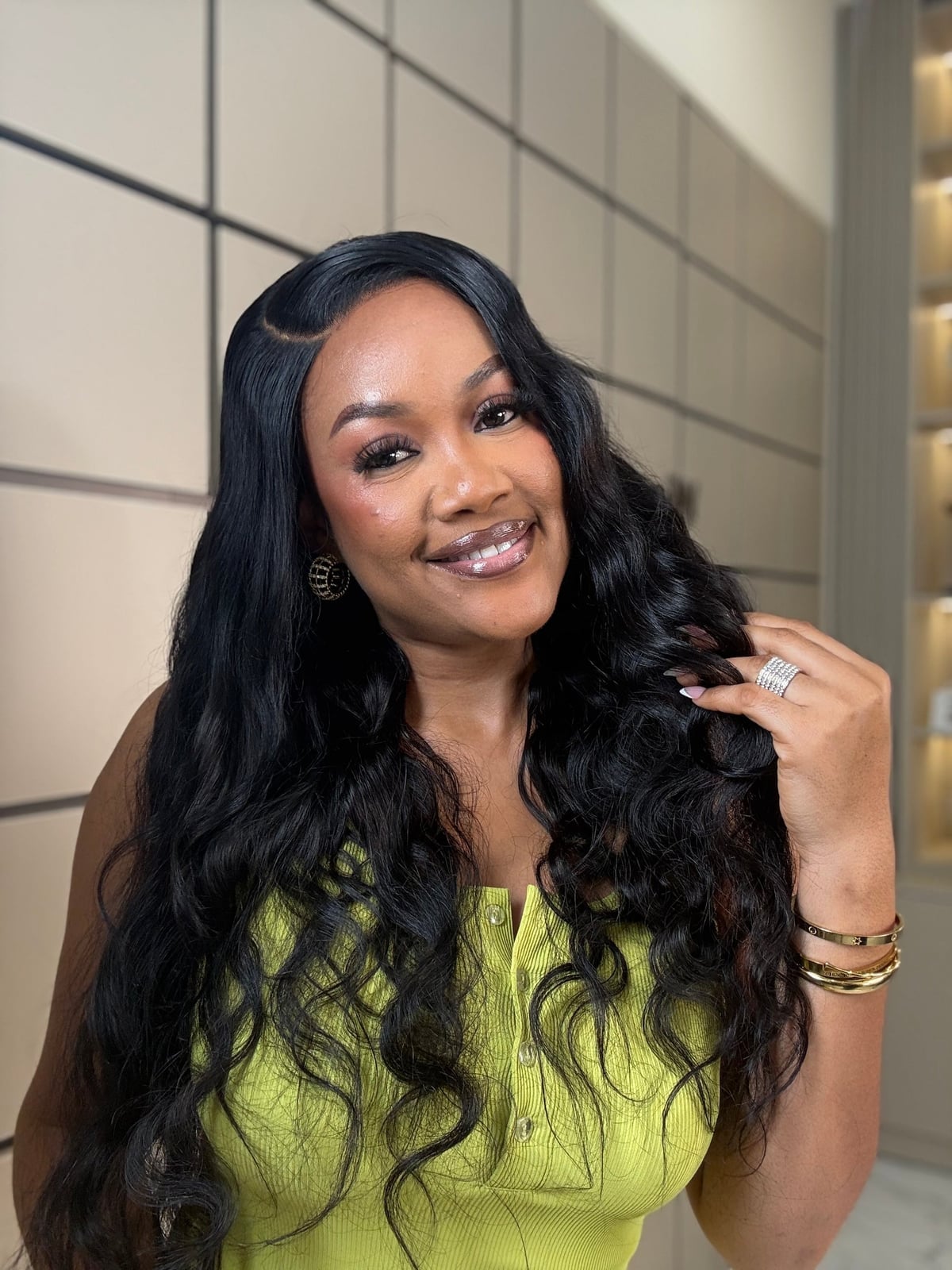
When you book the appointment, be specific about the layers: long layers that start below the chin, not short ones that create a stacked effect. The side-swept bangs should blend into the face-framing pieces rather than sitting as a separate chunk. A large barrel curling wand is the tool for the waves, and a trim every ten to twelve weeks keeps the layers from growing out into a shapeless curtain.
Mid-Back Length Long Layers With Waves, Dark Brown
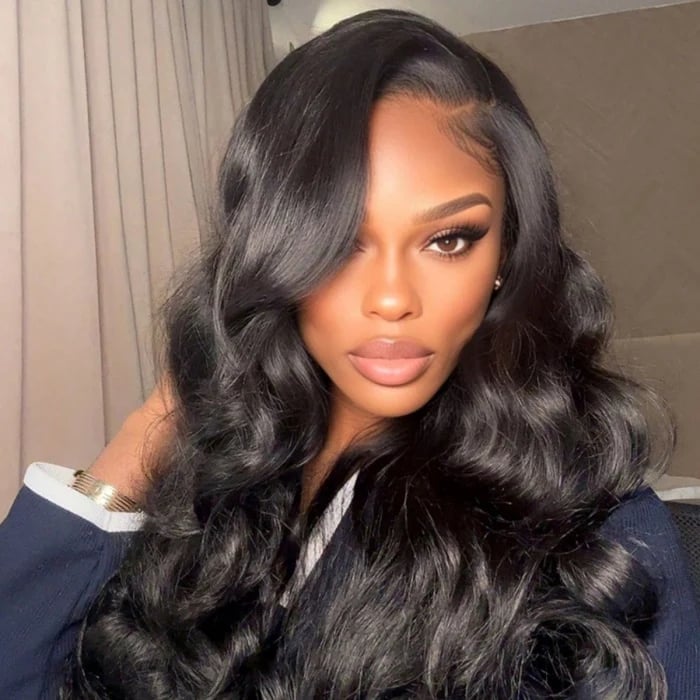
The dark brown base lets the wave pattern do the talking here. Long layers are cut through the mid-back length so each wave stacks on the one below instead of collapsing into a single heavy mass. Side-swept bangs break the horizontal line across the forehead, which keeps the volume from reading as one big poof. Thick wavy texture needs that internal shaping to move freely rather than just expanding outward.
Ask your stylist for: mid-back length long layers, side-swept bangs, loose waves. A smoothing serum on damp hair cuts the frizz without flattening the lift. Trim the layers every ten to twelve weeks to keep the wave pockets intact. The side part shifts the weight to one side, so the hair swings rather than sitting like a helmet.
Mid-Back Length Loose Waves With Middle Part, Black
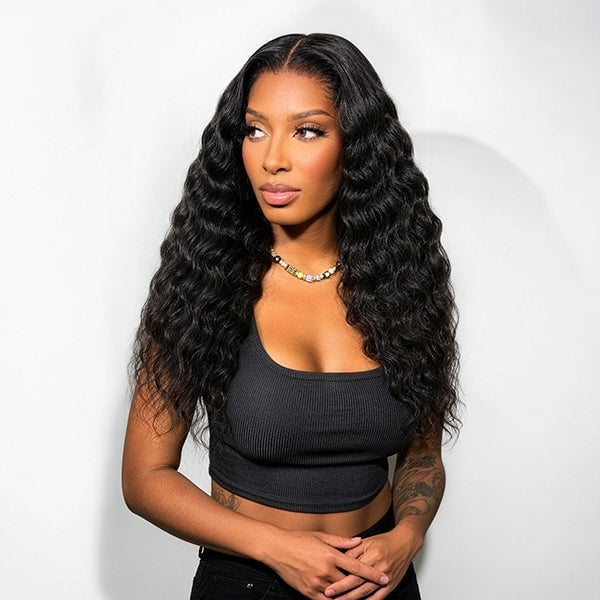
It is not a no-commitment length, but the middle part and no bangs make it a no-fuss one. Mid-back length loose waves in black rely on the hair’s own thickness for body. Oval and long face shapes get the most out of this balance. Rounder faces find the vertical line elongating, but the waves add width. Ask your stylist for: mid-back length, loose flowing waves, middle part. A wide-tooth comb on damp hair and air drying preserves the natural bend. Trims every ten to twelve weeks keep the ends from splitting up the wave pattern.
Mid-Back Length Sleek Straight Hair
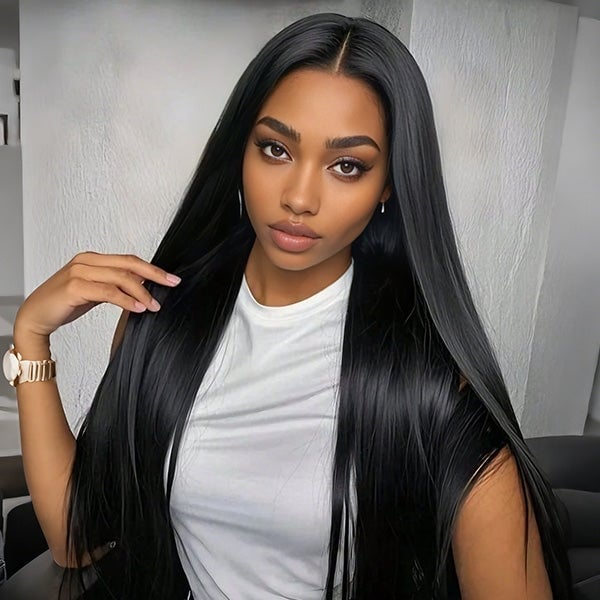
A blunt cut at mid-back length on fine straight hair is a zero-tolerance design. Every split end, every flyaway shows against that glossy, uninterrupted line. The middle part demands symmetry. The black color amplifies the clean geometry. It is a look that works for work and formal settings because it reads as deliberate.
Ask your stylist for: mid-back length sleek straight hair, blunt cut, middle part. A shine serum on the ends keeps the surface reflective. The real drawback is upkeep. The blunt baseline needs a trim every eight to ten weeks. Skip one appointment and the hemline starts to feather, which defeats the whole point. A dry shampoo at the roots buys a day between washes on fine textures.
Mid-Back Kinky Straight Half Wig
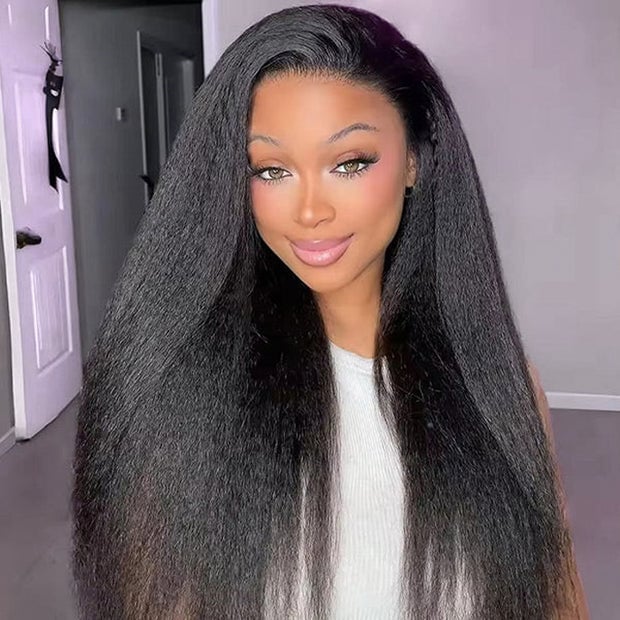
A half wig at mid-back length with a middle part gives the density of a full install without the full commitment. The kinky straight texture blends with air-dried leave-out better than a bone-straight fiber would. The thick body holds the shape without heat styling, which is the honest advantage. The texture needs a specific product hand. A moisturizing cream and a wide-tooth comb when damp set the wave pattern. Skip those and the hair goes undefined.
Ask your stylist for: mid-back kinky straight half wig, middle part. The DIY learning curve is short. Clipping it in takes under ten minutes once you find the right placement. The middle part requires your own hair to match the texture closely, so this one works best for those whose natural hair has a similar kink. A gloss spray can unify the fibers with your own ends.
Chin Length Bob With Side Swept Bangs, Close-Up Take
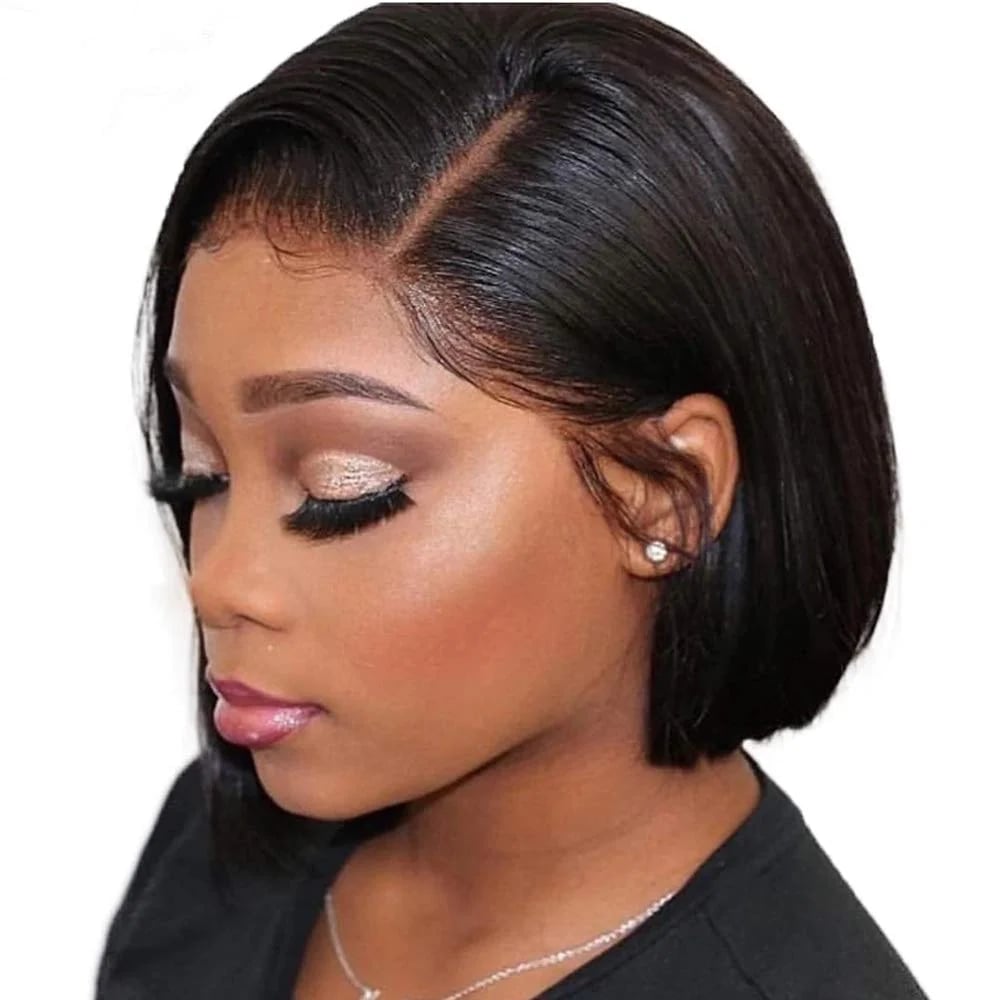
A chin-length bob from the side view shows the rule of the clean line. The sharp, straight edge hits exactly at the chin, creating a single strong silhouette. Fine straight black hair holds that line without puffing out. Side-swept bangs add a diagonal break so the shape does not look like a box. Ask your stylist for: chin length sharp bob, sleek straight, side-swept bangs. A flat iron daily keeps the finish mirror-smooth. The bob baseline and the bangs both need a trim every four to six weeks, or the sharpness goes soft. It is a high-maintenance shape for a low-maintenance morning.
Chin Length Blunt Bob With Blunt Bangs
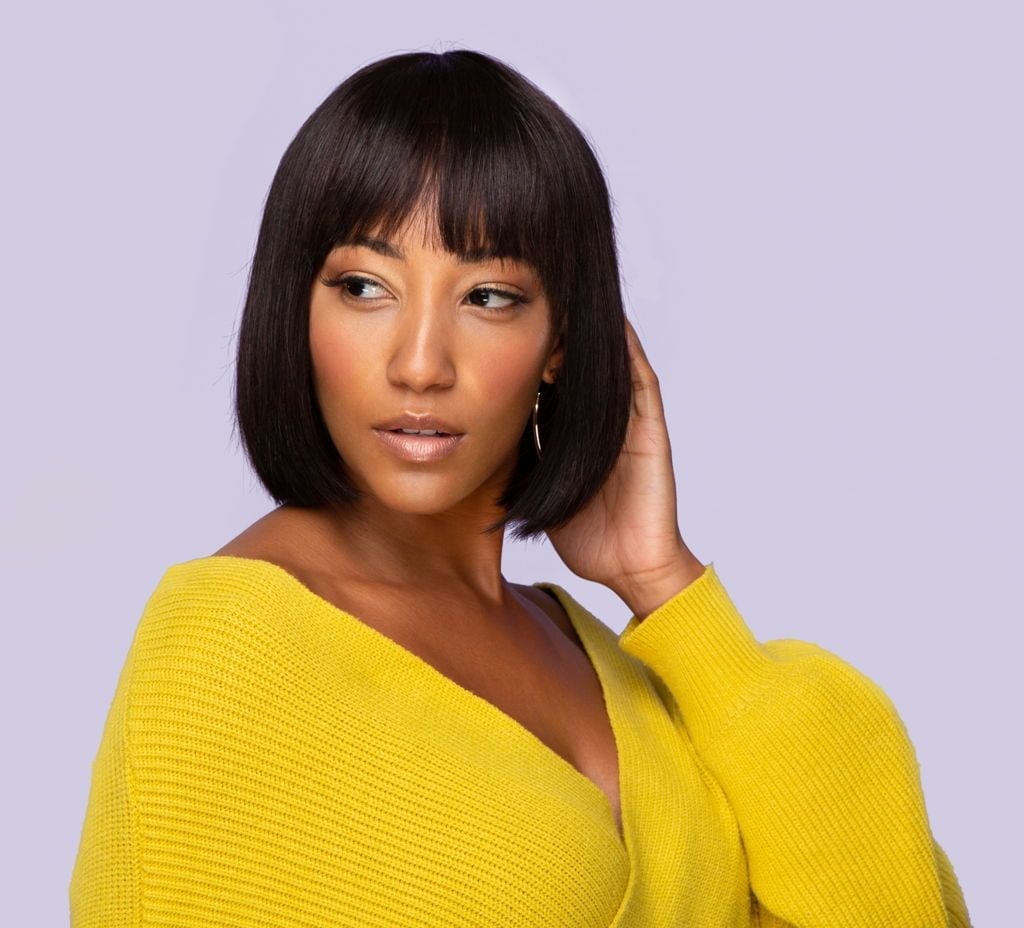
A chin-length blunt bob with blunt bangs and a middle parting is the haircut equivalent of a crisp white shirt: it works because nothing is trying to hide. This design suits fine, straight hair that can handle a hard line without collapsing. Ask your stylist for a chin length blunt bob, blunt bangs, and a middle part. The graphic precision is the point, so do not expect softness.
Collarbone Wavy Gray Hair With Curtain Bangs

This cut works well for fine, wavy gray hair because the collarbone length prevents the weight from pulling waves flat, and the curtain bangs soften the face without requiring daily styling. It is a good choice if you want gray to look intentional. Ask your stylist for collarbone wavy gray hair with curtain bangs and a soft blowout. A texturizing spray helps hold the shape between washes, and a trim every six to eight weeks keeps the ends from fraying.
Short Layered Pixie With Blonde Highlights

Building volume into a short pixie requires layers cut close to the crown and a blowout that lifts at the roots. The blonde highlights against darker roots add depth without needing a full color overhaul. Ask your stylist for a short layered pixie, side-swept bangs, and blonde highlights. This cut requires a salon visit: the interior layers need precise scissor work, and a trim every four to six weeks is essential.
Ear Length Wavy Pixie With Wispy Bangs
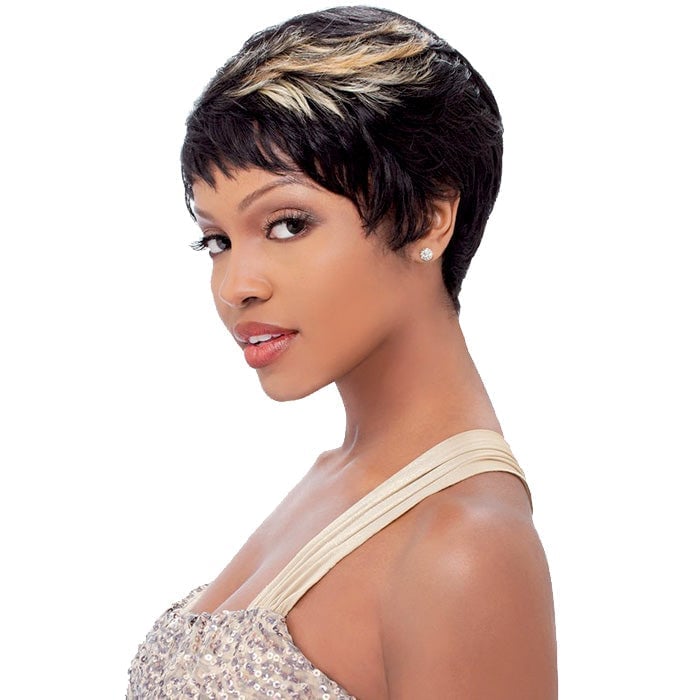
Compared to a blunt pixie, a wavy version with short wispy bangs looks softer but requires more attention. The wispy bangs on fine hair tend to separate and lose their shape by midday, especially if the wave pattern is uneven. Ask your stylist for a wavy pixie cut, wispy bangs, and blonde highlights. A pomade dabbed on the ends redefines the pieces quickly. The honest drawback: this cut needs a refresh every four weeks, or the bangs start looking accidental.
Ear Length Black Pixie With Side Swept Bangs
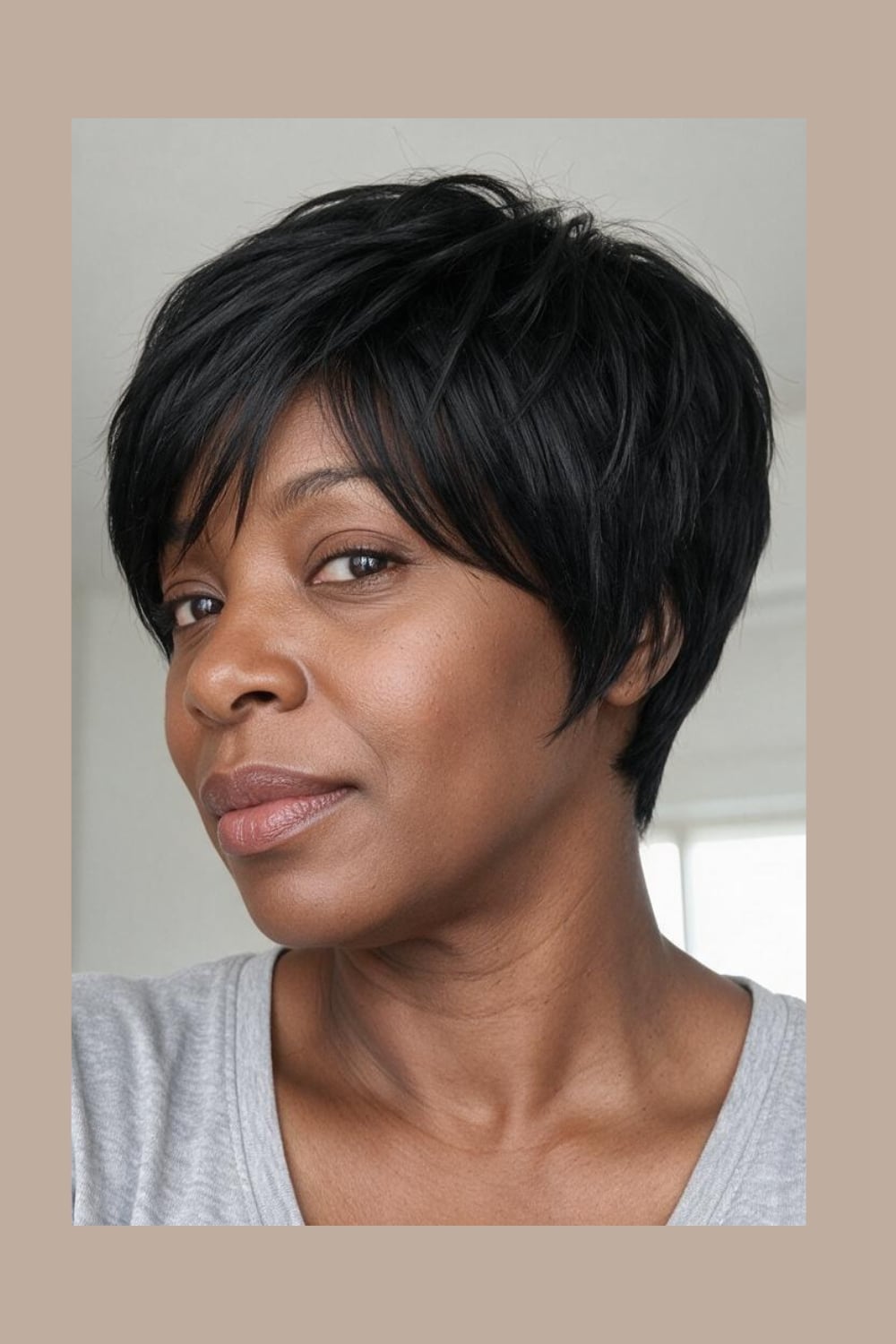
A short textured pixie with side-swept bangs relies on precise layering to avoid looking like a helmet. The trick is that the layers must be cut short enough to stand up at the crown but long enough to sweep forward. Ask your stylist for a short black pixie with textured layers and side-swept bangs. This cut takes about an hour to execute well. You will need a styling wax and five minutes of finger-combing every morning to keep the texture visible.
Final Thoughts
For a wig that requires minimal styling, opt for cuts with inherent shape like layered bobs, pixies, or styles that embrace natural texture like waves or curls. Fine hair benefits from a blunt baseline and light layers; round faces need length below the chin to balance the shape.
- Trim wigs every 6-8 weeks for blunt cuts, longer for layered styles.
- Tone blonde or gray wigs every 4-6 weeks to maintain shade.
- Wash wigs as needed, typically every 10-20 wears depending on product use.
- Use heat protectant spray before styling with hot tools.
- Store wigs on a mannequin or wig stand to maintain shape.
Simple wig styles offer maximum impact with minimum effort.