

Every winter I watch the same thing happen in the chair next to mine: a guy walks in with a shapeless mop, walks out with a clean fade and suddenly looks like he owns the room. It’s not magic, it’s structure, and I’ve been taking notes for eight years.
This roundup of 24 Winter Haircuts for Boys covers the range: low-maintenance crops for fine hair, high-drama fades for thick texture, and everything in between. If you have fine hair that goes flat by 4 pm like mine, or a grow-out line that shows at week five, there is a cut here that buys you time. I wrote this for the person who wants a real answer, not a salon pitch.
Textured Crop With Faded Sides

The textured crop for boys works because the fade does the heavy lifting and the top does the talking. Ear-length on the sides, short fringe swept forward, and those wavy layers give medium-density hair something to do. A side part keeps it from looking like a helmet. The texture is the whole point: choppy enough to catch light, short enough that it won’t flop. This is not a cut for stick-straight fine hair, it will look too sparse. For wavy, medium density, it is the easiest good hair day you will have all winter.
Classic Short Cut With Soft Bangs
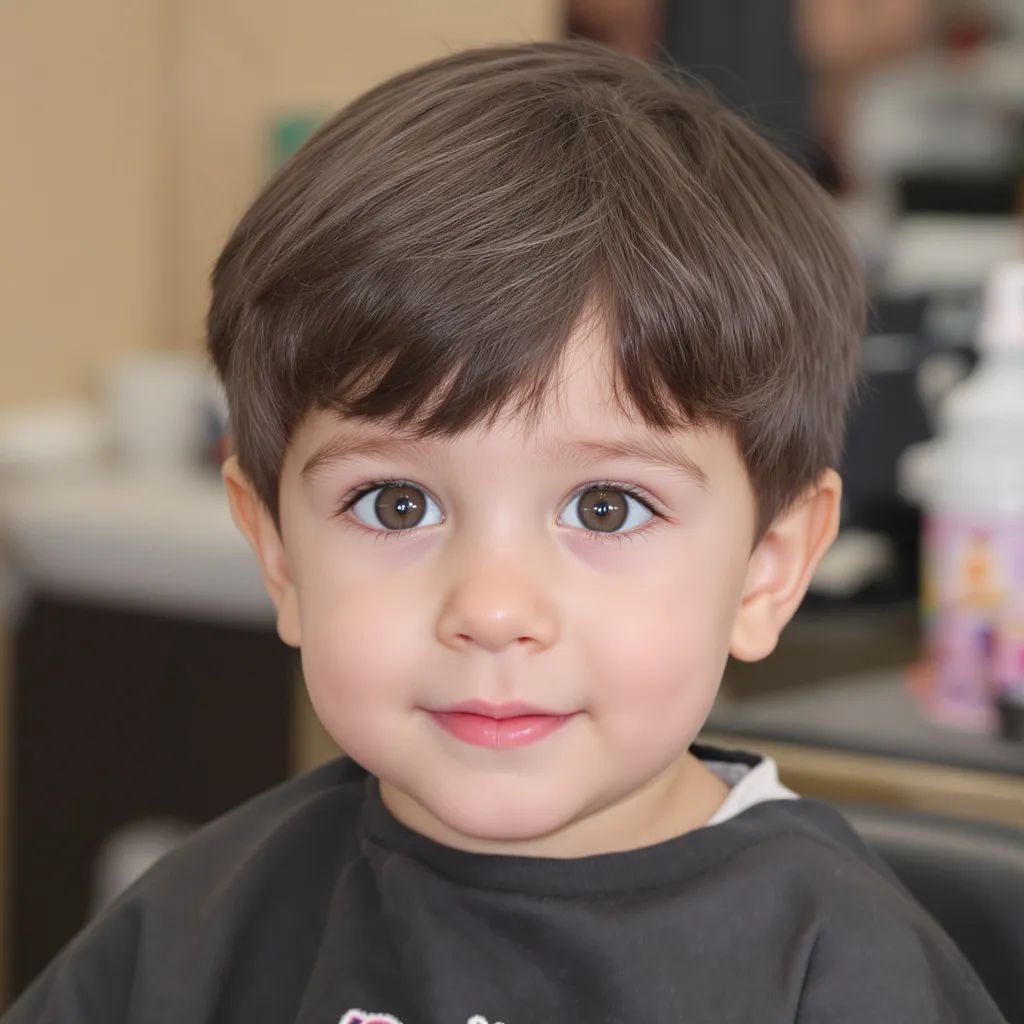
This classic boy haircut beats the textured crop if your hair is straight and fine. The soft, rounded bangs sit just above the brows, the rest is cropped close all over. No layers to speak of, just a clean shape that does not fight your texture. A middle part keeps it symmetrical. It is the haircut that looks like you tried without trying, which is exactly the point. The edgy crop wants texture. This one wants neatness. Pick your fighter.
Taper Fade With Voluminous Top
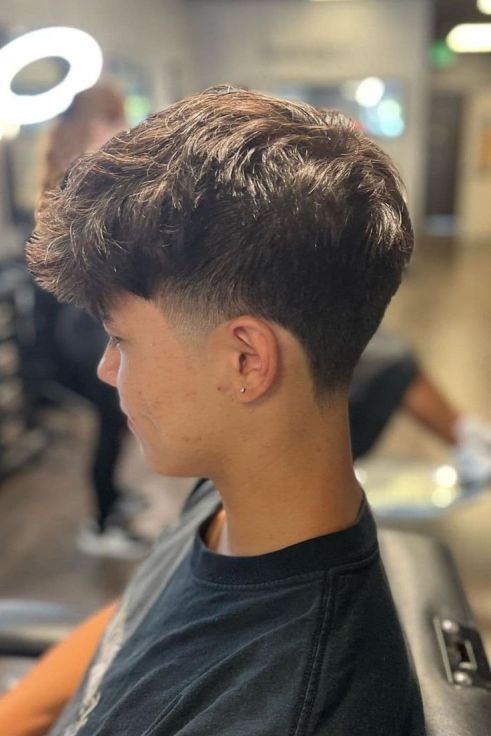
The taper fade textured top is a two-part construction. First, the fade: it starts skin-tight at the nape and ear and graduates up into the longer hair. Second, the top: left long enough to hold volume, cut with interior layers so it lifts instead of lying flat. No bangs, no visible parting, just a thick, wavy mass that you work a strong-hold product through. Styling takes five to seven minutes, mostly coaxing the front upward. A trim every three to four weeks keeps the fade from looking fuzzy. The volume is the payoff.
Layered Side Part With Swept Bangs
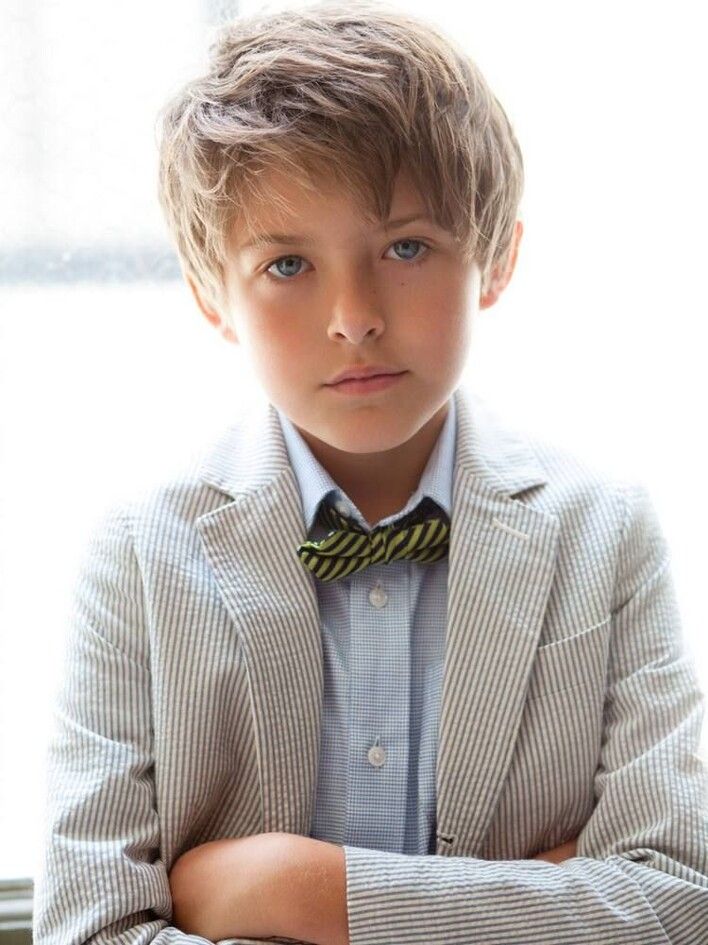
Does a winter party require a haircut that looks deliberate but not stiff? The layered side part for boys answers that. Chin-length, wavy, with the bangs swept to one side and the layers cut so they stack instead of blending. A side part anchors it all. The texture keeps it from reading as preppy. This cut works for holiday gatherings because it cleans up well with a comb and relaxes into something casual after an hour. The swept bangs are the star: long enough to tuck behind an ear, short enough to stay put.
Classic Side Part With Short Fringe

I did not expect to defend the short side part for boys, but here we are. Straight, fine hair, cut short all over, with a short fringe that sits just above the brow. The side part is clean and sharp. This is a salon cut, not a bathroom-mirror job, because the precision of the fringe and the evenness of the sides matter. It flatters oval and oblong face shapes best, the short fringe balances a longer forehead. No texture tricks, no volume games. Just a comb and a clear part.
Short Curly Crop With Wispy Bangs
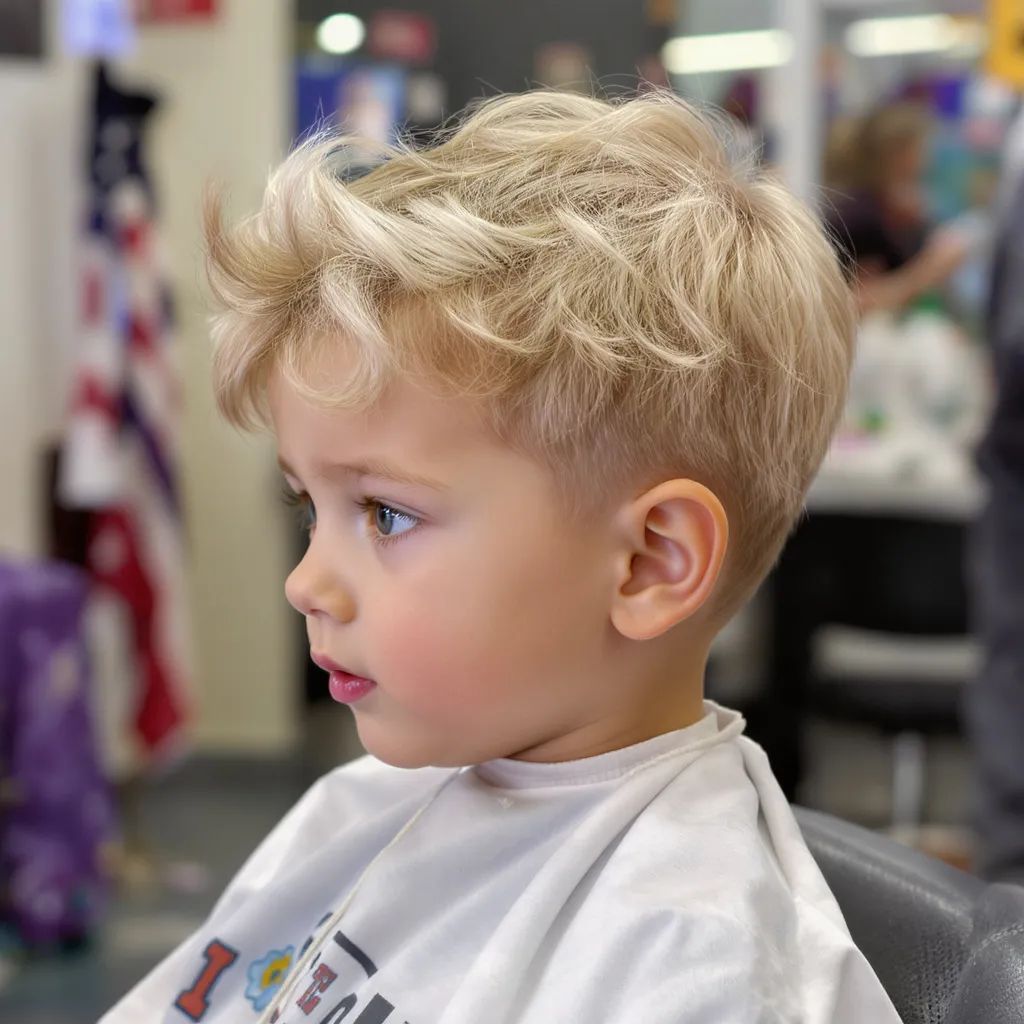
There is something about a curly crop in winter that just works. The cut keeps the sides short, ear length at most, and the layers are cut into the curls so they stack instead of puffing out. The bangs are wispy, barely there, which matters because thick curly bangs can turn into a helmet. Texture here is curly and fine, which means it needs a light hand with product or it wilts. The honest downside: winter air pulls the moisture right out. Frizz shows up by lunch if you skip a leave-in.
Mohawk Fade With Spiky Top
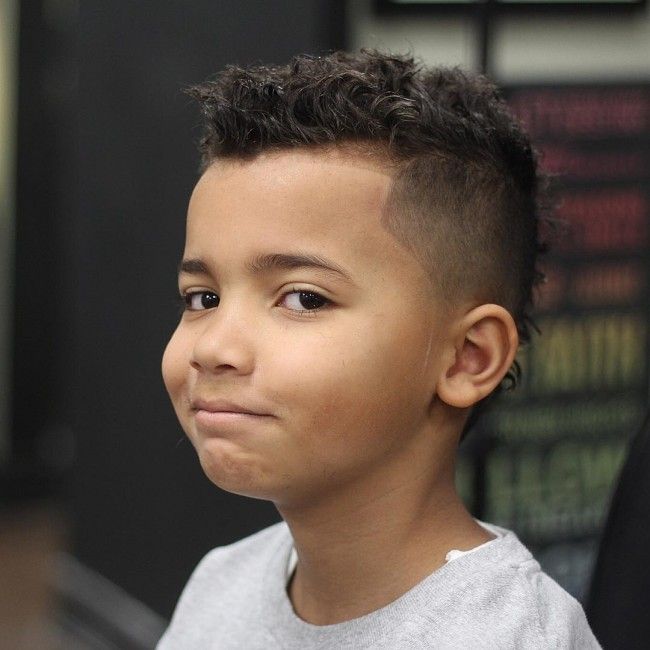
The fade on a mohawk is not the same fade you get on a crop. It goes high, almost to the crown, and the transition is abrupt. That is the point. The top is left long enough to spike, and the texture is curly and thick so the spikes hold their shape without a full can of product. No bangs here — the front is pulled into the spikes. The cut relies on a clean line from the fade to the longer top, and the layers are cut short enough that each spike stands alone. It takes a barber who understands tension and a clipper guard that does not slip.
Textured Crop With Side Fade
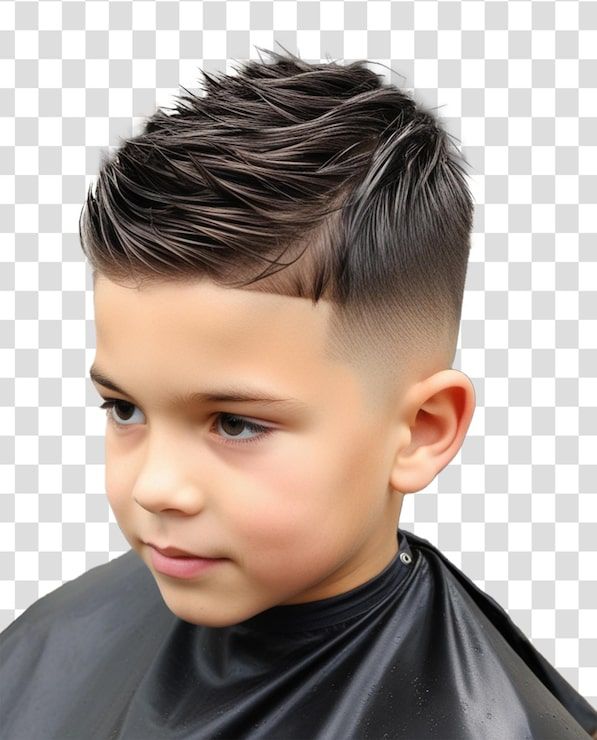
Do you have wavy hair that does not know what it wants to do? This crop is for you. The cut keeps the sides faded short and the top long enough to show texture, about three inches. The bangs are a short fringe that hits just above the brow, and the layers are cut into the wave pattern so the hair falls where it is supposed to. Medium density is the sweet spot — too thick and the top gets heavy, too fine and the texture disappears. The side fade softens the transition so the crop reads modern, not severe. It is a barber chair cut, not a kitchen-scissors situation.
Short Back and Sides With Spiky Fringe
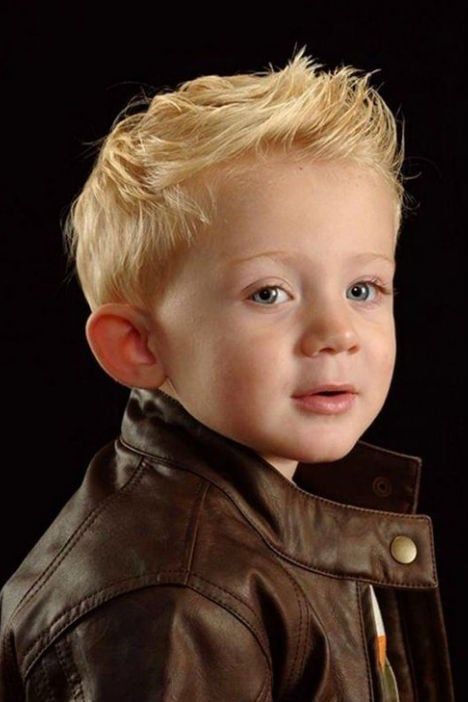
I will admit I underestimated how much work a spiky fringe takes. The cut is straightforward: short back and sides, ear length, with a fringe left long enough to spike forward. The layers are cut into the fringe so each piece lifts separately, and the texture is wavy and fine, which means the spikes soften by the afternoon. Winter hats flatten them in ten seconds. Bangs here are the whole point — short, spiky, aimed forward. Upkeep is real: a trim every four weeks keeps the fringe from turning into a curtain. Worth it if you have the three minutes in the morning.
Taper Fade With Volume Swept Back
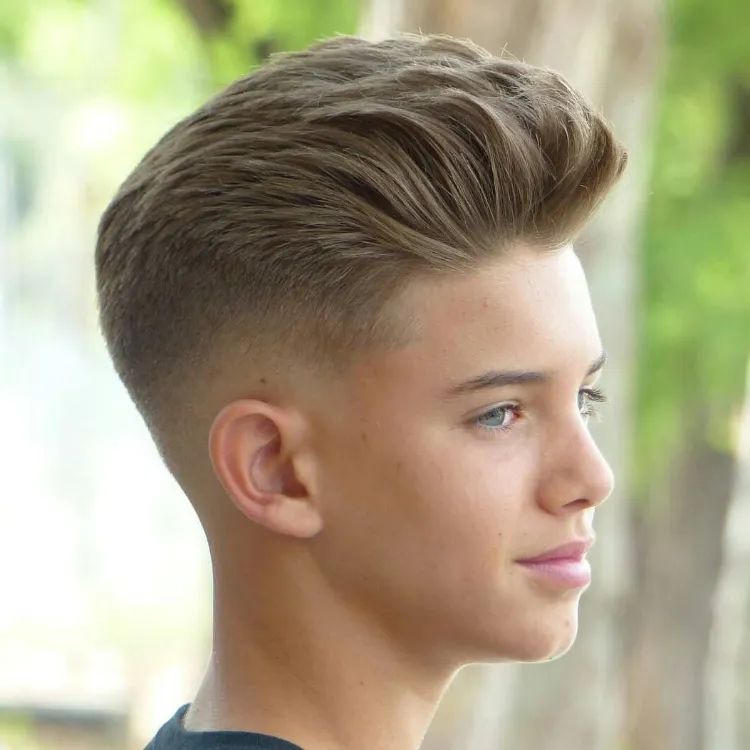
This is the cut that looks polished without trying to be anything else. The taper fade on the sides and back is gradual, not abrupt, and the top is left long enough to sweep back with volume. No bangs — the hair moves away from the face entirely. Texture is straight and thick, which is what makes the volume hold. Curly or wavy hair fights the swept-back shape. The layers are cut into the top to remove weight, so the hair lifts instead of lying flat. Compared to a textured crop, this one reads cleaner, more deliberate. It needs a blow dryer and a round brush, but the result lasts through a windy commute.
Undercut With Textured Top and Highlights
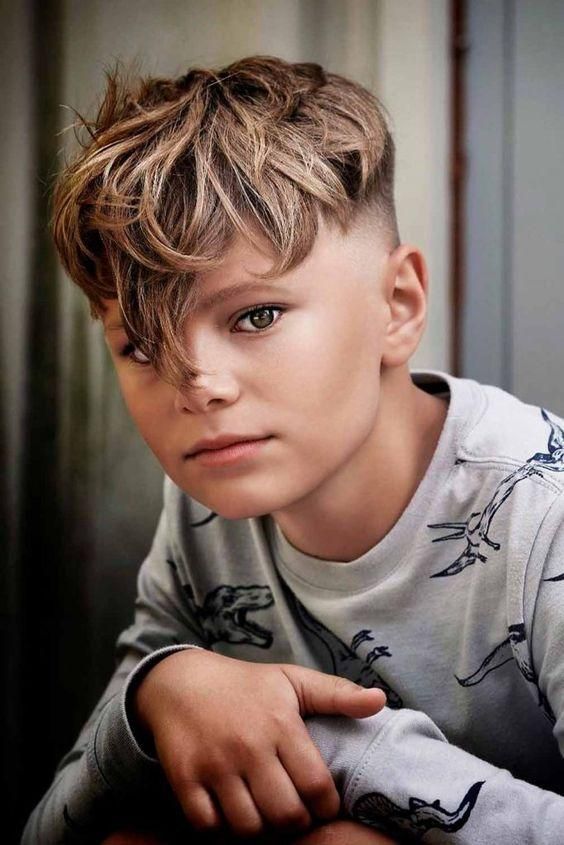
The undercut is a clean shave on the sides and back, leaving length on top. The contrast is the whole point. Dark brown base with blonde highlights woven through the top layers, not chunky stripes, just enough to catch light. The short fringe stays forward, textured with a bit of product. Wavy, thick hair holds the shape best. Straight hair needs a paste to keep the texture from falling flat by noon.
Ask your stylist for a clipper fade from a 1 up to a 3, disconnected from the top. The highlights should be babylights, fine and blended, nothing that screams 2003. This is a holiday party cut, the kind that looks deliberate under warm restaurant lighting. The top takes five minutes with a matte clay. The undercut needs a trim every two weeks if you want the line to stay sharp. Let it go three weeks and the whole thing reads as messy, not intentional.
Fade and Undercut With Sharp Line
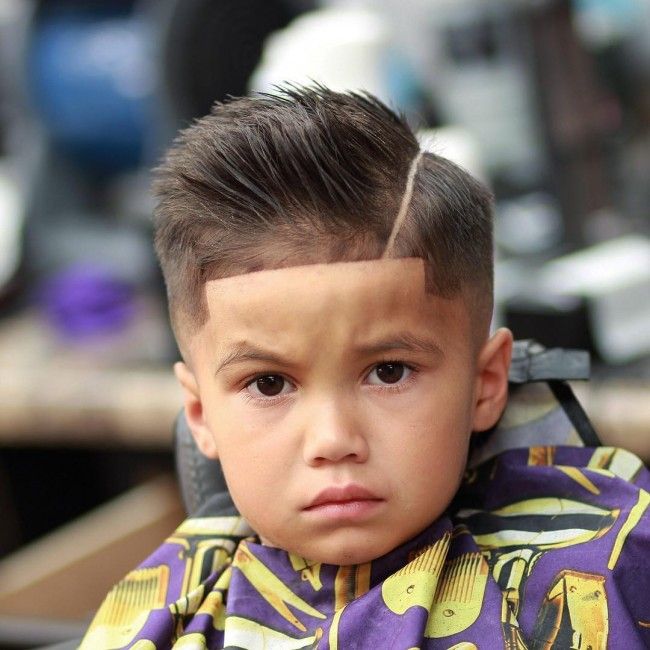
I looked at this and thought, that is not a haircut you negotiate. The sharp line carved into the undercut is the whole statement, a straight horizontal razor line above the fade. Straight, thick hair is non-negotiable here. Fine or wavy hair blurs the line within hours. The side-swept bangs soften the severity, but barely. The top is styled up and forward, a few inches of length. This is a salon cut, not a kitchen-scissors experiment. The line alone requires a steady hand and clippers with a guide. Book a barber who does fades daily, not someone who learned it from a YouTube video last week.
Textured Quiff With Blonde Highlights
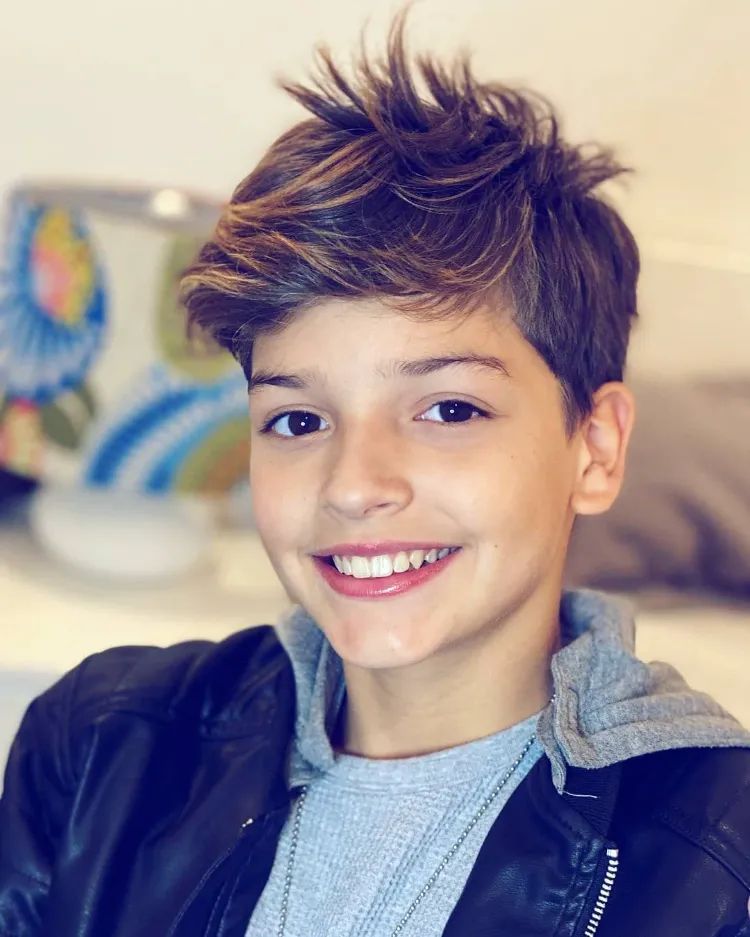
Winter light is flat and gray, which is exactly why the blonde highlights in this cut earn their keep. Dark brown base, fine ribbons of blonde through the top, not all over, just enough to catch the weak December sun. The quiff itself is built from wavy, thick hair, swept up and back with a short, swept fringe that lands just above the eyebrows. The texture comes from point-cutting, not razoring, so the ends stay blunt enough to hold shape.
The upkeep is the part nobody mentions. The highlights need a toner every six to eight weeks or they drift toward yellow. The quiff requires a blow-dryer and a round brush, about seven minutes, and a medium-hold product that does not harden into a shell. Trim every five weeks to keep the quiff from turning into a flat, shapeless mop. Skip a trim and the fringe hits the eyes, and the whole thing reads as unkempt rather than intentional.
Fade With Voluminous Hard Part
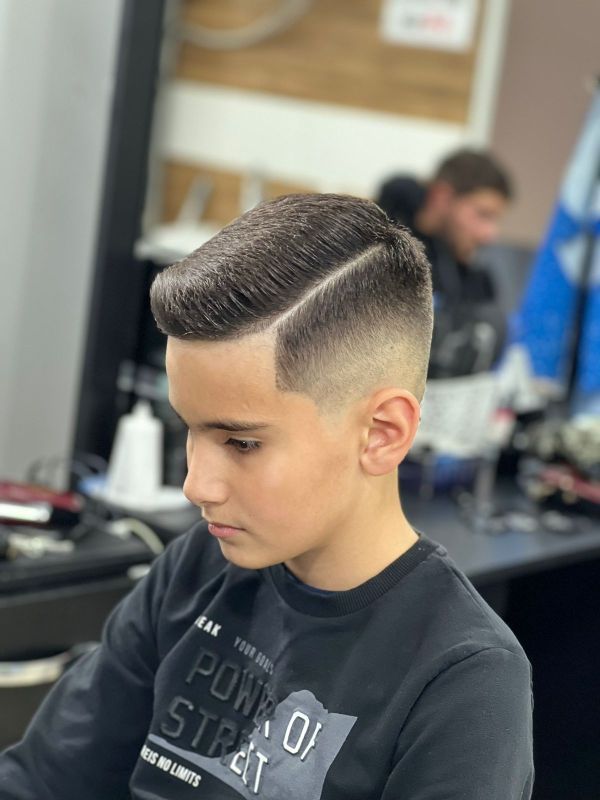
I will admit I underestimated this one. The hard part is a shaved line, clean and deliberate, that divides the fade from the voluminous top. It looks sharp in the chair. It stays sharp for about four hours. The top is swept to the side, black hair with enough density to hold height without a can of product. Straight, thick hair is the only texture that keeps the part visible through a workday. The honest downside: this cut demands a comb and a styling cream every single morning, no shortcuts. The fade needs a trim every three weeks. Miss two weeks and the hard part softens into a suggestion. The volume drops by noon if you skip the blow-dryer. It is a high-maintenance cut that looks effortless only because you spent eight minutes in the bathroom.
Fade With Tousled Blonde Top
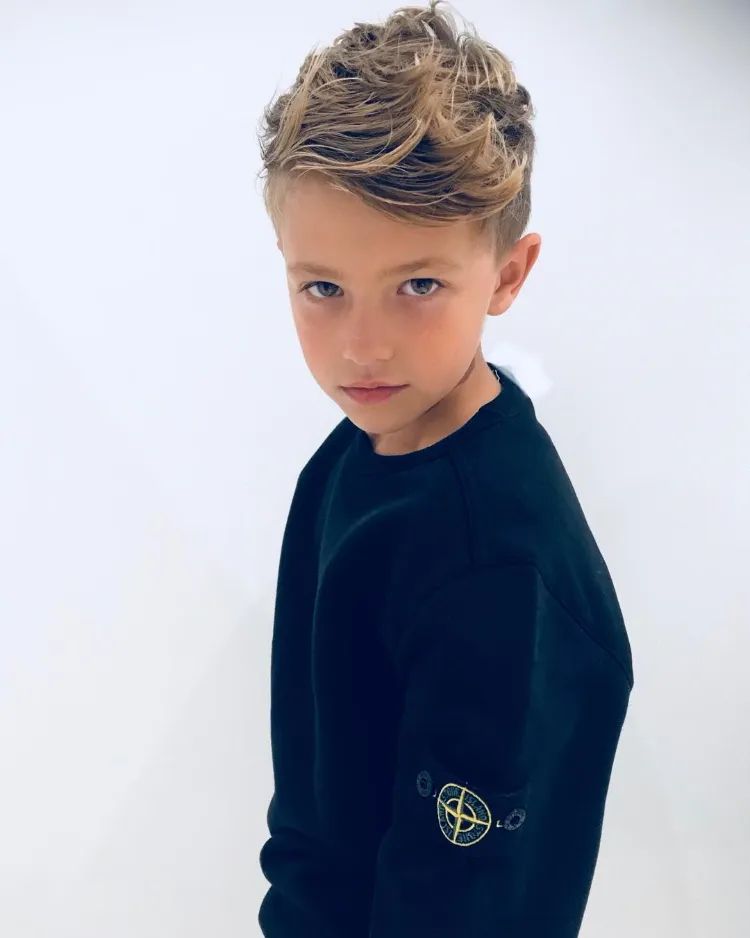
The fade here is a mid-skin fade, clipper work that transitions from bare skin to a 2 guard, then blends into the top. The tousled top is the opposite of precise, and that is the point. Wavy, medium-density hair with a blonde shade and darker roots, the regrowth is part of the look. The side-swept bangs are cut with texturizing shears, not blunt, so they fall into place without a brush. The technique is all about the disconnect: clean fade, messy top. A matte paste or sea salt spray, three minutes of finger-combing, done. The fade needs a trim every four weeks, but the top can grow for six before it loses the shape. The roots showing are not a mistake, they are the plan.
Blonde Short Textured Crop With Side Fade
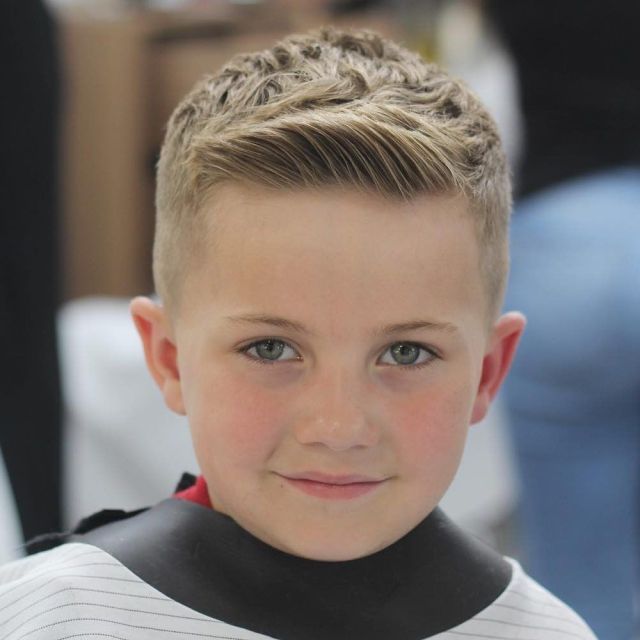
Who does this blonde short crop fade actually work for? Anyone with straight hair who wants to spend under five minutes styling. The cut is a short textured crop with a side fade, the bangs are a short fringe swept forward, and the blonde colour keeps it from reading too severe. The texture is straight, which means the fade stays crisp and the top doesn’t need coaxing. This is a salon job, not a bathroom-mirror project, because the fade needs a steady hand and the blonde requires a professional application. A short crop fade boys cut like this one flatters oval and square face shapes best.
Layered Cut Swept to the Side
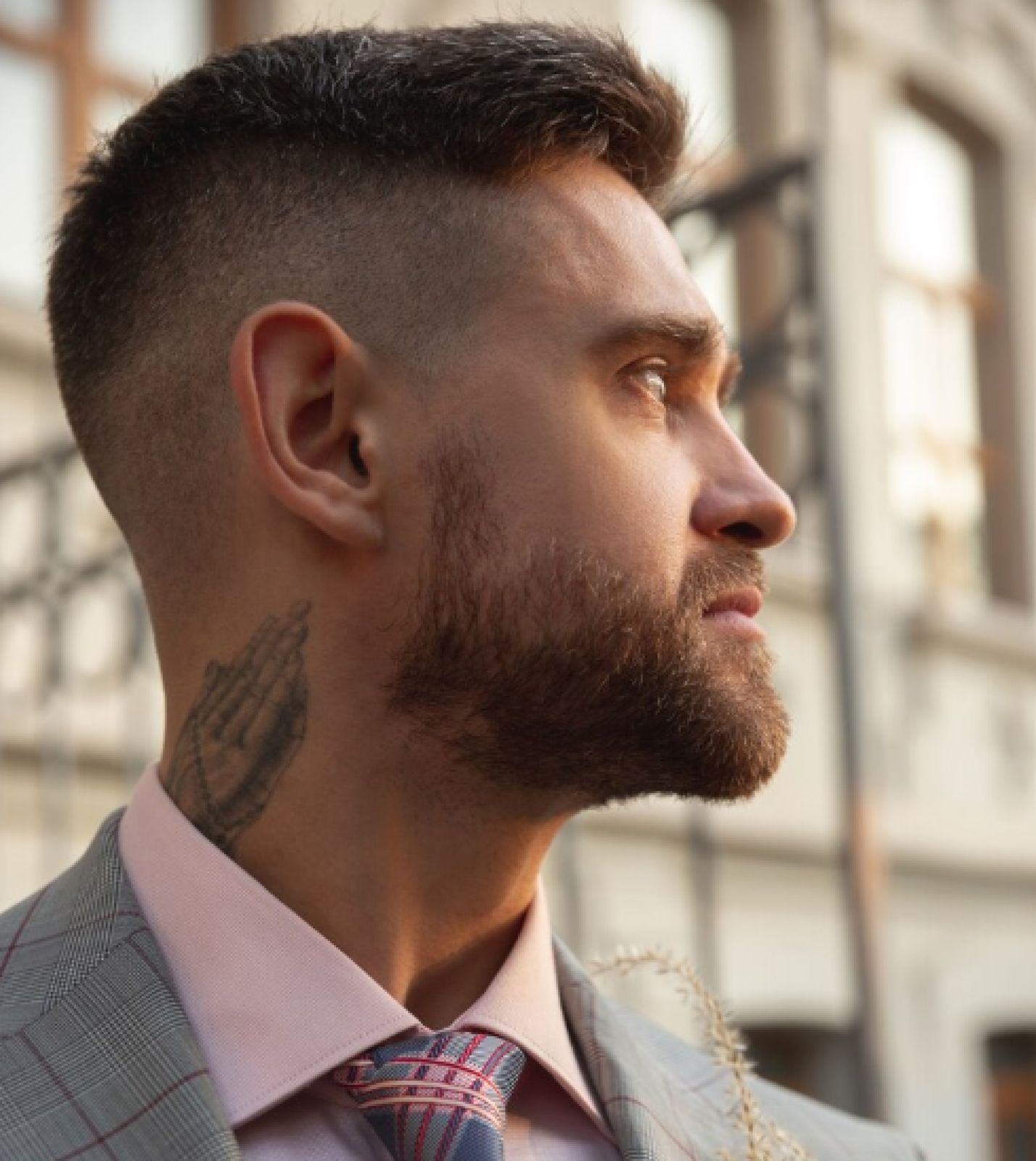
I will take a layered cut swept to the side over a blunt one every time. This is a layered cut with no bangs, short length, dark brown colour and wavy, medium-density texture. The layers are cut into the top and sides, then swept to one side so the movement is built into the shape, not added after. A blunt cut sits still; this one shifts when you turn your head. The side part widens a round face and narrows a square one. This is a salon cut, not a home trim, because the layers need to be cut dry to see how the wave falls. A layered boys haircut like this one keeps its shape for about six weeks before the layers start to blend.
Undercut With Volume Slicked Back
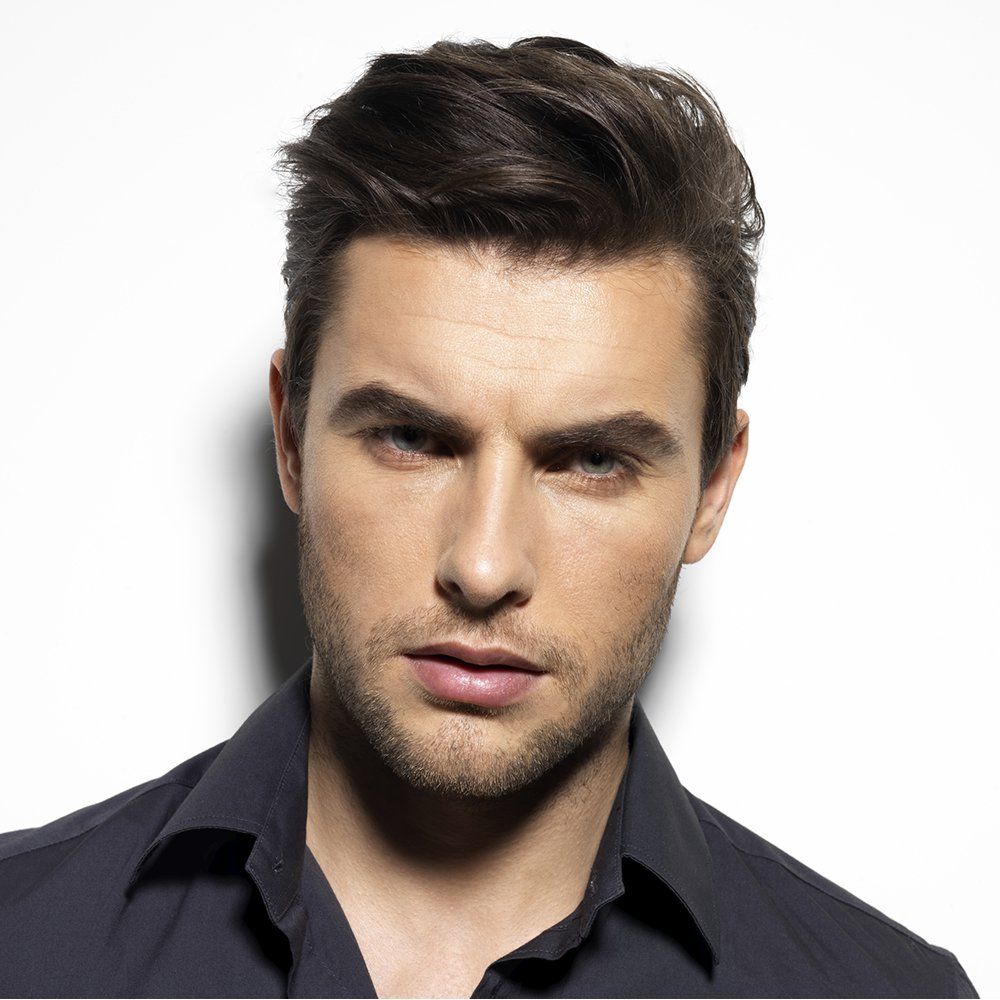
Monday morning, seven minutes, a comb and a strong hold pomade. That is the reality of an undercut with volume slicked back. The cut is an undercut with no bangs, short length, dark brown colour and straight, thick texture. The sides are shaved close, the top is left long enough to sweep back with volume. The middle part is clean and the slicked-back styling holds all day if you start with damp hair. The upkeep is every three to four weeks for the undercut to stay sharp, the top can go longer between trims. An undercut slicked back boys cut like this one works best on thick, straight hair that can hold volume without product fighting gravity.
Fade With Spiky Textured Fringe
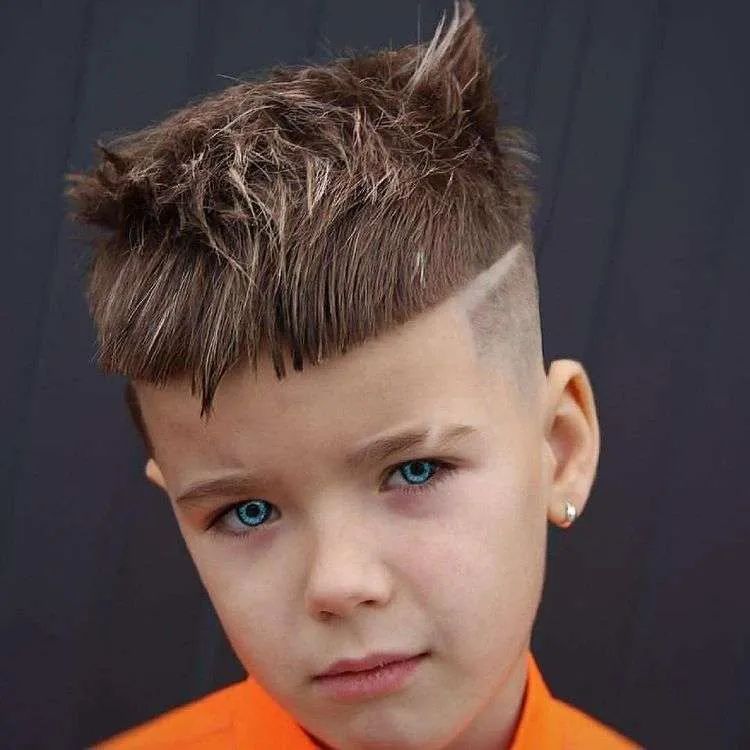
The spiky textured fringe catches the light in a way that reads festive without trying. This is a fade with a textured crop on top, a short choppy fringe, dark brown base with blonde highlights and straight, fine texture. The blonde highlights are placed through the fringe and the top, so the spikes catch the light and the fade stays dark and grounded. The side part and the choppy, spiked styling take about five to seven minutes with a strong hold wax. The fade needs a trim every three to four weeks, the fringe can go a little longer. A spiky textured fringe boys cut like this one suits winter parties because the highlights add brightness without a full colour change.
Short Textured Crop With Tousled Top
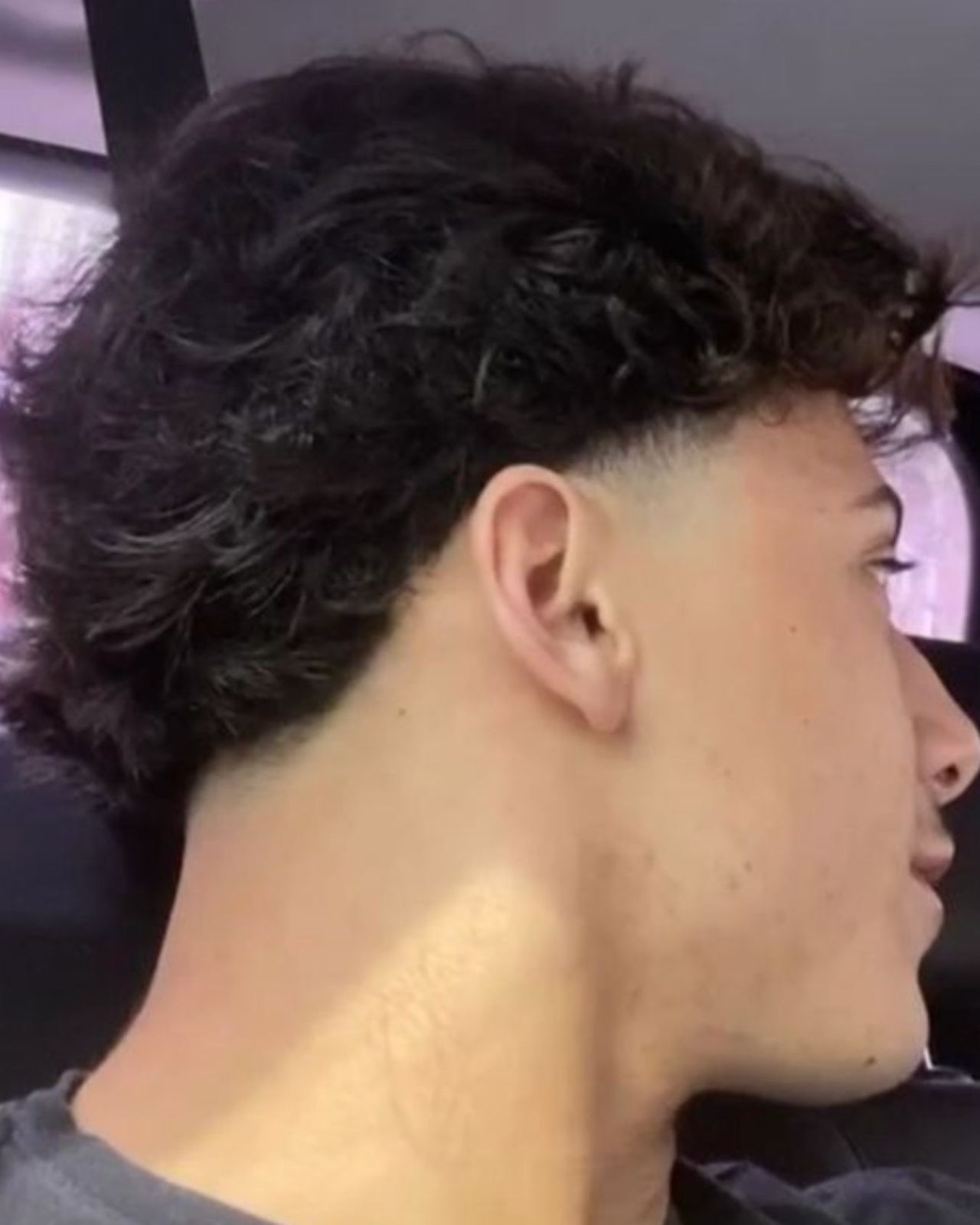
How do you get that tousled texture on thick, wavy hair without spending twenty minutes on it? Start with the right cut. This is a short textured crop with no bangs, dark brown colour and wavy, thick texture. The top is cut with internal layers so the wave bends naturally, no heat needed. The side part and the tousled styling take about three to five minutes with a matte paste or texturizing spray. The layers are cut into the top only, the sides are kept short and clean. A textured crop tousled boys cut like this one works because the wave does the work, not the product. Trims every five to six weeks keep the shape from turning into a helmet.
Short Back and Sides With Tapered Nape
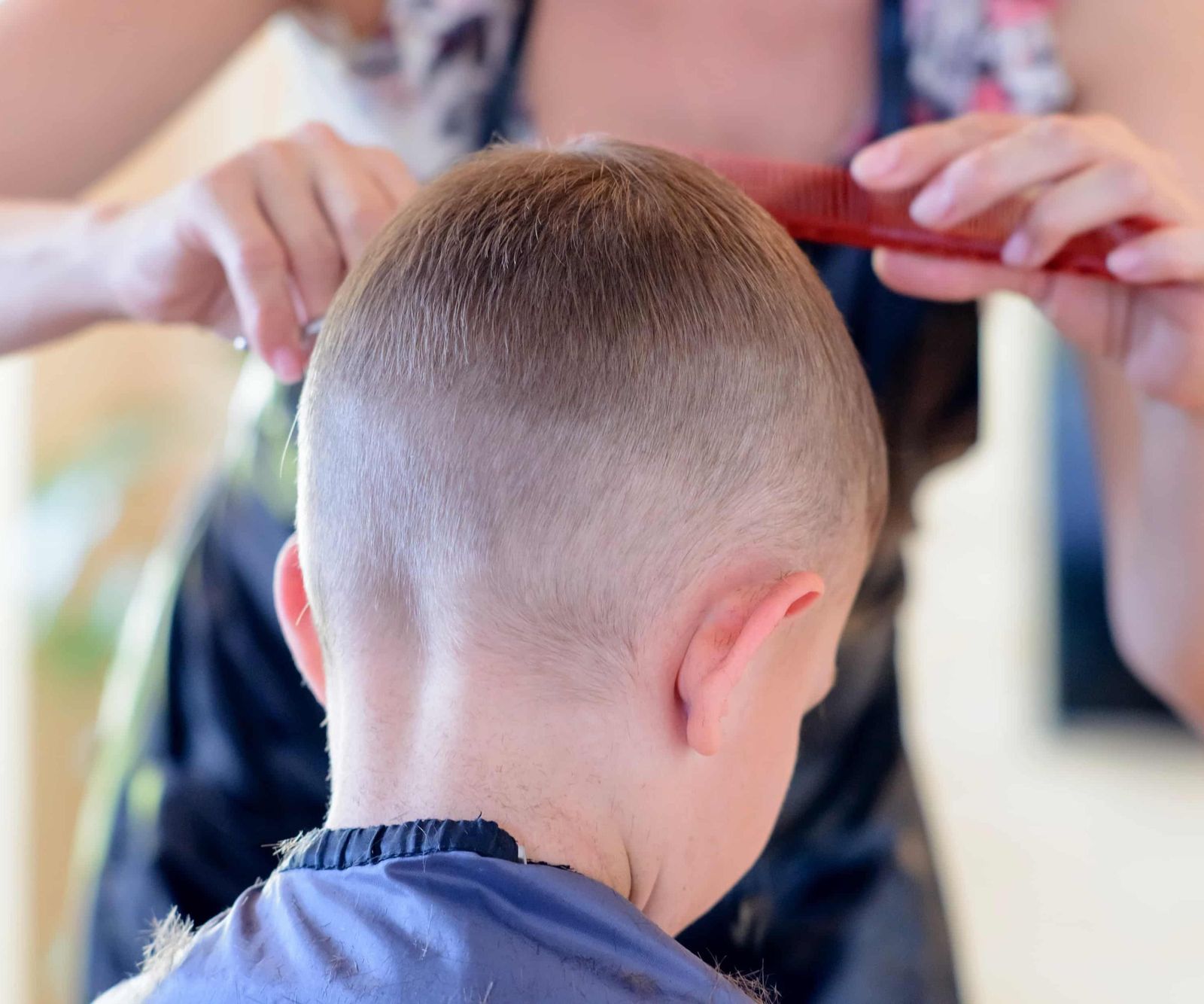
I looked at this cut and thought, okay, that is clean. Short back and sides, no bangs, natural brown, ear length. A tapered nape that does not shout. The texture is straight and fine, which is exactly where this cut earns its keep — it does not need bulk to read as finished. A comb through and you are done. But here is the catch: this is a salon job, not a kitchen-scissors situation. The taper requires a hand that knows where the fade lands and where it stops. For fine hair that goes flat by 4 pm, this is the tapered boys haircut that stays crisp all day. You just cannot rush it.
Layered Mullet With Middle Part
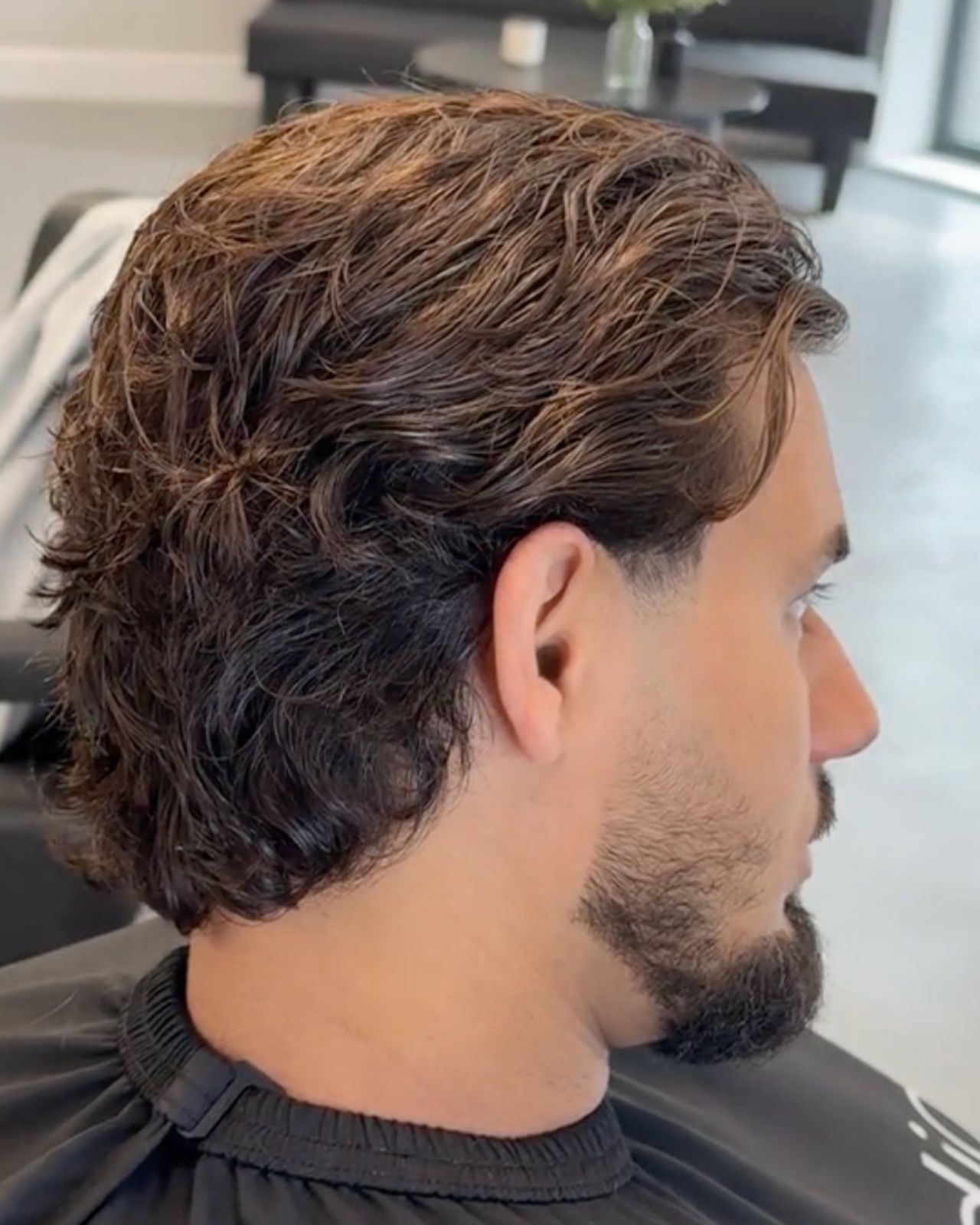
I will admit it: I was skeptical of the mullet layered boys cut until I saw how it moves. Dark brown, short on the sides, longer in the back, a middle part that splits the layers cleanly. The texture is wavy, medium density, so the layers stack without looking stringy. In winter, this is the grow-out phase that actually works — the length difference hides the awkward in-between weeks. A trim every six to eight weeks keeps the shape from turning into a blob. The layers catch light and motion, which is more than I can say for most cuts that sit still. It is not a joke cut. It is a real cut that earns its keep.
High Fade With Disconnected Slicked Top
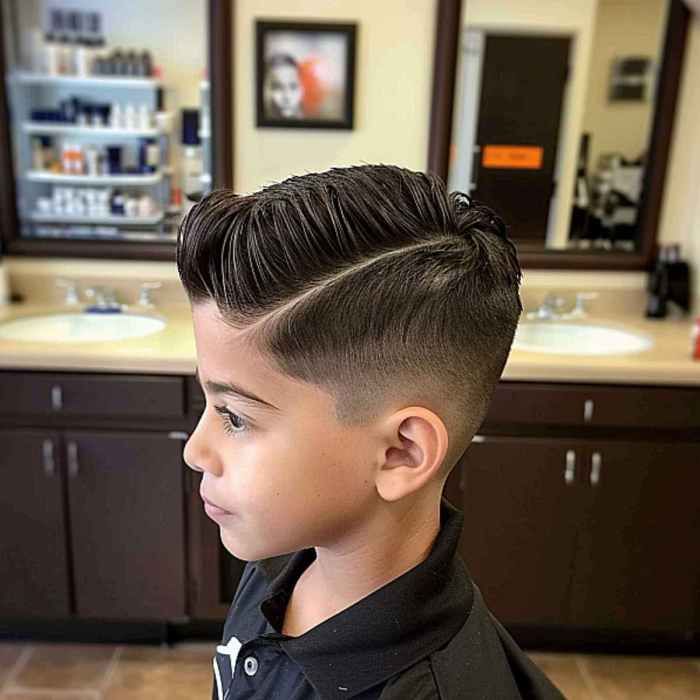
The first thing you notice is the contrast. Dark brown, short sides that vanish into a high fade, a deep side part, and the top slicked back and to the side. The texture is straight and thick, which means the disconnected high fade boys cut holds its line without fighting gravity. I watched someone style this in under seven minutes with a strong hold product and a comb. The disconnect is the trick — the top does not blend into the fade, it sits on top of it like a separate piece. That is the point. It is not subtle. It is not supposed to be.
Undercut With Ash Blonde Quiff
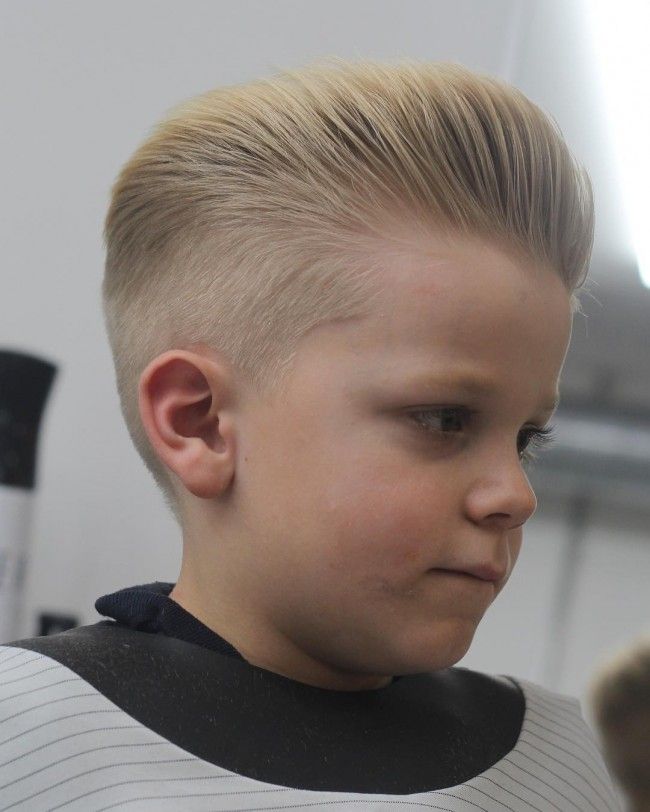
It is December and the ash blonde quiff boys cut is sitting in a side view, close crop, short sides, longer top, no bangs. The ash blonde reads cool against winter light, which is why it works now. But here is the honest downside: ash blonde turns brassy in about four weeks if you do not tone it. The quiff needs a strong hold product and five to seven minutes of shaping. The undercut stays sharp with a trim every three to four weeks. The top grows out slower, so you get a few weeks of forgiveness before the shape goes soft. It is a winter cut that asks for maintenance. You decide if that is a dealbreaker.
Final Thoughts
After writing all 24 of these, I booked the textured crop with faded sides for myself. Not because it’s trendy, because it’s the only one that survived my actual week: three washes, one hat, zero styling time. The rest are good ideas. That one is a fact.
