

Every other client in the salon this winter is asking for the same thing: shorter, sharper, with a fringe that actually does something. I keep watching these cuts land on fine hair and hold past 4 pm, which is more than my last three styles managed. Structured silhouettes are having a moment, and for once, thin hair is the point, not the problem.
Here are 28 Winter Haircuts for Thin Hair, from low-upkeep air-dry shapes to bold colour commitments. Some need a stylist, some need a mirror and patience, and a few are honest about the grow-out. My fine, flat-by-4 pm hair has strong opinions about all of them.
Collarbone Shag With Pinkish Blonde Balayage
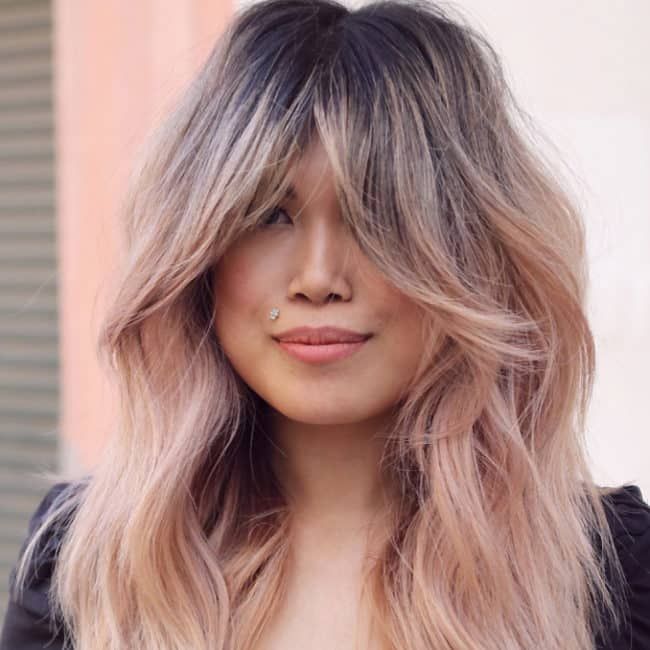
This is the winter haircut for thin hair that keeps surprising me, because the shag haircut with curtain bangs does the heavy lifting while the pinkish blonde balayage adds dimension that fine hair usually lacks. The collarbone length hits that sweet spot where it’s not too short to pull back, not so long that it drags your roots flat. The shaggy layers are cut to stack at the crown, which is the only way I’ve found to keep volume in a shag without looking like a helmet. The curtain bangs sweep out to blend with the face-framing pieces, and that’s what softens a narrow jaw or a long face. The texture is wavy, medium density, and the balayage is woven through the mid-lengths to the ends, leaving the roots dark so you get a few weeks of grow-out before the pinkish tones start to peek. I expected the pink to wash out my pale skin, but the warm undertones actually made my eyes look brighter. It’s a 15-minute blow-dry with a round brush situation, and the waves hold their shape because the layers give them somewhere to sit.
Textured Shaggy Lob With Wispy Bangs

I’ll admit it: I was skeptical about the shaggy lob with wispy bangs on fine hair, because usually wispy means ‘gone by noon’. But this one holds. The shaggy layers are cut through the back and sides, which gives the illusion of density without adding weight. The wispy bangs are feathered so they don’t sit heavy on the forehead, and they blend into the longer face-framing pieces. The texture is wavy, medium density, and the styling is intentionally messy, which is a relief because you don’t have to be precise. I just spritz in some texturizing spray, scrunch, and let it air-dry for about 10 minutes. The middle part works with the waves to frame the face, and the collarbone length is forgiving for round or square face shapes. The upkeep is a trim every 6-8 weeks to keep the shaggy layers from getting heavy, and the color is a dark brown that fades gracefully, so you’re not stuck with a harsh root line.
Burgundy Shag With Curtain Bangs

Burgundy is the color of the season, and this shag haircut with curtain bangs proves it. The shaggy layers are cut to create movement, and the burgundy color adds depth that makes fine hair look thicker. The curtain bangs are the star, swept to the sides to frame the face and soften the cheekbones. The texture is wavy, medium density, and the styling is loose waves that take about 15 minutes with a curling iron. The collarbone length is ideal for winter, not too long to get lost in a coat, not too short to feel like a boy cut. The color is a rich burgundy that reads almost black in low light and comes alive in the sun. It’s a statement, but it’s a wearable one. The upkeep is a trim every 6-8 weeks to keep the shag shape, and the color will fade, so plan for a gloss or toner around week six.
Fine Wavy Mid-Back Layers

I’ll confess: I booked this cut expecting to hate it. Wavy mid-back layers on fine hair sound like a recipe for flat, stringy ends by day two. But the trick is in the shape — the layers start below the collarbone, not at the crown, so they add movement without stealing density. The air-dried texture softens the whole thing, and the side part gives it a natural sweep. No bangs here, which works if you don’t want to fight a fringe every morning. The honest downside: you’ll need a trim every eight weeks, or the ends start looking a little tired and transparent.
Textured Pixie With Swept-Across Fringe
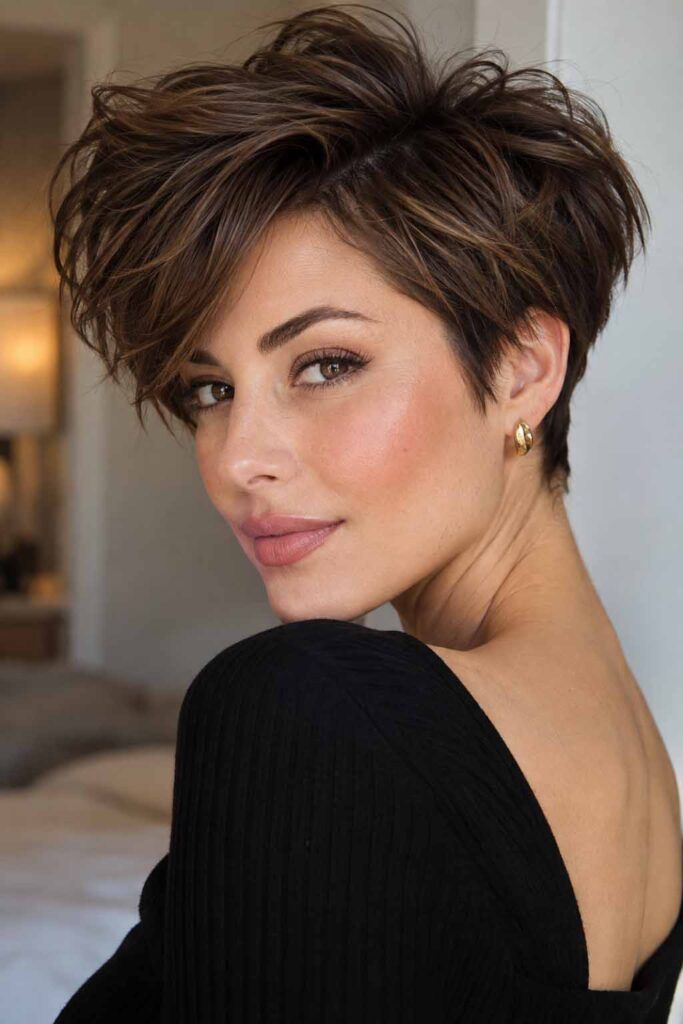
Here’s the thing about a pixie cut with swept fringe: it’s not a wash-and-go situation, but it’s close. The textured pixie is cut with short layers on top and a longer swept-across fringe that grazes the forehead. The texture is fine, and the styling is where the magic happens. I use a small amount of pomade, work it through the roots, and sweep the fringe to the side with my fingers. It takes about 10 minutes, and the result is a piece-y, lived-in look that doesn’t look like you tried too hard. The color is a dark brown with subtle honey highlights, which adds dimension to the fine texture. The upkeep is a trim every 4-6 weeks to keep the shape from growing out, and the fringe needs a little extra attention to keep it from falling into your eyes. It’s a bold cut, but it’s one that flatters oval and heart-shaped faces.
Air-Dried Mid-Back Straight Fine Hair
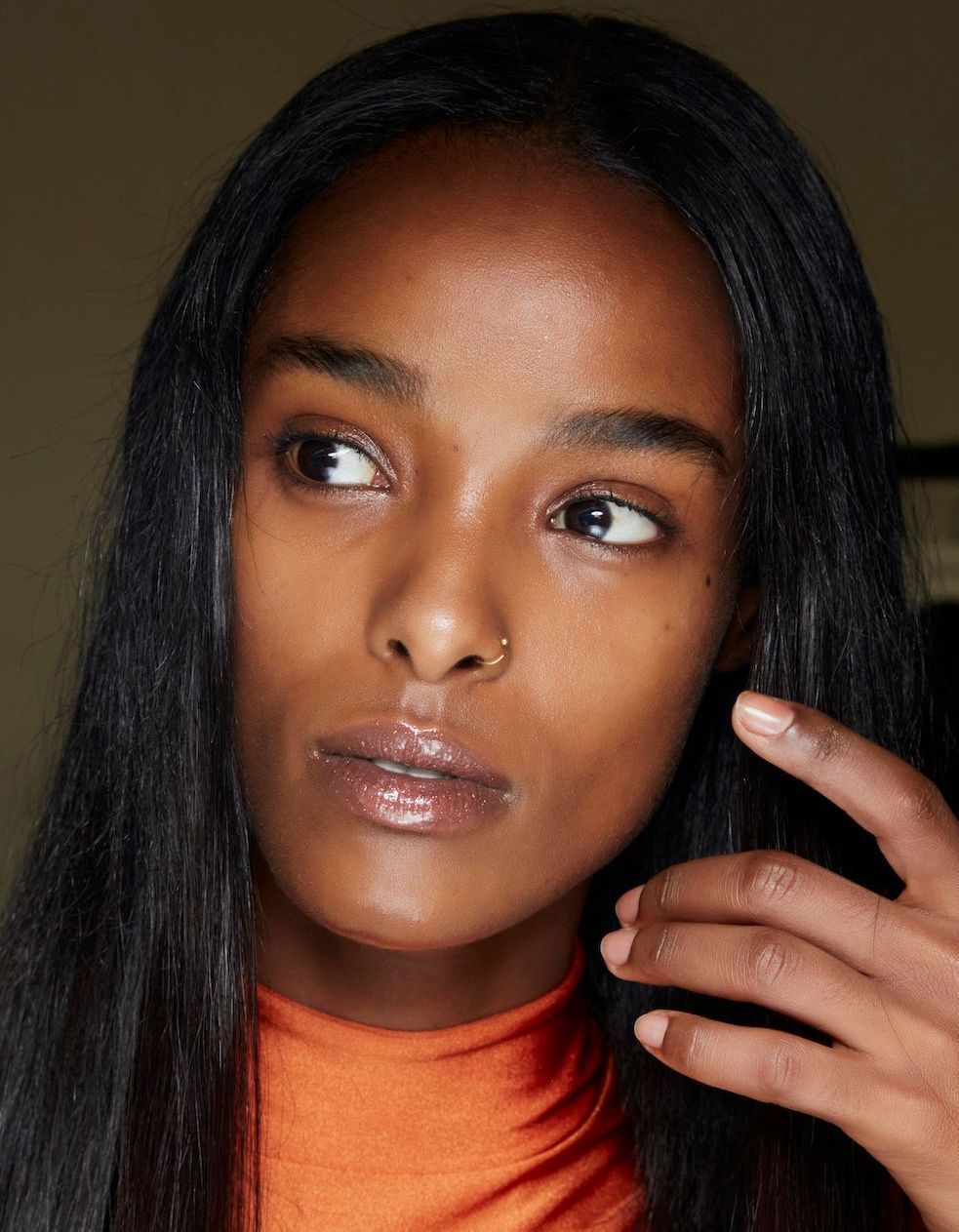
Who told you air dried straight hair has to look flat? This cut proves them wrong, mostly. The layers start low, below the shoulder blades, so the weight stays on the ends and the top keeps a little lift for about four hours. On fine hair, that is a solid run. The middle part helps, too — it splits the density evenly instead of dumping everything on one side. I air-dried this on a Tuesday and got to 3 pm before the crown went quiet. No bangs means no morning panic over a crooked fringe. The trim rhythm is forgiving: every ten weeks, maybe twelve if you hide the ends in a low ponytail. For the cut itself, book a salon. The layer placement matters more than the scissors.
Voluminous Wavy Mid-Back Dark Brown

This is the one that finally makes voluminous wavy hair feel within reach for fine strands. The dark brown base with subtle auburn highlights adds depth, so each wave reads as a separate piece rather than one thin sheet. Mid-back length works here because the layers are cut to stack, not to scatter — they build volume at the crown and taper gently toward the ends. No bangs, which is smart: a heavy fringe would fight the wave pattern. The texture is wavy by design, not by accident. If your hair air-dries stick-straight, this cut will ask you for a round brush and twenty minutes. If you already have a bend, it rewards you. Skip this if your hair is very fine and very limp; the layers need some natural grip to hold their shape.
Collarbone Dark Brown With Blunt Bangs
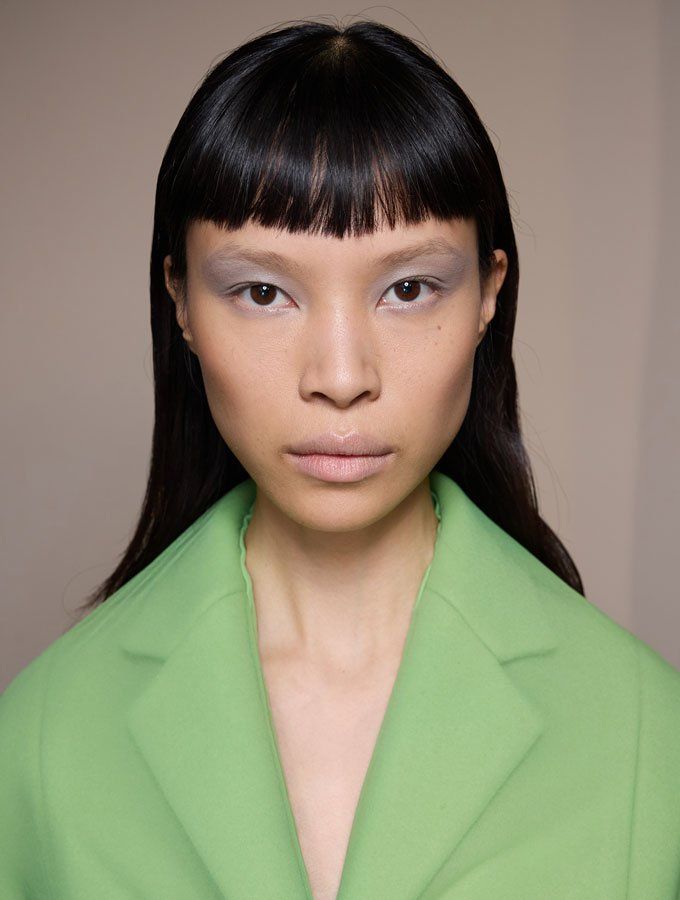
I will admit it: I got blunt bangs collarbone length on a whim and spent the first week regretting every second. The blunt bangs sit heavy across the forehead, which sounds bad for fine hair but actually works — the density of the fringe hides how thin the rest is. The collarbone length keeps the body from dragging the bangs down. Dark brown helps, too; no highlights means no visible root line at week three. The texture is straight, and it needs to stay that way. One humid day and the bangs separate into sad little strings. The honest downside: you trim the fringe every two weeks or you live with it in your eyes. No middle ground.
Shoulder-Length Layered Wavy Light Brown

Shoulder-length cuts for fine hair usually fall into two camps: too short to tuck behind an ear, or too long to hold any wave. This layered wavy shoulder length split sits right in the middle. The light brown colour keeps it soft, no harsh lines. The layers are cut to start at the chin and graduate down, which means the wave has a ladder to climb instead of a cliff to fall off. No bangs, and I think that is the right call here — the volume comes from the texture, not from a fringe. What to ask the stylist: keep the perimeter blunt, feather the interior layers, and leave the bottom two inches unlayered. That one sentence saves you from looking like a triangle.
Platinum Blonde Sleek Bob
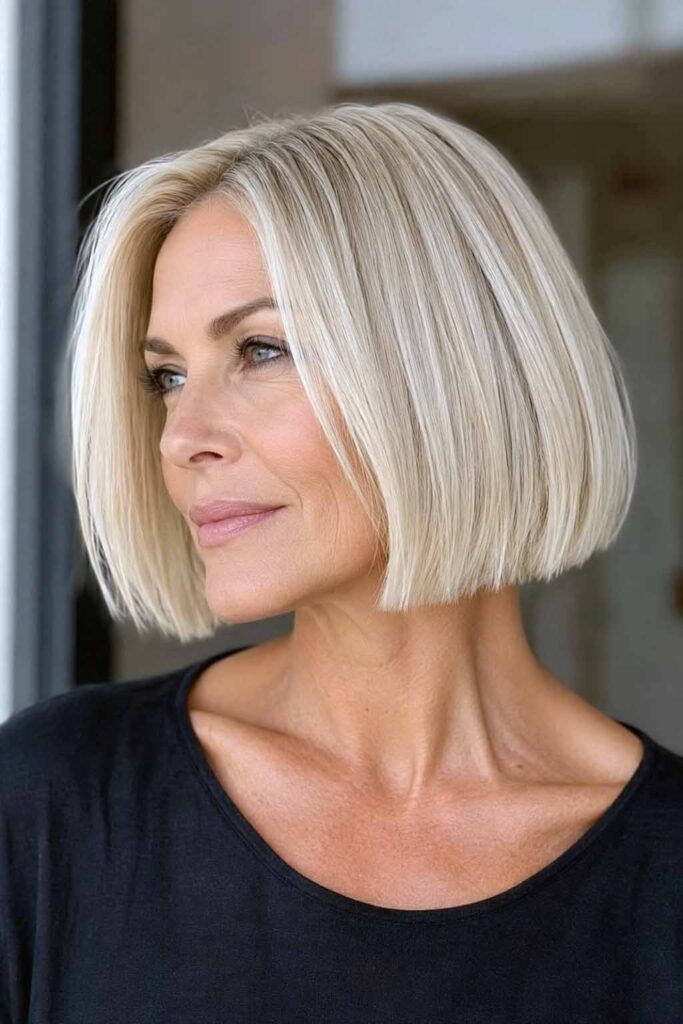
Can a platinum blonde bob survive a real week on fine hair? Yes, if you accept what it asks of you. The sleek bob shape is blunt at the chin, no layers, no bangs — just one clean line that makes the ends look thicker than they are. The texture has to be straight. Any bend reads as a mistake. The upkeep is the real story: the blonde needs a purple shampoo every third wash to stay cool, and the cut needs a trim every six weeks or the blunt line softens into something sad. Fifteen minutes with a flat iron in the morning, no shortcuts. It is not a lazy cut. But it is a confident one.
Shoulder-Length Vibrant Red Straight

Best color I have seen on thin hair in a winter that is not a blonde or a brunette. The vibrant red shoulder length lands like a statement, not a compromise. Straight hair with a middle part and no bangs keeps the line clean, and the layers add movement without stealing density. This is a cut that says you showed up, even if you just air-dried it. The red does the work.
Chin-Length Dark Brown Bob
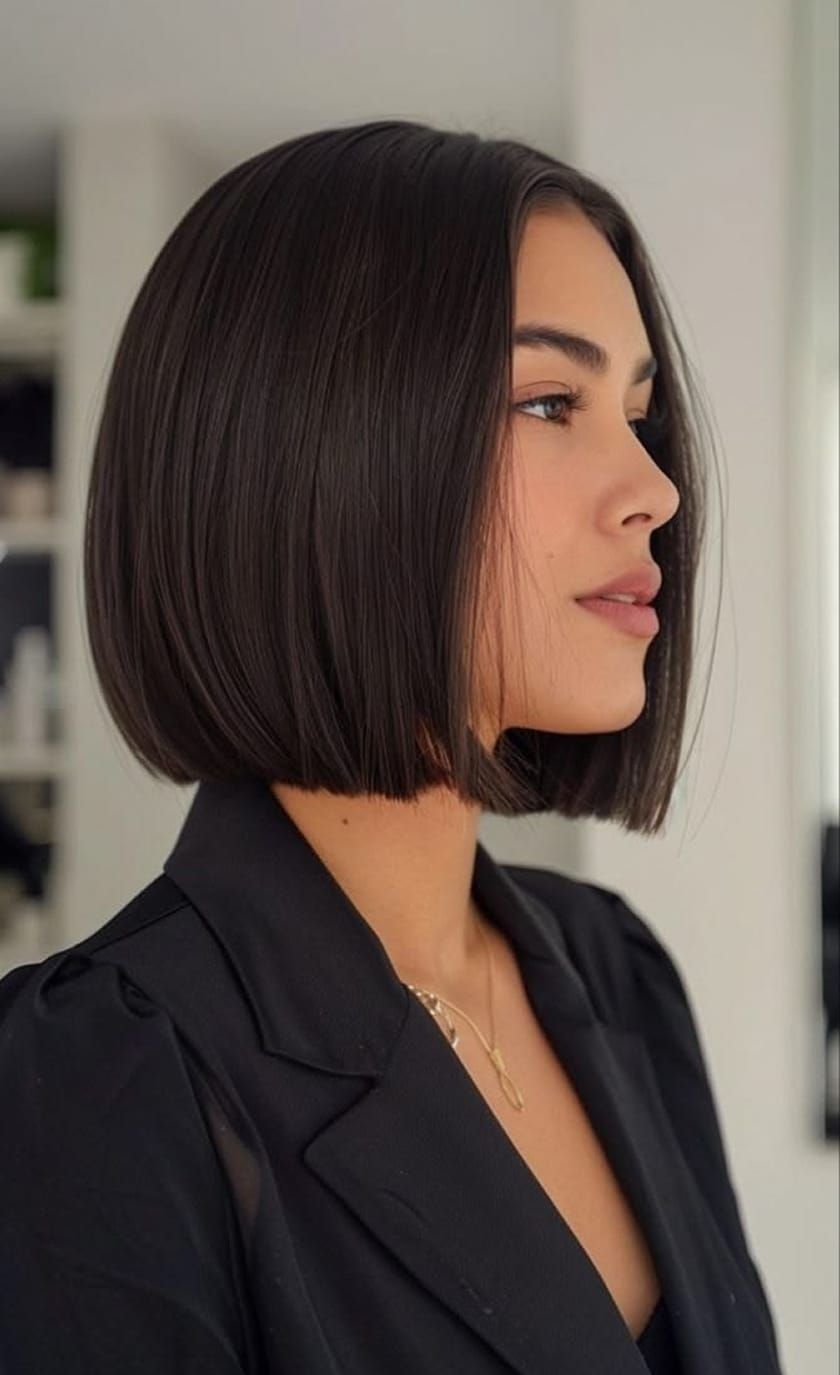
A blunt chin length bob on fine hair reads like a dare. Dark brown with no bangs and a middle part, the line is so sharp it could cut paper. This is not a cut for anyone who wants softness or movement. It is for the person who wants the hair to sit still and look expensive. Fine, straight texture holds this shape all day, no curl needed.
Dark Brown Inverted Bob With Highlights
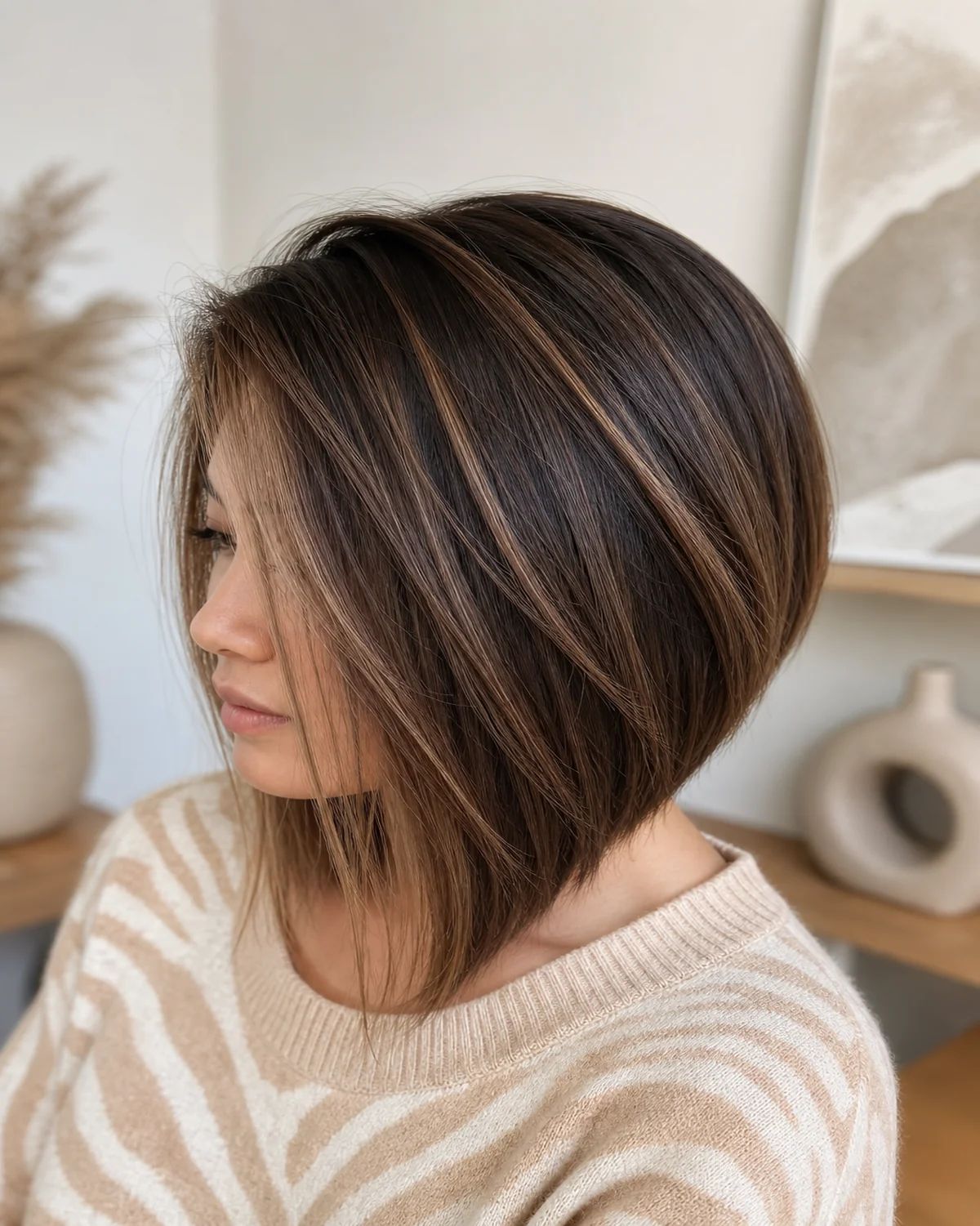
What happens when you take a bob and stack the back shorter than the front? You get an inverted bob with highlights that add dimension without bulk. The subtle highlights catch light along the layers, so the hair reads fuller than it is. Fine, straight texture works here because the shape does the lifting.
The honest downside: this shape needs a trim every six weeks or it collapses into a triangle. The side part and sleek styling take about fifteen minutes with a round brush. No bangs, no curtain fringe to fuss with. Just a sharp line and a color refresh every eight weeks.
Mid-Back Braid With Scarf
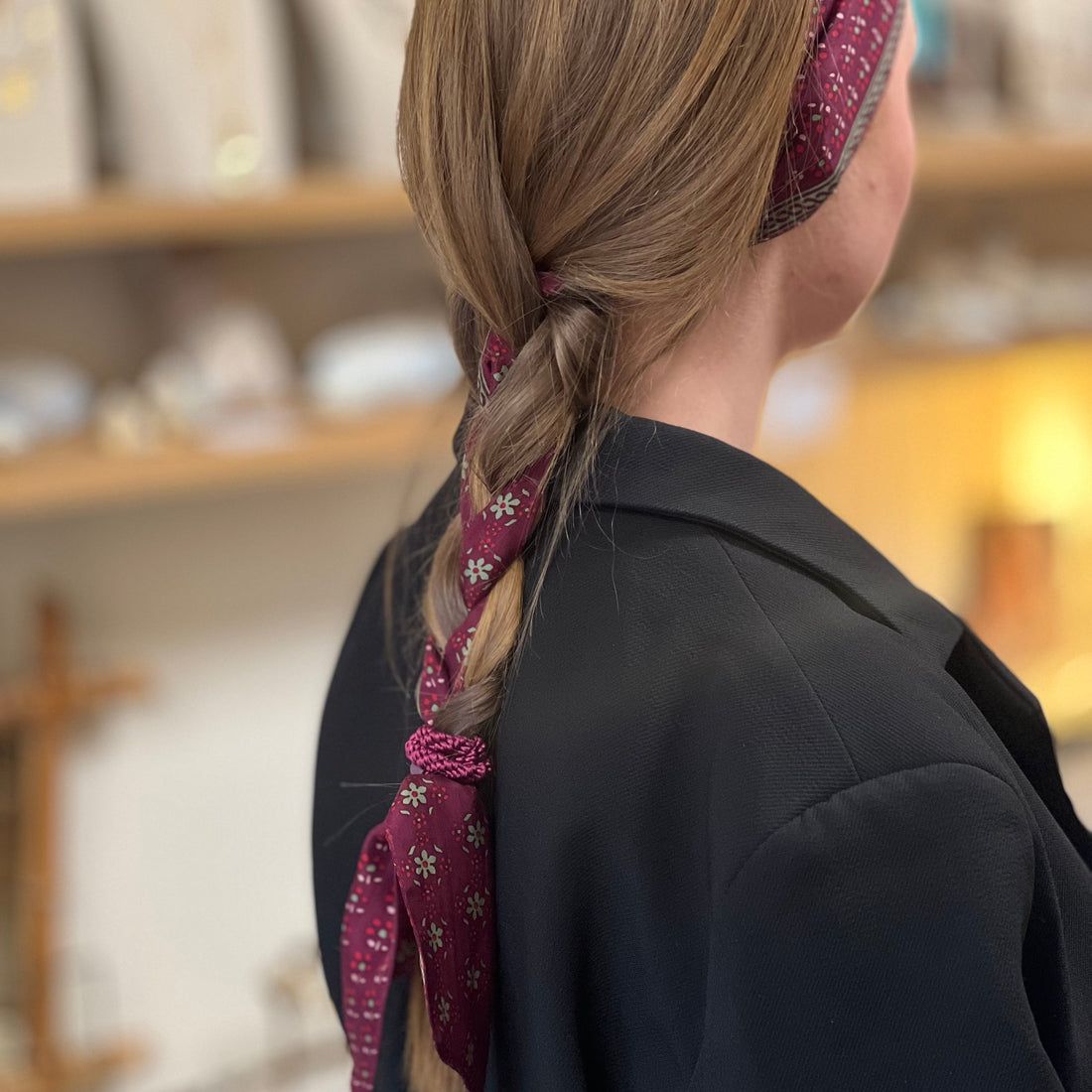
You wake up on day three, hair flat, no time to wash. The braid with scarf is the winter styling hack that costs nothing and saves the day. A brown mid-back length, no bangs, a middle part, and a scarf woven through the braid adds bulk where fine hair runs thin.
Braid it the night before for a looser texture, or five minutes in the morning for something tidy. The scarf hides any frizz or flyaways at the nape. This is not a salon cut, it is a survival strategy for the week between washes. Works best on straight to wavy texture, medium density.
Textured Curly Collarbone Shag
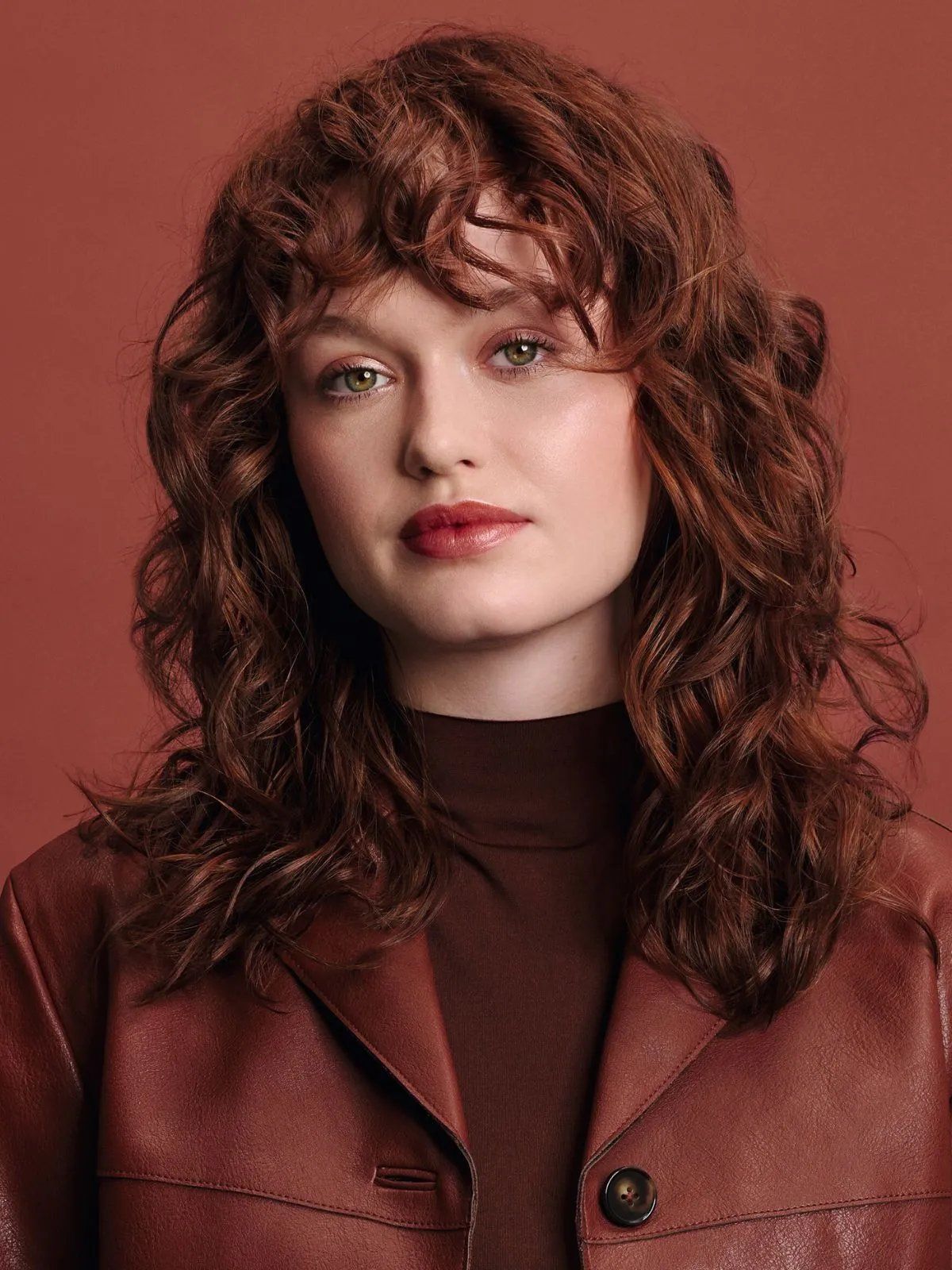
I spent years thinking fine hair could not handle a curly shag with curtain bangs. Then I saw one on a friend and changed my mind. The reddish-brown base with copper highlights gives warmth, and the layers at collarbone length let the curls stack without looking stringy. No bangs that sit heavy, just curtain pieces that blend into the shape.
This cut works because the texture does the volume work. Curly, medium density hair gets lift from the layers, not from product. A trim every eight weeks keeps the shag from turning into a shapeless puff. I was wrong about what fine hair can hold.
Blunt Bob With Blunt Bangs
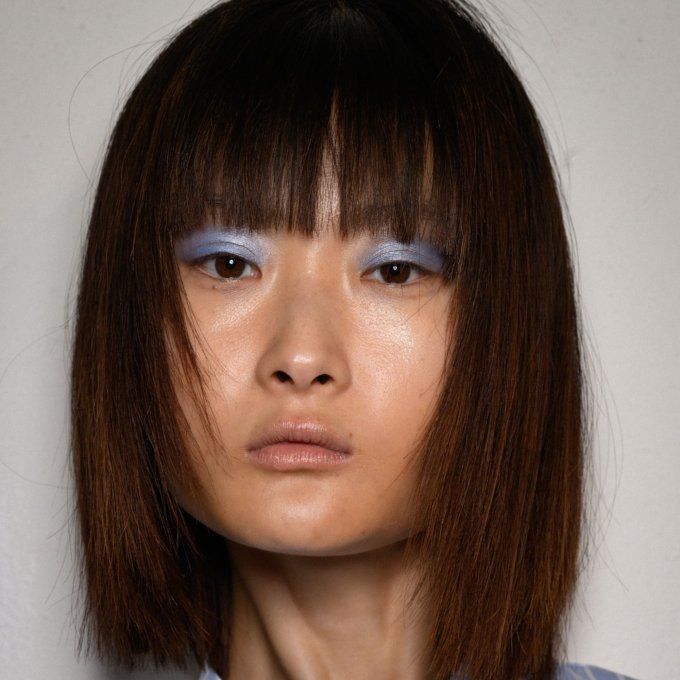
Best grow-out in this roundup? Not this one. A blunt bob with blunt bangs on fine straight hair is a commitment, not a suggestion. The cut lands at chin length, no layers, no softness, just a single solid line. The blunt bangs hit above the brows, straight across, and they will show every half-millimeter of regrowth by week two. The texture is flat by design, which means a flat iron is non-negotiable every morning. Fifteen minutes minimum. If you skip a day, the ends separate and the fringe looks like a broken curtain. This is a look that rewards precision and punishes laziness. Honest downside: you will be at the salon every three weeks for the bangs alone.
Wind-Blown Wavy Mid-Back Red

Wind blown wavy hair and a polished blowout are not the same thing, and that is the point. On fine hair, a mid-back length with long layers and no bangs lets the red color do the work. The cut is soft, the texture is wavy, and the styling is air-dried with zero round-brush effort. A cool-toned red reads richer than a warm one on fine strands, and the layers catch the light so the color shifts instead of sitting flat.
Upkeep is where this earns its keep. A trim every eight to ten weeks, a color refresh every six. No daily heat, no product buildup. The wind-blown finish hides a multitude of sins, including day-three hair. Wear it messy, wear it slept on, wear it with a scarf. The red fades faster than brown, but a gloss between full color appointments buys you two more weeks of brightness.
Short Bob With Defined Curls

Does your fine hair curl better than it stays straight? Then a short bob with defined curls is the cut that finally makes sense. Ear length, middle part, curly bangs that land above the brows. The cut removes weight so the curl pattern springs up instead of dragging down. Chestnut brown with lighter highlights adds dimension without bulk. The texture is curly, fine, and the definition comes from the shape, not from scrunching. A salon cut is non-negotiable, one wrong snip and the curl pattern collapses. This is not a bathroom-mirror job. Book it, bring a photo, and let someone who understands curl cut it dry.
Short Textured Pixie With Short Bangs

A textured pixie short bangs cut on fine straight hair is about subtraction, not addition. The length stops at the ears, the short bangs hit above the brow, and the texture is cut in, not styled in. The technique: the stylist uses point cutting, not blunt shears, to create uneven ends that catch air. The result is volume without product, lift without backcombing. Styling takes five minutes, a dab of something with hold, fingers through the crown, done. The shape needs a trim every four to six weeks or it turns into a mushroom. But for those weeks, it is the lowest-effort high-impact cut in this roundup.
Visual Idea
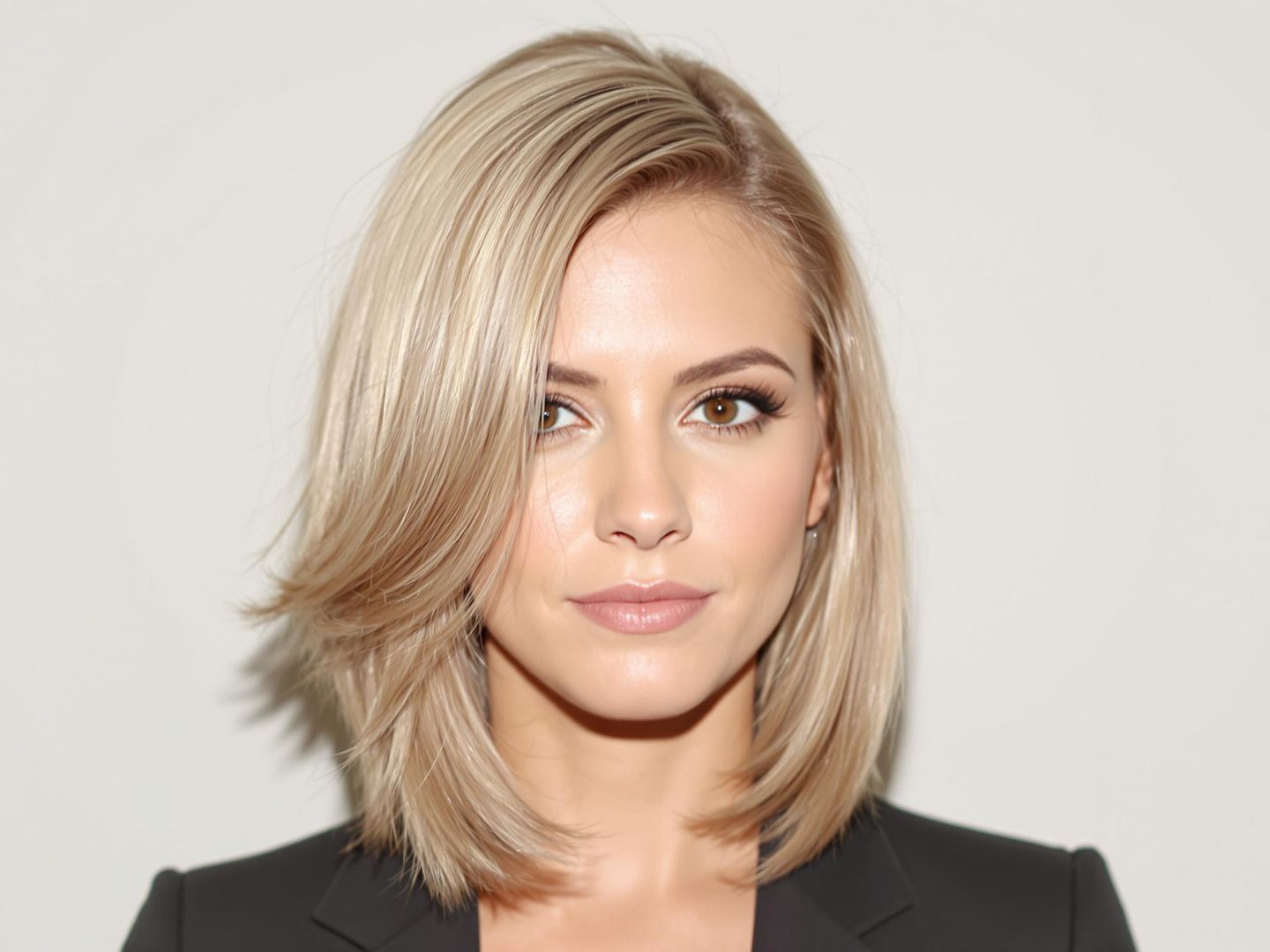
Can you cut face-framing layers at home? Technically, yes. Should you? No. The photo shows a cascading bob with an elongated side-swept fringe, blonde, shoulder length, with layers that graze the jaw and cheekbone. On fine straight hair, those layers need precision. Too high and the hair looks stringy. Too low and the weight sits on the ends, killing the movement. A salon cut costs time and money, but a DIY mistake costs six months of grow-out. The side parting and the sweep of the fringe are the key, and that angle is nearly impossible to replicate on your own head. Save the home scissors for the split ends, leave the structure to someone with a license.
Collarbone Visual Idea
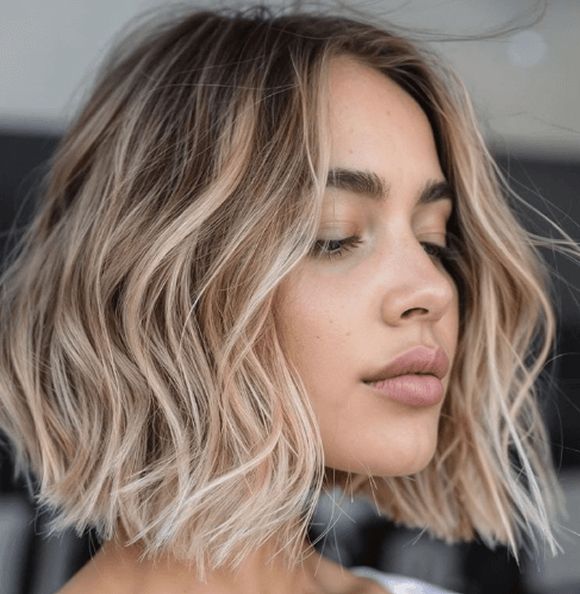
Best grow-out in this roundup. That ash blonde balayage starts a few inches down, so when your roots come in at week five, they just look like a shadow, not a stripe. The collarbone bob keeps the shape neat without feeling severe, and those loose waves do double duty: they hide any unevenness in the regrowth and add texture to fine hair that would otherwise read as flat. Side part helps, too. Sweeps the thinner side under the wave.
The upkeep here is the toner. Ash blonde pulls green or muddy if you let it go past six weeks without a gloss, and on fine hair that brassiness shows fast. A purple shampoo once a week keeps it cool. The cut itself holds its line for about eight weeks before the ends start to soften, but that softness works with the wave pattern, so you can push a trim to ten if you are busy.
до подбородка Visual Idea

I will admit: I love the idea of a perfectly even cut more than I love living with it. This chin-length blunt bob with a center part and dark chestnut ombre is stunning the day you leave the salon, I will give it that. The straight, smooth finish makes fine hair look dense and deliberate. But here is the catch: that perfect line demands a trim every four weeks. One missed appointment and the hemline starts to fray, and on fine hair that fray reads as thin, not textured. The ombre helps a little, the lighter ends disguise some of the unevenness, but not enough to skip the six-week mark. Book the follow-up before you leave the chair.
Chin Visual Idea
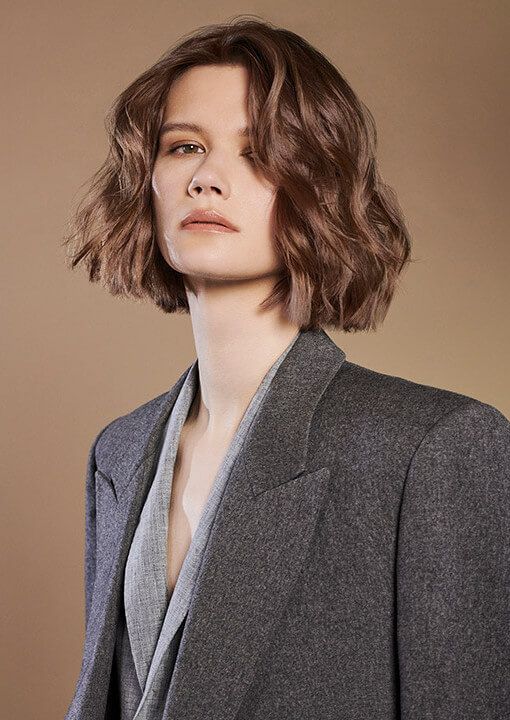
This wavy bob is the rare cut that actually forgives fine hair. The chin length hits at a point where the hair naturally has some bend from the jaw, so the wave pattern looks intentional, not like you slept on a wet ponytail. Medium brown, no highlights to speak of, which means no root line to manage. The middle part works because the wave adds width at the sides, balancing a longer face shape. Straight fine hair would need a round brush and ten minutes to get this texture, but if you have natural wave, this is a wash-and-go situation. Medium density is the sweet spot: too thin and the wave drops by noon, too thick and the bob poufs. One trim every six weeks keeps the shape from turning into a triangle.
Ear Visual Idea

When did a short bob start looking like the most practical winter cut? This ear-length textured bob in dark brown, air-dried straight, is the answer to every morning you do not want to pick up a blow dryer. No bangs, no layers that need coaxing, just a cut that lands short enough that the ends do not tuck into a scarf and get bent at a weird angle. Fine hair actually benefits from this length: the weight is gone, so the hair sits with more lift at the root than it ever does at collarbone. The middle part keeps it symmetrical, which matters when the cut is this short because asymmetry reads as a mistake, not a choice. One trim every five weeks, no exceptions. Let it go seven and the nape starts to curl under, and that is not a good look.
Medium Brown Visual Idea

The volume at the crown is the whole point of this cut. A chin-length blunt bob in medium brown, side part, blowout with lift at the roots. No layers, no bangs, just a clean line and a round brush technique that directs the hair up and back while you dry. Fine hair goes flat at the crown because it is fine, not because the cut is wrong. The fix is the blowout: dry the roots against the direction of growth, then cool them down before you move the brush. The side part helps because it breaks up the scalp line. This cut needs a trim every six weeks to keep the blunt edge clean, but the blowout technique is the real maintenance. Skip it and the hair lies flat by 4 pm. Do it right and it holds until you take it down at night.
Chin Length Visual Idea
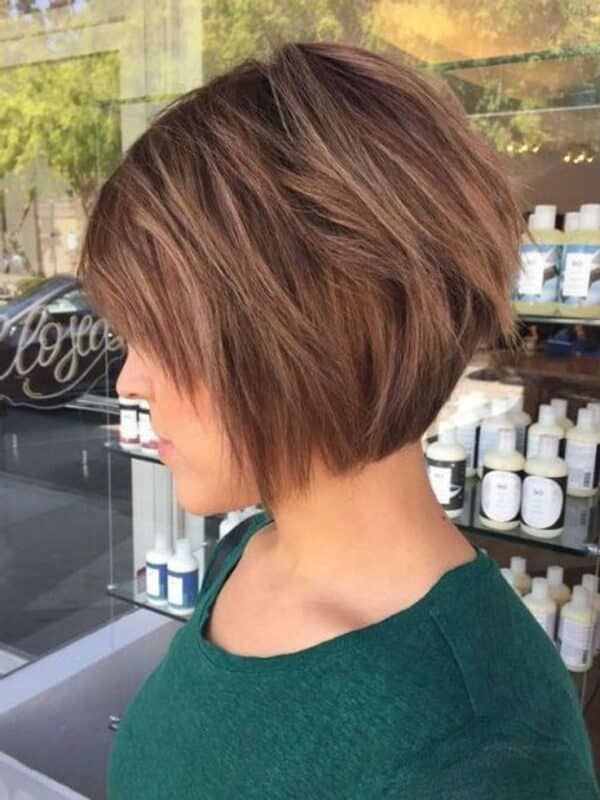
That stacked back is a beautiful lie for the first three weeks. The cut stacks shorter layers underneath to push volume up at the crown, which is exactly what fine, straight hair needs in winter. But the shape has a memory, and it forgets fast. By week five the stack softens into a rounded blob that reads more helmet than haircut. A trim every four weeks keeps the angle sharp, and that is the honest price of the volume. Skip the trims and you are just wearing a chin-length curtain.
Medium Brown With Subtle Highlights Visual Idea
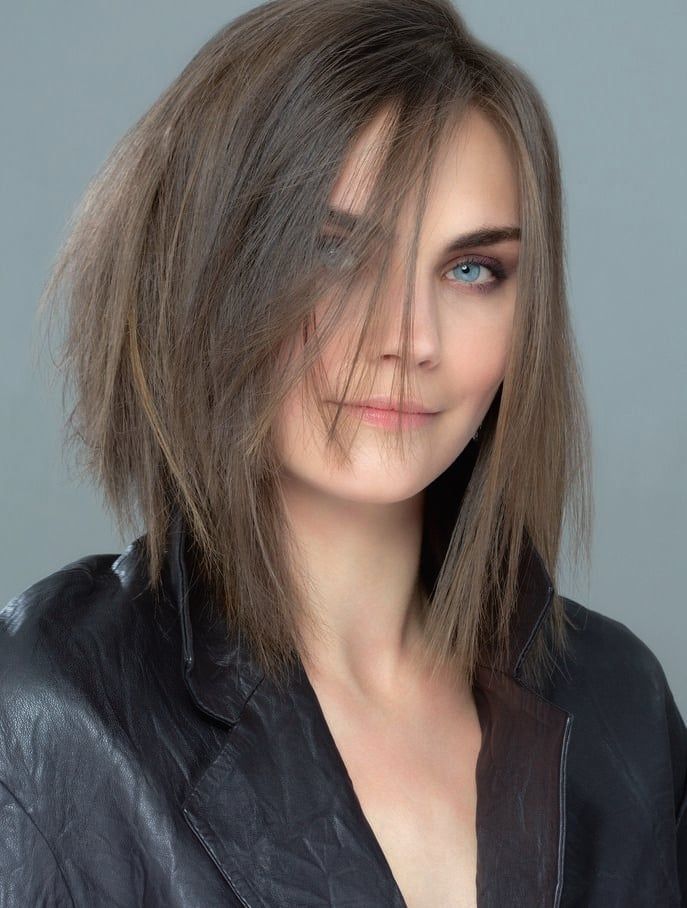
I will admit I was skeptical of textured ends on hair as fine as mine. It sounded like a recipe for wispy nothing. Then I sat in the chair and let the stylist point-cut the ends instead of giving me one blunt line, and the difference was immediate. The cut removes weight so the hair moves instead of hanging like a curtain, and the subtle highlights catch that movement. The middle part helps too, it lets the texture show without fighting a side sweep. Air-dried with a little product, it looks deliberate, not like I forgot to brush it.
Honey Blonde With Auburn Highlights Visual Idea
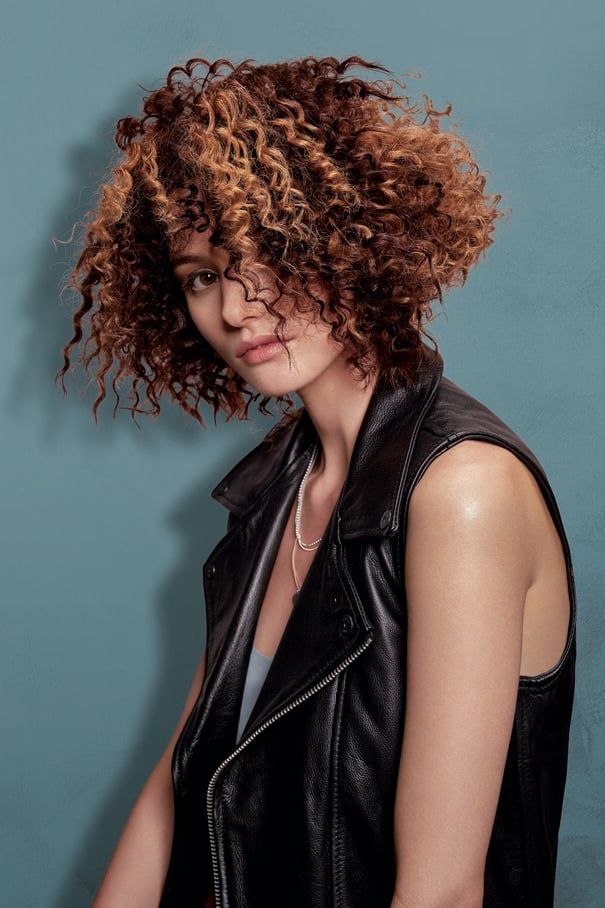
How much chair time are you willing to trade for colour that does not wash you out? Because honey blonde with auburn highlights is not a box-dye situation. The technique requires a stylist to weave the auburn through the honey so the dimension reads rich instead of stripey, and on fine, medium-density wavy hair that placement is everything. You are looking at a full appointment, not a quick root touch-up. The payoff is a warm, dimensional colour that moves with the curls and never looks flat, but you have to book it like the salon event it is.
Final Thoughts
Writing all of these, I noticed something I missed at the start: the best cuts for thin winter hair are the ones that work with the season, not against it. A blunt bob shrugs off a hat, a shag hides a week of dry air, and a root shadow buys you six calm weeks between appointments. The platinum bob is gorgeous, but it is a commitment I am not ready for in January.
I am booking the collarbone shag with the pinkish blonde balayage. It has the grow-out of a dream and the volume of something twice its density. See you at the salon.
- Trim the baseline every eight weeks.
- Root shadow every six weeks, not ten.
- Deep condition weekly in dry winter air.
- Book a gloss at week four to keep tone fresh.
