
Black wigs remain a cornerstone of versatile styling, offering a bold canvas for every trend. Soft face-framing layers and curtain bangs are pushing aside flat-ironed poker straight lengths this season.
This collection of 20 Trendy Black Wig styles spans short pixies to mid-back cuts, with everything from low-upkeep blunt bobs to textured shags. For fine hair that falls flat or thick hair that needs shape, each cut targets a specific density and face shape. No two ideas are alike, so you can find the one that actually works with your routine.
In this article
- Black Butterfly Cut With Curtain Bangs
- Fine Black Pixie With Side Swept Bangs
- Chin Length Blunt Bob With Blunt Fringe
- Thick Black Bob With Blunt Bangs
- Fine Black Bob Collarbone Length Straight
- Sleek Black Bob With Middle Part
- Collarbone Black Lob With Curtain Bangs
- Thick Black Collarbone Cut With Layers
- Retro Black Blunt Bob With Short Fringe
- Air Dried Black Blunt Bob With Short Fringe
- Glossy Black Bob With Baby Hairs
- Sharp Black Short Bob With Blunt Fringe, Ear
- Textured Black Pixie With Asymmetrical Bangs
- Wavy Black Pixie With Side Swept Bangs, Ear
- Shaggy Black Mullet With Curtain Bangs
- Thick Black Mid-Back With Curtain Bangs
- Fine Black Mid-Back With Subtle Layers
- Thick Black Butterfly Cut Blowout
- Thick Black Mid-Back With Old Hollywood Waves
- Thick Black Mid-Back With Full Fringe
- Final Thoughts
01Black Butterfly Cut With Curtain Bangs
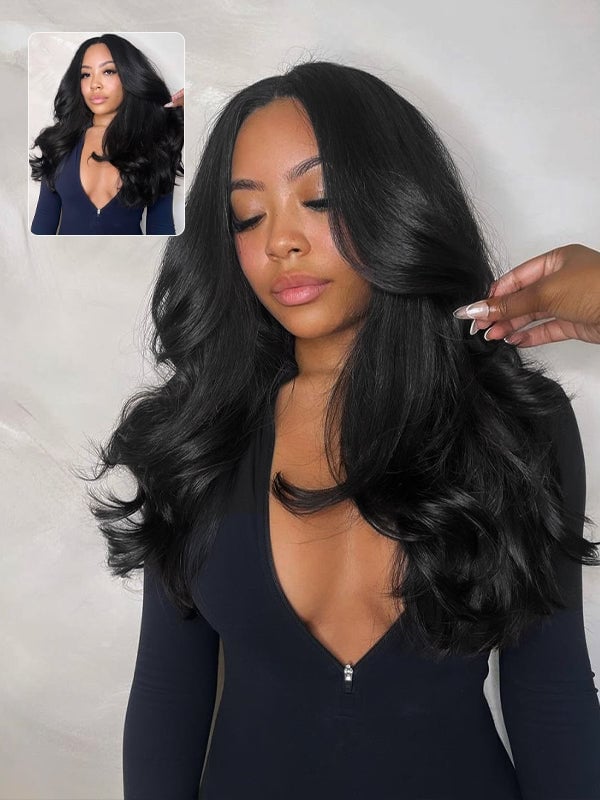
The butterfly cut is built on volume: the top layers are cut shorter to lift, while the longer pieces below carry the weight. The result is a mid-back length that moves without tangling, with soft curtain bangs that sweep away from a middle part. Ask your stylist for: butterfly cut with voluminous layers and curtain bangs. Thick, wavy textures hold the shape best, and the face-framing layers mean most face shapes can wear it.
This is not a cut you can replicate at home. The layers need a professional eye to keep the graduation even, and the curtain bangs require precision so they land at the cheekbone. Plan on a salon visit every eight to ten weeks to refresh the shape.
02Fine Black Pixie With Side Swept Bangs
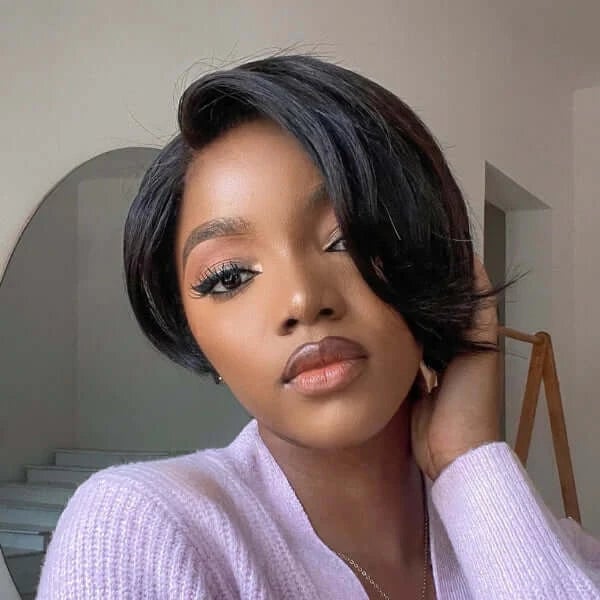
A fine-textured pixie cut at ear length gets its impact from asymmetry: the side-swept fringe creates diagonal lines that add the illusion of density. Ask your stylist for: short pixie cut with side swept fringe. This shape works best on fine, straight hair that does not need much weight removal, and it can help elongate a round face. A light texturizing spray gives the fine strands enough grip to hold the side sweep, but the real upkeep is the trim. You will need one every four to six weeks to keep the silhouette sharp.
03Chin Length Blunt Bob With Blunt Fringe
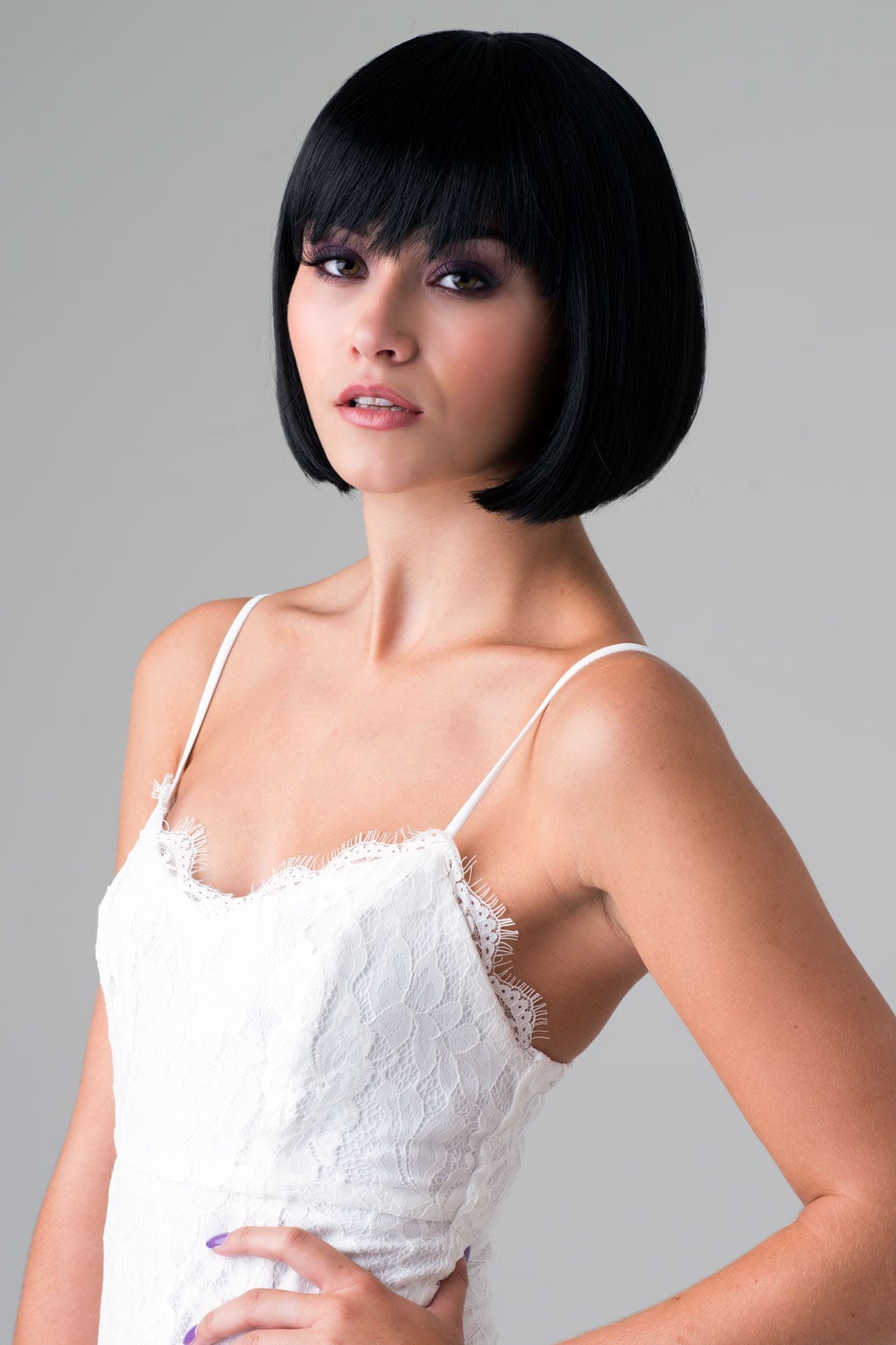
A chin-length blunt bob with a blunt fringe is the graphic cousin of a softer lob. Where a lob with wispy ends reads as casual, this one lands as deliberate: the straight, fine hair is cut to a single line with no graduation. Ask your stylist for: chin length blunt bob with blunt fringe. The sharp fringe across the forehead and the clean baseline require a salon-only approach, since a home trim can easily go crooked. The bluntness softens square and oval faces, but it will show every uneven snip if you try to maintain it yourself.
04Thick Black Bob With Blunt Bangs
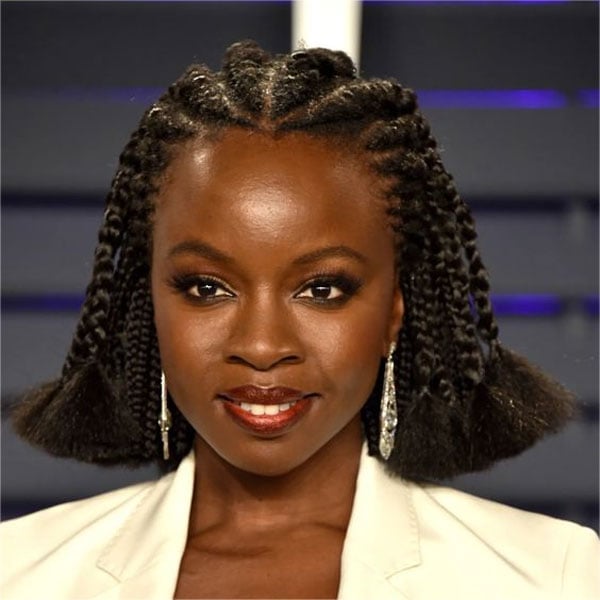
A chin-length bob on thick, straight hair has a natural weight that makes the blunt bangs sit flat and heavy. The middle parting and sharp line are the whole point. Ask your stylist for: chin length bob with blunt bangs, thick texture. The drawback is the density: thick hair can puff outward at the ends if the stylist does not point-cut the interior. A smoothing cream helps control the bulk, but the real fix is a trim every six weeks to prevent the line from widening at the hem.
05Fine Black Bob Collarbone Length Straight
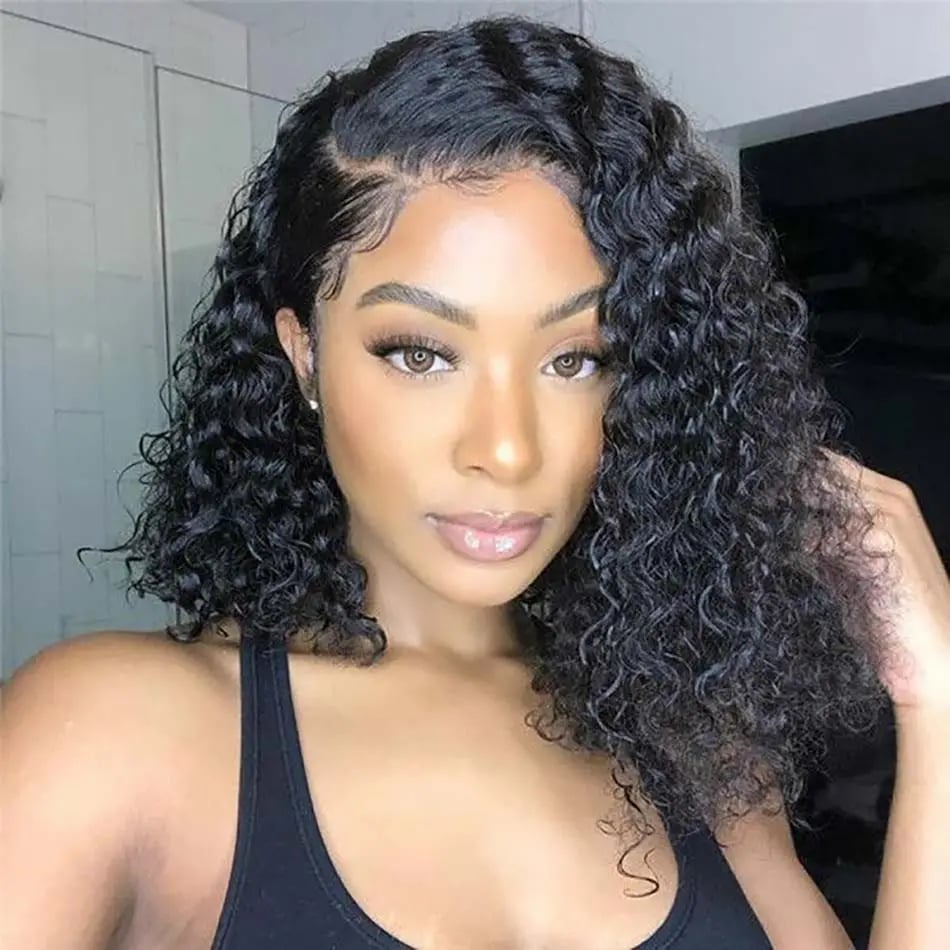
A collarbone-length bob on fine, straight hair is a precision exercise: the cut must be perfectly horizontal so the ends appear dense rather than see-through. The middle parting and sleek styling emphasize the sharp bob cut. Ask your stylist for: collarbone length bob, fine straight hair. Fine hair needs a heat protectant before a flat iron to avoid split ends, and the blunt line will need a trim every six to eight weeks. Without regular upkeep, the ends start to feather, and the whole point of a sharp bob is that it does not.
06Sleek Black Bob With Middle Part
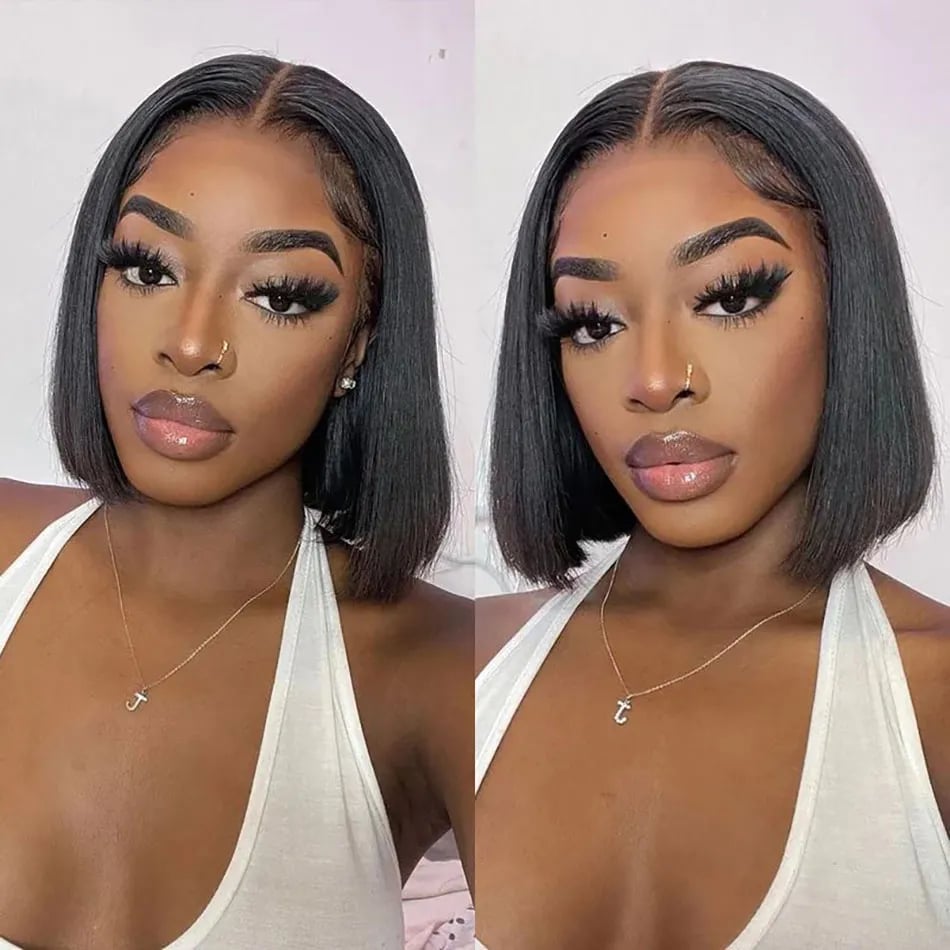
Can a bob that sharp also look soft? Fine, straight hair cut to collarbone length with a blunt edge and a middle part shows every line. There is no layering to hide behind, so the cut has to be exact. Ask your stylist for: collarbone length sleek bob, middle part. The drawback is that fine hair can look too thin if it is not styled with a little volume at the roots. A touch of serum handles the shine, and the blunt ends mean a trim every six to eight weeks keeps the shape honest.
07Collarbone Black Lob With Curtain Bangs
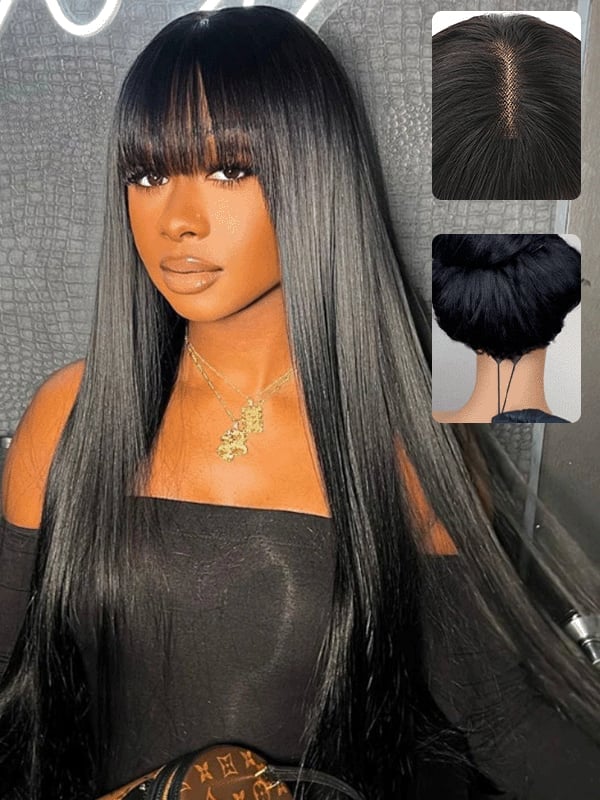
The curtain bang splits the difference between a full fringe and no fringe, and on a collarbone-length lob, it does something useful: it softens the blunt line of the cut. This version stays straight with subtle layers around the face, which keeps the weight at the ends. Ask your stylist for: collarbone length lob with curtain bangs. The bangs land just past the cheekbone, so they tuck behind an ear or frame a round face equally well. For fall, the middle part and straight finish look right under a coat collar. For summer, the same cut wears well air-dried with a little texture spray.
08Thick Black Collarbone Cut With Layers
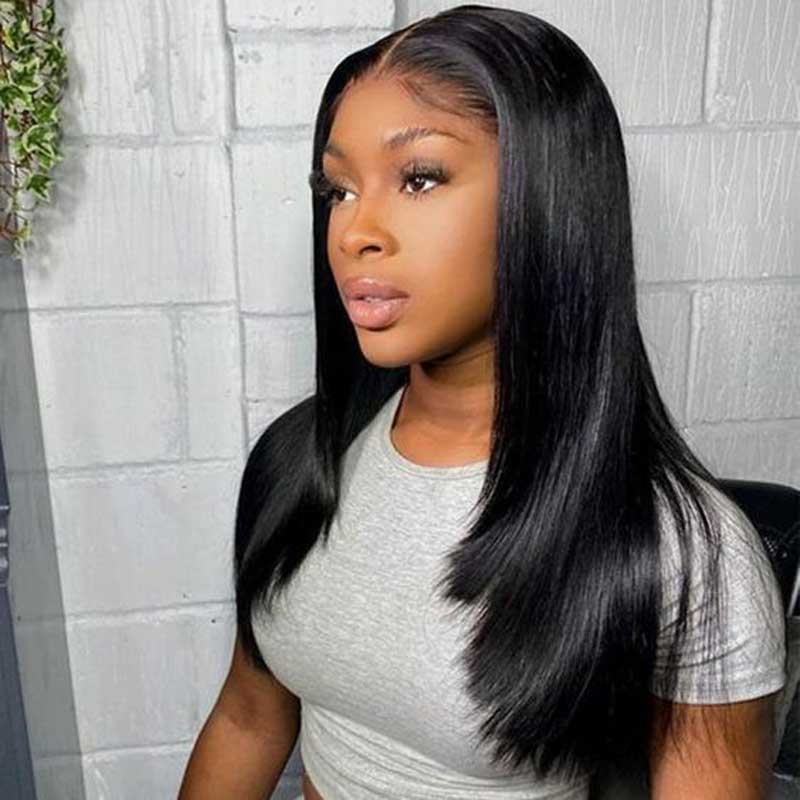
Thick hair cut straight across sits like a brick. The fix is layers cut into the length, which let the hair fall with some air between the sections. This collarbone cut uses a side part and noticeable layers that start around the jaw, so the weight moves instead of dropping. Ask your stylist for: collarbone length layered cut, thick hair. A texturizing spray separates the layers without puffing the shape. The side part also helps the layers swing forward rather than stacking at the back. Plan a trim every eight weeks, because the layers lose their shape faster than a blunt cut does.
09Retro Black Blunt Bob With Short Fringe

A short fringe is a different animal from curtain bangs. It demands commitment, and the blunt bob under it asks for the same. The photo shows a collarbone blunt cut with a straight fringe that stops well above the brows, a shape that lands somewhere between nineties and sixties depending on the styling. Ask your stylist for: collarbone blunt bob with short fringe. This is a salon cut, not a DIY trim. A fringe that short needs a steady hand, and the bob needs a single clean line across the ends. A light styling cream knocks down any flyaways, but the fringe itself is the statement.
10Air Dried Black Blunt Bob With Short Fringe
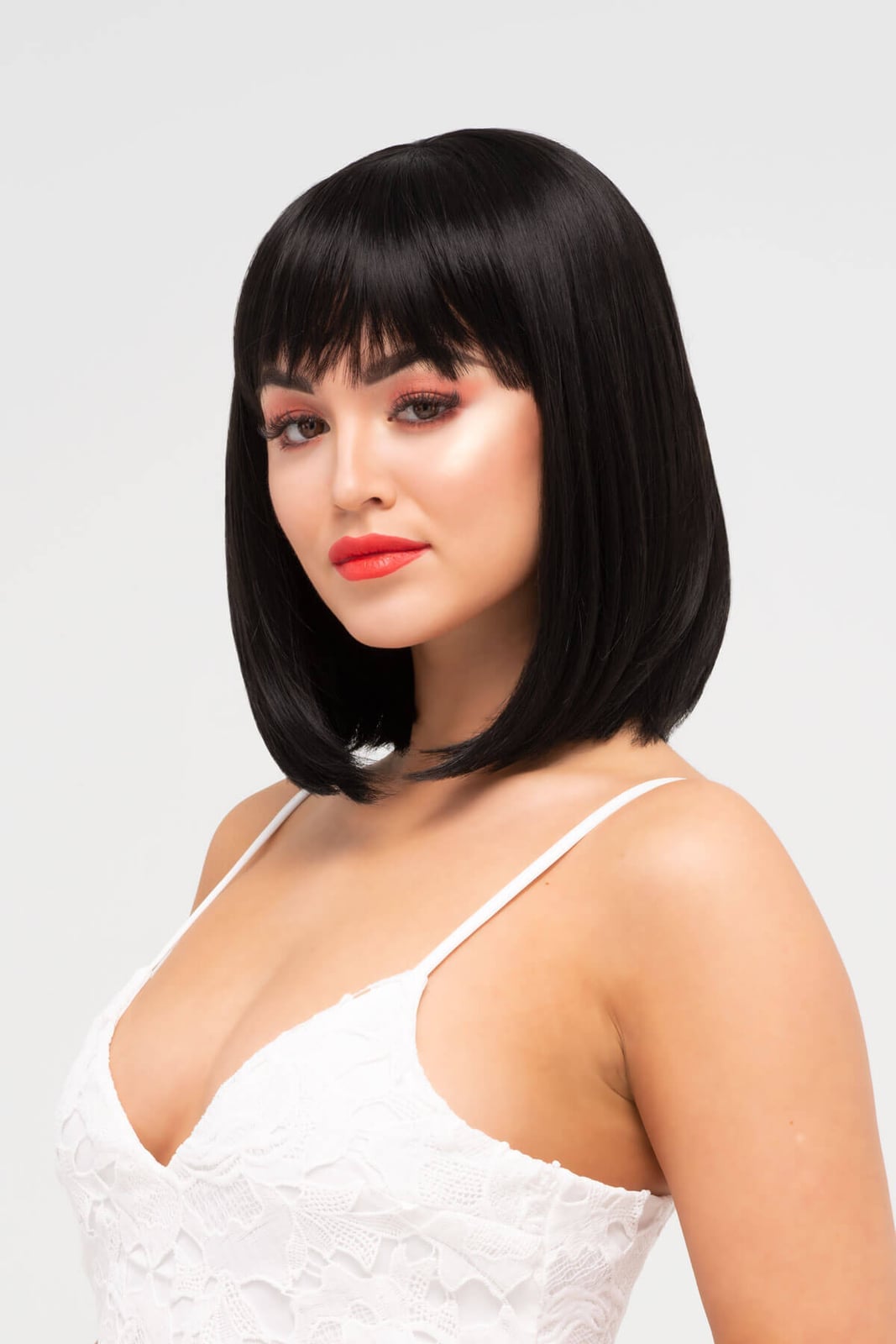
An air-dried blunt bob sounds like a contradiction, but fine hair takes the shape well if the cut is precise. The front view shows a collarbone blunt bob with a short fringe, and the texture is natural, no round brush involved. Ask your stylist for: collarbone blunt bob, short fringe, air dried look. The advantage is the ten minutes you save on a blow dryer. The catch is that fine hair air-dries flatter than blown-out hair, so the fringe may need a quick pass with a flat iron to sit straight. The blunt ends are the anchor here: without product, the shape relies entirely on the cut holding the line.
11Glossy Black Bob With Baby Hairs
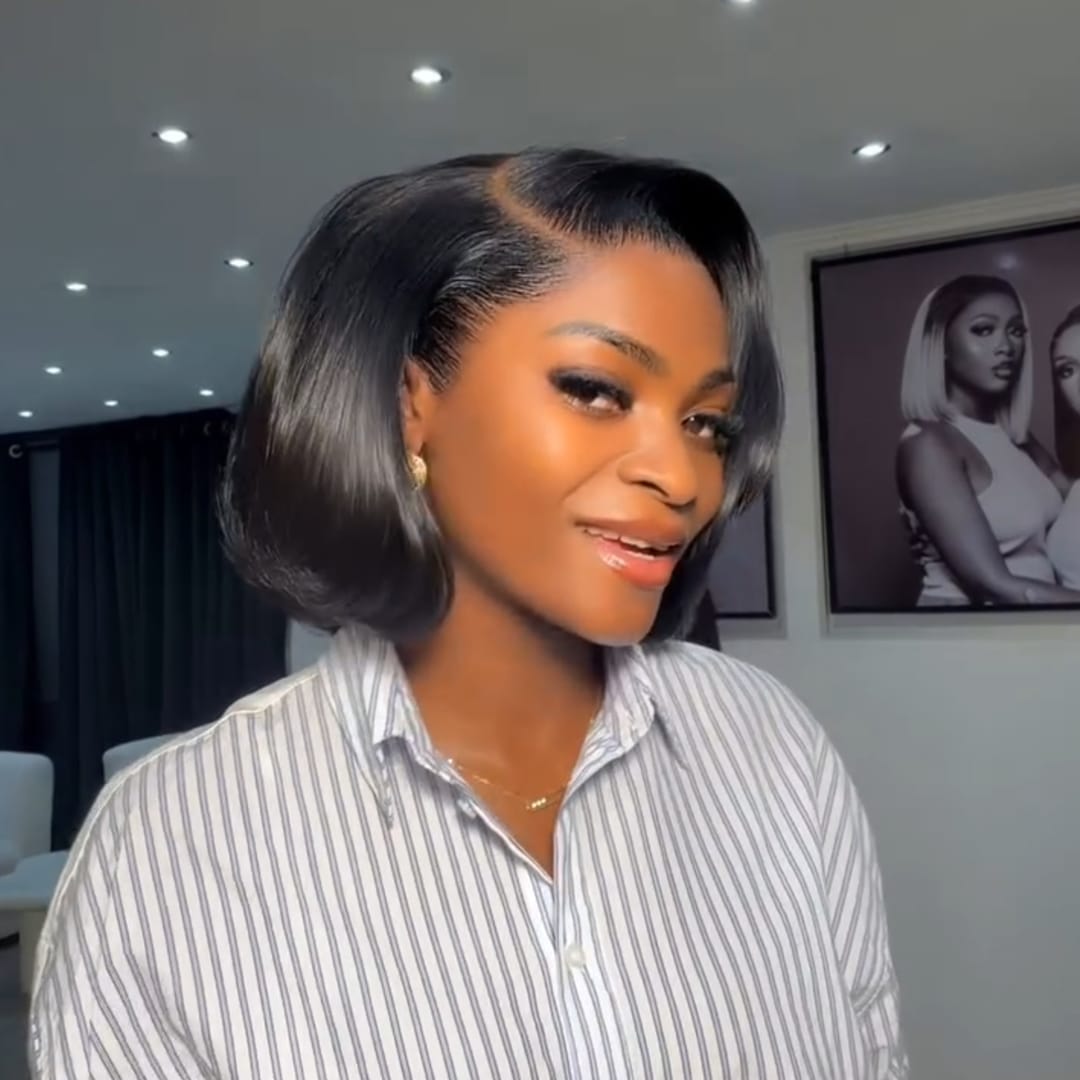
How do you get those tiny, swooped baby hairs to look deliberate and not like a windy day? A chin-length bob with a side parting and side-swept bangs provides the perfect foundation for a polished blowout. The trick is asking your stylist to leave the hairline pieces long enough to shape. Ask your stylist for: chin length bob, side swept bangs, baby hairs. Use a fine-tooth comb and a dab of gel to sweep them into soft arcs or curls. This works best on fine, glossy textures that hold a sleek finish. Plan for a trim every six weeks to keep the bob and the baby hairs in line.
12Sharp Black Short Bob With Blunt Fringe, Ear
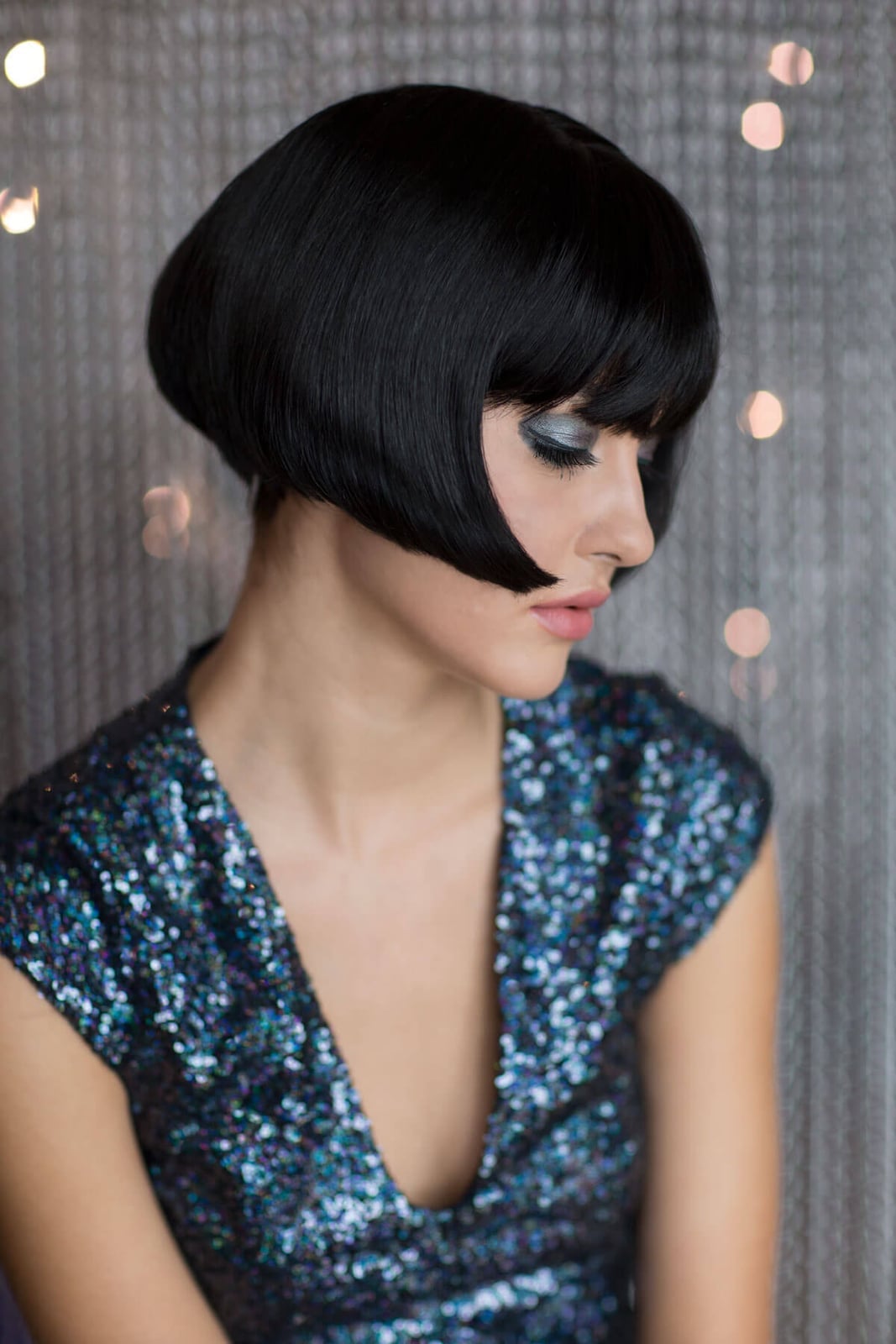
A short bob that ends at the ear leaves no room for indecision. This one is cut with a blunt fringe that sits on the forehead and sleek, straight texture that emphasizes the geometric shape. Oval and heart-shaped faces benefit from the clean, horizontal lines that draw attention to the jaw and cheekbones. Ask your stylist for: ear length short bob, blunt fringe. A light pomade on the ends adds definition without weight. A trim every four to six weeks keeps the shape precise.
13Textured Black Pixie With Asymmetrical Bangs
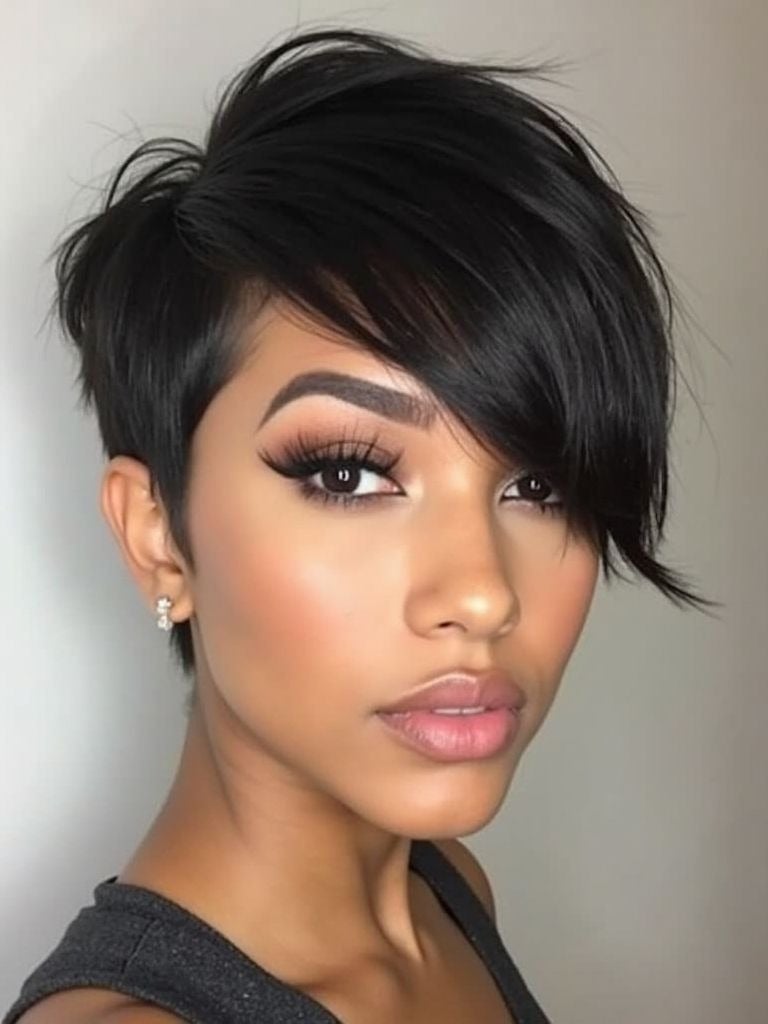
The asymmetrical bang on this pixie cut is cut at an angle, so one side sweeps longer across the forehead while the other sits shorter. That imbalance creates volume and movement on fine, straight hair. The deep side parting and textured finish keep the shape from looking flat. Ask your stylist for: textured pixie cut with asymmetrical bangs. To maintain the definition, work a texturizing paste or wax through the ends after blow-drying. This cut needs a trim every four to six weeks to preserve the asymmetry, or the longer side starts to droop into curtain territory.
14Wavy Black Pixie With Side Swept Bangs, Ear
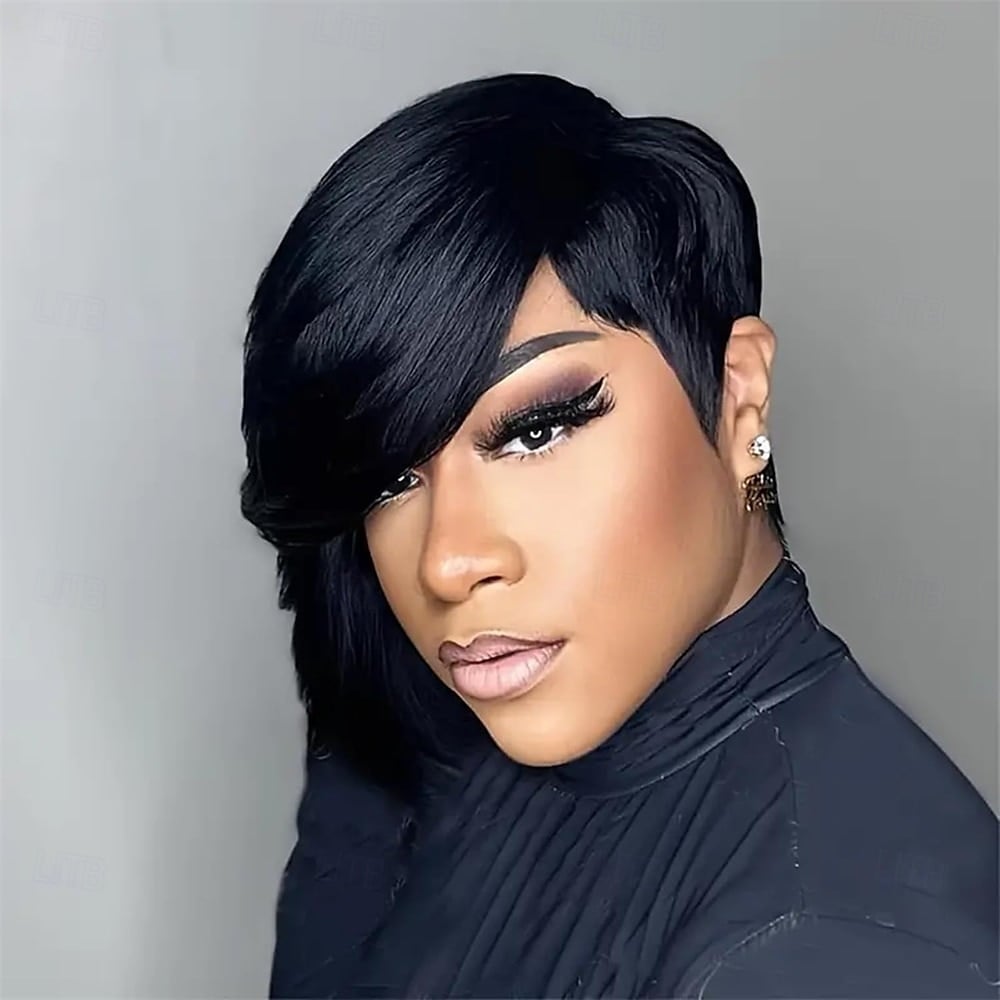
The shorter sides and longer, layered top on this pixie create an asymmetrical shape that relies on the sweep of the side-swept bangs to balance it. Wavy, thick texture gives the cut volume and softness, so it looks tousled but not severe. Ask your stylist for: wavy pixie cut with side swept bangs. You can style it at home with a curl cream and a diffuser, but the initial cut is strictly a salon job. The real drawback? The asymmetry means you cannot just run a comb through it. Each side needs separate attention to keep the shape balanced.
15Shaggy Black Mullet With Curtain Bangs
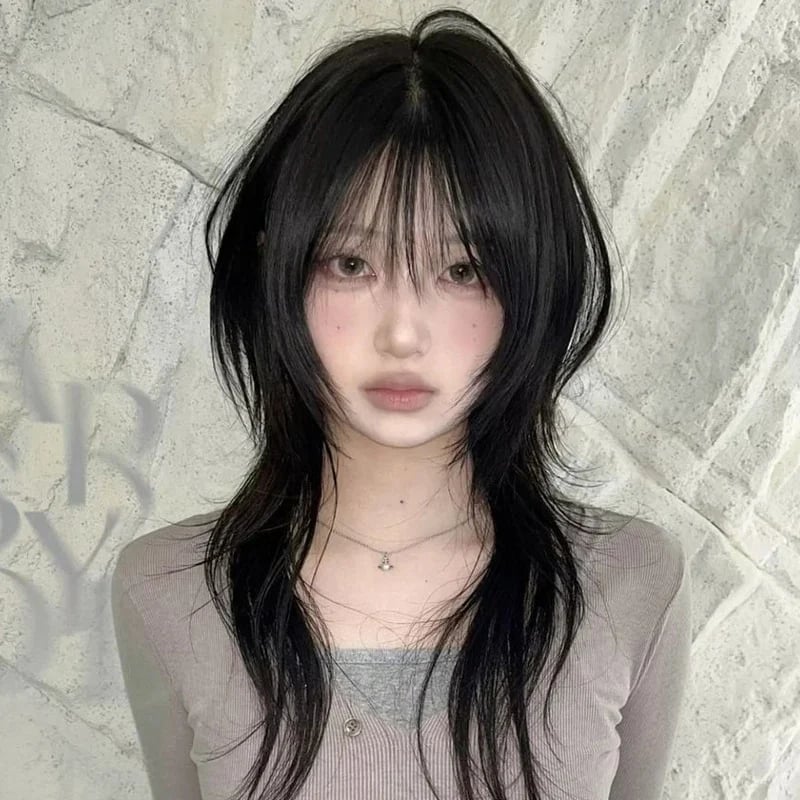
If you want a mullet, commit to the layers. This version is cut with shaggy layers that stack from the crown to mid-back, paired with curtain bangs that soften the whole thing. The fine, wavy texture and air-dried finish keep it looking natural. Ask your stylist for: shaggy mullet with curtain bangs.
A sea salt spray and a scrunch are all you need for daily texture. The layers grow out fast, so a trim every six to eight weeks is the price of admission. Skip this if you prefer a uniform shape or don’t want to explain your haircut to strangers. It’s a conversation starter.
16Thick Black Mid-Back With Curtain Bangs
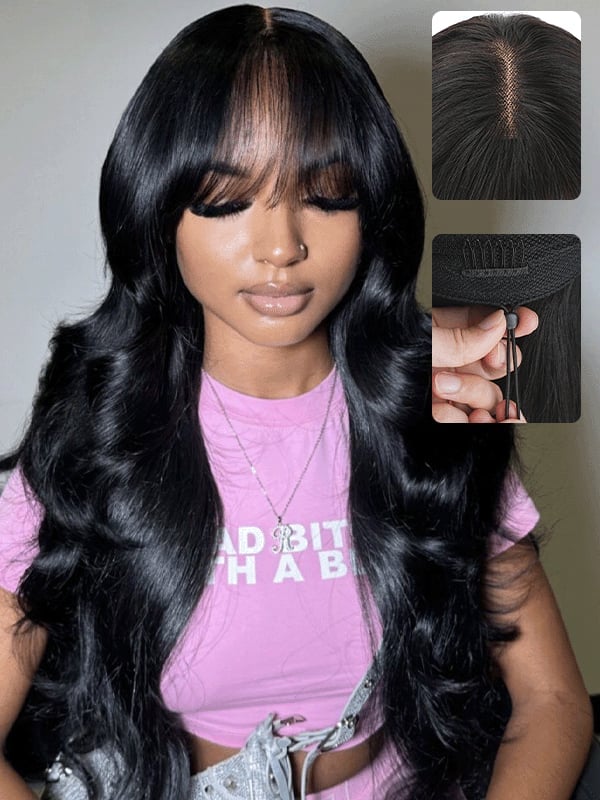
This is not a simple long layer situation. The curtain bangs and long layers here are doing real work, breaking up what can otherwise be one dense block of thick, wavy hair at mid-back length. The middle part lets those bangs fall in a soft V shape that opens up the face without committing to anything severe.
Thick wavy textures at this length benefit from the weight reduction that long layers provide. Ask your stylist for: mid-back length hair with long layers and curtain bangs. A large barrel curling iron will coax the waves into a more defined shape, and a trim every eight to ten weeks keeps the hair from turning into a triangle. This works on most face shapes, though the vertical lines of the long layers are especially forgiving on rounder jawlines.
17Fine Black Mid-Back With Subtle Layers
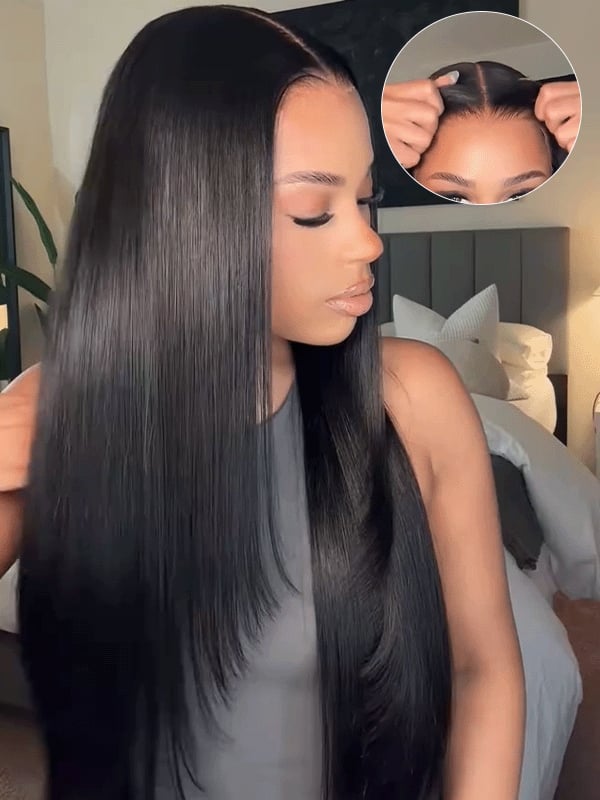
For fine, straight hair at mid-back length, the difference between flat and fabulous is often just a few well-placed snips. Subtle, face-framing layers here add movement without sacrificing the sleek, straight silhouette. The middle part keeps it clean, while the layers around the shoulders and chest create the illusion of density.
Ask your stylist for: mid-back length straight hair with subtle face framing layers. A light smoothing serum will enhance the natural gloss without weighing things down. This cut is technically straightforward, which means it relies on precision and not volume tricks. It suits fine hair textures that need a lift at the ends without losing length.
18Thick Black Butterfly Cut Blowout
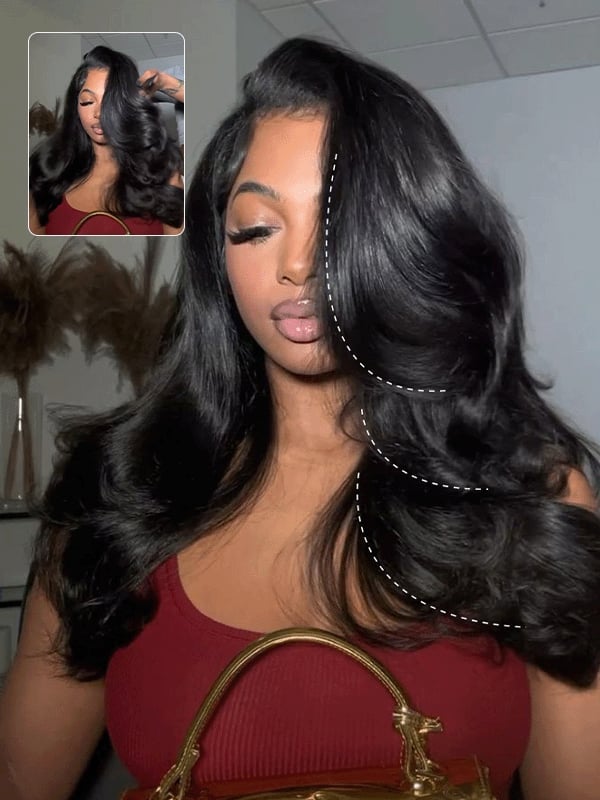
This is the butterfly cut, and it is not a subtle variation on long layers. The voluminous, wavy layers here are cut to stack and move independently, creating that blown-out shape that looks like you spent the afternoon at a salon. The curtain bangs and middle part keep the front soft, while the mid-back length gives the layers room to move. Thick wavy hair is the natural candidate here, as fine textures would struggle to hold the shape. Ask your stylist for: butterfly cut with voluminous layers, thick wavy hair. This is a salon-only proposition, both for the initial cut and the blowout styling that makes it work.
19Thick Black Mid-Back With Old Hollywood Waves
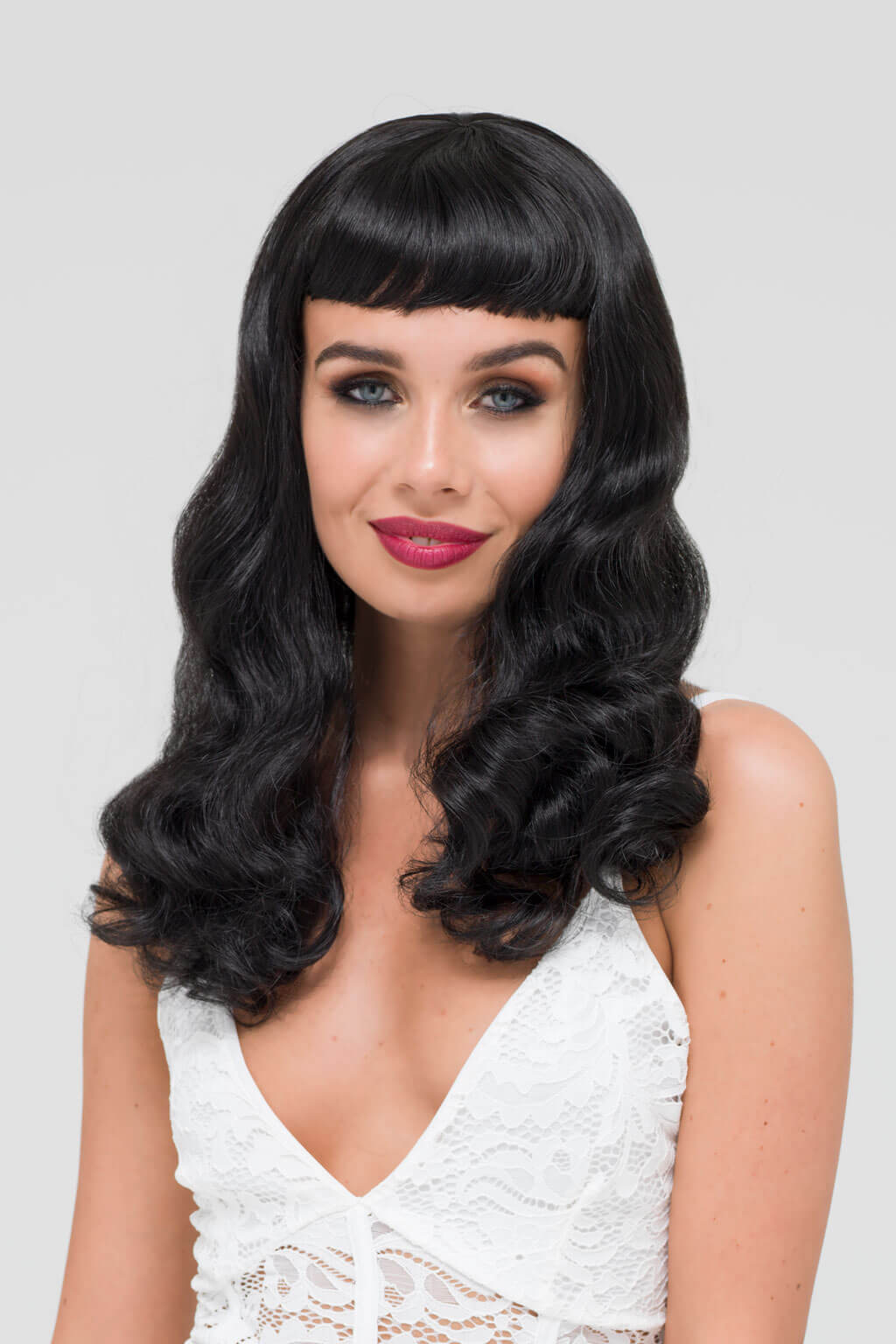
Old Hollywood waves are not a casual Tuesday look, and they know it. This style demands thick, wavy hair at mid-back length to hold the deep, sculpted S-curves that define the vintage silhouette. The short fringe adds a touch of drama, breaking the forehead line and keeping the whole thing from feeling like a period reenactment. The side part gives the waves a directional flow that a middle part cannot replicate.
This lands best at formal occasions or any event where the goal is to look deliberately styled. Ask your stylist for: mid-back length hair with short fringe and old Hollywood waves. Setting the waves with pins while damp is the only reliable way to get that hold, and a trim every eight to ten weeks keeps the layers from losing their shape.
20Thick Black Mid-Back With Full Fringe
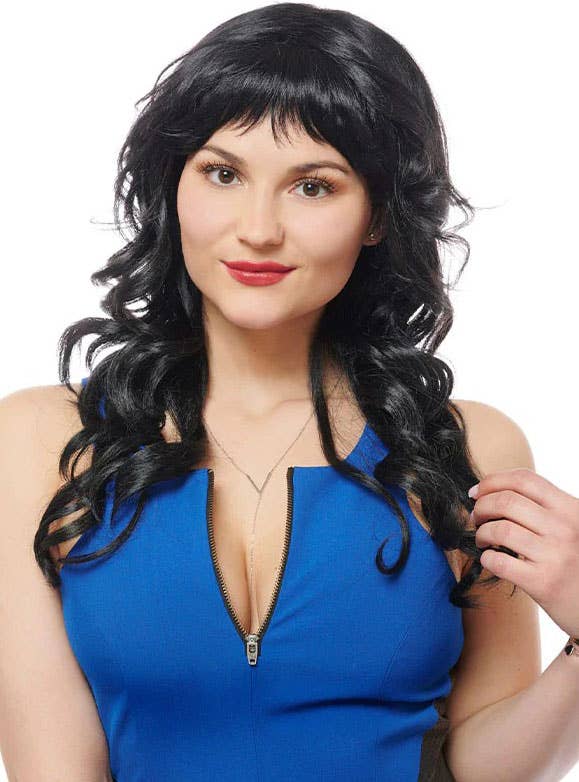
A full fringe on long, wavy hair is a commitment, but it is one that pays off when the proportions are right. Here the thick, loose curls fall to the mid-back, while the fringe sits squarely across the forehead, creating a clear horizontal line that balances the vertical length. The middle part is unconventional for a full fringe, but it works because the waves soften the edges.
This style suits thick wavy textures that can handle the visual weight of a fringe without looking sparse. Ask your stylist for: mid-back length wavy hair with a full fringe. When you sit down, specify that you want the fringe to hit just above the brows and blend into the layers at the temples. A diffuser on your blow dryer will encourage the curls to form without frizz.
21Final Thoughts
Fine hair benefits from blunt, one-length cuts or pixies with a textured top to create the illusion of volume. Thick hair can handle dramatic layers and styles that lean into its natural fullness, like butterfly cuts or voluminous waves. Stick with what your density can support, and the style will hold itself.
- Trim the baseline every six to eight weeks for blunt cuts.
- Refresh styled waves with a gentle steam or steam iron monthly.
- Deep condition wavy and curly textures weekly with a hydrating mask.
- For fine, straight styles, a light smoothing serum can combat frizz between washes.
Black wigs offer endless possibilities for style transformation.