
I kept seeing the same thing in my salon chair rotation this fall: women walking in with hat hair, asking for a cut that would survive the commute. Not a hat hair style, exactly. A style that looks deliberate when the hat comes off, not like you just woke up in a car.
So I collected 39 Winter Hat Hairstyles that actually hold their shape under wool and fleece. Some need a blow-dryer, some need a brush and patience, some need nothing at all. They work for fine hair that goes flat by 4 pm, for thick hair that fights a beanie, and for anyone who has ever watched their curtain fringe separate at noon. I tested the ones that looked like they would fail. A few surprised me.
Loose Waves Under a Fur Headband
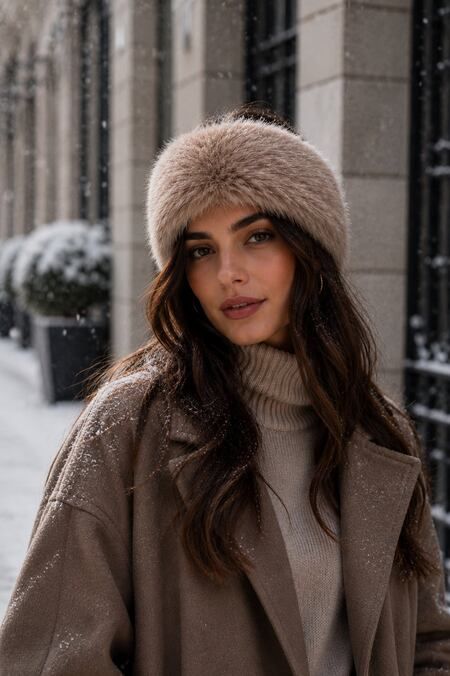
Mid-back loose waves dark brown hair is the winter cheat code I did not expect to love this much. The headband holds the waves off my face, so the curl pattern stays intact instead of collapsing under a beanie. Thick texture helps; if your hair is fine, the waves drop by noon. The middle part keeps everything symmetrical, which matters when the headband sits straight. I reach for a large barrel iron, wrap sections away from my face, and let them cool before touching. It holds for two days, maybe three if I sleep on a silk pillowcase and do not touch it. The dark brown colour reads rich against the fur, no brassiness, no fade.
Simple Straight Hair Under a Beanie
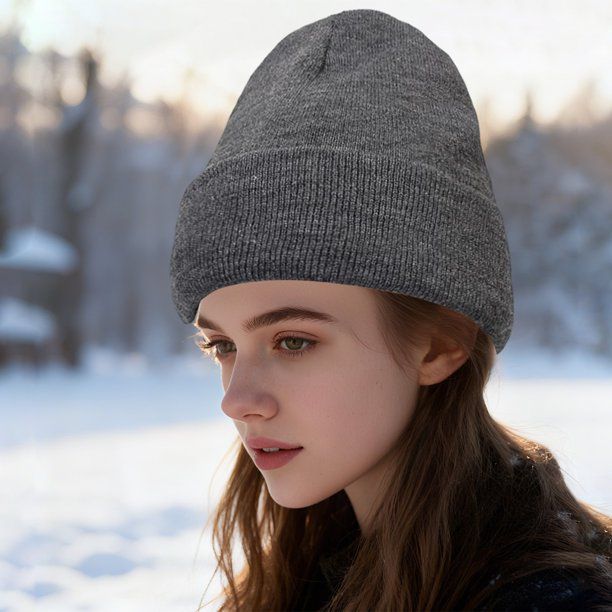
Why would you spend twenty minutes on waves when straight hair with beanie does the job in zero? Long layers, mid-back length, dark brown, middle part — it is the same raw material as the section above, but I did not touch a curling iron. The beanie presses the hair flat, which is actually the point. No frizz, no re-curling, no hat hair panic when you take it off indoors. This is a DIY situation all the way: wash, air-dry, pull on the beanie, walk out the door. The colour stays rich because there is no heat exposure. It is not exciting. That is the appeal.
Braided Detail with a Felt Hat
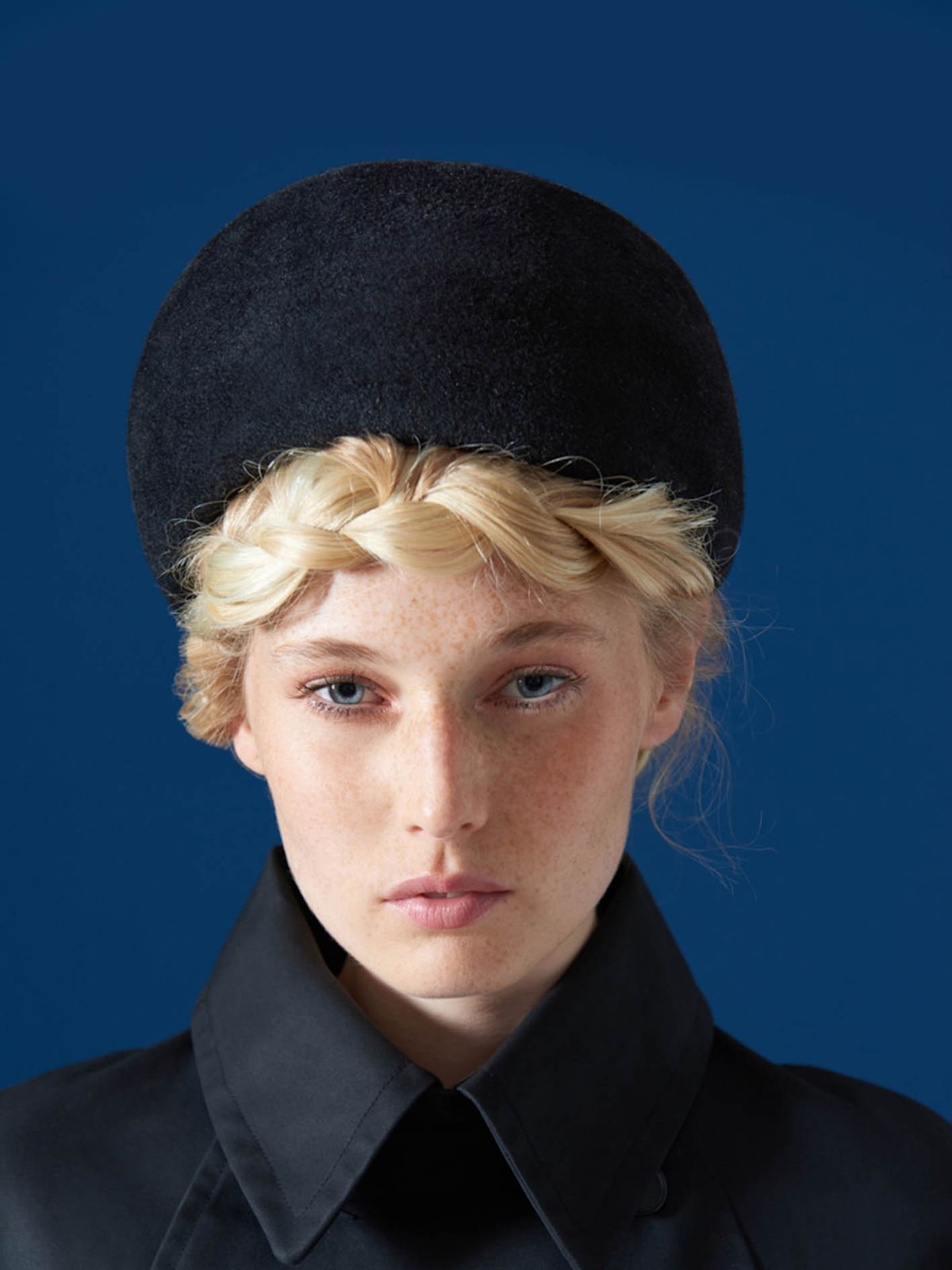
This braided hair under hat trick is the most reliable way to keep a felt hat from sliding off. Take two small sections from the temples, braid them back, pin them behind the ears, then place the hat. The braids act like grip tape. Mid-back blonde waves fall loose underneath, so you get the structure without losing the softness. Middle part, no bangs, thick texture.
The technique matters more than the braid size. Keep the braids tight against the scalp, not loose. Secure each end with a clear elastic, then tuck the tail under the hat. A light-hold hairspray on the braids stops flyaways from escaping. The hat sits flush, no adjusting every ten minutes. Twenty minutes of work, and it stays all day.
Collarbone Blowout With Navy Beanie
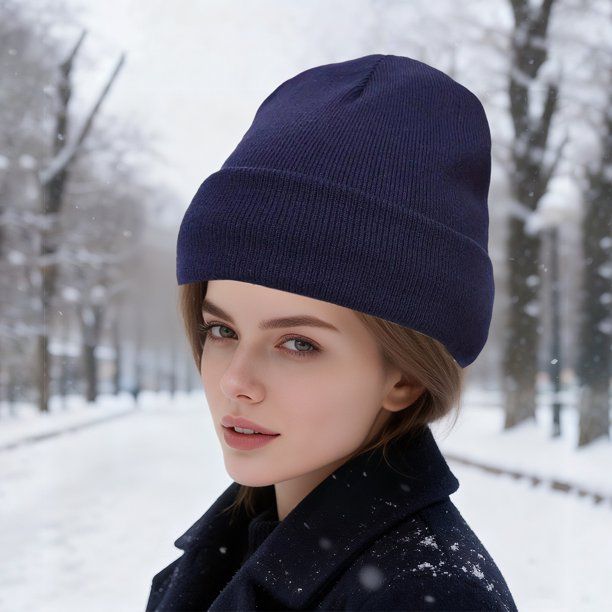
I will admit I was sceptical about a collarbone length blowout under a beanie. The beanie flattens the crown, which is where blowout volume lives. But this one held. The trick is the layers — they start below the ear, so the beanie only compresses the top section. The rest of the wave pattern stays visible around the hairline and the ends. Dark blonde colour, middle part, thick texture. I wore it to a holiday market, took the beanie off indoors, and the blowout did not collapse. It lasted two days before I needed dry shampoo at the roots. The navy beanie against the dark blonde reads polished, not sloppy.
Blunt Bangs Under a Pom-Pom Beanie
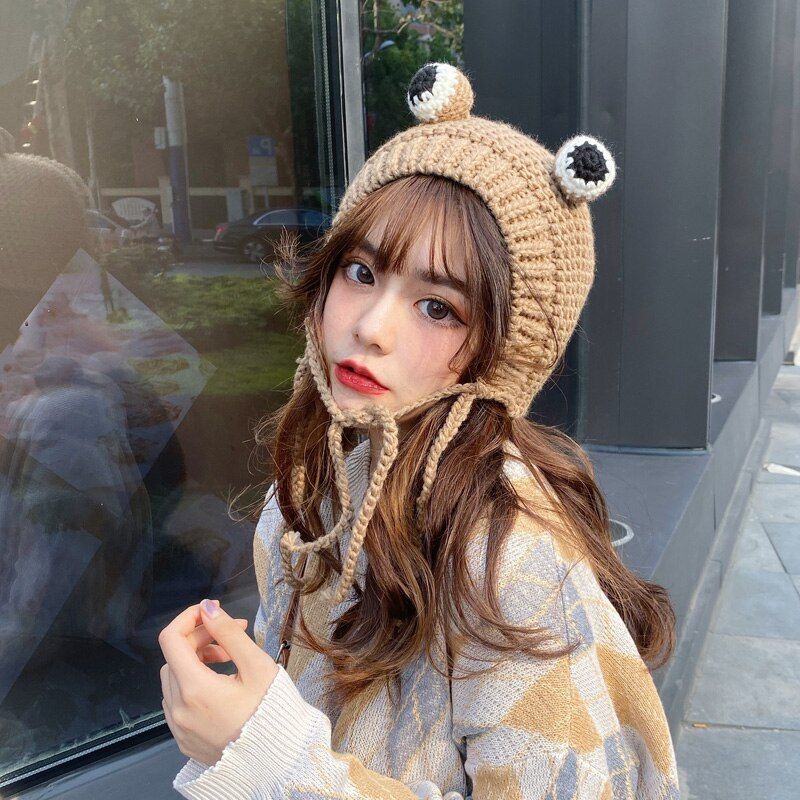
Blunt bangs with beanie is a gamble I took and mostly won. The pom-pom beanie covers most of the hair, so the bangs do all the work. They sit straight across, middle part, no layers interfering. The honest downside: the beanie pushes the bangs down, so they hit right at the brow instead of grazing the lashes. You have to re-wet and blow-dry them forward after taking the hat off. The rest of the hair is hidden, which means zero styling. Tan base beanie with black and white pom-poms, knit texture. It is playful. It is also a five-minute morning commitment to the bangs alone.
Side Part Waves Under a Beanie
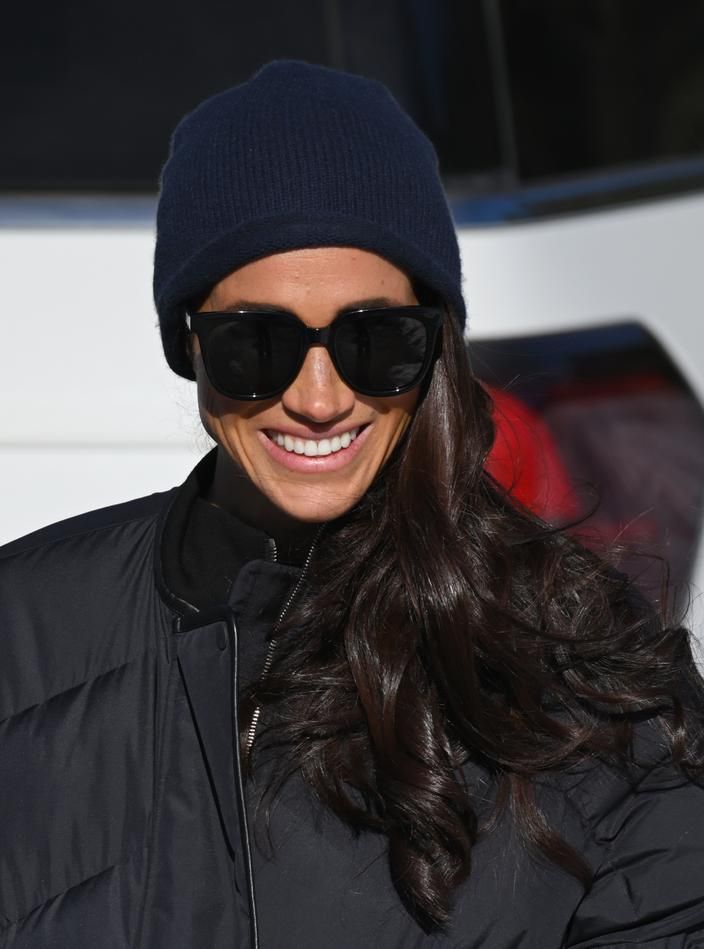
A deep side part under a beanie is a geometry trick I did not see coming. The hat sits lower on the fuller side, and the shorter side gets more lift at the root. For a round face, that asymmetry adds length where a centered part would widen. For a long face, the diagonal line breaks up the vertical. The side part wavy hair here is mid-back, dark brown, thick. Loose waves hold for two days if I refresh them with a spritz of water and a scrunch. By day three the texture softens, but the part still works. That is the part that stays.
The beanie covers about half the wave pattern, so the visible ends carry the look. Fine hair might find the hat flattens the root on the covered side. Thick hair like this one pushes back fine. I would not style this wet and hope. Wave it dry, then place the hat. Fifteen minutes, no round brush drama.
Air-Dried Waves in the Wind

I will admit it: I used to think air dried wavy blonde hair in winter was a surrender. Then I walked to the train in a gust and realized the wind did what my diffuser could not. This is mid-back, layered, no bangs, a middle part. The blonde is a sunkissed tone that reads warmer against a grey sky. I scrunched it wet with a texture spray, put on a hat, and let the car heater and the wind finish the job. The hat came off and the waves held, not polished, not flat, just there. That is the whole point. It took maybe four minutes of active effort. Salon work got the layers right, the rest is weather.
Ponytail Through a Beanie
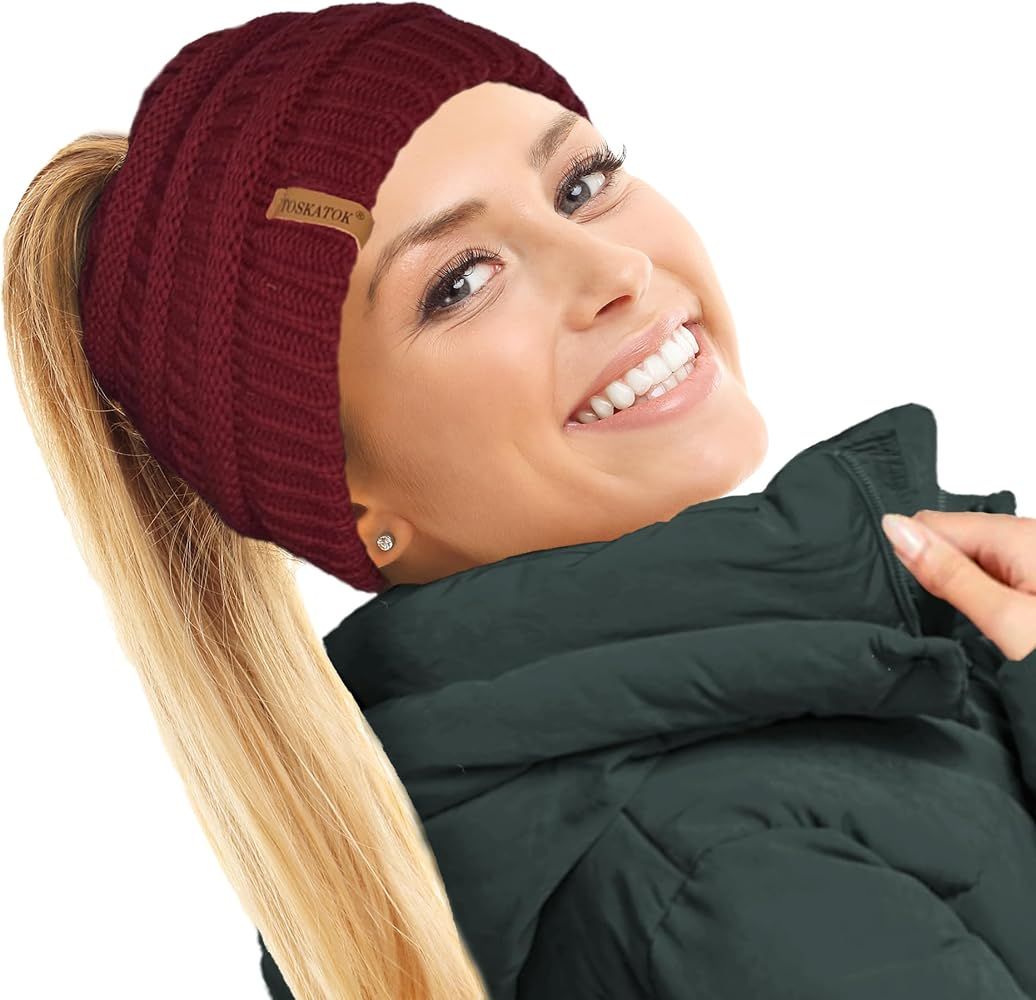
How do you keep a ponytail from looking like a afterthought under a beanie? You build the ponytail first, then add the hat. The ponytail through beanie trick: gather at the crown, not the nape. Secure tight, then pull the beanie over the base so only the length shows. This one is blonde, mid-back, straight, side-parted. The hat hides the elastic, the tail stays smooth. Five minutes, no mirror needed after the first try. The hold is solid because the beanie pins the base in place. Wind does not shift it.
Loose Waves Under a Dark Blue Beanie

I want to love loose waves under a dark blue beanie. And then I take the hat off and see what the wool did to my wave pattern. The crown is flat, the mid-lengths are bent in the wrong direction, the ends are fine. This is thick, dark brown, mid-back hair with long layers and a middle part. The wave was set with a one-inch iron, about fifteen minutes of work. The beanie sat for an hour. When I pulled it off, the left side had a crease that would not brush out. Texture spray revived some of it. Not all. If your hair is fine, skip the tight beanie or accept the dent. Thick hair like this bounces back faster, but the wave shape still shifts. I would not wear this to something where the hat comes off indoors.
Side-Swept Bangs with a Fluffy Hat
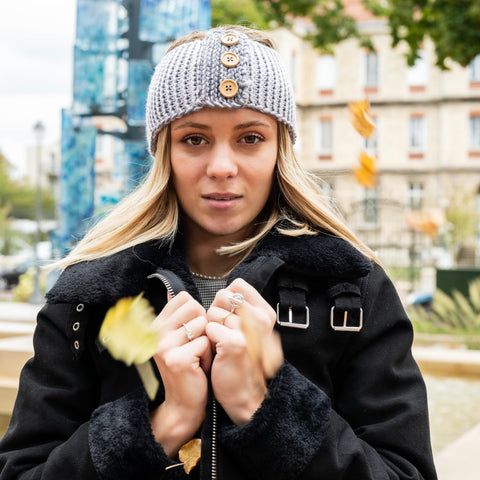
A fluffy hat and side swept bangs dark blonde have a specific relationship. The hat sits high on the forehead, so the bangs fall over the brim, not under it. That means the fringe stays visible, which is the whole point of having bangs in winter. These are long layers, mid-back, dark blonde, wavy and thick. The bangs are cut to sweep across the brow, not straight across. With the fluffy hat, they land at the outer corner of the eye. That is the sweet spot. Too short and they tuck behind the hat band. Too long and they disappear into the wave. The rest of the hair is air-dried, loose waves. The hat holds the bangs in place better than hairspray ever did. No static, no flyaways, just the sweep.
The trim rhythm is four weeks. At six weeks, the bangs hit the nose and start tucking behind the ear. That changes the proportion. The fluffy hat still works, but the line shifts. I book the trim before I notice it, not after.
Sleek Straight Hair Under a Black Beanie
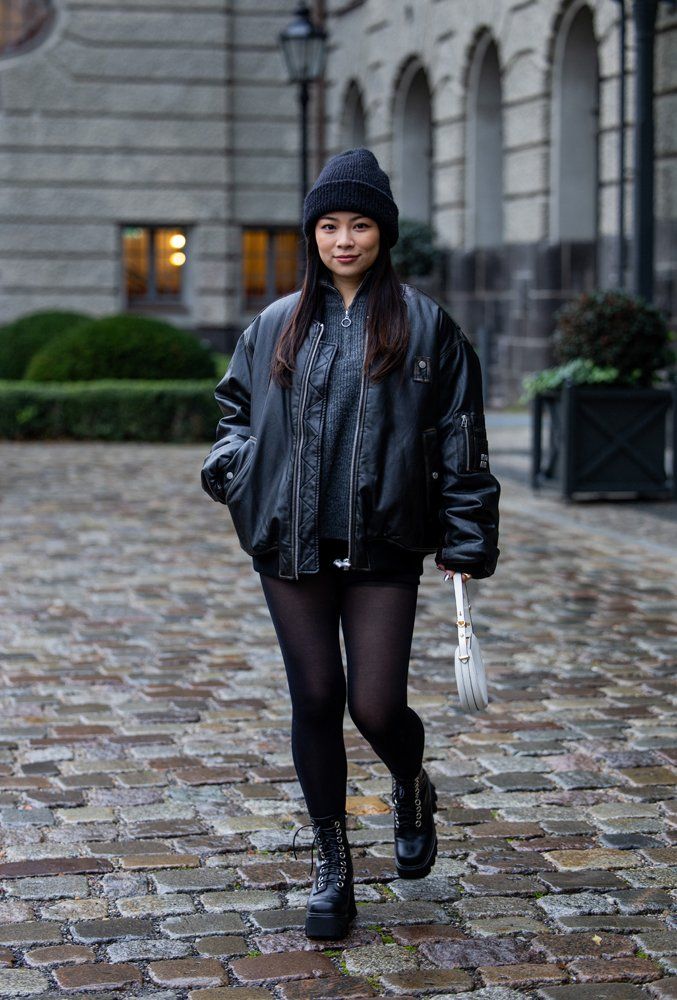
I used to think straight hair under a beanie was a waste of a blowout. Then I saw how sleek straight dark brown hair reads against a black beanie, and I changed my mind. The contrast is the point: the hat sits on top, the hair falls below, and nothing fights for attention. Thick, straight texture holds this shape best, fine hair flattens by lunch. Middle part, no bangs, mid-back length. You can do this at home in under ten minutes with a flat iron and a heat protectant. A salon blowout lasts longer, but I get the same result from a careful DIY pass.
Chin-Length Pink Bob

Who actually wants a chin length pink bob? Someone who knows the upkeep and wants it anyway. The bob is blunt, chin-grazing, middle-parted, air-dried. Straight texture, no bangs. It flatters oval and heart faces best, the blunt line widens a narrow jaw. The honest downside: pink fades fast. You need a color-depositing conditioner every second wash, and the brass creeps in by week three. Trims every four to six weeks keep the line sharp. Skip this if you hate salon visits or prefer a color that survives a month of neglect.
Chin Bob with Bright Pink Beanie
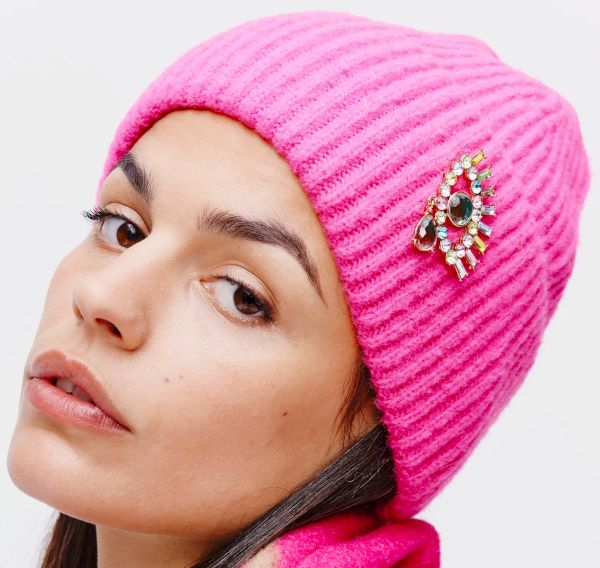
I bought a bright pink ribbed beanie with a brooch on a whim, fully expecting it to sit in my closet. Then I tried it over my chin length bob with beanie, and it works. The bob is dark brown, blunt, chin-length, middle-parted. Straight texture, air-dried. The beanie covers the crown and the bob peeks out cleanly underneath. No bangs to get pushed around. The brooch adds a focal point that keeps the whole thing from reading as an afterthought. I wore it to grab coffee and got stopped twice. Not bad for a hat I bought on a Tuesday.
Full Headwear Ensemble
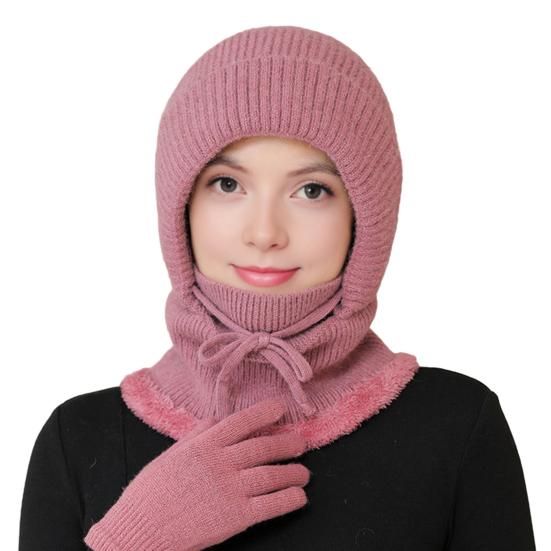
A balaclava hat with scarf covers everything. Hair, ears, neck, all of it. No styling required, no hat hair to fix when you arrive. The pink knit is thick, the integrated scarf wraps twice. Matching gloves complete the set. The downside: your hair is invisible, so this only works if you do not need to take the hat off indoors. Fine hair stays flat underneath, thick hair gets compressed but recovers faster. This is for the commute, the ski slope, the day you do not want to think about your hair at all.
Mid-Back Ponytail Through a Beanie with Hole
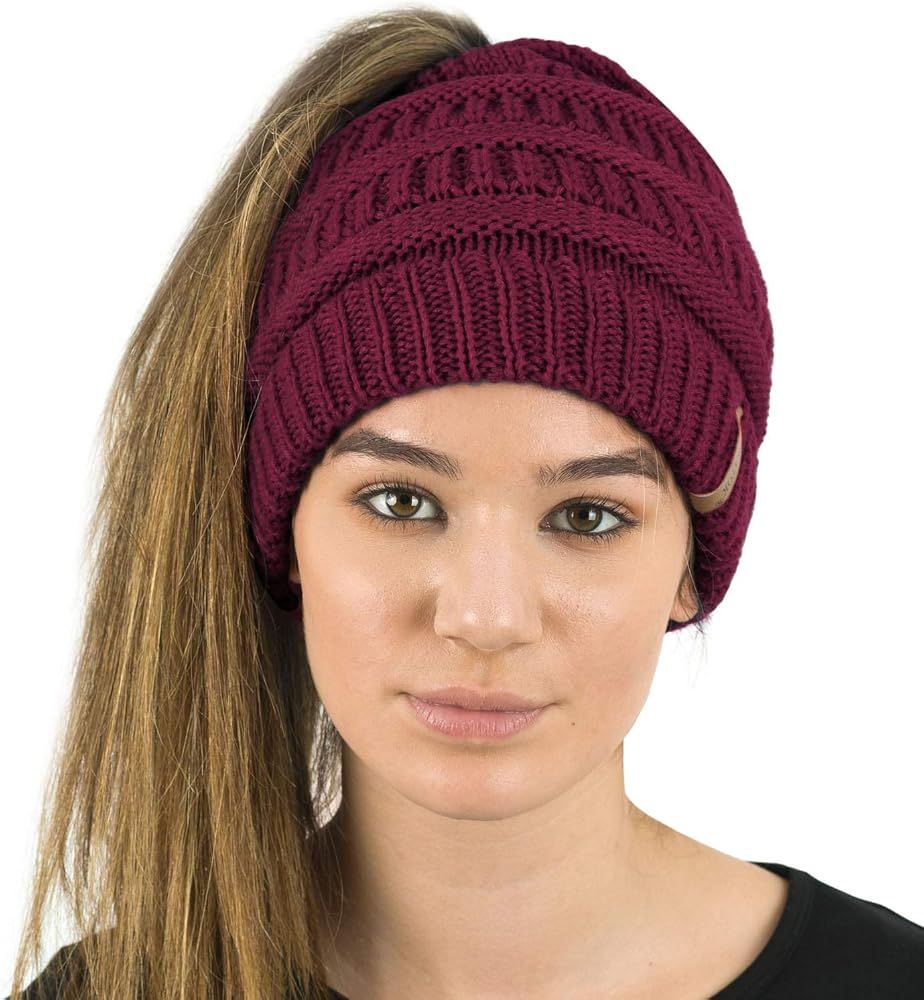
The ponytail hole beanie solves a specific problem: keeping hair off your face while keeping the hat on. The technique is simple. Pull your hair into a mid-height ponytail, secure it with an elastic. Slide the beanie over your head, then guide the ponytail through the hole. Adjust the hat so the hole sits at the nape or crown, depending on where you want the ponytail to fall. Long layers keep the ponytail from looking like a solid block. Light brown, straight, thick texture. Middle part, no bangs. DIY in five minutes, no salon required.
Fine Hair Pulled Back Under a Beanie
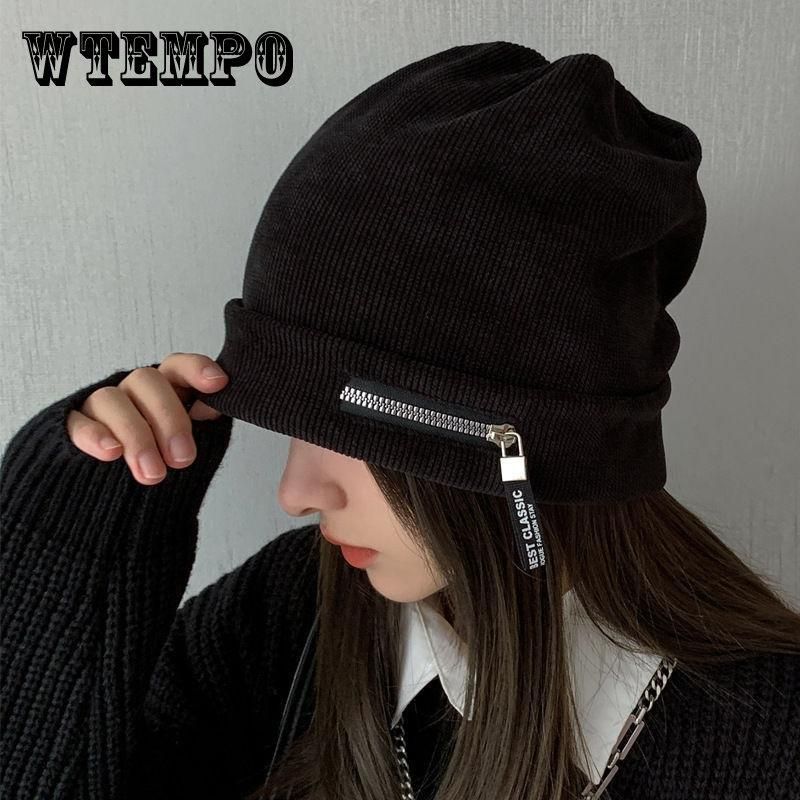
Does fine hair under beanie ever look like anything but a sad, flat tail? It can, if you do it right. The trick is grip, not tension. A texturizing spray or dry shampoo at the roots before you pull it back gives the hair something to hold onto, so the ponytail sits thicker and the crown doesn’t collapse by noon. Pull it too tight and you’ll see every strand, plus a headache by 3 pm. Leave it a little loose, let the front pieces fall where they want. This is a five-minute style that reads as deliberate, not defeated.
Shoulder-Length Blowout with Beanie
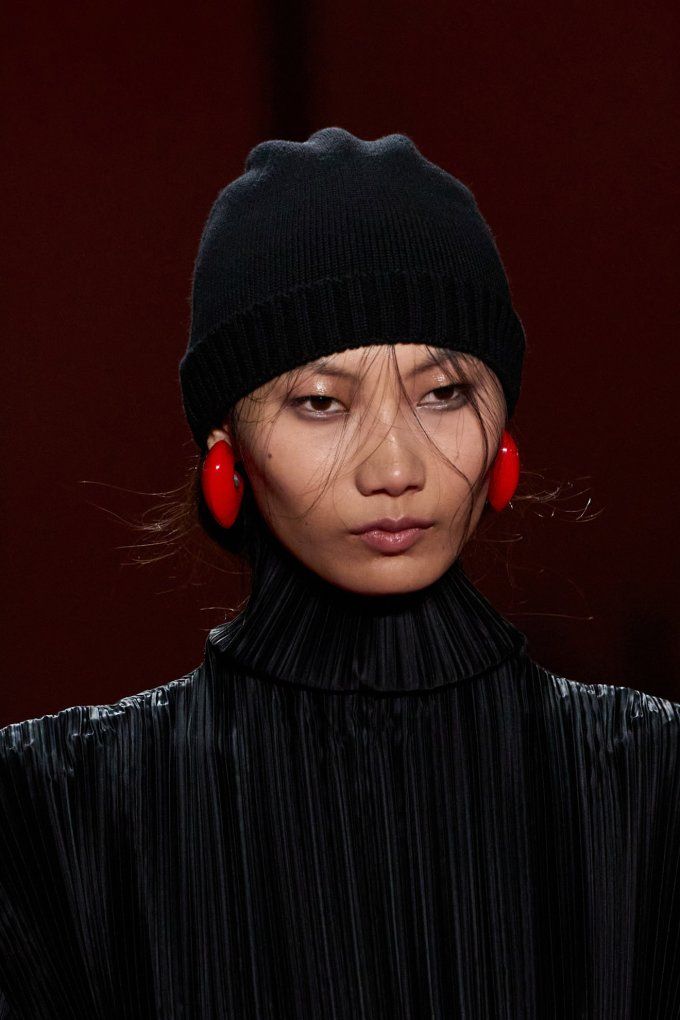
A shoulder length blowout under a beanie sounds like a contradiction, but it’s the best kind of surprise. The volume at the roots holds its own against the hat’s pressure, and the wavy texture keeps the ends from going flat. On a cold morning, I’ll spend 20 minutes on the blowout, then pull the beanie on and head out. By lunch, the hair at my temples has softened, but the shape is still there. The trick is not to over-brush once the hat comes off; a quick finger-comb and the waves bounce back. It’s a polished look that survives a commute and a coffee run, and it’s the one style I trust for a full day out.
Side Braid for Hat Wear
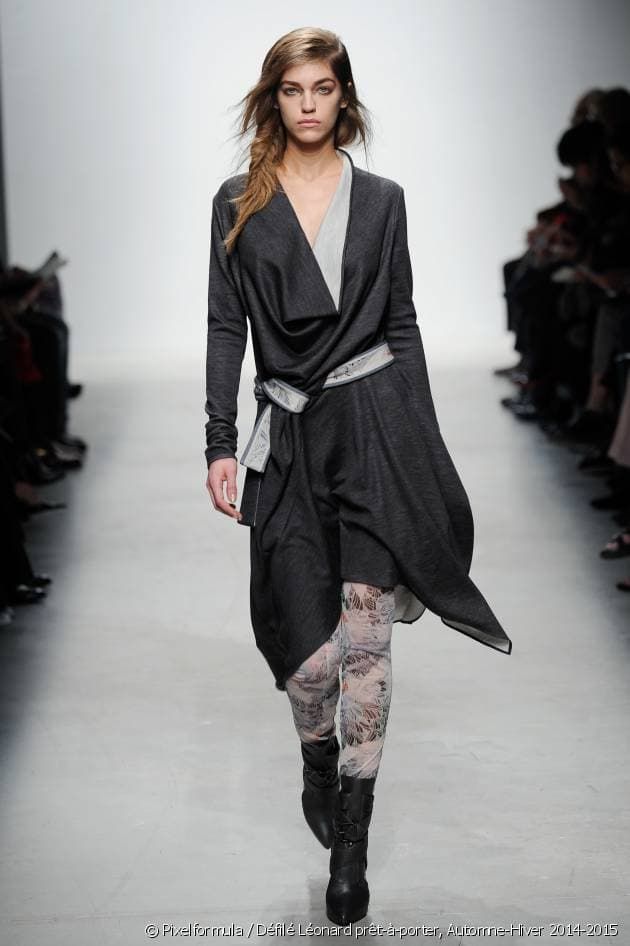
A side braid is the most practical winter hat hairstyle I know, and it’s not close. The braid sits over one shoulder, so the hat stays put without a lump of hair underneath. It takes about ten minutes to get it neat, and the dark blonde hair with lighter highlights catches the light even under a wool beanie. The braid keeps the mid-back length from tangling against a scarf, and it holds all day without a touch-up. If you have wavy texture, the braid will set into soft bends by the time you take it out, which is a bonus. It’s elegant, yes, but it’s the low-maintenance that wins me over.
Visual Idea
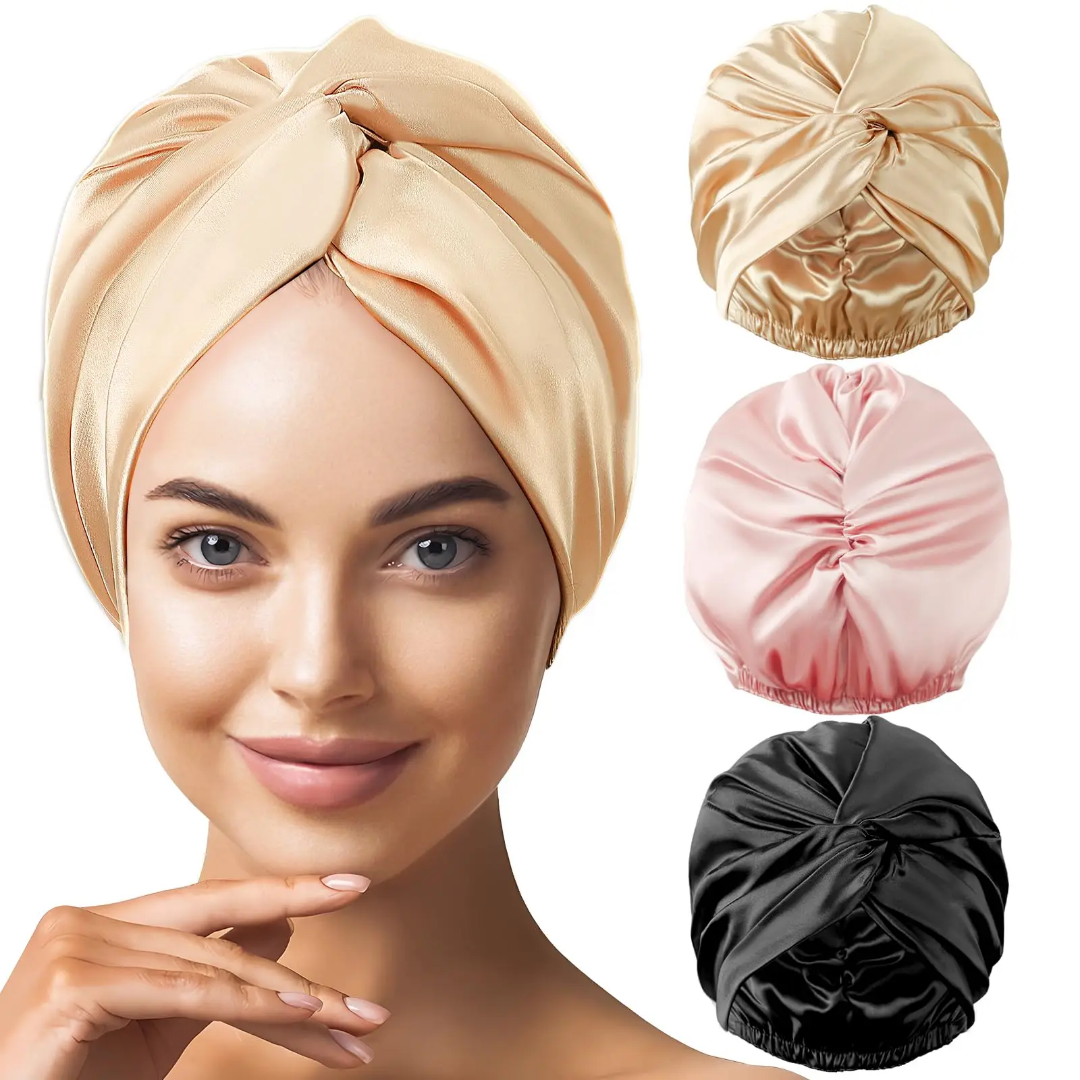
Satin turbans are not all the same, and the difference is in how you fold them. A wide fold that sits low on the forehead reads relaxed, while a narrow twist pulled higher looks more polished. The sheen of the satin adds a texture that wool hats can’t, and it doesn’t crush your hair the way a knit beanie does. If you have fine hair, a turban is a better winter bet than a hat, because it doesn’t flatten the roots. The variety is the point: one turban can be styled three ways, and each one changes the whole look.
Front View Visual Idea
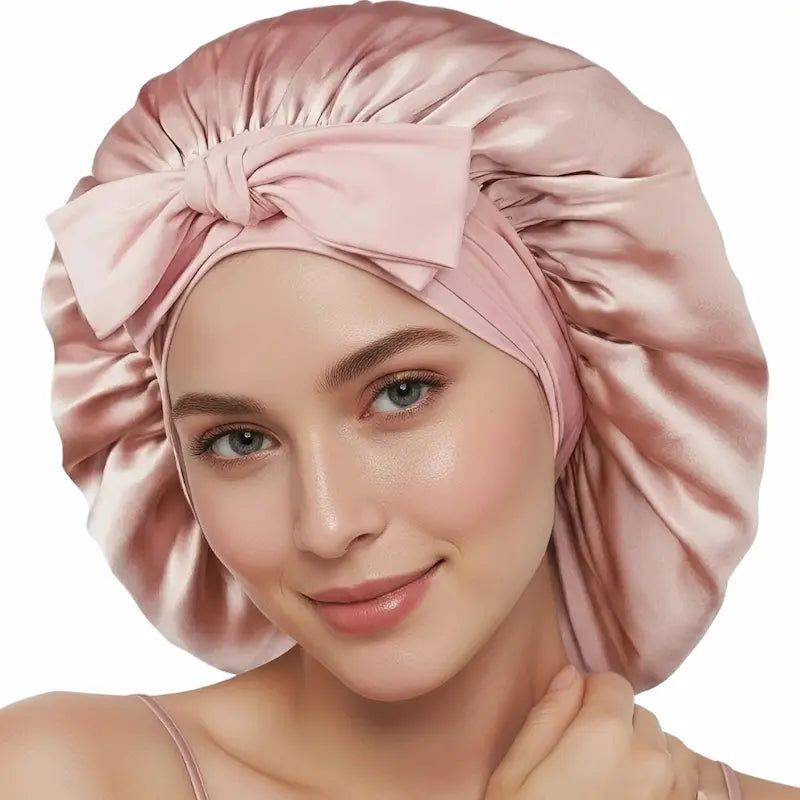
I’ll admit it, I was a silk bonnet skeptic. Then I wore one on a cold night and woke up with hair that didn’t look like a bird’s nest. The sheen is the thing, it catches the light in a way that makes even a plain ponytail look intentional. It’s not a hat, so you can’t wear it outside, but for a winter evening at home or a lazy Sunday, it’s the most luxurious-feeling option. The bonnet keeps your hair from rubbing against a pillowcase, so the next morning’s style holds better. I’m a convert, and I’m not going back to a cotton pillowcase.
Silk Bonnet Visual Idea
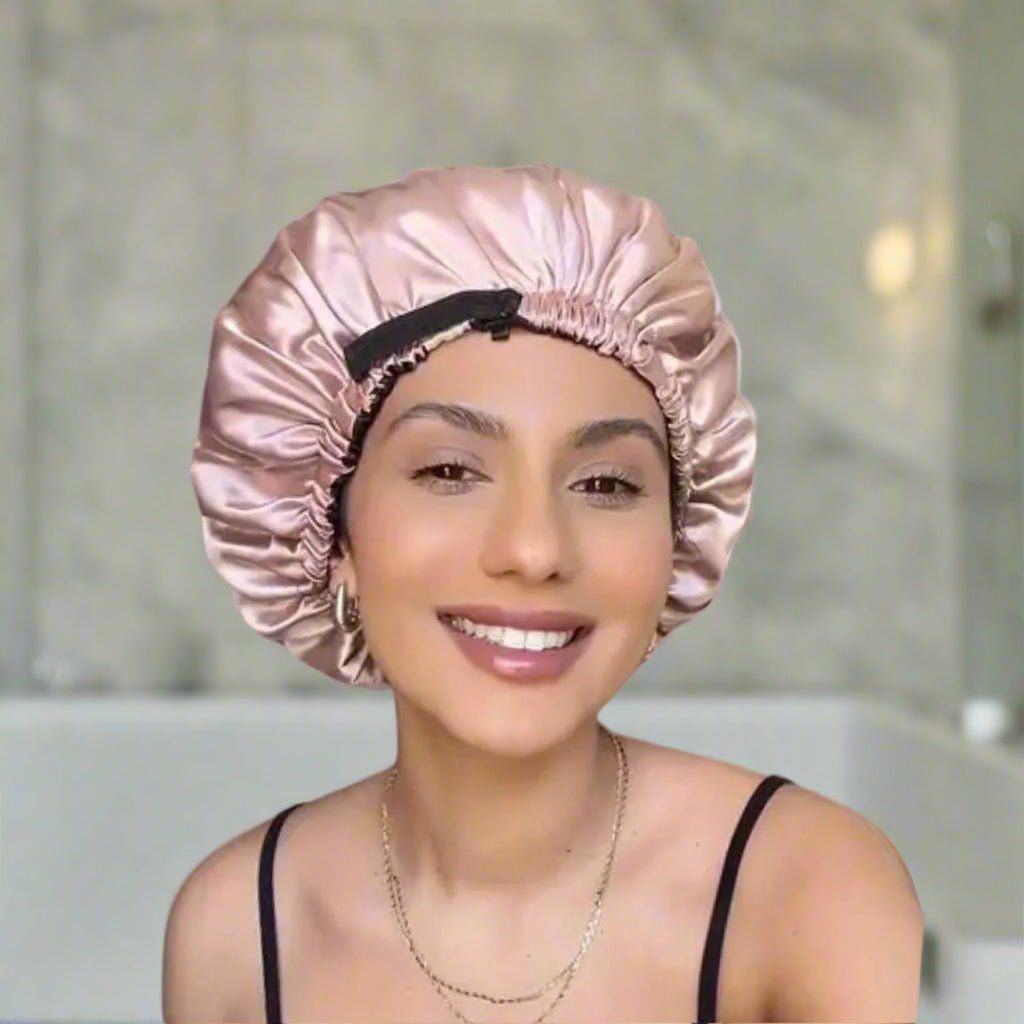
Does that adjustable strap on the bonnet actually hold or just slide off by 2 a.m.? I’ve tested both. The elastic digs in at night, but the satin does keep fine, straight hair from tangling against cotton pillowcases. The colour is black, same as the material. For a knotted-free morning, this is the peace treaty between winter hats and my pillow. Just do not expect a seamless fit if your head is small. It gaps.
Shoulder Visual Idea
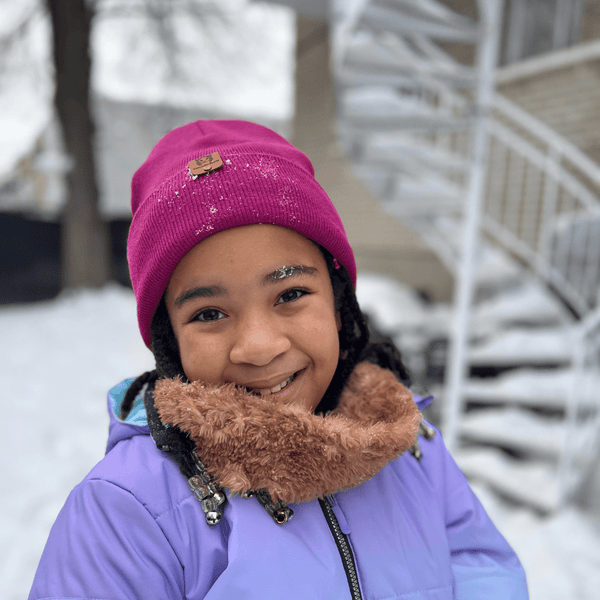
Braids under a hat are a genuine option for coily, thick hair. Shoulder-length layers with a middle part, no bangs, dark brown all over. The braids sit flat, the hat then sits comfy on top. My test: two Dutch braids, pinned low, then a knit beanie. The hold? Still crisp after coffee. The texture does not flatten into a helmet shape. One heads-up: this works best on hair that has natural grip. Fine hair will slip out by the train ride home.
Covers Hair Visual Idea
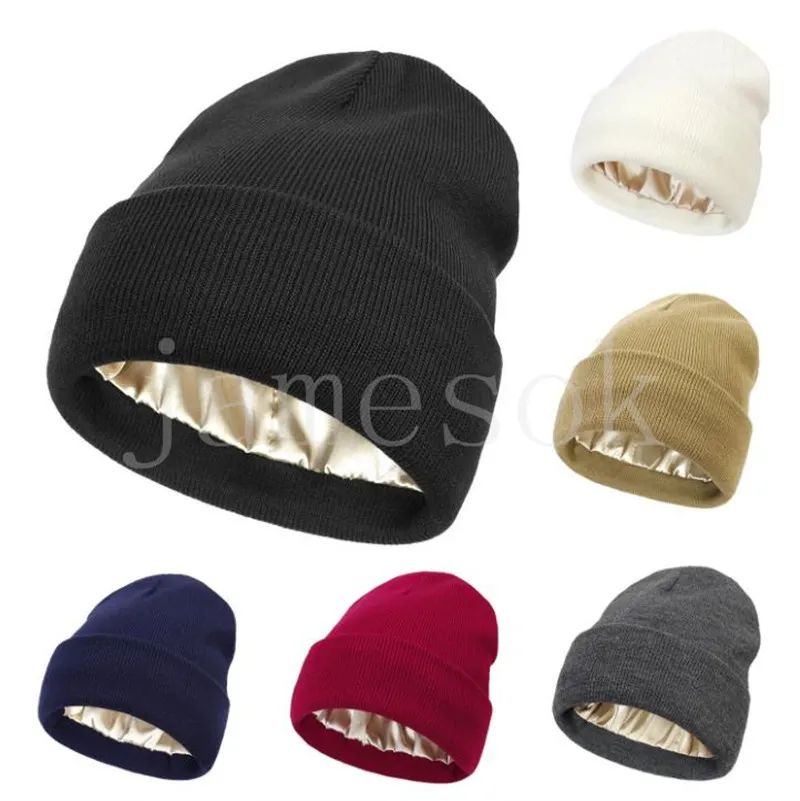
The satin lining inside this beanie is the real draw. Black base, knit outer, the whole thing slicked back under it. No part shows. My observation: the lining cuts down on friction, so the hair underneath does not frizz up by lunch. That counts as a real week win. The wear requires nothing else — one hat, five minutes, done. No second-day touch-up needed if you put it on with dry hair.
Collarbone Visual Idea
Can a blowout and a beanie coexist without a flat crown? Collarbone-length layers, side-swept bangs, blonde all over. The technique: blow-dry with a round brush first, let the hair cool fully before pulling the beanie on. The beanie sits at the hairline, not the mid-head. The result holds volume for a couple of hours. This styling works for a casual dinner or a winter walk, but I would not bet on it lasting through a full workday. The straight texture loses lift by noon.
Dark Brown Visual Idea

I will confess: I air-dried my curly hair one winter morning and expected a puffball. Dark brown, collarbone length, long layers, middle part. The curls held their shape better than any diffuser session. No salon required. The texture does the work. Downside: dry time in cold air is real, figure on three hours. But the outcome is a set of defined curls that a beanie does not ruin because they are already set.
Mid-Back Visual Idea
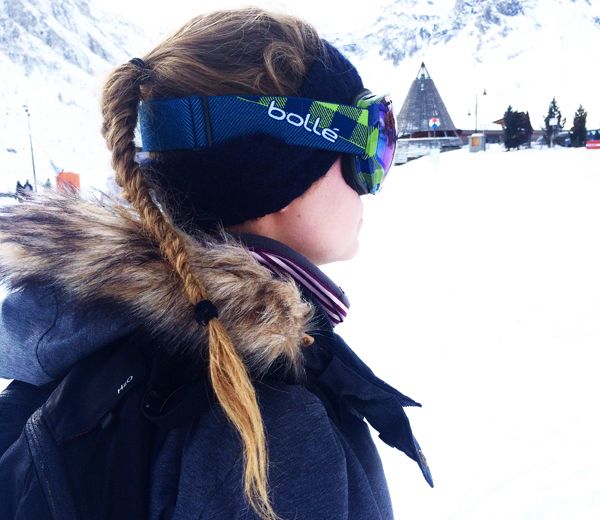
Braids under a hat beat loose hair nearly every time. I have worn both, and the braid is the one that still looks deliberate at the end of the day. With mid-back length and a middle part, two braids sit flat against the hat, no bulk at the nape, no static halo. Loose waves under a beanie collapse into a shapeless lump by noon. A braid holds its structure, and the wavy texture at the ends softens the whole thing, so it reads less schoolgirl, more intentional. Blonde reads brighter against a dark hat, which helps. The layers keep the braid from looking like a rope, they catch the light and give it movement. This is a styling choice that works with the hat, not against it.
Chin Visual Idea
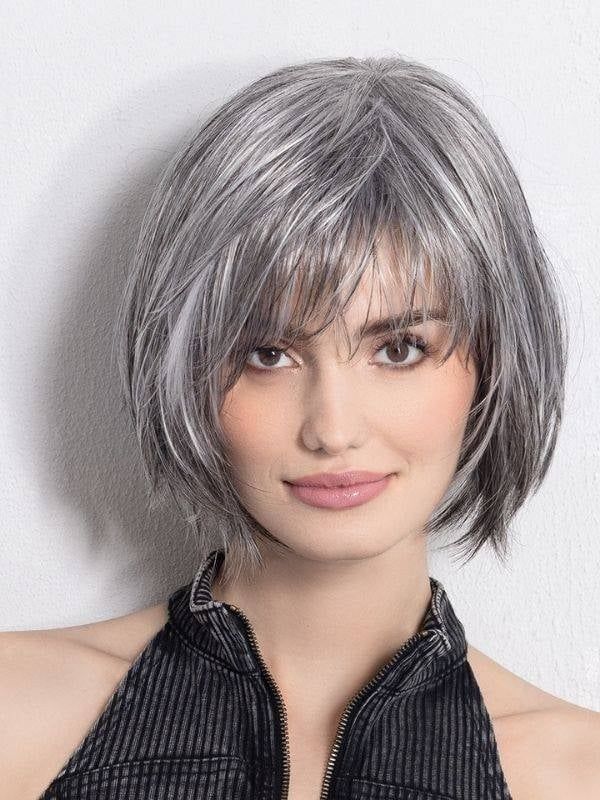
Ash blonde with silver highlights at chin length is a specific kind of striking, the kind that needs a cool skin tone to feel like it belongs. On warm undertones it can look washed out, so I would pass if that is you. The bob itself, straight and fine, sits neatly under a beanie, no extra bulk to wrestle with. The side-swept bangs are the part that needs attention, they will separate and need a quick restyle after the hat comes off. The silver highlights are the honest downside, they demand a purple shampoo and a toning appointment every few weeks, or they turn brassy and muddy. If you are ready for that rhythm, the payoff is a winter colour that does not hide under a hat, it glows against it.
Layers Visual Idea
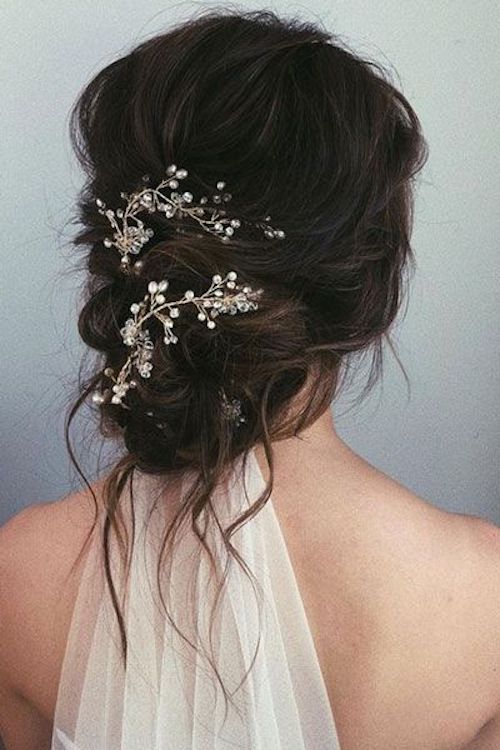
Have you ever taken off a hat and found your updo flattened into a sad pancake? An updo with loose curls is the fix, but only if you build it right. The key is the placement, high enough that the hat sits below it, so the curls spill out over the brim instead of getting crushed underneath. With thick, wavy hair at mid-back, this holds its shape for a full day, even through wind and a commute. The loose curls catch the light and soften the whole silhouette, which matters when the rest of your head is covered. The dark brown colour adds depth, making the curls read as rich, not flat. For a winter wedding or a holiday party, this is the one that looks intentional from every angle.
Black Visual Idea
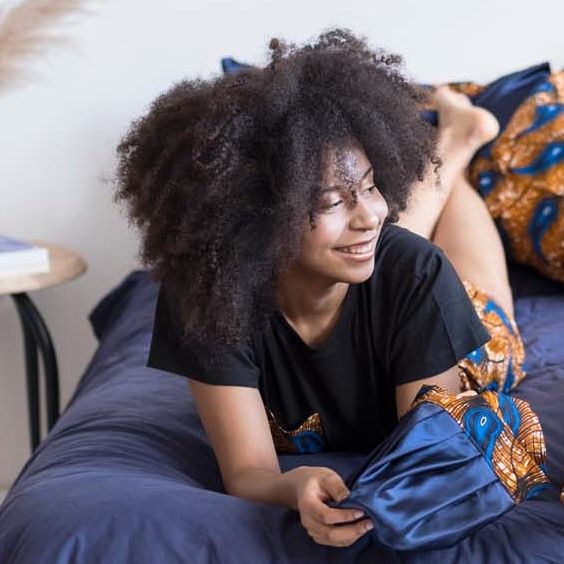
The long braid under a bonnet is the kind of thing I did not expect to love, but here we are. The technique is simple: part the hair down the middle, gather it at the nape, and braid it low enough that the bonnet covers the top and sides but leaves the braid swinging free. The black colour makes the braid a solid, graphic line against the bonnet, and the coily, thick texture gives it real weight, so it moves like a rope, not a wisp. The length is the point, mid-back means the braid lands at your shoulder blades and reads as deliberate. It is a winter styling move that keeps your hair protected and still looks put together when you take the bonnet off.
Dark Red Base With Pink Highlights Visual Idea
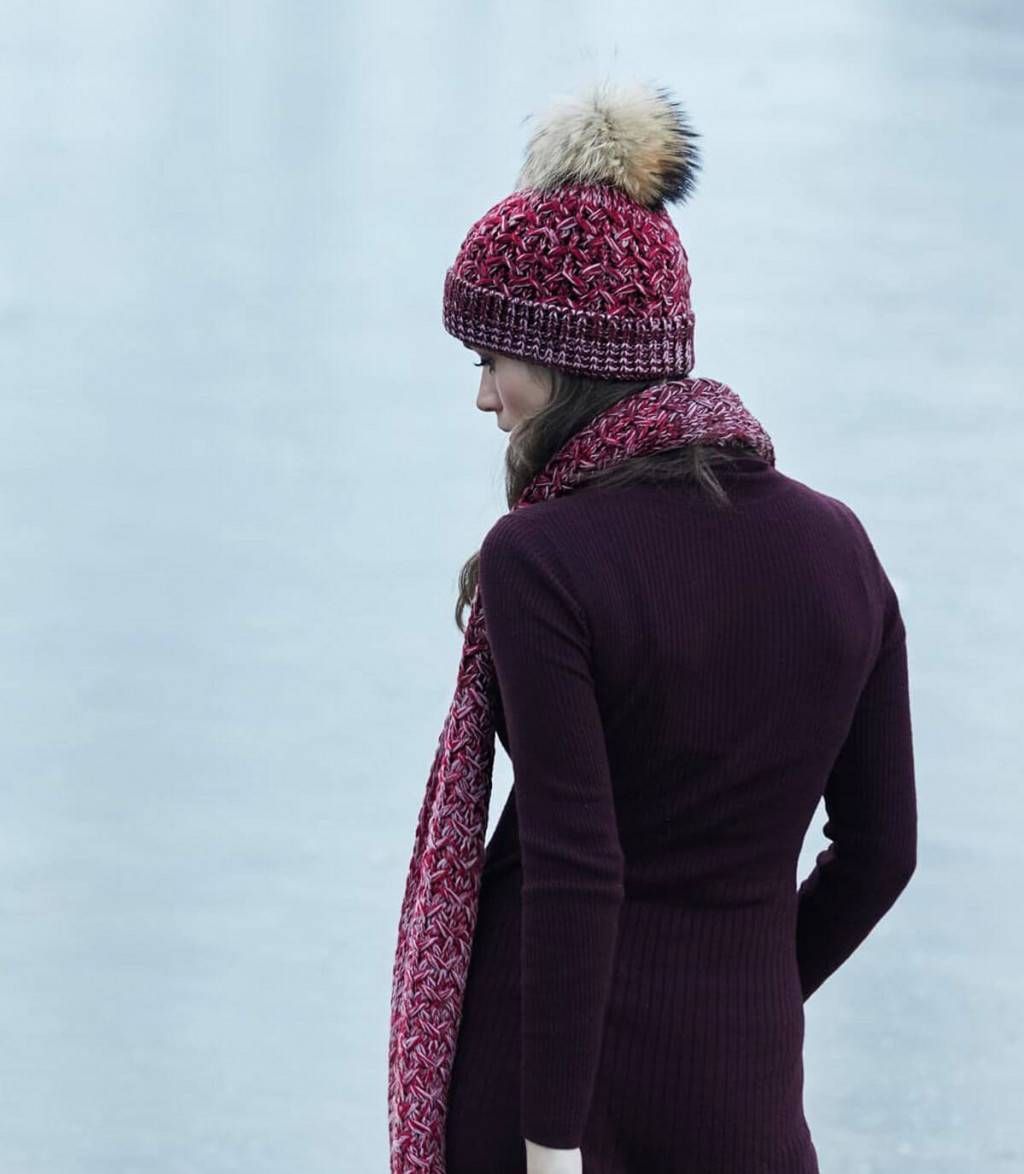
I want to love a dark red base with pink highlights, but I have my doubts about how it survives a winter hat. The colour is gorgeous, the pink catches the light and gives the red a dimension that flat red never has. But here is the honest downside: the friction of a knit hat against those highlights will wear them faster. Pink fades quicker than red, and after a few weeks of hat wear, the pink can look muddy instead of bright. The collarbone length and straight, thick texture mean the blowout holds its shape under a beanie, so the style itself is solid. The colour is the risk. If you are set on it, plan for a toning appointment mid-season, and maybe skip the hat on days you want the pink to pop.
No Bangs Visual Idea
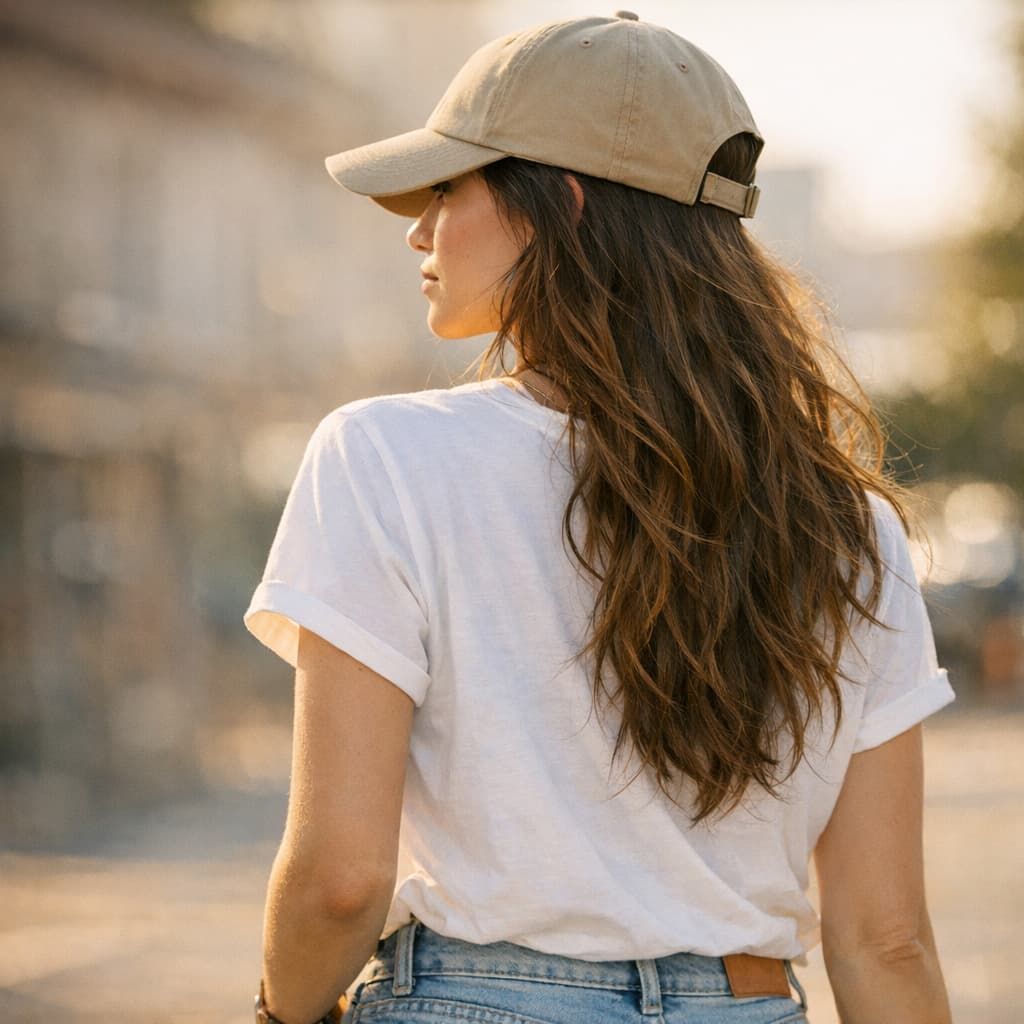
Thick, wavy hair and a hat usually fight. The hat wins, and you walk around with a dented mess by the bus stop. But a middle part and no bangs changes the game. The weight of the waves pulls them down evenly under a beanie, so the shape holds longer than you expect. My texture is fine and straight, so I am jealous of this. Dark brown, mid-back, air-dried. The key is the layers. They let the hair fall in its own pattern instead of fighting the hat’s pressure. A quick shake when you take the hat off, and the waves reset. No round brush, no re-wetting. If your hair is thick and wavy, this is the lowest-maintenance winter style I have seen. The colour stays put because there is no bleaching or toning to worry about. Just the natural dark brown doing its job.
Ear Visual Idea
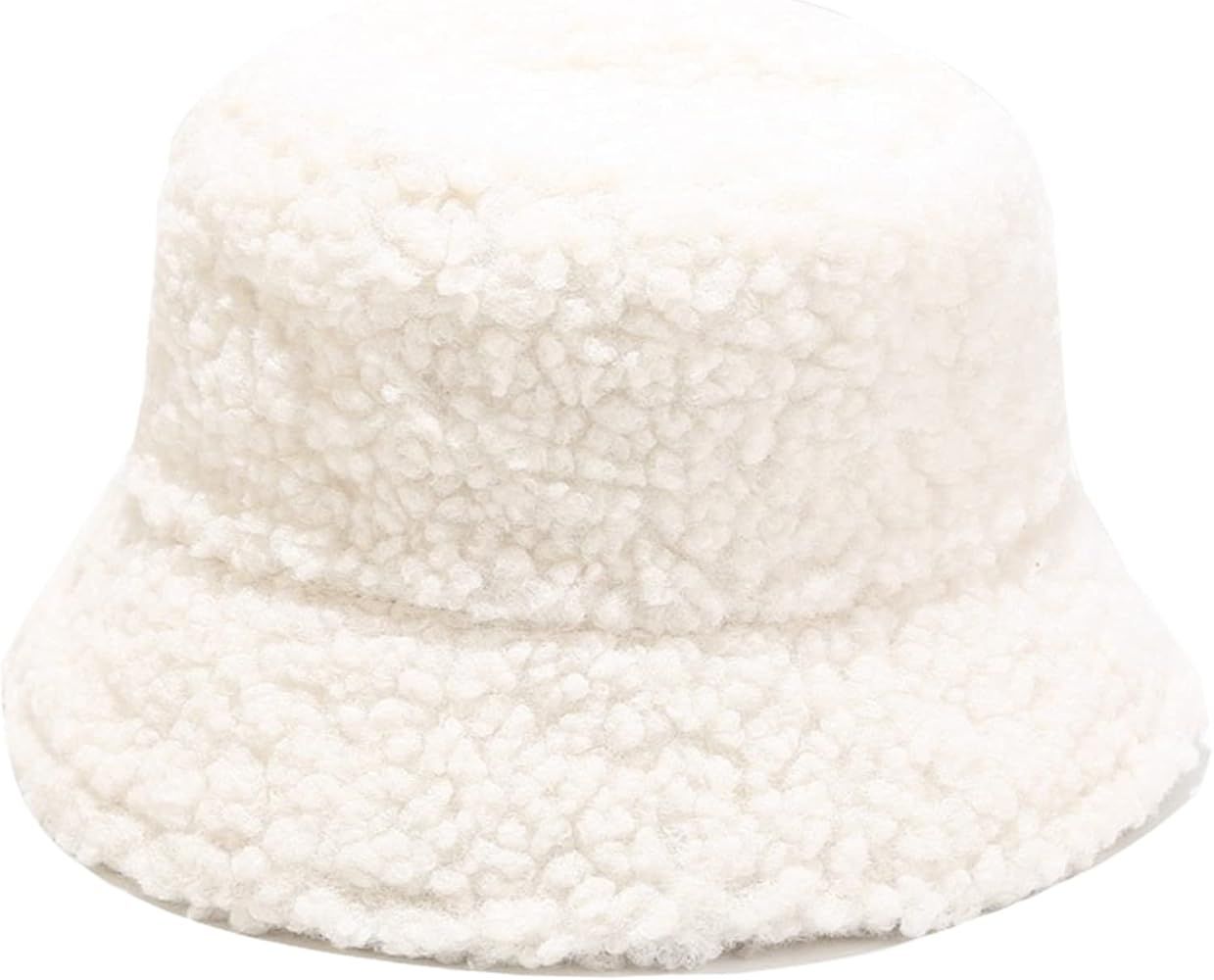
Can you wear a hat with ear-length hair without looking like you forgot the rest of your head? Yes, but the styling has to be deliberate. Straight, medium-density, black hair at this length sits right at the hat’s edge. The ribbed knit of the beanie grabs the ends and flips them outward. That is the look. No bangs, a middle part, and the hair peeking out like a sharp little frame. The hold is surprisingly good because there is not enough length to get crushed. The texture stays straight because the hat does not have enough hair to bend. If your hair is longer, this will not work. But for ear-length, it is a clean, intentional winter silhouette. The black colour reads as one solid block with the hat, which is exactly what you want.
Blonde Visual Idea
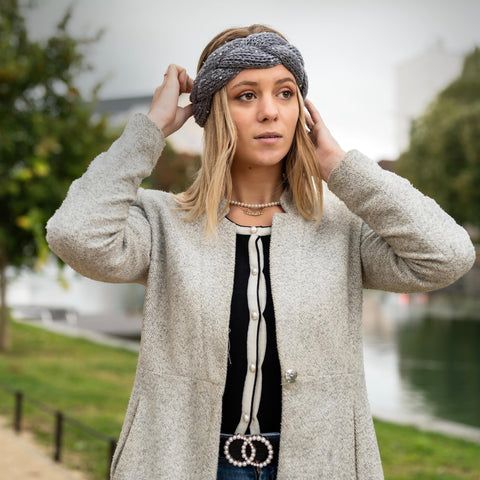
I did not expect to recommend a braided headband under a hat. But here we are. Blonde, collarbone-length, wavy hair with a side part. The braided headband sits across the crown, and the hat goes over it. The steps: part the hair on the side, take a small section from the front, braid it loosely, pin it behind the ear, then pull the hat on. The braid keeps the front pieces from slipping out and flattening. The blowout styling underneath gives the visible ends a smooth, bouncy finish. The colour is a warm blonde that catches light even under a hat, which is rare. The hold lasts all day because the braid is the anchor. No slipping, no re-pinning. The texture is medium density, so the braid stays visible without being bulky.
Not Visible Visual Idea
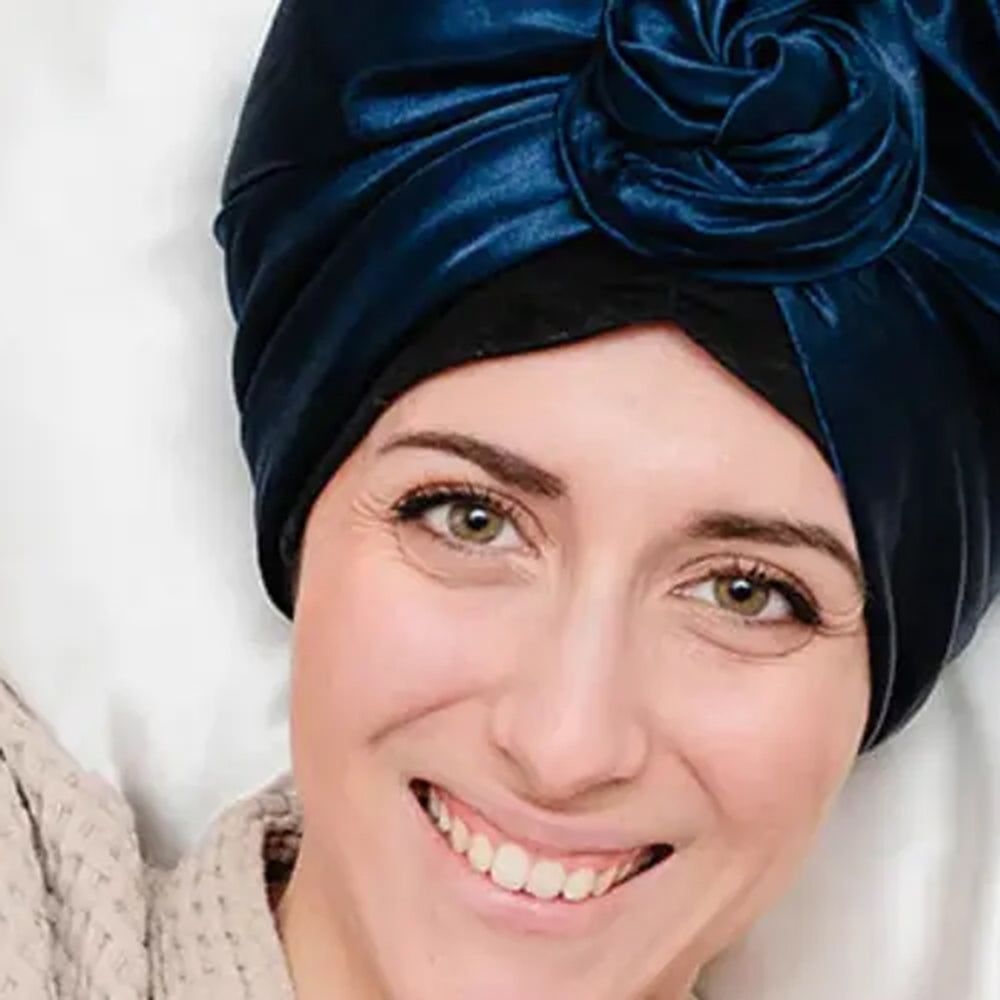
I will admit it. I own a turban. Not for fashion reasons. For the days when my hair is a lost cause and I need a hat that covers everything. This one is dark blue with a large floral detail on the front. The hair is straight and long, but none of it is visible. That is the point. The styling is zero minutes. You wrap, you go. The colour of the turban replaces the colour of your hair entirely. The hold is irrelevant because the hair is not out. For winter, this is the ultimate reset button. No hat hair, no dents, no frizz. Just a clean, covered head and a floral detail that does the talking.
Long Visual Idea
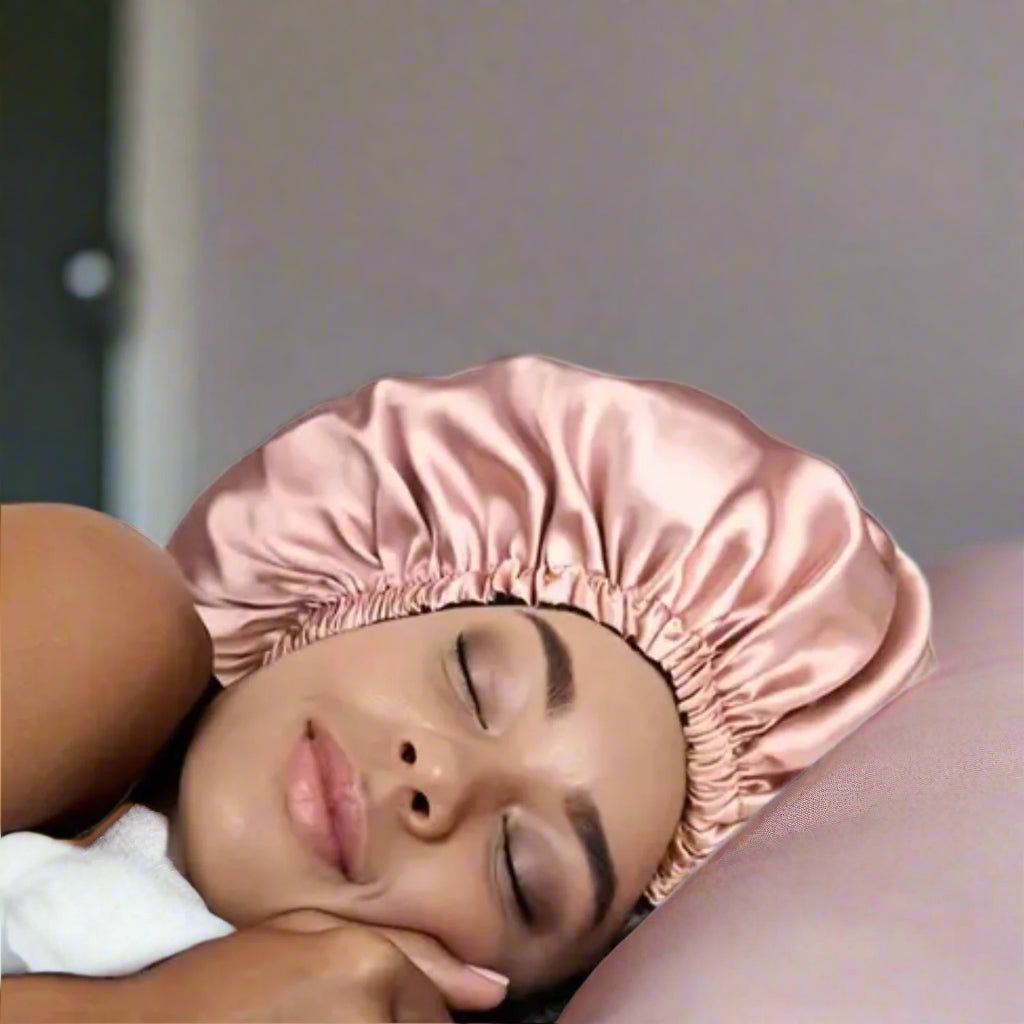
A satin bonnet versus a knit beanie. They serve different jobs. The beanie keeps you warm. The bonnet keeps your hair from turning into a dry, tangled nest. This one is dark brown, satin, with the hair tucked completely inside. The hair underneath is wavy, thick, and mid-back length. The bonnet holds the texture in place because the satin does not grab or snag. When you take it off, the waves are still there. No re-styling, no re-wetting. The colour is dark brown, and the bonnet matches it, so the whole thing reads as one piece. For long hair in winter, the bonnet wins for hair protection. The beanie wins for warmth. Pick your priority.
Bob Visual Idea
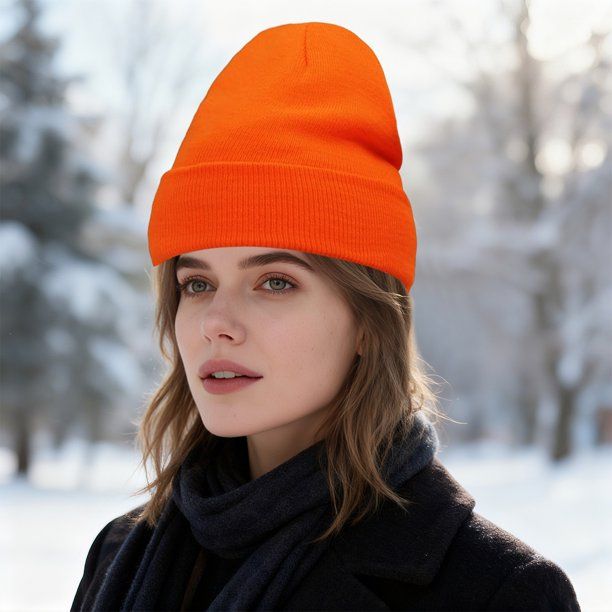
Does your bob ever feel like it disappears under a winter hat? A chin-length bob with a side part and a blowout holds its shape even after the hat comes off. The wavy texture keeps it from going flat, and the bright orange hat makes the blonde pop. The honest downside: the side part means one side gets more hat pressure and flattens faster than the other. Blonde shows every bit of that dent.
Side View Visual Idea
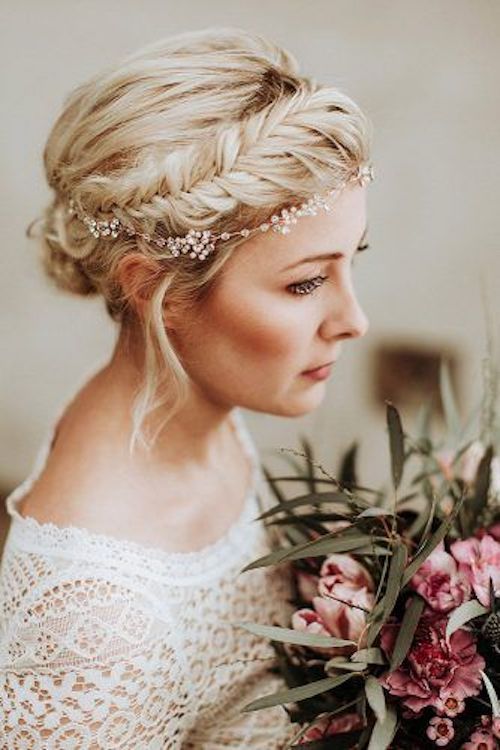
A braided crown under a hat? That held all day and I was surprised. The thick, wavy texture at collarbone length gives the braid enough grip to stay tight without pins slipping. Middle part keeps the crown symmetrical, which matters when you pull a beanie over it. The side view shows the braid peeking out at the nape, which is exactly where you want it for a winter walk. This is a salon build, not a five-minute twist. Book it for holiday events where the hat comes off indoors.
Light Brown Visual Idea

Best styling trick for fine, straight hair under a hat: blow it out first. A chin-length bob with a side part and a blowout gives fine hair enough body to hold its shape under a beanie. Light brown colour hides any hat-induced flattening better than a dark shade would. This is a DIY-friendly technique if you own a round brush, but the blowout itself takes fifteen minutes. Skip it if you air-dry and hope.
Long Bob Visual Idea
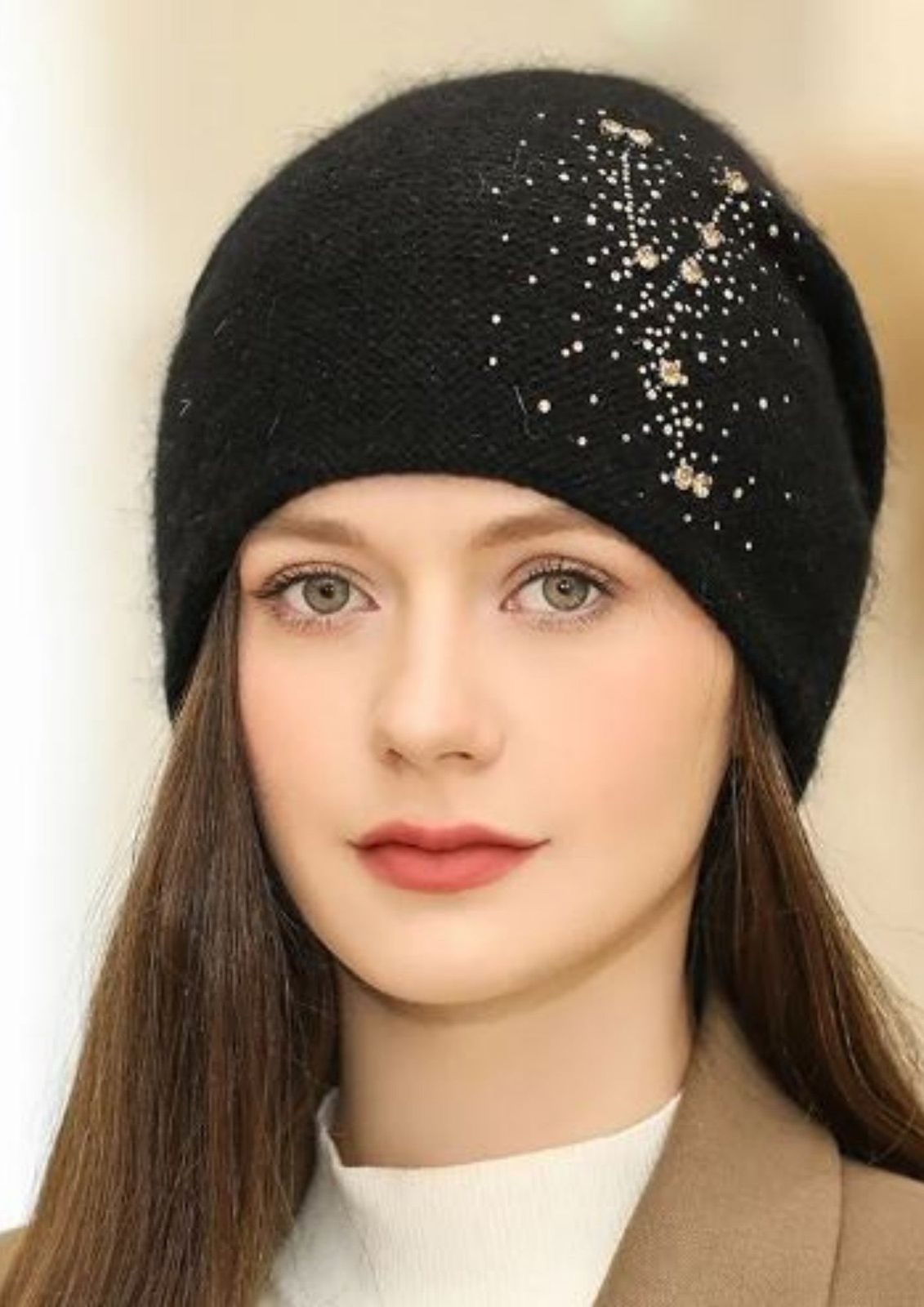
A collarbone-length long bob with a middle part and a straight blowout looks polished under a black beanie with rhinestones. But rhinestones snag. I have watched fine, straight hair catch on those little studs and create static by the time you reach the door. Dark brown colour helps because you cannot see the flyaways as clearly as you would on blonde. The honest downside: you spend the whole day smoothing down hair that the beanie lifted. A smooth satin lining inside the hat would fix it, but the beanie itself does not have one.
Final Thoughts
After writing all of these, I noticed something I had not expected. The cuts that worked best under a hat were not the ones that looked perfect in the mirror at 8 am. They were the ones that still looked fine at 6 pm, after the hat had been on and off three times.
I am booking the collarbone blowout next. That one held.
- Trim the baseline every eight weeks, not twelve.
- Tone at week six, not week ten, if your colour lifts.
- Dry shampoo the roots before the hat goes on, not after.
- A fringe needs a dry brush, not a wet one.