
I kept seeing the same thing in the salon chair next to mine: locs, but not the same locs. Braided, faux, butterfly, chunky, thin, blonde, burgundy, black. Everyone was doing something different with them, and winter is when you want a style that stays put through a hat and a scarf and still looks intentional when the hat comes off.
So here are 43 Winter Loc Styles. Some are low upkeep, some are high glamour. Some suit fine hair, some need density. Some you can do at home, some you book. I have fine hair that goes flat by 4 pm, so I notice which cuts hold and which ones collapse. These held.
Braided Box Locs With Blonde Highlights
There’s a reason the back view of these locs stops me mid-scroll. The braided pattern reads almost like a woven basket, and the blonde highlights catch the winter light in a way that plain black just can’t. Middle part, no bangs, straight texture, mid-back length. The cut is box braids, so the shape is uniform, but the highlights give it dimension that keeps it from looking flat. If your hair is fine, the braided pattern adds visual weight without actual bulk. It’s a sophisticated look, and it suits anyone who wants their hair to do the talking without saying a word.
Thick Wavy Black Collarbone Cut
Ever air-dried your hair and prayed it wouldn’t turn into a triangle? This collarbone length wavy hair avoids that. The layers are cut to remove weight, so the waves stack instead of puffing out. No bangs, middle part, thick texture. It holds its shape for about two days before the waves start to relax. A quick refresh with water and a curl cream brings it back. The face-framing layers are what save it, they stop the whole thing from looking like a helmet. Trim every six to eight weeks, or the collarbone line starts to feel heavy.
Shoulder Length Black And Blonde Locs
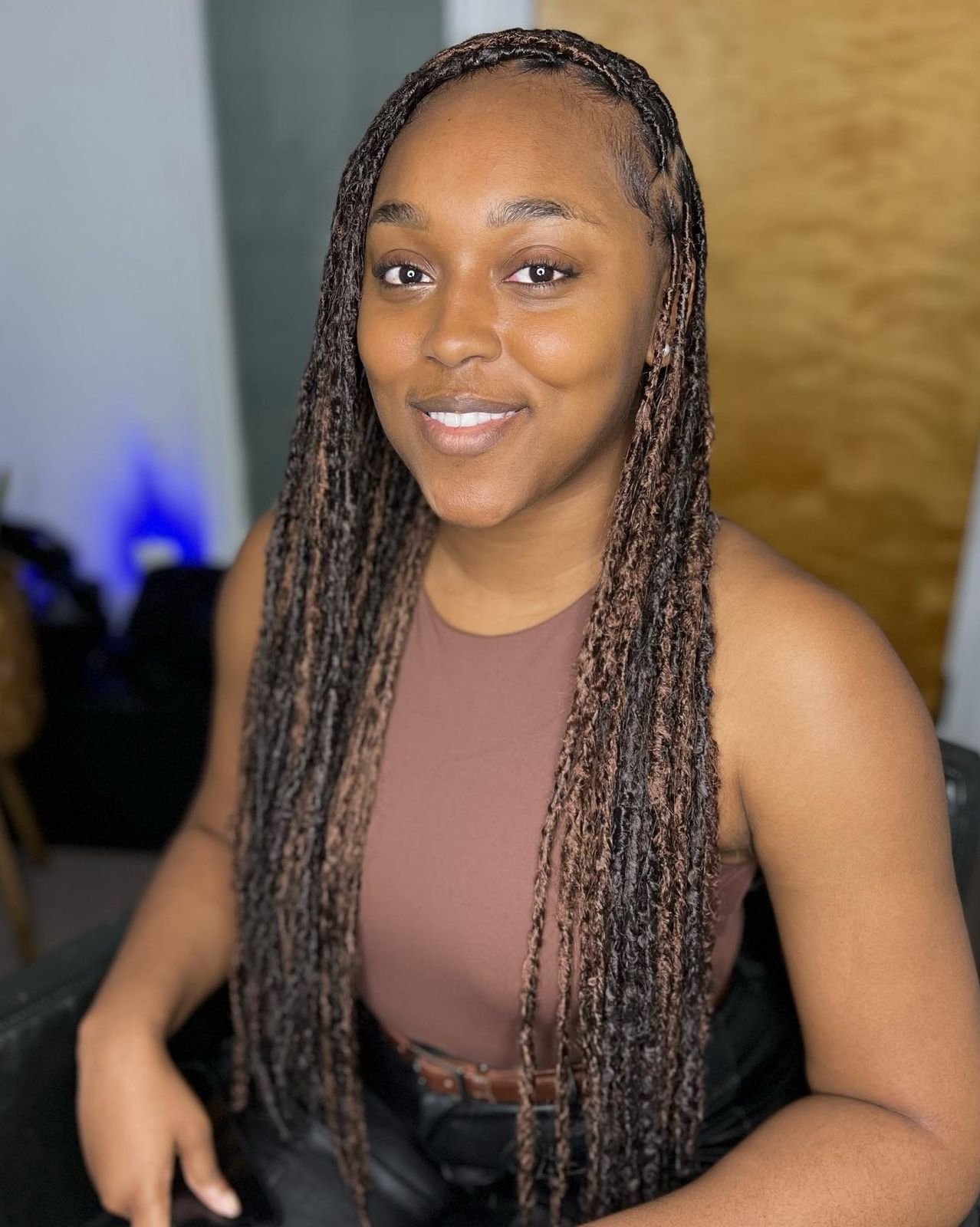
Solid black locs are fine. These are better. The black and blonde locs split the difference, the blonde reads bright against the black, and the two-tone color gives the shoulder length shape a graphic edge. Middle part, no bangs, loose wavy texture. Ask your stylist for the blonde to start a few inches from the root, that keeps the grow-out line from showing up in three weeks. The contrast is the whole point, so don’t let them blend it into a muddy brown. It’s a bold look, and it suits anyone who wants their hair to make the first move.
No Bangs Shoulder Length Blonde Faux Locs
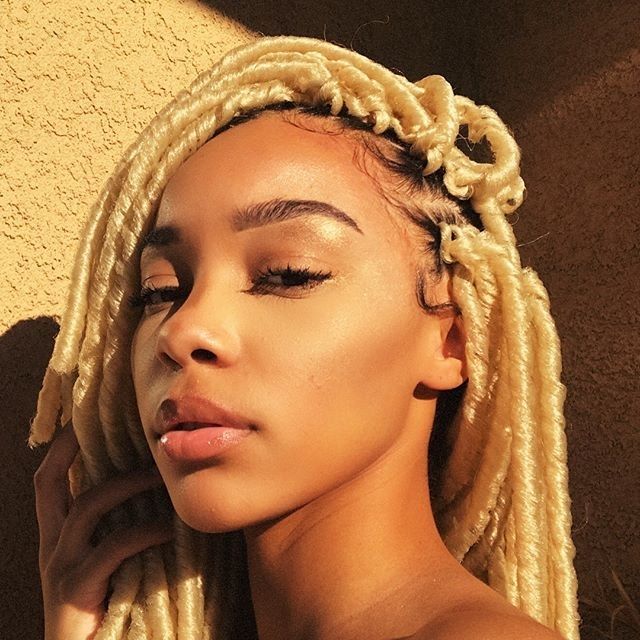
Winter light is grey, so a vibrant blonde is a small rebellion. These shoulder length blonde locs are the color equivalent of turning on a lamp. No bangs, middle part, loose wavy texture, faux locs cut to the shoulder. The brightness reads almost warm against a winter coat, and the length keeps it from feeling heavy. It’s a seasonal pick, the kind of color that looks intentional in January. If your skin has warm undertones, this blonde will sit nicely. Book the salon, this is not a bathroom-mirror job.
Deep Black Shoulder Length Faux Locs
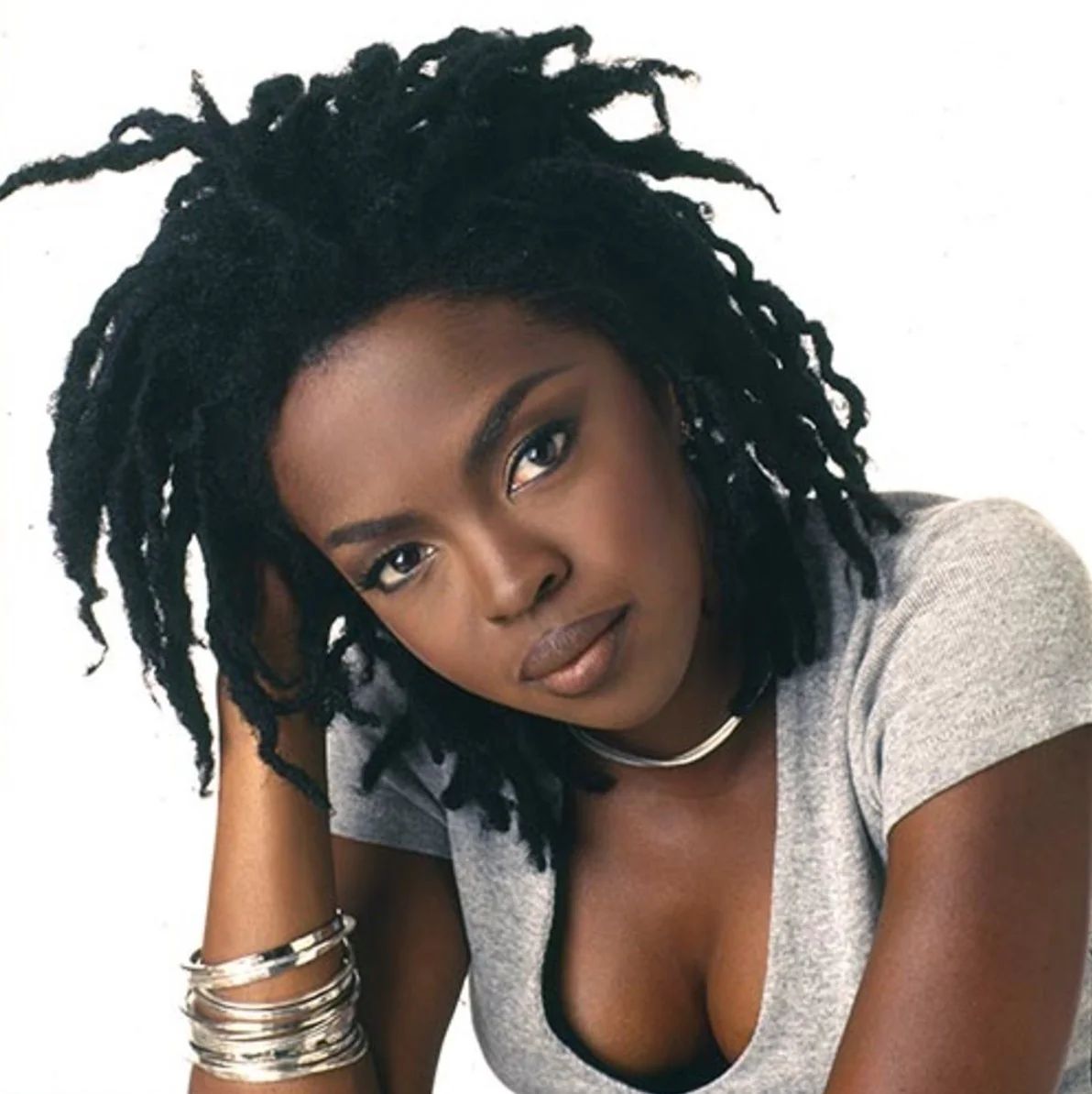
I’ll admit, I expected these to look severe. They don’t. The deep black color is almost soft against the skin, and the shoulder length faux locs fall in loose waves that move when you turn your head. Middle part, no bangs, wavy texture. The upkeep is real: the loose locs shift and separate, so you’ll be re-twisting the edges by week three. Winter hats will flatten them, but a quick shake brings the shape back. Trim every eight to ten weeks to keep the shoulder line from fraying. It’s a classic look, and it holds up better than I thought it would.
Updo With Textured Red-Toned Locs
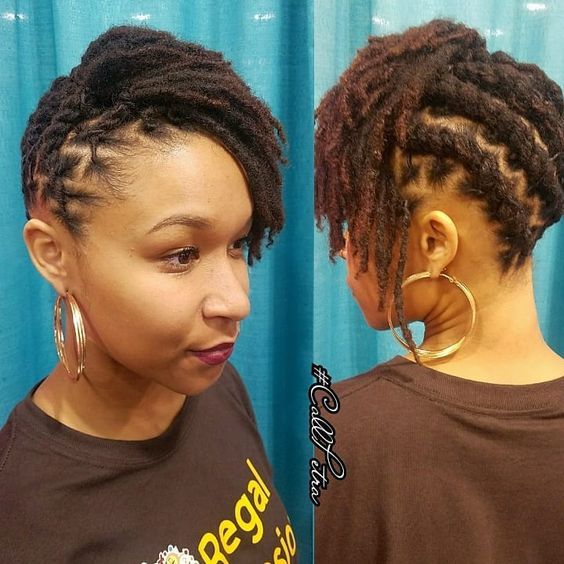
The side-swept fringe catches the light and reveals red undertones you didn’t know you wanted. This updo with red highlight locs is built from wavy, shoulder-length locs pinned into a sculpted shape with visible intricacy. The middle part anchors everything, and the textured pieces at the crown stop it from reading too matronly. A salon install is non-negotiable here, the pin work alone needs hands who understand tension and distribution.
- Length: shoulder, enough to wrap and pin without bulk
- Shape: structured crown with soft, wavy fall
- Texture: wavy locs, lightly manipulated for grip
- Styling: pin each section, don’t force the fold
- Ask your stylist: keep the side-swept bang separate from the updo
I tested a DIY version once. It slid sideways by noon. Book the appointment.
Burgundy Locs Half Up Half Down
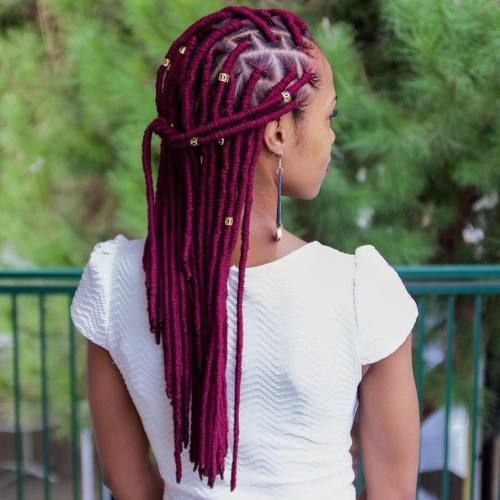
Would you trust a burgundy that still reads elegant six weeks in? For burgundy locs half up half down to work, you need the right split. The braided sections at the crown are tight and decorative, they pull the eye upward and balance the volume of the loose wavy locs dropping past the shoulders. This style flatters round and heart face shapes because it adds lift without widening the lower half. The middle part keeps it symmetrical, the no-bangs finish keeps it clean. Styling steps are few but precise: section the top, braid into a crown band, pin the ends, let the rest fall. The colour needs maintenance, burgundy loses its punch around week five, but the structure holds.
Medium Brown Loose Wavy Faux Locs
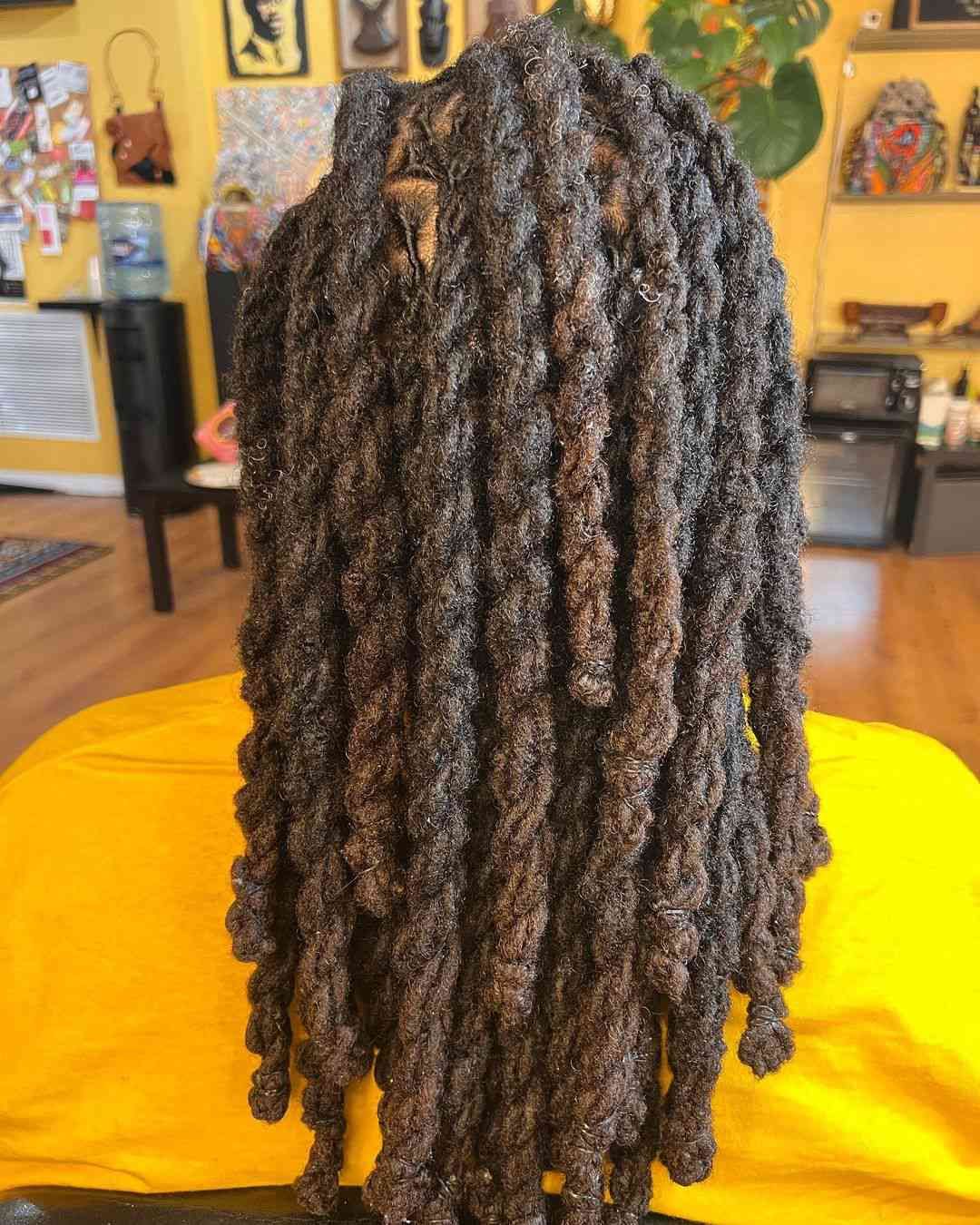
These medium brown faux locs land in winter because the loose wavy ends move like a sweater, not a sheet. The wavy, thick texture looks lush but dry air sends them frizzy by day three if you skip a sealing step. The mid-back length means the weight pulls the waves straighter by week two, so the volume you see at install is a temporary gift. No bangs keeps the part line sharp and the face clear, which matters when the rest of the look is soft. The honest downside: install runs long because each loc needs individual wave-forming, and the waves settle faster than you expect. Accept the frizz as texture or plan to refresh ends weekly.
Dense Coily Black Mid-Back Locs
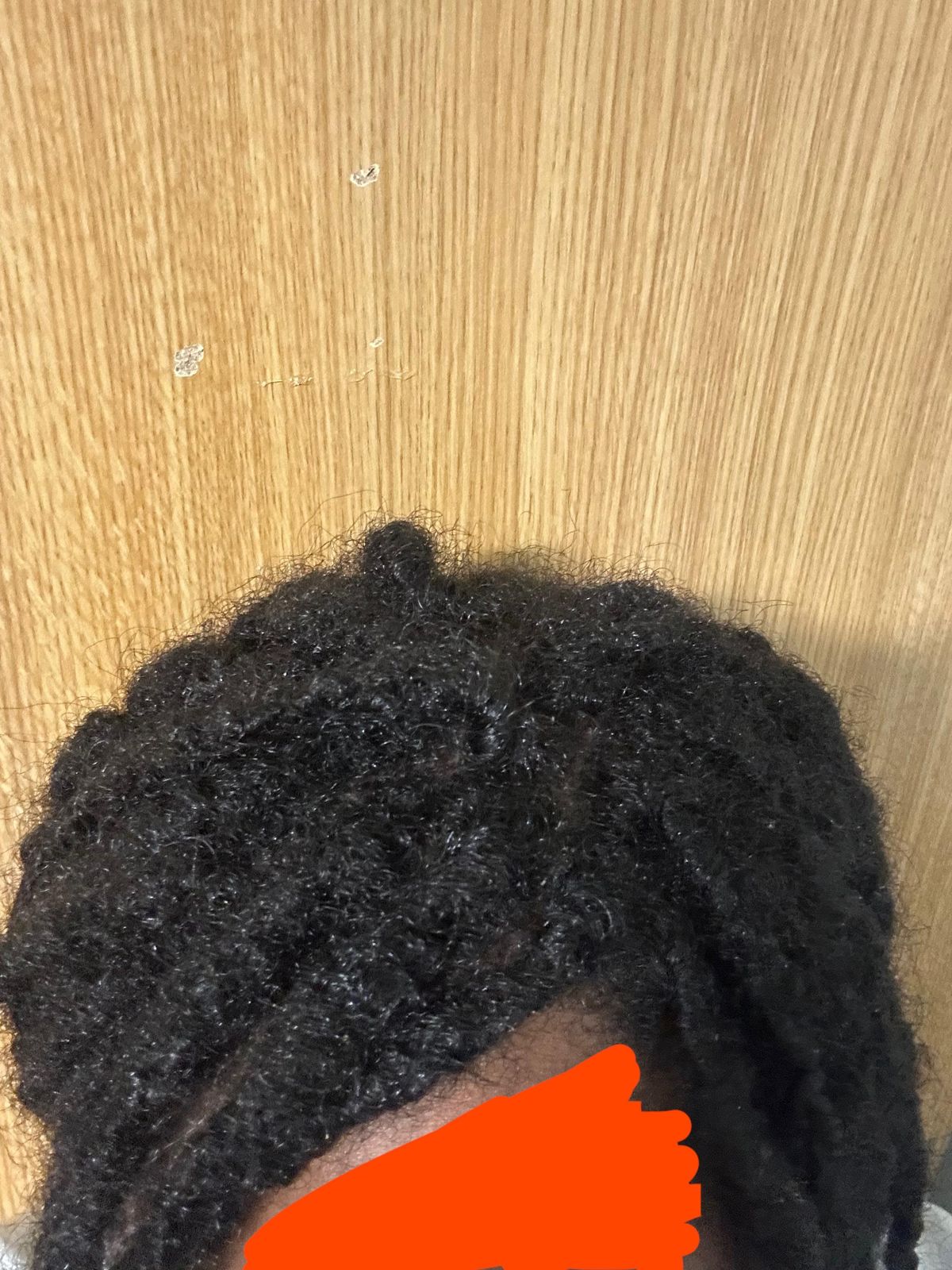
I stared at these coily black locs and thought, how exactly do you dress a dense healthy texture without flat-ironing it into submission? The mid-back length on a close-crop front view suggests weight, serious weight. The middle part reveals the density, every loc sits tight against the next with no gaps. Winter dryness is the real test here, coily texture shrinks and stiffens in low humidity, and this length means more surface area to lose moisture. Air drying works but takes hours. The no-bangs finish makes the part line the focal point, any scalp showing reads as intentional. If you want volume that stays, this delivers. If you want quick styling, skip it.
No Bangs Voluminous Coily Black Mid-Back Locs
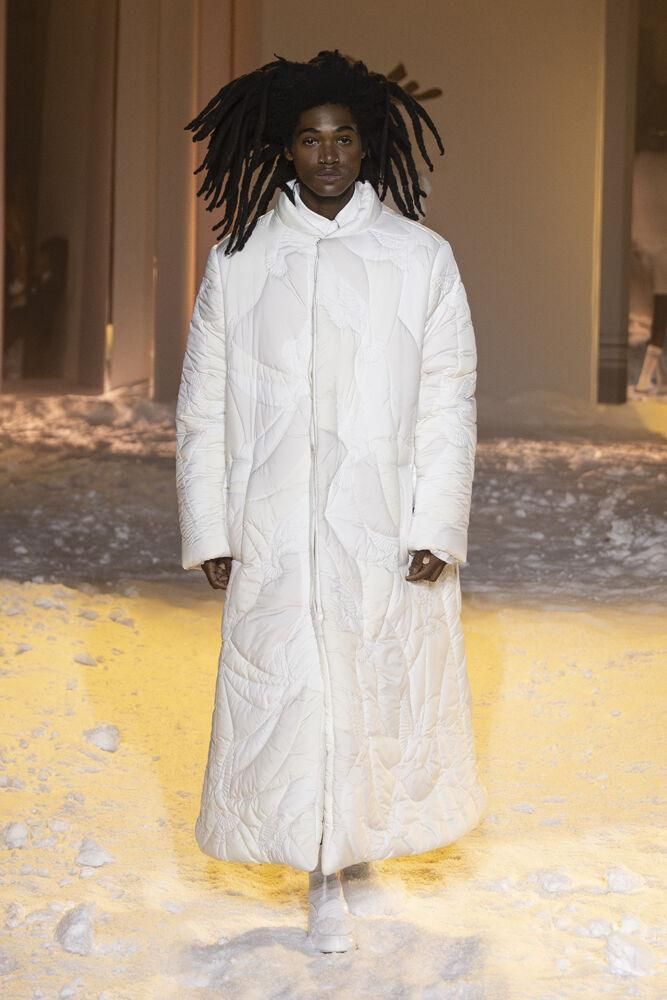
How does a winter Tuesday treat these voluminous black locs? Honest answer: it tests your patience. I wore a similar coily texture through two Januarys, and the volume comes with a cost. Day one looks like a magazine, by day three the middle part widens because the weight shifts. The mid-back length on a front view shows density, each loc is full, and the no-bangs finish leaves the hairline exposed to cold air that dries the scalp. Upkeep means moisturising every other day and avoiding hats that flatten the crown. The benefit is real though, this cut holds shape without product, just air drying and finger separation. Trim every twelve weeks keeps the ends from feathering into a shape you did not agree to.
Loose Dark Brown Coily Locs
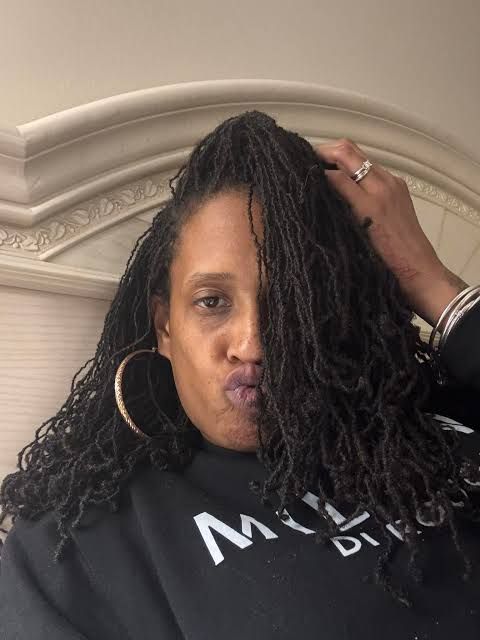
These dark brown coily locs land somewhere between effortless and intentional, and that is exactly the point. The mid-back length gives them weight without pulling the face down, and the middle part keeps the volume even on both sides. No bangs here, which means the texture does the work — those loose, spiraling ends catch the light in a way a blunt line never could. This is a winter cut that actually breathes, no hat head at 3 pm, no flat spots by dinner.
Sleek High Ponytail With Face Framing
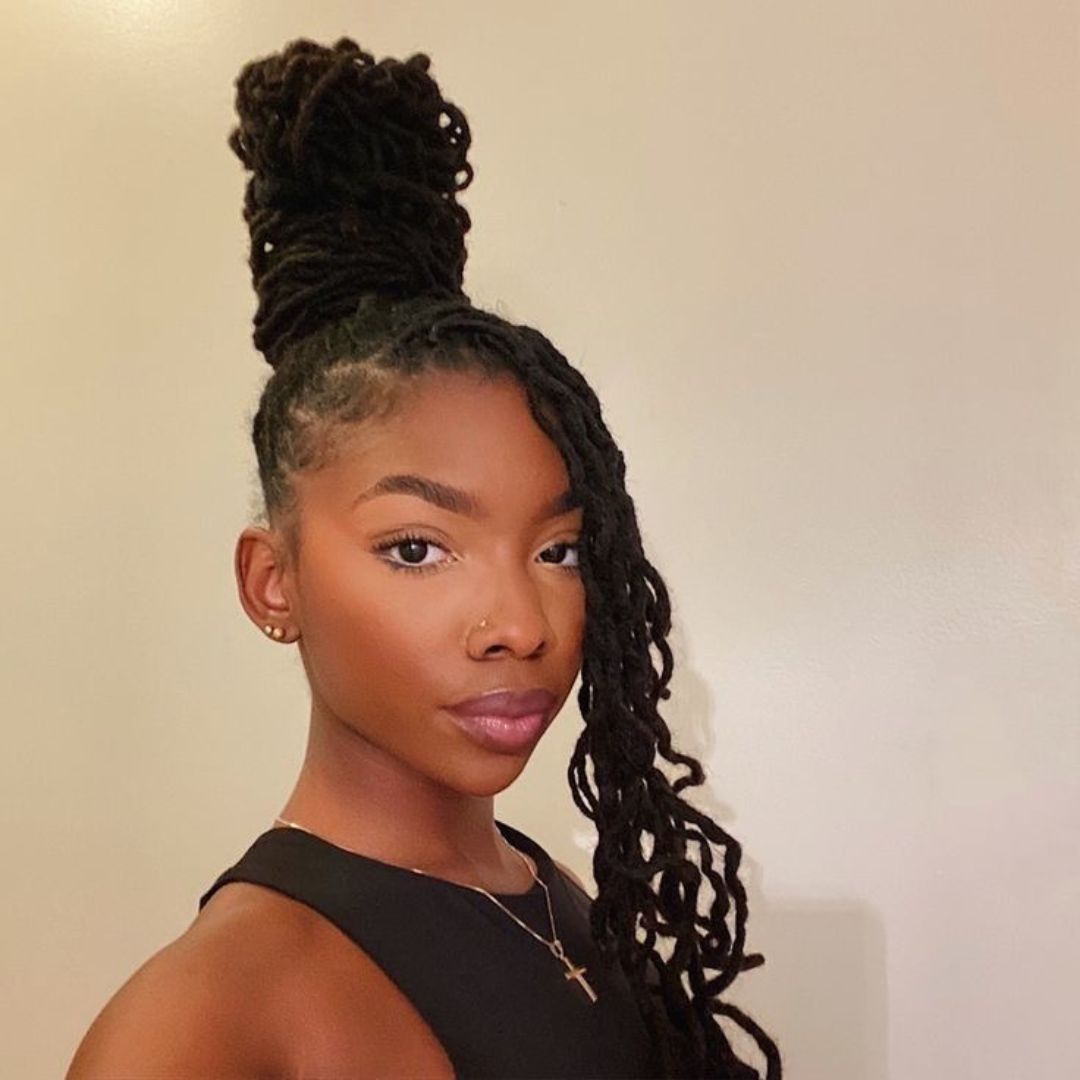
You gather every loc, pull them high, and then you leave a few out. That is the whole trick of a high ponytail locs style. The hairline gets a clean, slicked base — a light gel, a firm band, no bumps — while those face framing strands soften the whole thing. No bangs, no blunt edges, just a deliberate break in the polish. It reads pulled together without trying, which is harder to pull off than it sounds.
High Ponytail With Wavy Face Framing — With Some Locs Framing The Face
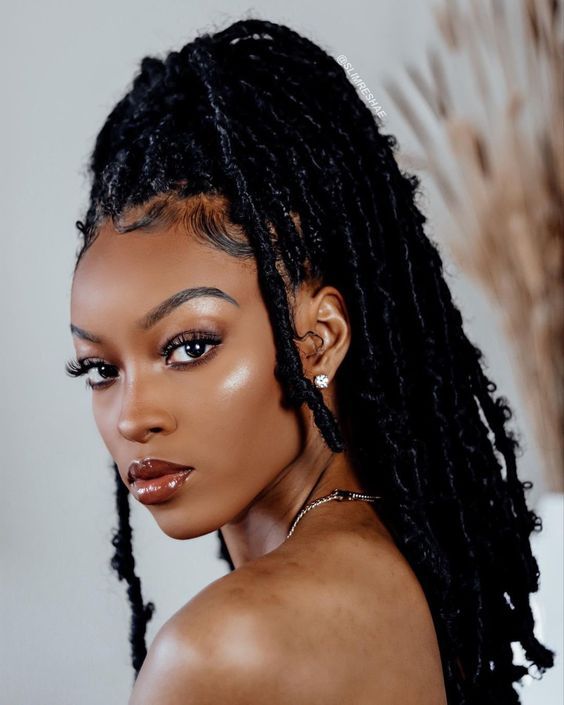
Who actually benefits from a high ponytail with wavy face framing? Anyone with a round or square jaw, because those chest length faux locs break up the line without hiding it. The side part adds height on one side, the loose waves soften the other. No bangs, which is smart — the framing strands do the same job without the daily re-set. This is a salon build, not a bathroom mirror situation, and the volume stays put through a long day.
Very Long Braided Accents Ponytail
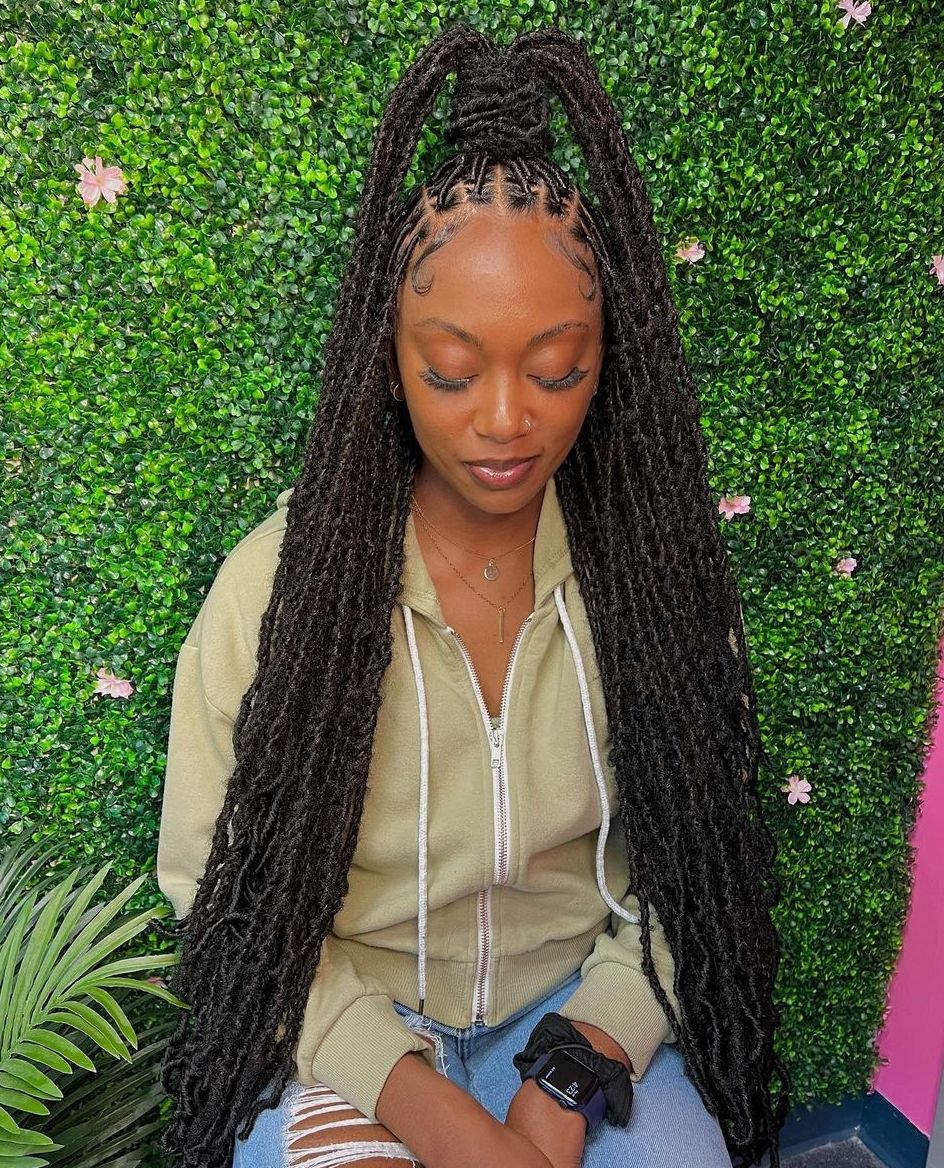
I will confess: I underestimated how much weight these very long faux locs carry. The braided accents at the hairline are not decorative, they are structural, they anchor the ponytail so the length does not pull at the scalp. The middle part keeps the line clean, no bangs, no distractions, just dense wavy locs that reach past the waist.
Upkeep is the real story here. This is a salon installation, full stop. The braids need re-tightening every few weeks, and the ends will fray if you skip the trim. But the wear — a full week, easy, with a silk scarf at night — makes the commitment worth it.
Slicked Back Mid-Back Ponytail
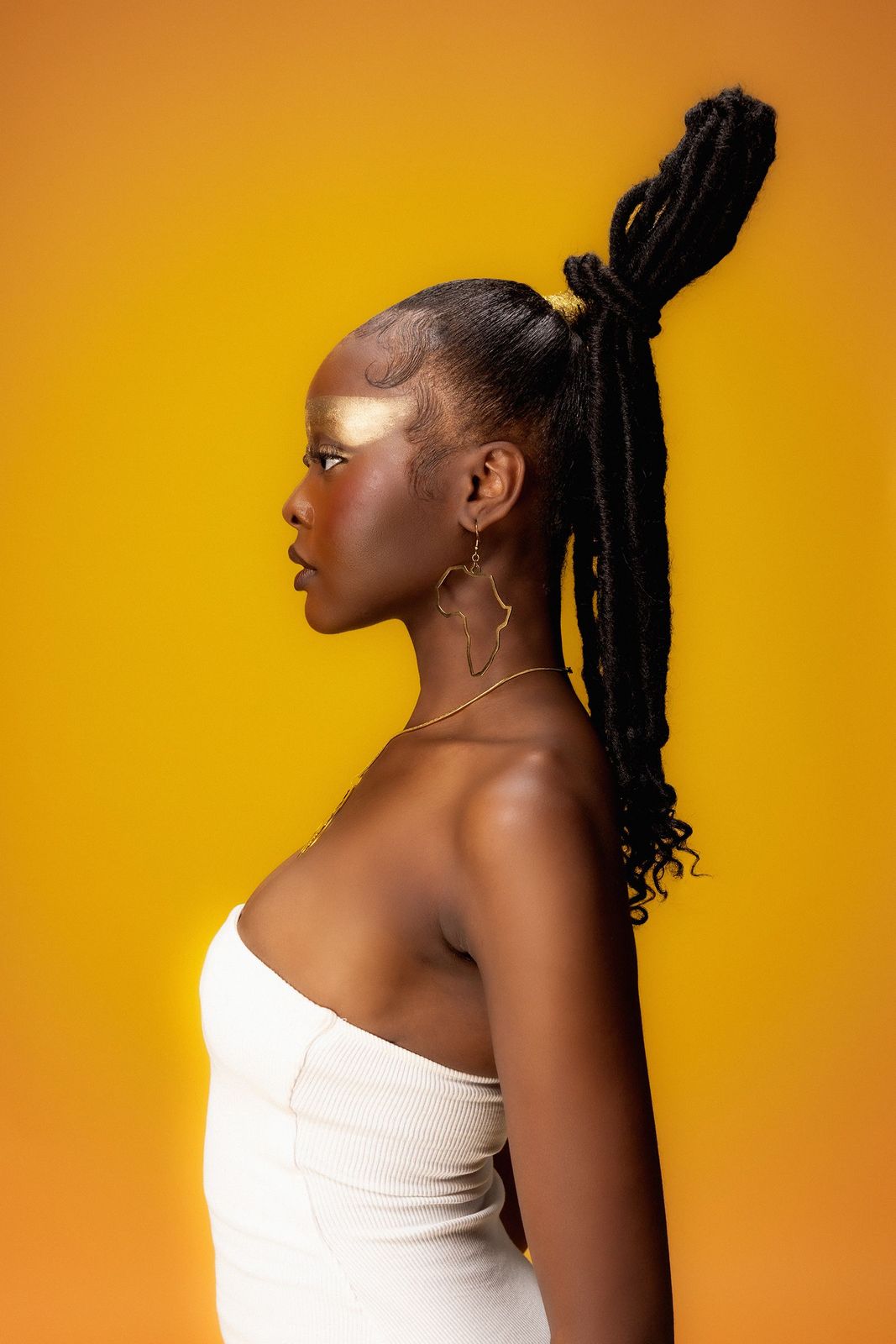
A sleek black locs ponytail is the winter answer to every voluminous style that deflates in damp air. Where big hair fights the season, this one leans in. The slicked back hairline reads clean, almost architectural, and the mid-back length keeps it from feeling severe. No bangs, no loose pieces, just a strong hold gel and a firm band. It is the cut that says I am not negotiating with the weather today.
High Bun With Cascading Locs
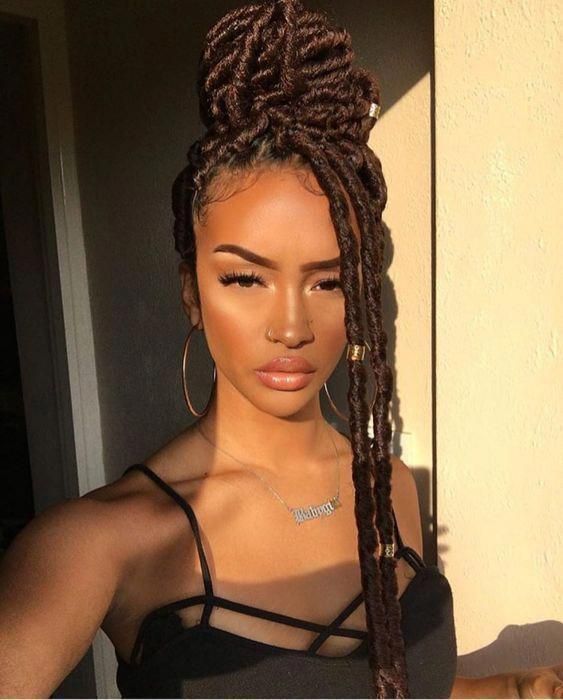
That high bun with hanging locs is a geometry lesson. The bulk sits above the ear, then a few locs drop straight down past the collarbone. It works best when your locs are long enough to reach mid-back — shorter ones can’t produce that clean vertical line. The middle part keeps the face open, so the bun reads as deliberate, not rushed. A rounder face shape gets the elongation it wants from the hanging pieces. The texture is wavy, which adds softness to an otherwise structured silhouette. No bangs, just those selected strands doing the framing. The cut is faux locs, which means the weight is consistent and the bun stays put. Book the consultation first.
Polished Top Knot With Face Framing
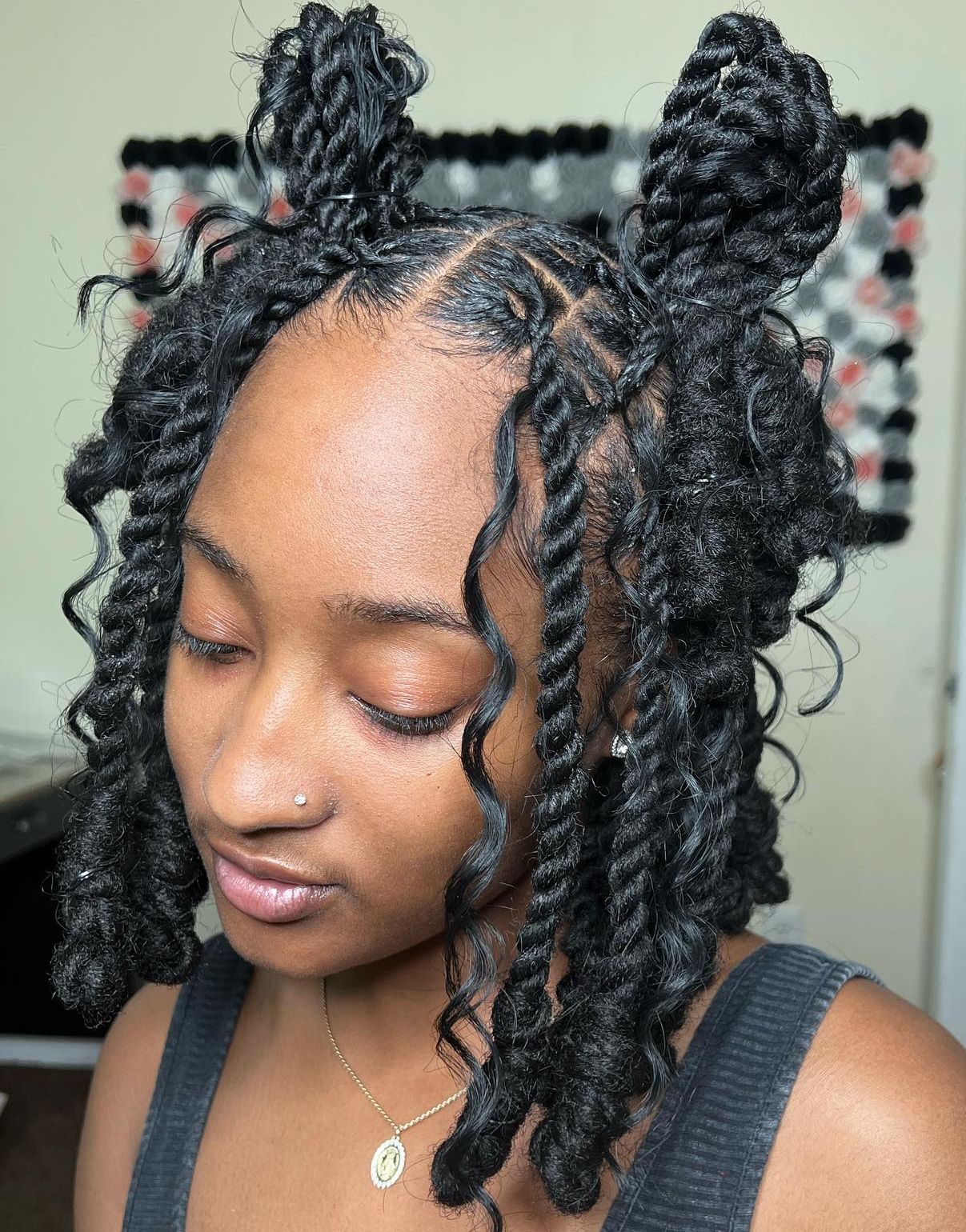
Can a top knot locs style survive a week of winter hats and scarves? Yes, with one caveat. The top knot itself holds fine — it’s the face framing pieces that need attention. By day three, those loose strands have shifted from intentional to messy. The cut is shoulder-length locs, black, no bangs. The middle part keeps the knot centered. Texture is standard locs, nothing fancy. The trick is pinning the face-framing pieces behind the ear when you’re indoors, then releasing them when you’re photographed. Wear and upkeep is minimal: a few bobby pins and thirty seconds in the morning. The bun stays, the framing is negotiable.
Playful Space Buns With Hanging Locs
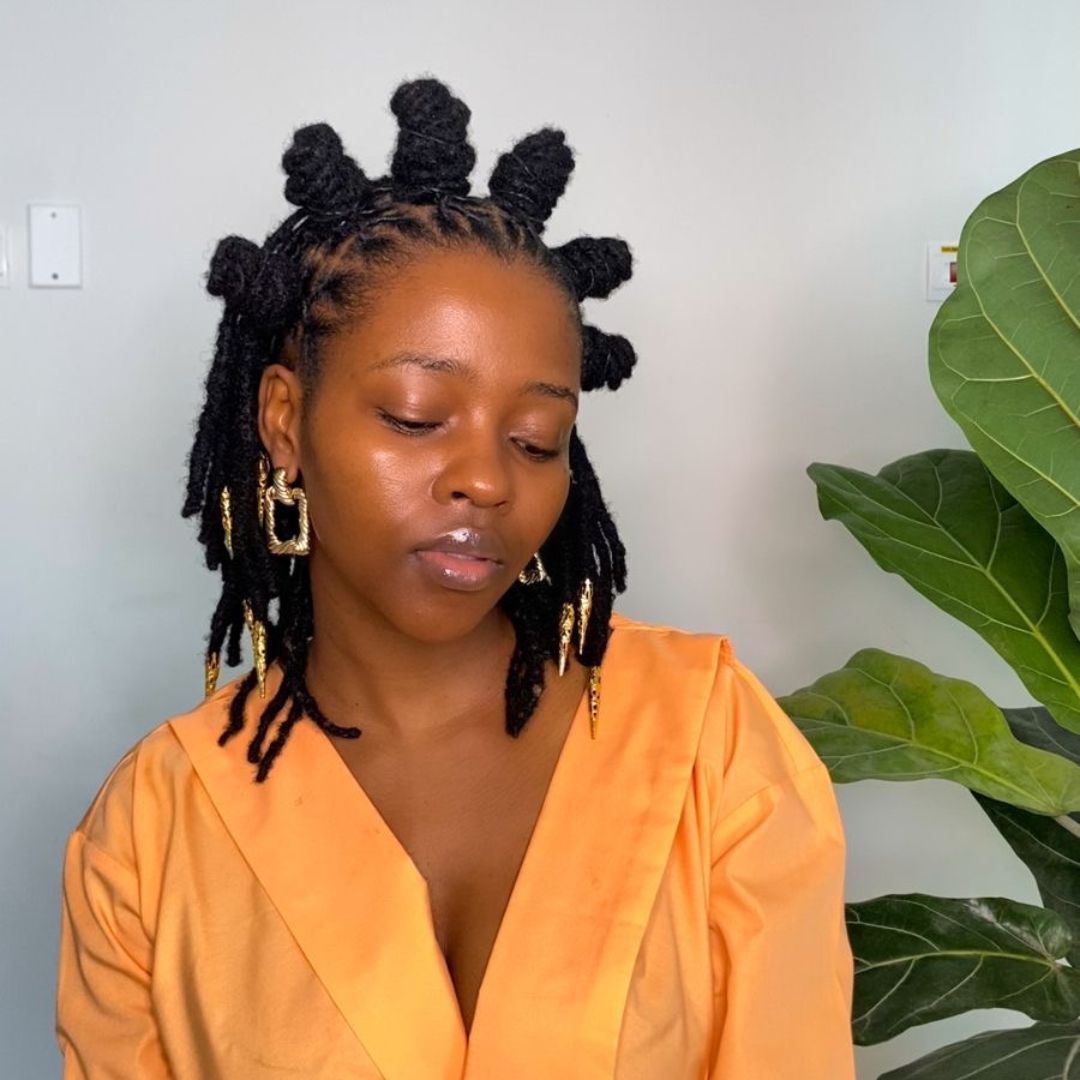
Two buns on top, locs hanging down the sides. That’s the whole recipe for space buns locs. The cut is shoulder-length locs, black, no bangs. The middle part splits the hair cleanly into two sections. The hanging locs fall past the jaw, which keeps the style from looking like a costume. It lands in winter because it clears the collar of a coat and does not get crushed under a beanie — the buns sit above the hat line. The texture is standard locs, so the buns have grip without extra pins. A narrow face gets width from the buns. A wide face gets length from the hanging pieces. It is a salon style, not a bathroom-mirror job.
Visual Idea
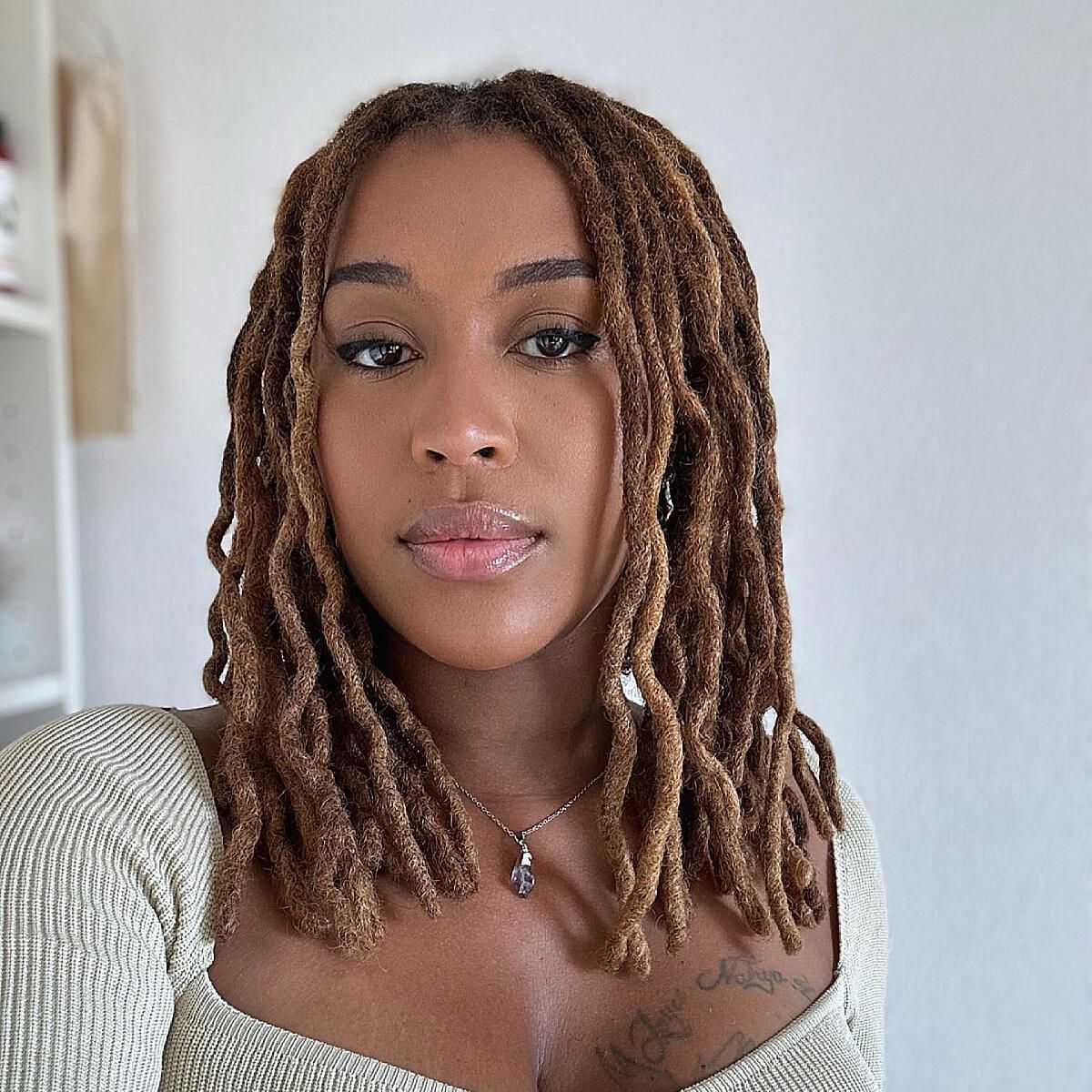
Shoulder-length locs in a natural brown shade, styled loosely around the face. The defined, wavy texture is the technique win here — it is not a curl pattern you can fake with a wand. The middle part is clear, and the density reads as full because the locs are not uniform in thickness. No bangs, just that soft, wavy frame. The cut is shoulder length, with subtle layers that keep the ends from clumping. The colour is a single brown, no highlights, which lets the texture do the work. It is a salon-leaning style because the wave pattern requires consistent wrapping during installation.
Collarbone Visual Idea
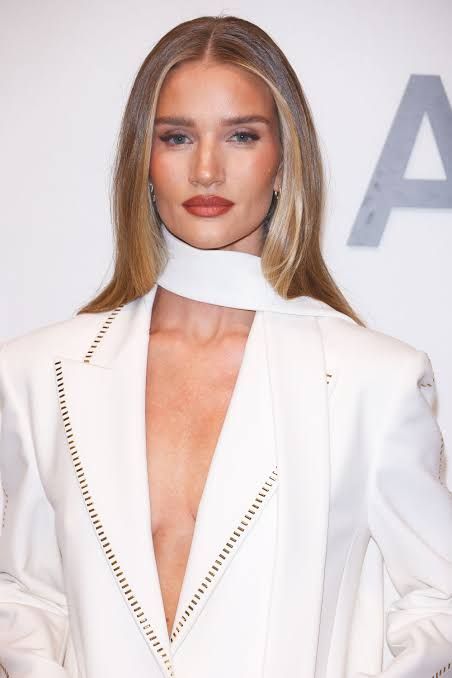
Does a collarbone-length cut with face-framing layers flatter everyone? No. The layers here are soft and start below the chin, which works best for a long or oval face shape. A round face gets more width from the layers, not less. The cut is straight, fine texture, blonde with highlights. The middle part keeps the face-framing pieces symmetrical. No bangs, so the layers are the only softness at the front. The colour is blonde with highlights, which reads best on warm skin tones — ash blonde would fight it. The styling is air-dried, which means the layers need a natural wave to land correctly. If your hair is stick-straight, the layers look choppy, not intentional.
Mid-Back Visual Idea
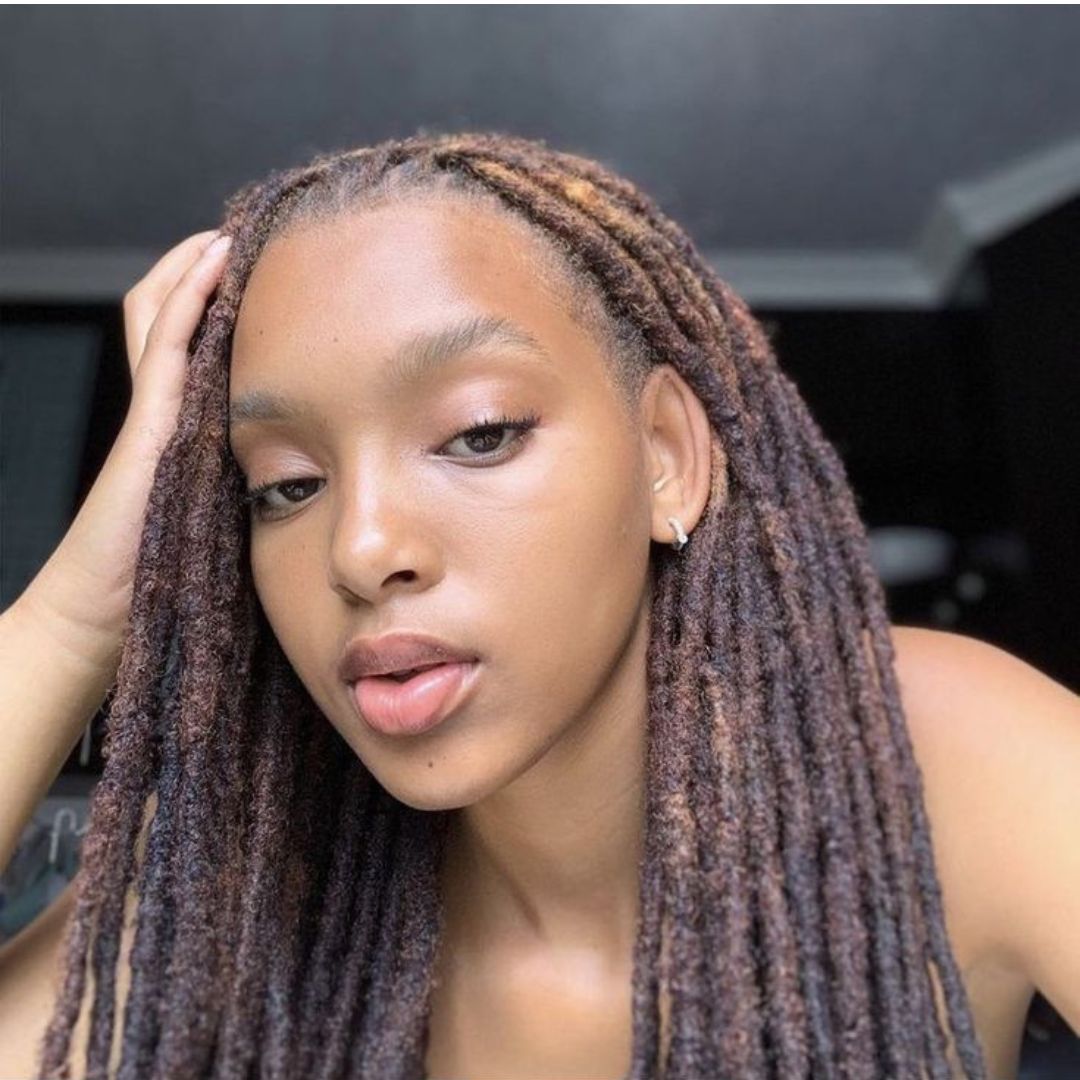
I’ll admit it: mid-back locs look incredible in the chair and then you have to live with them through winter. The coily texture here is the real workhorse — it grips moisture better than straight locs ever could, which matters when dry air tries to turn everything brittle. The middle part keeps the weight distributed evenly across both sides, so your scalp doesn’t protest by day three. No bangs means one less thing to fuss with when you’re layering scarves and coats. The dark brown with subtle reddish undertones catches whatever weak winter sun there is, which is a small win but a real one.
Wear-wise, these hold their shape for a solid week if you wrap them at night. The length means they swing against coat collars constantly, so expect some frizz at the ends by Friday. That is not a flaw, it is the texture doing its thing. I wrap mine in a silk scarf before bed and refresh the ends with a light mist in the morning. The grow-out is forgiving because the coily texture hides new growth better than a smoother loc would.
Visual Idea — A Woman With Long
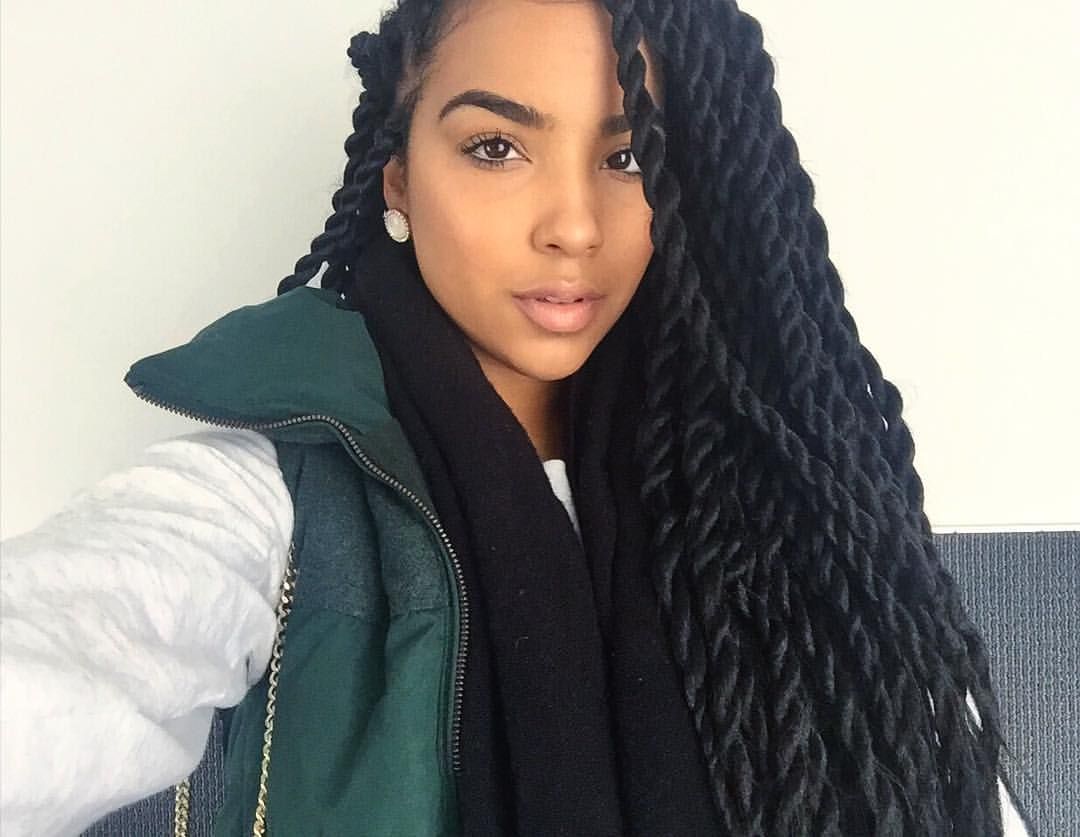
Kinky twists win the winter protective style debate, and it is not close. These black faux locs hit mid-back with a middle part and a wavy texture that moves like real hair, which is the whole trick. Box braids sit stiffer, crochet styles shed at the part line, but kinky twists hold their wave pattern through snow and wind without looking matted by lunch. The thick twists read as dense and intentional, not heavy. The wavy texture catches light differently than straight faux locs, so you get dimension without adding colour. No bangs keeps the silhouette clean against a turtleneck or a hood. This is the style I recommend to anyone who wants length without the weight of actual locs.
Black Visual Idea
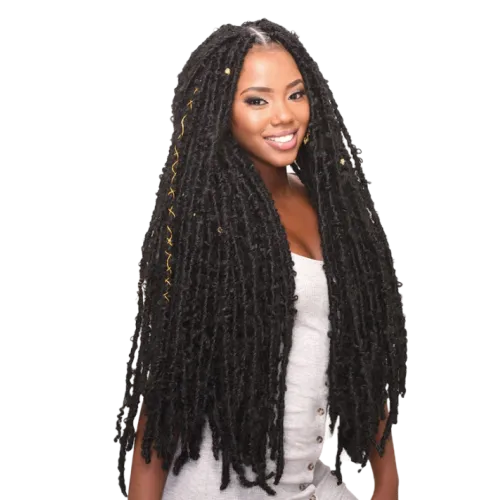
Notice how the volume hits the collarbone and then the locs spread outward. That is the mid-back length working with a wavy texture and no bangs to create a shape that feels substantial without being heavy. The black colour reads as one solid block, which makes the volume the star — no highlights breaking up the silhouette. For winter, this is the visual equivalent of a thick sweater: dense, warm-looking, unapologetic. The middle part keeps it symmetrical, and the loose styling means you can pull it into a low ponytail without fighting the set.
Visual Idea — Long
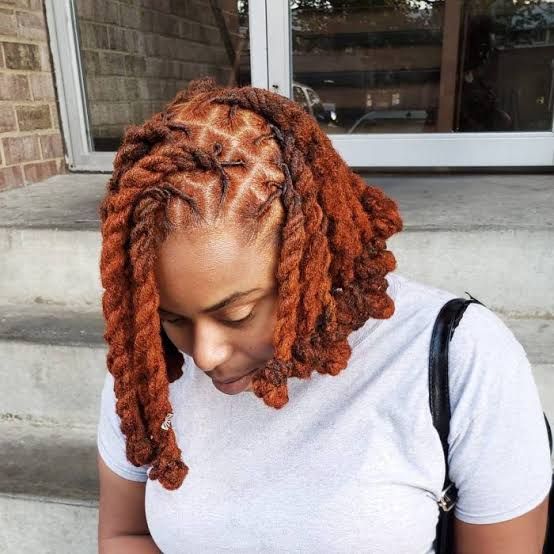
You take locs that are already long, you part them down the middle, and then you do not tighten them. That is the technique for loose, voluminous waves. The dark brown locs here are styled while still slightly damp, then allowed to dry without being twisted or pinned, so the natural wave pattern expands instead of compressing. The density comes from the locs being thick at the root and staying thick through the mid-length, not from adding bulk at the ends. No bangs keeps the front clean, and the loose styling means the locs move separately instead of clumping. The result is volume that looks intentional, not accidental.
Visual Idea — The Lighting Is Soft
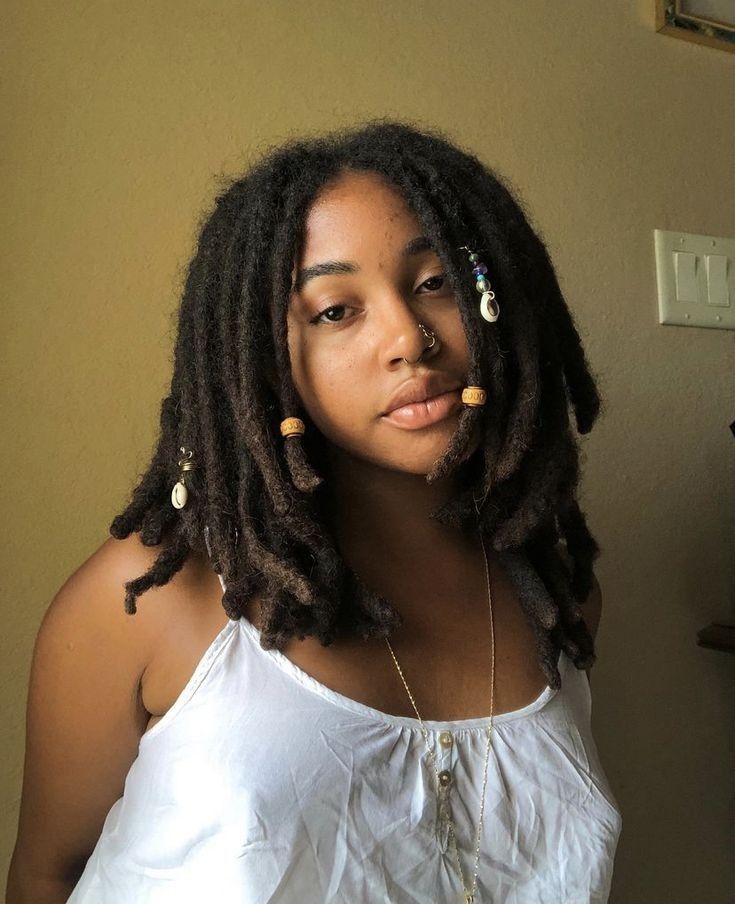
Who actually wears decorative beads and shells in their locs past age twelve? Someone who understands that winter accessories should also be on your head. The dark brown shoulder-length locs here are parted in the middle and styled naturally, with beads and shells threaded onto random strands. The effect is personal and tactile, not costume. The soft lighting catches the shells differently than the locs, so the hair reads as textured and layered without needing a single layer cut into it. No bangs keeps the focus on the adornments. If you like your hair to make a sound when you move, this is for you.
Collarbone Length Visual Idea
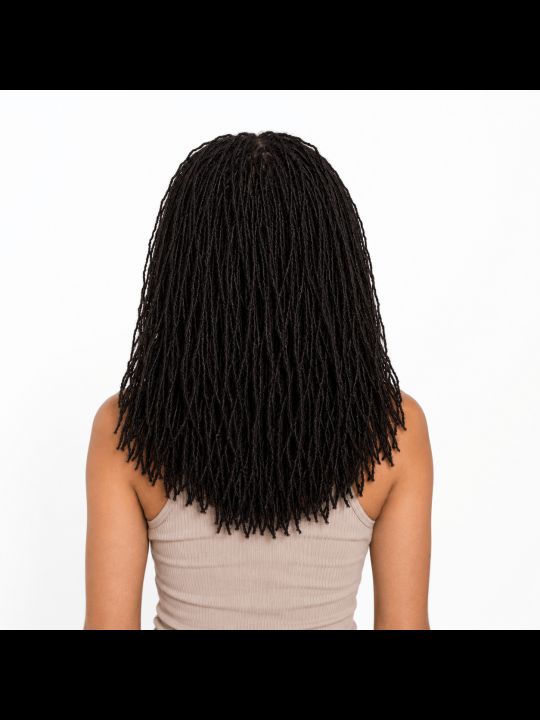
I booked sisterlocks expecting drama. Got discipline instead. The cut is collarbone length, no bangs, a middle part that lands clean. Layers are subtle, mostly internal, so the shape holds a neat line. Texture is fine but dense, and that density is the whole point. In winter, fine locs tangle faster than you think. Scarves, coat collars, dry air. I spend an extra five minutes at night smoothing them down. The uniformity is what keeps it wearable. One blunt baseline, no stray ends catching on a turtleneck.
Dark Brown Visual Idea
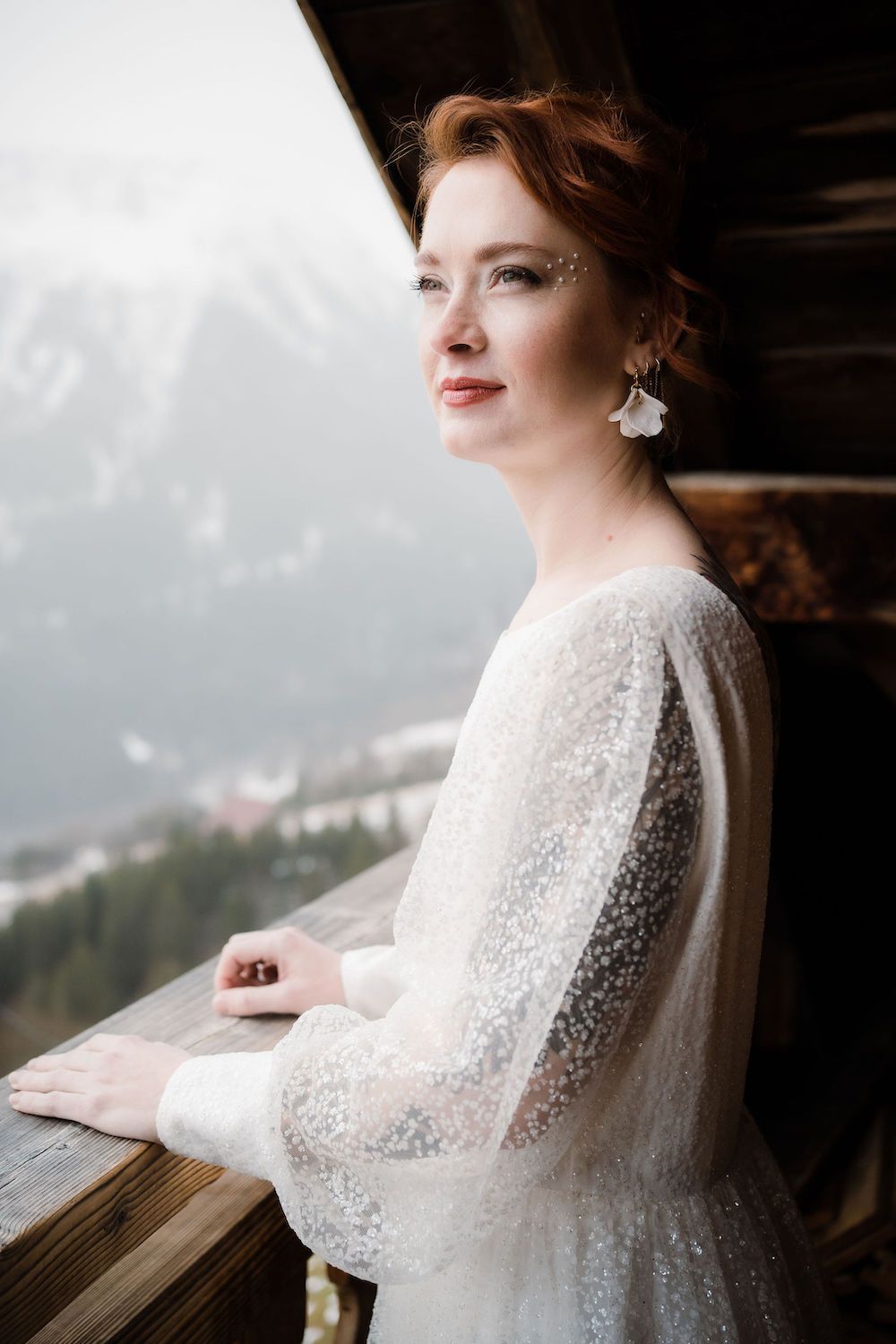
Dark brown updo with braids and a middle part. I wanted to like it. The colour is rich, the texture wavy and soft. But an updo in winter means your scalp is exposed. Cold air hits the part line, and the braids pull tighter when the temperature drops. By hour four I was reaching for a hat. The cut is long, no bangs, all weight pulled up. It flatters a long face and a strong jaw. Everyone else should pass.
Visual Idea — The Parting Is In The Middle
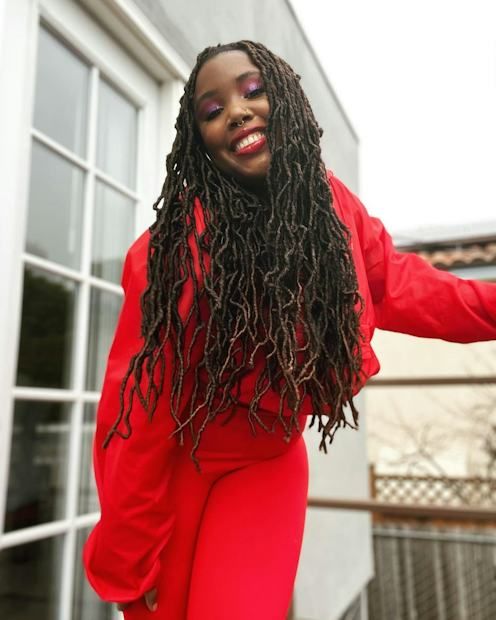
Dark brown goddess locs, wavy, loose, flowing past the shoulders. The middle part splits them evenly, and that symmetry matters. Winter light catches the wave pattern differently than summer sun. It looks richer, deeper, like the colour settled overnight.
The cut is long, no bangs, layers that start below the ear so the weight stays low. Texture is wavy, not tight, which means it moves without frizzing in dry air. The red jacket in the scene makes sense. This is a cold-weather colour story. Dark brown reads warm against grey skies and heavy coats. One middle part, one season, one cut that does not fight the weather.
Updo Visual Idea
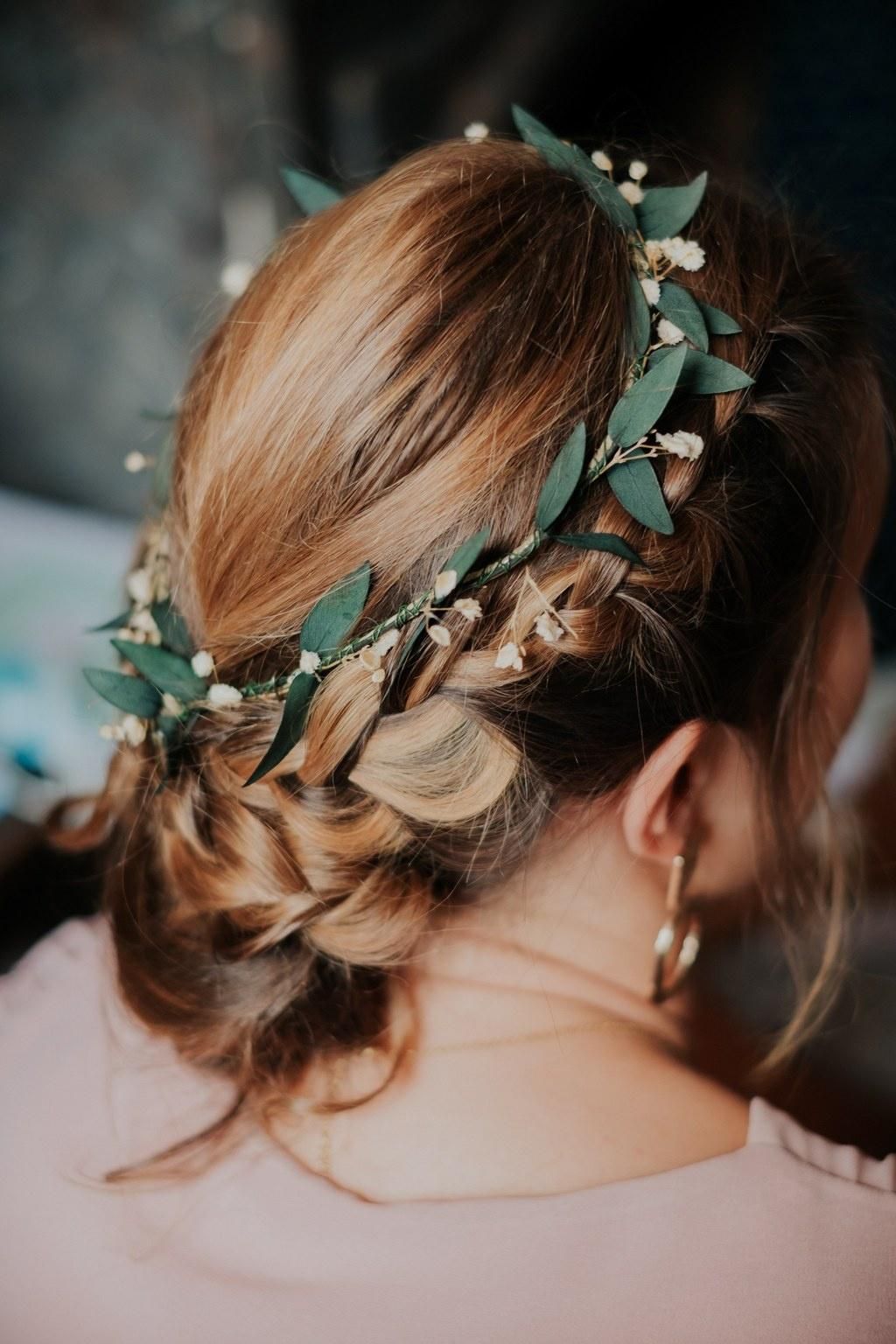
Blonde with warm undertones and subtle highlights, pulled into an intricate braided updo. The side part feeds into the braid pattern, which wraps around the crown and tucks under. Texture is wavy and thick, so the braids hold volume without slipping. The floral accessory is the tell. This is not a bathroom-mirror job. The braiding alone takes skill, and the placement of each loc has to be deliberate. Mid-back length, no bangs, layers that disappear into the updo. Salon only. Book it.
Visual Idea — Which Are Styled In Loose Curls
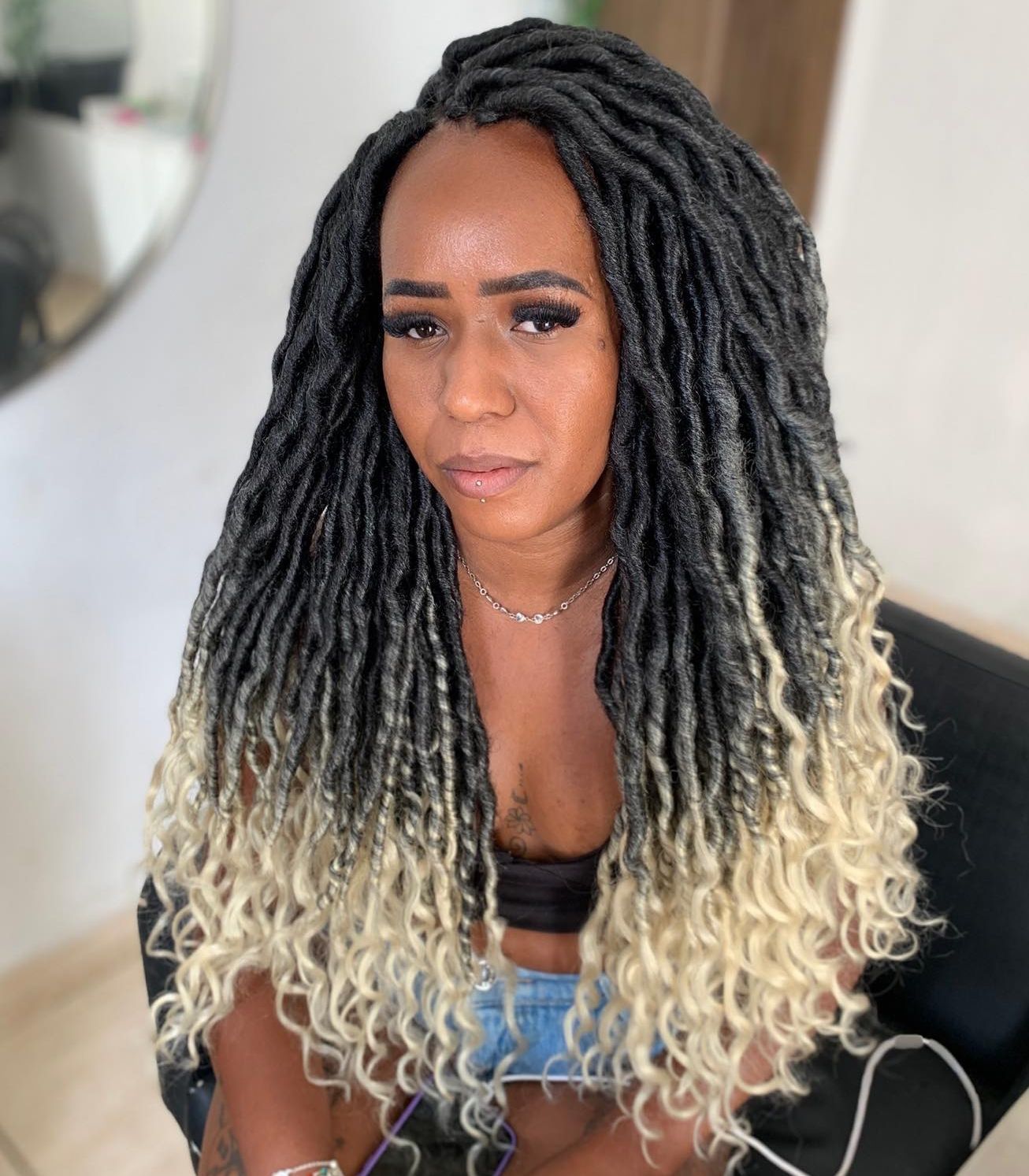
Ombre beats solid every time. Black at the roots, blonde at the ends, and the transition is gradual enough to look intentional. The cut is mid-back length, thick and wavy, no bangs, a middle part that shows the colour shift cleanly. Loose curls at the ends add movement. Solid colour reads flat in winter light. Ombre catches the grey and the snow reflection, and it keeps the roots low-maintenance for weeks. The blonde ends will fade faster in dry air. Worth it.
Visual Idea — Styled Loosely With A Middle Part
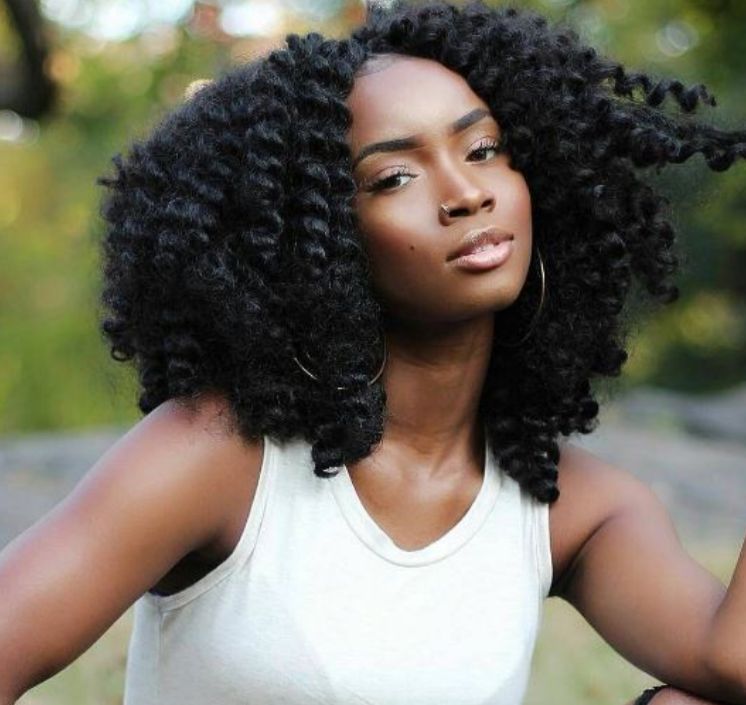
Got a rounder face and worried voluminous hair will swallow you? Try this. The middle part splits the density evenly, so the curly locs fall wide instead of piling into a dome. Shoulder length keeps the weight from pulling your features down. No bangs here, which is the point — the openness across the forehead balances the width at the cheeks. The texture is curly, loose, almost airy. It is not a dense wall of hair. It is a curtain that moves.
Shoulder Visual Idea
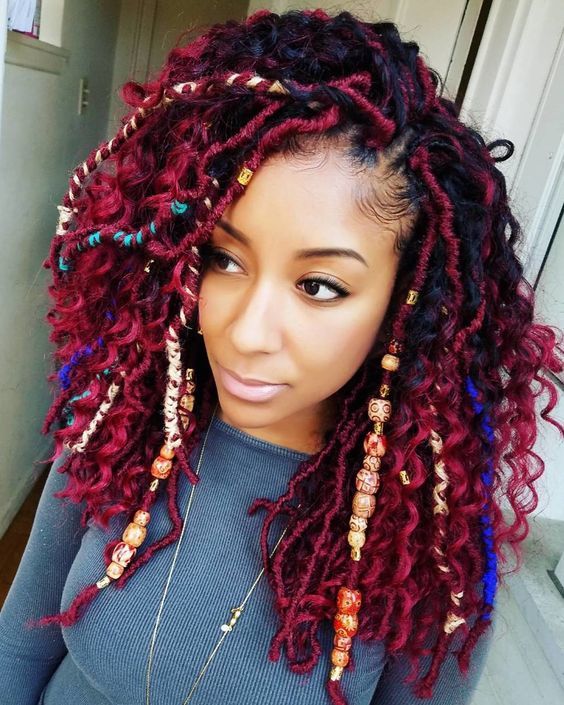
I will admit I underestimated the bead situation. The red is vibrant, yes, and the black base keeps it from screaming, but those decorative beads add weight and a constant soft clink against the collar. Shoulder length means the beads sit right at scarf level. They catch. They pull. The wavy and curly texture holds up fine through a week of hats, but the beads need a check every morning. One popped off on day three.
Shoulder Length Visual Idea
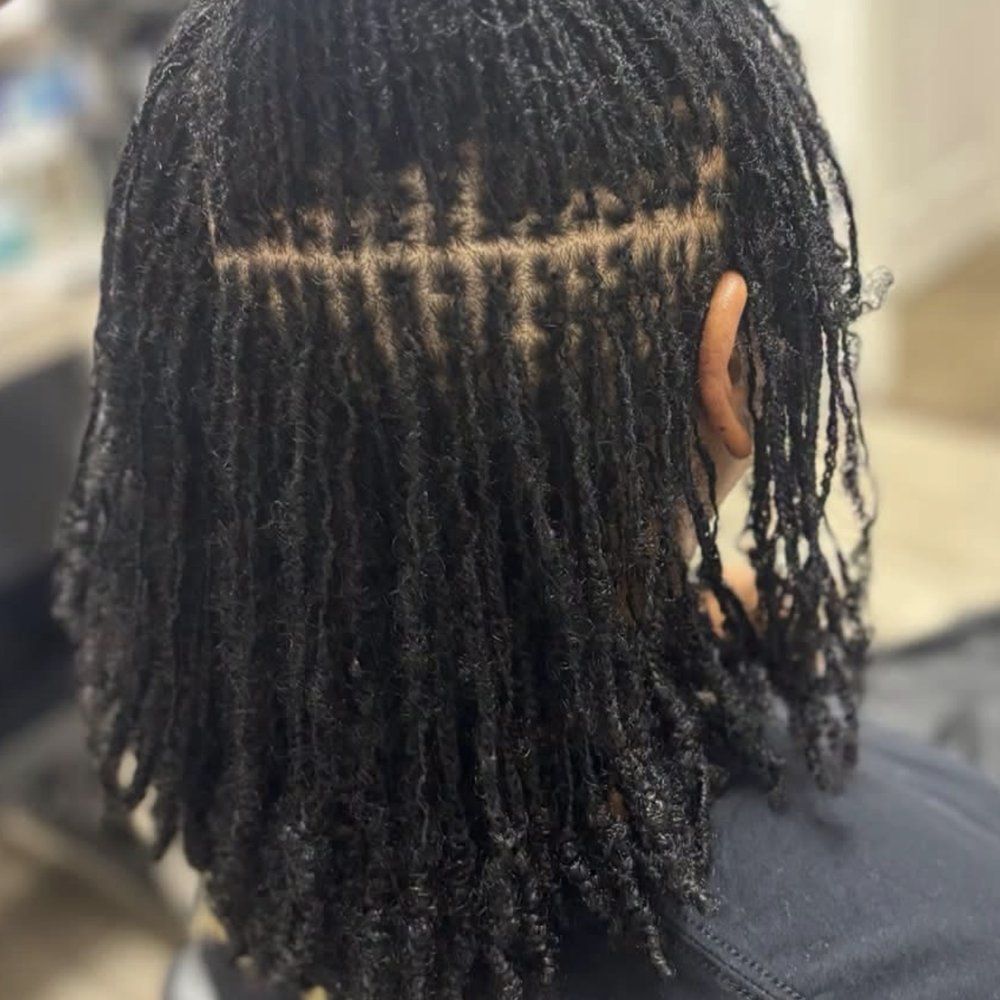
My first thought was that these micro locs look clean from the back. The middle part, the even shoulder length, the black shade — it is tidy. Then I wondered about density. Micro locs at this length can read thin if your natural hair is not thick enough to fill each loc. The cut is precise, no layers, no bangs, just uniform locs. It works best on medium to high density hair. Low density and you get gaps. The texture is smooth, neat, almost minimalist.
Locs Visual Idea
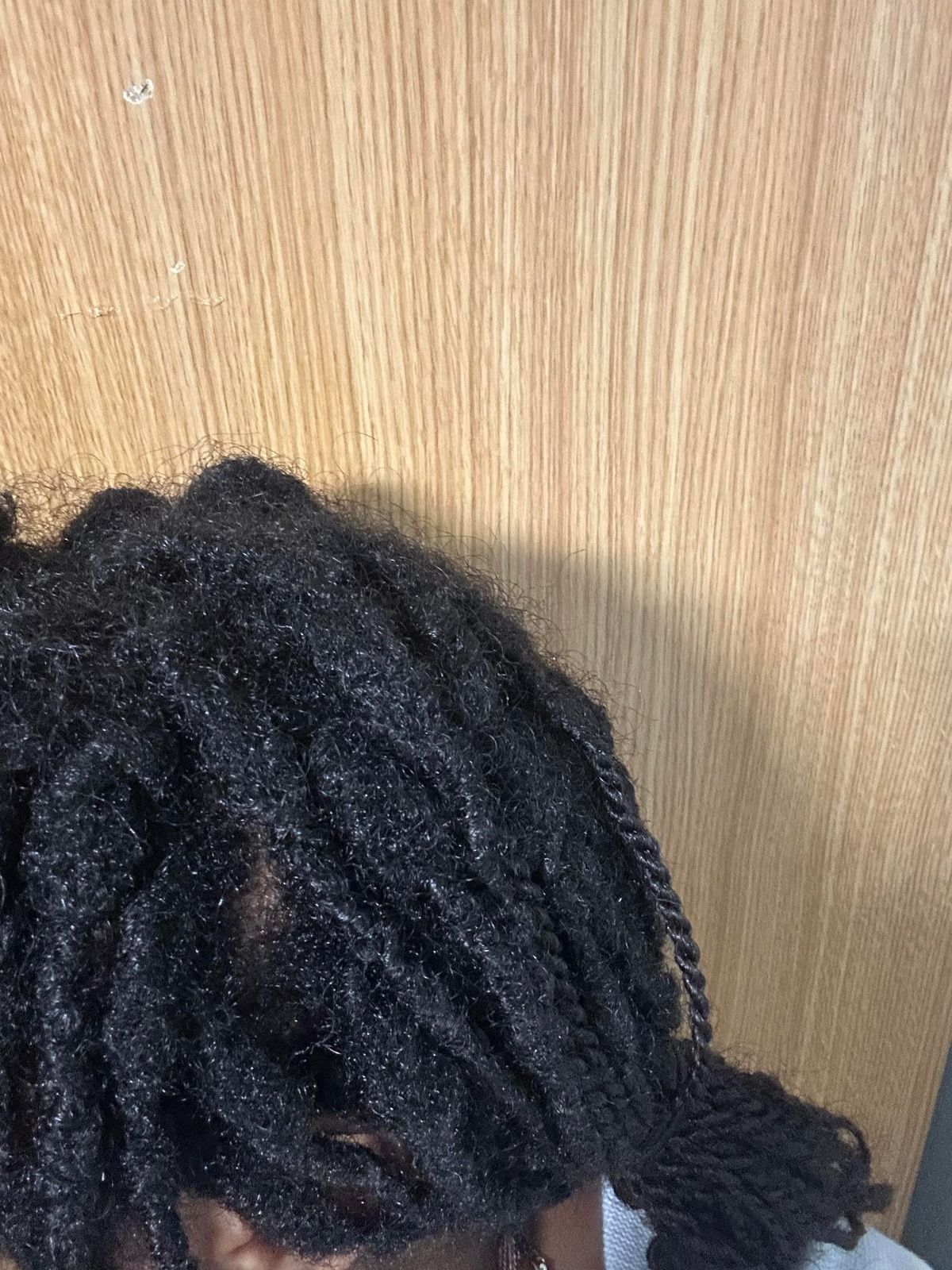
Here is the thing about winter and dense hair: it traps warmth. These wavy, thick locs at shoulder length create a full halo around the head. The middle part lets the weight fall symmetrically, and the no-bangs approach keeps it practical. No layers to separate and freeze. The texture is what sells it — wavy enough to catch light, thick enough to look intentional. This is a cold-weather workhorse. It does not flatten under a beanie.
Brown And Auburn Highlights Visual Idea
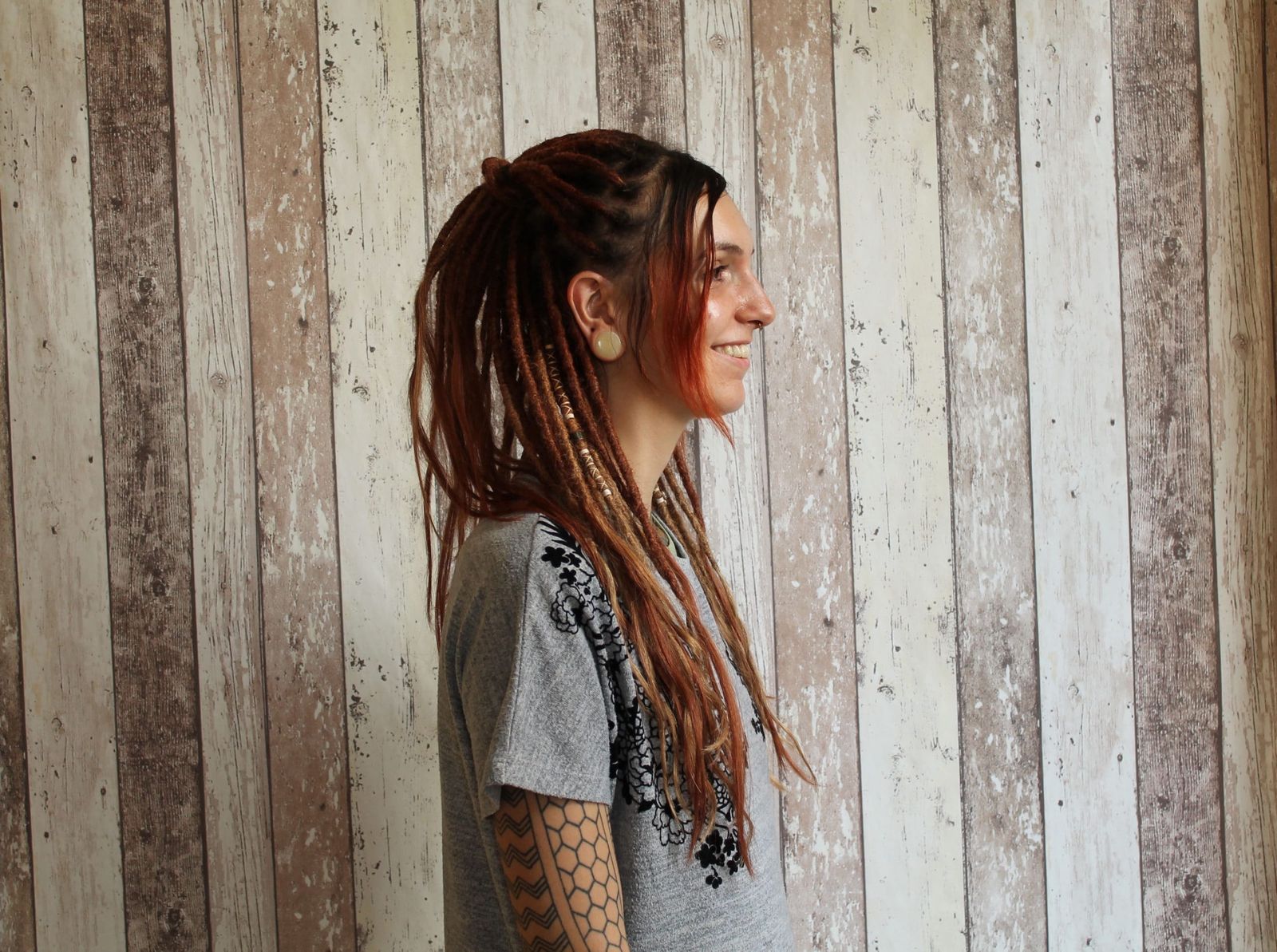
You walk into the salon and say brown and auburn highlights. The stylist nods. Then you have to talk technique. The mix here is not a uniform stripe — it is woven through wavy locs, alternating tones so the brown grounds the auburn and the auburn warms the brown. Shoulder length, middle part, pulled back into a ponytail. The cut has no bangs, no layers. The colour does the work. This is a salon job, not a box dye situation. You need someone who understands how tone sits on locs.
Black With Blonde Highlights Visual Idea
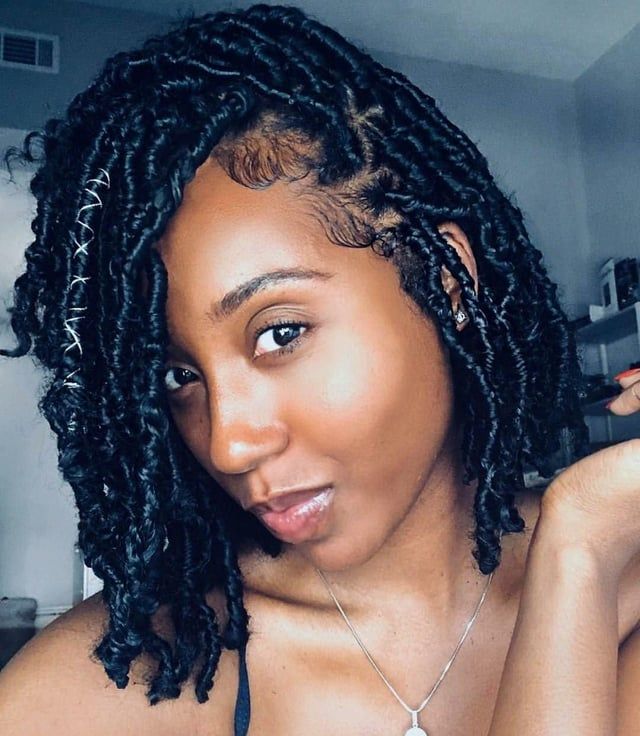
When did butterfly locs start looking this playful? The cut lands at collarbone, with no bangs and a middle part that lets the blonde highlights catch light from both sides. Fine density here, which matters because the wavy texture and curly ends need that lighter weight to bounce instead of droop. A round face gets softness from the curls without width. Square jawlines get the same softening effect. These are not the locs you can do in your bathroom mirror. Book the consultation first.
Faux Locs Visual Idea
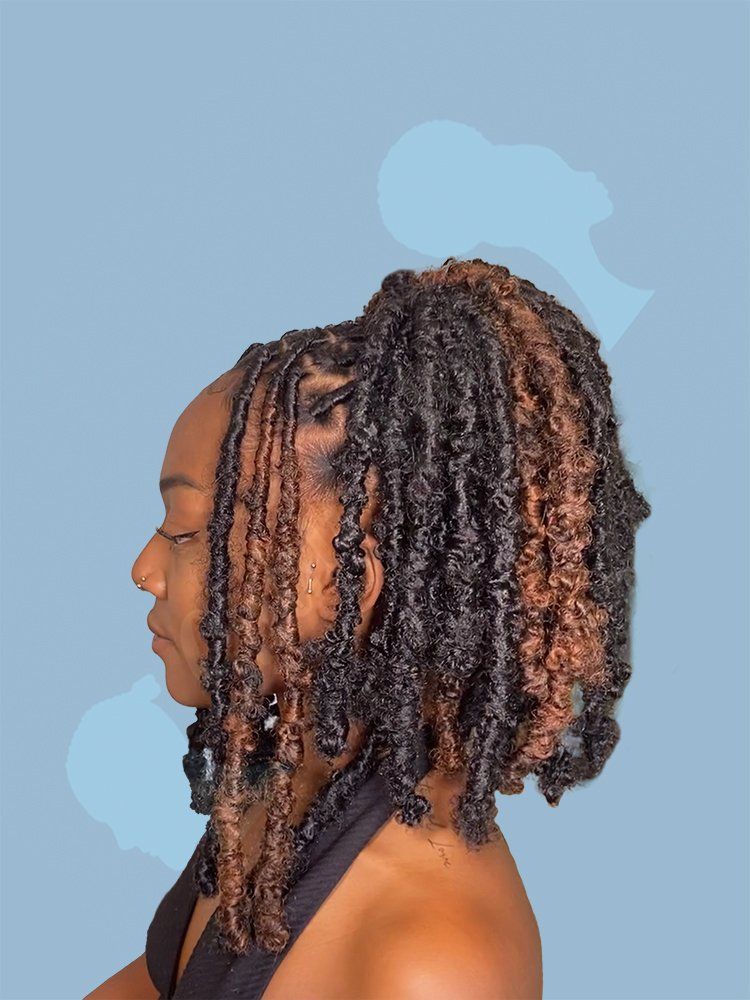
I will admit I was skeptical about two-tone color under a winter hat. Then I saw this shoulder-length faux loc style from the side, no bangs, middle part, pulled into a high ponytail. The black base and brown highlights mean the lighter strands sit mostly on the surface, so when you pull a beanie on and off, the dark roots take the friction and the highlights stay visible at the ponytail ends. The wavy texture holds shape through a scarf rub. A trim every ten weeks keeps the ends from looking tired. The grow-out is invisible because the two tones blur the root line naturally.
Visual Idea — Reaching Chest Length
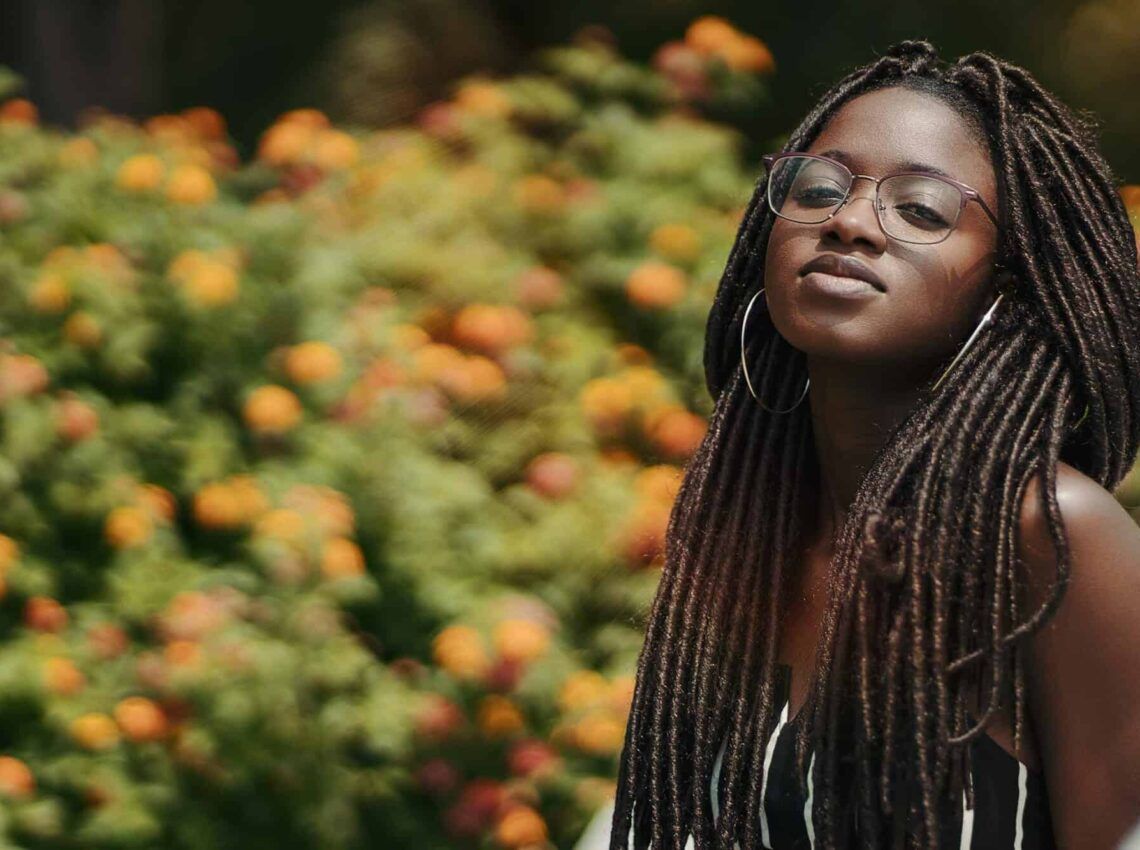
Long and loose beats short and structured for winter. This chest-length style, dark brown with a wavy texture, middle part, front view showing density, is the cut I would pick over a blunt collarbone bob every time. The bob sits on coat collars and flattens under a hood. These locs fall free, the wavy texture catching air and staying visible above a turtleneck. No bangs, so you skip the daily curl reset. The weight of the length pulls the wave pattern into a relaxed S-shape that does not tangle at the nape. A trim every twelve weeks keeps the ends clean without losing the natural movement.
Butterfly Locs Visual Idea
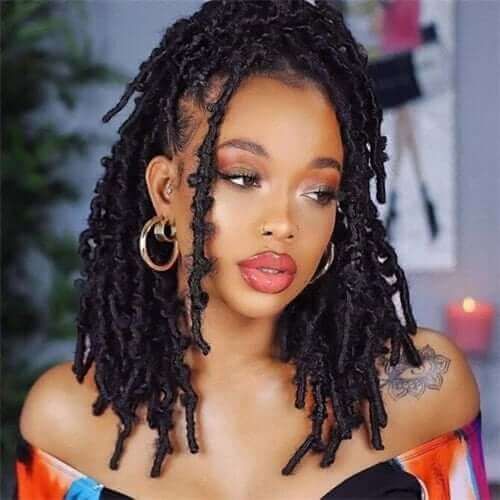
These textured butterfly locs land exactly where winter events need them. Shoulder length, no bangs, a side part that breaks the symmetry, black all through. The medium density and wavy texture mean the locs have body without being heavy. A holiday dinner, a gallery opening, a Saturday that asks for more than a ponytail. The texture catches light differently under warm restaurant lighting versus cold daylight. The side part softens a round face and balances a long one. This is not a daily style. It is the one you book for the calendar.
Twist Out Visual Idea
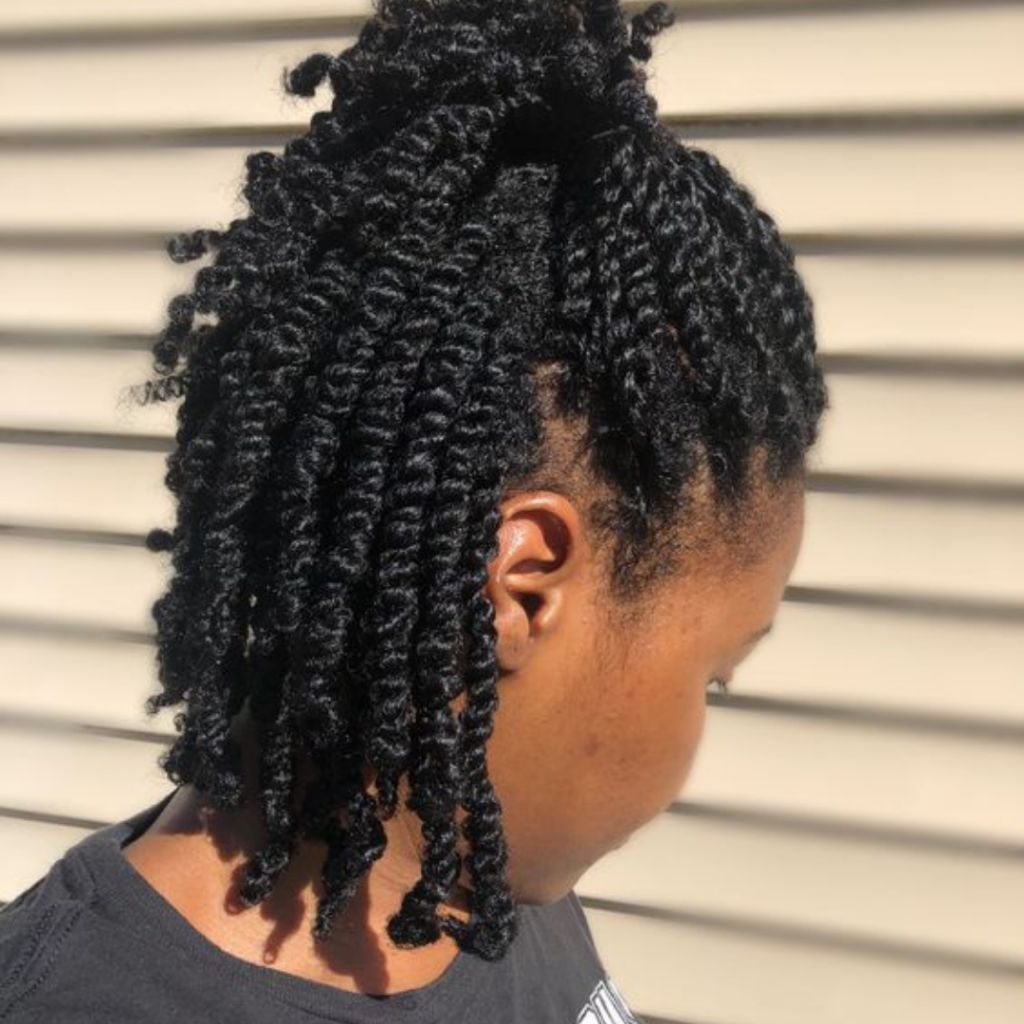
No Bangs Visual Idea
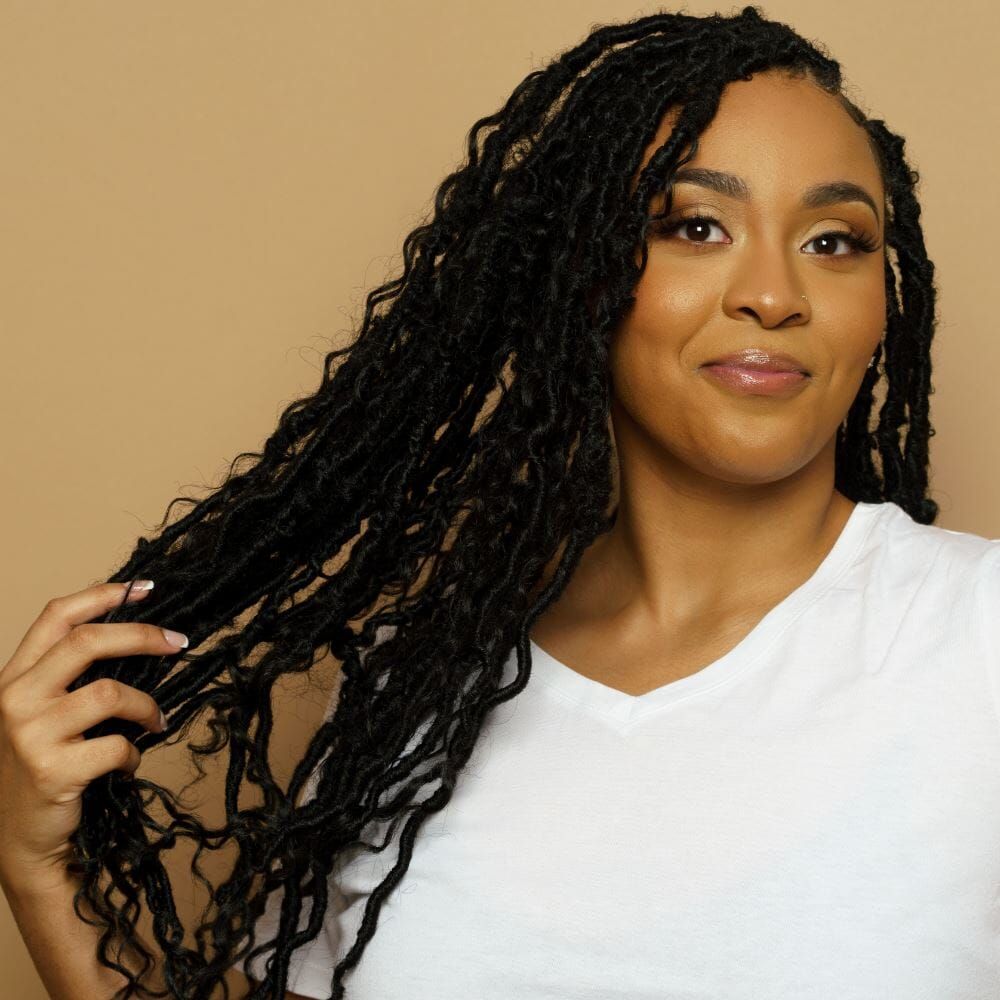
Can a no-bangs look still frame your face? Yes, if the parting does the work. A middle part on long, flowing locs opens up a round face and draws the eye downward, no fringe required. The cut here is simple: faux locs, no bangs, mid-back length, thick wavy texture. No layers to speak of, just a clean blunt shape that lets the weight of the hair speak for itself. That thickness is key — it gives the locs body so they fall forward around the cheekbones instead of hanging straight down. For a square face, shift the part slightly off-center. The styling is loose and wavy, which softens the whole shape. A trim every ten weeks keeps the ends from looking stringy.
Front View Visual Idea
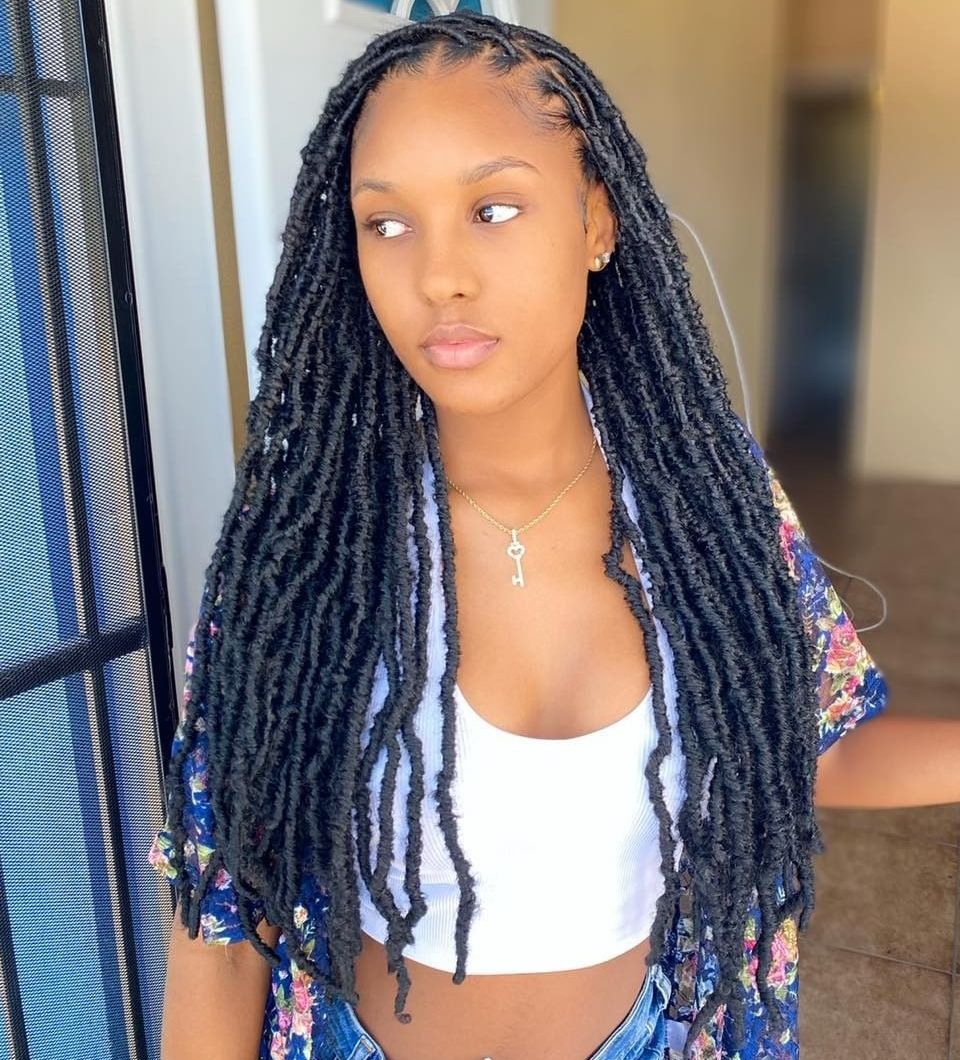
I have to confess: I was skeptical about voluminous faux locs with braided details. They look like a lot of work. And they are. The cut is long, black faux locs with no bangs, styled loose and wavy with a side part. A few small braids at the front add texture without weighing things down. The volume comes from the locs themselves — thick and wavy, not from added bulk. In winter, the upkeep is real: the braided accents mean extra time retwisting at the roots, and the side part needs resetting every wash or it migrates. But the payoff is a shape that actually holds its body in dry indoor heat. Flat by 4 pm does not happen here.
Middle Visual Idea
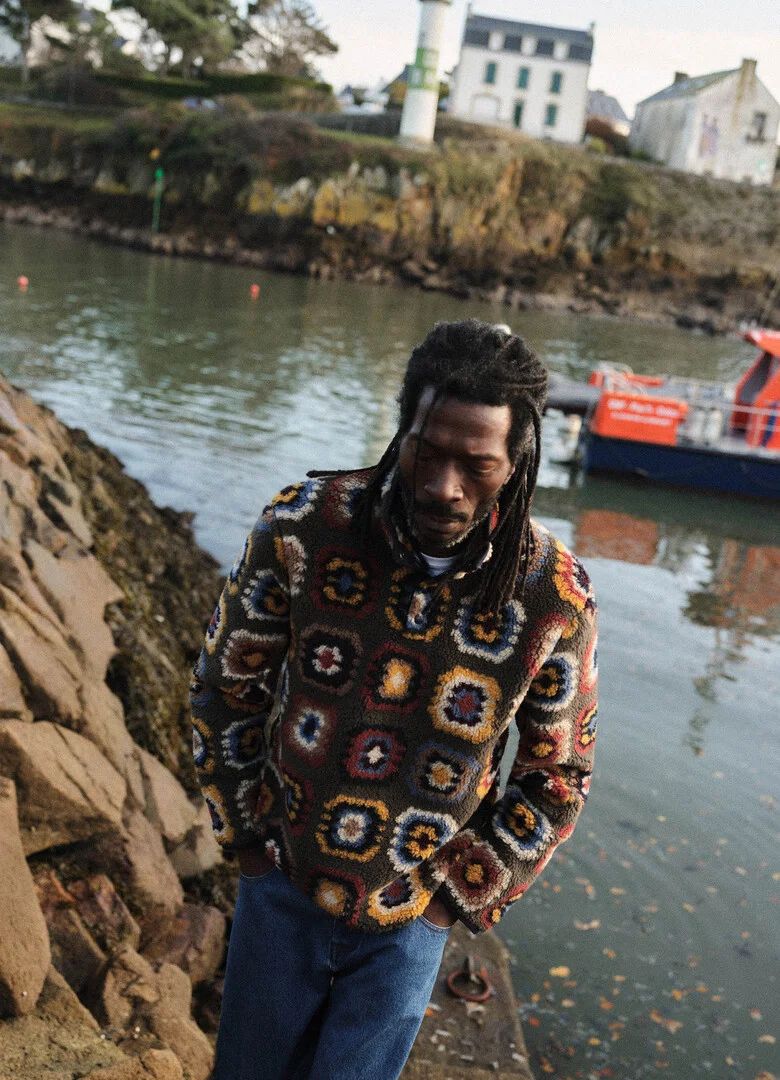
My gut says this is the most wearable locs texture in the roundup. Dark brown, mid-back length, no bangs, a clean middle part. The coily texture is natural and unfussy. But winter is the problem. Coily locs dry out fast in cold air and indoor heat — they get brittle, the ends fray, and the curl pattern loses its definition. A weekly deep condition is not optional, it is survival. The cut itself has no layers, just a blunt baseline that keeps the shape heavy. That helps, because weight hides split ends longer. Still, check your ends by week six. Brittle locs snap, and a trim is the only fix.
Final Thoughts
After writing all of these, I noticed something. The ones I kept coming back to were not the most complicated. They were the ones with a clear silhouette and a color that did not fight the season. I am booking the deep black shoulder length faux locs next. No toner, no brass, no second-guessing.